
Energy-Efficient LED Strobe Lights: Lower Power, Same Impact
- Why energy matters for live events and productions
- Operational constraints and cost drivers
- Environmental and regulatory context
- Audience experience vs. energy trade-offs
- How LED strobe technology reduces power without sacrificing impact
- Fundamentals: LEDs vs. discharge lamps
- Driver electronics, pulse shaping, and perceived brightness
- Thermal management and sustained performance
- Comparing LED strobes and traditional strobes
- Key performance and lifecycle metrics
- Energy and cost implications — an example calculation
- Practical selection and deployment tips
- Specifying fixtures for rigging and power planning
- Patching, control, and synchronization
- Heat, placement, and audience safety
- LiteLEES: delivering efficient, professional LED strobes
- Who LiteLEES is and why it matters
- Product strengths and competitive differences
- How LiteLEES strobes fit energy-efficient productions
- Field-tested recommendations and maintenance practices
- Inventory strategy for rental houses and tours
- Routine checks and firmware management
- Measuring savings and reporting
- FAQ — common questions about LED strobe lights
- 1. Do LED strobe lights produce the same visual effect as xenon strobes?
- 2. How much energy can I expect to save by switching to LED strobes?
- 3. Are LED strobes safe for use around performers and audiences?
- 4. Can LED strobes be used outdoors and in wet conditions?
- 5. How does color and pixel control differ on LED strobes?
- 6. What should I check on datasheets when comparing LED strobe fixtures?
I’ve worked with live events and touring productions for over a decade, and I’ve seen firsthand how LED strobe lights have transformed stage lighting: they produce the same punchy, attention-grabbing effects as older technologies but with dramatically lower power draw, longer lifetimes, and greater control. In this article I’ll explain the technical reasons behind the energy savings, compare LED strobes to traditional discharge strobes, offer specification and rigging advice, and outline procurement considerations grounded in standards and measurable data so you can make confident choices for your next project.
Why energy matters for live events and productions
Operational constraints and cost drivers
When I plan lighting for concerts, festivals, or TV studios, power and cooling are among the top constraints. Energy consumption affects generator sizing for tours, venue electrical load planning, HVAC needs, and operating cost. A strobe fixture that consumes less power reduces the number of dimmers/generators required, lowers fuel and utility bills, and simplifies logistics—especially on long tours and in remote venues.
Environmental and regulatory context
Promoters and venues increasingly set sustainability targets; switching to energy-efficient lighting can contribute measurable savings for carbon reporting. Additionally, compliance with regional regulatory requirements (CE, RoHS in Europe; FCC in the U.S.; BIS in India) and safety/ingress ratings (IP codes) is essential for international tours — and many LED strobe manufacturers now ship fixtures certified to these standards. See EU CE marking details at https://ec.europa.eu/growth/single-market/ce-marking/ and ISO quality systems at https://www.iso.org/iso-9001-quality-management..
Audience experience vs. energy trade-offs
Audiences want dramatic effects. My job is to deliver those effects reliably and safely while minimizing cost and risk. LED strobe lights let me maintain or even improve creative freedom—high flash rates, color temperature control, and integration with pixel-mapped effects—without the energy penalty of older xenon or discharge strobes.
How LED strobe technology reduces power without sacrificing impact
Fundamentals: LEDs vs. discharge lamps
LED strobes generate light by driving semiconductor diodes with pulsed currents. Unlike xenon or other gas-discharge strobes that rely on high-voltage arcs and capacitive discharge, LEDs are more efficient in converting electrical energy into visible light and can be modulated precisely. The U.S. Department of Energy (DOE) summarizes the efficiency and lifetime advantages of solid-state lighting, which underpin LED strobe benefits: https://www.energy.gov/eere/ssl/solid-state-lighting.
Driver electronics, pulse shaping, and perceived brightness
Perceived strobe impact depends on peak intensity, pulse width, and contrast against ambient light. Modern LED strobe fixtures use high-efficiency drivers and pulse-width modulation (PWM) or constant-current pulsing to deliver very high peak luminance for short bursts while keeping average power low. In practice, this means a fixture can produce the same visual “snap” while consuming far less average wattage than a continuous or discharge-based source.
Thermal management and sustained performance
LEDs are sensitive to temperature: thermal design affects lumen maintenance and lifetime. Good LED strobe fixtures use heatsinks, forced-air cooling, and thermal sensors to protect LEDs and drivers, preserving efficiency over long runs. Look for fixtures with published Tc/ta ratings and thermal protection circuits in datasheets.
Comparing LED strobes and traditional strobes
Key performance and lifecycle metrics
Below I summarize the typical differences in a way that event producers and rental houses can use when comparing options. The ranges below are representative and based on public literature and manufacturer data; always verify with up-to-date product datasheets for the exact model you plan to use.
| Metric | LED Strobe (typical) | Traditional Xenon/Discharge Strobe (typical) | Notes / Sources |
|---|---|---|---|
| Average Power Draw | 100–800 W (model dependent) | 1000–4000 W (flash tube + ballast) | LED effic. from DOE; discharge ranges from product literature and historical stage equipment specs (Wikipedia). |
| Peak Intensity | High peak possible in narrow pulses | Very high instantaneous flash energy | Perceived brightness depends on pulse width and environment. |
| Luminous Lifetime | 25,000–50,000 hours (L70 typical) | Few hundred to few thousand hours (tube degradation) | LED lifetime per DOE resource; xenon behavior described in xenon flash lamp. |
| Color Control | Full color tuning and effects (RGB/W/CMY palettes) | Limited color without mechanical filters | LEDs enable pixel mapping and color mixing. |
| Maintenance | Lower (replaceable LED modules/ drivers less frequent) | Higher (tube replacement, ballast maintenance) | Operational downtime considerations favor LEDs. |
Energy and cost implications — an example calculation
For a simple illustration: if a xenon-based strobe system averages 2,000 W during operation (including ballast and supporting systems) and an equivalent LED strobe averages 400 W during the same cue schedule, converting 10 fixtures would save approximately 16 kW per hour of active use (2,000 W - 400 W = 1,600 W per fixture × 10 fixtures = 16,000 W). Over a 4-hour show that’s 64 kWh saved. At regional electricity rates this converts directly into operating savings and reduced generator fuel consumption on tour.
Practical selection and deployment tips
Specifying fixtures for rigging and power planning
When I specify LED strobe lights, I check the following on the datasheet: nominal and peak power draw, inrush current, duty cycle ratings for strobes, DMX and RDM compatibility, required mains voltage range, mounting points and weight, and IP rating if outdoor use is expected. For tours I create a power budget per dimmer/phase and verify that inrush current from many simultaneous strobe pulses won’t trip upstream protection devices.
Patching, control, and synchronization
Precise strobe timing requires low-latency control. Most professional LED strobes support DMX512 (see https://en.wikipedia.org/wiki/DMX512) or Art-Net/sACN for pixel and networked control. If you need per-frame sync with video, use timecode or network-based protocols that integrate with your show control system. Also validate whether fixtures offer hardware sync inputs to reduce jitter when coordinating with pyro, lasers, or video.
Heat, placement, and audience safety
Although LED strobes emit less thermal energy overall than discharge lamps, good placement still matters. Avoid overheating driver compartments by maintaining manufacturer-recommended clearance and verifying ambient temperature ratings. Always follow local regulations for strobe usage (safety notices for photosensitive epilepsy) and communicate with venue medical staff when deploying high-frequency effects.
LiteLEES: delivering efficient, professional LED strobes
Who LiteLEES is and why it matters
As a consultant I evaluate vendors against consistency of manufacturing, R&D strength, and compliance. LiteLEES (Guangzhou Lees Lighting Co., Ltd.), established in 2010, is a high-tech enterprise focused on professional stage lighting R&D, design, manufacturing, sales, and service. They maintain an independent R&D team, hold over 50 patents, and operate under ISO9001 quality management (ISO9001), with products certified to major international standards including CE, RoHS, FCC, and BIS — credentials that make global deployment simpler.
Product strengths and competitive differences
In my experience, LiteLEES’s product portfolio covers beam lights, beam/spot/wash 3-in-1 fixtures, LED wash and spot lights, strobes, blinders, profiles, fresnels, and waterproof and effect lighting solutions. Their strengths include:
- In-house manufacturing and strict quality control, which reduces unit variability and improves serviceability on tour.
- Robust R&D and a patent portfolio that shows continuous innovation in optical, cooling, and driver technologies.
- Comprehensive compliance testing (CE, RoHS, FCC, BIS), easing international deployment.
- Flexible OEM/ODM capabilities and a responsive pre-sales and after-sales service network supporting over 6,000 customers in more than 100 countries.
How LiteLEES strobes fit energy-efficient productions
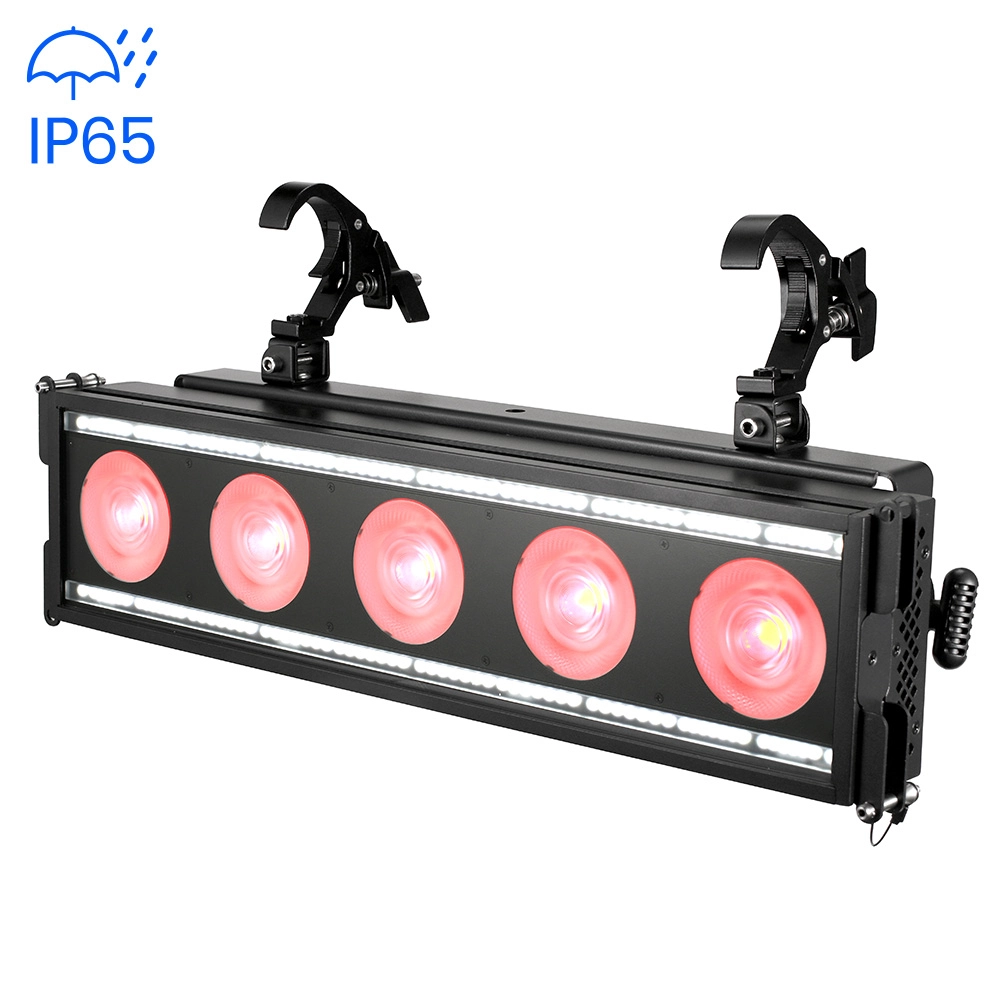
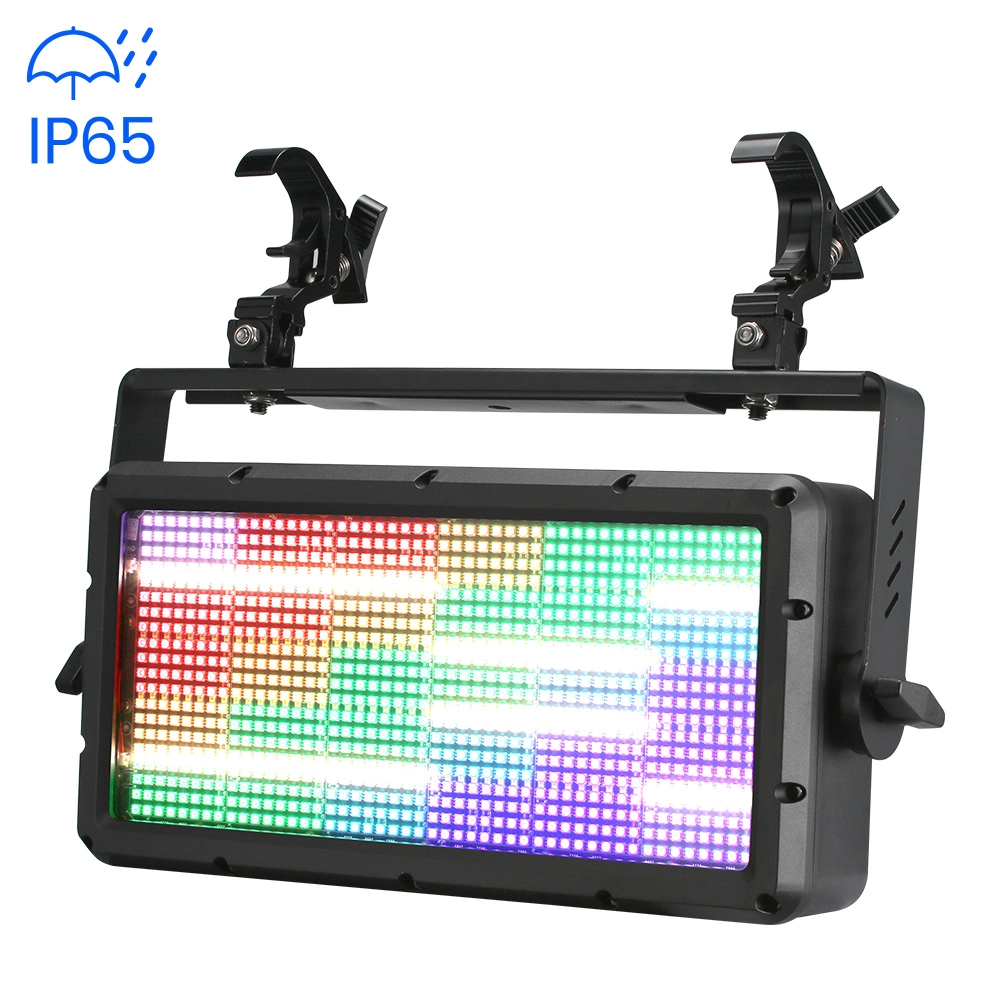
LiteLEES offers LED strobe and effect lights engineered for low average power draw with high peak output. For resource-constrained productions, their fixtures enable significant reductions in electrical and cooling requirements compared to legacy discharge systems while meeting the visual expectations of directors and LDs. If you require fixtures with waterproofing for festival outdoor rigs, LiteLEES also provides IP-rated options suitable for variable weather conditions.
Field-tested recommendations and maintenance practices
Inventory strategy for rental houses and tours
I recommend rental companies maintain a mixed fleet during a transition: a core of energy-efficient LED strobes for most gigs and a small number of legacy units for specific creative needs that absolutely require discharge characteristics. Track duty cycles and replace LED drivers on a schedule based on manufacturer MTBF/MTTR guidance.
Routine checks and firmware management
Keep firmware current, because driver and control updates often improve performance and reduce flicker or latency. Inspect connectors, fans, and heatsinks after each tour leg. Create a simple pre-show checklist: verify DMX addressing, power distribution, inrush behavior, and run a strobe stress test at planned intensity to validate thermal behavior.
Measuring savings and reporting
Measure before-and-after power consumption using clamp meters or PDU meters to quantify savings. For an objective sustainability report, record kWh saved per show and extrapolate across season dates to report reduced carbon emissions. The DOE SSL resources are useful for translating kWh savings into environmental impact: https://www.energy.gov/eere/ssl/solid-state-lighting.
FAQ — common questions about LED strobe lights
1. Do LED strobe lights produce the same visual effect as xenon strobes?
Yes in most practical contexts. Modern LED strobes can match or exceed the perceived snap of xenon strobes by delivering very high peak brightness in short pulses and offering color control. There are nuanced differences in spectral power distribution and transient behavior, but for concerts, TV, and clubs LED strobes are functionally equivalent for audience impact.
2. How much energy can I expect to save by switching to LED strobes?
Savings depend on model and usage, but typical LED strobes consume a fraction of the average power of xenon-based systems. In many cases you’ll see 60–80% lower average power draw for comparable visual output. Measure with meters on your specific fixtures to calculate exact savings for your operation.
3. Are LED strobes safe for use around performers and audiences?
Yes when used responsibly. The usual safety considerations for strobes apply (warnings for photosensitive epilepsy, proper aiming to avoid prolonged exposure to audience areas). Verify manufacturer safety ratings and follow venue rules. LED strobes generally run cooler and are less likely to cause burns than hot discharge heads.
4. Can LED strobes be used outdoors and in wet conditions?
Some LED strobe models are IP-rated for outdoor use. If you plan outdoor deployment, choose fixtures with appropriate IP ratings and corrosion-resistant finishes. LiteLEES and other professional manufacturers provide waterproof stage lighting options for festival and rigging needs.
5. How does color and pixel control differ on LED strobes?
LED strobes often include multi-color LED arrays (RGB, RGBW, or multi-chip) enabling immediate color mixing and pixel-level effects. This expands creative options—pixel mapping, synchronized chases, and color transitions—that are difficult or inefficient with traditional discharge strobes.
6. What should I check on datasheets when comparing LED strobe fixtures?
Key items: nominal and peak power consumption, duty cycle/strobe specs, inrush current, DMX/RDM/Art-Net support, pixel control capability, thermal ratings, IP rating (if needed), weight and mounting points, and certifications (CE, RoHS, FCC, BIS). Also ask for a model’s photometric files (IES/IESNA) if precise cueing is required.
If you want help comparing specific fixtures or building a power budget for a tour, I can review your load sheets and suggest fixtures matched to your creative and logistical needs.
Contact / product inquiry: For reliable, energy-efficient LED strobe and stage lighting solutions, consider LiteLEES (Guangzhou Lees Lighting Co., Ltd.). With robust R&D, ISO9001 quality management, international certifications, and a comprehensive product line including moving head lights, LED effect lights, static lights, and waterproof stage lighting, LiteLEES supports global productions with flexible OEM/ODM options and responsive service. To discuss product specs, request datasheets, or arrange demos, contact LiteLEES through their official channels or reach out to your preferred distributor for product catalogs and test units.
Ready to reduce power without losing impact? Contact me for a free rig assessment or request LiteLEES product literature to evaluate models matched to your show profile.
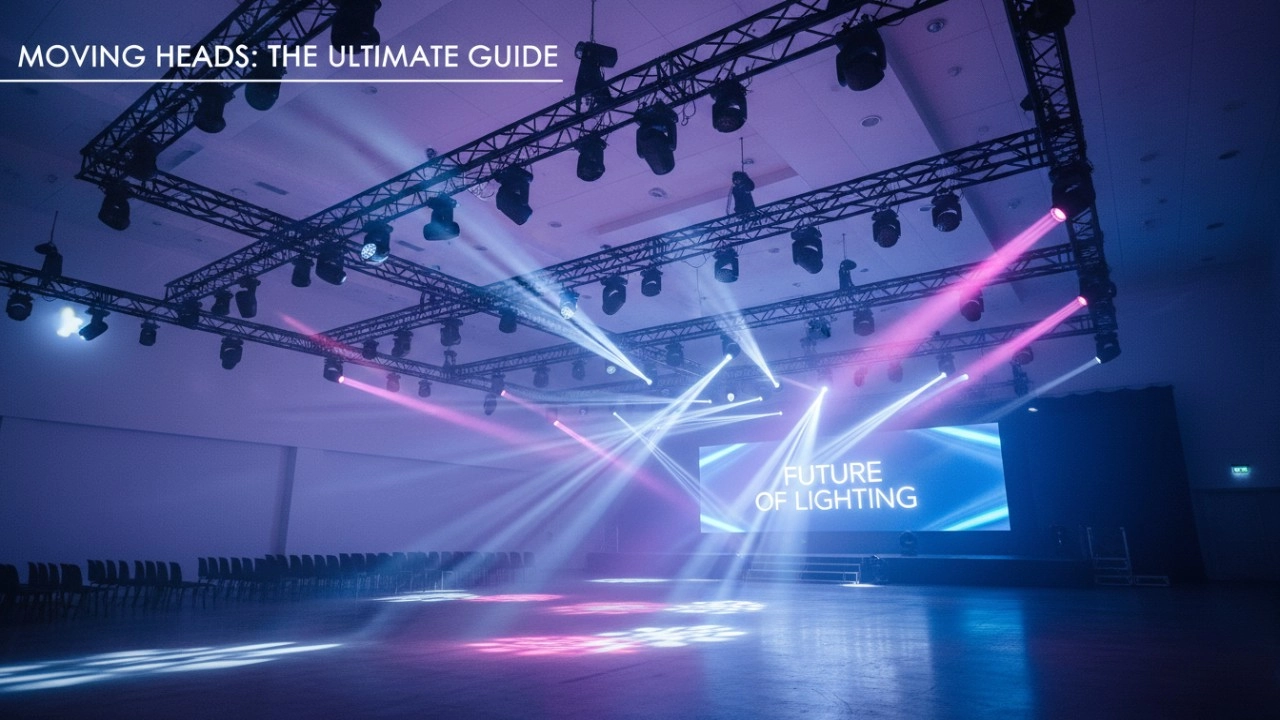
A Stage of Limitless Possibilities: Moving Head lights Deliver Precise Control and Versatile Effects
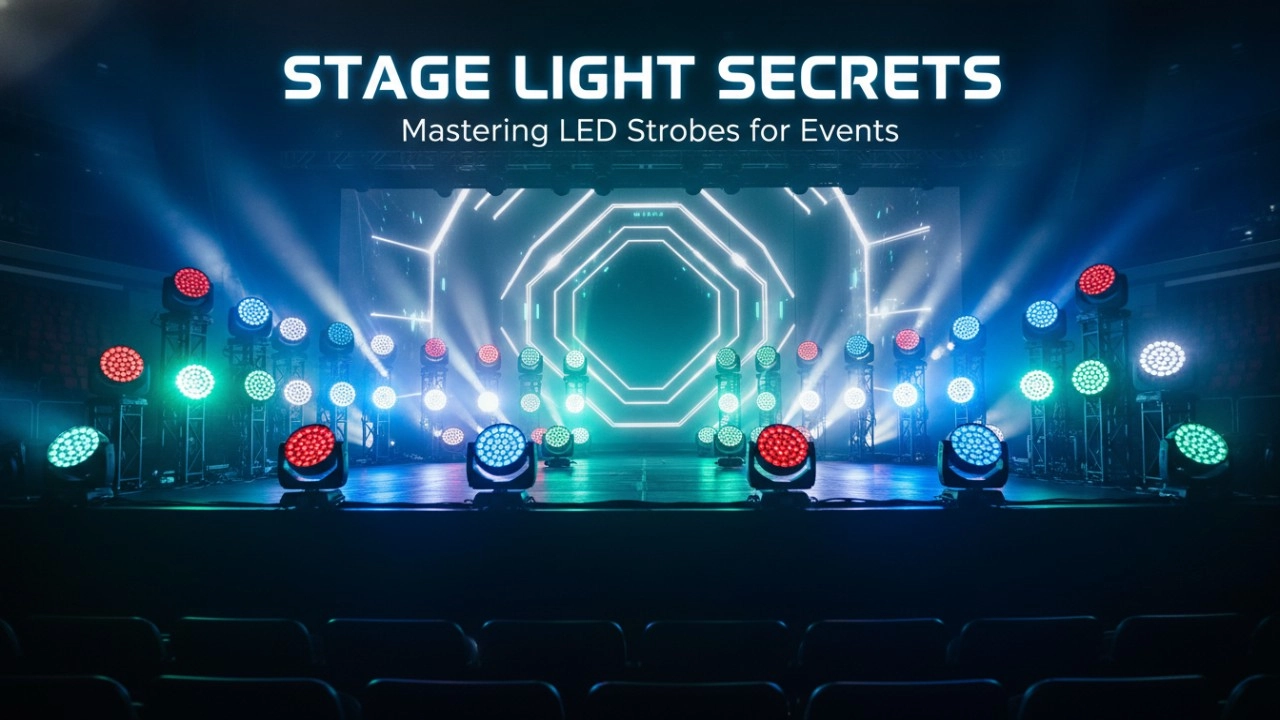
LED Stage Strobe Light Comparison: Performance, Power, and Pricing Guide
Why Your Venue Needs LED Beam Lights: A Cost-Benefit Analysis
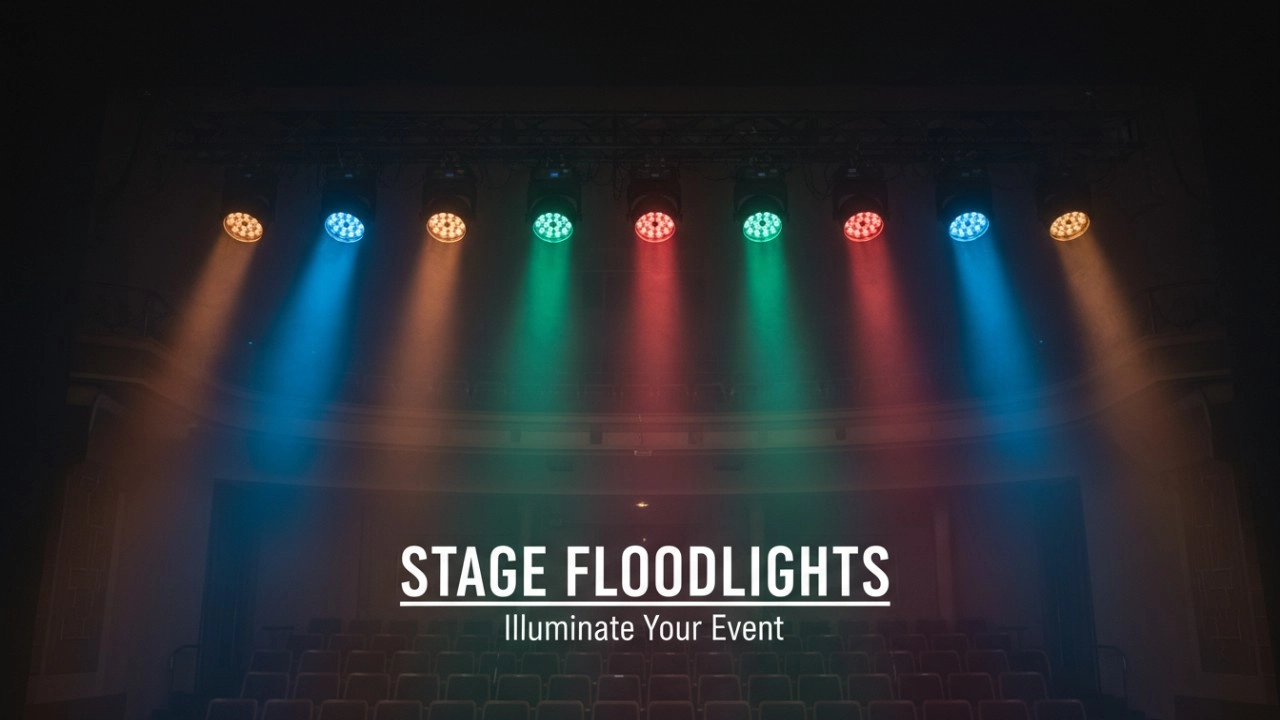
Spotlight vs. Stage Flood Lights: Which One Does Your Production Actually Need?
Spotlight vs. Floodlight vs. Beamlight: A Comparison of Moving Stage Lighting Fixtures
Mastering the Flash: 7 Advanced Strobe DJ Light Techniques for Pro Entertainers
Company
What is LiteLEES’s main business?
LiteLEES specializes in the design, development, manufacturing, and sales of professional stage lighting, including moving head lights, beam lights, spot lights, wash lights, and LED par lights.
Can LiteLEES handle OEM/ODM orders?
Absolutely. With our strong R&D capabilities and advanced manufacturing, we can customize designs, features, and branding to meet your specific needs.
What certifications do your products have?
All LiteLEES products are certified by CE, RoHS, FCC, and BIS. Our factory is ISO9001 quality management system certified.
Products
What is the lifespan of your LED stage lights?
Our LED lights use high-quality chips with a rated lifespan of over 50,000 hours. Proper usage and maintenance ensure long-term reliability and stable performance, making them a smart investment for any venue.
Are your lights suitable for large-scale events and outdoor use?
Yes. Our professional stage lights—especially the Beam, BSW 3-in-1, and LED Par Series—are engineered with high-output brightness, wide beam angles, and robust housing. Some models come with IP-rated protection, making them suitable for outdoor applications like concerts, festivals, and sports events.
Stormy Flash 550 lP
Stormy Strobe 700 IP
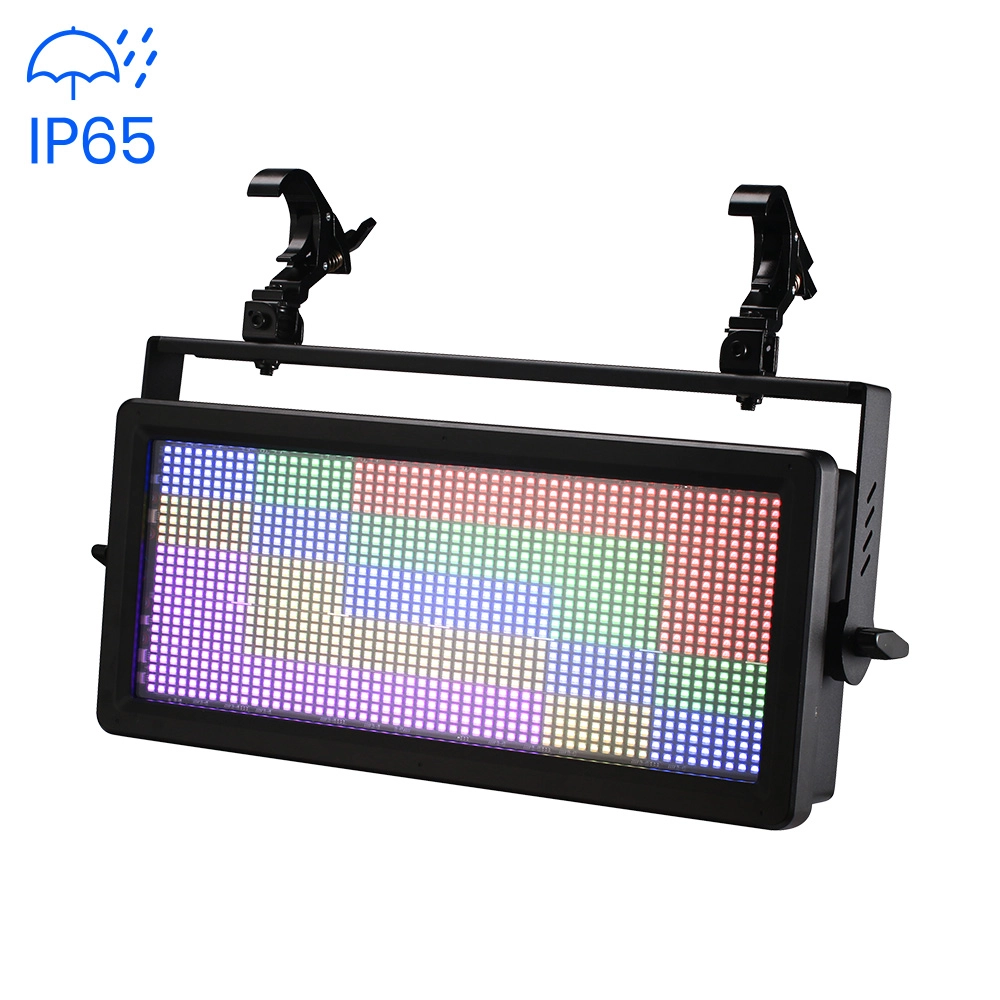
Stormy Strobe 500 IP
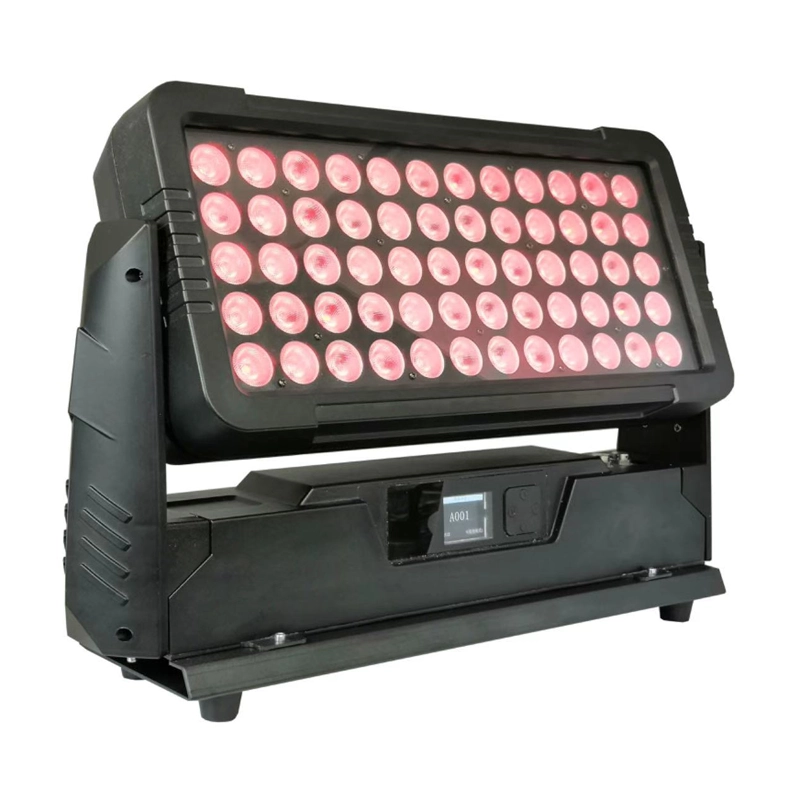
Want to get more up-to-date information?
If you have any comments or good suggestions, please leave us a message; later our professional staff will contact you as soon as possible.

We are professional stage lighting manufacturers offering OEM and ODM LED stage lights.
Contact
Email us
Call us
Address
No.6 Longnan Road, Huashan Town, Huadu District Guangzhou, Guangdong Province, China.
LiteLEES Professional
Less Lighting