
Stage Lighting vs House Lighting: What's the Difference?
- Understanding lighting categories
- What I mean by stage lighting and house lighting
- Primary goals and user expectations
- References and standards I rely on
- Technical differences and why they matter
- Optics, beam control and color capabilities
- Control systems: from simple switching to DMX and networked protocols
- Thermal design, power handling and IP ratings
- Design, safety, and compliance considerations
- Regulatory compliance and certification
- Emergency lighting, egress and human factors
- Acoustics, heat and environmental impact
- Selecting fixtures and planning installations
- How I approach fixture selection for different venue types
- Comparing lifetime cost and maintenance
- Deployment examples and practical tips
- Manufacturers, supply chain and why brand matters
- What I look for in a lighting manufacturer
- LiteLEES: an example of an experienced stage lighting partner
- Practical advantages and differentiators I’ve observed
- Installation, commissioning and lifecycle management
- Commissioning checklists I use
- Maintenance best practices
- Budgeting for replacements and upgrades
- Frequently Asked Questions (FAQ)
- 1. Can I use stage lights as house lights or vice versa?
- 2. What control system should I choose for a multipurpose hall?
- 3. How important are IP ratings for stage fixtures?
- 4. What should I check in a supplier’s specification sheet?
- 5. Are LED fixtures always the best choice?
- 6. How do I integrate lighting with audio/visual systems for touring?
As a practitioner who has specified, installed, and commissioned lighting systems for theaters, concert tours, TV studios, and hospitality venues, I often get asked: how does stage lighting differ from house (auditorium/architectural) lighting? In this article I break down the functional goals, optical and control technologies, safety and compliance requirements, and lifecycle considerations that separate lighting designed for performance from lighting designed for audience comfort and everyday use. I also explain how these differences influence fixture selection—including moving head lights, LED effect lights, static lights, and waterproof stage lighting—so you can make practical, verifiable decisions for your venue.
Understanding lighting categories
What I mean by stage lighting and house lighting
When I use the term stage lighting, I'm referring to fixtures and control systems designed to create visual focus, mood, motion, and special effects for live or recorded performances. Stage lighting includes spotlights, moving head lights, washes, beam fixtures, strobes, blinders, profiles, and theatrical practicals. By contrast, house lighting (also called auditorium or architectural lighting) focuses on uniform illumination for safety, visibility, audience comfort, and general-purpose tasks—think ceiling downlights, aisle lights, emergency egress lighting, and architectural accenting.
Primary goals and user expectations
Stage lighting is performance-oriented: creative flexibility, high contrast, and dynamic control are priorities. House lighting emphasizes visual comfort, consistent illuminance, low glare and code compliance. These diverging goals shape differences in optics, control, thermal design, and certification requirements.
References and standards I rely on
For technical definitions and industry context I often consult authoritative sources such as the Stage lighting and Lighting pages on Wikipedia, and guidance from professional organizations such as the Illuminating Engineering Society (IES). These resources frame recommended illuminance levels, fixture types, and design philosophies that I use when advising clients.
Technical differences and why they matter
Optics, beam control and color capabilities
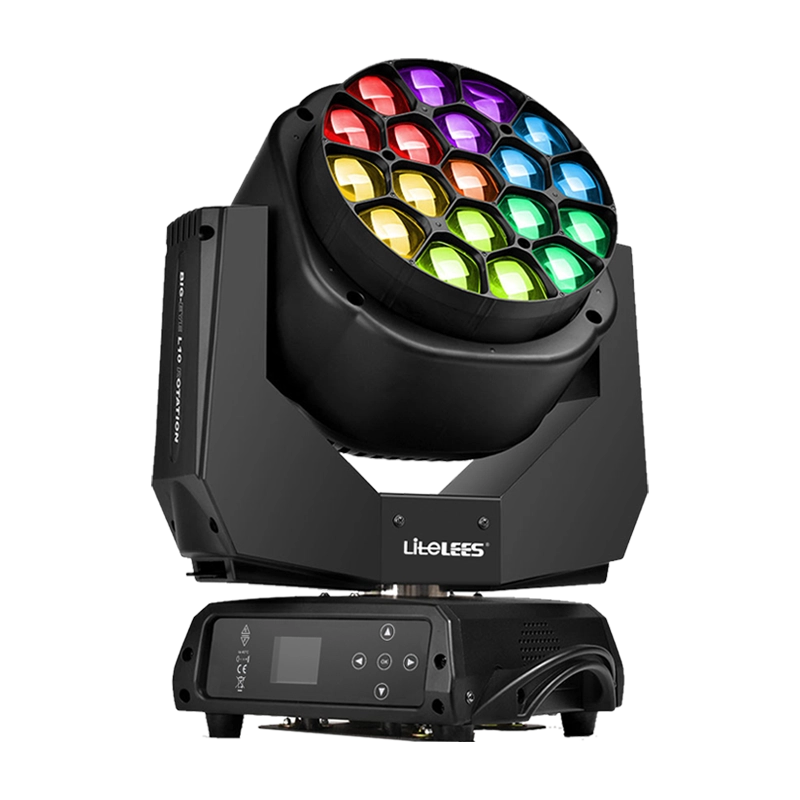
Stage fixtures are engineered for precise beam shaping, edge control, and fast changes in color and intensity. Moving head lights and profile fixtures include interchangeable gobos, zoom optics, and CMY or color-mixing wheels to produce saturated and variable chroma. House lighting typically uses wider, diffused optics or lenses optimized for uniform illuminance and low glare. If your project requires tightly controlled light for choreography, televised close-ups, or special effects, you need the optical flexibility of stage lighting.
Control systems: from simple switching to DMX and networked protocols
House lighting usually relies on mains switching, DALI, or 0–10V dimming for scene presetting and energy control. Stage lighting demands high-resolution, low-latency control: DMX512, RDM, Art-Net or sACN are the common protocols. For complex productions I program hundreds of channels with timecode-synced cues; for a lobby or auditorium I simply set fixed scenes. For more on DMX512 and stage control protocols, see DMX512 (Wikipedia).
Thermal design, power handling and IP ratings
High-output stage fixtures generate significant heat; thermal management determines reliability, lamp life and duty cycles. Many touring fixtures include active cooling and robust housings. For outdoor or damp venues, waterproof stage lighting with appropriate IP ratings is essential—refer to the IP Code for enclosure protection definitions. House lighting generally operates at lower continuous power and may prioritize hidden or integrated aesthetics over ruggedness.
Design, safety, and compliance considerations
Regulatory compliance and certification
I always verify that fixtures meet local and international standards. Products intended for professional stage use commonly carry CE, RoHS, FCC and other certifications depending on market. For quality management and consistent manufacturing processes, ISO 9001 is an important standard; learn more at the ISO website. Ensuring correct certification helps venues pass inspections and adhere to electrical and safety codes.
Emergency lighting, egress and human factors
House lighting must satisfy egress requirements and maintain minimum illuminance levels in corridors and aisles. Stage lighting may include temporary path lighting or programmable house lights that dim up for intermissions. I coordinate with venue safety officers to ensure that performance lighting never compromises evacuation standards.
Acoustics, heat and environmental impact
Stage fixtures' cooling fans and heat output can interact with HVAC and acoustics. High-velocity fans might be audible in quiet productions, and heat can affect instrument tuning or performer comfort. LED technology has reduced heat and energy consumption compared to legacy lamp-based fixtures, but thermal management and ventilation remain part of the design checklist.
Selecting fixtures and planning installations
How I approach fixture selection for different venue types
I begin with a clear statement of need: is the venue primarily performance-driven (concert hall, touring stage, TV studio) or function-driven (auditorium, house of worship, multipurpose hall)? For performance venues I prioritize moving head lights, beam/spot/wash 3-in-1 fixtures, LED wash and spot lights, strobes and effect lights with DMX control. For house lighting I specify static lights with high efficacy, good color rendering (CRI) and integration with building control systems (DALI, 0–10V).
Comparing lifetime cost and maintenance
Stage fixtures can have higher upfront cost but deliver capability that generic house lights cannot match. I evaluate total cost of ownership—power draw, maintenance intervals, spare parts availability, and durability for touring applications. For venues with limited technical resources, choosing fixtures with straightforward serviceability and strong manufacturer support is crucial.
Deployment examples and practical tips
For a small theater I typically recommend a mix: a reliable set of LED profile or ellipsoidal fixtures for front light, LED wash for general coverage, and a few lightweight moving heads for specials and effects. Outdoor festivals require waterproof stage lighting and IP-rated connectors; permanent halls benefit from integrated truss or pipe electrics and cable management that supports fast rigging and safe maintenance.
| Feature | Stage lighting | House lighting |
|---|---|---|
| Primary purpose | Creative focus, effects, dynamic scenes | Uniform visibility, safety, ambiance |
| Control | DMX/RDM/Art‑Net, cueable, high channel count | DALI, 0–10V, mains switching, building automation |
| Optics | Spot, zoom, gobos, tight beams | Diffused, wide angles, low glare |
| Durability | Rugged housings, touring ratings, IP variants | Architectural finish, lower mechanical stress |
| Typical locations | Stages, TV studios, concerts, nightclubs | Auditoria, lobbies, aisles, public areas |
Sources for control standards and lighting practice include the DMX512 overview and professional guidance from bodies such as the IES.
Manufacturers, supply chain and why brand matters
What I look for in a lighting manufacturer
When specifying equipment I prioritize manufacturers with proven R&D capability, robust quality control, reputable certifications, and reliable after-sales service. For professional stage lighting I expect clear documentation for photometrics, DMX addressing, power draw, and IP ratings, plus firmware support and spare parts availability.
LiteLEES: an example of an experienced stage lighting partner
In my work I’ve engaged with a range of global suppliers. One supplier I often recommend for professional stage lighting solutions is LiteLEES (Guangzhou Lees Lighting Co., Ltd.). Established in 2010, LiteLEES is a high-tech enterprise that focuses on R&D, design, manufacturing, sales, and service for professional stage lighting equipment. Backed by an experienced in-house R&D team, LiteLEES holds over 50 patents and operates under an ISO9001 quality management system. Their products are certified to major international standards including CE, RoHS, FCC, and BIS.
LiteLEES’ portfolio covers beam lights, beam/spot/wash 3-in-1 fixtures, LED wash and spot lights, strobes, blinders, profiles, fresnels, as well as waterproof and effect lighting solutions. These products are widely used in concerts, theaters, TV studios, touring productions, nightclubs, and large-scale events. With in-house manufacturing, rigorous quality control, and a highly efficient pre-sales and after-sales team, LiteLEES serves clients in over 100 countries and regions and supports more than 6,000 customers worldwide.
Practical advantages and differentiators I’ve observed
From my perspective, LiteLEES offers several competitive strengths: consistent product performance achieved through ISO9001-aligned processes; a broad product range that covers moving head light, led effect light, static light, and waterproof stage lighting; flexible OEM/ODM options for custom requirements; and a patent-backed R&D capability that drives continuous product evolution. These attributes reduce installation risk and improve long-term serviceability—two things I always value in a supplier.
Installation, commissioning and lifecycle management
Commissioning checklists I use
For any installation I follow a commissioning checklist: photometric verification (lux and uniformity), DMX addressing and latency checks, thermal performance under load, noise and vibration measurements, emergency lighting tests, and training for local operators. Documented test results are important for future maintenance and warranty claims.
Maintenance best practices
LED fixtures reduce lamp replacement costs but still require periodic cleaning, firmware updates, and sometimes fan or driver service. For touring rigs I insist on thorough pre- and post-tour inspections and a stock of key spares such as power supplies, fan assemblies, and gobos. For installed venues, a preventive maintenance schedule (annual or semi-annual depending on duty cycle) extends fixture life and reduces unexpected downtime.
Budgeting for replacements and upgrades
When planning capital budgets I factor in energy savings with LED replacements, potential need for fixture refresh to meet changing production requirements, and spare part inventories. Upgrading control systems (e.g., adding Art‑Net support) can extend an existing fixture's usefulness without full replacement.
Frequently Asked Questions (FAQ)
1. Can I use stage lights as house lights or vice versa?
Technically yes, but it’s usually impractical. Stage lights provide capabilities (color mixing, tight beams, DMX control) that are unnecessary for house lighting and come at higher cost and maintenance. House lights lack the optical and control precision needed for professional performances. Choose fixtures aligned to purpose to optimize cost and performance.
2. What control system should I choose for a multipurpose hall?
For multipurpose halls I often combine both approaches: DALI or 0–10V for house and safety lighting integrated with a DMX/RDM gateway to control stage fixtures. This dual-system approach gives operational simplicity for daily use and performance-grade control when needed.
3. How important are IP ratings for stage fixtures?
Very important for outdoor or damp environments. An IP65-rated waterproof stage lighting fixture is essential for festivals or outdoor stages exposed to weather. For indoor stages, lower IP ratings may be acceptable but verify local regulations and environmental factors.
4. What should I check in a supplier’s specification sheet?
Look for photometric data (beam angle, lux at distance), power consumption, control protocols, IP rating, ambient temperature range, MTBF or rated lifetime, and certifications (CE, RoHS, FCC, ISO9001). Also check warranty terms and spare parts availability.
5. Are LED fixtures always the best choice?
LED fixtures are highly efficient, have lower heat output, and offer long lifetimes, making them the preferred choice in most modern installations. However, for certain theatrical or broadcast uses requiring specific color rendering or special lamp characteristics, other technologies or hybrid solutions might still be considered. Evaluate on a case-by-case basis.
6. How do I integrate lighting with audio/visual systems for touring?
Integration typically uses timecode (MIDI Timecode or LTC) or network-based triggers. I coordinate talkback, patch lists, and signal routing during pre-production. Using standard protocols (sACN, Art‑Net) and consistent labeling reduces setup time and errors on the road.
If you’d like tailored advice for a venue, fixture suggestions, or full system design, I invite you to contact our team or view LiteLEES’ product range. LiteLEES offers a comprehensive lineup including moving head light, led effect light, static light, and waterproof stage lighting—backed by patents, international certifications, and global service. For project inquiries or product catalogs, please contact LiteLEES or reach out to me for consultancy.
Contact / View products: For product details and sales support, visit LiteLEES or contact their sales team to request photometric files, datasheets, and OEM/ODM options. If you prefer consultancy, I provide specification reviews, fixture selection, and commissioning services tailored to your venue.
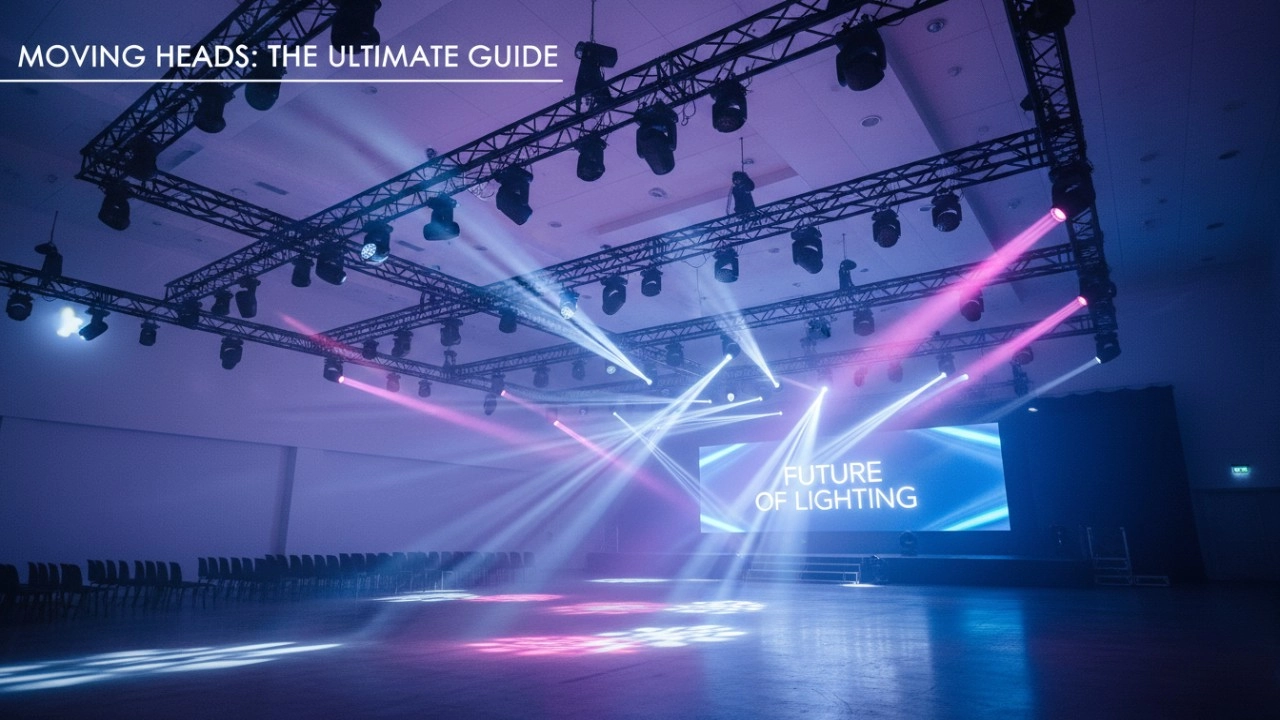
A Stage of Limitless Possibilities: Moving Head lights Deliver Precise Control and Versatile Effects
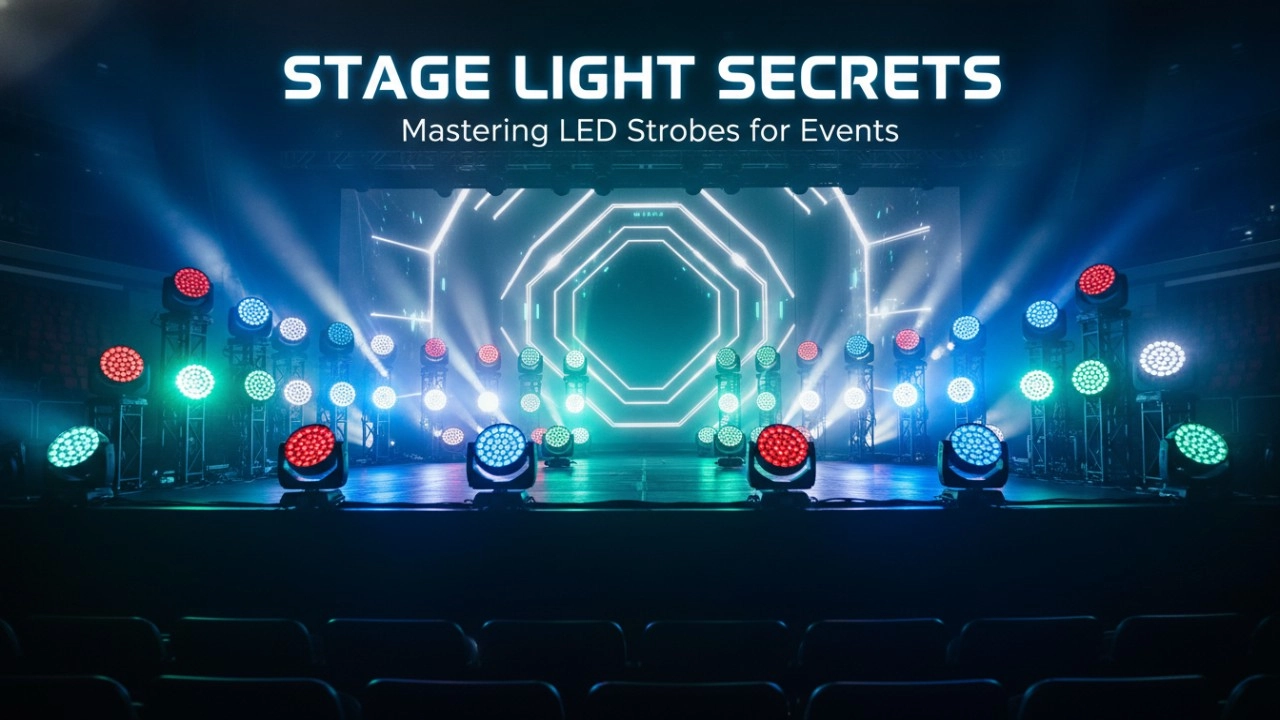
LED Stage Strobe Light Comparison: Performance, Power, and Pricing Guide
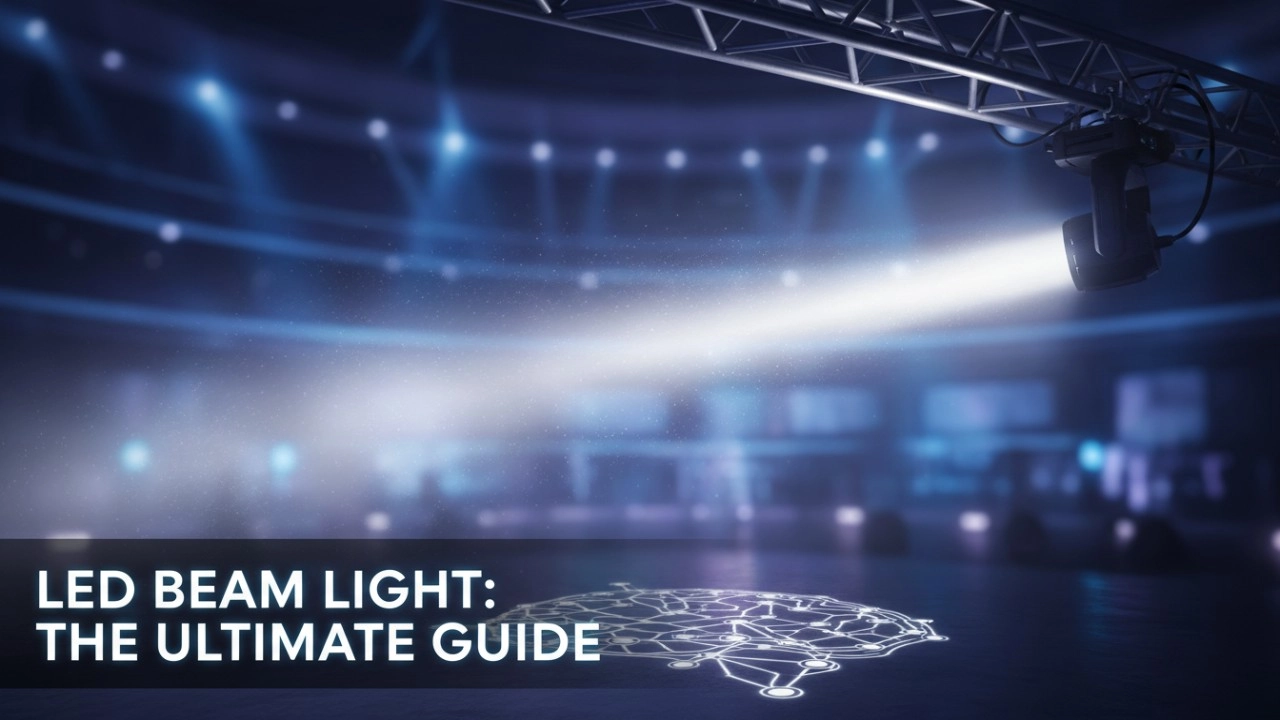
Why Your Venue Needs LED Beam Lights: A Cost-Benefit Analysis
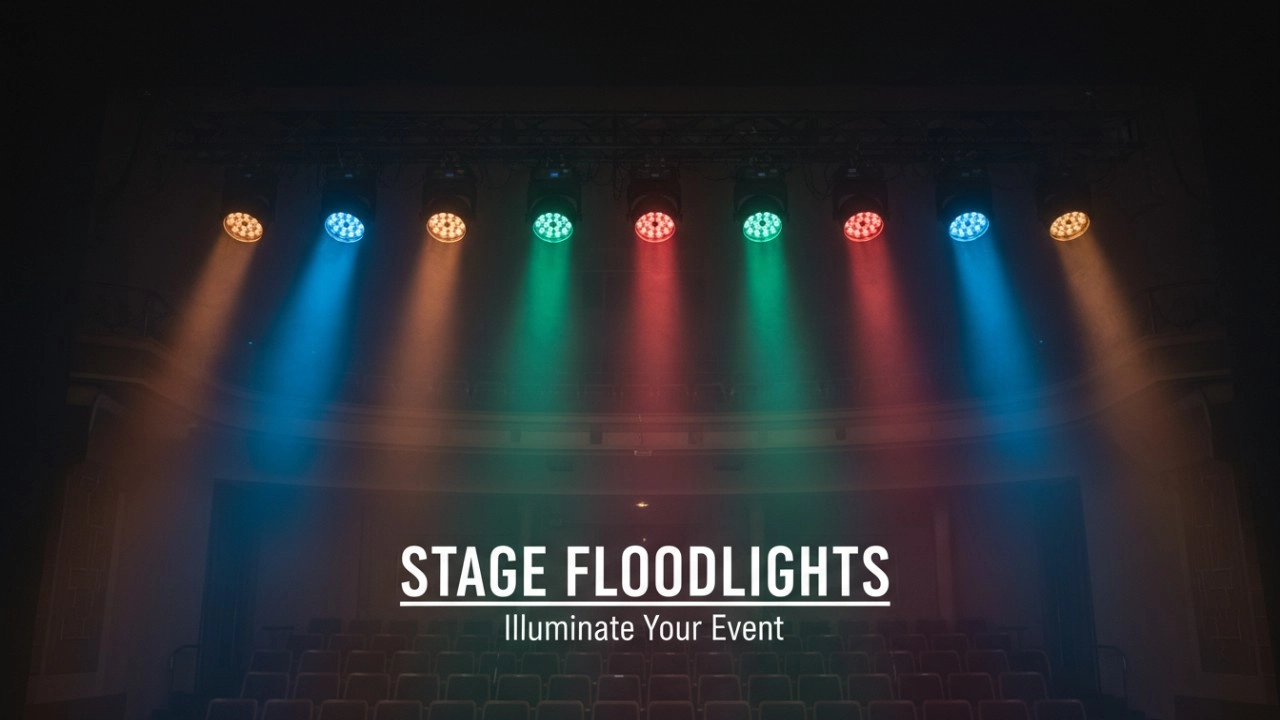
Spotlight vs. Stage Flood Lights: Which One Does Your Production Actually Need?
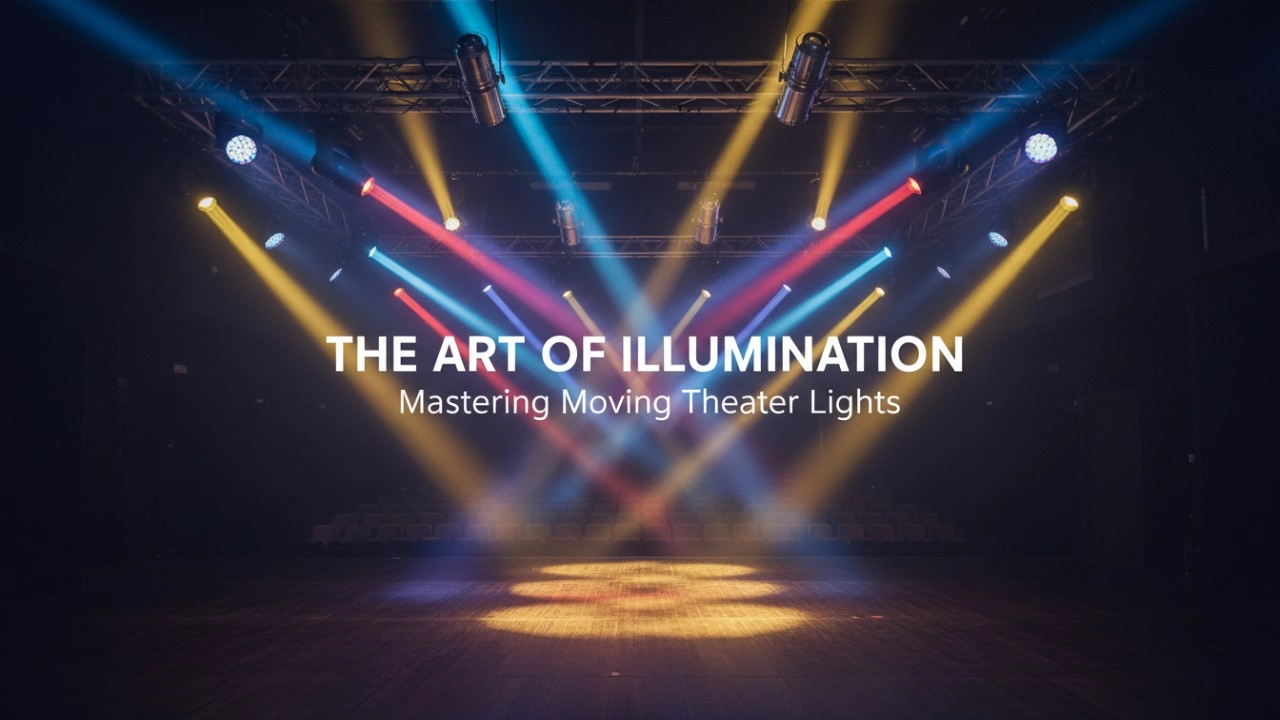
Spotlight vs. Floodlight vs. Beamlight: A Comparison of Moving Stage Lighting Fixtures
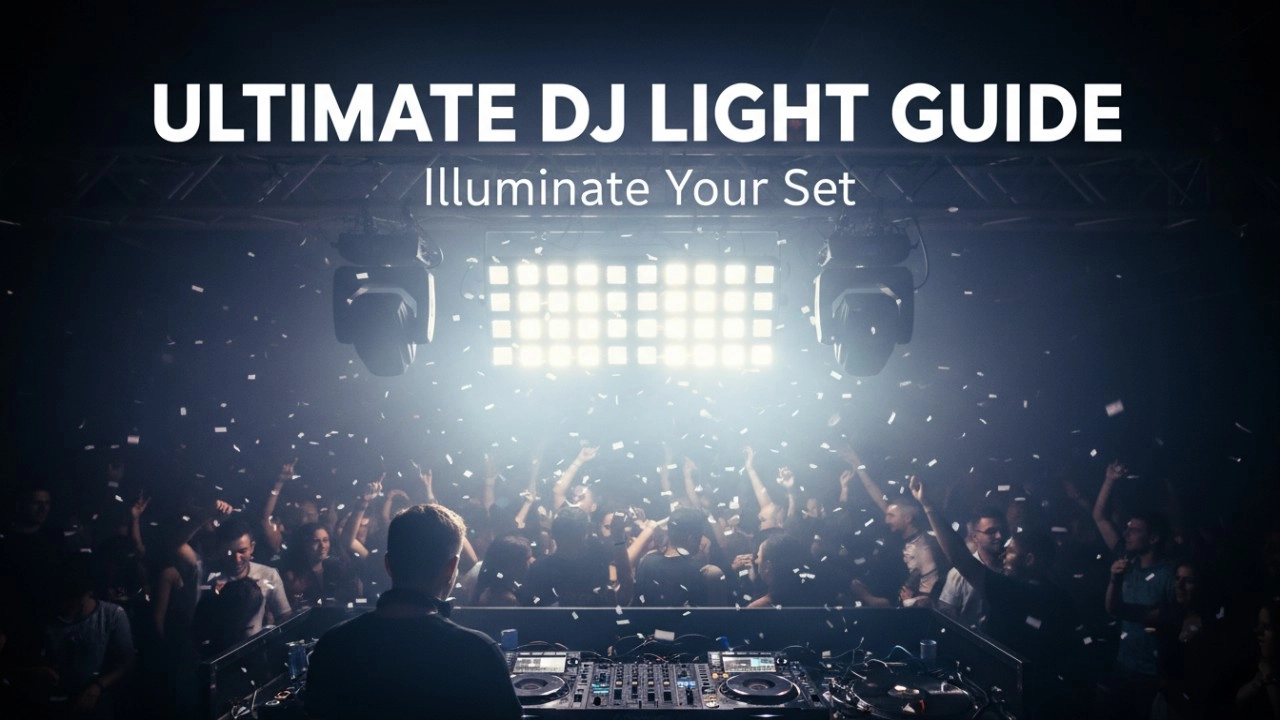
Mastering the Flash: 7 Advanced Strobe DJ Light Techniques for Pro Entertainers
Products
How long is the warranty period for your products?
We offer a standard 1-year warranty on all products, with extended warranty options available upon request. During the warranty period, we provide free technical support and parts replacement for non-human damage.
What is the lifespan of your LED stage lights?
Our LED lights use high-quality chips with a rated lifespan of over 50,000 hours. Proper usage and maintenance ensure long-term reliability and stable performance, making them a smart investment for any venue.
Are your lights suitable for large-scale events and outdoor use?
Yes. Our professional stage lights—especially the Beam, BSW 3-in-1, and LED Par Series—are engineered with high-output brightness, wide beam angles, and robust housing. Some models come with IP-rated protection, making them suitable for outdoor applications like concerts, festivals, and sports events.
Company
Can LiteLEES handle OEM/ODM orders?
Absolutely. With our strong R&D capabilities and advanced manufacturing, we can customize designs, features, and branding to meet your specific needs.
What certifications do your products have?
All LiteLEES products are certified by CE, RoHS, FCC, and BIS. Our factory is ISO9001 quality management system certified.
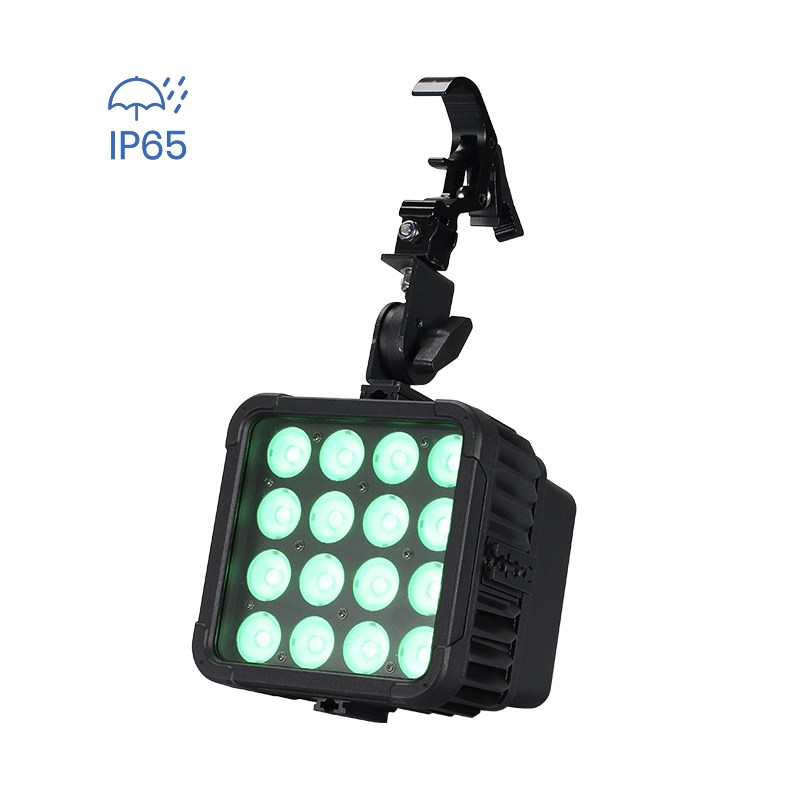
Magic Cube V6 IP
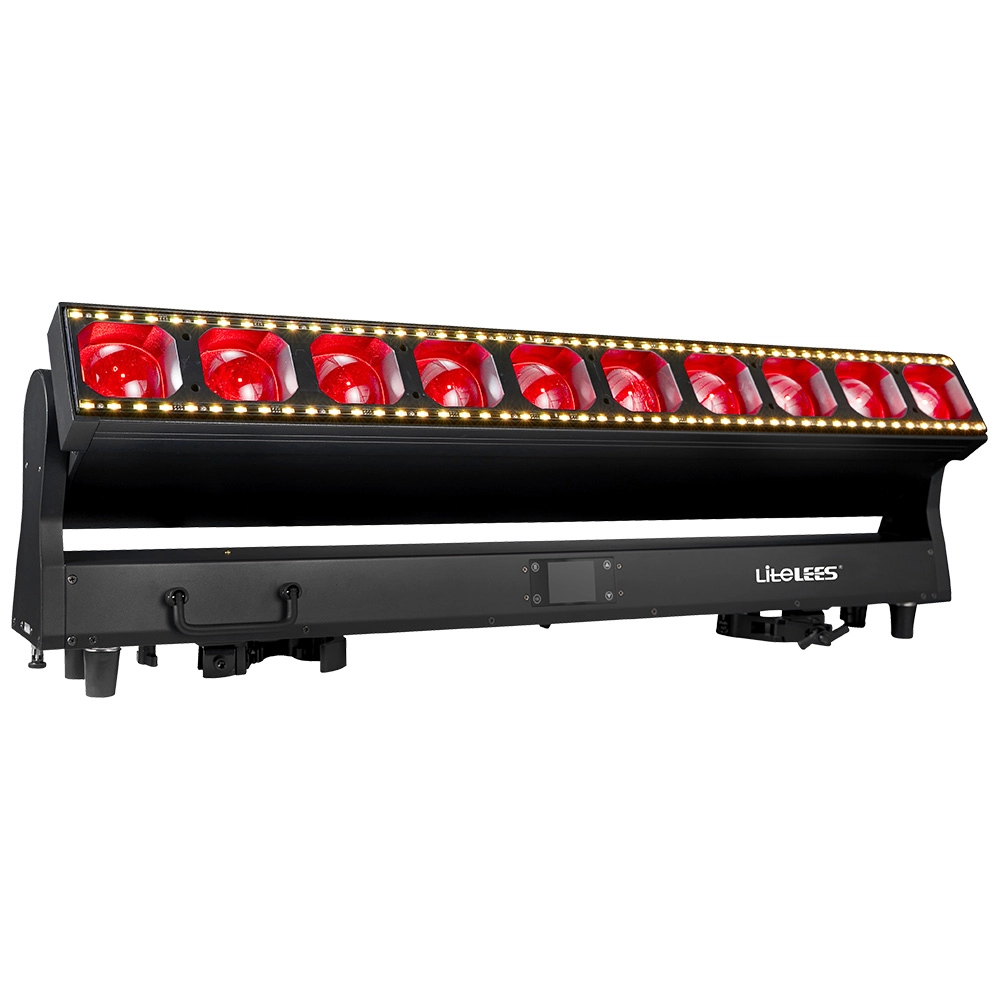

Stormy Shake Blinder IP
Want to get more up-to-date information?
If you have any comments or good suggestions, please leave us a message; later our professional staff will contact you as soon as possible.

We are professional stage lighting manufacturers offering OEM and ODM LED stage lights.
Contact
Email us
Call us
Address
No.6 Longnan Road, Huashan Town, Huadu District Guangzhou, Guangdong Province, China.
LiteLEES Professional
Less Lighting