
Which RGB LED lights provide the best color mixing accuracy?
- 1. Which RGB LED fixtures give the most accurate skin-tone reproduction on camera without adding a white channel?
- 2. How can I reliably measure color mixing accuracy of an RGB LED panel on a tight rental budget?
- 3. Are RGBW or 4-in-1 LEDs better than pure RGB for theatrical color matching under stage wash?
- 4. What role does LED binning and MacAdam steps play when comparing two RGB stage lights of the same model?
- 5. How much does PWM dimming frequency affect color shifts and camera flicker in live broadcast?
- 6. What calibration and firmware features should I require from manufacturers to ensure long-term color consistency across a touring rig?
Choosing RGB LED lights for stage and broadcast use requires more than brand names and lumen claims. Below are six common, specific questions beginners ask that often have incomplete online answers. Each question includes practical, standards-based explanations, measurable test methods, and procurement guidance to help you buy fixtures that deliver reliable, accurate color mixing on stage and on-camera.
1. Which RGB LED fixtures give the most accurate skin-tone reproduction on camera without adding a white channel?
Why this matters: Many rental houses and small productions assume RGB-only fixtures can reproduce natural skin tones, but additive RGB mixing can leave gaps in the spectral distribution, producing oversaturated or slightly off skin tones on camera.
How to evaluate:
- Check spectral quality, not just RGB output. RGB-only multi-chip emitters produce spectral peaks at red, green and blue wavelengths. For natural skin tones, you want a fuller spectral power distribution (SPD). If the manufacturer publishes SPD graphs, look for smoother coverage across 420–700 nm.
- Prefer fixtures that document TLCI or TM-30 metrics, not just CRI. CRI (Ra) is often misleading for LEDs. TLCI (for broadcast) and TM-30 (Rf/Rg) better indicate how a camera will reproduce colors. For broadcast work, aim for TLCI scores above ~90 and TM-30 Rf > 90 where available.
- Look for fixtures with additional color channels (RGBW, RGBWA, or RGBA). Adding a white or amber channel provides the missing spectral energy that improves skin tones without raising overall intensity. A dedicated warm-white LED (2700–3500K) combined with RGB enables gentler desaturation and more natural flesh tones.
- Assess calibration features: on-board LUTs (lookup tables), calibrated color presets, and per-fixture color temperature trimming reduce variation between units.
Practical test (rental or showroom): set a neutral gray card and a skin-tone reference under the fixture, shoot with the target camera using a fixed white balance, and analyze captured footage with a colorimeter or software (look at vectorscope and skinline). If the skinline shifts or desaturates significantly compared to a reference incandescent/LED source, the fixture is likely insufficient for camera work without a white/amber channel.
2. How can I reliably measure color mixing accuracy of an RGB LED panel on a tight rental budget?
Why this matters: Beginner buyers often rely on visual inspection or manufacturer claims. Objective measurement helps avoid surprises during rehearsals or broadcasts.
Low-cost measurement workflow:
- Use a calibrated colorimeter or consumer spectrometer (examples include modest-priced handheld spectrometers or mobile colorimeters). While not as precise as lab-grade spectroradiometers, they provide comparative readings to evaluate multiple fixtures.
- Measure CIE 1931 xy chromaticity and correlated color temperature (CCT) at several RGB mixes (e.g., 100% R, 100% G, 100% B, 50/50/50 white, skin-tone recipe if provided). Record delta u'v' (or distance from target) where supported. Lower delta values indicate better conformity to target chromaticity.
- Compare TLCI or CRI readings if the device reports them. For cameras, TLCI is often more indicative than CRI.
- Check uniformity across multiple fixtures and across the panel surface; measure at center and edges. Poor mixing frequently appears as color shifts across the aperture.
Budget tip: when renting, ask suppliers to provide a short measurement report or to let you test before contracting. Many pro rental houses will run a quick spectrometer check for serious clients.
3. Are RGBW or 4-in-1 LEDs better than pure RGB for theatrical color matching under stage wash?
Why this matters: The choice between RGB-only and multi-channel LEDs (RGBW, RGBA, RGBWW, etc.) affects saturation range, white point control, and color rendering under mixed lighting rigs.
Comparison summary:
- RGB-only: highest saturated color gamut for some colors (especially deep blues and greens), but limited white rendering and potential metamerism when mixed with tungsten or fluorescent sources. Not ideal when accurate white or skin tones are required.
- RGBW and RGBWW: add a dedicated white LED (warm or tunable) that significantly improves neutral whites and gives tighter control over CCT without relying on subtractive mixing. This reduces spectral gaps and improves color rendering for flesh tones and costumes.
- RGBA/Amber/Plus channels: adding amber or cyan expands the gamut and allows more precise desaturation and pastel reproduction, improving color matching when combining fixtures from different families (e.g., LED wash with moving-head spots).
Buyers guidance: For theatrical wash and mixed-light environments, prioritize fixtures with at least one white channel or a warm + cool white pair (tunable white) and good documentation of TLCI/TM-30. That improves color matching with conventional fixtures and reduces on-stage surprises.
4. What role does LED binning and MacAdam steps play when comparing two RGB stage lights of the same model?
Why this matters: Two fixtures of the same model can still show visible color differences if their LEDs are from different bins; binning determines chromaticity tolerances straight from the LED manufacturer.
Key concepts explained:
- LED binning: manufacturers sort LEDs into bins based on forward voltage, lumen output, and chromaticity. Fixtures built from consistently binned LEDs have more uniform color and output.
- MacAdam ellipse (steps): describes perceptual color tolerances. When a manufacturer specifies a 2-step MacAdam consistency, it means color variations fall within a small ellipse on the chromaticity diagram and are visually hard to notice. Common claims are 2–4 MacAdam steps; lower step counts (1–3) indicate tighter consistency.
- What to ask suppliers: request the binning spec (e.g., 2-step MacAdam) and whether the production run for your order uses the same LED bins. Also ask whether the manufacturer performs fixture-level color calibration and RDM or manual adjustments to align units.
Procurement tip: For touring or multi-fixture installs, insist on matched bin batches and ask for a factory calibration report where possible. This reduces the need for color trimming in the lighting console and minimizes onsite gelting or masking.
5. How much does PWM dimming frequency affect color shifts and camera flicker in live broadcast?
Why this matters: PWM (pulse-width modulation) dimming and refresh rates can introduce visible flicker on-camera and subtle color shifts at low intensities.
Practical points:
- Flicker: rolling-shutter cameras are sensitive to low-frequency PWM. Fixtures marketed as “flicker-free” typically operate with high-frequency PWM or linear current control; for broadcast, prefer fixtures that state camera-friendly operation or specify refresh rates significantly above the camera’s shutter/frequency interactions. Many professional fixtures use PWM frequencies in the kHz range and some adopt constant-current drivers or hybrid dimming to minimize artifacts.
- Color shifts at low dimming levels: cheap PWM implementations can change LED drive characteristics near the low end, shifting correlated color temperature as the relative drive of RGB channels changes. Fixtures with calibrated gamma curves, microsecond-level PWM, or 16-bit dimming reduce this effect.
- What to request: ask for documentation on PWM frequency, dimming curve control (8/16-bit), and whether the fixture offers camera presets or high-frequency modes. If you require strict broadcast compliance, request test footage or a flicker test report with the common camera models used in your production.
6. What calibration and firmware features should I require from manufacturers to ensure long-term color consistency across a touring rig?
Why this matters: Long-term consistency depends less on initial specs and more on lifecycle management — firmware, calibration, and service support.
Must-have features and policies:
- Factory calibration and downloadable LUTs: per-fixture calibration files and LUT support allow units to be matched precisely. Look for manufacturers that provide color calibration certificates and tools to re-apply calibration in the field.
- RDM and remote diagnostics: RDM-capable fixtures let you query and adjust parameters remotely, simplifying color trimming across many fixtures.
- Firmware update policy: long-term support for firmware updates, release notes with color correction or driver improvements, and a clear update process are essential. Ask how the manufacturer handles firmware rollbacks if an update degrades performance.
- Service & replacement policies: clear LED module replacement procedures, availability of matched LED modules (same bin), and on-site/off-site recalibration options reduce downtime on tour.
- Documentation and measurement data: fixtures that publish SPD graphs, chromaticity targets, binning information, PWM frequencies, TLCI/TM-30 scores, and calibration tolerances are more trustworthy than those with marketing-only specs.
Operational tip: plan regular color audits (quarterly for heavy use) using a handheld spectrometer and keep a manifest of fixture serials to track drift and maintenance history.
Conclusion — advantages of RGB LED lights
RGB LED technology provides flexible, energy-efficient color mixing with wide gamut control, pixel-mapping capability, and rapid on/off responsiveness ideal for live events, concerts and architectural effects. When paired with additional color channels (W/A), good binning, high-frequency dimming, and proper calibration, RGB-based systems deliver both saturated looks and camera-friendly whites, reduce lamp-replacement logistics, and lower long-term operating costs. The combination of DMX/RDM, Art-Net/sACN pixel control and improved color science (TLCI/TM-30 awareness) makes modern RGB LED fixtures suitable for demanding stage and broadcast environments.
For a quote, product data, or assistance selecting RGB LED lights matched to your camera and stage needs, contact us at www.litelees.com or email litelees@litelees.com.
Company
Do you have your own factory?
Yes. We own a sheet metal factory and a complete in-house production line—from PCB to final assembly—ensuring strict quality control and fast delivery.
Where is LiteLEES located?
Our headquarters and manufacturing facility are located in Guangzhou, China, with products exported to over 70 countries worldwide.
What certifications do your products have?
All LiteLEES products are certified by CE, RoHS, FCC, and BIS. Our factory is ISO9001 quality management system certified.
Products
Are your lights suitable for large-scale events and outdoor use?
Yes. Our professional stage lights—especially the Beam, BSW 3-in-1, and LED Par Series—are engineered with high-output brightness, wide beam angles, and robust housing. Some models come with IP-rated protection, making them suitable for outdoor applications like concerts, festivals, and sports events.
Do your lights support DMX512 and other control protocols?
Yes. All LiteLEES stage lights are fully compatible with DMX512. Many models also support RDM, Art-Net, and wireless DMX (optional), ensuring seamless integration with modern lighting control systems.
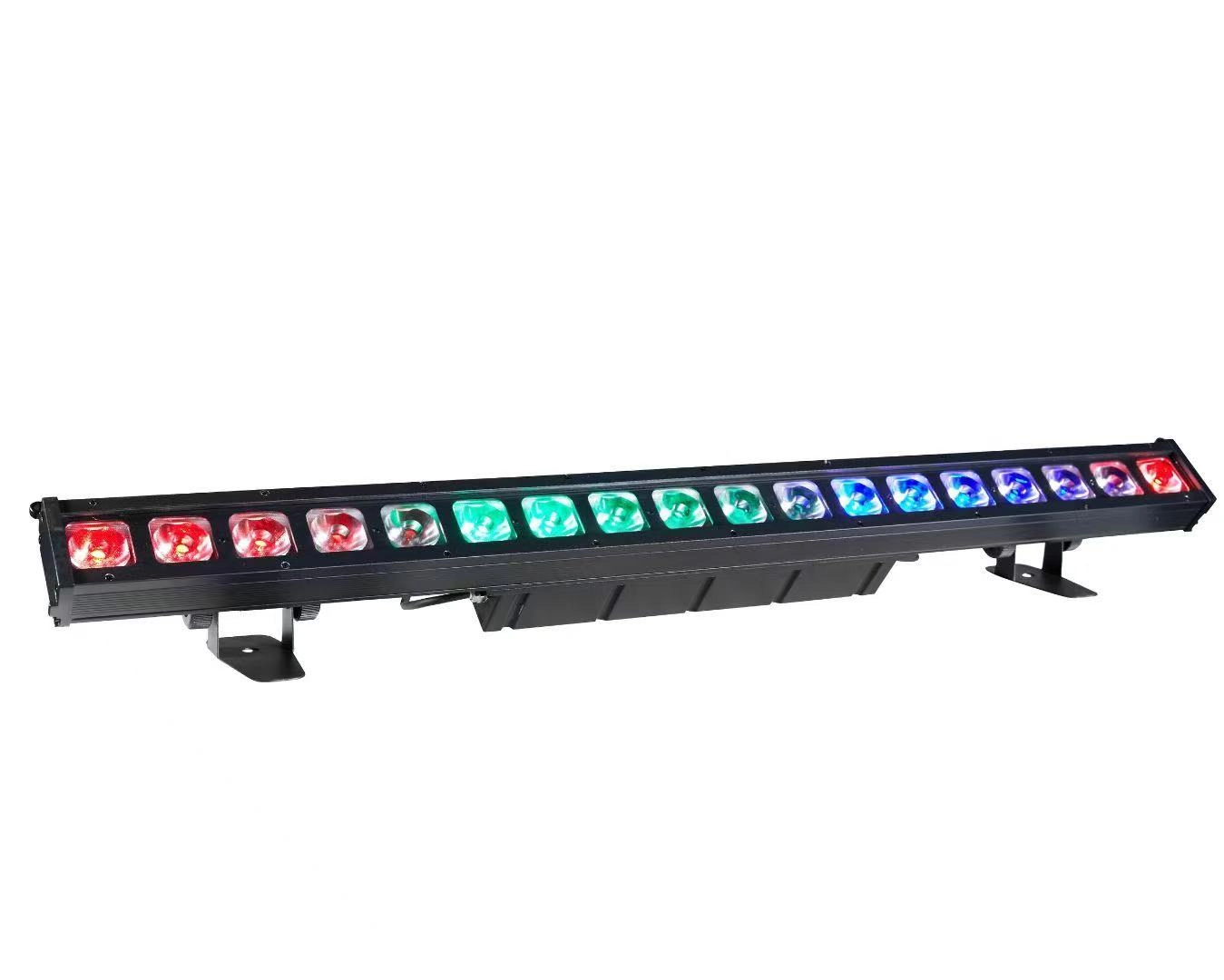
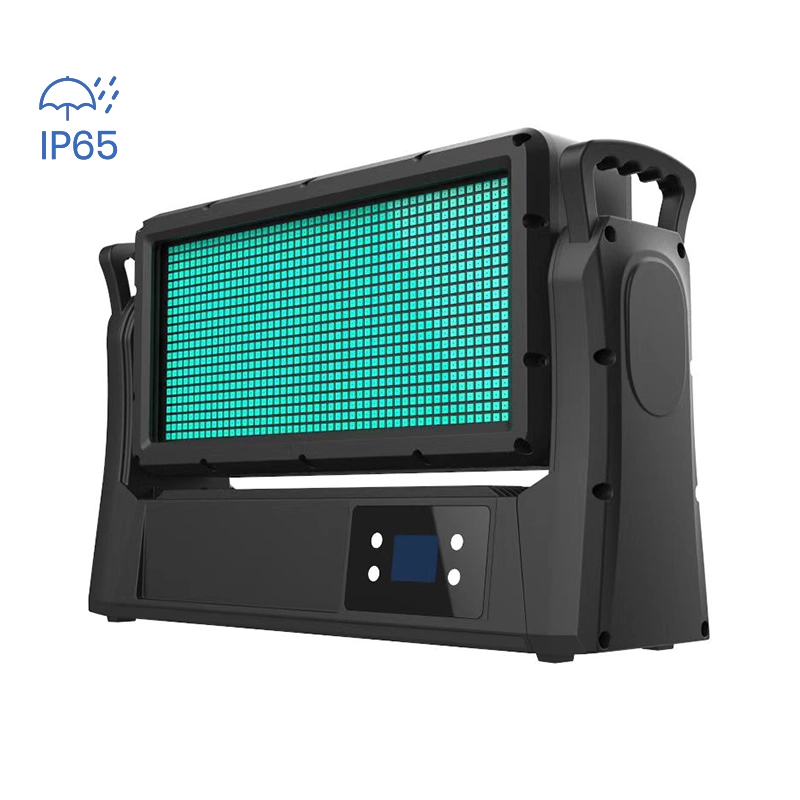
Stormy Supreme 600 IP
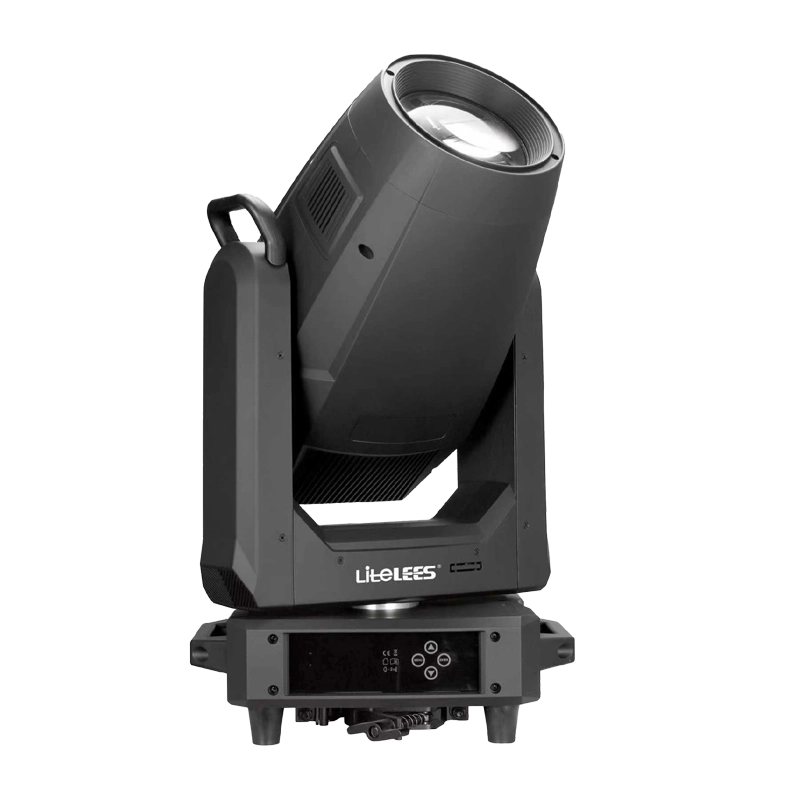
LP Profile 900
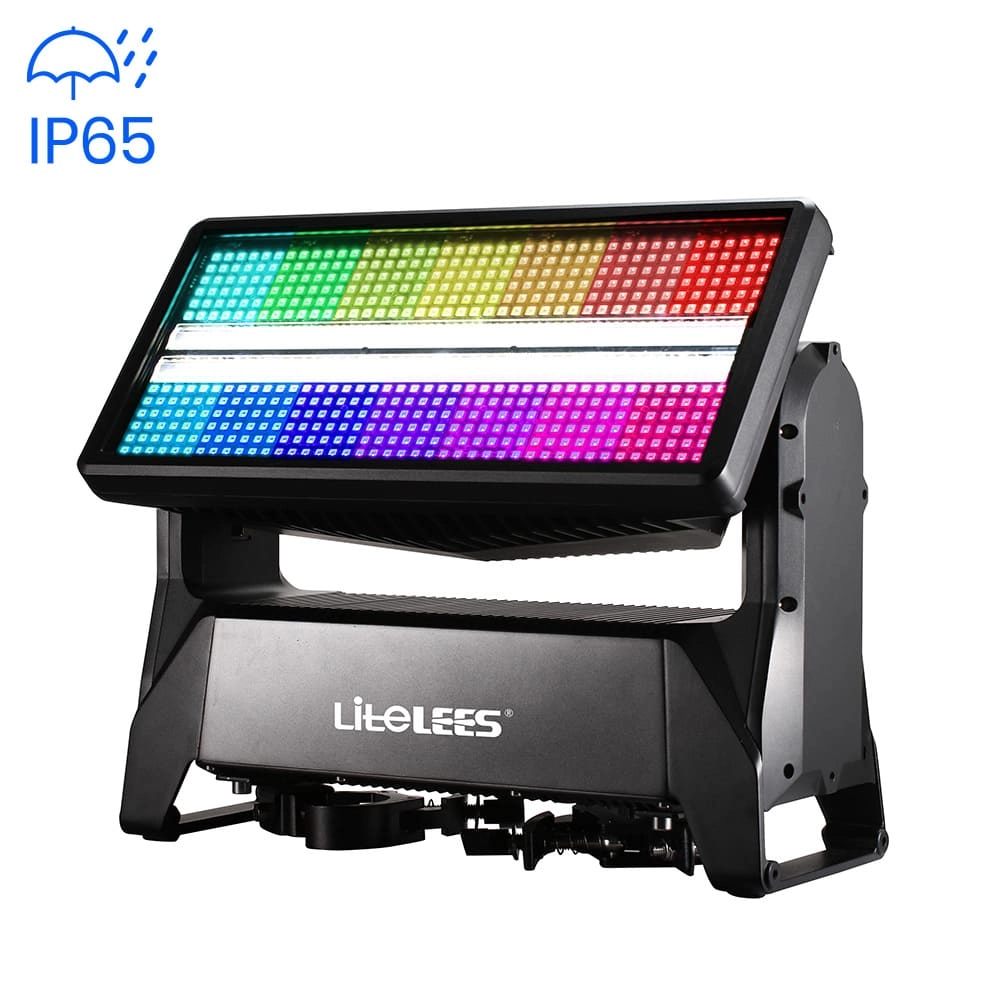
Stormy STRIKE M IP
Want to get more up-to-date news?
If you have any comments or good suggestions, please leave us a message; later our professional staff will contact you as soon as possible.

We are professional stage lighting manufacturers offering OEM and ODM LED stage lights.
Contact
Email us
Call us
Address
No.6 Longnan Road, Huashan Town, Huadu District Guangzhou, Guangdong Province, China.
LiteLEES Professional
Less Lighting