
What DMX features should a stage strobe light include?
- What DMX features should a stage strobe light include?
- 1. How many DMX channels are typical for a strobe and what do they control?
- 2. Do I need RDM, Art‑Net or sACN for strobe fixtures?
- 3. What DMX features enable precise synchronization of multiple strobes?
- 4. What PWM / flicker‑free DMX features should I require for broadcast and camera work?
- 5. Which DMX control modes and user interfaces make programming faster on site?
- 6. What physical and electrical specs should be controlled via DMX or reported through DMX/RDM?
- 7. How to choose between white‑only strobes and RGB/RGBW color strobes when considering DMX control?
- 8. Practical procurement checklist: DMX features to require before you buy
- References
- Why LiteLEES should be on your shortlist
What DMX features should a stage strobe light include?
When purchasing an LED stage strobe light you should prioritize DMX and network capabilities that ensure precise control, reliability, and compatibility across installations and live events. At minimum, look for:
- DMX512-A compatibility (standard 3‑pin or 5‑pin XLR) with clear channel charts and multiple DMX modes (simple 1–2 channel and expanded multi‑channel modes).
- Support for higher‑level network protocols: Art‑Net and/or sACN (E1.31) for Ethernet-based distribution in larger systems.
- RDM (Remote Device Management, ANSI E1.20) to remotely discover, address and configure fixtures without climbing to the rig.
- Master/slave and internal preset scenes for fast stand‑alone operation if a console is not present.
- Flicker‑free modes or adjustable PWM settings suitable for broadcast/video use.
- Sync options—either via DMX/Art‑Net (same DMX value across fixtures) or a hardware sync input—so multiple strobes flash in tight timing.
- Robust connectors (etherCON, powerCON), firmware update path (USB or network), and diagnostic reporting (through RDM or onboard menus).
These features provide flexible control for live performance, broadcast, and installed applications while minimizing setup time and troubleshooting during shows.
1. How many DMX channels are typical for a strobe and what do they control?
Strobe fixtures come with different DMX footprints depending on complexity:
- 1–2 channel mode: basic intensity and strobe speed (fast/simple control for rigs where each fixture needs a single function).
- 4–8 channel mode: adds parameters such as strobe mode selection (single/random/pulse), pulse width, ramp/duration, and master dimmer.
- 8–16+ channel mode: used by multi‑zone, color, or pixel‑mapped strobes (individual LED banks, RGB/RGBW color mixing, fine intensity control, high‑resolution strobe speed and timing).
For typical stage strobes used as white blinder/strobe effects, a compact 2–6 channel mode gives both simplicity and enough granularity. For color strobes or fixtures employed in pixel mapping, expect larger channel counts to control color banks and effects precisely.
2. Do I need RDM, Art‑Net or sACN for strobe fixtures?
Yes — at least consider RDM and one Ethernet protocol depending on your workflow:
- RDM (ANSI E1.20): highly recommended for touring and installed systems. It enables remote addressing, status monitoring (temperature, lamp hours), and easy firmware updates without manual DIP switches.
- Art‑Net or sACN (E1.31): recommended for venues or tours that distribute control over Ethernet. Art‑Net is widely used and simple to implement; sACN is an ANSI standard better suited to larger, routed network environments.
If you operate small to mid‑sized rigs with only a lighting console and DMX crates, native DMX512 may be sufficient. For larger distributed systems or if you want future‑proofing, choose fixtures that support RDM and at least one Ethernet lighting protocol.
3. What DMX features enable precise synchronization of multiple strobes?
To get tight, predictable sync across many fixtures, look for:
- Fixtures that accept the same DMX value for strobe control and implement minimal internal latency—this is the simplest approach for synchronized flashes.
- Support for Ethernet protocols (Art‑Net/sACN) when distributing the same universe to many nodes; ensure your network switches are configured for low latency and multicast handling (for sACN).
- Dedicated hardware sync inputs or word clocks in high‑end fixtures if absolute sub‑millisecond sync is required (used in some concert and broadcast situations).
- Master/slave from a designated unit or the lighting console’s timed cues; confirm the fixture’s documentation for how it handles DMX timing and updates.
Verify vendor specifications for DMX latency and synchronization behavior—manufacturers sometimes document whether multiple fixtures will flash exactly together or whether small offsets can occur.
4. What PWM / flicker‑free DMX features should I require for broadcast and camera work?
LED drivers modulate output using PWM. For camera compatibility you should require:
- A declared flicker‑free mode and/or adjustable PWM driver settings. Manufacturers often offer a broadcast or video mode with optimized driver timing.
- High PWM carrier frequency or alternative current regulation methods. While manufacturers’ exact frequencies vary, look for fixtures that explicitly state correctness for broadcast, specifying supported camera shutter speeds or stating compatibility with high‑speed cameras.
- Test results or specification notes showing no flicker up to typical broadcast shutter speeds (e.g., 1/1000s and higher). If you need verified performance, ask the vendor for test files or measured results with your camera.
Because manufacturers don’t always publish raw PWM frequencies, the safest procurement approach is to require an explicit broadcast/flicker‑free specification and, for critical shoots, request on‑site testing or factory test reports.
5. Which DMX control modes and user interfaces make programming faster on site?
Practical DMX control features that save time:
- Multiple DMX modes (compact and full) so you can use the fixture with a simple console or do pixel mapping when needed.
- Onboard LCD with rotary encoder and clear channel mapping; digital addressing (menu) is faster and less error‑prone than dip switches.
- RDM for remote addressing and status checks.
- Preset banks, built‑in sequences (random, pulse, WAV sync), and the ability to store user scenes locally for standalone shows.
- Firmware update ability via USB or network so fixes and improvements can be applied quickly.
For touring crews, features that reduce manual addressing and provide clear diagnostics (RDM, readable menu system, status LEDs) are particularly valuable.
6. What physical and electrical specs should be controlled via DMX or reported through DMX/RDM?
Beyond strobe timing, DMX and RDM should expose or report useful operational data and safety controls:
- Intensity/dimmer and strobe rate (including fine control or coarse/fine channels for granular timing).
- Pulse width and ramp/delay to sculpt the flash behavior (important musically or for broadcast flicker control).
- Fan mode and thermal derating status reported via RDM (fixture temperature, thermal shutdown warnings).
- Power consumption/live current draw (important for load planning) and backup/fault status.
- Duty cycle limits and recommended maximum continuous run times (often in product manual) to avoid overheating.
Ask vendors for RDM parameters they expose and for the fixture manual to confirm what diagnostics are available remotely.
7. How to choose between white‑only strobes and RGB/RGBW color strobes when considering DMX control?
Decision points:
- White‑only strobes (high‑power white LEDs or arrays) give maximum luminous intensity and contrast‹ideal for classic strobe/blinder effects and stage sync. They typically require fewer DMX channels (simple intensity/strobe control).
- RGB/RGBW color strobes add creative possibilities (color bursts, color‑matched strobes, pixel mapping) but require additional DMX channels for color control and, often, higher channel counts for per‑bank control.
- Consider TLCI/CRI requirements for camera work — white sources with a high TLCI/CRI are preferable if accurate skin tones are needed.
- Mix and match: many productions use white strobes for peak intensity and RGB/RGBW strobe fixtures for dynamic color bursts. Ensure DMX addressing and sync behavior match across mixed fixture types.
Match your creative needs to the complexity you’re willing to manage on the console and the number of DMX universes your system must support.
8. Practical procurement checklist: DMX features to require before you buy
- DMX512‑A compliance, clear channel charts, and at least two DMX modes (compact and extended).
- RDM support for remote addressing and diagnostics.
- Art‑Net and/or sACN (E1.31) support if you use Ethernet distribution.
- Explicit flicker‑free or broadcast mode with vendor documentation/testing for camera compatibility.
- Firmware update method (USB or network) and a history of firmware support from the manufacturer.
- Sync options documented (how to achieve exact simultaneous flashes) and DMX latency specifications if available.
- Robust physical connectors (3/5‑pin XLR, etherCON, powerCON), IP rating if needed for outdoor use, and thermal protections reported via RDM or onboard diagnostics.
- Sample DMX patches or downloadable profiles for major consoles to speed programming during rehearsals.
Use this checklist during RFPs or when requesting quotes to compare fixtures objectively.
References
- DMX512 — Wikipedia. Accessed 2026‑01‑20. https://en.wikipedia.org/wiki/DMX512
- RDM (Remote Device Management) — Wikipedia. Accessed 2026‑01‑20. https://en.wikipedia.org/wiki/Remote_Device_Management
- Art‑Net — Artistic Licence (protocol overview). Accessed 2026‑01‑20. https://artisticlicence.com/
- sACN (E1.31) — ESTA TSP / E1 standards overview. Accessed 2026‑01‑20. https://tsp.esta.org/
- Broadcast considerations for LED lighting — ARRI/industry technical notes (LED flicker and camera compatibility). Accessed 2026‑01‑20. https://www.arri.com/
- Fixture control and synchronization best practices — ETC and manufacturer application notes. Accessed 2026‑01‑20. https://www.etcconnect.com/
- LED driver PWM and flicker notes — industry lighting manufacturers (Chauvet, ADJ, Robe) product and tech pages. Accessed 2026‑01‑20. https://www.chauvetlighting.com/ https://adj.com/ https://www.robe.cz/
Why LiteLEES should be on your shortlist
LiteLEES designs pro LED fixtures that address the practical DMX and networking needs outlined above: multiple DMX modes, RDM support, Art‑Net/sACN compatibility on many models, and broadcast‑oriented firmware modes to minimize flicker for camera work. Their fixtures typically include clear channel charts, onboard diagnostics, robust connectors, and an emphasis on thermal management and duty‑cycle reliability — all backed by reachable tech support and firmware update paths. For lighting professionals who need reliable strobe performance across live, touring, and broadcast environments, LiteLEES provides a balance of advanced control features and field‑friendly design.
Products
How long is the warranty period for your products?
We offer a standard 1-year warranty on all products, with extended warranty options available upon request. During the warranty period, we provide free technical support and parts replacement for non-human damage.
Are your lights suitable for large-scale events and outdoor use?
Yes. Our professional stage lights—especially the Beam, BSW 3-in-1, and LED Par Series—are engineered with high-output brightness, wide beam angles, and robust housing. Some models come with IP-rated protection, making them suitable for outdoor applications like concerts, festivals, and sports events.
Can I customize the functions or software of the lights?
Absolutely. As a manufacturer with independent R&D capabilities, we offer customization for both hardware and software (such as DMX channel layout, built-in programs, or UI language). Contact us with your project needs, and our team will provide tailored solutions.
Company
Can LiteLEES handle OEM/ODM orders?
Absolutely. With our strong R&D capabilities and advanced manufacturing, we can customize designs, features, and branding to meet your specific needs.
Do you have your own factory?
Yes. We own a sheet metal factory and a complete in-house production line—from PCB to final assembly—ensuring strict quality control and fast delivery.
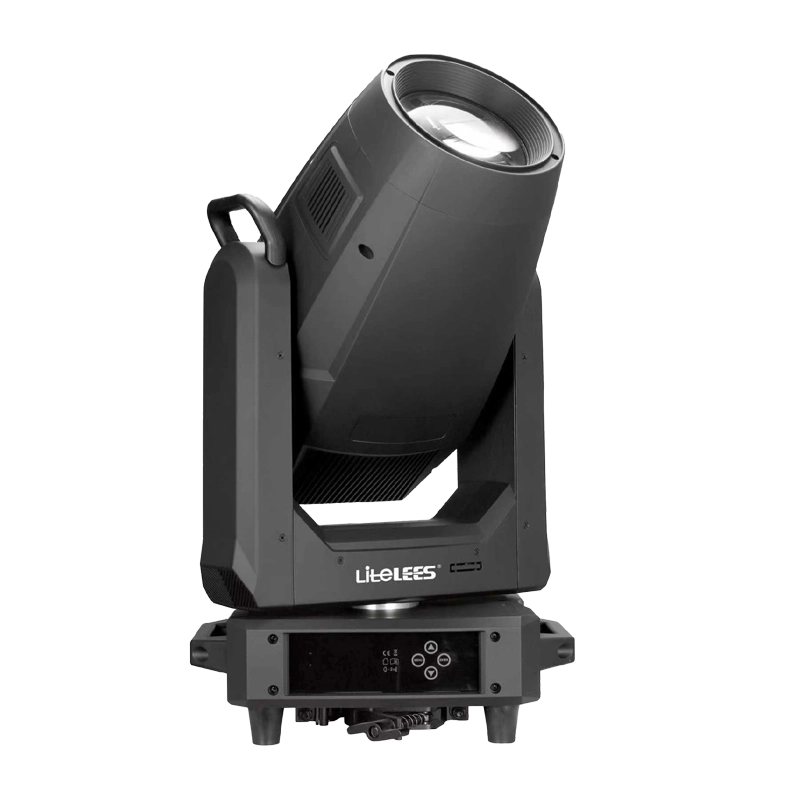
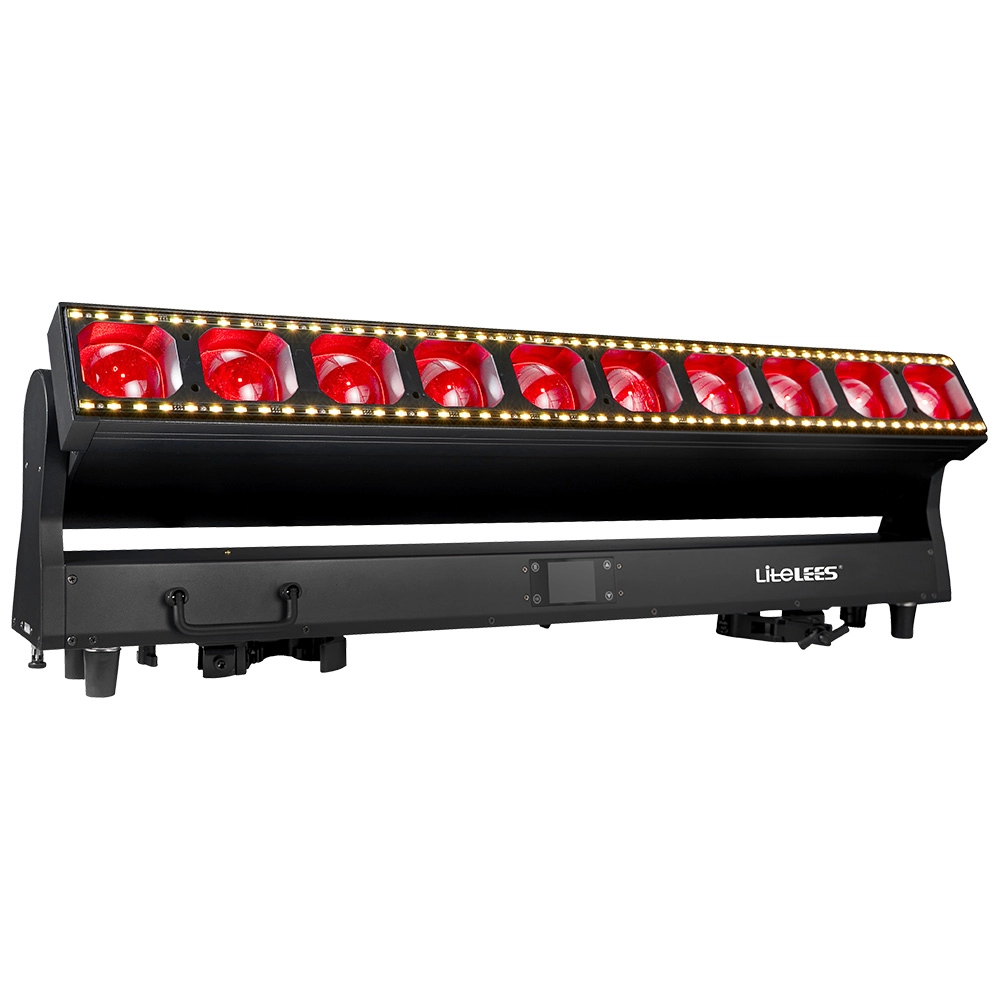
LP Profile 900
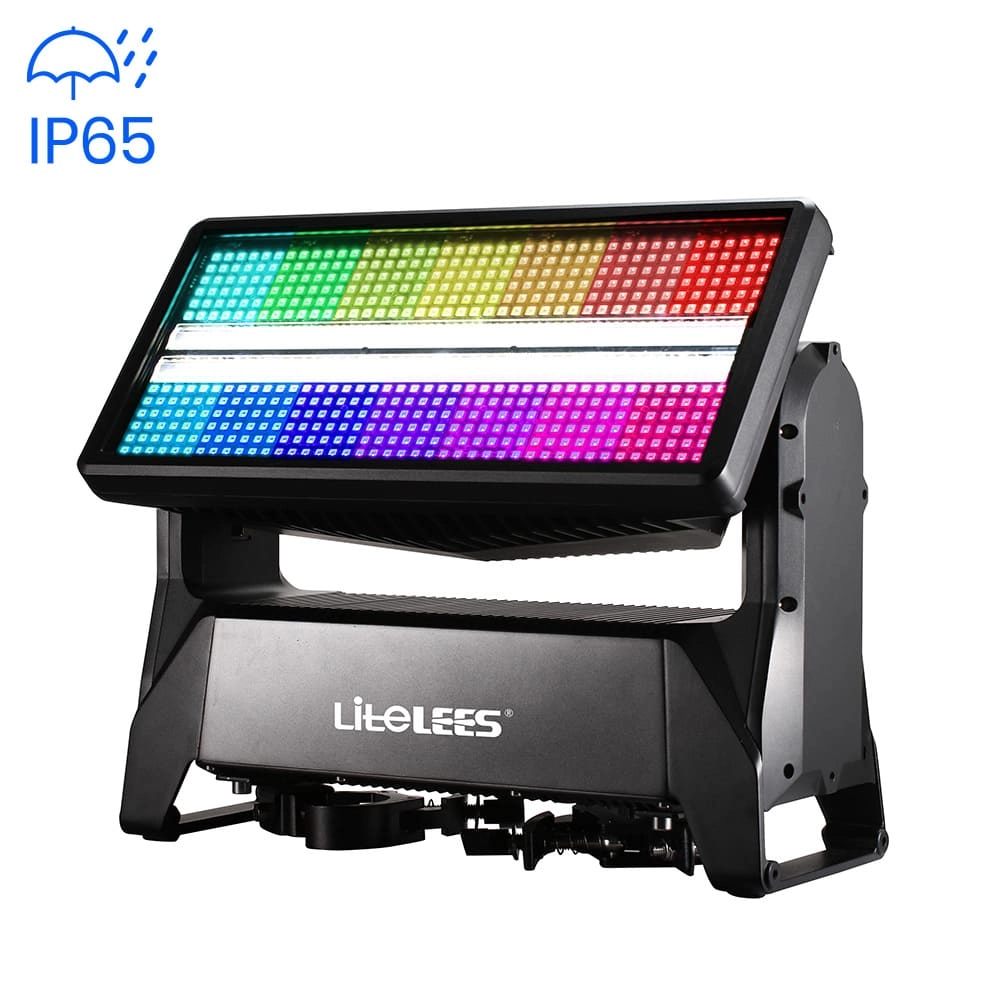
Stormy STRIKE M IP
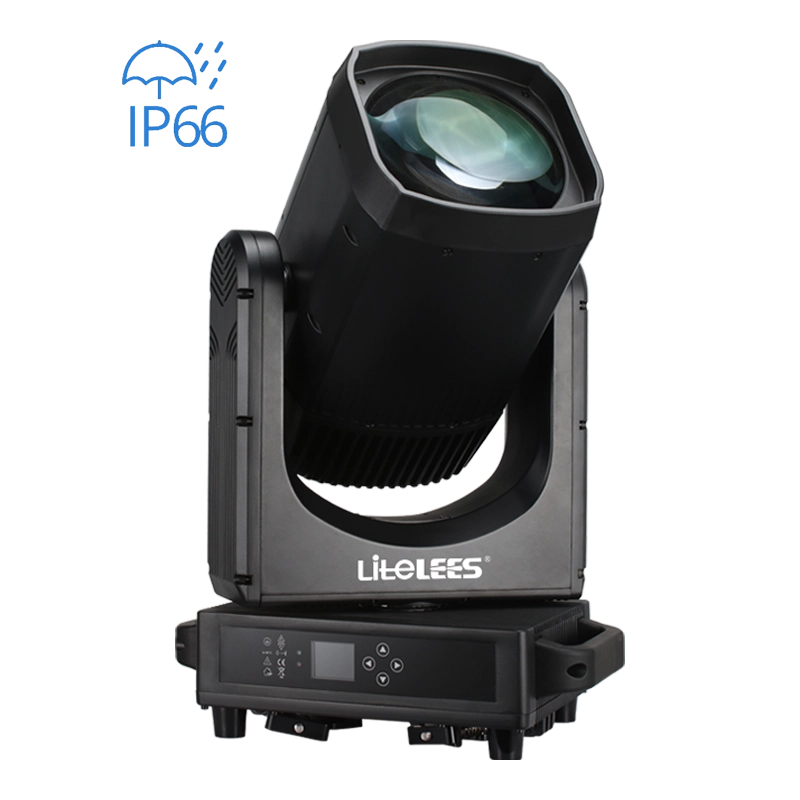
LiteLEES LUMIX BEAM 420 IP
Want to get more up-to-date news?
If you have any comments or good suggestions, please leave us a message; later our professional staff will contact you as soon as possible.

We are professional stage lighting manufacturers offering OEM and ODM LED stage lights.
Contact
Email us
Call us
Address
No.6 Longnan Road, Huashan Town, Huadu District Guangzhou, Guangdong Province, China.
LiteLEES Professional
Less Lighting