
Are stage hybrid lights energy-efficient for touring productions?
- 1. How do I calculate realistic power consumption for a 12-fixture hybrid rig on a 63A single-phase distro for a touring band?
- 2. Are stage hybrid lights energy-efficient for touring productions?
- 3. Can hybrid LED moving-heads replace separate profile and wash fixtures without compromising beam quality and gobos on large arena tours?
- 4. What are realistic service and maintenance intervals and costs for LED hybrid heads compared with discharge-based fixtures on long tours?
- 5. How do I manage DMX/RDM addressing and inrush power issues for 48 hybrid fixtures during quick-change load-ins?
- 6. What exact data should I request from rental houses or manufacturers to assess a hybrid fixture's total cost of ownership for a 6-month tour?
1. How do I calculate realistic power consumption for a 12-fixture hybrid rig on a 63A single-phase distro for a touring band?
Answer:
- Understand the distro: A 63A single-phase IEC feed at ~230 V provides 63 A × 230 V = 14,490 W (14.49 kW) of theoretical capacity. (If you operate in 120 V territories, 60 A × 120 V = 7.2 kW.) Always confirm local nominal voltage.
- Use manufacturer power curves, not just ‘‘max wattage’’. A hybrid moving head might list a max power of 1,200 W, but steady-state draw during most scenes is often lower. Request or measure the power curve (watts vs dimmer % or PAN/tilt/LED intensity) from the vendor or rental house.
- Apply a realistic diversity factor: For touring rigs, assume fixtures rarely run at 100% simultaneously. Conservative planning uses 60–80% diversity for lighting loads. Example: 12 fixtures × 1,200 W = 14,400 W (nominal). With 70% diversity: 14,400 × 0.7 = 10,080 W, which fits a 14.49 kW 63A feed comfortably with margin.
- Include power factor and harmonics: Many LED fixtures have active power factor correction (PFC), so apparent power (VA) is closer to real power (W). Still, request power factor or measured VA numbers; stalls inrush and crest factor can affect upstream protection.
- Add margins for inrush and safety: LED drivers and electronics create inrush current; plan a 15–25% headroom for safe operation (or use soft-start/inrush limiters). Example total with headroom: 10,080 W × 1.2 = 12,096 W.
- Practical steps: ask for the fixture’s max steady-state W, typical operational W at representative scenes, measured inrush current (A) and duration, and power factor. Use PDUs with per-circuit monitoring and stagger power-up during load-in. If the calculated steady load exceeds 80% of the distro rating, split the rig across additional feeds or add a generator.
- Measurement validation: use a clamp meter or power analyzer on a supplier demo to confirm manufacturer data before finalizing load plans.
2. Are stage hybrid lights energy-efficient for touring productions?
Answer:
- Definition: A stage hybrid light (hybrid moving head) combines spot/profile capability (gobos, shutters, iris) with wash/beam functionality in one LED-driven head. Efficiency here means lower electrical consumption for the same theatrical or concert output, and associated reductions in transport, cooling and generator fuel costs.
- Typical efficiency gains: Replacing separate fixture pairs (a high-output discharge profile + a wash) with a single LED hybrid normally reduces total rig wattage because modern LED engines convert a higher portion of input power to usable light and remove the need for separate lamp ballast/lamp-replacement systems. Industry experience shows electricity savings commonly fall in the 40–70% range versus older discharge combos, depending on output requirements, fixture class, and mode of use. Real savings depend on mode (spot vs full wash), zoom/beam settings and scenes.
- Ancillary savings: Lower heat output reduces HVAC load in arenas and reduces backstage cooling and smoke/fog oil vaporization differences. Less lamp replacement reduces logistic mileage and spare parts inventory (discharge lamps often require replacement every hundreds to a few thousand hours, while LED engines are usually rated for 20,000–50,000 hours).
- Touring-specific advantages: Lighter rig weight, fewer flight cases, and smaller power draw reduce the load on generators and the number of power drops needed. These cut both direct fuel costs and labor/time during load-in/strike.
- Caveats: For extreme long-throw requirements (very large arenas with >50 m throws) or when a particular lamp spectrum/gobo crispness is mandatory, a hybrid LED may require careful photometric verification — in a few cases a dedicated high-output discharge spot or followspot may still be necessary. Always verify with published lux-at-distance photometrics or a demo.
3. Can hybrid LED moving-heads replace separate profile and wash fixtures without compromising beam quality and gobos on large arena tours?
Answer:
- Photometric validation is decisive: Don’t rely on feature lists. Ask for lux/footcandle charts for the required zoom positions and distances. If the hybrid meets the lux and beam-edge sharpness your spectacle requires at your intended throw distances, it can replace two separate fixtures.
- Key factors to check:
- Zoom range and beam angle limits (min/max degrees) vs required throw.
- Gobo resolution and iris/zoom interplay (does the gobo maintain crispness through the zoom range?).
- Iris/shutter speed and gobo indexing accuracy for choreography-heavy shows.
- Color fidelity (CRI/TLCI/TM-30 metrics) and LED PWM frequency (for camera work and broadcast flicker-free operation).
- Practical thresholds: Many modern hybrid LED heads are fine up to medium/large arena throws (e.g., 20–40+ meters) if they use high-quality optics and high-output LED engines. For extreme throws (>40–50 m) or narrow tight-beam gobo projections onto a stage backdrop with extreme sharpness, compare the manufacturer’s lux-at-distance chart. If the hybrid’s lux at target distance is less than the legacy discharge spot you replace, you will either need more units or a dedicated spot.
- Recommendation: Run a photometric side-by-side demo (or request manufacturer-supplied photometric files) in the worst-case throw distance for your venue. Include camera tests if the show is televised or recorded — flicker, color and contrast matter.
4. What are realistic service and maintenance intervals and costs for LED hybrid heads compared with discharge-based fixtures on long tours?
Answer:
- LED engine lifetime: Modern LED modules in stage fixtures are commonly rated for ~20,000–50,000 hours of useful life before lumen depreciation reaches a vendor-defined threshold. This generally means far fewer light-engine replacements compared to discharge lamps.
- Discharge lamp lifecycle: Traditional arc/discharge lamps (e.g., metal-halide, xenon) typically require lamp replacement after 500–2,000 hours depending on lamp type and operating conditions; replacement lamps and ballast servicing add recurring costs and downtime.
- Moving/mechanical parts: Pan/tilt motors, gearboxes, encoders, fans and bearings are common wear items in hybrids. Touring rigs should expect routine mechanical checks every 6–12 months or after a defined number of tour hours (many rental and manufacturer service schedules recommend inspection intervals such as every 6 months or 1,000–3,000 operating hours depending on use intensity). Bearings and motor brushes (if present) may need replacement sooner with heavy touring schedules.
- Consumables and typical costs (indicative ranges):
- LED engine/module replacement: infrequent but costly if needed — replacement may run into the hundreds to low thousands of dollars per head depending on model.
- Discharge lamp: $100–$600 per lamp depending on type — frequent replacements increase TCO.
- Routine service (clean optics, fan replacement, firmware updates): budget $50–$250 per unit per service interval for labor and small parts when using professional service shops.
- Full mechanical overhaul/rebuild (motor/gearbox/encoder): can be several hundred dollars per fixture depending on parts.
- TCO view: Over a typical 3–5 year tour cycle, hybrids usually show lower maintenance hours and lamp costs but may incur motor/encoder replacements at similar rates to other moving-heads. Always request MTBF (mean time between failures) and historical service logs from rental houses to model real-world TCO.
5. How do I manage DMX/RDM addressing and inrush power issues for 48 hybrid fixtures during quick-change load-ins?
Answer:
- DMX/RDM management:
- Use RDM-aware consoles and managed lighting nodes to remotely address and poll fixtures. RDM allows device discovery, address assignment and firmware pushing during setup, which speeds load-in and reduces ladder time.
- For large node deployments, prefer sACN or Art-Net over long cable runs and use L3 network segmentation for reliability. Provide a dedicated lighting VLAN and good gigabit switches with IGMP snooping to limit multicast traffic.
- Keep a documented addressing plan and export a fixture patch from your console in advance; ask rental houses to deliver fixtures with consistent personality and firmware versions.
- Inrush current and power sequencing:
- Inrush: LED fixtures can draw a short transient current many times their steady-state current on power-up. This can trip upstream breakers or overload generator startup capacity.
- Practical measures: use power sequencers, soft-start PDUs, or stage power managers to stagger groups of fixtures across time (e.g., ramp-in groups of 6–12 heads per circuit). Many touring crews bring inrush-limiting PDUs or dedicated programmable power sequencers for this reason.
- Circuit and breaker plan: size circuits with steady-state load in mind but ensure the upstream distribution can handle inrush or use staggered start to avoid nuisance trips. Check each fixture’s inrush spec (amplitude and ms duration) and model worst-case simultaneous startups.
- Monitoring and alarms: Use PDUs with current monitoring and alarm thresholds to catch overcurrent situations early.
6. What exact data should I request from rental houses or manufacturers to assess a hybrid fixture's total cost of ownership for a 6-month tour?
Answer:Ask for the following checklist items — treat them as mandatory procurement Qs before committing to a model or rental deal:
- Photometric data: Lux/lumen output at specified distances for minimum/maximum zoom positions and key gobo/beam modes. Request IES or Eulumdat files if available.
- Power specifications: max steady-state watts, typical watts at 50% and 100% intensity, power factor (PF), inrush current (A) and duration (ms), and recommended breaker size.
- Electrical behavior: PWM/frequency (Hz) to confirm flicker-free operation for TV/broadcast and high-speed cameras; dimming curve options and strobe limits.
- Mechanical data: weight, rigging points and safe working loads, outer dimensions (for flight-case planning) and IP rating if outdoor use is expected.
- Maintenance/service history: for rental heads, request actual LED engine hours, lamp replacement history (if applicable), records of past repairs, and date of last full service.
- Warranty and spares: warranty length and what it covers on tour; recommended spare parts list and lead times for spares (encoder, motor, LED module, fan, PSU).
- Control features: available protocols (DMX/RDM, sACN, Art-Net), fixture personality/version, and available remote diagnostics.
- Pricing and TCO data: rental rates, expected consumable costs (e.g., fans, filters), recommended service intervals, and example total life-cycle cost projections for the tour duration.
- Test/demo: schedule an on-site or facility demo with a photometric setup replicating your worst-case throw distance and camera environment.
Conclusion — Advantages of Stage Hybrid Lights for TouringStage hybrid lights (hybrid moving-head LED fixtures) deliver strong energy-efficiency, consolidated rigging (profile + wash in one head), lower lamp-replacement logistics, and reduced heat and generator demand — all important for touring productions. They reduce flight-case weight and cabling complexity and provide modern control features like RDM and flicker-free LED engines for camera work. However, always verify photometrics for your largest throw distances, request inrush/power-factor data to plan distro safely, and obtain maintenance logs to estimate realistic TCO.
For a custom quote, specification pack or demo fixture for your tour, contact us: www.litelees.com or litelees@litelees.com.
Products
What is the lifespan of your LED stage lights?
Our LED lights use high-quality chips with a rated lifespan of over 50,000 hours. Proper usage and maintenance ensure long-term reliability and stable performance, making them a smart investment for any venue.
How long is the warranty period for your products?
We offer a standard 1-year warranty on all products, with extended warranty options available upon request. During the warranty period, we provide free technical support and parts replacement for non-human damage.
Are your lights suitable for large-scale events and outdoor use?
Yes. Our professional stage lights—especially the Beam, BSW 3-in-1, and LED Par Series—are engineered with high-output brightness, wide beam angles, and robust housing. Some models come with IP-rated protection, making them suitable for outdoor applications like concerts, festivals, and sports events.
Can I customize the functions or software of the lights?
Absolutely. As a manufacturer with independent R&D capabilities, we offer customization for both hardware and software (such as DMX channel layout, built-in programs, or UI language). Contact us with your project needs, and our team will provide tailored solutions.
Company
Can LiteLEES handle OEM/ODM orders?
Absolutely. With our strong R&D capabilities and advanced manufacturing, we can customize designs, features, and branding to meet your specific needs.
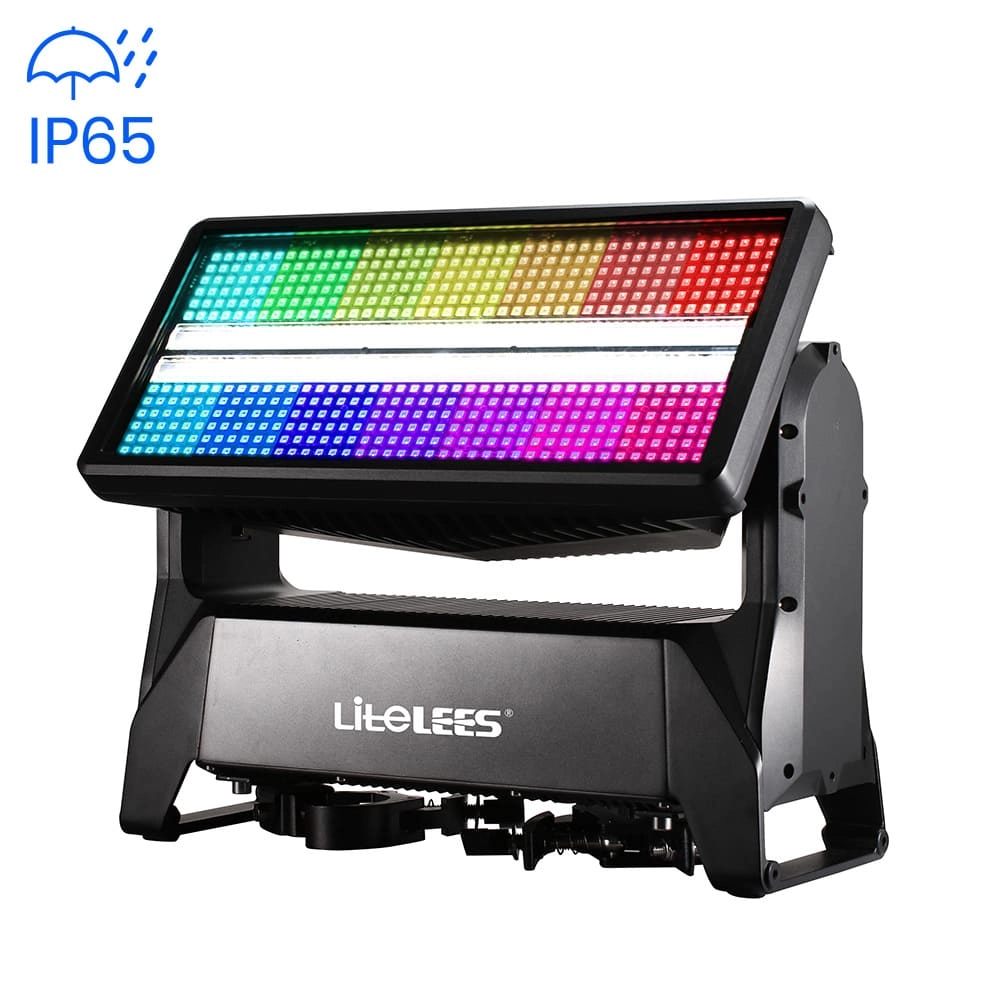
Stormy Supreme 600 IP
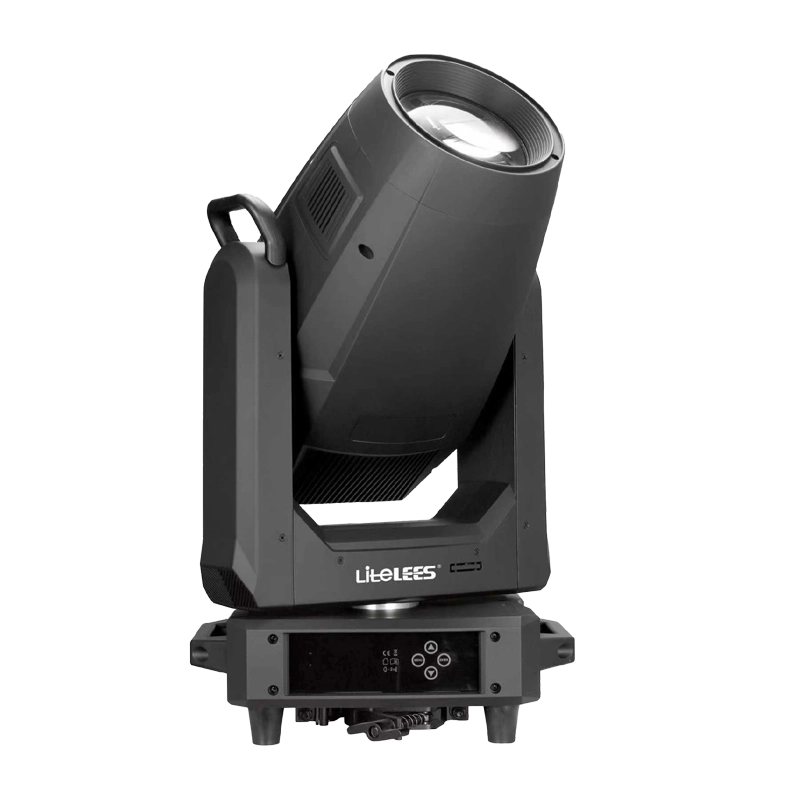
LP Profile 900
Stormy STRIKE M IP
Want to get more up-to-date news?
If you have any comments or good suggestions, please leave us a message; later our professional staff will contact you as soon as possible.

We are professional stage lighting manufacturers offering OEM and ODM LED stage lights.
Contact
Email us
Call us
Address
No.6 Longnan Road, Huashan Town, Huadu District Guangzhou, Guangdong Province, China.
LiteLEES Professional
Less Lighting