
Spotlight vs. Floodlight vs. Beamlight: A Comparison of Moving Stage Lighting Fixtures
A comprehensive guide comparing moving stage lights: spotlights, floodlights (wash), and beamlights. Covers optical differences, beam angles, 2026 hybrid fixture trends, and expert tips for theatrical DMX programming.
- Quick Summary: Key Takeaways for Lighting Designers
- What Are Moving Theater Lights?
- The Core Trio: Spotlight vs. Floodlight (Wash) vs. Beamlight Explained
- 1. The Spotlight (Profile)
- 2. The Beamlight
- 3. The Floodlight (Wash)
- Technical Comparison: Optics, Angles, and Output
- The Rise of Hybrid Fixtures & 2026 Trends
- Expert Tips: Avoiding Common Configuration Mistakes
- Enhancing Your Production with Professional Integration
- Conclusion & Call to Action
Navigating the world of intelligent lighting can be daunting for venue managers and technical directors alike. Whether you are upgrading a high school auditorium or designing a touring rig for a regional theater, understanding the distinct optical characteristics of moving head spot vs. wash and beam fixtures is critical. This guide breaks down the mechanics, use cases, and 2026 technological trends to help you make informed procurement decisions.
Quick Summary: Key Takeaways for Lighting Designers
Spotlights, beam lights, and floodlights (wash) serve three distinct optical functions: isolation, aerial effects, and atmospheric coverage. While they may look similar on the rig, their internal lens structures and intended applications differ radically.
- Spotlights: Best for specific focus, sharp edges, and gobo projection.
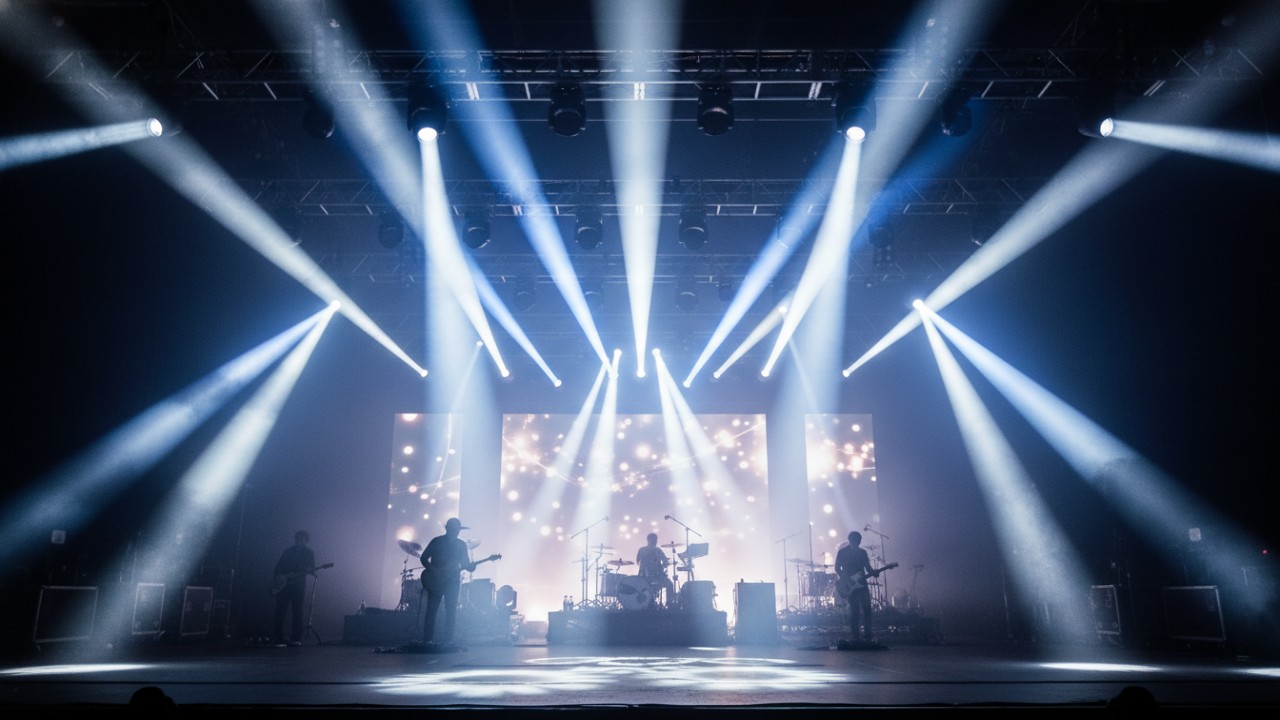
- Beamlights: Produce tight, parallel shafts of light primarily for mid-air aerial effects.
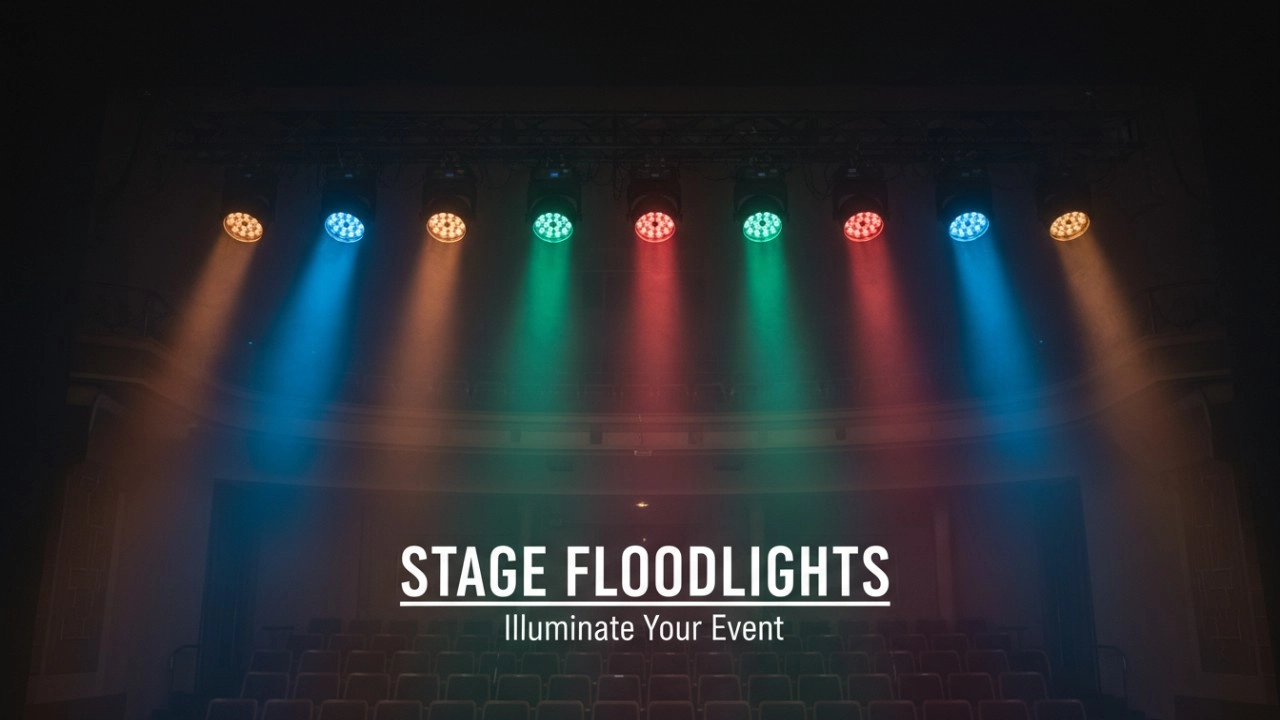
- Floodlights (Wash): Provide soft, wide coverage for color blending and general stage ambiance.
- Hybrid Fixtures: Modern units combining all three modes, saving significant rigging space and budget.
What Are Moving Theater Lights?
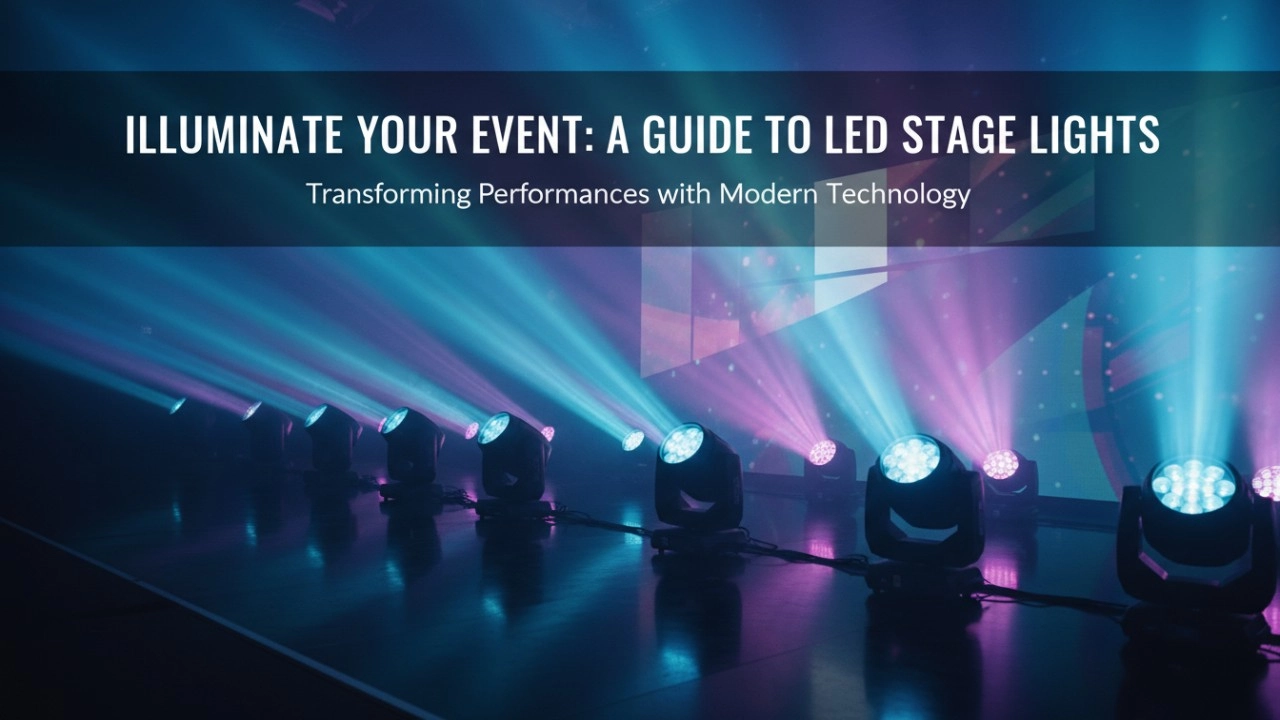
Moving theater lights are intelligent, automated lighting instruments that use theatrical LED automation to remotely control parameters like pan, tilt, intensity, beam shape, and color. Unlike static fixtures, they utilize precision stepper motors to dynamically alter the visual environment throughout a performance.
Why Automation Matters: In modern stage design, the ability to change the focal point or mood instantly is essential. Automated fixtures allow a single lighting designer to execute complex cues that would previously require a dozen static lights and manual operators.
Key Components:
- Stepper Motors: Drive the movement and internal effects.
- Optical Train: The lens and reflector assembly that shapes the light.
- DMX512: The digital communication protocol used to control the fixture.
The Core Trio: Spotlight vs. Floodlight (Wash) vs. Beamlight Explained
Understanding the fundamental differences in the moving head spot vs. wash debate—and where the beam fixture fits in—is the first step to a balanced lighting plot.
1. The Spotlight (Profile)
Definition: A spotlight is defined by its ability to produce a hard-edged beam and is often equipped with gobo wheels and framing shutters to shape the light.
Best Use:
- Isolating specific actors during monologues.
- Projecting textures (breakup patterns) onto scenery.
- Creating defined corridors of light.
2. The Beamlight
Definition: A beamlight is characterized by a massive front lens and a near-parallel light shaft, designed to "punch" through stage fog with minimal divergence.
Best Use:
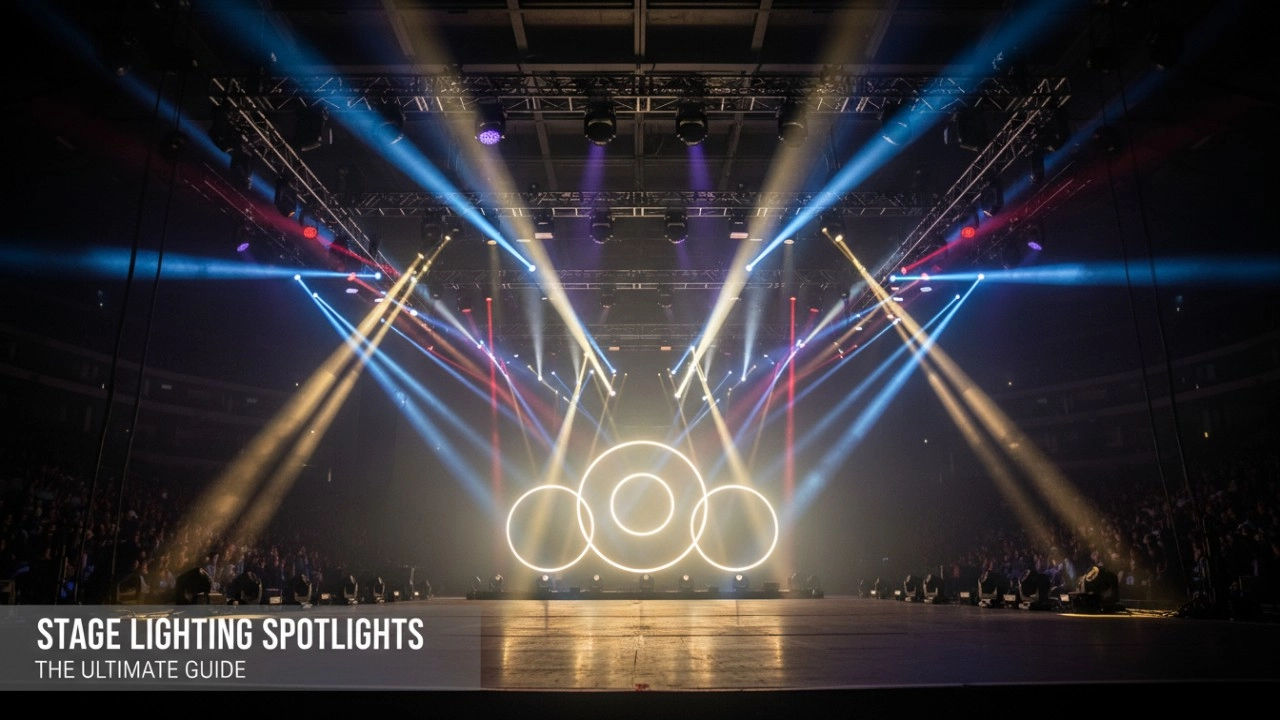
- Creating aerial architecture (concert-style looks).
- Long-throw applications where intensity must be maintained over distance.
- High-energy musical numbers.
3. The Floodlight (Wash)
Definition: A floodlight, or wash fixture, uses a Fresnel or pebbled lens to create soft-edged pools of light that blend seamlessly with adjacent fixtures.
Best Use:
- Painting the stage with a uniform color.
- Backlighting to separate actors from the background.
- General area illumination (base lighting).
Technical Comparison: Optics, Angles, and Output
Beam angle stage lighting metrics are the primary scientific differentiator between these fixtures, determining how the light spreads across a given distance.
Key Optical Differences:
-
Beam Angles:
- Beam: 0° to 5° (tight, laser-like).
- Spot: 5° to 30° (usually zoomable).
- Wash: 10° to 60° (wide coverage).
-
Edge Quality:
- According to the Illuminating Engineering Society (IES), beam angle is technically defined by the points where intensity drops to 50% of the center maximum. In practice, spot fixtures maintain a hard edge at this drop-off, while wash fixtures use diffusion to blur this transition entirely.
-
Lumen Efficiency:
- Beamlights often appear visually brighter than washes of the same wattage because they concentrate photon density into a smaller surface area.
The Rise of Hybrid Fixtures & 2026 Trends
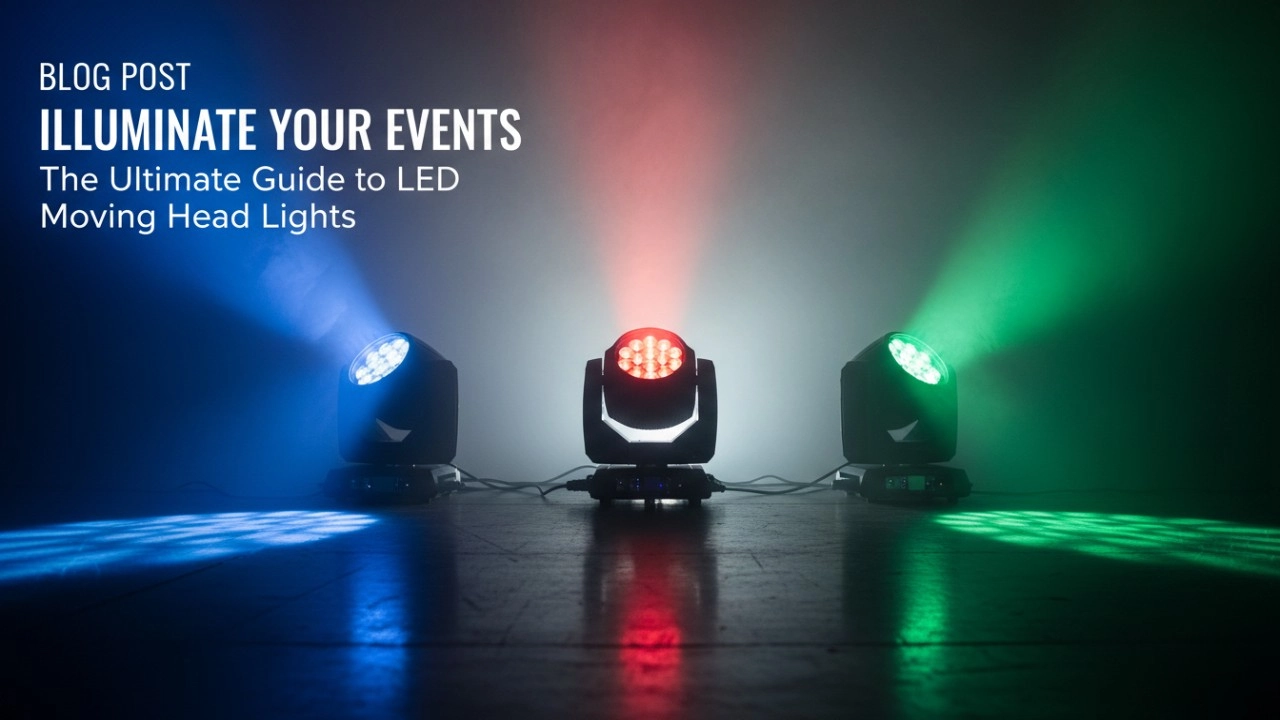
Hybrid moving head fixtures have revolutionized the industry by combining beam, spot, and wash capabilities into a single chassis, offering versatility that was impossible just a few years ago.
Current Innovation Trends:
- 3-in-1 Versatility: Manufacturers like Guangzhou Lees Lighting Co., Ltd. (LiteLEES) are leading the charge with fixtures that seamlessly transition from a razor-sharp 2° beam to a soft 40° wash using motorized frost filters and zoom optics.
- Laser-Phosphor Engines: New light sources providing infinite focus depth and extreme throw distances.
- Acoustic Optimization: Enhanced cooling systems designed for low-noise floor ratings, crucial for theater environments.
- Space Efficiency: Replacing three separate specialized units with one hybrid reduces truck space and rigging weight.
Expert Tips: Avoiding Common Configuration Mistakes
Mastering DMX lighting programming requires more than just creativity; it demands adherence to technical standards to ensure safety and equipment longevity.
Common Pitfalls:
- Mistake #1 (Front Light): Using beam fixtures as front face lights. The harsh shadows create "raccoon eyes" on actors. Always use wash or diffuse spot fixtures for this.
- Mistake #2 (Noise Levels): Overlooking fan noise ratings (dB). In intimate theaters, loud cooling fans can distract from quiet scenes.
- Mistake #3 (DMX Routing): Failing to adhere to the ESTA ANSI E1.11 standard for DMX512 cabling, which can cause signal reflection and flickering lights.
Pro Maintenance Tip: Regularly clean the optical train (lenses and dichroic glass). Dust accumulation can reduce output by up to 20% and shift color temperatures, ruining your carefully programmed scenes.
Enhancing Your Production with Professional Integration
Selecting the right mix of fixtures requires a deep understanding of your venue’s specific geometry and power limitations.
The LiteLEES Advantage: With over a decade of experience and 50+ patents, LiteLEES specializes in manufacturing robust Beam, Spot, and Wash fixtures. Our independent R&D team ensures that every fixture, from our waterproof outdoor units to our silent theatrical profiles, meets rigorous ISO9001 and international safety standards.
Case Study Example: A regional theater recently replaced their aging discharge lamps with LiteLEES LED hybrid movers. The result was a 40% reduction in power consumption and a significant decrease in maintenance hours, as the LED engines eliminated the need for frequent bulb replacements.
Conclusion & Call to Action
Choosing between spot, flood, and beam fixtures ultimately depends on your artistic vision and the physical constraints of your venue. By leveraging modern hybrid technology and understanding optical fundamentals, you can build a versatile rig capable of handling everything from subtle plays to high-energy concerts.
Contact LiteLEES today to discuss your specific needs and request a consultation for your venue.
![Moving Head Stage Lighting Guide: Mastering the Technical and Artistic Essence [2026 Edition] - LiteLEES](https://static.gooecloud.com/upload/img/GY160908357145/moving-head-stage-lighting-guide-mastering-the-technical-and-artistic-essence-2026-edition.png?x-oss-process=image/format,webp/quality,Q_100 "Moving-Head-Stage-Lighting-Guide:-Mastering-the-Technical-and-Artistic-Essence-[2026-Edition] - LiteLEES")
Products
What is the lifespan of your LED stage lights?
Our LED lights use high-quality chips with a rated lifespan of over 50,000 hours. Proper usage and maintenance ensure long-term reliability and stable performance, making them a smart investment for any venue.
How long is the warranty period for your products?
We offer a standard 1-year warranty on all products, with extended warranty options available upon request. During the warranty period, we provide free technical support and parts replacement for non-human damage.
Company
What is LiteLEES’s main business?
LiteLEES specializes in the design, development, manufacturing, and sales of professional stage lighting, including moving head lights, beam lights, spot lights, wash lights, and LED par lights.
Where is LiteLEES located?
Our headquarters and manufacturing facility are located in Guangzhou, China, with products exported to over 70 countries worldwide.
What certifications do your products have?
All LiteLEES products are certified by CE, RoHS, FCC, and BIS. Our factory is ISO9001 quality management system certified.
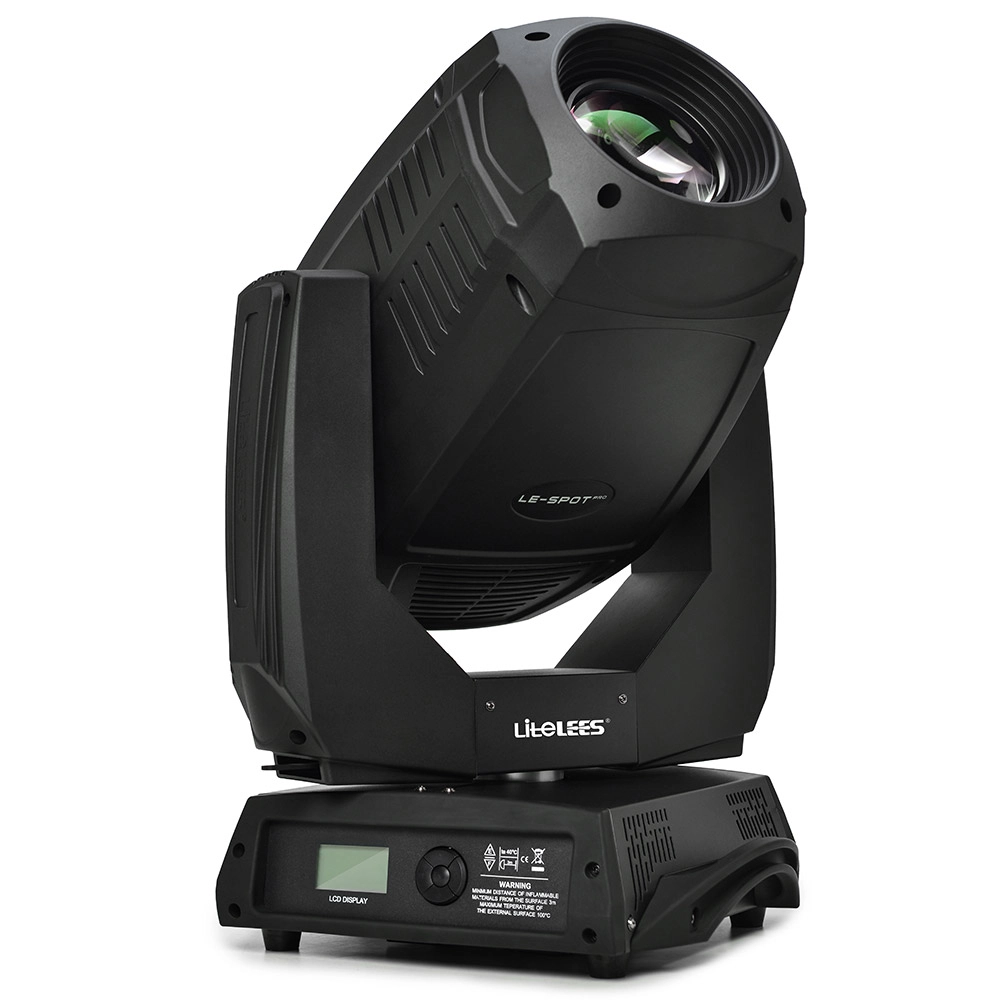
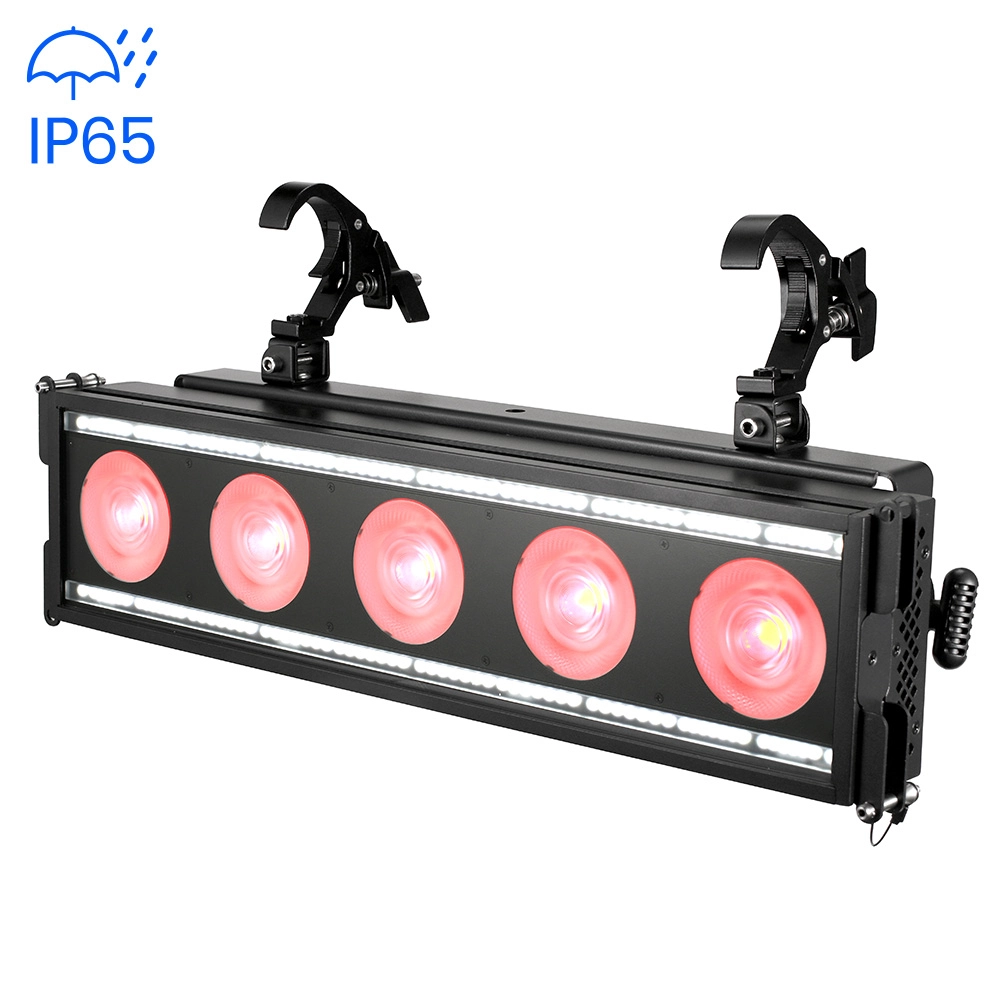
Stormy Flash 550 lP
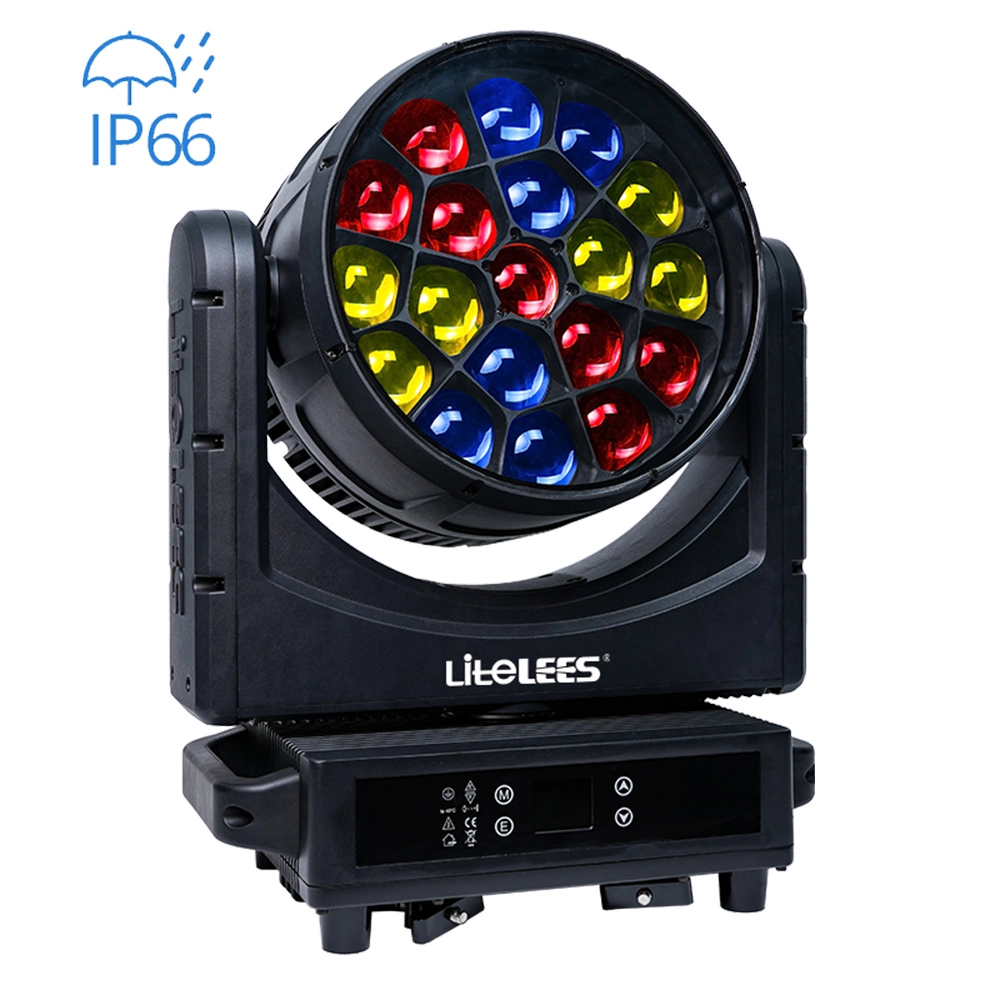
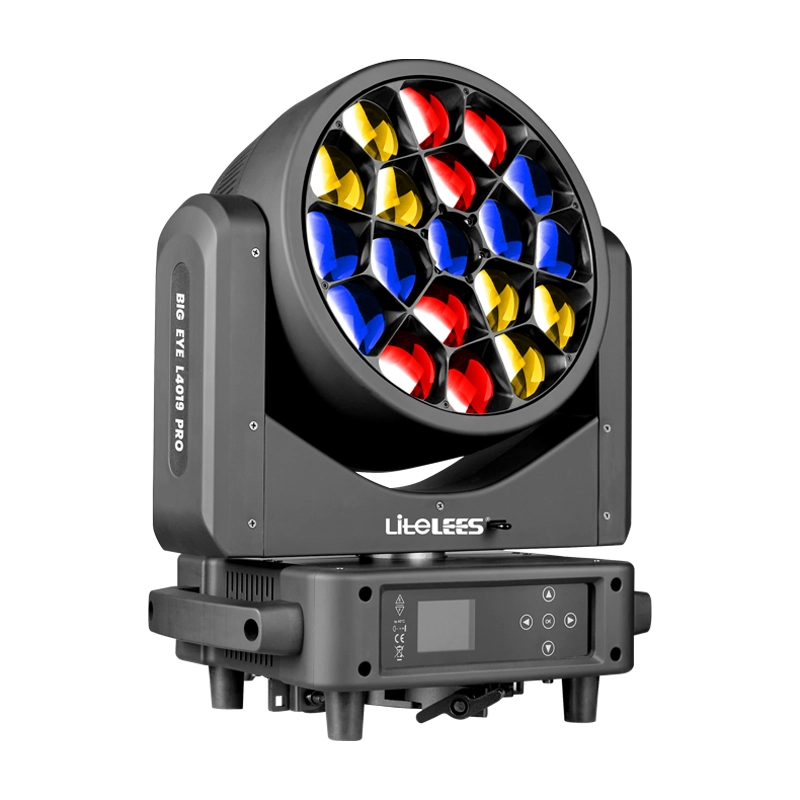
BIG EYE L4019 IP
Want to get more up-to-date news?
If you have any comments or good suggestions, please leave us a message; later our professional staff will contact you as soon as possible.

We are professional stage lighting manufacturers offering OEM and ODM LED stage lights.
Contact
Email us
Call us
Address
No.6 Longnan Road, Huashan Town, Huadu District Guangzhou, Guangdong Province, China.
LiteLEES Professional
Less Lighting