
How to select durable LED strobe lights for touring setups?
- 1) How do I evaluate thermal management specs (TC point, L70, TM-21) to predict real-life lifespan for touring LED strobe lights?
- 2) Which power-connectors and daisy-chain configurations minimize failures on long tours?
- 3) How can I test and guarantee strobe output consistency and camera compatibility for broadcast and high-frame-rate filming?
- 4) What electrical and surge-protection specs predict a driver’s resilience to venue “dirty power” and frequent on/off cycles?
- 5) How do I assess mechanical build and serviceability to minimize downtime during multi-city tours?
- 6) Which environmental protections and cleaning routines prevent premature failure when using strobes in smoky, dusty, or coastal venues?
1) How do I evaluate thermal management specs (TC point, L70, TM-21) to predict real-life lifespan for touring LED strobe lights?
Thermal management is the single biggest predictor of lifetime for any LED strobe light. Look for three measurable things on datasheets and in vendor QA: LM-80 test data for the LED package, TM-21 projected L70 lumen-maintenance estimates, and a stated Tc (case) temperature limit with a recommended ambient (Ta).
Practical checks and thresholds:
- LM-80 + TM-21: Prefer fixtures whose suppliers publish LM-80 test reports and TM-21 extrapolations. A conservative touring target is an L70 > 50,000 hours under the stated Ta—this gives multi-year reliable service under typical duty cycles.
- Tc rating and driver derating: Confirm the maximum Tc and recommended ambient (Ta). If a fixture’s Tc must remain ≤85°C at Ta=40°C, expect derating in hotter environments. Touring fixtures should specify higher Ta (e.g., Ta=45°C) or active thermal protection.
- Active vs passive cooling: Passive heat sinks (die-cast aluminum, fin density) are more robust on the road than small ball-bearing fans. If the fixture uses fans, verify they’re serviceable (replaceable, filtered) and rated for continuous duty (sleeve/long-life bearings).
- Design indicators: thicker aluminum housings, large fin surface area, thermal pads on LED boards and thermal adhesives, and separated driver compartments indicate better thermal designs.
Field test protocol before a tour: run a 24–72 hour burn-in at rated power in a hot box approximating venue ambient (e.g., 35–45°C). Log the Tc point with a thermocouple and an infrared camera; if Tc climbs continuously or exceeds the rated Tc, choose another model. Record lumen output drift; excessive drop indicates thermal stress or poor driver regulation.
2) Which power-connectors and daisy-chain configurations minimize failures on long tours?
Failures on tours often start with connectors and cabling. Use locking, stage-rated connectors and proper power-distribution planning to reduce single-point failures.
- Connector types: For mains power, prefer Neutrik powerCON TRUE1 or stage-grade powerCON 20A in/out. Avoid loose IEC cabling for chain runs. For DMX, use 5-pin XLR (DMX512-A) or EtherCON for Art-Net/sACN over Ethernet.
- Daisy-chain limits: Never exceed the manufacturer’s recommended number of fixtures per power run. Consider cable gauge and voltage-drop: for 16 A circuits, use 2.5 mm² minimum; for runs >20 m or higher currents, step up to 4 mm². In North America, use 12 AWG for common tour lengths; 10 AWG for long high-load runs.
- Reduce single-point failure: avoid chaining too many fixtures from a single feed. Use local distro boxes (multiple protected circuits) and label each circuit. Use locking connectors and captive strain reliefs.
- Inrush and breaker selection: LED strobes can have high inrush currents. Use slow-blow breakers or inrush-limiting devices where many fixtures start simultaneously, and ensure distro can handle cumulative inrush.
Operational checklist: use stage-grade power distro, test each run with full-load current meters, and bring spares for all connectors (powerCON, XLR, etherCON). Keep a dedicated, labeled spare cable kit and plan redundant feeds for critical positions.
3) How can I test and guarantee strobe output consistency and camera compatibility for broadcast and high-frame-rate filming?
Camera compatibility (no banding or flicker) is a frequent pain point. LED strobes must either run with a very high PWM carrier frequency or use DC/analog current drive to be truly flicker-free at a variety of shutter speeds and frame rates.
- Specifications to require: vendors should state “flicker-free” and specify tested frame rates/shutter speeds (for example: tested at 24–240 fps). Also look for PWM or modulation specs—higher PWM carrier frequencies (e.g., ≥20 kHz) reduce interference with rolling-shutter sensors.
- Testing method: use a photodiode + oscilloscope or a high-speed camera to inspect pulse shape and frequency. A simple practical test is to film the strobe at multiple frame rates and shutter speeds used by your broadcast partners (24, 30, 50, 60, 120, 240 fps) and check for banding on rolling-shutter cameras.
- Pulse consistency: For strobes the peak intensity and pulse width must be reproducible. Ask for test data showing pulse-to-pulse variance (RMS percent) at maximum strobe rates. Variance under 2–3% is strong; higher variance may cause inconsistent on-camera flashes.
If the vendor cannot provide camera-tested documentation, run an on-site 2–3 hour camera compatibility check with the production cameras you expect to use. If you expect high-speed filming, require fixtures that explicitly list compatibility or offer a ‘camera mode’ that disables low-frequency PWM.
4) What electrical and surge-protection specs predict a driver’s resilience to venue “dirty power” and frequent on/off cycles?
Drivers are the second common failure point after thermal issues. For touring fixtures you need drivers with robust input filtering, surge tolerance, and soft-start/inrush control.
- Key specs: look for universal input (100–240 VAC) with Power Factor Correction (PFC > 0.9), specified inrush current, listed surge immunity (per IEC 61000-4-5 if published), and over-voltage tolerance. A driver that lists operating range e.g., 90–264 VAC is preferable.
- Surge and EMI protection: stage environments commonly have switching noise. Drivers with EMI/RFI filters and transient voltage suppressors reduce failure risk. Conformal coating on driver boards protects against humidity and corrosion.
- Soft-start and inrush limiting: drivers with soft-start avoid tripping breakers when many fixtures power up concurrently. Verify manufacturer inrush current numbers so you can size distro breakers correctly.
Operational recommendations: use upstream surge protectors on distro racks, line conditioners for critical feeds, and UPS for FOH/control racks. Maintain a spare driver or spare entire fixture per flight case so you can swap quickly if a driver fails mid-tour.
5) How do I assess mechanical build and serviceability to minimize downtime during multi-city tours?
Tours demand fixtures designed for rapid field repair. Evaluate mechanical features and supplier support before buying.
- Serviceability checklist:
- Modular LED boards and replaceable driver modules with standard connectors (no glued assemblies).
- Tool-less or captive fasteners for common maintenance items (fans, filters, front lenses).
- Onboard fusing or accessible fused power entries and clearly labeled connectors.
- Spare parts policy: stock availability and lead times for LED modules, driver boards, and fans. Ask the vendor for a recommended spares list per 50 fixtures.
- Mechanical ruggedness: look for die-cast aluminum housings, reinforced rigging points (M10/M12 captive fittings), anti-vibration mounts for internal PCBs, and powder-coated finishes for corrosion resistance.
- Firmware and diagnostics: RDM support and onboard error LEDs/logging help fault-finding. Fixtures that report temperature, input voltage, and fan fault over RDM or a service port speed repairs.
Buying rule of thumb: choose fixtures where a crew can swap an LED module or driver in under 15 minutes with basic tools. Negotiate a spare-parts kit and a manufacturer SLA for expedited support during tour windows.
6) Which environmental protections and cleaning routines prevent premature failure when using strobes in smoky, dusty, or coastal venues?
Environmental exposure (dust, haze, salt air) is a touring killer. Choose the right IP rating, protective measures, and a maintenance routine to keep LED strobe lamps alive.
- IP rating: for indoor theaters and clubs IP20 is typical; for outdoor or exposed FOH positions use IP65-rated fixtures or housings. Note: IP65 protects against low-pressure water and dust ingress but not corrosive salt atmosphere; coastal deployment benefits from additional anti-corrosion coatings.
- Filters and fan maintenance: if fans are used, fit replaceable dust filters and schedule filter changes after every 8–12 shows in smoky/dusty conditions. Use positive-pressure sealed driver compartments where possible to keep dust off PCBs.
- Cleaning routine: use dry compressed air first (clean, oil-free). For stubborn residues use 70% isopropyl alcohol on lens and housings. Avoid water on IP20 units. Inspect and replace corroded fasteners and use corrosion-resistant (stainless) hardware on coastal tours.
- Salt and smoke mitigation: apply conformal coating on critical boards and offer desiccant packets in flight cases. After coastal shows, perform accelerated checks for pitting/corrosion; replace affected screws and recoat as necessary.
Logbook practice: keep a maintenance log per fixture (hours, cleaning, fan replacement, repairs). Over the course of a tour this log highlights repeat failures and lets you adjust spares and cleaning frequency.
Standards and vendor documentation to require: LM-80 / TM-21 (LED lumen maintenance), IEC 60529 (IP ratings), IEC 61000 series (EMC and surge immunity), DMX512-A or RDM support for control. Require the vendor to supply test reports or agree to an on-site acceptance test before final acceptance.
Concluding summary — advantages of choosing durable LED strobe lights for touring setups
Choosing rugged, well-documented LED strobe fixtures that meet LM-80/TM-21 lifetime claims, have robust thermal designs, serviceable modules, stage-grade connectors, and proven flicker-free performance yields lower downtime, predictable maintenance costs, better camera compatibility, and safer rigging across venues. Combined with good cabling and surge protection practices, these choices extend fixture life, reduce spare parts inventory, and keep shows running on time.
For a tailored quote, on-site test plan, or a spares strategy for your tour, contact us at www.litelees.com or email litelees@litelees.com.
Products
Are your lights suitable for large-scale events and outdoor use?
Yes. Our professional stage lights—especially the Beam, BSW 3-in-1, and LED Par Series—are engineered with high-output brightness, wide beam angles, and robust housing. Some models come with IP-rated protection, making them suitable for outdoor applications like concerts, festivals, and sports events.
Can I customize the functions or software of the lights?
Absolutely. As a manufacturer with independent R&D capabilities, we offer customization for both hardware and software (such as DMX channel layout, built-in programs, or UI language). Contact us with your project needs, and our team will provide tailored solutions.
Company
What is LiteLEES’s main business?
LiteLEES specializes in the design, development, manufacturing, and sales of professional stage lighting, including moving head lights, beam lights, spot lights, wash lights, and LED par lights.
What certifications do your products have?
All LiteLEES products are certified by CE, RoHS, FCC, and BIS. Our factory is ISO9001 quality management system certified.
Do you have your own factory?
Yes. We own a sheet metal factory and a complete in-house production line—from PCB to final assembly—ensuring strict quality control and fast delivery.
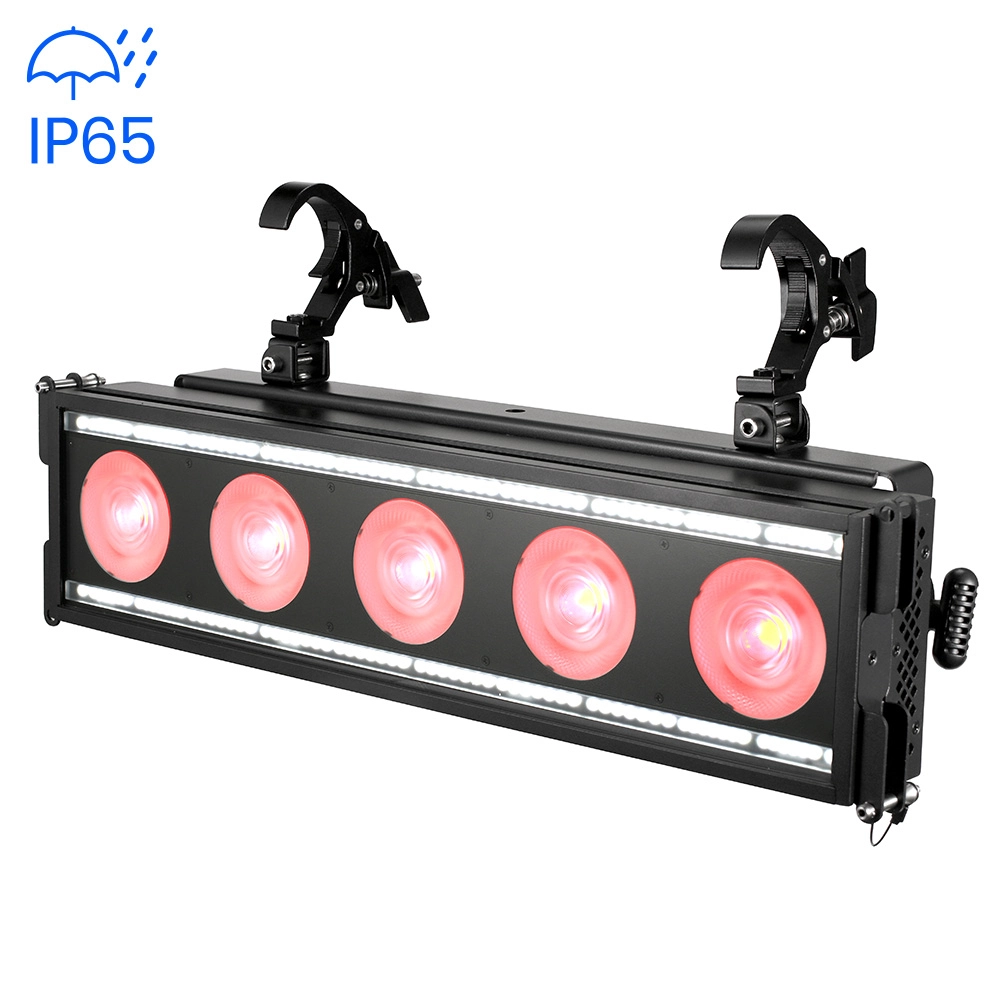
Stormy Flash 550 lP
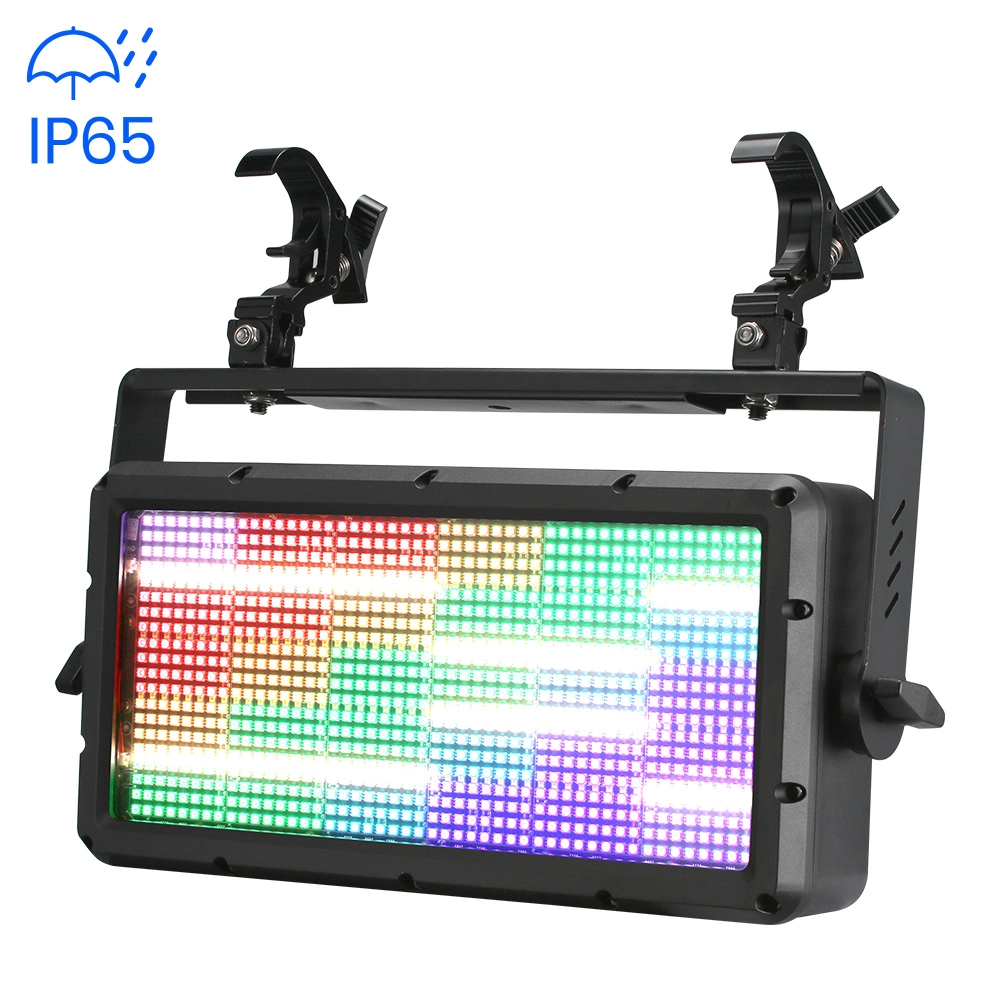
Stormy Strobe 700 IP
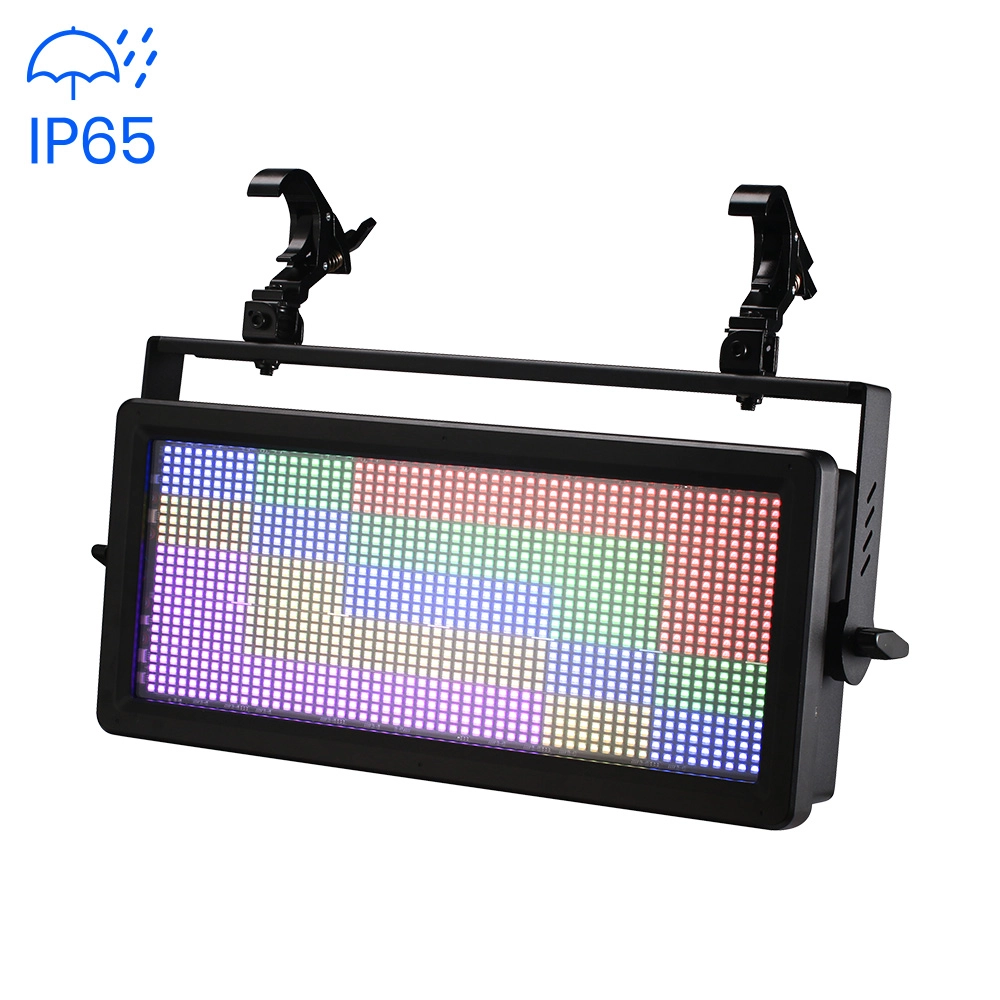
Stormy Strobe 500 IP
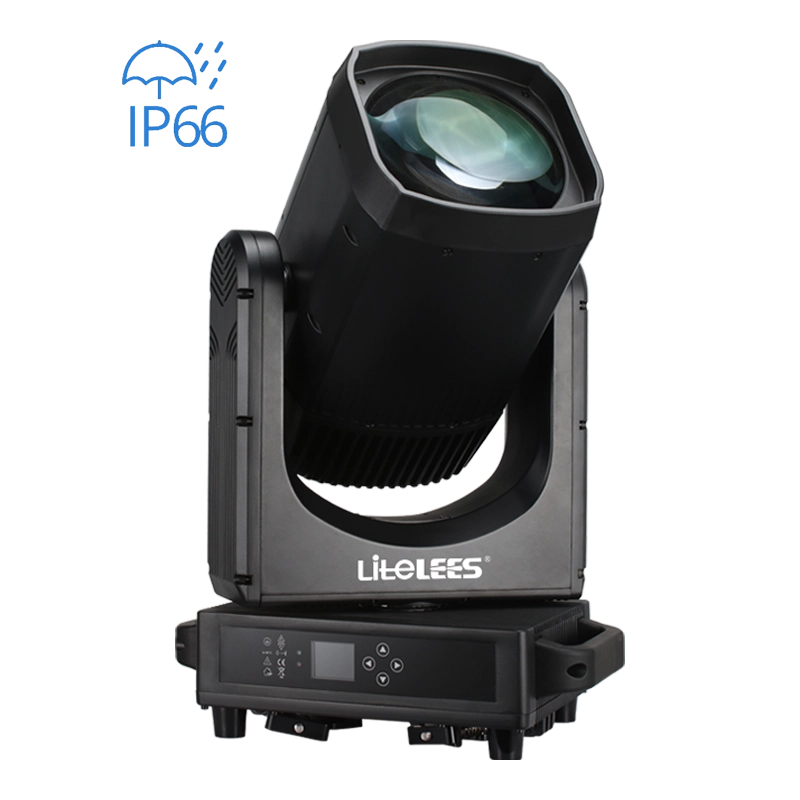
LiteLEES LUMIX BEAM 420 IP
Want to get more up-to-date news?
If you have any comments or good suggestions, please leave us a message; later our professional staff will contact you as soon as possible.

We are professional stage lighting manufacturers offering OEM and ODM LED stage lights.
Contact
Email us
Call us
Address
No.6 Longnan Road, Huashan Town, Huadu District Guangzhou, Guangdong Province, China.
LiteLEES Professional
Less Lighting