
LED Stage Lighting Guide (2026): Professional Lighting Rig Design and Return on Investment Strategies
- What are LED Stage Lights and Why Are They Essential in 2026?
- Quick Summary: Key Takeaways for Venue Managers
- Advanced Comparison: LED vs. Traditional Tungsten & HID
- Core Fixture Types for Professional Stage Design
- Industry Leading Solutions: Integrating High-Output LED Engines
- Expert Tips: Common Mistakes to Avoid in Stage Lighting Setup
- Future Trends: What to Expect in 2026 and Beyond
- Frequently Asked Questions (FAQ)
- How long do professional LED stage lights actually last?
- Can I use LED stage lights with my old analog dimmer rack?
- What is the best LED stage light for a small church or school?
- Do LED stage lights get hot?
- What is DMX512 and do I need it for LEDs?
- Why are some LED stage lights much cheaper than others?
- Are wireless DMX systems reliable for live shows?
- How many LED lights can I daisy chain together?
- References
LED stage lights are high-performance, semiconductor-based illumination tools that utilize DMX lighting control systems to deliver precise color mixing and energy efficiency. In the fast-paced world of live performance, understanding how to leverage these tools is critical for maximizing both visual impact and Return on Investment (ROI).

What are LED Stage Lights and Why Are They Essential in 2026?
LED stage lights are advanced semiconductor devices engineered to convert electrical energy directly into specific wavelengths of light, offering superior intensity and color control compared to traditional incandescent bulbs. Unlike their predecessors, these fixtures do not rely on fragile filaments or wasteful heating elements.
In 2026, the transition to High CRI LED fixtures is no longer optional but an industry standard. Modern productions demand the extreme color accuracy (CRI 95+) and seamless integration with stage lighting design software that only LEDs can provide. The technology has matured to include embedded neural processing for real-time adjustments, making them the backbone of intelligent stage design.
- High-Intensity Output: Utilizing powerful LED engines to punch through stage fog and ambient light.
- Thermal Management: Advanced heat sinks ensure consistent performance without overheating stage environments.
- Digital Integration: Native compatibility with Art-Net and sACN protocols for complex pixel mapping.
- Spectral Precision: Ability to dial in specific color temperatures for broadcast-quality video capture.
Quick Summary: Key Takeaways for Venue Managers
ROI optimization in stage lighting is achieved by balancing the higher upfront cost of LED fixtures against their massive long-term operational savings and reduced maintenance downtime. For venue managers, the math is simple: efficient rigs cost less to run and command higher rental fees.
Switching to a fully LED-based rig dramatically lowers the Total Cost of Ownership (TCO). By eliminating the need for expensive dimmer racks and frequent bulb replacements, venues can redirect budgets toward creative design and RGBW color mixing technology. Additionally, the reduced heat output lowers HVAC demands, creating a secondary layer of cost savings.
- Energy Efficiency: LEDs consume up to 80% less power than tungsten equivalents, according to recent data from Stage Electrics.
- Extended Lifespan: Professional units like those from LiteLEES operate for over 50,000 hours, virtually eliminating mid-show failures.
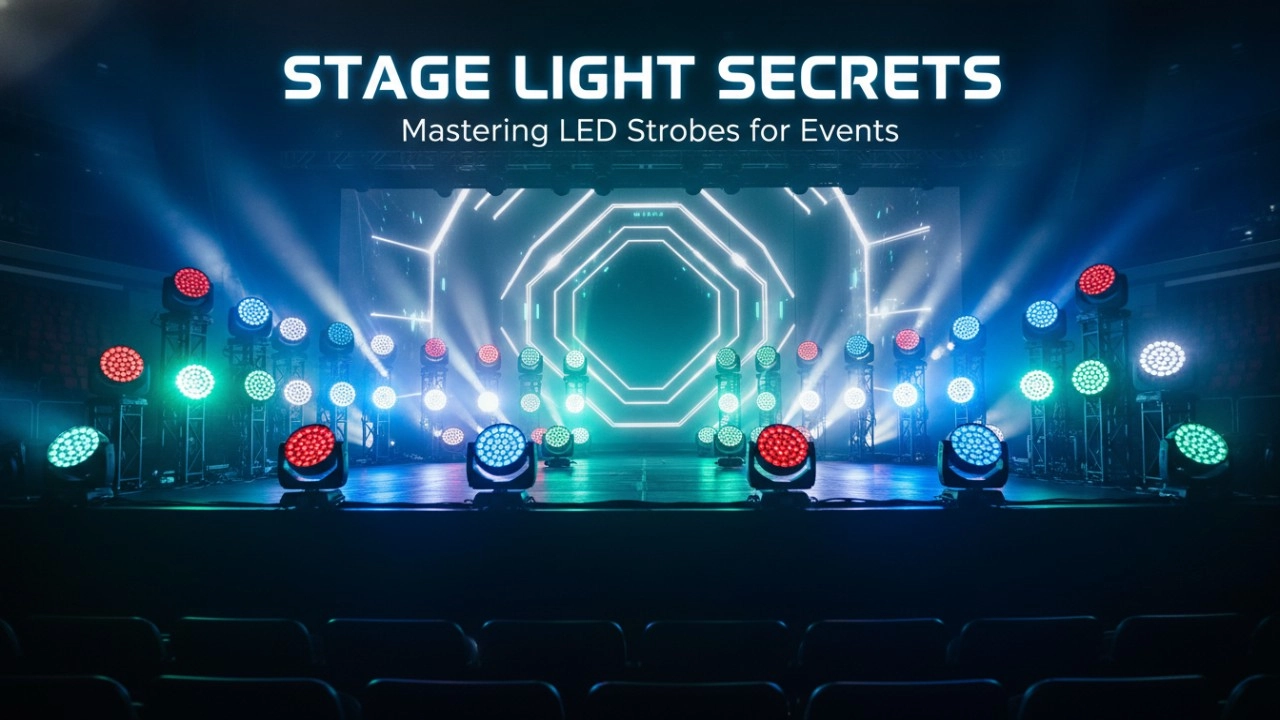
- Versatility: Instantaneous color changes and strobing effects remove the need for mechanical scrollers or gels.
- Control: Seamless integration with modern wireless DMX ensures rapid setup and teardown for touring acts.
Advanced Comparison: LED vs. Traditional Tungsten & HID
Operational efficiency serves as the primary differentiator, with LEDs offering cold-beam technology that preserves the integrity of delicate stage props and ensures performer comfort during long productions. While tungsten fixtures waste approximately 90% of their energy as heat (Source: LED Lighting Supply), LEDs direct that energy into visible light output.
This fundamental difference impacts infrastructure requirements. High-density tungsten rigs require massive three-phase power services and heavy cabling. In contrast, LED rigs can often run on standard power supplies due to their low amperage draw, simplifying logistics for temporary events and permanent installations alike.
- Heat Management: Cold-beam technology prevents the "cooking" of performers and reduces fire risks associated with hot gels.
- Dimming Curves: Modern 16-bit drivers achieve 0-100% smooth dimming without the "red shift" characteristic of halogen bulbs.
- Maintenance Cycles: Manufacturers like Guangzhou Lees Lighting Co., Ltd. design fixtures that run for years without lamp changes, slashing labor costs.
- Power Infrastructure: Daisy-chaining power capabilities allow for cleaner cable runs and faster load-ins.
Core Fixture Types for Professional Stage Design
Stage lighting fixtures are categorized by their beam angle and function, with the four main pillars being wash, spot, beam, and hybrid units designed to cover specific visual roles. A balanced rig utilizes a mix of these to create depth, texture, and focus.
For versatility, many designers now rely on moving head spot lights that can double as washes or beams. Companies like LiteLEES have pioneered 3-in-1 fixtures that combine these functions, allowing smaller venues to achieve big-stage looks with fewer units. Their waterproof (IP65) options further expand possibilities for outdoor festivals where weather resistance is non-negotiable.
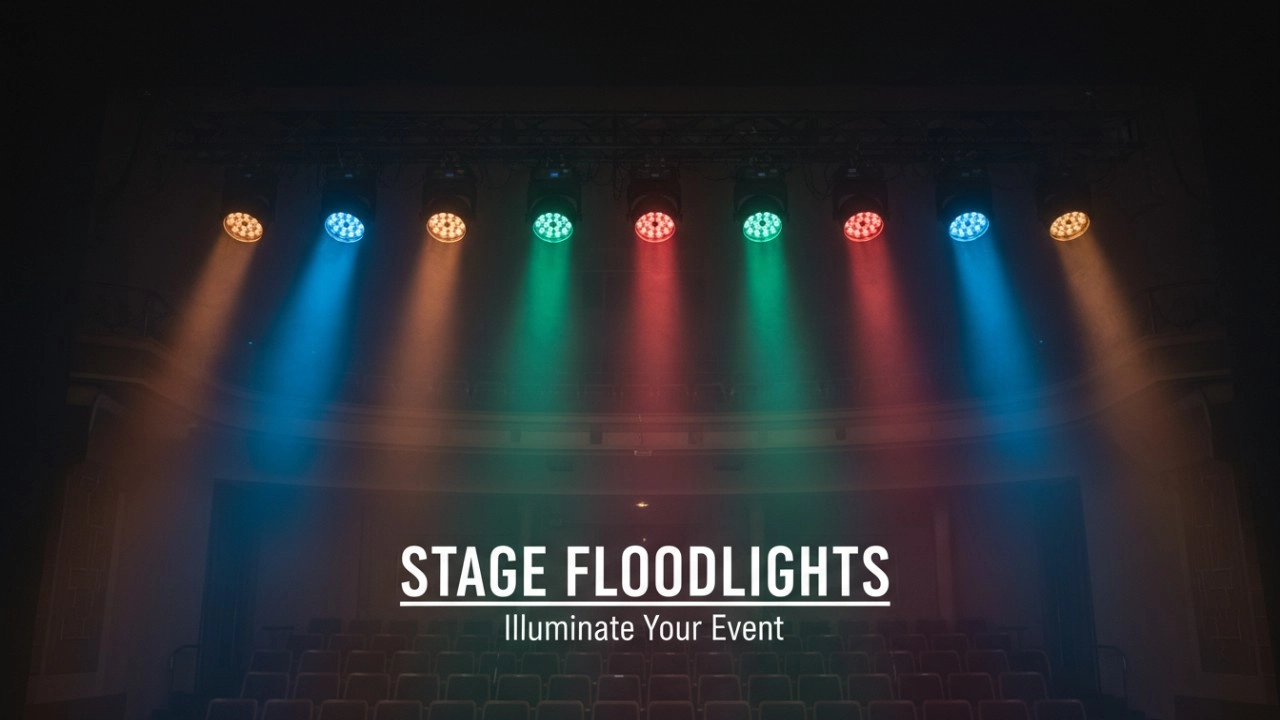
- LED PAR Cans: The workhorse for general wash lighting, providing broad color fills and foundational illumination.
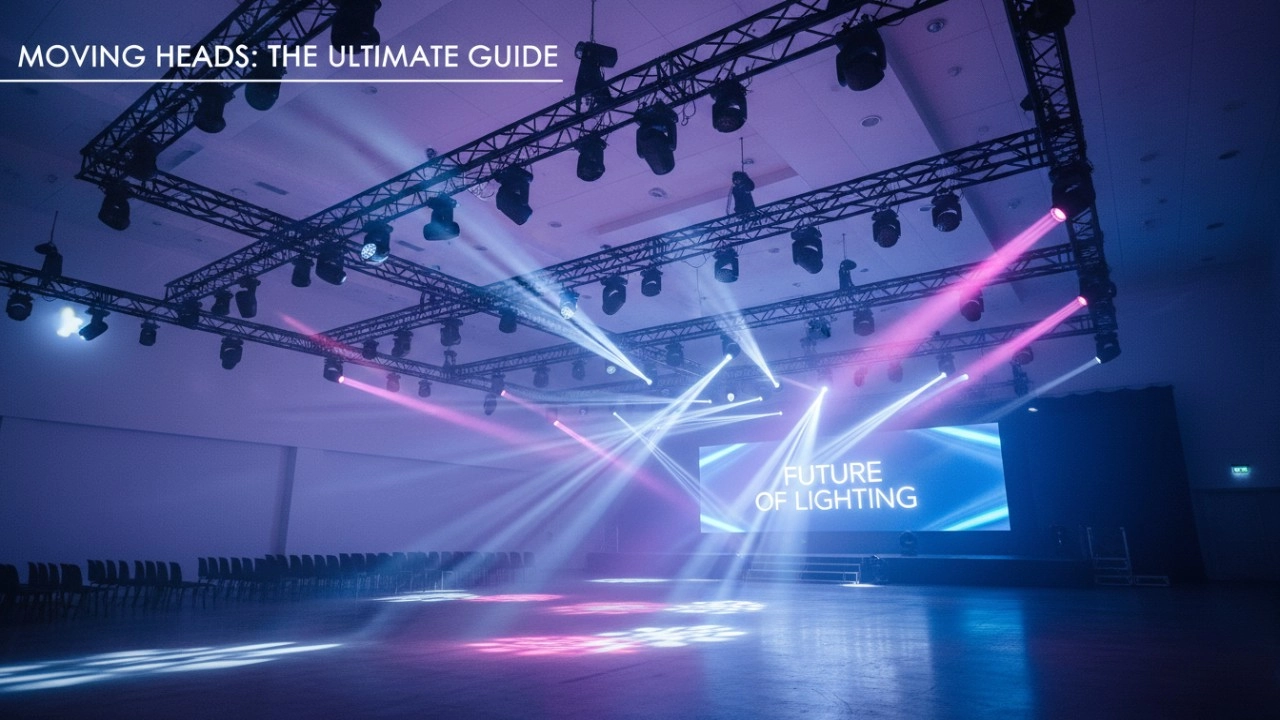
- Moving Head Spots & Washes: Essential for dynamic aerial effects, gobo projection, and tracking performers across the stage.
- Profile & Fresnel Fixtures: Precision tools with framing shutters for theater applications where light spill must be controlled.
- LED Battens & Strips: utilized for lighting cycloramas or creating pixel-mapped backgrounds that function as low-res video screens.
Industry Leading Solutions: Integrating High-Output LED Engines
Strategic fixture selection involves partnering with manufacturers who demonstrate proven reliability and compliance with international standards like CE, RoHS, and FCC. High-output engines are useless if the fixture cannot survive the rigors of touring or the humidity of an outdoor venue.
Drawing from the experience of Guangzhou Lees Lighting Co., Ltd., which serves clients in over 100 countries, the trend is shifting toward robust, multi-functional units. Their R&D team, holding over 50 patents, focuses on maximizing lumen output while maintaining color consistency—a critical factor when replacing 1200W discharge lamps with LED sources. For example, upgrading to ISO9001-certified fixtures ensures that every unit in a rig matches perfectly in brightness and hue.
- Case Study: Venues upgrading to 2026-spec LED fixtures have reported carbon footprint reductions of over 65%.
- The Role of IP65 Ratings: Essential for outdoor stages, preventing dust and water ingress that destroys internal electronics.
- Acoustic Considerations: Fanless or "silent mode" fixtures are mandatory for theaters where fan noise can distract from the performance.
Expert Tips: Common Mistakes to Avoid in Stage Lighting Setup
Signal integrity is the most overlooked aspect of lighting design, where poor cabling or incorrect DMX termination leads to flickering lights and loss of control. A professional rig is only as stable as its data distribution network.
Many novice designers also fail to account for the "Universe" limits of DMX lighting control systems. With modern fixtures consuming 20, 30, or even 50 channels each for RGBW color mixing technology and pixel mapping, a single DMX universe (512 channels) fills up rapidly. Planning your patch ahead of time is crucial.
- Mismatched Color Temperatures: Mixing different LED brands often results in inconsistent whites, ruining video capture quality.
- Underestimating DMX Channels: Complex pixel-mapping modes can consume multiple DMX universes; always budget for extra processing nodes.
- Ignoring CRI: Low CRI lights make skin tones look sickly; prioritize CRI 90+ for any key lighting on faces.
- Poor Power Distribution: Even low-wattage LEDs can trip breakers if the inrush current isn't calculated during daisy-chaining.
Future Trends: What to Expect in 2026 and Beyond
Intelligent automation is driving the next evolution of stage lighting, where AI-driven software will autonomously sync lighting cues with audio frequencies and crowd sentiment. According to industry reports, the global stage lighting market is projected to reach over USD 1.3 billion by 2025, driven by these smart innovations (Source: Market Research).
Looking beyond 2026, we expect to see "self-programming" fixtures that utilize embedded sensors to track performers without wearable beacons. Furthermore, sustainability will deepen, with manufacturers adopting circular economy principles to ensure fixtures are recyclable at the end of their life cycle.
- AI-Driven Synchronization: Systems that analyze music in real-time to generate complex light shows without manual programming.
- LiFi Integration: The use of Light Fidelity (LiFi) to transmit data through the light beam itself, reducing reliance on clogged radio frequencies.
- Sustainable Manufacturing: A shift toward modular components that allow for easy repair and upgrades, extending fixture life indefinitely.
Frequently Asked Questions (FAQ)
How long do professional LED stage lights actually last?
- Most high-quality fixtures are rated for 50,000 hours, which equates to over 15 years of standard daily use.
- Degradation usually occurs in the power driver or cooling fans long before the actual LED diodes fail.
Can I use LED stage lights with my old analog dimmer rack?
- No, LED fixtures require constant non-dimmed power and receive digital control instructions via DMX.
- Plugging an intelligent LED fixture into a traditional dimmer curve can permanently damage its internal power supply.
What is the best LED stage light for a small church or school?
- A combination of LED PAR fixtures for general color wash and Profile spots for illuminating speakers is ideal.
- Look for "COB" (Chip on Board) LEDs, as they provide a single, shadow-free source of light that looks natural on camera.
Do LED stage lights get hot?
- The light beam itself is cool (UV and IR free), protecting performers, but the rear heat sink will get warm to the touch.
- They produce significantly less ambient heat than tungsten, which can reduce venue air conditioning costs by up to 30%.
What is DMX512 and do I need it for LEDs?
- DMX512 is the industry-standard digital protocol used to tell lights what color, intensity, and position to adopt.
- It is essential for controlling any professional LED fixture beyond simple "sound active" or "auto" modes.
Why are some LED stage lights much cheaper than others?
- Cheaper lights often suffer from low CRI (poor color rendering), noisy cooling fans, and visible flicker on video recordings.
- Professional fixtures use "binning" processes to ensure consistent color temperature across all units in a batch.
Are wireless DMX systems reliable for live shows?
- Modern systems using W-DMX or CRMX technology are highly reliable and widely used in professional touring.
- However, in high-RF environments like stadiums, a wired DMX backup is still recommended for critical cues.
How many LED lights can I daisy chain together?
- This depends entirely on the fixture's wattage and the amperage rating of your power cables (typically 20A).
- Generally, you can safely link 6-10 professional LED PARs on a single circuit, but always calculate the total load first.
References
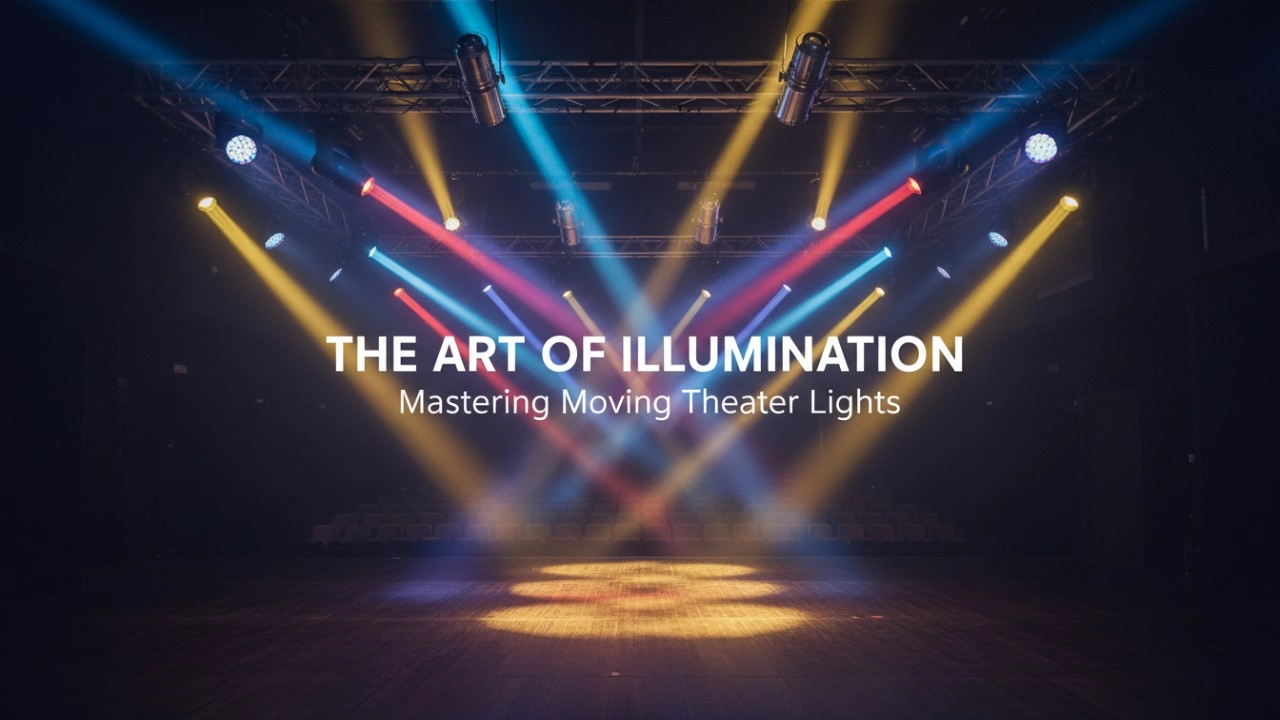
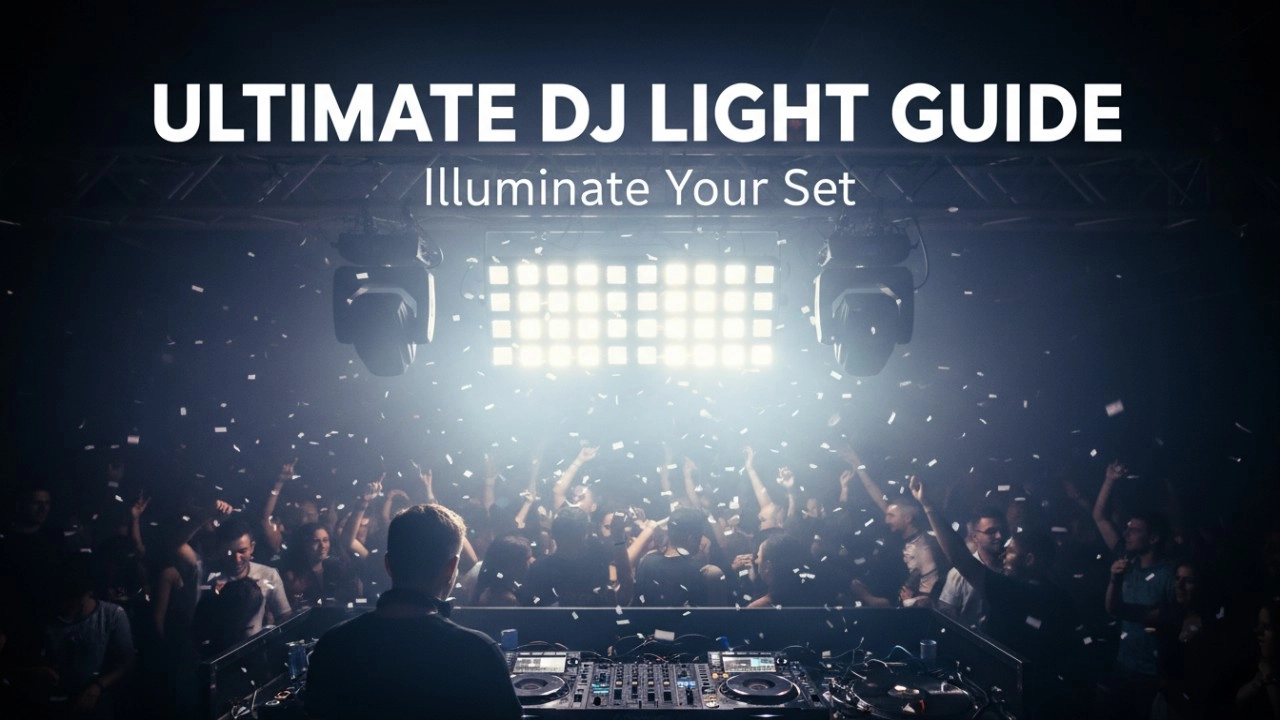
Company
What certifications do your products have?
All LiteLEES products are certified by CE, RoHS, FCC, and BIS. Our factory is ISO9001 quality management system certified.
Can LiteLEES handle OEM/ODM orders?
Absolutely. With our strong R&D capabilities and advanced manufacturing, we can customize designs, features, and branding to meet your specific needs.
Where is LiteLEES located?
Our headquarters and manufacturing facility are located in Guangzhou, China, with products exported to over 70 countries worldwide.
Products
Do your lights support DMX512 and other control protocols?
Yes. All LiteLEES stage lights are fully compatible with DMX512. Many models also support RDM, Art-Net, and wireless DMX (optional), ensuring seamless integration with modern lighting control systems.
How long is the warranty period for your products?
We offer a standard 1-year warranty on all products, with extended warranty options available upon request. During the warranty period, we provide free technical support and parts replacement for non-human damage.
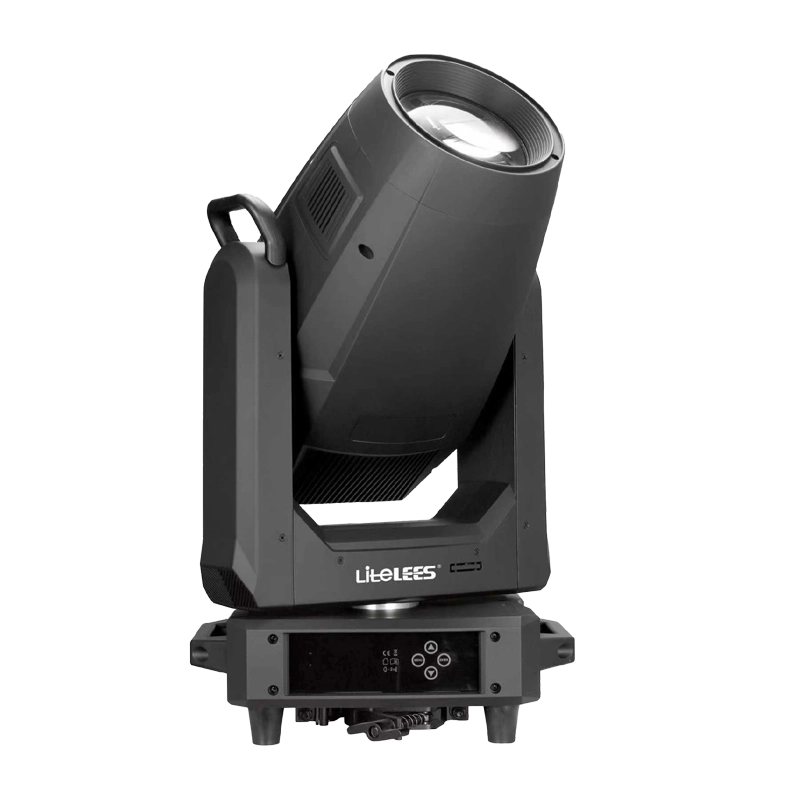
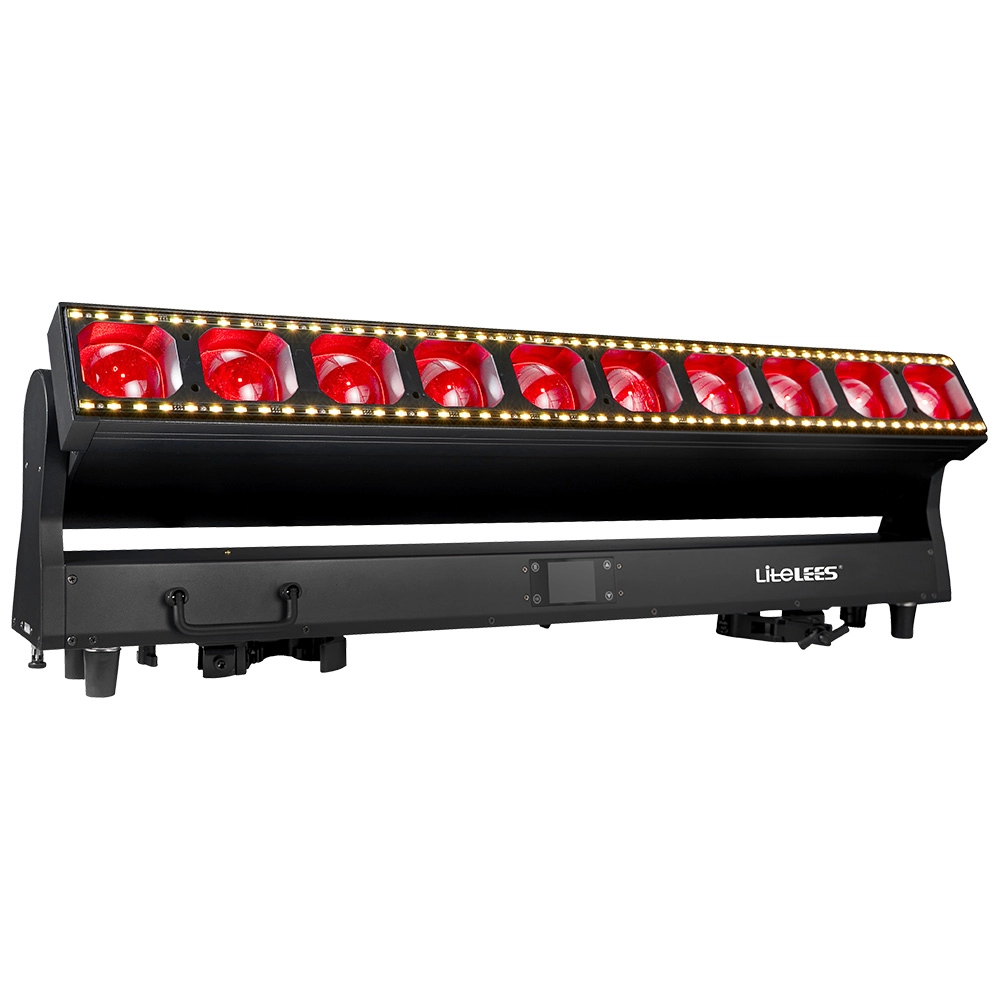
LP Profile 900
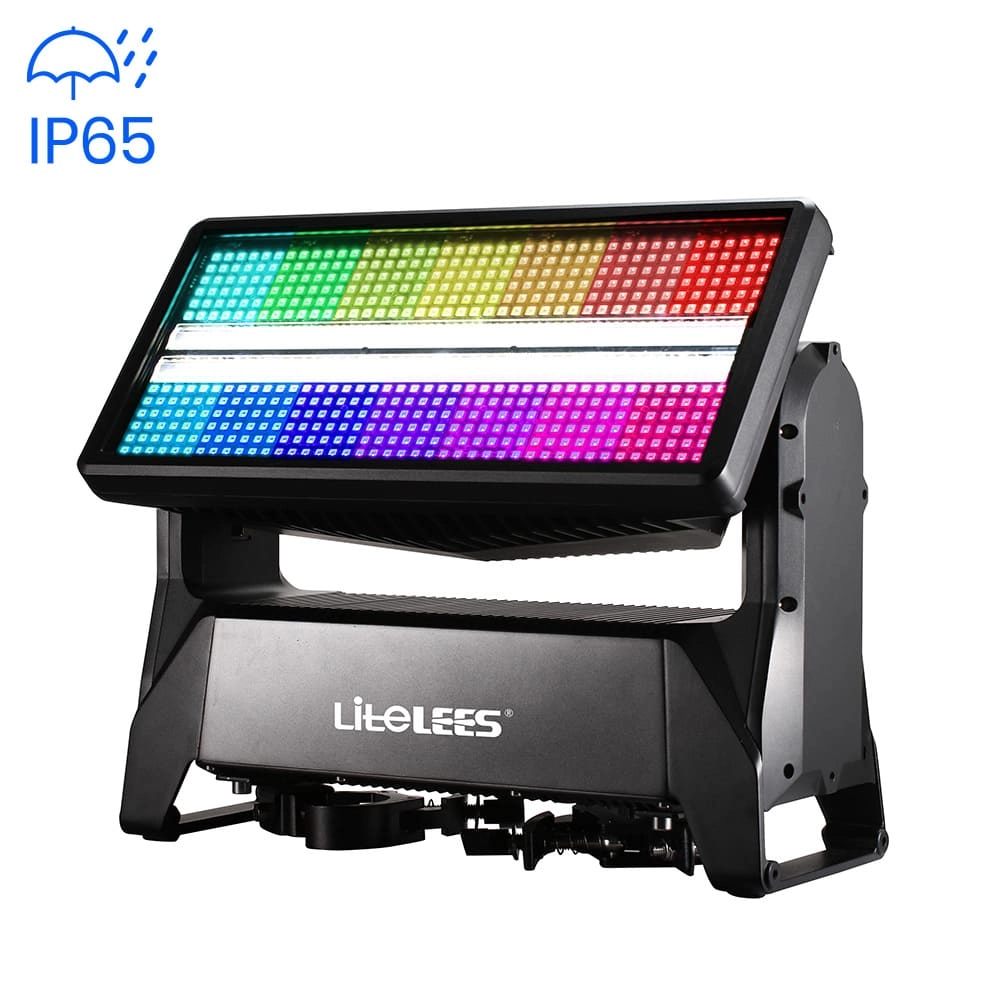
Stormy STRIKE M IP
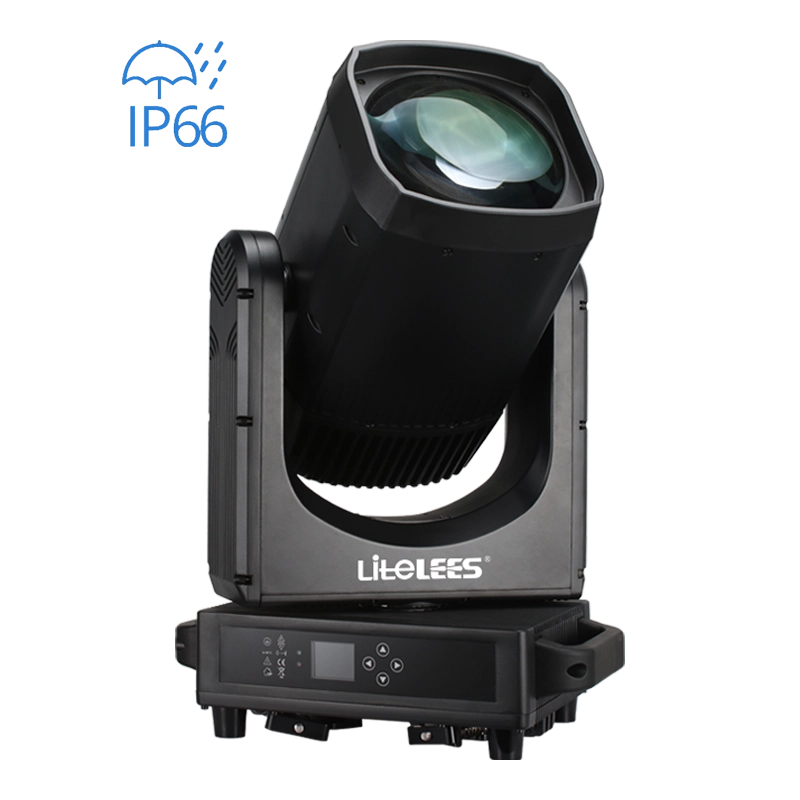
LiteLEES LUMIX BEAM 420 IP
Want to get more up-to-date news?
If you have any comments or good suggestions, please leave us a message; later our professional staff will contact you as soon as possible.

We are professional stage lighting manufacturers offering OEM and ODM LED stage lights.
Contact
Email us
Call us
Address
No.6 Longnan Road, Huashan Town, Huadu District Guangzhou, Guangdong Province, China.
LiteLEES Professional
Less Lighting