
Are LED moving theater lights better than traditional fixtures?
- Moving theater lights: Are LED moving theater lights better than traditional fixtures?
- 1) Are LED moving theater lights better than traditional fixtures?
- 2) How do LED moving heads compare on brightness and throw?
- 3) Which color-quality metrics matter: CRI, TLCI, CQS, and more?
- 4) What about flicker and camera compatibility?
- 5) What are the energy, cooling and maintenance advantages of LEDs?
- 6) What technical features and protocols should procurement require?
- 7) What are typical trade-offs and hidden costs?
- 8) How should venues test and accept LED moving lights before purchase?
- 9) Purchasing checklist: minimum specification template for RFPs
- 10) Long-term considerations: upgrades, sustainability and total cost of ownership (TCO)
- Final recommendation and procurement roadmap
- Why consider LiteLEES for LED moving theatre lights?
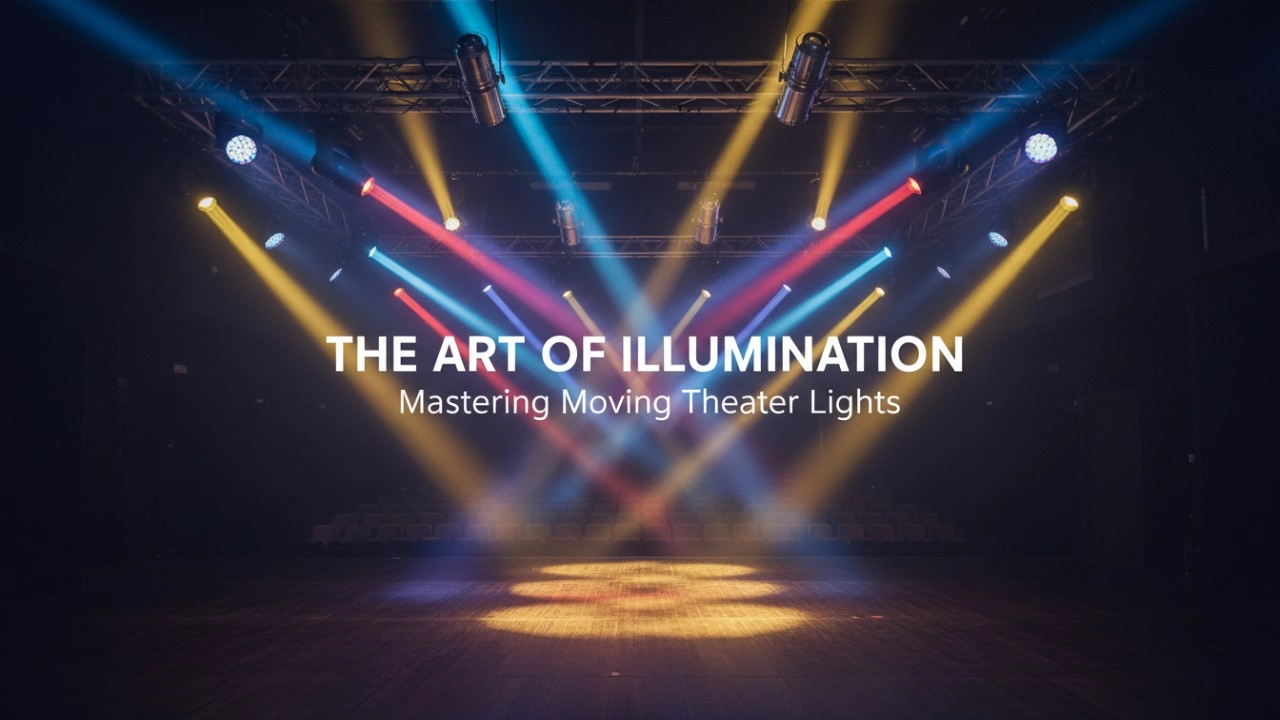
Moving theater lights: Are LED moving theater lights better than traditional fixtures?
LED moving heads have become the dominant technology for many theatres and live productions because they offer clear operational and lifecycle advantages—but “better” depends on the production’s specific visual, budgetary and integration needs. Below are the most frequent buyer questions and professional answers to help procurement teams choose the correct fixtures.
1) Are LED moving theater lights better than traditional fixtures?
Short answer: In most theatre and multi-purpose production environments, yes—LED moving heads are superior for efficiency, maintenance, color versatility and integration. Traditional fixtures that use high-intensity discharge (HID) or arc lamps can still produce very tight, long-throw beams with certain optical characteristics that some designers prefer (e.g., very specific lamp color rendering and gobo contrast). But LEDs typically deliver:
- Lower power consumption and operating cost
- Much longer usable life (LED engines generally rated tens of thousands of hours vs. hundreds–a few thousand hours for many discharge lamps)
- Instant on/off and dimming without lamp warm-up
- Integrated color mixing (RGBW/RGBMA/Tri-colour) and programmable white points
- Lower heat output and reduced HVAC impact
- Easier inventory and lower routine maintenance (no frequent lamp swaps)
Decision factors that can still favor traditional fixtures: particular beam texture and “punch” on very long throws for some arena applications, or designer preference for a specific lamp spectral characteristic. For most modern theatre, rental and corporate stages, LEDs now cover the needs and expand creative options.
2) How do LED moving heads compare on brightness and throw?
Brightness is best compared using photometric data supplied by manufacturers: lux at a given distance or candela/throw curve. Don’t rely only on raw wattage or total lumens; optics, beam angle and LED emitter quality determine usable light on stage.
Procurement best practice:
- Specify the required lux at the working distance for the stage or set (for example: X lux at 8 m on a 2 m x 2 m focus area).
- Request the manufacturer’s photometric report (lux at distances, beam angle, goniometer chart).
- If the production uses long throws (>20 m), prioritize fixtures with tighter optics and higher candela ratings; test on-site if possible.
3) Which color-quality metrics matter: CRI, TLCI, CQS, and more?
Key metrics for theatre and broadcast are:
- CRI (Ra): a general index; useful but can be misleading for modern LEDs.
- TLCI (Television Lighting Consistency Index): designed for camera work—important if productions are recorded/broadcast.
- TLCI/CQS and expanded CRI metrics: provide deeper insight into spectral fidelity for skin tones and saturated colors.
- Specified correlated color temperature (CCT) and tunable white range (e.g., 2700–6500K) for consistency with other fixtures.
Purchase guidance: ask for measured CRI/TLCI values at different colour settings, spectral power distribution (SPD) graphs, and test scarves and skin tones under the fixture. For mixed-light productions, matching LED white points to legacy fixtures can avoid visible shifts on performers.
4) What about flicker and camera compatibility?
Flicker is caused by low-frequency PWM (pulse width modulation) or by drivers that don’t support constant current at camera frame rates. For theatre fixtures used on-camera, ensure:
- Manufacturers supply flicker specifications and PWM frequency. Professional camera workflows generally require high PWM frequencies or flicker-free driver technology.
- Fixtures are tested with the actual cameras and frame rates (e.g., 24/25/30/50/60/120 fps). Some fixtures include a “flicker-free” mode optimized for broadcast.
- RDM/firmware updates can sometimes fix or improve flicker characteristics—confirm vendor support.
5) What are the energy, cooling and maintenance advantages of LEDs?
Energy and operational differences to expect:
- Energy: LED engines generally consume significantly less power for a given delivered lux on stage compared with equivalent-discharge fixtures because of better efficacy and directional optics.
- Heat: LEDs produce less radiant heat at the point of aim, reducing HVAC load on stage and minimizing discomfort for performers.
- Maintenance: LED engines are rated for tens of thousands of hours (many manufacturers publish figures like 50,000+ hours to 70% lumen maintenance). By contrast, many HID/discharge lamps used in older moving fixtures require lamp replacement every few hundred to a few thousand hours and more frequent optical cleaning.
Procurement implication: small incremental High Quality on capital cost for LEDs is often recovered in months or a few years through lower power and maintenance costs—run the payback numbers using your theatre’s hours/year and local energy costs.
6) What technical features and protocols should procurement require?
Essential items to include in specs and purchase evaluation:
- Photometrics: lux @ distances, beam angle/zoom range, candela.
- Color specs: CRI, TLCI, CCT range, color-mixing system (RGBAW, RGBMA, Tunable White).
- Gobos and effects: number/types of gobos, prisms, frost, animation wheels, iris, and focus range.
- Control: DMX/RDM, Art-Net, sACN, Ethernet options, and compatibility with your console.
- Flicker/frequency modes: documented flicker-free performance and camera-friendly modes.
- Thermal design and noise: fan noise at full output, rated ambient temperature, and recommended duty cycle.
- Ingress Protection (IP) rating if the fixture will be used outdoors or in dusty environments.
- Weight, mounting points, and rigging data: important for flown positions and truss loads.
- Serviceability: modular LED engines, replaceable driver modules, firmware update path and RMA process.
- Warranty and lifespan: standard warranty (often 2–5 years) and published LED L70/L80 hours if available.
7) What are typical trade-offs and hidden costs?
Consider these practical trade-offs:
- Initial cost: LED moving heads can cost more up-front than basic conventional fixtures, though rental companies and larger venues offset this through reduced operating costs.
- Light quality preferences: some designers prefer lamp-based “punch” or certain beam texture.
- Firmware/compatibility: new LEDs may require updates or different control strategies—plan for commissioning time.
- Fans & noise: active cooling in brighter LED fixtures can create audible noise in quiet theatre productions—compare dBA figures at working distance.
- Color rendering at extreme saturations: extremely saturated theatre colours can reveal differences between LED and incandescent/HMI spectra—validate with on-stage tests.
8) How should venues test and accept LED moving lights before purchase?
Acceptance and test checklist:
- On-site photometric test: measure lux at the distances and focus positions you will use.
- Camera tests: record at your typical frame rates and lighting mixes to verify flicker- and color-compatibility (TLCI).
- Control test: integrate a small number of units with your console, check RDM discovery, firmware update process and networking (Art-Net/sACN) stability.
- Noise test: measure fan noise in the venue’s quietest listening position.
- Durability test: review thermal performance under continuous runtime (for long rehearsals or multi-day events).
- Serviceability review: confirm lead times for spare parts, local service partners and warranty response times.
9) Purchasing checklist: minimum specification template for RFPs
Include these critical line items in your RFP so vendors give directly comparable data:
- Photometrics: lux at X m, beam angle range, zoom ratio.
- Color: CRI, TLCI, CCT range, SPD on request.
- Effects: number of gobos, prisms, frost, iris, animation features.
- Control: DMX channels and protocols, RDM, Art-Net/sACN capability.
- Flicker: specified PWM frequency and camera modes.
- Power: nominal input, power factor, inrush current.
- Thermal: max ambient, fan noise (dBA @ 1 m), recommended duty cycle.
- Service & warranty: warranty term, LED engine L70/L80 hours, replacement component lead times.
- Physical: weight, dimensions, mounting and safety data.
10) Long-term considerations: upgrades, sustainability and total cost of ownership (TCO)
When evaluating TCO, include:
- Energy consumption for expected hours/year and local electricity rates
- Annual maintenance hours and spare parts cost (lamps vs. driver replacements)
- Disposal/recycling costs—LED fixtures still require proper electronics recycling
- Future-proofing: choose vendors that support firmware updates and open-network protocols (Art-Net/sACN) for interoperability
Model a 3–5 year TCO comparison during procurement: capital expense + energy + maintenance + spare parts + disposal to make a clear business decision.
Final recommendation and procurement roadmap
For most theatres moving to LED moving heads is a sound technical and financial choice. To reduce risk and increase acceptance:
- Run a field trial with the vendor in the actual venue.
- Require photometric and camera tests as part of the tender.
- Negotiate warranty terms and a parts/support SLA.
- Plan a staged roll-out: replace high-use positions first where maintenance and energy savings have the largest impact.
Why consider LiteLEES for LED moving theatre lights?
LiteLEES offers professional-grade LED moving heads designed for theatres and productions with an emphasis on ease of integration, documented photometrics, camera-friendly driver modes, and local service support. LiteLEES products typically include clear photometric data, firmware update support, RDM/Art-Net compatibility, and multi-year warranty options—attributes that reduce operational risk and TCO for venues.
References and data sources (links and access date):
- U.S. Department of Energy — LED Lighting: general energy-efficiency benefits and guidance (https://www.energy.gov/energysaver/led-lighting) — accessed 2026-02-02
- EBU Technical — TLCI documentation: guidance on camera colour metrics (https://tech.ebu.ch/docs/tech/tech3323.pdf) — accessed 2026-02-02
- ARRI knowledgebase and LED lighting technical notes — guidance on flicker and camera compatibility (https://www.arri.com/en/lighting) — accessed 2026-02-02
- Osram/SIGNIFY product pages — data on discharge lamp lifetimes and specifications (https://www.osram.com/) — accessed 2026-02-02
- ETC (Electronic Theatre Controls) articles: professional guidance on LED vs. traditional fixtures and theatrical requirements (https://www.etcconnect.com/) — accessed 2026-02-02
- Industry market overview — LED lighting market research and trends (e.g., Grand View Research and similar market reports) (https://www.grandviewresearch.com/) — accessed 2026-02-02
Note: For tendering, always request manufacturer-provided photometrics, spectral power distribution (SPD) data, and on-site trials to validate claims in your venue and with your camera fleet.
Products
Do your lights support DMX512 and other control protocols?
Yes. All LiteLEES stage lights are fully compatible with DMX512. Many models also support RDM, Art-Net, and wireless DMX (optional), ensuring seamless integration with modern lighting control systems.
How long is the warranty period for your products?
We offer a standard 1-year warranty on all products, with extended warranty options available upon request. During the warranty period, we provide free technical support and parts replacement for non-human damage.
Company
What is LiteLEES’s main business?
LiteLEES specializes in the design, development, manufacturing, and sales of professional stage lighting, including moving head lights, beam lights, spot lights, wash lights, and LED par lights.
Where is LiteLEES located?
Our headquarters and manufacturing facility are located in Guangzhou, China, with products exported to over 70 countries worldwide.
What certifications do your products have?
All LiteLEES products are certified by CE, RoHS, FCC, and BIS. Our factory is ISO9001 quality management system certified.
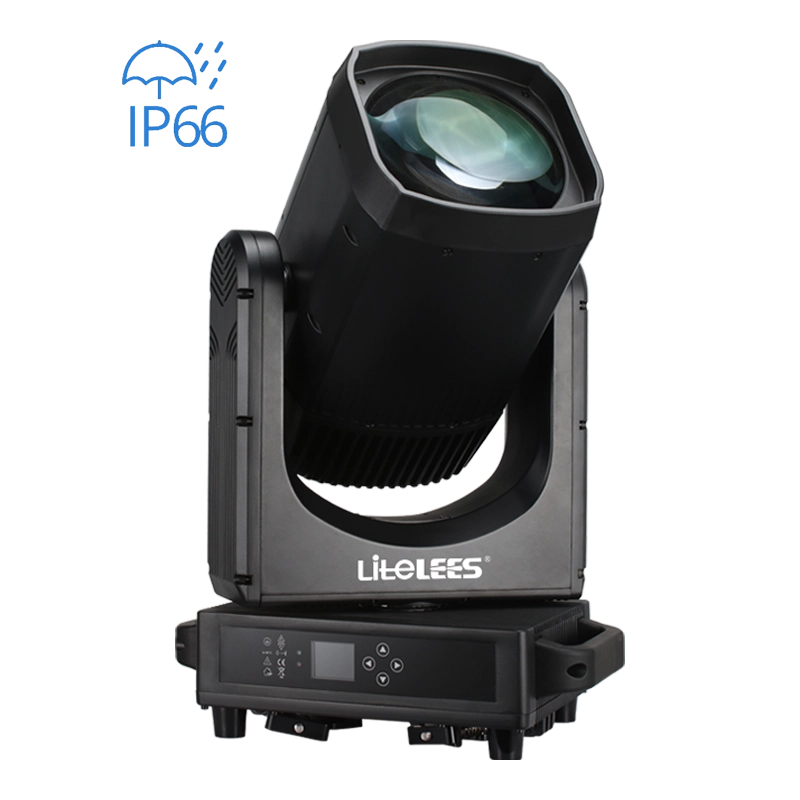
LiteLEES LUMIX BEAM 420 IP
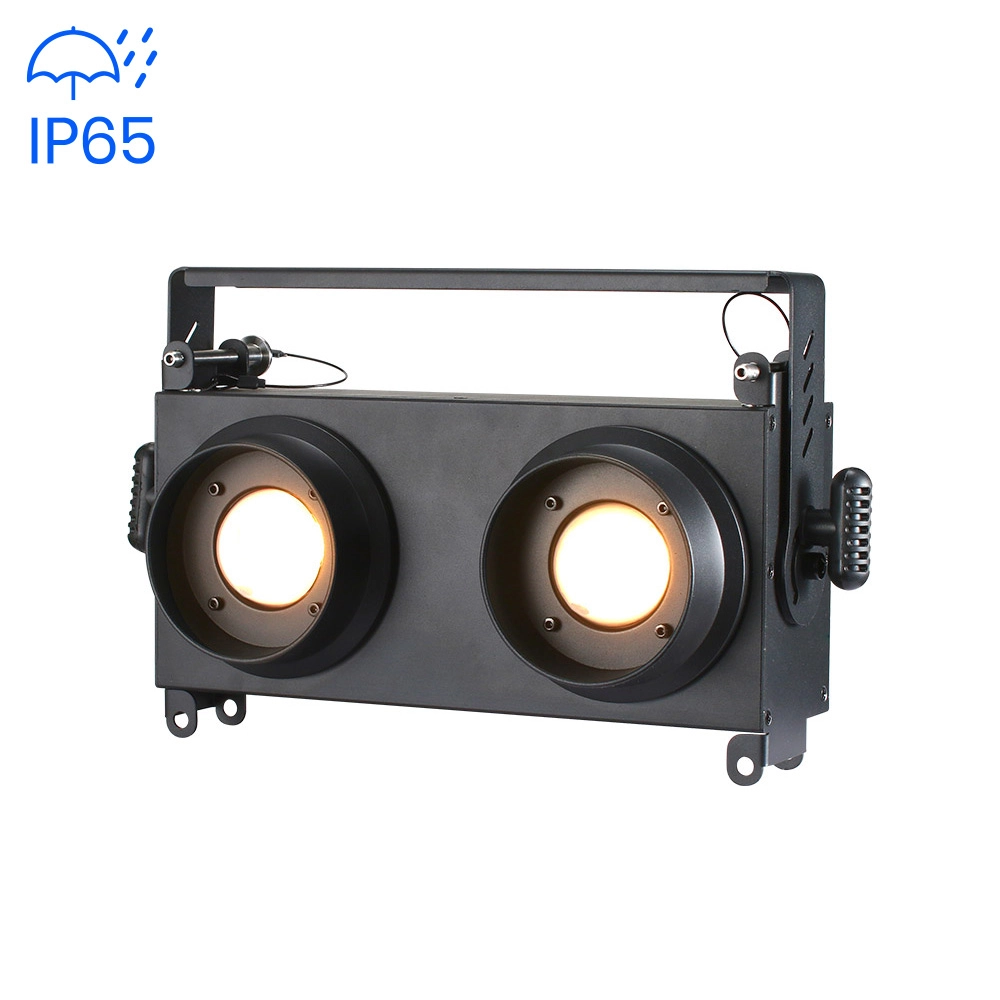
Stormy Blinder 400 IP

Stormy Shake Blinder IP
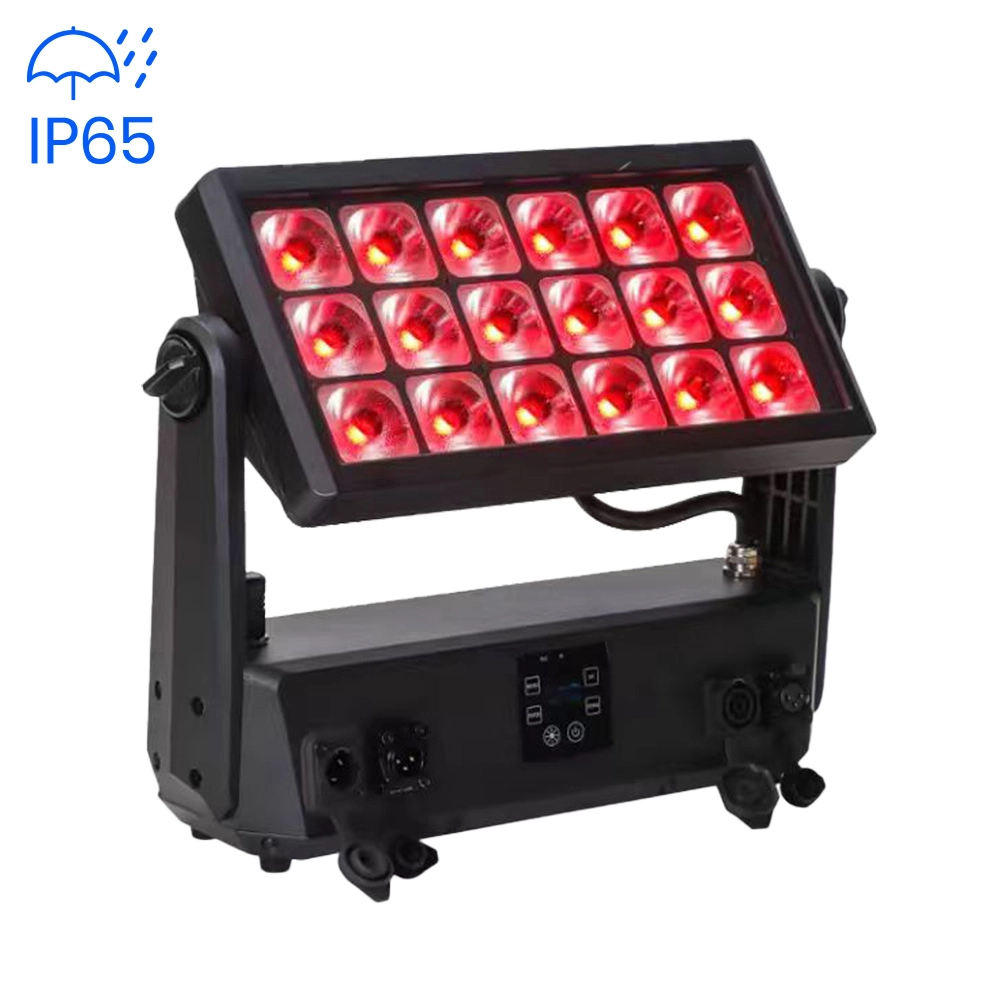
Stormy Battery Flood Light 1820 IP
Want to get more up-to-date news?
If you have any comments or good suggestions, please leave us a message; later our professional staff will contact you as soon as possible.

We are professional stage lighting manufacturers offering OEM and ODM LED stage lights.
Contact
Email us
Call us
Address
No.6 Longnan Road, Huashan Town, Huadu District Guangzhou, Guangdong Province, China.
LiteLEES Professional
Less Lighting