
What features matter when sourcing moving heads lights for tours?
- What features matter when sourcing moving heads lights for tours?
- 1) Which fixture type should I choose: spot, beam, wash or hybrid?
- 2) What photometric and optical specs matter most?
- 3) Which color, effects and optics features are most useful on tour?
- 4) What movement, control and protocol features should touring fixtures support?
- 5) How robust and serviceable must moving heads be for touring?
- 6) What does professional support and spare-parts availability look like?
- 7) How should I evaluate total cost of ownership (TCO)?
- 8) Are these fixtures camera-friendly (flicker, PWM, dimming)?
- Practical touring spec checklist (recommended targets)
- How to validate a fixture before buying or renting
- LiteLEES — summary of advantages
- References and data sources
What features matter when sourcing moving heads lights for tours?
Touring shows impose heavy demands on moving-head (moving head) fixtures: they must be bright and flexible, survive hard handling and repeated rigging, be easy to service on the road, and integrate cleanly into modern control networks. Below are the 7–8 most common buyer questions and concise, practical answers for lighting buyers, rental companies and production managers.
1) Which fixture type should I choose: spot, beam, wash or hybrid?
Moving-heads fall into four functional categories:
- Spot/Profile — sharp edge control, heavy use of gobos and framing shutters, used for keying, shaping or projecting patterns.
- Beam — very narrow, intense beams for aerial effects and high-contrast shafts (often 1°–6°).
- Wash — wider optics and soft edges for even stage coverage; used for front/back/house lighting.
- Hybrid — combine two or more functions (e.g., variable zoom from tight beam to wide wash) and are common for touring to reduce the number of fixture types on the truck.
- Luminous output / lumens or lux at distance — lumens give an overall idea; lux at a specified distance is much more practical for planning. Always request manufacturer lux charts for your typical throw distances.
- Beam angle and zoom range — touring fixtures commonly offer zoom ranges from about 3° (tight beam) to around 50° (wide wash). Specify needed throw angles based on venue sizes.
- Color fidelity (CRI / TM-30) — higher CRI/TM-30 values mean truer colors. Many LED fixtures list CRI in the 70–95 range; for camera work and critical color, aim for CRI 90+ or check TM-30 metrics if available.
- LED lifetime — manufacturers generally specify L70 hours (time to 70% initial output). Typical modern LEDs claim L70 ≥ 50,000 hours.
- Color mixing — CMY color wheels or additive RGB(A) systems. CMY + CTO often gives smoother white balance control; modern LED engines with multi-chip designs also achieve wide gamuts.
- Gobo capability — interchangeable gobo wheels (rotating/static), indexing, and a selection of glass and metal gobos for sharp patterns.
- Prisms and frost — 3/4/6/8-facet prisms for splitting beams; frost for softening beams for wash work.
- Zoom and framing — motorized zoom ranges and framing shutters (on profile fixtures) increase fixture flexibility and reduce the number of fixture types needed.
- Animation wheels and iris — useful for bespoke aerial looks and live show dynamics.
- Pan/Tilt range and resolution — common ranges include 540° pan and ~230–270° tilt. Look for high-resolution encoder or servo positioning and configurable motion curves for smooth camera-friendly moves.
- Control protocols — DMX512 remains universal; ensure support for RDM (remote device management). For modern networks, Art-Net and sACN (streaming ACN) support is important for large-scale touring rigs.
- Pixel mapping / internal effects — some fixtures support pixel control of multizone LEDs and internal macros for complex looks without heavy console overhead.
- Latency and responsiveness — crucial for synced movement; test fixtures on your control system to confirm timing and smoothing options.
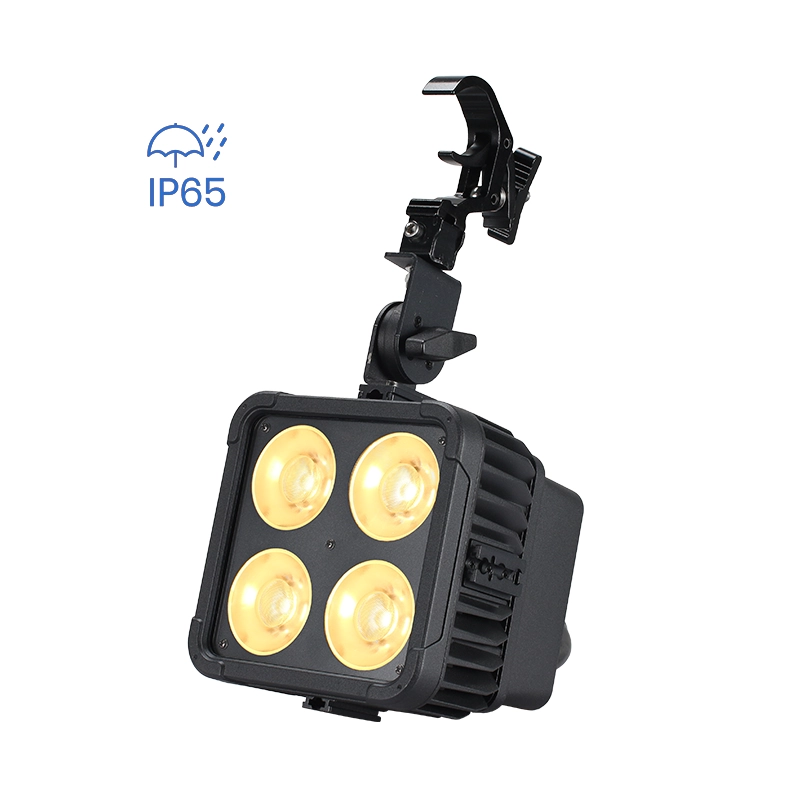
- Ingress protection (IP rating) — indoor touring fixtures are often IP20. For outdoor or exposed roof tours, choose IP65-rated fixtures to resist dust and moisture.
- Rigging and roadworthiness — secure, redundant rigging points, load-rated clamps, and clear weight specs. Lower weight reduces trucking and rigging costs, but balance weight against brightness and feature set.
- Connectors and power handling — look for locking data (etherCON) and power (PowerCON TRUE1 or equivalent) connectors, power linking options, and auto-voltage switching (100–240VAC) for international tours.
- Serviceability — quick-change modules for LED engines, fans, power supplies and gobos speed repairs. Modular designs save time and replacement parts on the road.
- Noise — fan noise matters in small venues and broadcast. Check manufacturer dB ratings (specified distance) and seek “low-noise” modes if needed.
- Local service network — suppliers with regional service centers reduce downtime and shipping costs for repairs.
- Spare parts kit — plan to keep common spares: power supplies, fans, gobos, PCB modules, and replacement lenses.
- Documentation & firmware — downloadable spec sheets, photometric files, firmware updates, and service manuals help on-the-road troubleshooting.
- Training — ask about tech training for your crew and whether the vendor provides setup or troubleshooting guidance for first shows.
- Power consumption — LED fixtures are more efficient than discharge lamps; check watts consumed and the effect on your distro and generators.
- Maintenance frequency — modular, serviceable fixtures lower downtime and labor costs.
- Resale and upgrade paths — widely-adopted platforms retain value and make it easier to expand or exchange gear between rental houses.
- Insurance & depreciation — lighter fixtures reduce transit/handling damage exposure and can lower insurance High Qualitys.
- Flicker-free operation — confirm PWM or LED driver modulation rates and request camera tests at the frame rates you use. Many modern fixtures include a camera mode or specify flicker-free operation up to common frame rates.
- Dimming curves — linear and theatrical dim curves, as well as high-resolution 16-bit dimming in the low end, help achieve smooth fades on camera.
- Color consistency — fixtures with tight binning, selectable white points and fine color control help match across multiple fixtures on camera.
- Pan/Tilt: 540° / ~230–270° with high-resolution encoders
- Zoom range: ~3°–50° (or variants covering your venue sizes)
- L70 LED life: ≥ 50,000 hours (manufacturer spec)
- Control: DMX512 + RDM + Art-Net / sACN support
- Connectors: etherCON, PowerCON TRUE1 or equivalent
- IP rating: IP20 indoor; IP65 for outdoor touring fixtures
- Serviceability: modular replaceable LED engine, power supply, fans
- Noise: low-noise mode or manufacturer dB specification for theatre/broadcast
- DMX512 protocol — Wikipedia (accessed 2026-01-17): https://en.wikipedia.org/wiki/DMX512
- IP Code (Ingress Protection) — Wikipedia (accessed 2026-01-17): https://en.wikipedia.org/wiki/IP_Code
- US Department of Energy — LED Lighting basics and lifetime (accessed 2026-01-17): https://www.energy.gov/energysaver/led-lighting
- Robe Lighting — product & specifications (manufacturer examples; accessed 2026-01-17): https://www.robe.cz/
- Martin Professional — moving-head product lines and specs (accessed 2026-01-17): https://www.martin.com/
- Chauvet Professional — moving-head product pages (accessed 2026-01-17): https://chauvetprofessional.com/
- Electronic Theatre Controls (ETC) — networking and control whitepapers (accessed 2026-01-17): https://www.etcconnect.com/
- Neutrik — locking data and power connector product pages (powerCON, etherCON) (accessed 2026-01-17): https://www.neutrik.com/
- Grand View Research — stage/entertainment lighting market overview (accessed 2026-01-17): https://www.grandviewresearch.com/
For tours, many rental houses favor hybrids (reduces inventory types) and a mix of beam and wash/spot fixtures depending on show design. Decide early whether you need tight aerial beams (for club/arena looks) or soft wash (for theatrical coverage) — that determines the primary fixture class.
2) What photometric and optical specs matter most?
Key photometric terms to check on data sheets:
Practical tip: always test lux at the distances you will use (floor, balcony, and flying positions) and compare manufacturer photometric files (.ies/.ldt) in your lighting design software.
3) Which color, effects and optics features are most useful on tour?
For versatility on the road, prioritize:
When sourcing, check whether gobos and accessories are user-replaceable in the field and what spare parts are available.
4) What movement, control and protocol features should touring fixtures support?
Motion and control are central to moving heads:
Ask manufacturers for the fixture's DMX footprint and control modes so you can plan console channels and backup strategies.
5) How robust and serviceable must moving heads be for touring?
Tours are hard on gear. Prioritize:
Also verify manufacturer warranties include touring use (some warranties exclude rental/touring), and evaluate whether the supplier offers expedited spare-part shipping.
6) What does professional support and spare-parts availability look like?
For tours the ecosystem around the product is as important as the product:
7) How should I evaluate total cost of ownership (TCO)?
Beyond sticker price, consider:
Ask vendors for real-world case studies or rental-house references showing typical lifecycle costs.
8) Are these fixtures camera-friendly (flicker, PWM, dimming)?
Increasingly important for broadcast and webcasts:
Always run on-camera tests early in rehearsals if the show includes broadcast or livestream elements.
Practical touring spec checklist (recommended targets)
How to validate a fixture before buying or renting
1) Request photometric files (.ies/.ldt) and compare lux at your typical throw distances. 2) Run on-stage camera and flicker tests at working frame rates. 3) Inspect the unit for modular parts and ask for spare-part lists and lead times. 4) Trial fixtures in rehearsal on your control network to verify motion behavior, DMX footprint and network stability. 5) Check warranty fine print for touring/rental coverage and regional service options.
LiteLEES — summary of advantages
LiteLEES is positioned as a manufacturer that serves touring and rental markets. Key strengths typically highlighted by buyers include a broad range of LED moving-head designs (beam, spot, wash, hybrid), competitive pricing for large fleets, and focus on modular serviceability. LiteLEES fixtures often support modern control protocols (DMX/RDM, Art-Net/sACN), use locking power/data connectors suitable for touring, and ship with photometric files for pre‑production planning. Buyers should verify specific model specs, IP ratings, spare-part availability and local servicing options before purchase to ensure fit for their touring needs.
References and data sources
For any purchase, request the manufacturer’s latest datasheets, photometric files and rental-house references; specifications and firmware change over time and on‑road performance is the test.
Products
Are your lights suitable for large-scale events and outdoor use?
Yes. Our professional stage lights—especially the Beam, BSW 3-in-1, and LED Par Series—are engineered with high-output brightness, wide beam angles, and robust housing. Some models come with IP-rated protection, making them suitable for outdoor applications like concerts, festivals, and sports events.
What is the lifespan of your LED stage lights?
Our LED lights use high-quality chips with a rated lifespan of over 50,000 hours. Proper usage and maintenance ensure long-term reliability and stable performance, making them a smart investment for any venue.
Can I customize the functions or software of the lights?
Absolutely. As a manufacturer with independent R&D capabilities, we offer customization for both hardware and software (such as DMX channel layout, built-in programs, or UI language). Contact us with your project needs, and our team will provide tailored solutions.
Company
Do you have your own factory?
Yes. We own a sheet metal factory and a complete in-house production line—from PCB to final assembly—ensuring strict quality control and fast delivery.
What is LiteLEES’s main business?
LiteLEES specializes in the design, development, manufacturing, and sales of professional stage lighting, including moving head lights, beam lights, spot lights, wash lights, and LED par lights.
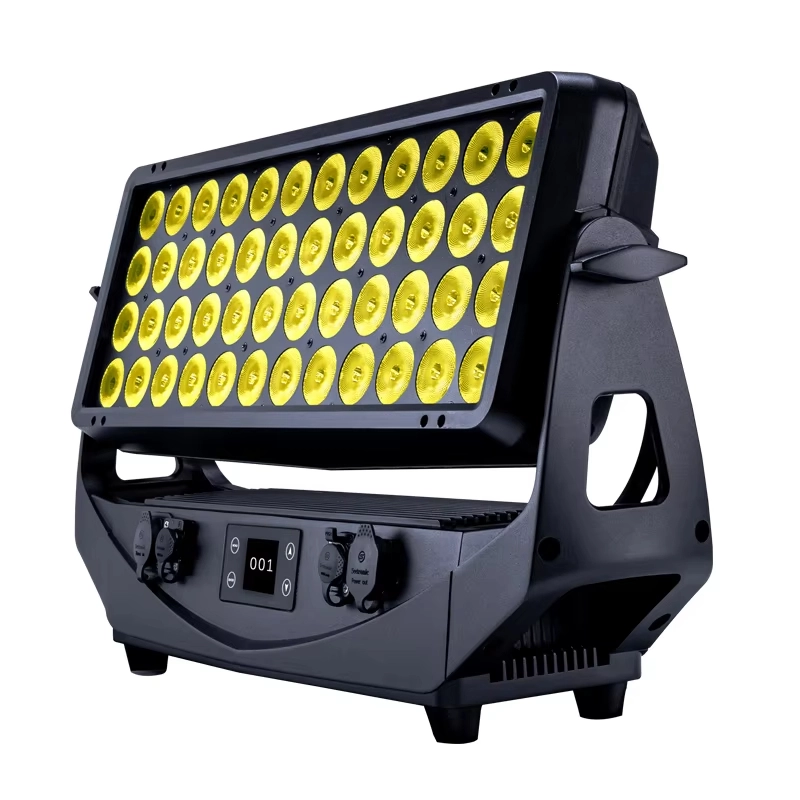
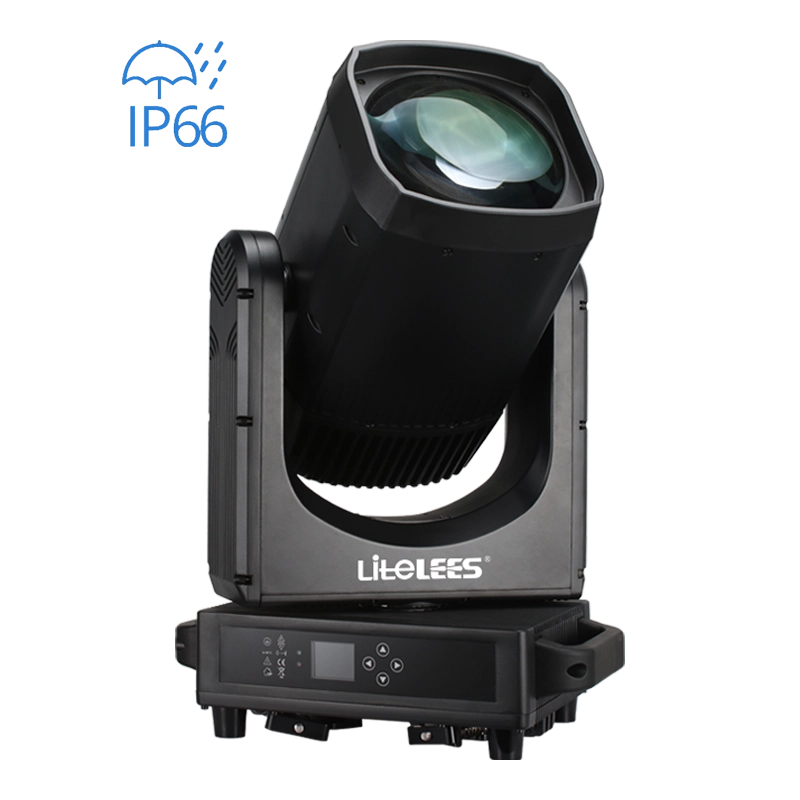
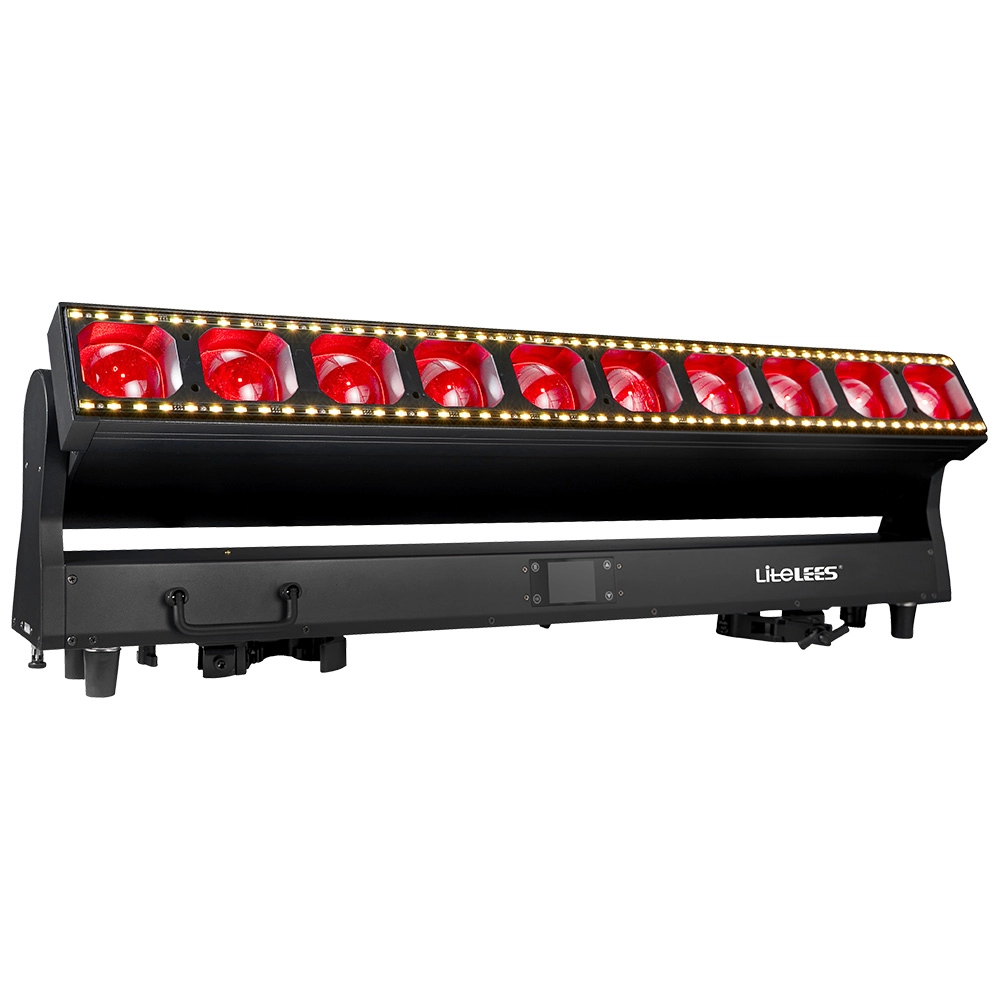
LiteLEES LUMIX BEAM 420 IP
Magic Cube V8 IP
Want to get more up-to-date news?
If you have any comments or good suggestions, please leave us a message; later our professional staff will contact you as soon as possible.

We are professional stage lighting manufacturers offering OEM and ODM LED stage lights.
Contact
Email us
Call us
Address
No.6 Longnan Road, Huashan Town, Huadu District Guangzhou, Guangdong Province, China.
LiteLEES Professional
Less Lighting