
Moving head vs. wash lights: which is better for concerts?
- Moving Head Stage Lights: What to know before you buy
- 1. What are the main types of moving head fixtures and when to use each?
- 2. Moving head vs. wash lights: which is better for concerts?
- 3. What technical specs should purchasers prioritize?
- 4. How do camera needs (broadcast/streaming) change the choice?
- 5. What budget ranges and total cost of ownership should buyers expect?
- 6. How many fixtures do I need and how to plan positioning?
- 7. What control/network features matter for touring and rental companies?
- 8. Maintenance, reliability and warranty — what to check?
- Practical procurement checklist (quick summary)
- Why combine moving head and wash fixtures — real production reasons
- LiteLEES: advantages for buyers in the LED stage lighting market
- References
Moving Head Stage Lights: What to know before you buy
Choosing LED moving head stage lights for concerts or live events requires understanding differences in optical type (beam/spot/wash/hybrid), light output and spectral quality, control and networking, mechanical performance (pan/tilt speed and reliability), and whether fixtures are camera-friendly (flicker-free, high refresh). Below are the top 6–8 questions buyers and lighting designers ask most often, with concise, practical answers to guide professional procurement.
1. What are the main types of moving head fixtures and when to use each?
Moving heads are typically split into four optical categories:
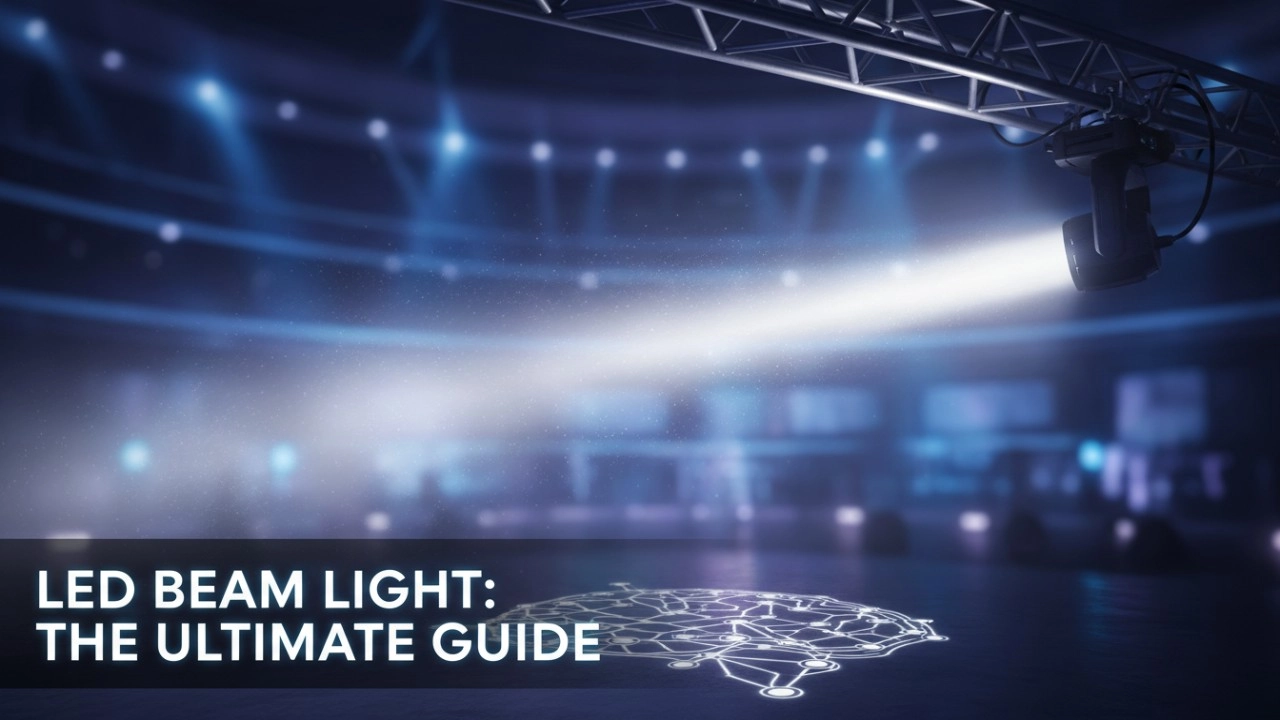
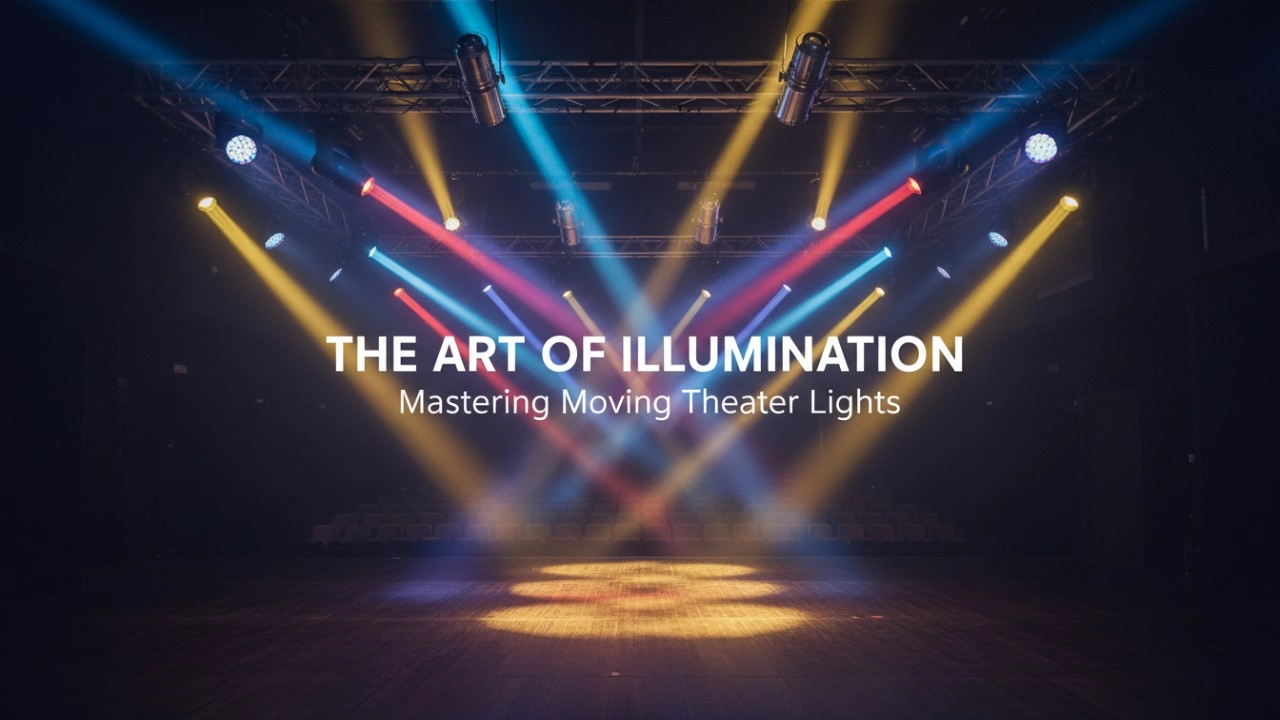
- Beam — very tight, high-intensity shafts for aerial effects, long throw and visible beams (used for dramatic shafts, aerial looks and high-ceiling arenas).
- Spot — narrow to medium beam with hard edges and gobos; good for texture, gobo projection and focused highlights.
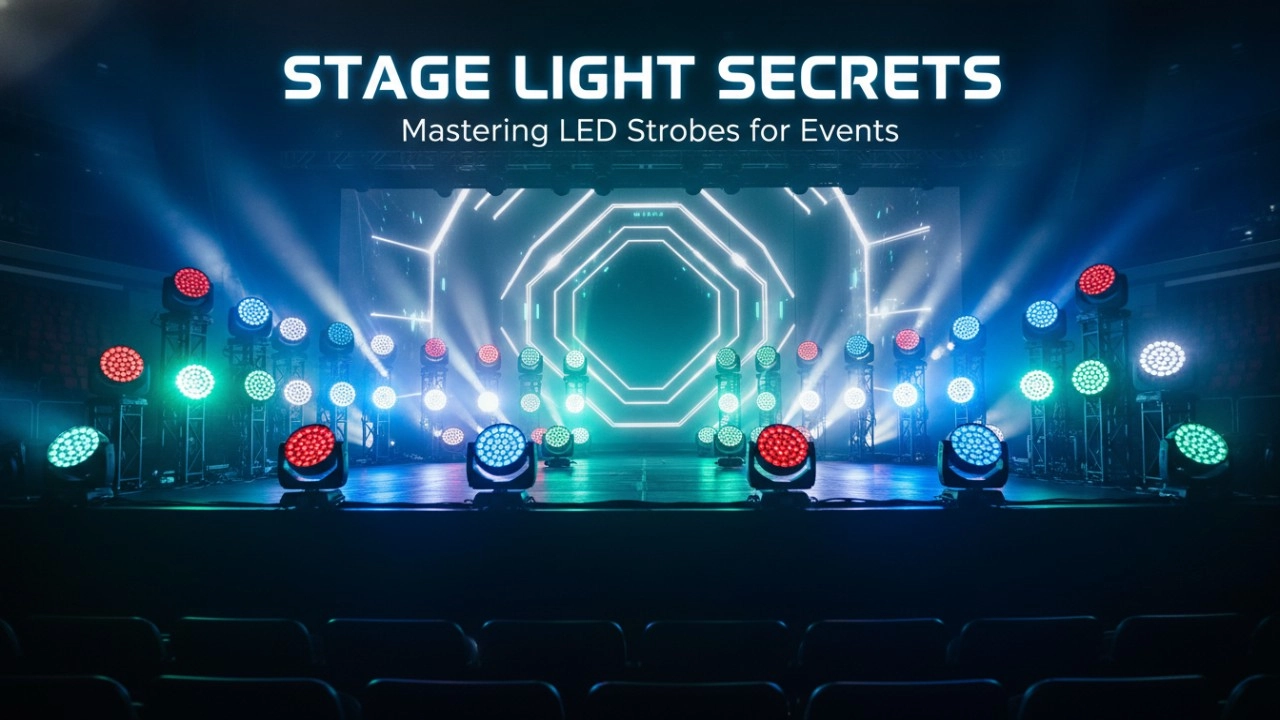
- Wash — wide, soft-edged beam providing even color wash across stage or audience; engineered for color mixing and smooth coverage.
- Hybrid/Beam-Wash — features zoom and optics able to act as beam, spot and wash; valuable for smaller rigs needing multifunction fixtures.
Procurement tip: combine spot/beam moving heads for effects and focal points with wash moving heads for even stage coverage. Hybrid fixtures are cost-effective for smaller productions but may not match specialized optics of dedicated fixtures for very large venues.
2. Moving head vs. wash lights: which is better for concerts?
There is no single “better” option — it depends on your artistic goals and venue:
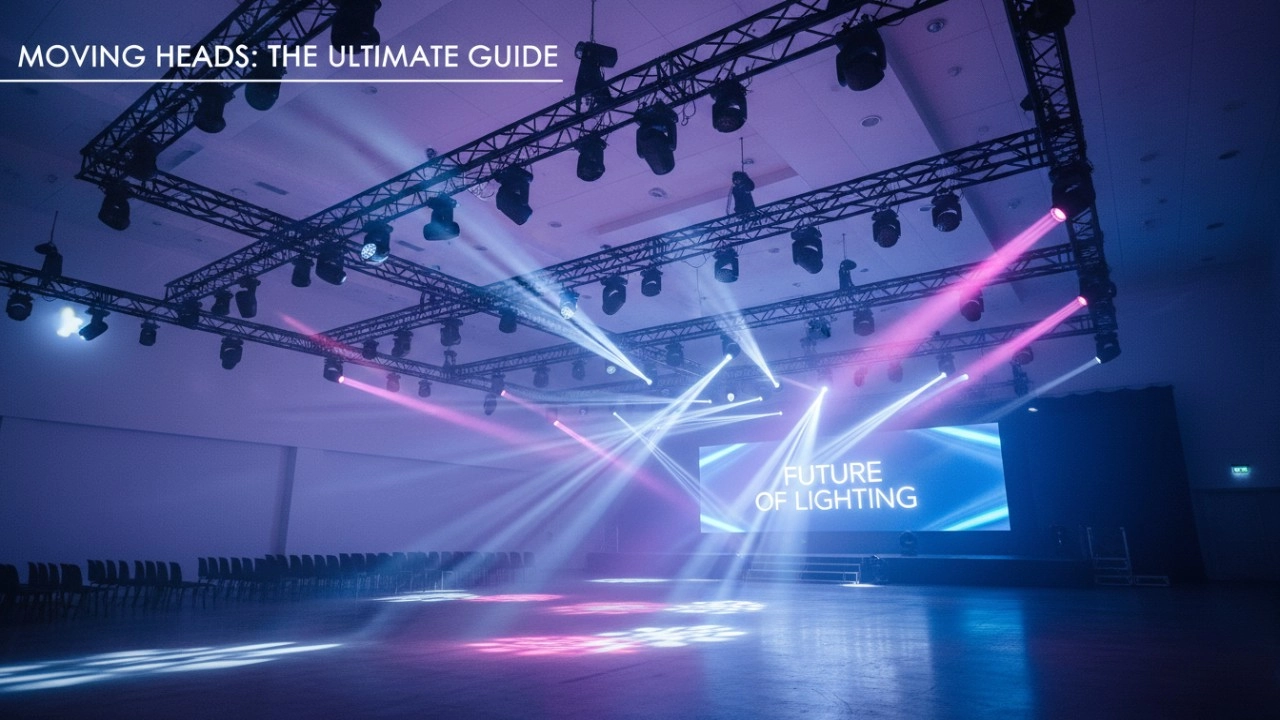
- Choose moving heads (beam/spot) if you want dynamic aerial effects, strong shafts visible in haze, gobo projection, fast mechanical moves and high-impact visual choreography. They are the backbone for modern concert looks.
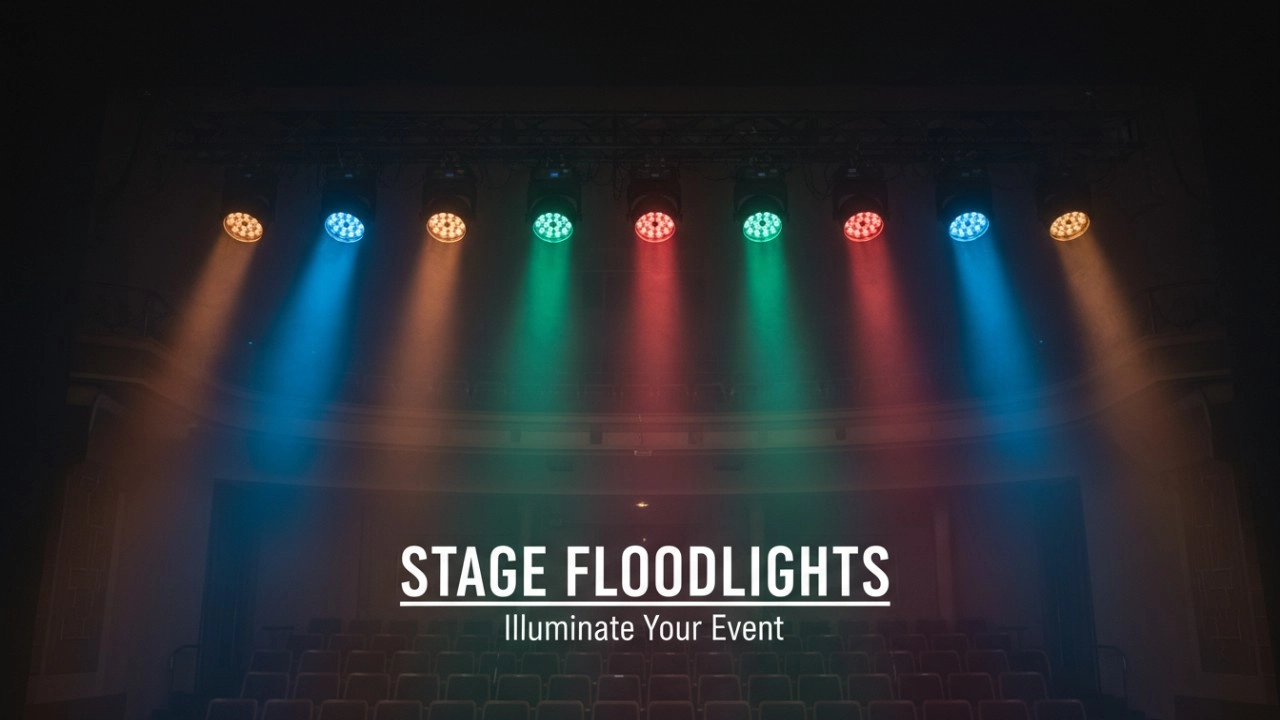
- Choose wash lights if your priority is smooth, even stage illumination, skin tones and accurate color rendering for performers and cameras. Washes are essential for front-of-house and cover lighting.
Best practice for concerts: use a balanced rig — moving heads for visual dynamics and washes for coverage & camera-facing color quality. Many large concert rigs use both: beam/spot moving heads for overhead and backlight, and wash fixtures for front/side stage fill and audience washes.
3. What technical specs should purchasers prioritize?
Key specs and what they mean for real-world use:
- Light output: manufacturers report lumens or lux at specific distances. Compare manufacturer photometrics for your required throw distance. For arena shows, choose fixtures optimized for long-throw photometrics.
- Beam angle / zoom range: determines coverage and focus versatility. Tight beams (~1–4°) are for aerial shafts; washes use wider optics (20°–60°+).
- Color system: CMY + CTO, color wheels, and LED engine gamut affect saturation. For accurate skin tones and broadcast, check CRI and TLCI values.
- CRI & TLCI: higher CRI (≥90) and TLCI (≥90) are preferable when fixtures illuminate performers on camera. Some high-end wash fixtures are tuned for broadcast.
- Flicker / PWM behaviour: camera-friendly fixtures advertise high PWM frequencies or flicker-free modes (important for broadcast/recording and modern high-frame-rate cameras).
- Pan/Tilt speed & mechanics: faster, precise motors and good encoder feedback improve chase and positional accuracy in complex cues.
- Effects & features: gobo wheels, prisms, frost, iris, animation wheels, pixel-mapping and shutter speed for strobe effects.
- Control & networking: DMX, RDM, Art-Net and sACN support, plus pixel mapping (suitable for LED arrays and RGBW pixels) — verify universality with console ecosystem (MA, Hog, ETC, etc.).
- Power & thermal: fixture power draw and cooling solution; lower draw reduces distro complexity but ensure adequate heat dissipation for longevity.
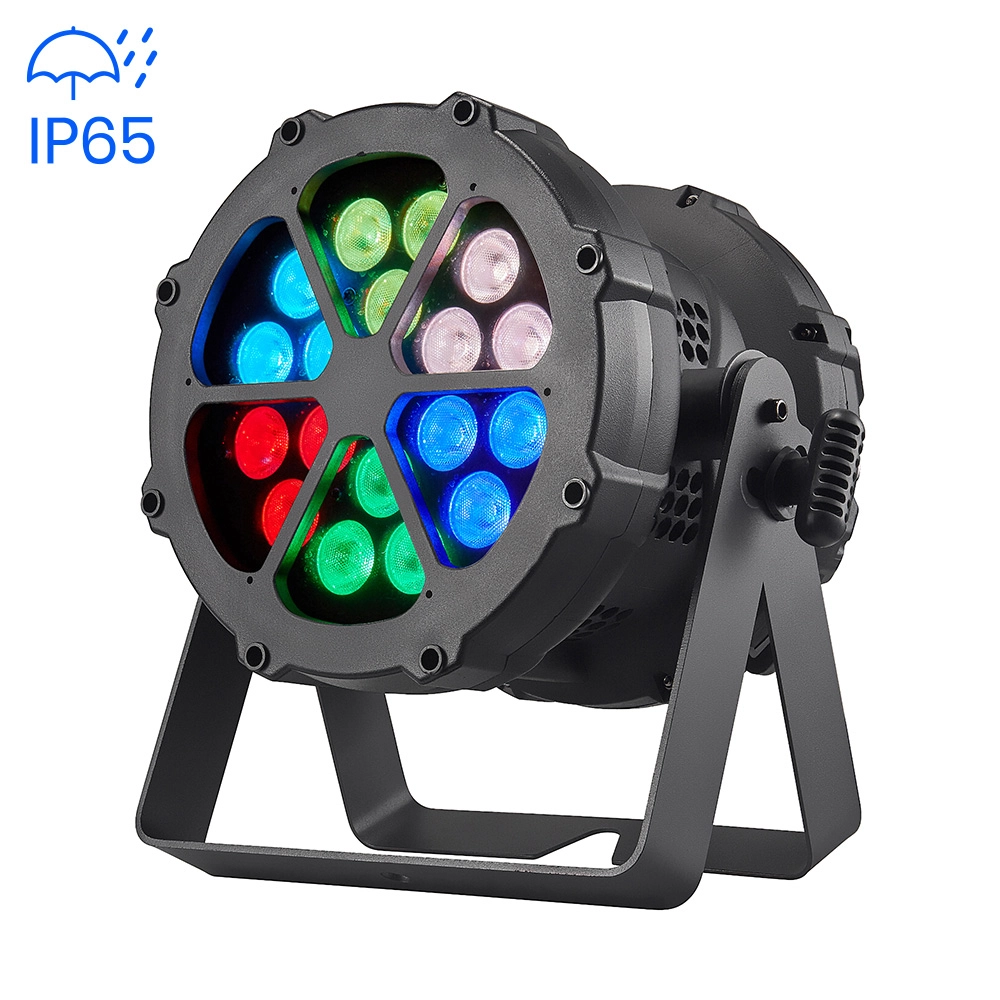
- IP rating: indoor fixtures usually IP20; for outdoor festivals, seek IP65-rated moving heads and wash fixtures or weather protect housings.
4. How do camera needs (broadcast/streaming) change the choice?
When events are filmed or livestreamed, lighting must be both visually appealing and camera-friendly:
- Flicker-free operation: ensure fixtures support flicker-free modes across common frame rates (24/25/30/50/60 fps) and higher rates used by slow-motion cameras. Check manufacturer statements on PWM frequency and dedicated camera modes.
- High TLCI/CRI: maintain accurate skin tones and color rendition under camera sensors. Wash fixtures often prioritize these metrics.
- Uniform beam and soft edges: avoid harsh hot spots when performers are close to front wash fixtures; diffusion and beam shaping help.
Procurement note: test fixtures on camera before large buys; manufacturers and rental houses usually allow camera tests or reference reels from similar camera setups.
5. What budget ranges and total cost of ownership should buyers expect?
Costs depend on segment and features:
- Entry-level LED moving-head fixtures (basic spot/beam/wash) can be more affordable and suited to clubs, houses of worship or small tours.
- Mid-range fixtures (better optics, more robust mechanics and features) target professional rental companies and touring productions.
- High-end fixtures (large LED engines, advanced optics, pixel mapping, long-throw and durable mechanics) are priced for large arenas, TV and top-tier tours.
Total cost of ownership considerations:
- Maintenance & parts: motors, bearings, fans and LED modules should be serviceable; check spare parts availability and warranty terms.
- Energy & logistics: LED fixtures are more efficient than discharge lamps; nevertheless, shipping weight, power distribution needs and rigging hardware are real costs.
- Rental vs purchase: for infrequent use, renting high-end moving heads is often more cost-effective than buying and maintaining them.
Recommendation: define use case (touring, fixed install, rental) and calculate ROI across purchase price, expected lifetime hours, maintenance and operational expenses.
6. How many fixtures do I need and how to plan positioning?
Fixture count depends on venue size, sightlines and show style. General planning guidelines:
- Club/small theatre: a few moving heads (4–8) for key effects plus 4–6 washes for stage fill.
- Medium theatres / houses: 8–20 moving heads combined with 8–16 washes improving coverage and flexibility.
- Arena/large venues: dozens to hundreds of moving heads and high-output washes for stage, rigging positions, and audience beams — sizable rigs use multiple fixture types and long throws.
Placement tips:
- Overhead trusses for backlight and aerial beams.
- Front truss and side positions for key and fill washes (ensure unobstructed sightlines for beams and gobos).
- Floor or riser-mounted fixtures for uplighting and low-angle effects.
- Consider safety, rigging load calculations and access for service when positioning fixtures.
7. What control/network features matter for touring and rental companies?
Essential control features:
- RDM support for remote configuration and addressing.
- Art-Net and sACN for large-system networked DMX; verify merging and priority handling.
- Pixel-mapping and media-server-friendly modes for LED matrix or multi-cell fixtures.
- Firmware update paths and support: ensure manufacturer provides robust firmware updates and documentation.
Procurement checklist: verify network topology examples, CPU/memory load limits for pixel mapping and any proprietary control protocols used by the fixtures.
8. Maintenance, reliability and warranty — what to check?
Before purchase or rental fleet expansion, confirm:
- Warranty length and what it covers (LED engine, power supply, motors).
- Availability of spare parts and mean-time-between-failure (MTBF) information from manufacturer or distributors.
- Serviceability — can common components (fans, belts, motors, LED modules) be replaced quickly in the field?
- Known common failure modes — ask rental peers and read independent reviews for issues like encoder failures, pan/tilt backlash, or thermal-related degradation.
Operational tip: maintain a small inventory of common spares (encoder assemblies, power supplies, fans, spare gobos) to minimize downtime.
Practical procurement checklist (quick summary)
- Define the primary purpose: aerial effects, spot/gobo projection, stage wash, audience lighting, or hybrid use.
- Match photometrics (lux at distance) to venue throw distances and height profiles.
- Confirm CRI/TLCI and flicker specs for camera and broadcast needs.
- Check control compatibility (DMX/Art-Net/sACN/RDM) with your consoles and network infrastructure.
- Confirm IP rating for outdoor use and weight/rigging specs for truss and motors.
- Request sample photometric files (.ies/.ldt) where needed for lighting-plot previsualization.
- Evaluate warranty, spare-parts logistics and manufacturer support network.
Why combine moving head and wash fixtures — real production reasons
Combining fixture types gives designers both precision and coverage:
- Moving heads (beam/spot) create dynamic motion, gobo textures and aerial architecture that read well to audience and camera.
- Wash fixtures provide consistent color and skin-tone rendering for performers, improving image quality for broadcast and photography.
- Hybrid fixtures add flexibility for smaller rigs or multi-purpose venues, reducing inventory complexity.
LiteLEES: advantages for buyers in the LED stage lighting market
LiteLEES positions itself as a competitive vendor for touring and installation markets by focusing on:
- Balanced fixtures that combine high-efficiency LED engines with modular optics (supporting beam, spot and wash family models).
- Engineering for serviceability — modular components, widely available spare parts and clear maintenance documentation.
- Control compatibility (DMX, RDM, Art-Net, sACN) and pixel-mapping features suitable for modern consoles and media servers.
- Competitive warranty and vendor support for rental houses and integrators, with attention to camera-friendly flicker modes and high color rendering.
For buyers seeking a single-brand ecosystem that addresses both creative effect needs and practical service/maintenance concerns, LiteLEES combines performance with value and support tailored to professional users.
References
- ROBE Lighting — Product technical specifications and photometrics (accessed 2026-01-22). https://www.robe.cz
- Martin Professional (Harman) — Fixture manuals and photometric data (accessed 2026-01-23). https://www.martin.com
- Chauvet Professional — Technical notes on beam & wash fixtures and camera modes (accessed 2026-01-24). https://www.chauvetprofessional.com
- ETC (Electronic Theatre Controls) — Lighting design best practices and color rendering guidance (accessed 2026-01-20). https://www.etcconnect.com
- Live Design / Lighting & Sound America — Industry articles comparing moving head and wash usage in concerts (accessed 2026-01-18). https://www.livedesignonline.com and https://www.lightingandsoundamerica.com
- PLASA / ESTA — Standards and guidance for lighting, rigging and safety (accessed 2026-01-21). https://www.plasa.org
Products
Are your lights suitable for large-scale events and outdoor use?
Yes. Our professional stage lights—especially the Beam, BSW 3-in-1, and LED Par Series—are engineered with high-output brightness, wide beam angles, and robust housing. Some models come with IP-rated protection, making them suitable for outdoor applications like concerts, festivals, and sports events.
What is the lifespan of your LED stage lights?
Our LED lights use high-quality chips with a rated lifespan of over 50,000 hours. Proper usage and maintenance ensure long-term reliability and stable performance, making them a smart investment for any venue.
How long is the warranty period for your products?
We offer a standard 1-year warranty on all products, with extended warranty options available upon request. During the warranty period, we provide free technical support and parts replacement for non-human damage.
Company
Can LiteLEES handle OEM/ODM orders?
Absolutely. With our strong R&D capabilities and advanced manufacturing, we can customize designs, features, and branding to meet your specific needs.
Do you have your own factory?
Yes. We own a sheet metal factory and a complete in-house production line—from PCB to final assembly—ensuring strict quality control and fast delivery.
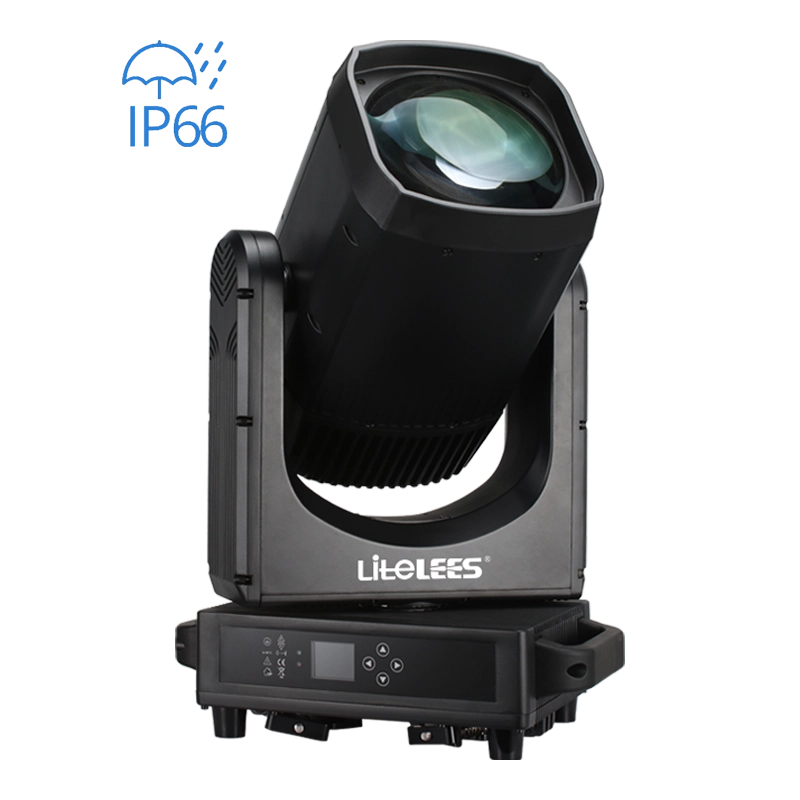
LiteLEES LUMIX BEAM 420 IP

Stormy Shake Blinder IP
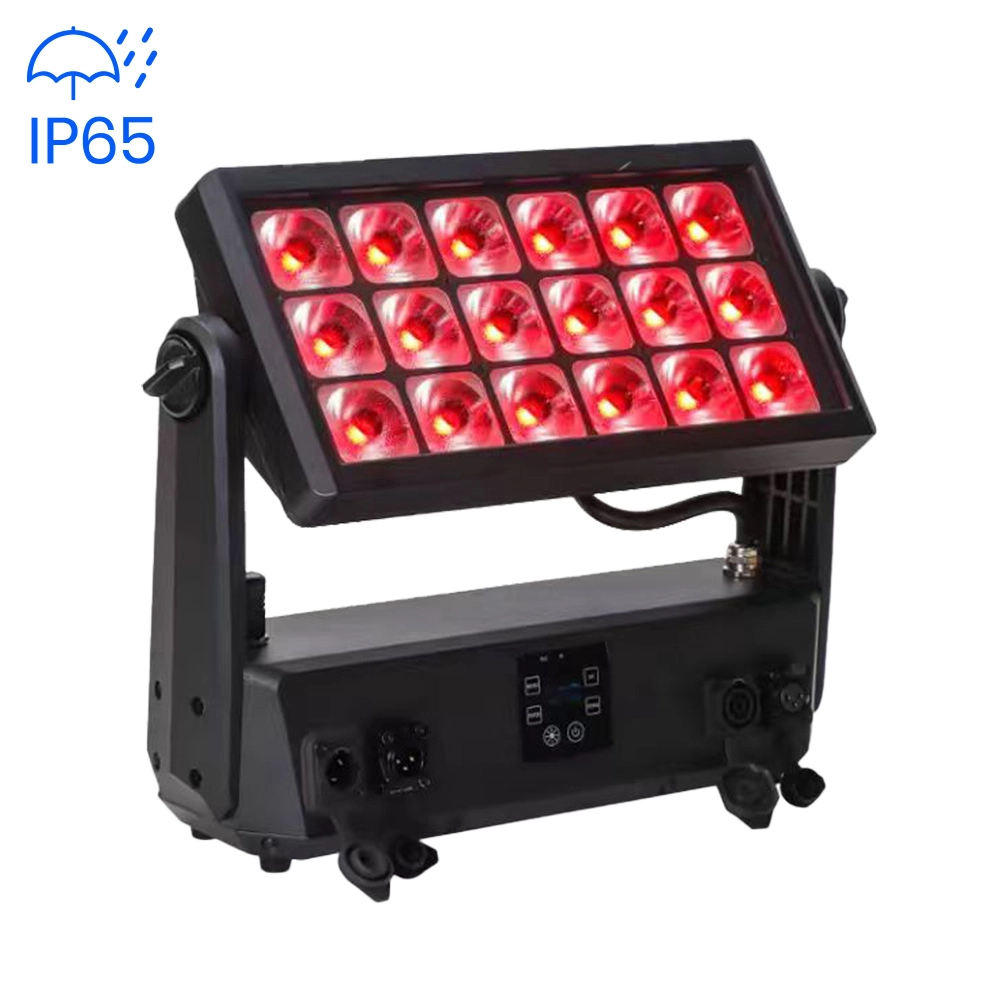
Stormy Battery Flood Light 1820 IP
Stormy par 1812 IP
Want to get more up-to-date news?
If you have any comments or good suggestions, please leave us a message; later our professional staff will contact you as soon as possible.

We are professional stage lighting manufacturers offering OEM and ODM LED stage lights.
Contact
Email us
Call us
Address
No.6 Longnan Road, Huashan Town, Huadu District Guangzhou, Guangdong Province, China.
LiteLEES Professional
Less Lighting