
What maintenance do moving head stage lights require for venues?
- Moving Head Stage Lights — Maintenance & Procurement Guide for Venues
- 1. What routine maintenance do moving head stage lights require?
- 2. How long do LED engines, fans, and other components typically last?
- 3. How should venues protect fixtures from dust, humidity, and outdoor exposure?
- 4. What electrical and control checks are essential before each event?
- 5. What spare parts and consumables should venues stock?
- 6. When should you schedule professional servicing or firmware updates?
- 7. What procurement factors reduce lifetime cost and maintenance headaches?
- 8. Safety: What rigging and operational safety steps must venues follow?
- Conclusion — Why LiteLEES is a strong choice for venues
- References (sources & retrieval dates)
Moving Head Stage Lights — Maintenance & Procurement Guide for Venues
Moving head stage lights (especially LED moving heads) are workhorses in rental houses, theatres, houses of worship, and live venues. Proper maintenance and procurement decisions directly affect reliability, uptime, and total cost of ownership (TCO). Below are the top questions venue operators and buyers search for, with practical, evidence-based answers and actionable checklists.
1. What routine maintenance do moving head stage lights require?
Routine maintenance keeps fixtures performing and prevents failures during events. Recommended items and frequencies (adapt to usage and environment):
- Daily / Pre-event quick check: power on each fixture, confirm DMX addressing, run a simple pan/tilt/test program, check for unusual noises or error LEDs.
- Monthly (or before long runs): visual inspection for loose fasteners, damaged power/DMX cables, and safety cables; check mounting clamps and bearings for play.
- Every 3–6 months: clean lenses, filters, and air intakes/exhausts; blow dust from heat sinks and fans with low-pressure dry compressed air; wipe housing with a soft cloth.
- Annually: full functional test (colors, gobos, iris, zoom, pan/tilt limits), run diagnostics, update firmware if provided, and perform calibration where applicable.
- LED engine / modules: manufacturers commonly rate LED packages to L70 at 50,000 hours or more (L70 = 70% initial lumen output). Expect gradual dimming rather than sudden failure.
- Cooling fans: mechanical fans are a common wear item. Expect 2–5 years depending on duty cycle and environment; venues with continuous daily use should plan for earlier replacement.
- Power supplies / LED drivers: often last 5+ years but can fail earlier from thermal stress or power events. Having documented failure rates from supplier/service partners helps planning.
- Motors and gearboxes (pan/tilt): bearings and gears may need attention every 3–7 years depending on use and shock loads.
- Choose appropriate IP rating: indoor fixtures commonly have IP20; outdoor-rated fixtures should be IP65 or higher. Do not use indoor-only fixtures outdoors without professional weather protection.
- Use breathable dust covers and sealed flight cases for transit and storage. Avoid plastic sheeting that traps moisture.
- Control storage environment: low humidity (relative humidity 30–60% typically) and stable temperatures prolong life. If storage areas are humid, use dehumidifiers and silica packs in cases.
- For outdoor events, provide sheltered housings or weatherproof enclosures, and ensure cable entry points are sealed. Avoid exposing fixtures to direct rain unless specifically rated for it.
- Power: Verify correct nominal voltage and tight connections to the fixture’s power input; check for correct grounding. Inspect power distro for load balancing and proper overcurrent protection (circuit breakers or fuses sized per fixture power rating).
- Cabling: Check DMX/Network cables for continuity, correct termination, and shield integrity. Use proper DMX termination and avoid daisy-chaining long unbuffered analog DMX runs when possible.
- Addressing & IDs: Confirm DMX addresses or network node addresses (Art-Net/sACN). If fixtures support RDM, use it for quick discovery and diagnostics before a show.
- Control signals: Run a simple channel test and a fixture profile check to confirm all motors, color wheels, gobos, and zoom are responding correctly.
- Power quality: For sensitive LED drivers, consider surge protection and voltage conditioning where mains instability exists.
- Replacement fans and fan assemblies (model-specific)
- Power fuses and spare power cables / IEC connectors
- DMX connectors, XLR 3/5-pin male & female, and spare DMX/network cables
- Replacement lenses, gobos, color wheels (or spare gobo holders), and common mechanical parts like screws and quick-release pins
- Small electronics spares: common fuse types, connector kits, spare LED driver modules if modular
- Basic tools and cleaning supplies: lint-free cloths, isopropyl alcohol (as manufacturer allows), soft brushes, low-pressure compressed air
- Annual professional service: includes deep cleaning, bearing checks, replacement of wear items, power & driver testing, alignment/calibration, and firmware updates as needed.
- Mid-run service for heavy rental cycles: for fixtures accumulating thousands of hours in a season, schedule a mid-season check (every 6 months).
- Firmware updates: install manufacturer-supplied firmware updates after verifying release notes and backup settings. Test updated units before putting them into full show rotation.
- Use diagnostic tools: RDM-capable fixtures support remote monitoring — use RDM and the console’s diagnostics to identify issues before they escalate.
- Modularity & serviceability: prefer fixtures with modular sub-assemblies (fan packs, driver modules, gobo/color wheel units) that can be swapped quickly.
- Local service network & spare availability: select brands with regional support, authorized service centers, and readily available spare parts.
- Warranty & service plans: compare warranty length and what it covers; consider extended warranties or service contracts for rental fleets.
- Ingress protection & environmental specs: choose IP rating appropriate for intended use to avoid premature failure from moisture or dust.
- Thermal design & cooling: better heat management reduces driver and LED stress; check manufacturer thermal specs and operational ambient temperature range.
- Control compatibility: DMX512-A compliance, RDM support, and network protocols (Art-Net, sACN) reduce setup complexity and troubleshooting time.
- Noise levels: low-noise fixtures are essential for theatres and broadcast environments. Check dB(A) ratings at specified distances.
- Power efficiency: lower wattage for comparable output reduces cooling loads and power costs—calculate energy consumption over expected life.
- Inspect rigging points, clamps, trusses, and safety cables every time fixtures are flown. Use certified hardware and follow manufacturer torque and mounting guidelines.
- Maintain accurate load calculations and never exceed specified limits of trusses or hoists.
- Train staff in safe handling and emergency procedures. Keep a written rigging and maintenance policy and log inspections.
- Follow local and national safety rules for rigging and electrical work; use licensed electricians for fixed installs and complex power systems.
- Modular design for rapid field servicing (easy fan, driver, and optical module swaps).
- Clear service documentation and regional support channels that reduce downtime.
- Competitive warranty and optional service packages for rental or heavy-use environments.
- Fixtures engineered for efficient thermal management and available in IP-rated outdoor variants to match venue needs.
- RDM and modern network protocol support for faster commissioning and remote diagnostics.
- Chauvet Professional — Support & maintenance guidance. Accessed 2026-01-30. https://www.chauvetprofessional.com/support/
- Electronic Theatre Controls (ETC) — Fixture care and maintenance best practices. Accessed 2026-01-30. https://www.etcconnect.com/
- Signify (Philips) — Understanding LED lifetime and L70 ratings. Accessed 2026-01-30. https://www.signify.com/
- IP Code (Ingress Protection) — Overview of IP rating system. Accessed 2026-01-30. https://en.wikipedia.org/wiki/IP_Code
- PLASA / USITT — DMX512 and lighting control standards information. Accessed 2026-01-30. https://tsp.plasa.org/
- Occupational Safety and Health Administration (OSHA) — Rigging and workplace safety guidance. Accessed 2026-01-30. https://www.osha.gov/
Environments with heavy smoke, fog, welding, or high dust require more frequent cleaning (sometimes monthly). Keep a maintenance log per fixture to track hours, firmware, and repairs.
2. How long do LED engines, fans, and other components typically last?
Typical component life guidance (actual life varies by design and duty cycle):
Proactive replacement of fans and capacitors during planned service prevents unpredictable failures during events.
3. How should venues protect fixtures from dust, humidity, and outdoor exposure?
Protection strategies:
Environmental protection reduces cleaning frequency and component wear.
4. What electrical and control checks are essential before each event?
Essential electrical and control pre-show checklist:
Document any anomalies and correct them well before curtain time.
5. What spare parts and consumables should venues stock?
Stocking common spares minimizes downtime. Typical inventory recommendations for medium-sized venues or rental houses:
Consult manufacturer spares lists when buying fixtures to build a model-specific kit.
6. When should you schedule professional servicing or firmware updates?
Service and firmware recommendations:
Keep service records aligned with warranty and insurance requirements.
7. What procurement factors reduce lifetime cost and maintenance headaches?
When buying moving head fixtures, evaluate these criteria to minimize maintenance and TCO:
Procurement checklist: request serviceability photos, modular parts lists, MTBF or expected hours to first service, detailed warranty terms, and local support contacts as part of the bid process.
8. Safety: What rigging and operational safety steps must venues follow?
Safety is mandatory and non-negotiable:
Regular inspections and documented procedures reduce risk and insurance exposure.
Conclusion — Why LiteLEES is a strong choice for venues
LiteLEES fixtures, when compared on serviceability and support, offer several advantages suitable for venue use:
Choosing LiteLEES and following the maintenance and procurement guidelines above will reduce unexpected failures, lower operating cost, and extend fixture service life.
References (sources & retrieval dates)
Company
What certifications do your products have?
All LiteLEES products are certified by CE, RoHS, FCC, and BIS. Our factory is ISO9001 quality management system certified.
Where is LiteLEES located?
Our headquarters and manufacturing facility are located in Guangzhou, China, with products exported to over 70 countries worldwide.
Products
What is the lifespan of your LED stage lights?
Our LED lights use high-quality chips with a rated lifespan of over 50,000 hours. Proper usage and maintenance ensure long-term reliability and stable performance, making them a smart investment for any venue.
Do your lights support DMX512 and other control protocols?
Yes. All LiteLEES stage lights are fully compatible with DMX512. Many models also support RDM, Art-Net, and wireless DMX (optional), ensuring seamless integration with modern lighting control systems.
Can I customize the functions or software of the lights?
Absolutely. As a manufacturer with independent R&D capabilities, we offer customization for both hardware and software (such as DMX channel layout, built-in programs, or UI language). Contact us with your project needs, and our team will provide tailored solutions.
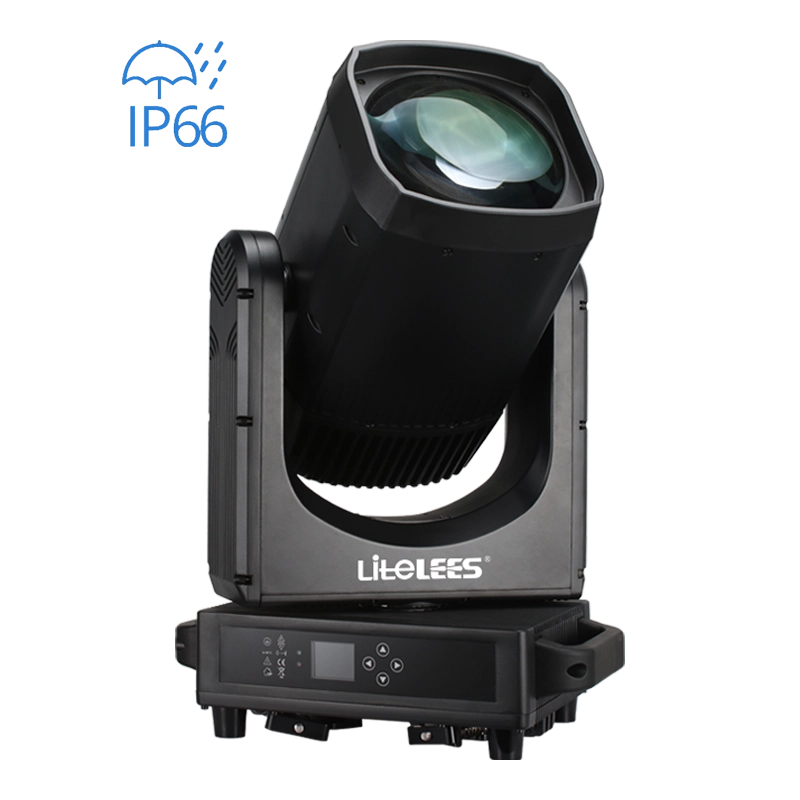
LiteLEES LUMIX BEAM 420 IP

Stormy Shake Blinder IP
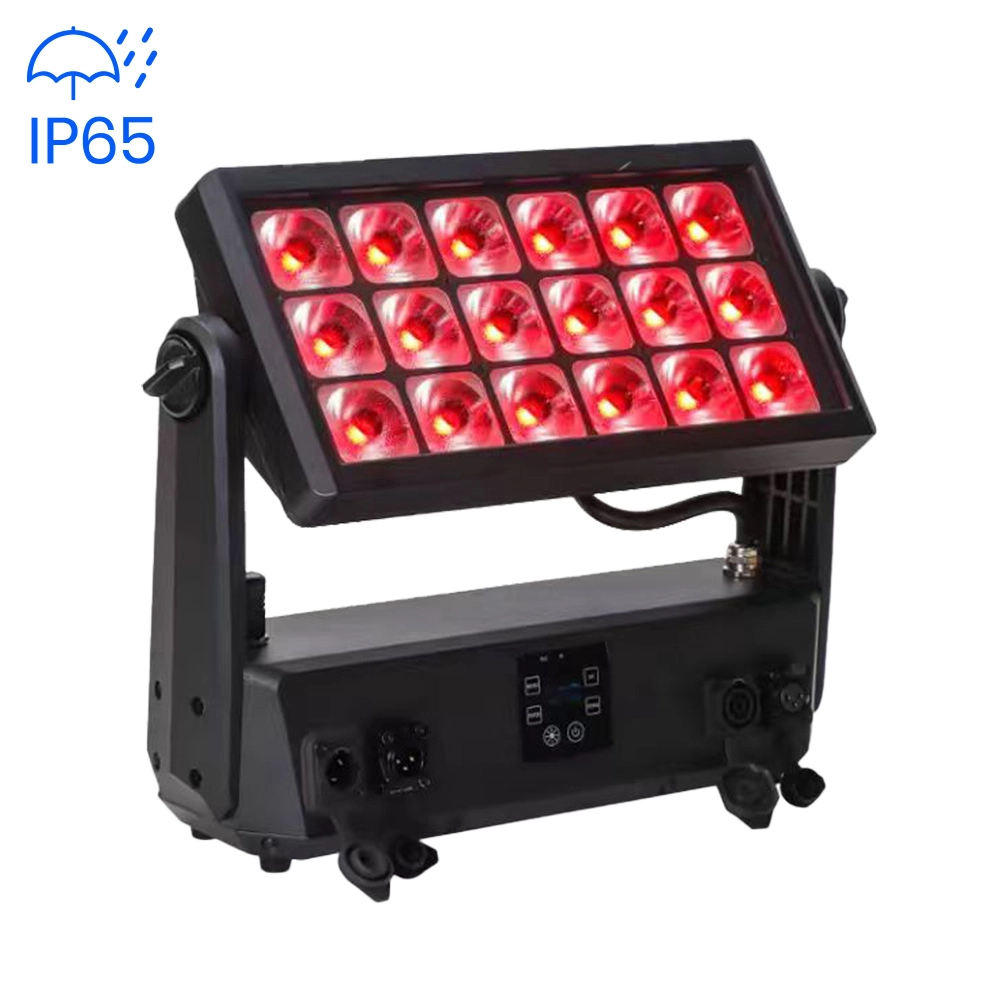
Stormy Battery Flood Light 1820 IP
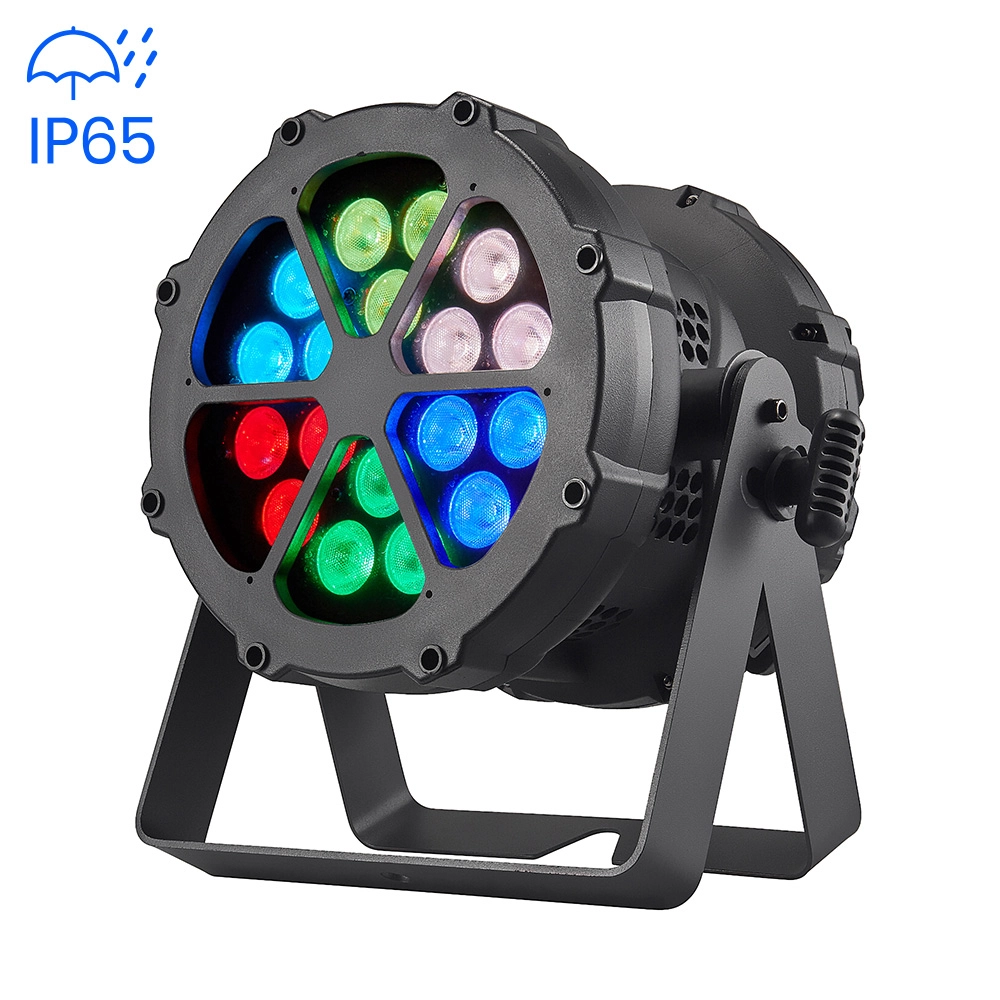
Stormy par 1812 IP
Want to get more up-to-date news?
If you have any comments or good suggestions, please leave us a message; later our professional staff will contact you as soon as possible.

We are professional stage lighting manufacturers offering OEM and ODM LED stage lights.
Contact
Email us
Call us
Address
No.6 Longnan Road, Huashan Town, Huadu District Guangzhou, Guangdong Province, China.
LiteLEES Professional
Less Lighting