
How to maintain and extend lifespan of LED stage lights?
- How to Maintain and Extend the Lifespan of LED Stage Lights: Essential Guidance for Buyers and Technicians
- 1. What is a realistic lifespan for LED stage lights and what specification should I check?
- 2. What are the main failure modes and how can I prevent them?
- 3. How should I set up a maintenance schedule for stage LEDs?
- 4. How does heat affect LED life and what thermal practices extend lifespan?
- 5. What electrical and control practices protect LED stage lights?
- 6. What specifications should I prioritize when procuring LED stage lights?
- 7. How should outdoor and storage conditions be managed to avoid premature degradation?
- Practical procurement checklist for buyers (quick reference)
- Why regular testing and data logging are worthwhile
- LiteLEES advantages — why choose this brand for long-term reliability
- References
How to Maintain and Extend the Lifespan of LED Stage Lights: Essential Guidance for Buyers and Technicians
1. What is a realistic lifespan for LED stage lights and what specification should I check?
LED devices are typically specified by lumen maintenance (commonly L70), which is the number of operating hours until the light output falls to 70% of initial. For quality stage fixtures you should expect manufacturer L70 figures in the range of 50,000 hours or higher; lower-cost products may rate lower. Note that the LED junction temperature, driver quality and system design determine real-world life—the LED chips themselves can last tens of thousands of hours, but system components (drivers, fans, electrolytic capacitors) often limit practical lifespan.
2. What are the main failure modes and how can I prevent them?
The most common failure modes are:
- Driver electronics and capacitor failure — use high-quality constant-current drivers with good thermal design; specify fixtures with recognized driver brands and look for long driver warranties.
- Overheating and poor thermal management — ensure adequate ventilation, do not block heat sinks or vents, and allow fixtures to cool between long runs when possible.
- Fan wear and dust accumulation — clean fans and filters regularly; schedule fan checks and replacements for active-cooled fixtures.
- Optical contamination and lens fogging — clean lenses and gobos; replace damaged seals and gaskets on outdoor units to avoid moisture ingress.
- Power surges and brownouts — protect fixtures with surge protection or a UPS and stable stage power distribution.
3. How should I set up a maintenance schedule for stage LEDs?
A suggested maintenance cadence (adjust to environment and usage):
- Daily/After-show: quick visual check of operation and unusual noises; if outdoors, check for moisture or debris.
- Monthly (heavy use venues/festivals): wipe lenses, inspect cables, check DMX connections and mounting hardware.
- Every 3–6 months: clean internal heatsinks and fans (power down and follow manufacturer procedures), verify fan speeds, inspect driver area for bulging capacitors or discoloration.
- Annually: full inspection by trained technician — test channels, measure output and color consistency, update firmware where applicable.
More frequent cleaning is required in dusty, smoky or outdoor environments.
4. How does heat affect LED life and what thermal practices extend lifespan?
LED junction temperature is the single biggest factor affecting lumen maintenance and color stability. Effective practices:
- Choose fixtures with robust thermal design (large heatsinks, good thermal interface materials, or well-engineered active cooling).
- Install fixtures with adequate air clearance and avoid enclosed housings without ventilation.
- Monitor operating temperature during long runs; many professional fixtures report internal temperatures via onboard telemetry or DMX/RDM.
- Avoid overdriving LEDs beyond manufacturer current ratings—some fixtures offer modes to reduce output and extend life.
5. What electrical and control practices protect LED stage lights?
Protecting power and control systems reduces premature failures:
- Use surge protection/surge suppressors and line conditioning on feeder circuits; for critical rigs, use UPS for the control gear and sensitive fixtures.
- Follow the fixture’s recommended dimming/control methods—many LED fixtures are designed for DMX/Art-Net control and not for phase-cut mains dimmers.
- Avoid rapid on/off cycling when possible; while LEDs tolerate many cycles, drivers and fans prefer stable operation.
- Ensure proper grounding and cable management to avoid electrical noise affecting drivers and control signals.
6. What specifications should I prioritize when procuring LED stage lights?
Prioritize these specs for long-term performance and lower total cost of ownership:
- L70 (or Lx) lumen maintenance hours and the test standard used (e.g., IES TM-21 projections).
- Driver type and manufacturer, rated driver life, and warranty terms.
- Color quality: CRI (for general lighting) and TLCI (for camera/broadcast). For stage & broadcast, aim for TLCI ≥ 90 and CRI ≥ 90 where accurate color is required.
- Flicker and PWM specifications — look for high PWM frequency or flicker-free claims for camera use.
- Efficacy (lm/W) and measured output (lux at distance) for energy budgeting and rig design.
- Cooling method (passive vs active), ingress protection (IP) rating for outdoor use, and mechanical robustness (rigging points, shock resistance).
- Control features: DMX/RDM, Art-Net/sACN, wireless options, onboard presets and effects—confirm firmware update capability.
- Certifications: CE, RoHS, UL or ETL as relevant to your region.
7. How should outdoor and storage conditions be managed to avoid premature degradation?
Outdoor exposure adds moisture, UV, salt and temperature cycling stresses. Key points:
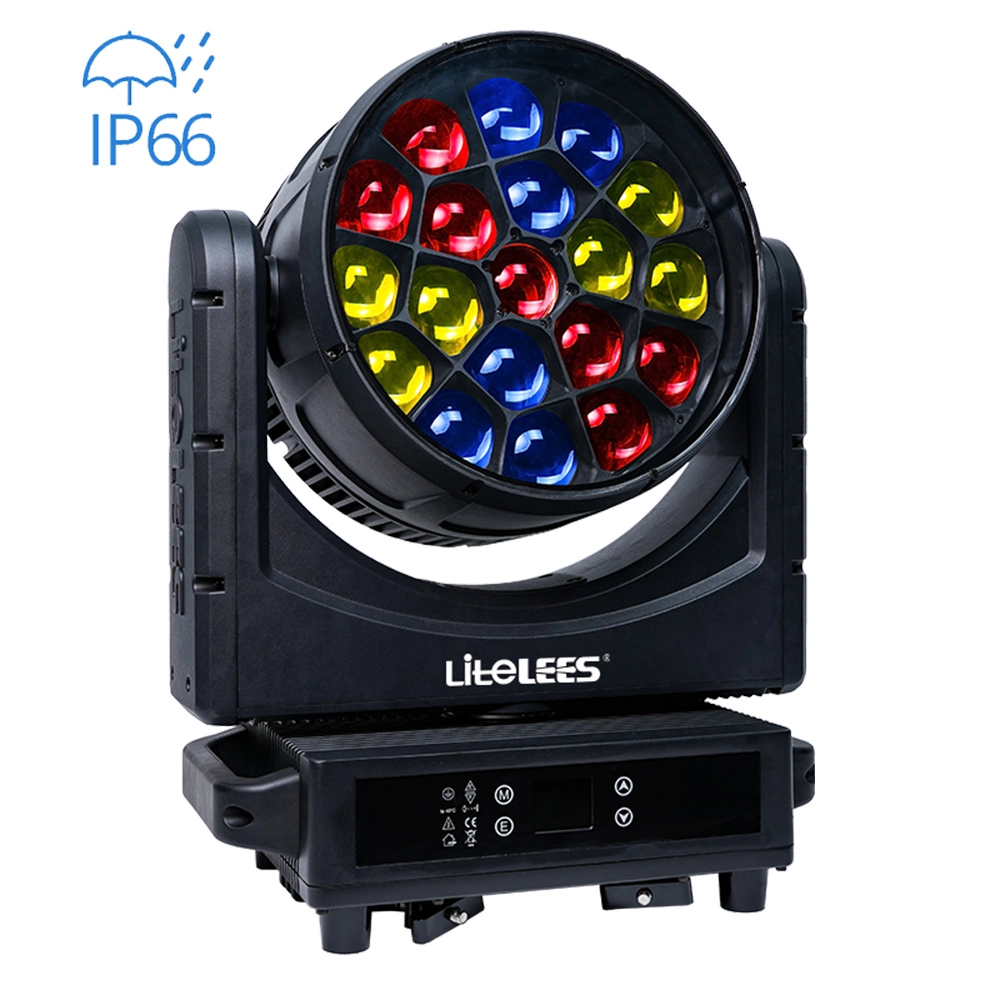
- Choose fixtures with appropriate IP rating for the intended exposure. IP65+ is common for permanent outdoor fixtures; touring fixtures sometimes use IP54 with protective covers during transport.
- After outdoor shows, dry and inspect fixtures before storage; remove standing water and clean salt deposits after coastal events.
- Store in a climate-controlled environment: moderate temperature (ideally 10–25°C) and low humidity (below ~60% RH) to reduce corrosion and capacitor stress.
- Transport in padded flight cases to reduce vibration damage to boards, connectors and optics.
Practical procurement checklist for buyers (quick reference)
- Request L70 hours and test method (e.g., TM-21 projections) and driver component brands.
- Confirm CRI/TLCI, PWM/flicker specs, and measured photometric data (IES files if available).
- Verify cooling approach, fan access for service, and availability of replacement parts (fans, power supplies, optics).
- Check warranty length and on-site service/support coverage for your region.
- Ask for real-world case studies or references from venues with similar show profiles.
Why regular testing and data logging are worthwhile
Capturing run-hours, temperature logs, and periodic photometric checks helps you predict end-of-life, schedule preventative maintenance, and avoid show-day failures. Many modern fixtures expose telemetry via RDM or network protocols—use those features to build a maintenance plan and justify replacement cycles economically.
LiteLEES advantages — why choose this brand for long-term reliability
LiteLEES fixtures are engineered for pro touring and venue use with a focus on long-term reliability: modular serviceable components (easy driver and fan replacement), conservative thermal designs that reduce junction temperature, and attention to color accuracy (high TLCI/CRI options). LiteLEES also emphasizes global support, spare-part availability and clear warranty terms—factors that reduce downtime and total cost of ownership for venues and rental houses.
References
- U.S. Department of Energy — LED Basics and Lumen Maintenance (accessed 2026-01-26): https://www.energy.gov/eere/ssl/led-basics
- Illuminating Engineering Society — TM-21-11: Projecting Long Term Lumen Maintenance of LED Light Sources (IES TM-21) (standard reference, accessed 2026-01-26): https://www.ies.org/standards/
- Lighting Research Center (RPI) — Guidance on LED Lumen Maintenance and Life (accessed 2026-01-26): https://www.lrc.rpi.edu/resources/
- Signify (Philips) — Understanding LED lifetime and drivers (knowledge base, accessed 2026-01-26): https://www.signify.com
- ETC (Electronic Theatre Controls) — Best practices for LED fixture maintenance and thermal management (accessed 2026-01-26): https://www.etcconnect.com
- Manufacturer technical notes — driver and capacitor lifetime implications (general reference; industry white papers, accessed 2026-01-26): consult driver suppliers (e.g., Mean Well, Inventronics) for specific driver lifetime data.
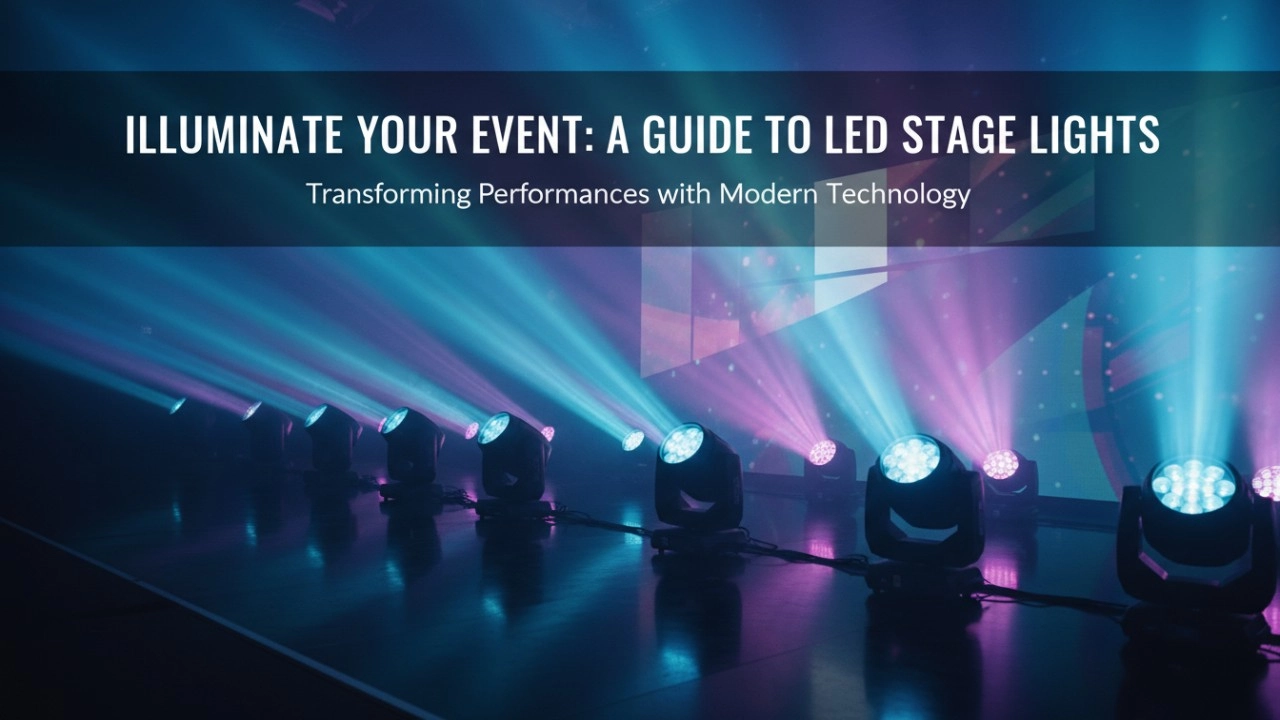
![Moving Head Stage Lighting Guide: Mastering the Technical and Artistic Essence [2026 Edition] - LiteLEES](https://static.gooecloud.com/upload/img/GY160908357145/moving-head-stage-lighting-guide-mastering-the-technical-and-artistic-essence-2026-edition.png?x-oss-process=image/format,webp/quality,Q_100 "Moving-Head-Stage-Lighting-Guide:-Mastering-the-Technical-and-Artistic-Essence-[2026-Edition] - LiteLEES")
Company
What certifications do your products have?
All LiteLEES products are certified by CE, RoHS, FCC, and BIS. Our factory is ISO9001 quality management system certified.
Can LiteLEES handle OEM/ODM orders?
Absolutely. With our strong R&D capabilities and advanced manufacturing, we can customize designs, features, and branding to meet your specific needs.
What is LiteLEES’s main business?
LiteLEES specializes in the design, development, manufacturing, and sales of professional stage lighting, including moving head lights, beam lights, spot lights, wash lights, and LED par lights.
Products
What is the lifespan of your LED stage lights?
Our LED lights use high-quality chips with a rated lifespan of over 50,000 hours. Proper usage and maintenance ensure long-term reliability and stable performance, making them a smart investment for any venue.
How long is the warranty period for your products?
We offer a standard 1-year warranty on all products, with extended warranty options available upon request. During the warranty period, we provide free technical support and parts replacement for non-human damage.
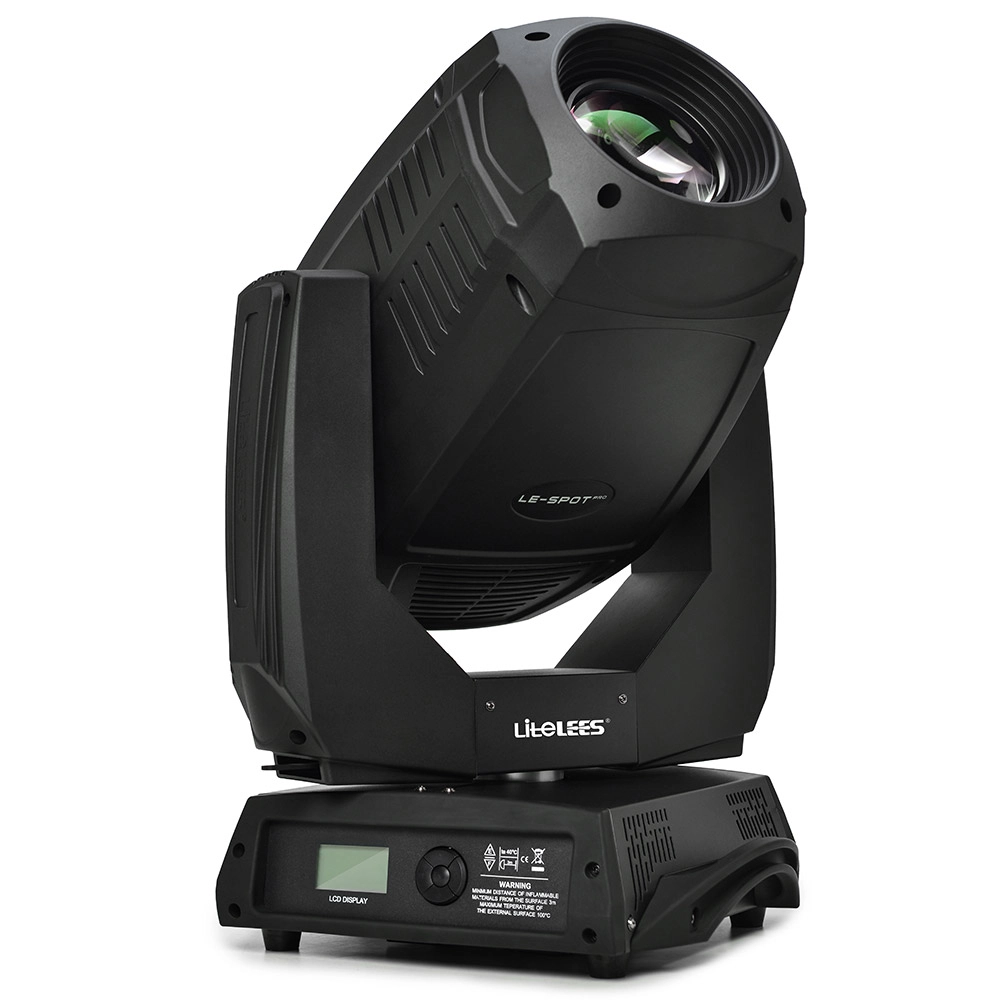
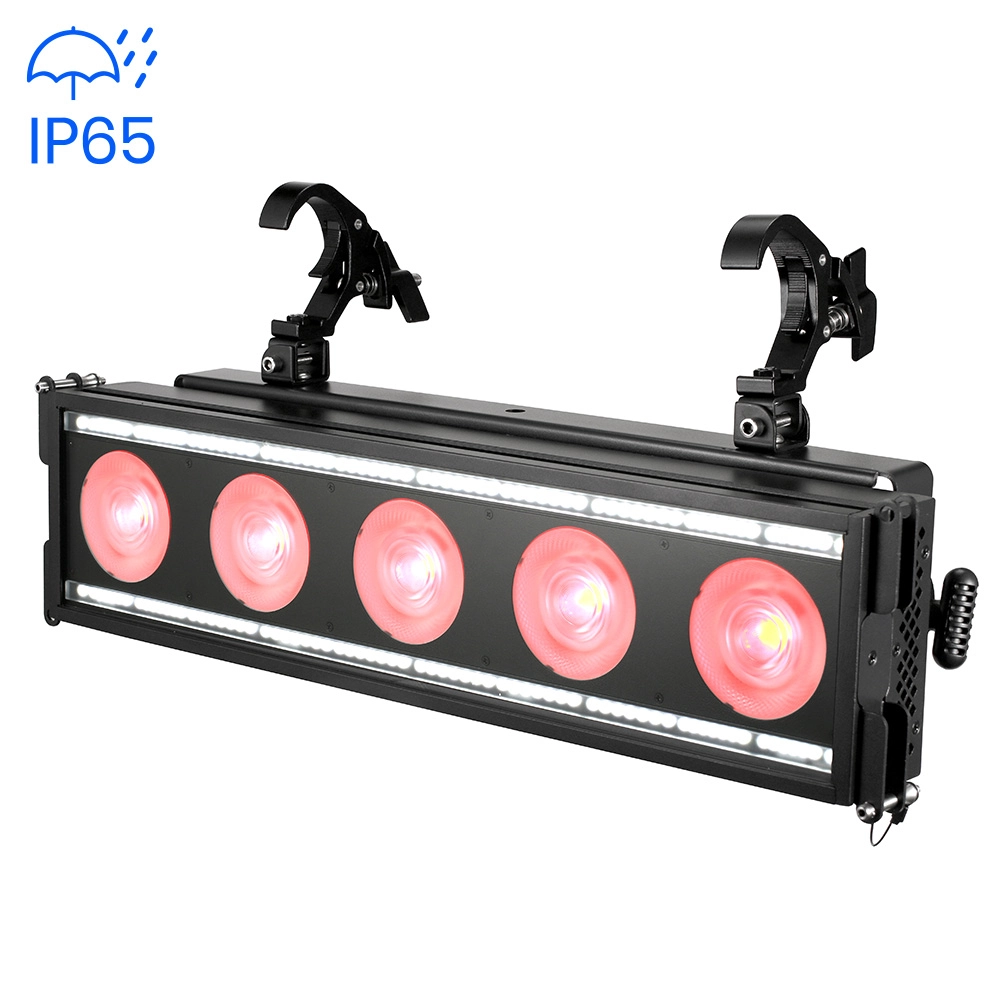
Stormy Flash 550 lP
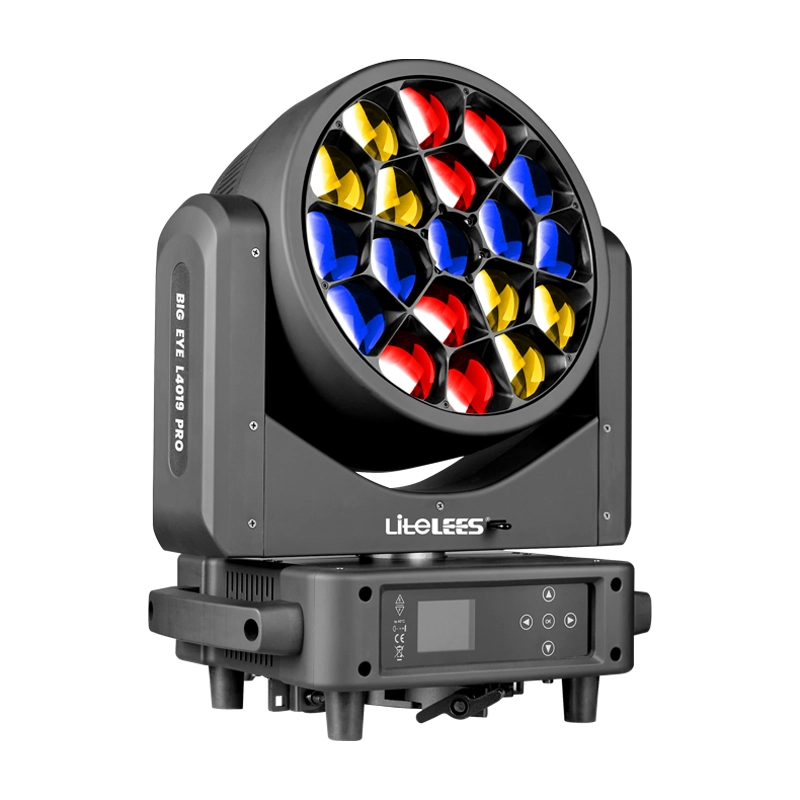
BIG EYE L4019 IP
Want to get more up-to-date news?
If you have any comments or good suggestions, please leave us a message; later our professional staff will contact you as soon as possible.

We are professional stage lighting manufacturers offering OEM and ODM LED stage lights.
Contact
Email us
Call us
Address
No.6 Longnan Road, Huashan Town, Huadu District Guangzhou, Guangdong Province, China.
LiteLEES Professional
Less Lighting