
Which LED strobe lights perform best at outdoor festivals?
- 1) How do I calculate the actual brightness (lux/candela) I need from an LED strobe light to be visible across a 150–300 m festival audience?
- 2) Which LED strobe lights perform best at outdoor festivals in rain, dust and salt air—what IP/material specs should I insist on?
- 3) Which LED strobe lights perform best at outdoor festivals when we need tight, latency‑free sync across 20–100 fixtures?
- 4) What power and thermal rules protect LED strobe lights from driver shutdown or premature failure during festival duty cycles?
- 5) How can we ensure LED strobe lights are flicker‑free for broadcast and high‑speed cameras (what driver specs to demand)?
- 6) What spares, maintenance schedule and logistics should a touring rig plan for to keep LED strobe light arrays running across multi‑day festivals?
1) How do I calculate the actual brightness (lux/candela) I need from an LED strobe light to be visible across a 150–300 m festival audience?
Begin with a photometric approach, not just wattage. Manufacturers provide candela (cd) or IES photometric files; lux at a distance is E = I / d^2 (for on‑axis point approximations). Example: if you want 1 lux on axis at 200 m, required luminous intensity I = 1 lux × (200 m)^2 = 40,000 cd. For an off‑axis area or wider beam use the manufacturer’s IES file to compute illuminance across your audience.
Practical steps:
- Define target lux on people or stage during a strobe flash (common effect targets range from 0.5–10 lux depending on ambient stage illumination and desired contrast).
- Request candela/IES from vendors and run photometric calculations at your key distances (e.g., pit, back of audience, broadcast camera positions).
- Factor beam angle: narrow beams (5–15°) maintain candela at long throw; wide beams reduce peak intensity but cover more area.
- Account for atmospheric loss on foggy/rainy nights—plan 10–25% extra intensity for common outdoor conditions.
2) Which LED strobe lights perform best at outdoor festivals in rain, dust and salt air—what IP/material specs should I insist on?
For outdoor festivals you must prioritise ingress protection, corrosion resistance, and connector quality. Minimum recommendations:
- IP rating: IP65 is the absolute minimum for rain and dust (protected against water jets). For sustained heavy rain, muddy spray or coastal events insist on IP66. If fixtures may be submerged briefly (unlikely for most rigs) consider IP67.
- Housing & hardware: marine‑grade (316) stainless steel or powder‑coated aluminium with a corrosion‑resistant finish. Avoid bare steel hardware that rusts quickly under festival conditions.
- Lens & sealing: tempered glass or polycarbonate with silicone gaskets; double‑sealed cable glands and IP67 or better power/data connectors (look for IP‑rated Neutrik EtherCON or similar).
- Cooling approach: sealed convection cooling or dust‑filtered fan systems with replaceable filters—fan intakes with coarse prefilters are easier to maintain on tour.
3) Which LED strobe lights perform best at outdoor festivals when we need tight, latency‑free sync across 20–100 fixtures?
Synchronization is a combination of fixture capability and network architecture. Key tech and design rules:
- Control protocols: use Art‑Net or sACN for high‑channel, low‑latency control; DMX512 is fine for small clusters but wiring large arrays with DMX daisy chains increases latency and single‑point failure risk.
- Timecode and absolute triggering: choose fixtures/controllers that support absolute triggers (SMPTE/MSC/trigger input) or scheduled cues so simultaneous strobe bursts occur with frame accuracy rather than relying on chained DMX refreshes.
- Network design: dedicated managed switches with IGMP snooping, separate lighting VLAN, and short star wired runs from switches to fixture nodes reduce packet jitter. Use Art‑Net/sACN over gigabit backbone for large shows.
- Wireless: reliable wireless DMX (LumenRadio or similar certified links) can work for small groups; for hundreds of fixtures, wireless should be used only for non‑critical backups or with mesh/redundant pathways and line‑of‑sight planning.
- Latency targets: for visually simultaneous strobes aim for <10 ms end‑to‑end latency and deterministic triggering (timecode or trigger bus) rather than relying on chained DMX updates.
4) What power and thermal rules protect LED strobe lights from driver shutdown or premature failure during festival duty cycles?
LED strobes produce very high peak luminous output in short bursts; this stresses both driver electronics and thermal paths. Follow these guidelines:
- Duty cycle spec: obtain the manufacturer’s maximum duty cycle for strobe modes (e.g., <10% average over a minute). Never assume duty cycle—you must verify it for continuous show use.
- Thermal derating: LED junction temperature drives lifespan. For outdoor shows with high ambient temperatures (>35 °C) derate the fixture output per the manual (typical derating curves are provided by OEMs).
- Cooling & placement: allow recommended clearance for ventilation; avoid clustering fixtures with their exhausts facing each other; consider forced‑ventilation housings for dense arrays.
- Electrical headroom: check inrush and peak current specs. Strobe pulses can create momentary high currents; specify breakers with appropriate trip curves and provide 20–30% circuit headroom beyond average running watts.
- Use PFC & soft start: fixtures with power factor correction and soft‑start reduce nuisance trips and limit inrush. For festival power distribution use inrush limiters or staggered power-up routines for large counts of fixtures.
5) How can we ensure LED strobe lights are flicker‑free for broadcast and high‑speed cameras (what driver specs to demand)?
Flicker for cameras is caused by PWM dimming and driver refresh rates interacting with camera shutter/frame rates. Practical specification checklist:
- PWM and driver frequency: demand a driver PWM or refresh frequency >=10 kHz; many broadcast shows target >=20 kHz to reduce aliasing with common camera frame rates (24, 25, 30, 50, 60, 120 fps).
- 16‑bit or higher dimming resolution: smoother output avoids banding and quantisation effects when strobes are blended with other lights.
- Constant‑current drivers and dedicated flicker‑free mode: manufacturers often list a flicker‑free mode that disables low‑frequency PWM patterns. Ask for camera tests showing no visible rolling bars at broadcast frame rates.
- Provide sample fixtures for camera testing: insist that vendors supply sample units for on‑site camera tests with your actual broadcast cameras and frame rates before committing to purchase.
6) What spares, maintenance schedule and logistics should a touring rig plan for to keep LED strobe light arrays running across multi‑day festivals?
Festival reliability depends on parts & procedures. Plan a touring spares kit and maintenance schedule:
- Spares: at minimum carry 5–10% of fixture count in identical spare strobes, 100% of commonly failing consumables (drivers/power supplies if hot‑swappable, LED modules when possible), spare DMX/radio transceivers, fast‑replacable lens/gasket kits, and replacement cable and IP‑rated connectors.
- Maintenance schedule: pre‑show inspection (gaskets, connectors, bracket torque), daily cleaning of lenses and fan filters, and mid‑day checks for loose hardware and corrosion. Replace worn gaskets after 3–5 festival days in harsh environments.
- Repair strategy: choose fixtures designed for field service with modular drivers and replaceable LED modules—this reduces downtime versus sealed non‑serviceable units.
- Documentation & labeling: keep firmware versions, DMX addressing tables, and photometric IES files on the rig binder and as digital backups. Tag spares with serial numbers and tested firmware to avoid incompatible swaps mid‑show.
Concluding summary — advantages of using properly specified outdoor LED strobe lights
Well‑specified outdoor LED strobe lights deliver high perceived brightness with much lower continuous energy draw than legacy xenon systems, far greater control (DMX/Art‑Net/sACN, pixel mapping and timecode triggering), and improved durability when selected with proper IP ratings, corrosion‑resistant materials and modular serviceability. When you size fixtures using photometric data (candela/IES), design your control network for deterministic triggers, verify flicker‑free performance for broadcast cameras, and plan for thermal and power headroom plus a disciplined spares strategy, LED strobes become reliable, repeatable festival tools that reduce operator risk and maintenance costs.
If you’d like a tailored equipment recommendation or a quote for festival‑rated LED strobe lights and deployment planning, contact us at www.litelees.com or email litelees@litelees.com — we can provide photometric calculations, network design advice and field‑test units.
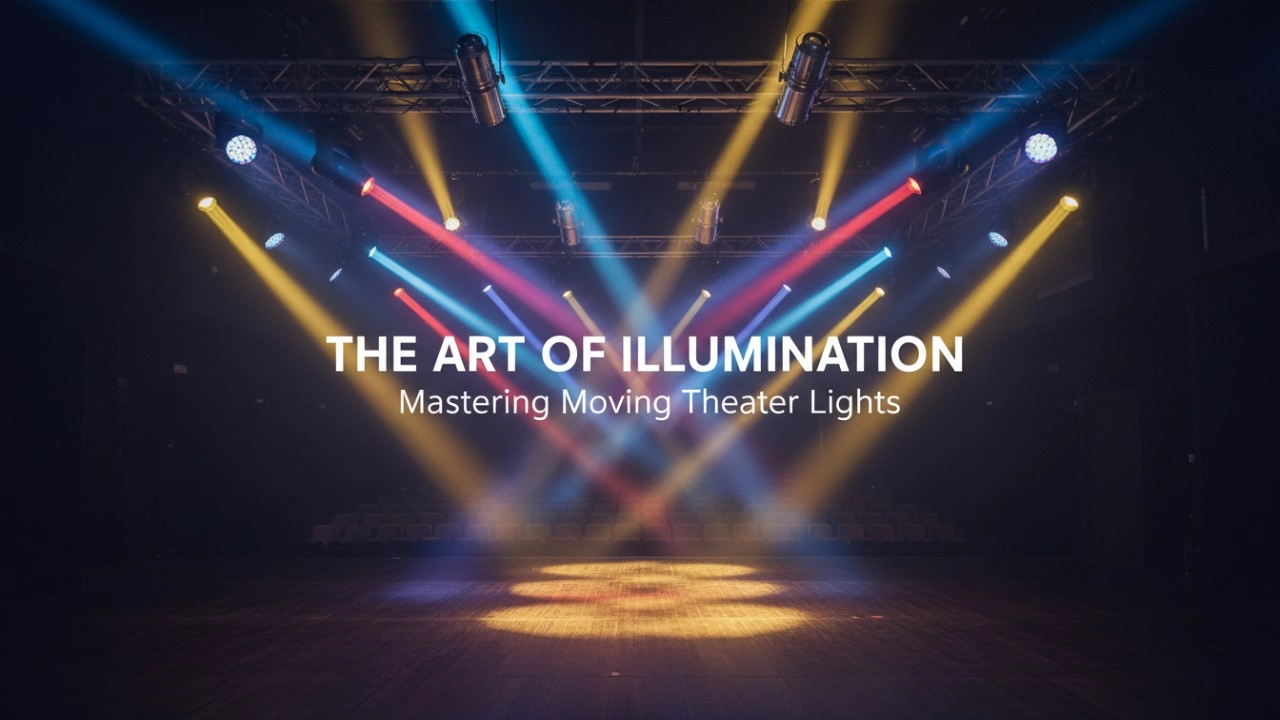
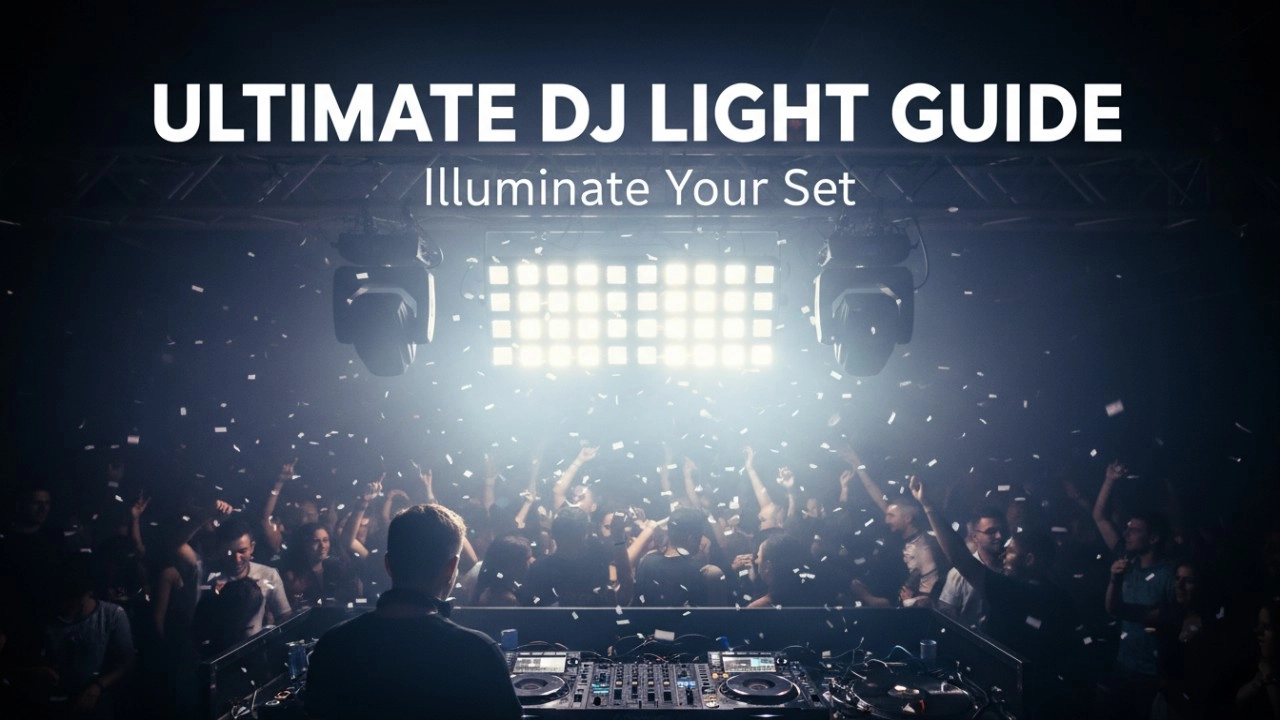
Products
How long is the warranty period for your products?
We offer a standard 1-year warranty on all products, with extended warranty options available upon request. During the warranty period, we provide free technical support and parts replacement for non-human damage.
Can I customize the functions or software of the lights?
Absolutely. As a manufacturer with independent R&D capabilities, we offer customization for both hardware and software (such as DMX channel layout, built-in programs, or UI language). Contact us with your project needs, and our team will provide tailored solutions.
What is the lifespan of your LED stage lights?
Our LED lights use high-quality chips with a rated lifespan of over 50,000 hours. Proper usage and maintenance ensure long-term reliability and stable performance, making them a smart investment for any venue.
Company
What certifications do your products have?
All LiteLEES products are certified by CE, RoHS, FCC, and BIS. Our factory is ISO9001 quality management system certified.
Where is LiteLEES located?
Our headquarters and manufacturing facility are located in Guangzhou, China, with products exported to over 70 countries worldwide.
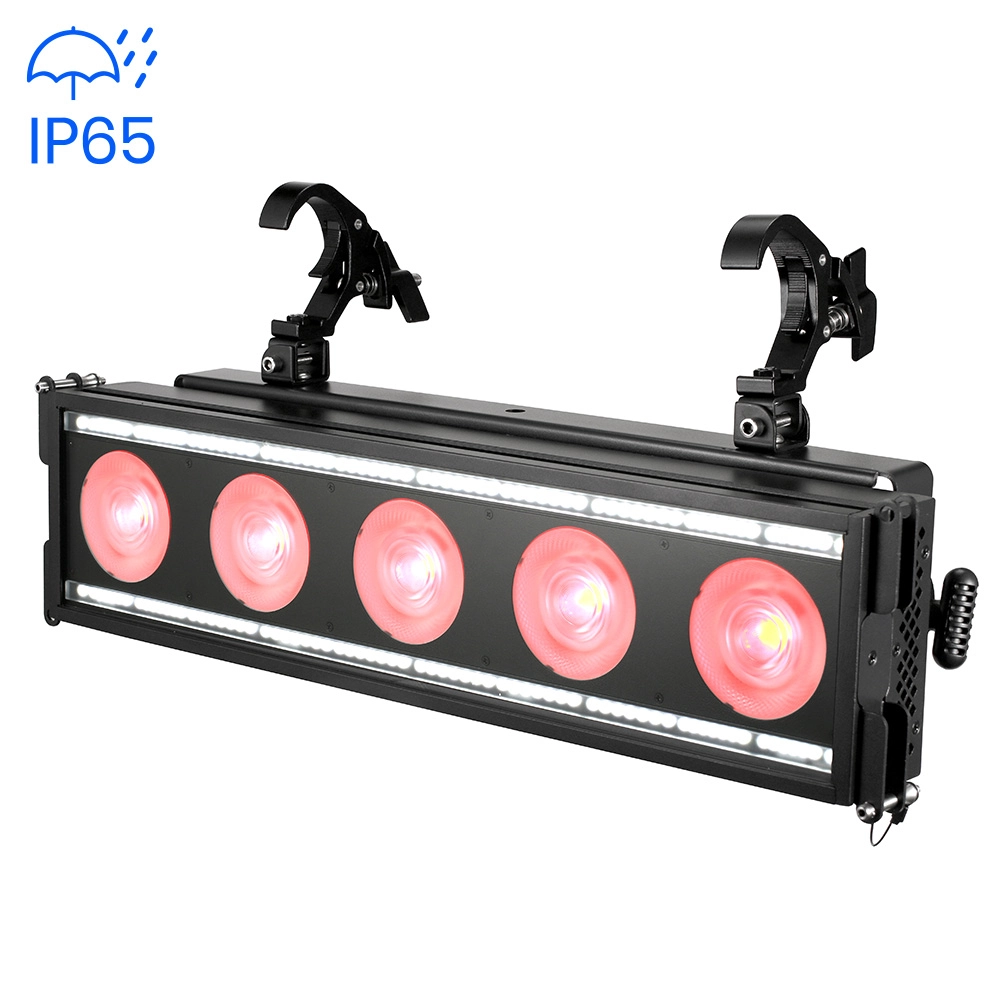
Stormy Flash 550 lP
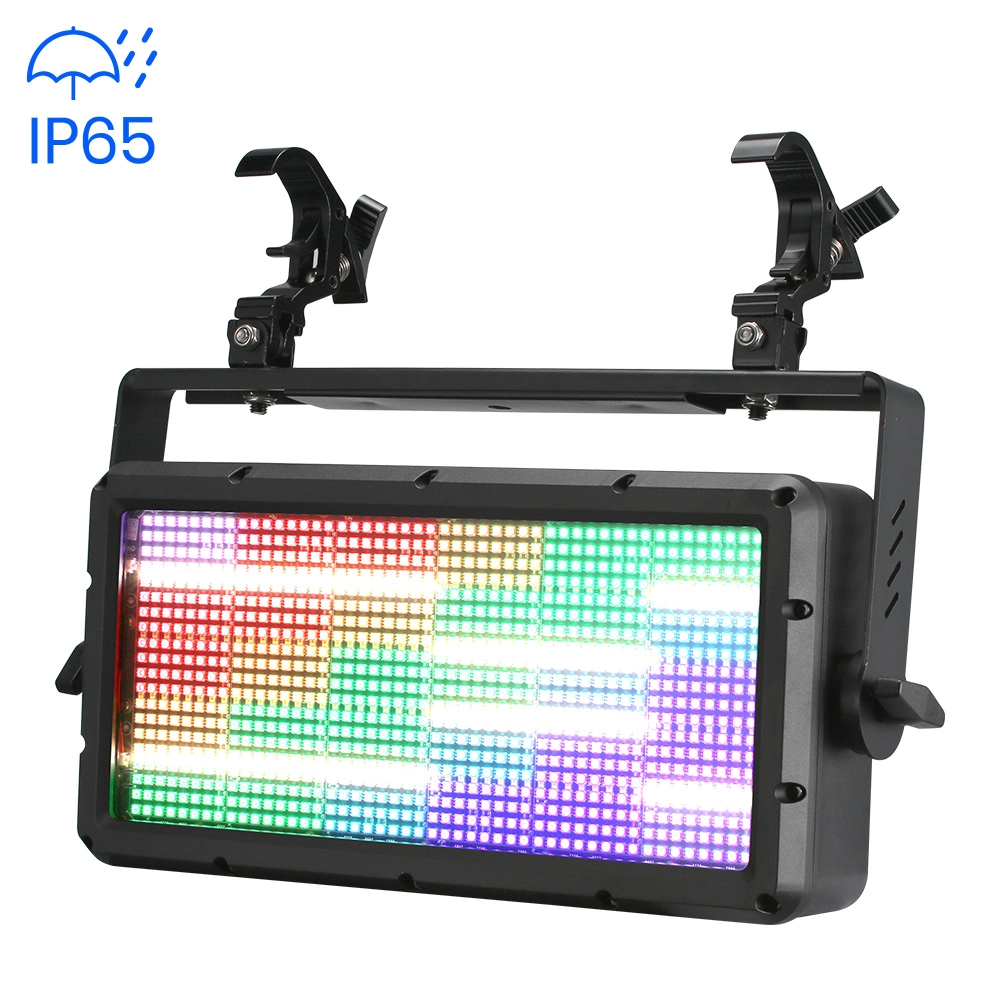
Stormy Strobe 700 IP
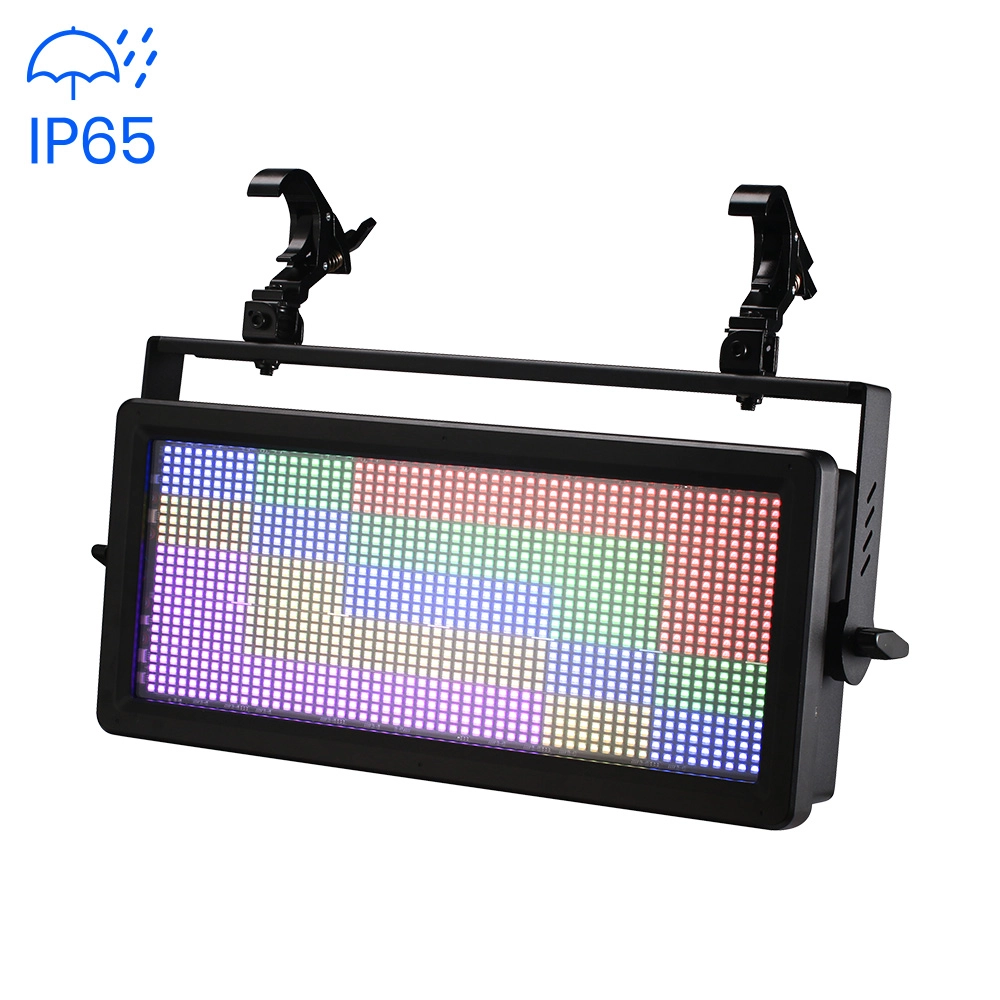
Stormy Strobe 500 IP
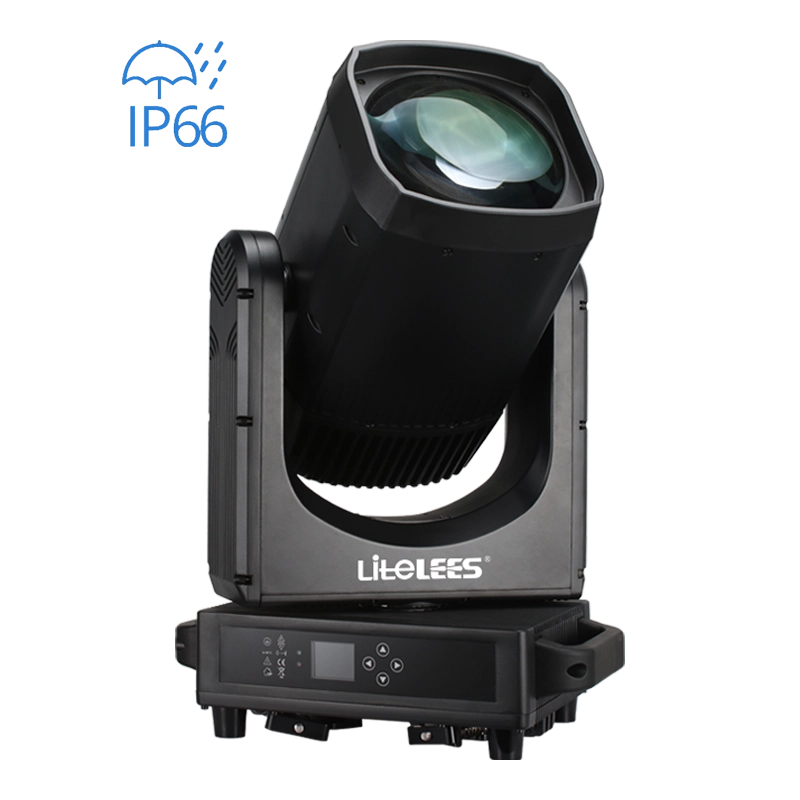
LiteLEES LUMIX BEAM 420 IP
Want to get more up-to-date news?
If you have any comments or good suggestions, please leave us a message; later our professional staff will contact you as soon as possible.

We are professional stage lighting manufacturers offering OEM and ODM LED stage lights.
Contact
Email us
Call us
Address
No.6 Longnan Road, Huashan Town, Huadu District Guangzhou, Guangdong Province, China.
LiteLEES Professional
Less Lighting