
How do IP rating and durability affect LED strobe lights?
- 1. How does IP65 vs IP66 vs IP67 translate to real-world outdoor use for LED strobe lights on open-air concerts?
- 2. Can an IP65-rated LED strobe survive coastal (salt air) conditions, and what corrosion tests/certifications should I demand?
- 3. Do waterproof housings make LED strobes overheat—how do IP rating and thermal management interact?
- 4. What IK impact rating and mounting methods should I require to prevent damage from flying debris, rigging drops or crowd contact?
- 5. How does IP rating affect serviceability and field-repairability for touring LED strobe lights?
- 6. How do L70, LM-80/TM-21 testing, driver design and surge protection relate to durability for LED strobe lights used in high-frequency strobing?
When specifying LED strobe lights for touring rigs, festivals or permanent outdoor installs, buyers repeatedly face the same tough tradeoffs: ingress protection versus cooling, corrosion resistance versus serviceability, and driver design versus strobe lifetime. Below are six targeted questions stage professionals ask but rarely find up-to-date, technical answers to. Each answer references industry standards (IEC/LM-80/TM-21/ASTM) and gives practical spec-level recommendations for purchase and risk reduction.
1. How does IP65 vs IP66 vs IP67 translate to real-world outdoor use for LED strobe lights on open-air concerts?
Short answer: IP65 is generally OK for rain and overhead exposure; IP66/IP67 are recommended for heavy spray, angled rain or temporary immersion scenarios. The IEC 60529 standard defines these ratings: IP65 = dust-tight and protected against water jets (6.3 mm nozzle), IP66 = protected against powerful water jets, IP67 = protected against immersion up to 1 m for 30 minutes. In practice:
- Indoor stage or covered outdoor stage: IP20–IP54 often sufficient (dust and splash protection).
- Open-air festival with intermittent rain: choose IP65 minimum. This handles direct rain and washdown from hoses.
- Coastal venues or heavy spray (near fountains, pyrotechnic washdown): choose IP66/67 to handle higher-pressure jets and brief immersion risks.
Why not always choose a higher IP? Higher IP often requires more seals and a closed housing which can impede convection cooling. When selecting an IP66/IP67 strobe, check for thermal design measures (conductive paths, external fins and/or pressure-equalizing vents) to avoid thermal throttling during sustained strobing.
2. Can an IP65-rated LED strobe survive coastal (salt air) conditions, and what corrosion tests/certifications should I demand?
IP rating only covers dust/water ingress, not corrosion. For coastal environments you must specify corrosion resistance separately. Ask for:
- Materials and coatings: die-cast aluminum housing with anodizing or high-quality powder coat; stainless-steel fasteners (A4/316) in salt environments.
- Salt spray (fog) testing: ASTM B117 is the industry test for corrosion resistance. Seek vendors who publish results (e.g., 500–1,000 hours salt fog without coating failure) appropriate to expected exposure.
- Conformal coating: PCBs with conformal coating (e.g., silicone/urethane) or potting compounds protect electronics from chloride-induced corrosion and condensation.
Recommendation: For permanent coastal installs use IP66/IP67 plus NEMA 4X-equivalent corrosion resistance (stainless hardware, 316 stainless where possible, proven ASTM B117 performance). For touring gear that will visit coastal venues, insist on corrosion-resistant hardware and replaceable external brackets as part of preventive maintenance.
3. Do waterproof housings make LED strobes overheat—how do IP rating and thermal management interact?
Yes—sealing a fixture reduces convective cooling. Mitigations manufacturers use include larger external heat sinks, thermally conductive potting between LEDs and chassis, metal housings with direct thermal paths, and pressure-equalizing waterproof vents (GORE vents) to balance pressure without admitting water.
Checklist to avoid overheating in sealed strobes:
- Look for documented thermal specs: maximum Tc (case) temperature and a clear thermal curve showing derating at ambient temps.
- Driver placement: isolated or potted drivers with their own thermal path reduce heat transfer to LEDs.
- Active vs passive cooling: avoid small sealed units that depend on convection; prefer units engineered with external fins and conductive paths.
- Duty-cycle ratings: many strobes specify maximum strobe frequency or duty cycle to avoid thermal stress—verify continuous operation specs at high flash rates.
If you need high-frequency strobing (many flashes/sec) in a sealed IP67 fixture, require vendor thermal test data showing stable LED junction temperatures and no lumen depreciation beyond expected TM-21/L70 projections under your planned operating profile.
4. What IK impact rating and mounting methods should I require to prevent damage from flying debris, rigging drops or crowd contact?
Impact resistance is governed by IEC 62262 (IK rating). Common values you’ll see in pro fixtures are IK07–IK10. IK10 resists 20 joules (impact from ~5 kg at 400 mm). For touring and festival use:
- IK08 is acceptable for indoor use and guarded outdoor positions.
- IK10 is preferred for exposed exterior rigs, crowd-proximate fixtures and positioning where debris or tools might strike housing.
Mounting best practices:
- Use rated clamps and safety cables sized for dynamic loads—rigging hardware should exceed static weight by at least 5–10x and comply with local entertainment industry standards.
- Prefer fixtures with dedicated mounting points (M10/M12) and replaceable brackets; avoid ad-hoc attachments which concentrate stress and can damage housings.
- For festival stages, specify anti-tamper fasteners and protective grommets for cabling to prevent chafe and impact points.
5. How does IP rating affect serviceability and field-repairability for touring LED strobe lights?
Higher IP typically means more sealed components—this can reduce field-repairability. Look for design choices that balance ingress protection and serviceability:
- Modular design: replaceable modules (LED engines, driver modules) sealed with O-rings rather than permanent potting. These allow quicker swap-outs and lower downtime for rentals/tours.
- Service access: gasketed removable panels with rated fasteners make servicing possible without compromising long-term seals if correctly reassembled and re-greased on seals.
- Documentation: demand clear IP maintenance instructions from the vendor—re-torquing sequence, seal replacement intervals, recommended sealing compounds and GORE vent maintenance.
For rental fleets and touring operators, favor units with field-replaceable driver boards and plug-and-play harnesses even if that means an IP66 rating rather than IP67—minimizing repair time often reduces total cost of ownership more than the marginal gain in ingress protection.
6. How do L70, LM-80/TM-21 testing, driver design and surge protection relate to durability for LED strobe lights used in high-frequency strobing?
Lifetime and lumen maintenance for LEDs should be based on LM-80 measurements and TM-21 projections. L70 (time to 70% initial lumen output) is the most common spec. Many pro-grade LEDs show L70 > 50,000 hours under well-managed thermal conditions. However, strobing stresses both thermal cycling and driver electronics.
Key items to verify in specs:
- LM-80 data for the LED package and a TM-21 projection provided by the manufacturer—prefer fixtures with LM-80 tested LEDs and a conservative TM-21 projection of L70 ≥ 50,000 hrs at specified Ta.
- Driver robustness: drivers should use high-quality capacitors rated for low ESR and high-temperature operation, and incorporate protection against over-voltage, over-current, and thermal shutdown.
- Surge immunity: check compliance to IEC 61000-4-5 (surge) and specify surge protection levels appropriate to venue—1–4 kV surge protection is common for lighting fixtures; specify external surge protectors for permanently installed outdoor rigs.
- High-frequency duty: repeated, high-frequency strobing increases thermal cycling of LEDs and solder joints. Request vendor test data showing operation under your intended flash rate for extended intervals (e.g., continuous 10–20 Hz cycles for a multi-hour performance) and ask for MTBF or field failure rates under such profiles.
Practical buying rule: choose fixtures that publish LM-80/TM-21 data, provide driver component quality details (capacitor types and ratings), and specify tested strobe duty cycles. For rental fleets, prioritize robust driver designs and replaceable electronics modules to minimize fleet downtime.
Quick buyer’s spec checklist (for easy copy-paste into RFQs):
- Ingress: IP65 (minimum outdoors), IP66/IP67 for heavy spray/immersion; NEMA 4X equivalence for corrosive environments.
- Corrosion: ASTM B117 salt-fog test results or A4/316 stainless hardware; powder coat/anodized aluminum housing.
- Impact: IK08 (indoor/covered) or IK10 (exposed rigs).
- Thermal: published Tc max, derating curve, and max continuous strobe rate at specified ambient.
- Lifetime: LM-80 / TM-21 data with L70 ≥ 50,000 hrs (projected) at specified Ta.
- Electronics: IEC 61000-4-5 surge protection details, MTBF, and modular/field-replaceable driver design.
Concluding summary — advantages of choosing durable, IP-rated LED strobe lights
Choosing LED strobe lights with the correct IP rating, proven corrosion resistance, robust thermal design and modular serviceability reduces downtime, extends useful life (L70/LM-80/TM-21 verified), and lowers total cost of ownership. Proper IK-rated housings and verified surge protection improve safety and reliability under heavy touring or outdoor conditions. For rental companies and venue operators, the right balance of ingress protection and maintainability delivers fewer failures in the field, lower repair costs and safer productions.
If you’d like a tailored quote for LED stage lighting or guidance on spec’ing IP-rated strobes for a specific venue or tour, contact us for a quote: www.litelees.com — litelees@litelees.com.
Company
Do you have your own factory?
Yes. We own a sheet metal factory and a complete in-house production line—from PCB to final assembly—ensuring strict quality control and fast delivery.
Can LiteLEES handle OEM/ODM orders?
Absolutely. With our strong R&D capabilities and advanced manufacturing, we can customize designs, features, and branding to meet your specific needs.
What is LiteLEES’s main business?
LiteLEES specializes in the design, development, manufacturing, and sales of professional stage lighting, including moving head lights, beam lights, spot lights, wash lights, and LED par lights.
Where is LiteLEES located?
Our headquarters and manufacturing facility are located in Guangzhou, China, with products exported to over 70 countries worldwide.
Products
Are your lights suitable for large-scale events and outdoor use?
Yes. Our professional stage lights—especially the Beam, BSW 3-in-1, and LED Par Series—are engineered with high-output brightness, wide beam angles, and robust housing. Some models come with IP-rated protection, making them suitable for outdoor applications like concerts, festivals, and sports events.
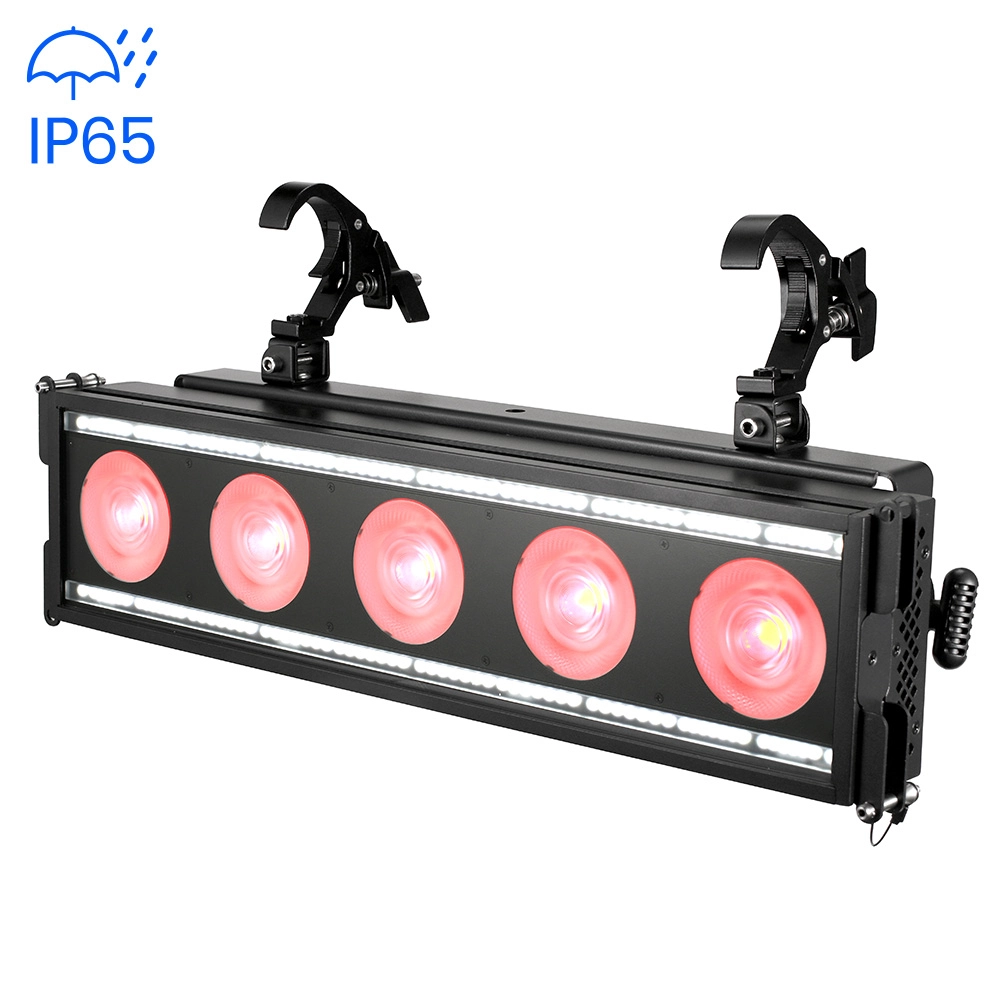
Stormy Flash 550 lP
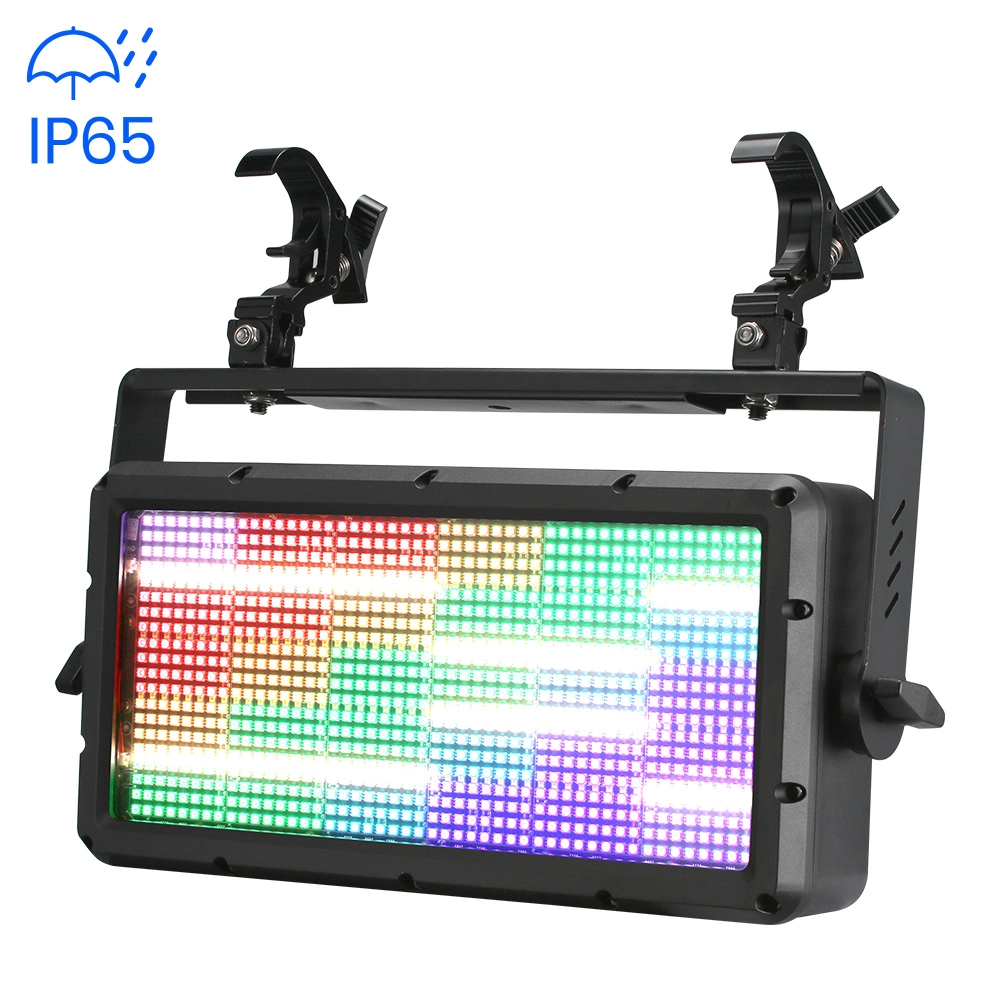
Stormy Strobe 700 IP
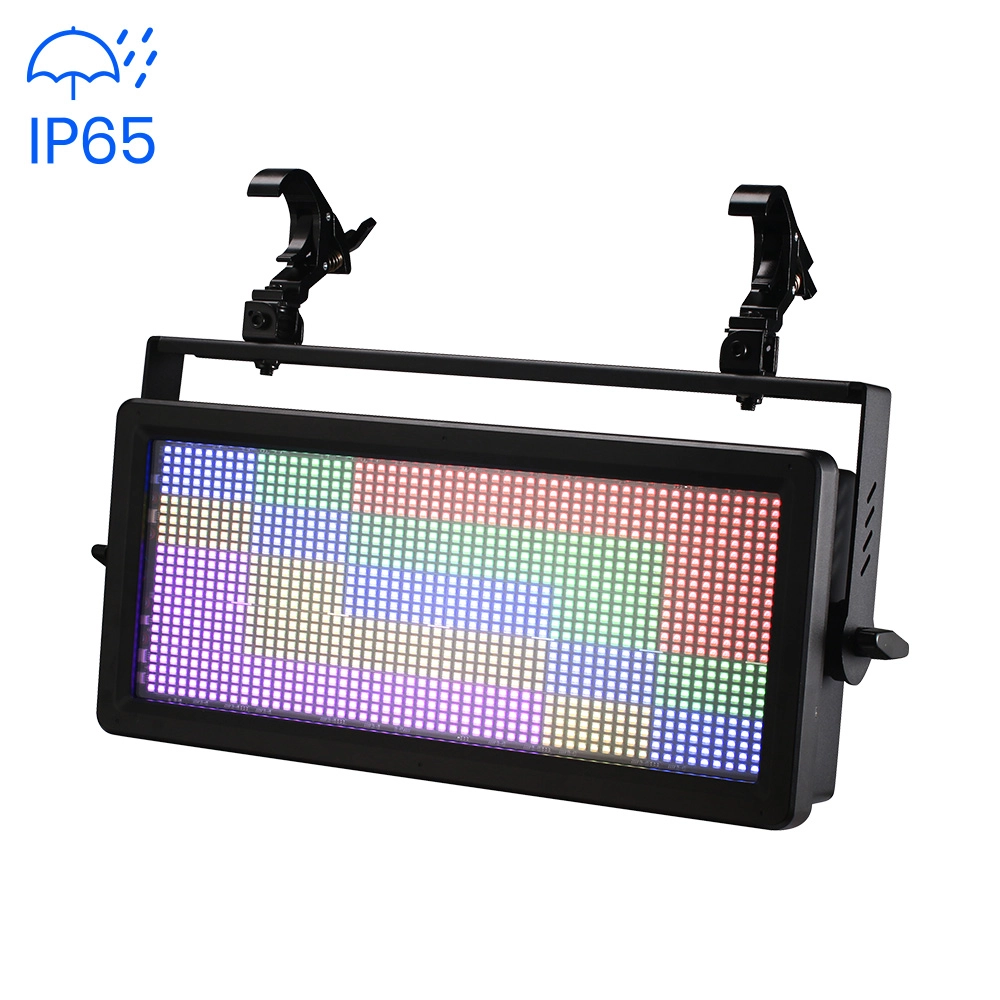
Stormy Strobe 500 IP
Want to get more up-to-date news?
If you have any comments or good suggestions, please leave us a message; later our professional staff will contact you as soon as possible.

We are professional stage lighting manufacturers offering OEM and ODM LED stage lights.
Contact
Email us
Call us
Address
No.6 Longnan Road, Huashan Town, Huadu District Guangzhou, Guangdong Province, China.
LiteLEES Professional
Less Lighting