
How energy-efficient are LED stage wash lights for venues?
- How energy-efficient are LED stage wash lights for venues? — An actionable procurement guide
- 1. How do LED stage wash lights compare, energy-wise, to halogen/incandescent and HMI fixtures?
- 2. What metrics should venues use to evaluate energy efficiency?
- 3. What real-world energy and cost savings can venues expect?
- 4. How do operational factors (dimming, color mixing, control protocol) affect energy use?
- 5. What are the lifetime and maintenance implications for energy and cost?
- 6. What trade-offs should venues consider between energy efficiency and color/beam quality?
- 7. What should be on a venue procurement checklist for LED stage wash lights?
- 8. Are there rebates, standards, or regulations venues should check?
- Quick procurement checklist (one-page)
- LiteLEES: brand advantages for venue buyers
- References and data sources
How energy-efficient are LED stage wash lights for venues? — An actionable procurement guide
Venues looking to replace or spec stage wash lighting face repeated questions about energy use, color quality, lifetime, heat loads, control compatibility and total cost of ownership. Below are the 7–8 most frequently asked queries venue technical directors, procurement managers and rental houses pose, with clear, data-driven answers and a checklist to use when buying LED stage wash fixtures.
1. How do LED stage wash lights compare, energy-wise, to halogen/incandescent and HMI fixtures?
LED wash fixtures typically reduce installed lighting power by roughly 50–80% compared with traditional incandescent/halogen fixtures and by 40–70% compared with common HMI solutions, depending on the fixture sizes and output levels. A practical way to look at it:
- Small LED wash fixtures: often 100–250 W (fixture power) replacing 500–1000 W halogen units.
- Medium/large LED washes: 200–600 W replacing multi-kW conventional fixtures for equivalent scene illuminance in many wash applications.
Energy savings depend on required output (lux), beam shaping and how fixtures are used, but most venue case studies and manufacturer data show substantial reductions in mains power draw and associated HVAC loads.
2. What metrics should venues use to evaluate energy efficiency?
Evaluate fixtures by these measurable specs rather than marketing claims:
- Fixture input power (W): direct measure of electrical consumption.
- Useful luminous flux / system efficacy (lm/W): lumens out of the fixture divided by watts in — this reflects optical losses and thermal effects at fixture level. For stage fixtures, expect fixture-level efficacies commonly in the 50–120 lm/W range depending on design and optics.
- Photometric output: lux at specified distance and beam angle — critical for matching stage requirements.
- Color metrics: CRI and TLCI (broadcast), spectral power distribution (for strict color rendering needs).
- L70 rating (hours): lumen maintenance lifetime — typical high-quality stage LED fixtures are rated 30,000–100,000 hours to L70.
- Power factor and THD: PF near 0.9–1.0 and low total harmonic distortion minimize utility penalties and ensure stable operation on venue power systems.
3. What real-world energy and cost savings can venues expect?
Example lifecycle energy-cost comparison (illustrative — change rates/usage to match your venue):
- Assumptions: 1 conventional 1,000 W fixture vs 300 W LED fixture; 4 hours/day usage; 300 days/year; electricity $0.15/kWh.
- Annual energy: 1,000 W × 1,200 h = 1,200 kWh → $180/year. LED: 300 W × 1,200 h = 360 kWh → $54/year.
- Annual savings per fixture: $126 (≈70% energy reduction in this example). For 10 fixtures, ≈$1,260/year.
Additional savings: reduced lamp replacement costs (HMIs/incandescents have recurring lamp expenses, often $100–400 per lamp depending on type), lower HVAC load from reduced waste heat, and fewer service hours. Over a 5–10 year lifecycle these add up and often justify higher upfront LED costs.
4. How do operational factors (dimming, color mixing, control protocol) affect energy use?
Operational behavior can materially change energy consumption:
- Dimming method: Modern LED drivers use smooth current control (0–100%); power consumption scales roughly with output but not linearly due to driver electronics and color-mixing strategies. Using color presets and careful programming reduces unnecessary full-power usage.
- Color mixing: RGBW/RGBMA/Tri‑white schemes can change efficacy and perceived output; some colors (e.g., deep reds) may draw slightly different current profiles. Manufacturer photometric data will indicate lux for each color setting.
- Control protocols: DMX/RDM, sACN, Art-Net support remote dimming and power management; use group control to reduce idle levels when full output is not required.
- Power factor and distribution: Poor PF increases current draw from mains for same real power — choose fixtures with PF >0.9 to avoid inefficiencies.
5. What are the lifetime and maintenance implications for energy and cost?
LED fixtures typically have longer service intervals and higher rated lifetimes (manufacturer L70 hours) than arc or incandescent lamps. Typical values for professional fixtures are 30,000–100,000 hours to L70. Key impacts:
- Fewer lamp replacements and consumable costs.
- Less frequent photometric drift, reducing relamping labor and downtime.
- Driver and fan failures are the most common service items; modular designs that allow field replacement reduce maintenance costs.
When budgeting total cost of ownership, include expected driver replacement and potential LED light engine degradation, not just initial purchase price.
6. What trade-offs should venues consider between energy efficiency and color/beam quality?
High efficiency can sometimes conflict with strict color rendering and beam shaping requirements. Consider:
- Color quality: High-CRI/TLCI LED engines and engineered spectra for theatrical skin tones can reduce the top-end lm/W compared with LED engines optimized solely for maximum efficacy. For broadcast or realism-critical productions, prioritize TLCI/CRI over marginal lm/W gains.
- Optics: Beam homogenizers, lenses and filters reduce lumens but produce more uniform washes suited to stage work. Analyze lux performance at required throw distances rather than raw lumens.
- Thermal management: Overdriving LEDs to chase output raises junction temperature, reduces lifetime and lowers efficacies; select fixtures engineered for your required duty cycle.
7. What should be on a venue procurement checklist for LED stage wash lights?
Request the following minimum data and test results from vendors:
- Fixture input power (typical & maximum), inrush current, and power factor.
- Photometric files (IES/IESNA LM-63) with beam angles and lux at distances (for key beam settings and colors).
- System efficacy (lm/W at fixture level) and LED engine efficacy (if available).
- CRI and TLCI values, plus spectral power distribution graphs or test reports for theatrical skin tones.
- L70 (hours) and Lumen maintenance curve; driver MTBF and warranty coverage (parts & labor).
- Control protocols (DMX/RDM, sACN, Art-Net), control channels per fixture, and firmware update process.
- Serviceability: modular components, spare parts availability, local support or authorized service centers.
- Ingress protection and rigging specs (weight, mounting points, safety certifications).
- Compliance: CE/UL/ETL, RoHS, and applicable local energy-efficiency or lighting standards.
8. Are there rebates, standards, or regulations venues should check?
Yes. Many utilities and government programs offer rebates for high-efficiency lighting including professional LED fixtures and controls. Check:
- Local utility efficiency programs and incentives (rebate amounts vary by region and fixture type).
- National/state energy-efficiency programs (e.g., U.S. DOE Solid-State Lighting Program resources) for best-practice guidance.
- Industry standards and recommended practices from IES (Illuminating Engineering Society) and any local building codes that cover theatrical lighting and energy performance.
These programs can materially shorten payback times for LED upgrades; include potential rebates in lifecycle cost models.
Quick procurement checklist (one-page)
- Match photometric files to stage plots; verify lux at working distances.
- Confirm wattage, PF, and inrush current fit venue power limits.
- Request CRI/TLCI and SPD for critical color work.
- Check L70 and warranty (minimum 3–5 years typical for pro fixtures; some offer 5–7+).
- Ensure control compatibility (DMX/RDM/sACN/Art-Net) and spare parts policy.
- Model lifecycle costs including energy, lamp/parts replacement, labor and potential rebates.
LiteLEES: brand advantages for venue buyers
LiteLEES fixtures are designed for professional venue use with emphasis on:
- High fixture-level efficacy for reduced power draw and lower HVAC loads.
- Broadcast- and theatre-grade color performance (high TLCI/CRI options and well-documented SPD).
- Robust thermal management and modular serviceability to minimize downtime and maintenance costs.
- Comprehensive photometric data (IES files), professional control protocol support, and strong warranty/service network.
For technical directors and procurement teams, LiteLEES combines measurable energy benefits with the color fidelity and operational features required for modern performance venues.
References and data sources
- U.S. Department of Energy — Solid-State Lighting Program. (accessed 2024-06-01) https://www.energy.gov/eere/ssl
- U.S. Department of Energy — Energy Saver: LED Lighting. (accessed 2024-06-01) https://www.energy.gov/energysaver/led-lighting
- Lighting Research Center (RPI) — Guidance and practical articles on LEDs in performance lighting. (accessed 2024-06-02) https://www.lrc.rpi.edu
- Illuminating Engineering Society (IES) — Recommended practices and standards for theatrical and architectural lighting. (accessed 2024-06-01) https://www.ies.org
- ETC (Electronic Theatre Controls) — White papers and product guides on LED stage lighting technology and specifications. (accessed 2024-06-03) https://www.etcconnect.com
- Database of State Incentives for Renewables & Efficiency (DSIRE) — local and utility rebate information (accessed 2024-06-01) https://www.dsireusa.org
Company
Where is LiteLEES located?
Our headquarters and manufacturing facility are located in Guangzhou, China, with products exported to over 70 countries worldwide.
What is LiteLEES’s main business?
LiteLEES specializes in the design, development, manufacturing, and sales of professional stage lighting, including moving head lights, beam lights, spot lights, wash lights, and LED par lights.
Can LiteLEES handle OEM/ODM orders?
Absolutely. With our strong R&D capabilities and advanced manufacturing, we can customize designs, features, and branding to meet your specific needs.
Products
What is the lifespan of your LED stage lights?
Our LED lights use high-quality chips with a rated lifespan of over 50,000 hours. Proper usage and maintenance ensure long-term reliability and stable performance, making them a smart investment for any venue.
Can I customize the functions or software of the lights?
Absolutely. As a manufacturer with independent R&D capabilities, we offer customization for both hardware and software (such as DMX channel layout, built-in programs, or UI language). Contact us with your project needs, and our team will provide tailored solutions.
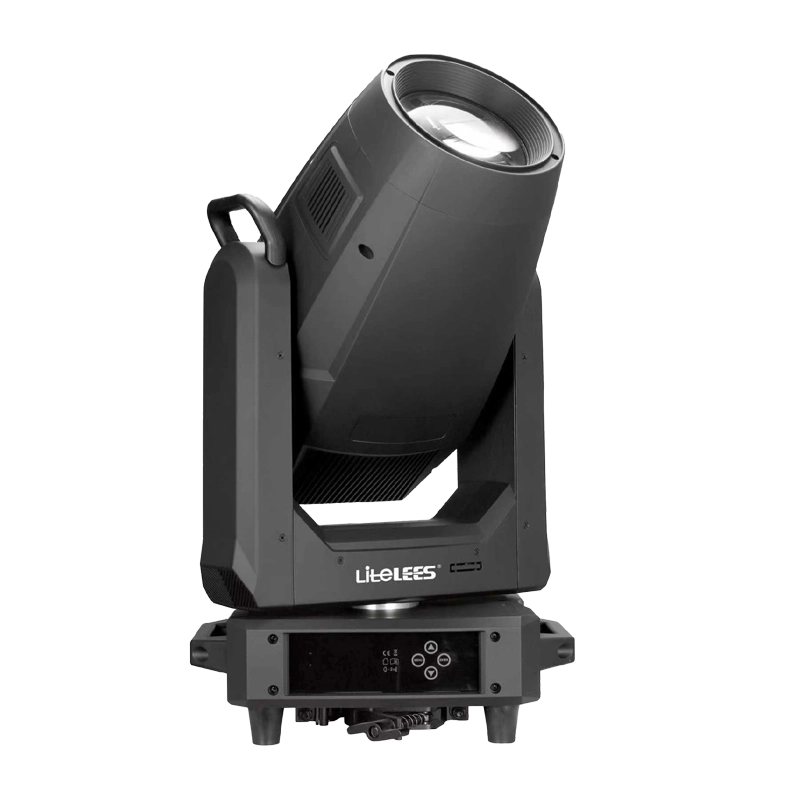
LP Profile 900
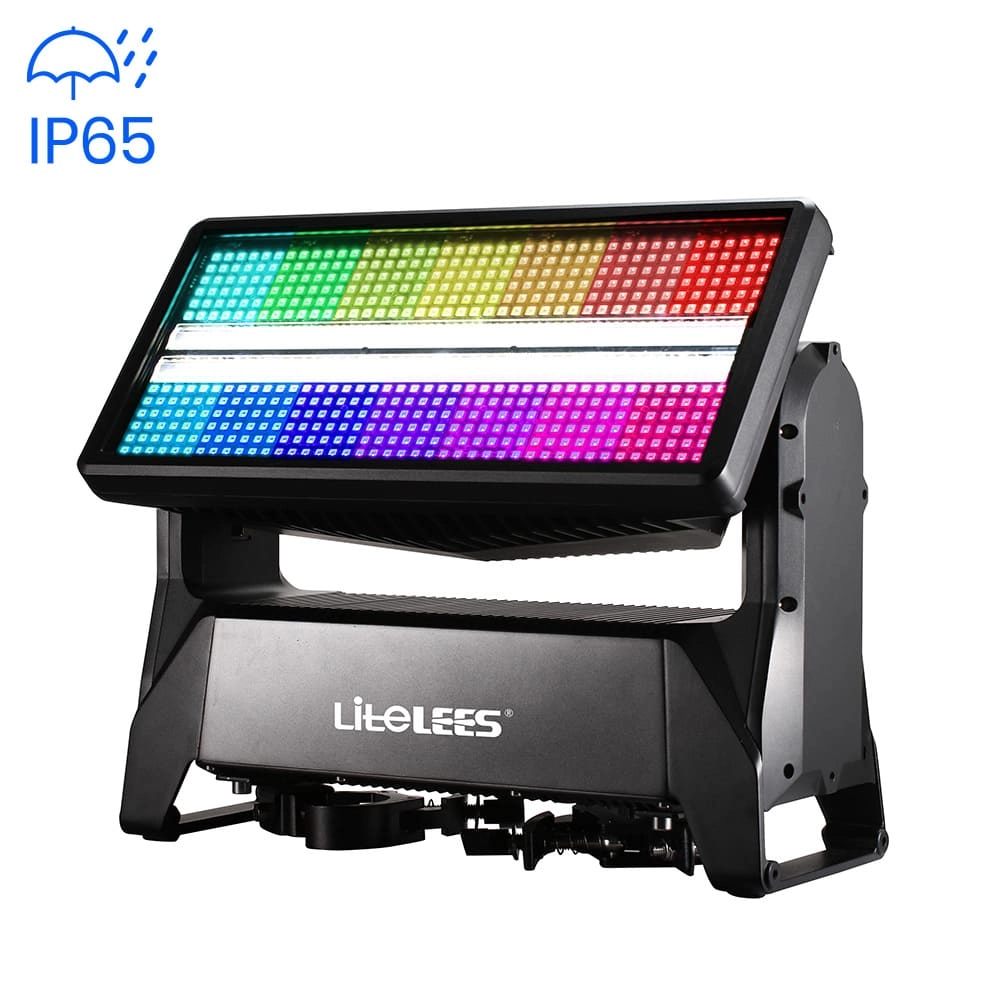
Stormy STRIKE M IP
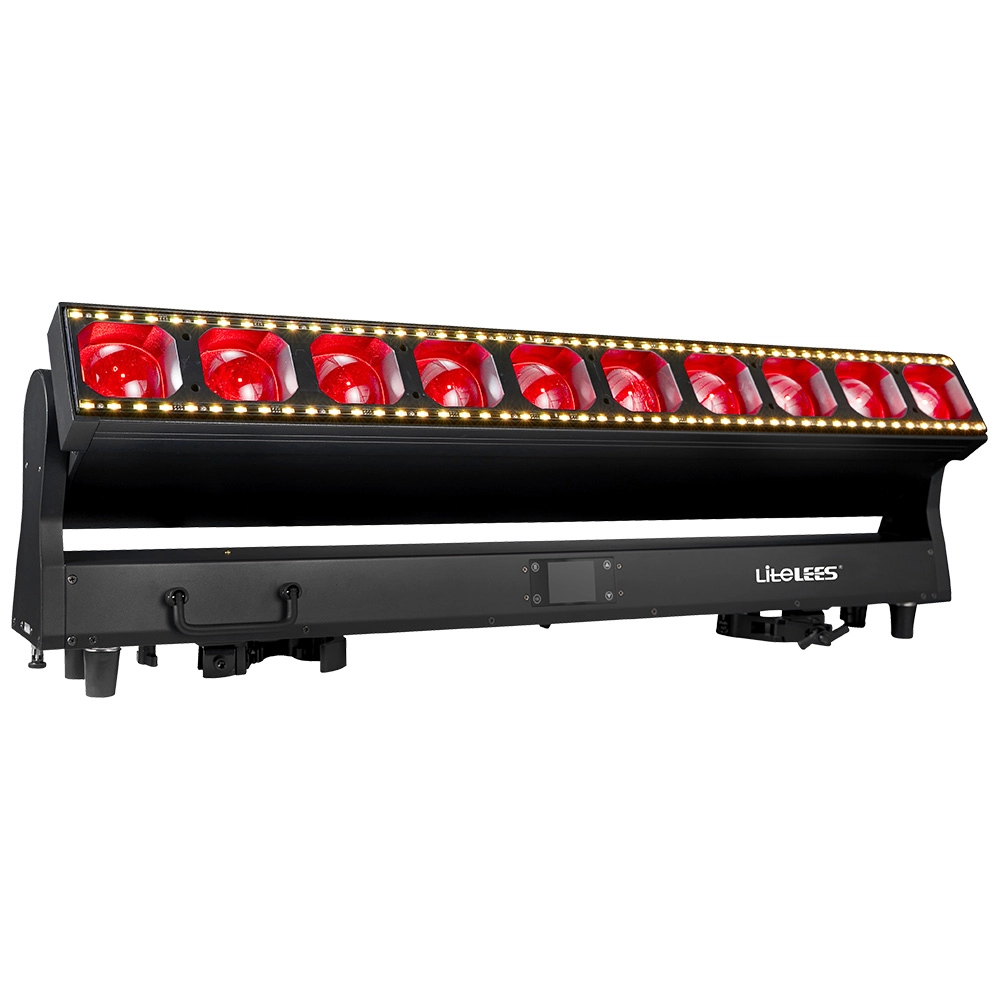
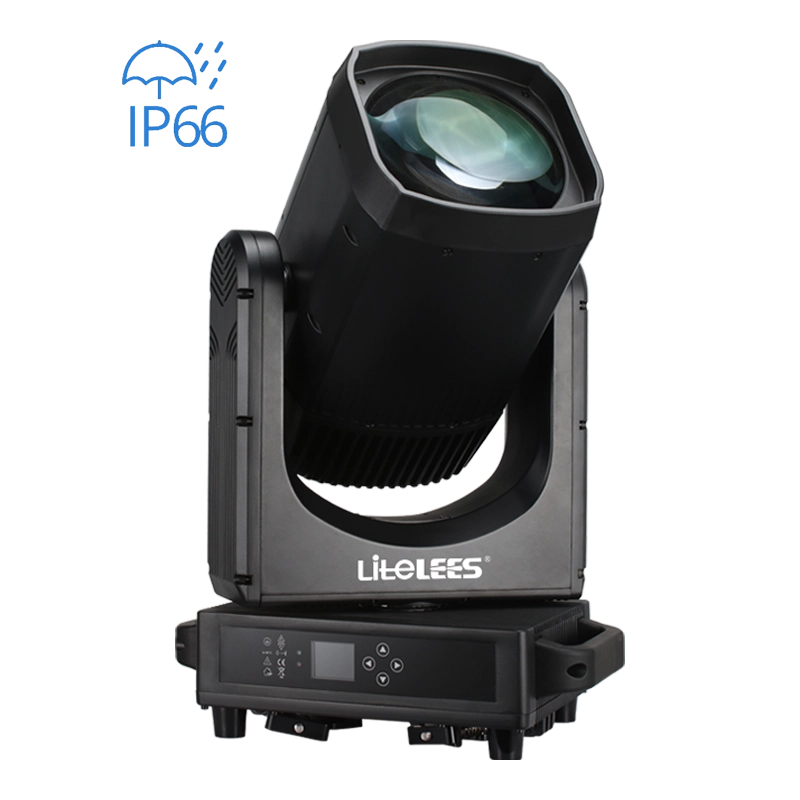
LiteLEES LUMIX BEAM 420 IP
Want to get more up-to-date news?
If you have any comments or good suggestions, please leave us a message; later our professional staff will contact you as soon as possible.

We are professional stage lighting manufacturers offering OEM and ODM LED stage lights.
Contact
Email us
Call us
Address
No.6 Longnan Road, Huashan Town, Huadu District Guangzhou, Guangdong Province, China.
LiteLEES Professional
Less Lighting