
LED stage lighting vs traditional: which is better to buy?
- 1. How do I compare real-world lux/illuminance between a 1000W tungsten fresnel and a 300W LED fresnel at 5 m for a mid-sized theatre?
- 2. Will LED stage lights flicker on high-speed/4K cameras and broadcast, and what specs/tests guarantee flicker-free operation?
- 3. How do I calculate Total Cost of Ownership (TCO) for LED stage lighting vs traditional over 3–5 years (including electric, lamp replacements, cooling, and maintenance)?
- 4. For touring rigs, which physical and electrical specs matter most—weight, inrush current, rigging points, and power factor—when comparing LED moving heads and older arc/halogen moving spots?
- 5. How do I choose between RGB, RGBW, RGBA, COB, and tunable white LEDs for accurate skin tones and reliable color rendering on-camera?
- 6. Are LED fixtures compatible with my existing dimmer racks and DMX infrastructure? What pitfalls (mains dimming, grounding hum, RDM, Art-Net) should I avoid when integrating LED stage lighting?
Lighting Stage Lighting: LED Stage Lighting vs Traditional — Which Is Better to Buy?
When buying stage fixtures—PARs, moving heads, fresnels or wash lights—professionals need more than marketing claims. Below are six specific, frequently asked long-tail questions beginners and even some experienced buyers find poorly answered online. Each answer includes practical checks, calculations, and spec thresholds you can use to compare LED stage lighting and traditional fixtures objectively.
1. How do I compare real-world lux/illuminance between a 1000W tungsten fresnel and a 300W LED fresnel at 5 m for a mid-sized theatre?
Why this matters: Manufacturers often list lumen output (a total light emitted) which hides beam shaping and beam angle. For stage work you need lux (illuminance) at the subject distance and the beam angle/field to plan plots and ensure punch on talent.
How to compare (step-by-step):
- Check the fixture spec sheet for: lumen output (lm), beam angle (°), and candela (cd) or lux at a listed distance if supplied. Candela is useful because lux = candela / distance^2 (for a point source approximation).
- If you only have lumens and beam angle, estimate peak candela: approximate useful luminous intensity (cd) ≈ lumens ÷ (2π(1 − cos(θ/2))) where θ is beam angle in radians. This converts total lumens into an intensity in the forward beam.
- Calculate lux at distance (d meters): lux = candela / d^2. For wide wash beams use lumen-to-lux conversion by dividing lumens by the illuminated surface area (π*(d*tan(θ/2))^2).
Practical example (conceptual): a 1000W tungsten fixture might emit very high lumens but large portion lost in lens/housing; a modern 300W LED fresnel with tight optics and efficient reflectors can equal or exceed tungsten lux on talent while consuming ≈70–80% less power. Important: LED fixtures quote fixture-lumen which already accounts for optical efficiency; legacy tungsten specs are often bulb-lumen only.
Purchase checklist:
- Ask vendors for measured lux charts at multiple distances, not just lumens.
- Request beam-spread and field-angle plots and compare candela or lux at your typical throw distances (3–10 m for many theatres).
- Factor in color filters: gel losses on tungsten reduce lux; LEDs often deliver color without gels so real-world output differs.
2. Will LED stage lights flicker on high-speed/4K cameras and broadcast, and what specs/tests guarantee flicker-free operation?
Why this matters: PWM dimming and driver refresh rates can produce visible banding or flicker on cameras shooting at high frame rates or under rolling shutters.
Key specs to check:
- Flicker-free rating: look for explicit claims such as flicker-free up to X fps and vendor test reports. For broadcast and high-speed cinematography, prefer fixtures tested beyond your max frame rate (e.g., 120–240 fps).
- PWM or driver modulation frequency—higher is better. Many pros look for >3 kHz for general use; for high-speed, constant-current linear dimming or >10 kHz smooth drivers are preferable.
- TLCI and CRI: cameras also reveal color instability; TLCI (Television Lighting Consistency Index) >90 is preferred for broadcast skin tones.
Practical tests to require or run:
- Ask the supplier for camera test footage at your target frame rates and shutter angles or record a sample yourself: set fixture to multiple dim levels (100%, 50%, 10%) and film with your target camera and frame rates under controlled conditions.
- Use a high-frame-rate phone camera (slow motion) to reveal low-frequency PWM flicker quickly during demonstrations.
Engineering notes: Some LED drivers use multi-phase or randomized PWM to hide flicker; others use constant-current regulation with linear dimming curves that are inherently more camera-friendly. For touring broadcast shows, buy fixtures that publish measured flicker charts or provide third-party test data.
3. How do I calculate Total Cost of Ownership (TCO) for LED stage lighting vs traditional over 3–5 years (including electric, lamp replacements, cooling, and maintenance)?
Why this matters: Up-front price differences can mislead buyers. LEDs often cost more initially but return savings in reduced electricity, lamp purchases, labor, shipping for spares, and cooling.
Simple TCO formula and example inputs:
- Annual energy cost = (fixture wattage ÷ 1000) × hours per year × electricity rate ($/kWh).
- Annual lamp/spare cost = (lamp replacement cost × replacements per year) + estimated maintenance labor.
- Cooling load (A/C) estimate: HVAC must remove roughly the same wattage as heat produced; assume 30–50% of fixture wattage becomes heat impacting cooling costs for traditional fixtures—LEDs produce less heat in the fixture but still dump heat into room via driver losses.
- TCO over N years = initial purchase price + sum of annual operating & maintenance costs discounted if needed.
Illustrative comparison (conceptual, use your local numbers):
- Traditional tungsten fixture: 1000 W, bulb life ~1,000–2,000 hrs; bulb replacement $50–$200; higher A/C load; less efficient optics.
- LED fixture: 250 W equivalent, rated L70 50,000+ hrs (no regular lamp replacements), initial cost higher but much lower electricity and maintenance.
Actionable steps:
- Gather actual wattage, lumen output and lifespan from spec sheets for the fixtures you compare.
- Plug in your hours/year and local $/kWh. For touring, include freight/insurance costs for spare bulbs and labor to replace lamps.
- Include disposal costs of hazardous bulbs (some traditional lamps are hazardous waste), and factor in downtime for shows when bulb replacement is needed.
Bottom line: For high-hour use (rehearsal cycles, frequent touring or residence shows) LED fixtures typically reach payback in 1–3 years due to energy and labor savings. Low-use niche venues may still favor cheaper traditional fixtures up-front, but inspect heat, safety and maintenance liabilities.
4. For touring rigs, which physical and electrical specs matter most—weight, inrush current, rigging points, and power factor—when comparing LED moving heads and older arc/halogen moving spots?
Why this matters: Touring imposes constraints on road cases, truck loadouts, and dimmer and distro capacity. LED moving heads often reduce weight and power draw, but they have high inrush currents and sensitive electronics.
Specs and thresholds to prioritize:
- Weight and compactness: lighter fixtures save truck space and reduce labor. Check fixture weight with yoke and flight-case-ready mounting points.
- Inrush current / cold-start: LEDs with switch-mode power supplies often show high inrush. Confirm inrush specs or measured cold-start current; soft-start or inrush-limiting distro is sometimes required to avoid nuisance tripping.
- Power Factor (PF): a PF ≥ 0.9 is desirable for professional venues; lower PF increases apparent power and may affect distro sizing.
- Rigging points & safety: rated M10/M12 points and SWL (safe working load) should be documented. Check physical durability—metal yokes, gearbox ratings, and IP if used outdoors.
- Control & connectivity: Art-Net/sACN, RDM, and reliable XLR/EtherCON and powerCON or Edison / 3P PowerCON connectors for touring robustness.
Operational tips:
- Use stage power distro with inrush limits or staggered power-up for many fixtures to avoid breaker nuisance trips.
- Specify fixtures with proven moving-head gearbox life cycles and manufacturer touring warranties (roadworthy/flight cases options).
5. How do I choose between RGB, RGBW, RGBA, COB, and tunable white LEDs for accurate skin tones and reliable color rendering on-camera?
Why this matters: Color mixing approach affects CRI/TLCI, saturation, and ability to reproduce natural skin tones—critical for theatres that host both drama and broadcast streaming.
Comparative guidance:
- RGB: Good for saturated colors and effects but limited in accurate whites and mid-tones. Expect lower CRI/TLCI for subtle skin tones unless supplemented.
- RGBW / RGBA / RGB+Amber: Adding white or amber LEDs increases gamut and improves pastel and skin-tone reproduction. RGBW provides a dedicated white channel that improves CRI and reduces metamerism on-camera.
- COB (Chip on Board) white LEDs: Deliver very smooth, continuous white light, often with high CRI (90+), and are excellent for warm-to-cool tunable whites. Great for washes and camera work.
- Tunable white / CCT control: If your shows require precise color temperature (e.g., 2700K–6500K) to match set lighting or camera white balance, select fixtures offering continuous CCT with high TLCI values.
Spec numbers to demand:
- CRI (Ra): aim for ≥ 90 for theatrical work where accurate color is required.
- TLCI: for broadcast, TLCI ≥ 90 is preferable; request manufacturer or third-party TLCI data.
- Gamut volume or spectral power distribution (SPD): when available, SPD graphs show how balanced the spectrum is compared to incandescent sources.
Practical advice: For mixed-use venues (live + streaming), prioritize fixtures that provide RGBW/amber with good CRI/TLCI or COB tunable whites. Test fixtures on-camera in your usual operating white balance and lighting ratios prior to purchase.
6. Are LED fixtures compatible with my existing dimmer racks and DMX infrastructure? What pitfalls (mains dimming, grounding hum, RDM, Art-Net) should I avoid when integrating LED stage lighting?
Why this matters: Many beginners assume LED fixtures will work like incandescent units on triac dimmers or legacy dimmer racks. This can cause damage, flicker, and unreliable operation.
Compatibility rules:
- Do NOT connect LED fixtures designed for direct mains power to traditional triac (phase) dimmer racks unless the manufacturer explicitly states compatibility. LEDs generally require constant-current drivers or electronic dimming via DMX/0–10V protocols.
- Prefer DMX512 control (or Art-Net/sACN) direct to the fixture. If you must use a dimmer rack, use an LED-rated dimmer or a purpose-built LED dimmer pack recommended by the fixture vendor.
- Watch ground loops and audio hum—LED drivers and power supplies can introduce noise. Ensure proper grounding and use isolated audio lines where necessary.
- Use RDM capable fixtures for remote addressing and status monitoring, which speeds touring setup and reduces human errors.
Electrical/data considerations:
- Confirm mains voltage compatibility (100–240V auto-switching vs single-range models) and inrush current ratings for breaker sizing.
- Check connectors: robust powerCON True1 (or socapex / stage pin) and EtherCON/XLR locking data connectors reduce failures on tour.
- Plan for DMX termination and line drivers for long cable runs; consider sACN/Art-Net for large pixel-mapped arrays.
Integration checklist before purchase:
- Request a wiring diagram of how the fixture expects control and power.
- Ask for measured inrush and PF specs to size your distro and breakers correctly.
- Confirm warranty support if fixtures are used with your existing dimmer infrastructure—some manufacturers void warranties if used with phase dimming not specified.
Concluding summary — advantages of LED stage lighting over traditional fixtures
LED stage lighting delivers significant advantages for most professional applications: higher energy efficiency (often 60–85% lower wattage for equivalent perceived output), greatly reduced lamp replacement and maintenance costs, lower heat output in fixture housings (improving stage comfort and reducing HVAC load), longer rated lifespans (typical L70 ranges from ~50,000 to 100,000+ hours for quality LEDs), improved control flexibility (pixel mapping, DMX/RDM, Art-Net/sACN), and better options for color rendering when you choose RGBW/COB/tunable-white fixtures with high CRI/TLCI. For touring rigs the reduced weight and compact footprints lower logistics cost, while careful attention to inrush, power factor and flicker specs ensures broadcast-safe performance. Traditional tungsten/HMI fixtures still offer specific visual characteristics and immediate dimming behavior but generally at higher operating and maintenance cost.
If you want a tailored comparison for your venue, load-in profile or broadcast requirements, contact us for a quote and system design recommendation: www.litelees.com or litelees@litelees.com.
Company
Do you have your own factory?
Yes. We own a sheet metal factory and a complete in-house production line—from PCB to final assembly—ensuring strict quality control and fast delivery.
Where is LiteLEES located?
Our headquarters and manufacturing facility are located in Guangzhou, China, with products exported to over 70 countries worldwide.
Products
What is the lifespan of your LED stage lights?
Our LED lights use high-quality chips with a rated lifespan of over 50,000 hours. Proper usage and maintenance ensure long-term reliability and stable performance, making them a smart investment for any venue.
Are your lights suitable for large-scale events and outdoor use?
Yes. Our professional stage lights—especially the Beam, BSW 3-in-1, and LED Par Series—are engineered with high-output brightness, wide beam angles, and robust housing. Some models come with IP-rated protection, making them suitable for outdoor applications like concerts, festivals, and sports events.
How long is the warranty period for your products?
We offer a standard 1-year warranty on all products, with extended warranty options available upon request. During the warranty period, we provide free technical support and parts replacement for non-human damage.
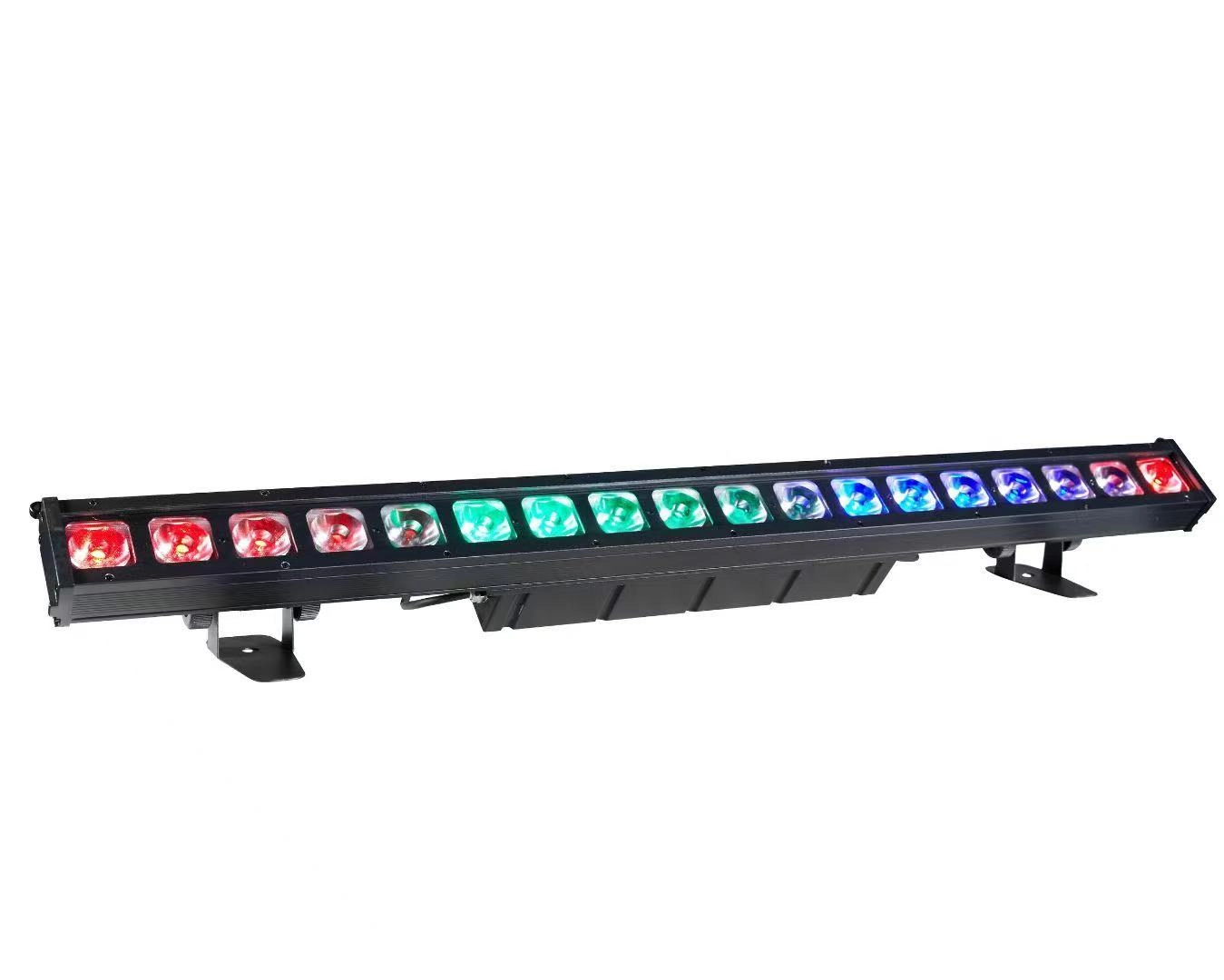
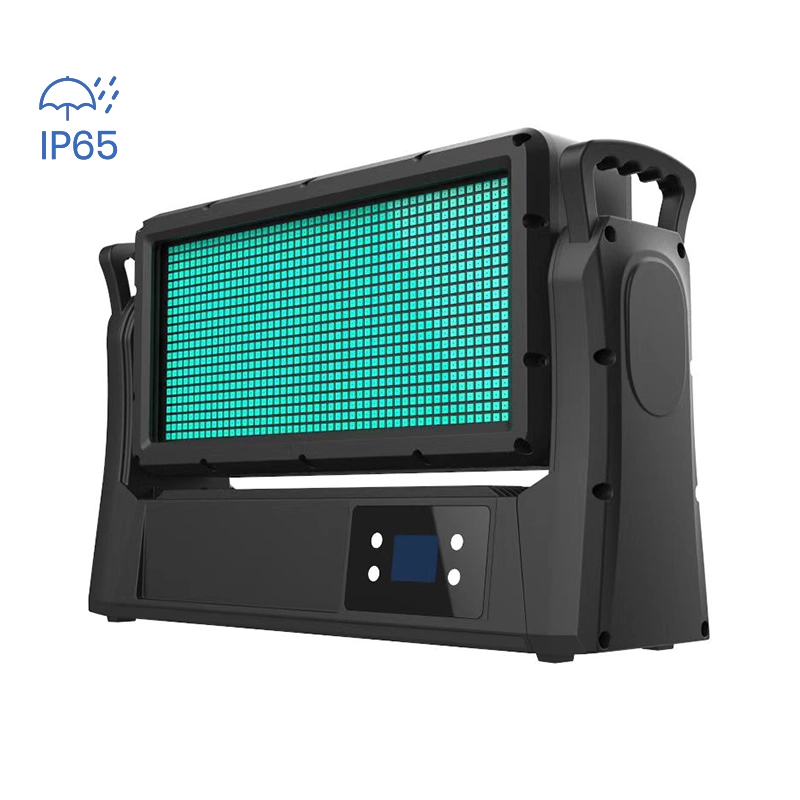
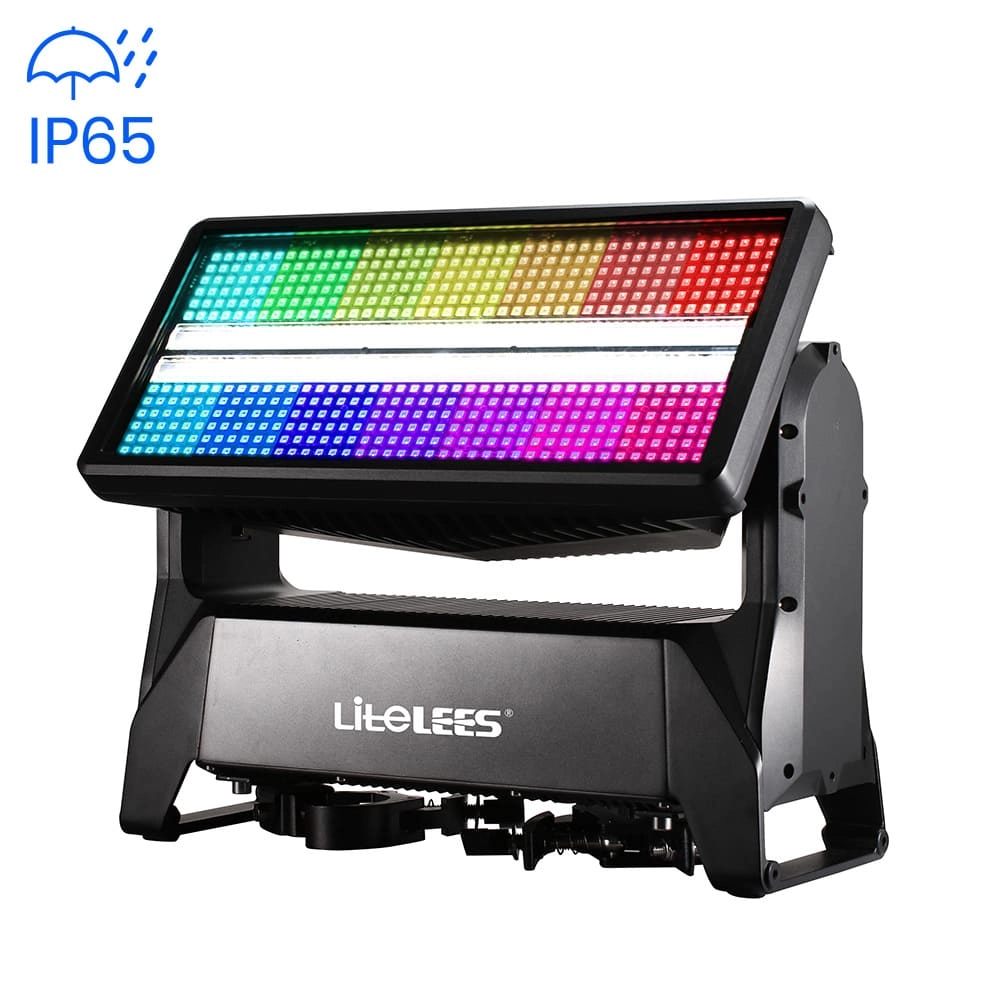
Stormy Supreme 600 IP
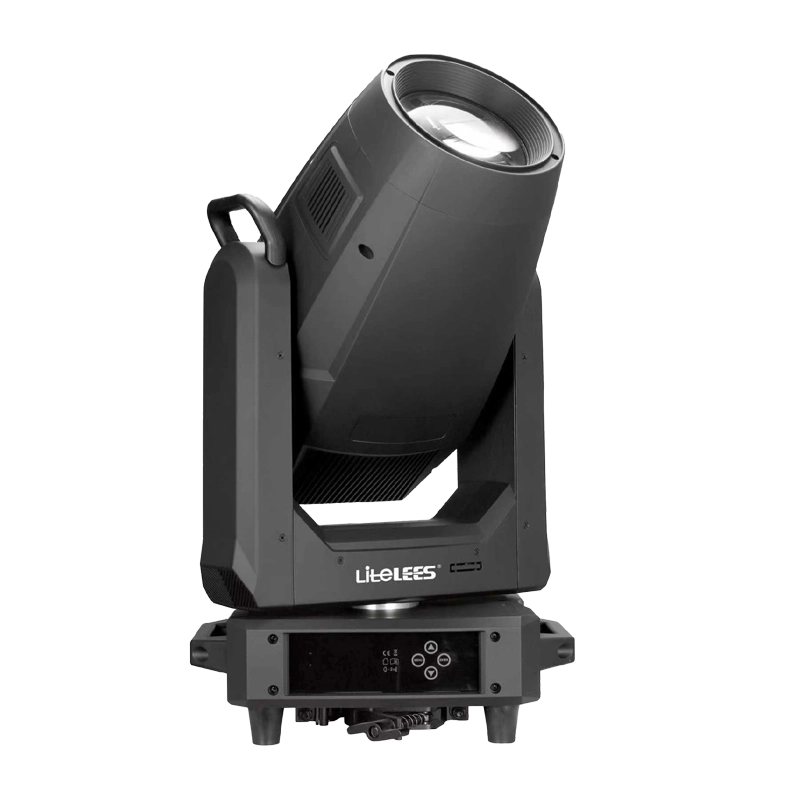
LP Profile 900
Stormy STRIKE M IP
Want to get more up-to-date news?
If you have any comments or good suggestions, please leave us a message; later our professional staff will contact you as soon as possible.

We are professional stage lighting manufacturers offering OEM and ODM LED stage lights.
Contact
Email us
Call us
Address
No.6 Longnan Road, Huashan Town, Huadu District Guangzhou, Guangdong Province, China.
LiteLEES Professional
Less Lighting