
Which LED stage lighting features matter for touring companies?
- 1. How do I calculate real-world power and dimmer requirements for a touring rig of 50 LED fixtures to avoid tripping generators?
- 2. What LED fixture specifications (lux, beam, CRI/TLCI, flicker) should I prioritize when touring for broadcast-heavy productions?
- 3. Which IP rating and ingress-protection details are sufficient for outdoor touring without overpaying?
- 4. How do I evaluate fixture serviceability and spare-part logistics before buying for a global tour?
- 5. What are realistic weight, rigging, and pack-in/out metrics to budget labor and truck space for a 100-fixture moving-head tour?
- 6. Which DMX/network and control features (sACN, Art-Net, RDM, Wireless DMX) are non-negotiable for multi-venue touring companies?
1. How do I calculate real-world power and dimmer requirements for a touring rig of 50 LED fixtures to avoid tripping generators?
Begin with manufacturer datasheets — they provide two key electrical figures you must not ignore: continuous (running) power draw (W) and inrush/start-up current (A). For reliable touring operation follow this process:
- Inventory actual ratings: list each fixture model's rated wattage, rated input voltage (115/230 V), and rated power factor (PF). Also record the manufacturer-listed inrush current or turn-on surge if provided.
- Sum running wattage and include headroom: total_running_W = sum(all fixture wattage). Add 20–30% headroom for unforeseen loads and dimmer non-linearity. Touring best practice: plan for 25% headroom.
- Check generator and distro capacities: ensure supply amps = total_running_W / voltage <= generator continuous rating minus house loads (sound, HVAC). Use three-phase balancing where possible to avoid single-phase overloads.
- Consider power factor and true current: use amps = (W / V) / PF. Many modern LED fixtures have PF >= 0.9, but always use the actual PF from the datasheet. If PF isn't listed, contact the manufacturer — assume PF 0.7–0.8 only if older or cheaper drivers.
- Account for inrush: multiple fixtures switched on simultaneously can create high instantaneous currents tripping upstream breakers. If you lack inrush data, avoid all-on power-ups. Stagger power-ons in groups (e.g., 5–10 fixtures per second), use soft-start distribution (staggered PDUs or inrush-limiting hardware), or install inrush limiters/soft-start modules.
- Use dedicated circuits and distribution: place high-draw groups on separate protected feeds with correct breaker sizing and use PowerCON TRUE1 or stage-rated connectors. For long cable runs, compute voltage drop and size conductors accordingly.
- Example calculation method (no fabricated numbers): get each fixture W and PF, compute per-fixture amps, sum, add 25% headroom, compare to generator rating; then plan staggered power-on to mitigate inrush.
Why this matters: undersizing generators or ignoring PF/inrush is the most common cause of locked-out shows. Asking for real measured inrush and PF from the vendor before purchase eliminates surprises.
2. What LED fixture specifications (lux, beam, CRI/TLCI, flicker) should I prioritize when touring for broadcast-heavy productions?
Broadcast creates strict visual requirements. Prioritize these measurable specs and testing steps:
- Flicker performance: require fixtures certified flicker-free at the camera frame rates you’ll use (24–60 fps and high-speed up to 120–240 fps if applicable). Instead of vague “flicker-free” claims, get PWM or LED driver frequency data and ask for on-camera test footage at your shutter speeds. Many fixtures use high PWM frequencies or constant-current drivers; verify results on the specific cameras and lenses you’ll have.
- Spectral quality: insist on TLCI (Television Lighting Consistency Index) and CRI/Tc values. For broadcast, target TLCI ≥ 90 and CRI ≥ 90 for reliable skin-tone rendering. TLCI is a more camera-relevant metric than CRI because it predicts camera color correction needs.
- Color temperature accuracy and CTO/CTB: ensure fixtures offer stable correlated color temperatures (CCT) across intensities and accurate CTO/CTB adjustment. Spectral power distribution (SPD) charts from the manufacturer help predict color mixing behavior on camera.
- Output and beam quality: specify lux at distance or lumen output appropriate to fixture type (spot, beam, wash). Ask for photometric curves or lux-at-distance tables with defined beam angles. For TV broadcast, look for smooth beam edges in wash fixtures and well-defined beam profile for spots.
- Dimming curve and control: require linear (or selectable) dimming curves optimized for camera exposure; avoid stepped or non-monotonic dimming. Ensure fixtures support industry-standard dimming curves and show demonstrable smooth fades on-camera.
- On-site verification: demand camera test clips from the manufacturer or rent-and-test before committing. If a supplier resists on-camera testing, treat that as a red flag.
Prioritizing TLCI, verified flicker-free behavior, stable CCT, and on-camera tests will prevent expensive re-rigs and post-production color fixes.
3. Which IP rating and ingress-protection details are sufficient for outdoor touring without overpaying?
Choosing the right IP rating reduces cost while protecting gear. Use these practical rules:
- Understand the IEC 60529 IP code basics: first digit (solid ingress/dust), second digit (water ingress). IP54: protection from limited dust ingress + splashing water. IP65: dust-tight + protection from low-pressure water jets.
- Match rating to exposure: for covered festival stages and covered outdoor rigs where fixtures are shielded from direct rain, IP54 or IP55 may be acceptable. For fully exposed outdoor runs (open-air stages with risk of jets of water from rain or washdown), aim for IP65 or higher. If you need dust-tight and water jet protection, choose IP66/IP67-rated fixtures.
- Look beyond the number: check connectors and service points. IP-rated fixtures must include sealed power and data connectors (e.g., PowerCON TRUE1 IP65, Neutrik XLR/IP-sealed), sealed cable glands, and sealed access panels. If the fixture body claims IP65 but uses non-sealed connectors, the real-world protection is compromised.
- Consider thermal management and condensation: sealed fixtures can trap moisture and heat. Check manufacturer guidance on operating temperature, forced ventilation vs. passive cooling, and condensation mitigation (desiccant packs, automatic vents) for touring in humid climates.
- Lifecycle cost tradeoff: IP65 fixtures cost more and may be heavier. For a mixed tour schedule (indoor theatres + some outdoor festival dates), maintain a mixed fleet and deploy IP-rated units only where necessary; alternatively, use protective housings or weatherproof covers for non-IP fixtures on short exposed runs.
Decision matrix: choose IP54–55 for mostly covered outdoor use; IP65+ for full exposure. Always verify sealed connectors and service access design, not just the IP number.
4. How do I evaluate fixture serviceability and spare-part logistics before buying for a global tour?
Downtime kills tour budgets. Evaluate vendors and fixtures for maintainability and logistic practicality:
- Modular design: prefer fixtures with modular LED engines, field-replaceable drivers, quick-change fans, and plug-and-play optical modules. Modular parts reduce mean time to repair (MTTR) and often require only basic tools.
- Replaceable maintenance items: ensure consumables (fans, filters, small power modules) are easy to swap and widely available. Confirm part numbers and expected lead times from the vendor.
- Onboard diagnostics and RDM: fixtures with RDM support report status (temperature, lamp/LED errors, firmware versions). RDM can save hours during troubleshooting on a rig.
- Firmware update process: ask whether firmware updates can be done in the field via DMX/RDM, USB, or a web interface, and whether updates are reversible. Vendors that push cloud-only updates or require factory returns are riskier for tours.
- Spare-part network and service centers: map vendor-authorized service centers in your touring territories. For global tours, pick vendors with local authorized repair centers or fast international shipping. Ask the vendor for historical turnaround times for common repairs.
- Recommended spare strategy: keep 5–10% of your active fleet as spares (minimum one of each model), plus common spare parts (fans, power supplies, driver boards). For high-value spot fixtures, increase spares proportionally.
- Warranty and SLA: confirm warranty length, what is covered on tour (consumer vs commercial use), and the SLA for RMA turnaround. Negotiate options for overnight replacement or on-site loaners during multi-week contracts.
Make maintenance requirements and spare logistics a procurement decision factor equal to price and output. A better-supported fixture often costs less in total tour-day downtime.
5. What are realistic weight, rigging, and pack-in/out metrics to budget labor and truck space for a 100-fixture moving-head tour?
You need repeatable metrics to plan trucking, road cases, and crew hours. Use these steps and realistic ranges:
- Collect exact measurements: get per-fixture weight, packed weight in road cases, and road-case external dimensions from the manufacturer or distributor. Don’t rely on approximations from marketing materials.
- Typical ranges (industry-observed): compact LED moving washes/spots often weigh 12–25 kg per unit; larger class moving heads or profile fixtures can weigh 25–45+ kg. Road-case packed densities vary: 1–4 fixtures per case depending on size.
- Calculate truck volume and weight: total_packed_weight = sum(pack_weight of each case). Total_packed_volume = sum(case_volume). Compare to vehicle payload and cubic capacity. Remember rigging hardware, truss, clamps, stands, cabling, accessories and spares also occupy weight and space.
- Labor and time budgeting: establish pack-in/out times per fixture using a baseline: experienced crew can hang, clamp, and power up a fixture in 3–10 minutes; inexperienced crews may take 15–30 minutes. For focus and aiming add extra time per fixture (5–20 minutes). Multiply by crew size to get total labor hours; include time for cable management and safety checks.
- Rigging load planning: request certified suspension points and calculate point loads. Use manufacturers’ Safe Working Load (SWL) numbers and factor in safety multipliers per local codes. Balance truss loads across three-phase power to avoid unbalanced distribution.
- Road-case and handling ergonomics: choose cases with forklift pockets, removable lids, and balanced internal padding. A good road-case design reduces handling time and damage risk.
Bottom line: verify exact packed weights and dimensions before bidding a show. Budget for both weight (kg) and volume (m3) plus conservative crew-hours—underestimating either is a common rookie mistake.
6. Which DMX/network and control features (sACN, Art-Net, RDM, Wireless DMX) are non-negotiable for multi-venue touring companies?
Control compatibility and network resilience are mission-critical. Require these features and behaviors from fixtures:
- DMX512-A + opto-isolation: all fixtures should fully support DMX512-A and tolerate long cable runs. Prefer fixtures with opto-isolated DMX inputs and robust ground management to avoid noise.
- RDM support: Remote Device Management (RDM) is essential for remote addressing, status reads (temperature, errors) and firmware updates on tour. Insist RDM is fully implemented, not a limited subset.
- sACN and Art-Net: for multi-universe shows, Art-Net and sACN support is required. sACN is widely used for large-scale, low-latency distribution; Art-Net compatibility provides flexibility with older systems. Confirm maximum universes and recommended packet rates.
- Wireless DMX with proven radio tech: require support for a reputable wireless DMX protocol (e.g., LumenRadio CRMX or W-DMX) if you plan untethered fixtures. Test range and behavior near RF-dense stages. Ensure fixtures can bridge between wired and wireless gracefully.
- Network redundancy and timeouts: fixtures should handle network drops predictably (hold last state or safe default), provide configurable timeout behaviors, and support multiple network ports for daisy chaining or redundant paths.
- Modern streaming protocols: if you operate large distributed installs or include audio/visual integration, check for AES67 or sACP compatibility in the ecosystem. While not mandatory for all tours yet, being aware of network audio/video sync needs is forward-looking.
- Console and ecosystem testing: before procurement, validate fixtures with the control consoles you use (grandMA, Hog, ETC, etc.). Practical compatibility testing is more valuable than protocol checkboxes.
Firm requirement checklist: DMX512-A + RDM + sACN/Art-Net + wireless DMX option + predictable timeout behavior. Those features minimize control headaches across venues.
Summary of advantages: Choosing LED stage lighting with properly documented power profiles, broadcast-grade TLCI and flicker performance, appropriate IP rating, field-serviceable modular hardware, realistic weight/pack metrics, and modern network control reduces tour risk, minimizes downtime, simplifies logistics, and delivers consistent visual quality across venues. These decisions lower total cost of ownership and improve reliability on the road.
Contact us for a personalized quote and fleet assessment: www.litelees.com or email litelees@litelees.com.
Products
Are your lights suitable for large-scale events and outdoor use?
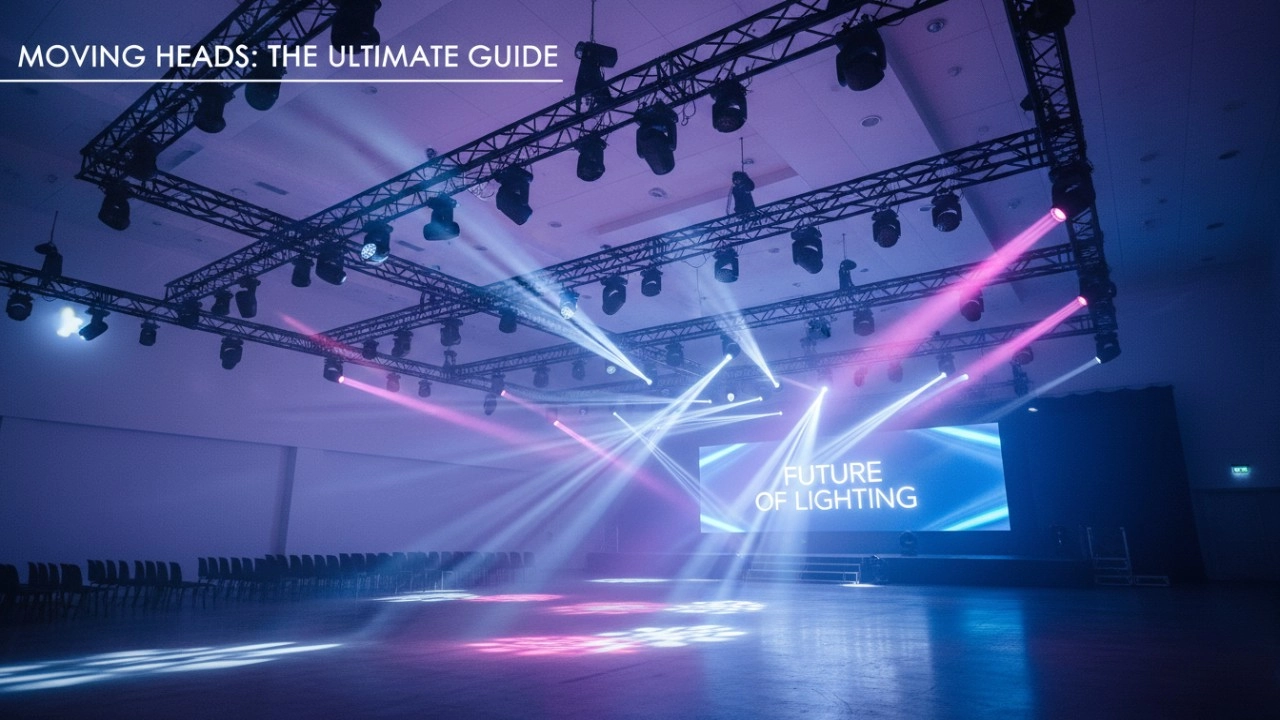
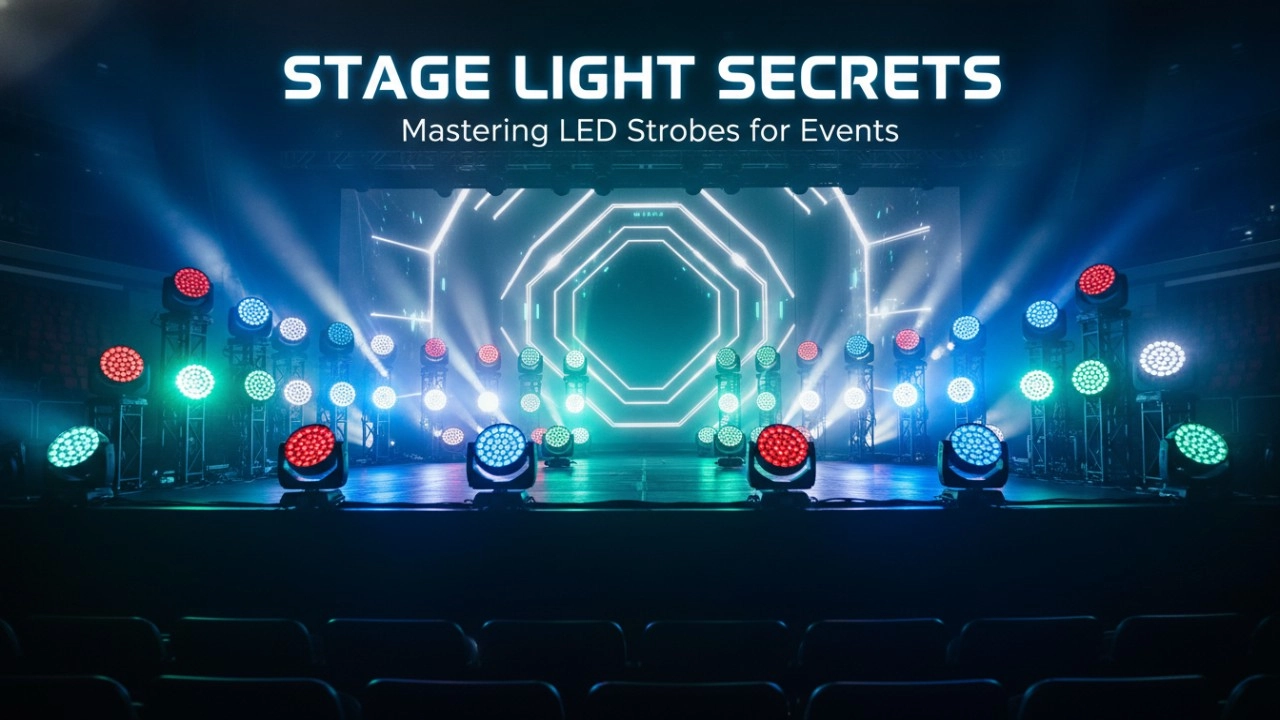
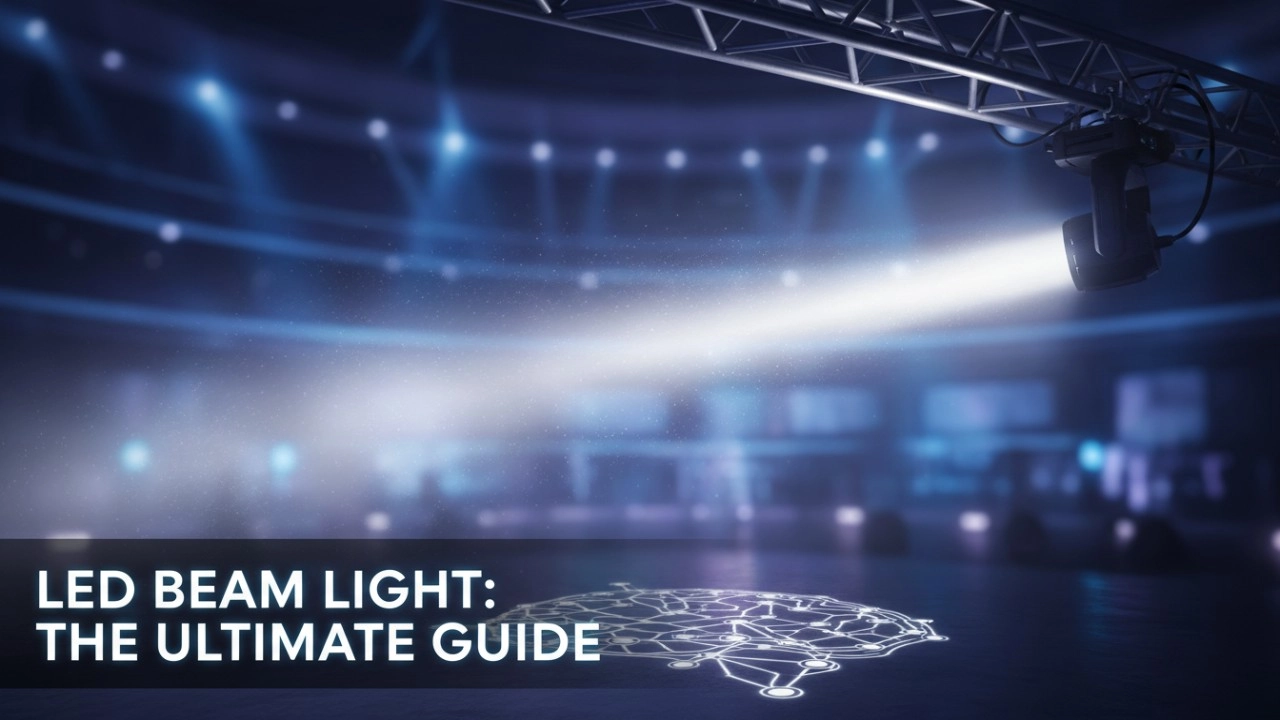
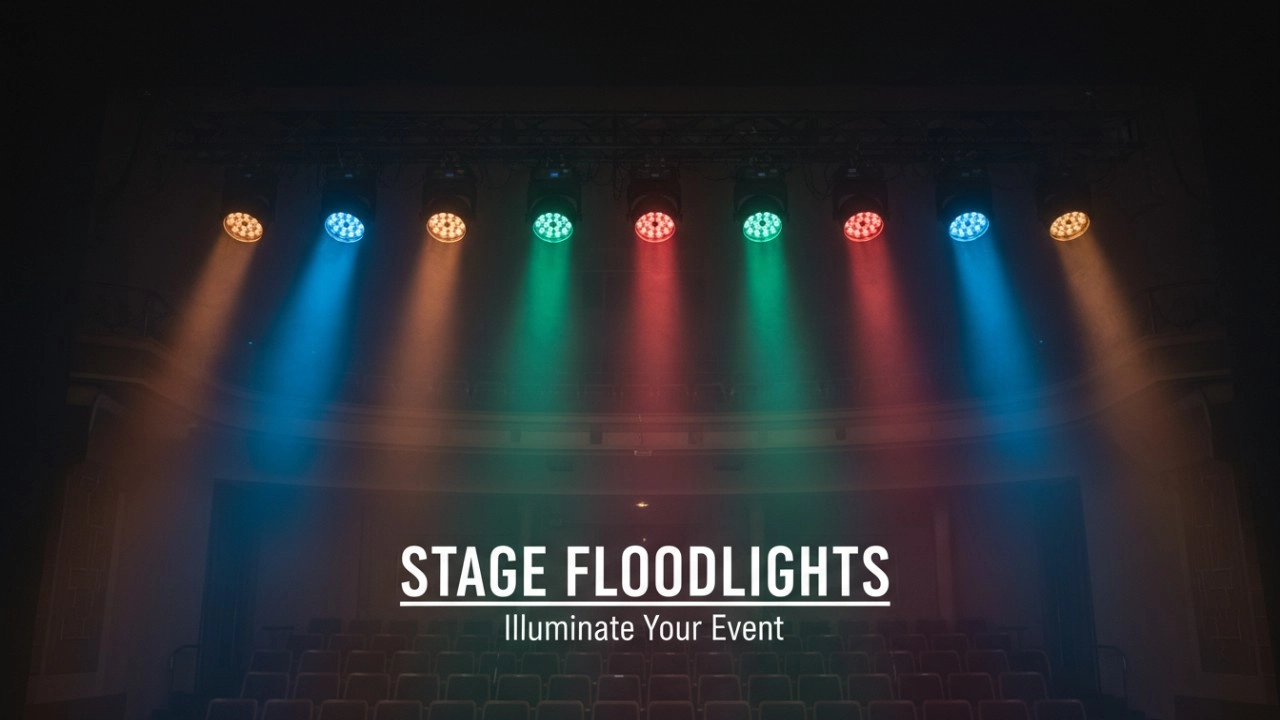
Yes. Our professional stage lights—especially the Beam, BSW 3-in-1, and LED Par Series—are engineered with high-output brightness, wide beam angles, and robust housing. Some models come with IP-rated protection, making them suitable for outdoor applications like concerts, festivals, and sports events.
How long is the warranty period for your products?
We offer a standard 1-year warranty on all products, with extended warranty options available upon request. During the warranty period, we provide free technical support and parts replacement for non-human damage.
Do your lights support DMX512 and other control protocols?
Yes. All LiteLEES stage lights are fully compatible with DMX512. Many models also support RDM, Art-Net, and wireless DMX (optional), ensuring seamless integration with modern lighting control systems.
Company
Can LiteLEES handle OEM/ODM orders?
Absolutely. With our strong R&D capabilities and advanced manufacturing, we can customize designs, features, and branding to meet your specific needs.
Where is LiteLEES located?
Our headquarters and manufacturing facility are located in Guangzhou, China, with products exported to over 70 countries worldwide.
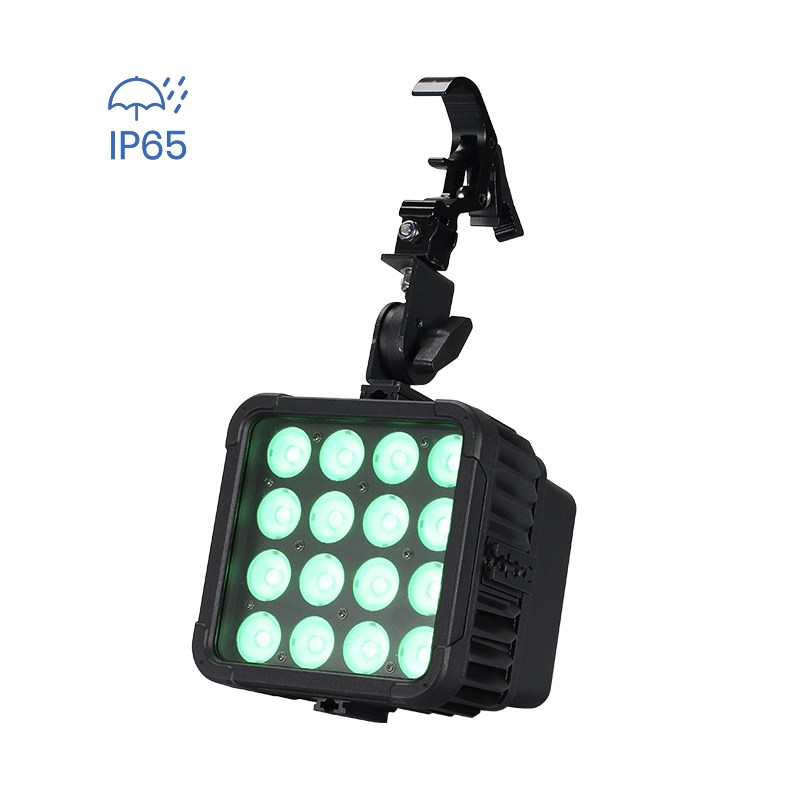
Magic Cube V6 IP
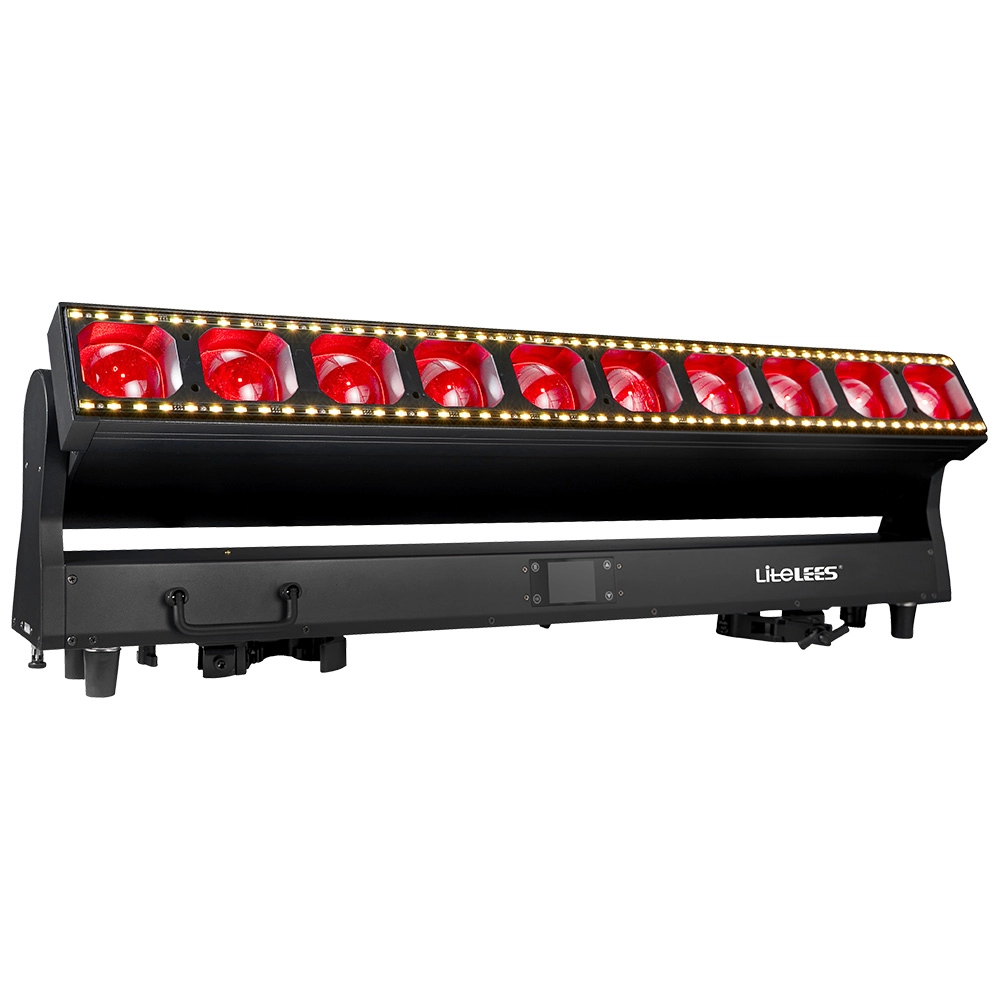

Stormy Shake Blinder IP
Want to get more up-to-date news?
If you have any comments or good suggestions, please leave us a message; later our professional staff will contact you as soon as possible.

We are professional stage lighting manufacturers offering OEM and ODM LED stage lights.
Contact
Email us
Call us
Address
No.6 Longnan Road, Huashan Town, Huadu District Guangzhou, Guangdong Province, China.
LiteLEES Professional
Less Lighting