
Which LED stage lighting offers the best color rendering (CRI)?
- 1) Which LED stage fixtures actually deliver CRI 95+ and truthful skin tones on camera at 3200K?
- 2) How should I weigh CRI vs. TLCI vs. TM-30 when buying LED stage lights for live broadcast?
- 3) Are RGB(W)/RGBA/RGBAL or tunable white (high-CRI) wash lights better for natural colors and skin tones?
- 4) What exact CRI/R9/Duv and flicker specs should I demand to avoid green/magenta shifts and camera banding?
- 5) How do I test a sample LED stage fixture on-site to validate the manufacturer's CRI/TLCI claims before bulk purchase?
- 6) For outdoor concerts and festivals, which high-CRI LED moving heads maintain color accuracy under heat and weather (IP65) — what spec sheet items matter most?
1) Which LED stage fixtures actually deliver CRI 95+ and truthful skin tones on camera at 3200K?
Answer:True CRI 95+ performance, especially for skin tones at theatrical 3200K, is most often achieved by fixtures that use high-CRI white LED emitters (phosphor-converted LEDs or high-CRI COB modules) rather than pure RGB mixing alone. Key points to check:
- Ask for measured Spectral Power Distribution (SPD) and a CRI (Ra) report. A claimed CRI 95 should be supported by an SPD and test report from a spectroradiometer or an accredited lab.
- Request R9 (saturated red) values. Ra (average CRI) often hides red reproduction problems because Ra is an average of several samples (R1–R8). For natural skin tones, require R9 > 50 as a minimum; R9 ≥ 90 is exceptional but rare and usually seen on specialty high-CRI white LEDs.
- Prefer fixtures that publish TM-30 metrics: fidelity (Rf) > 90 and gamut (Rg) close to 100 indicate accurate and natural-looking colors across a broader set of test samples than CRI alone.
- Practical choices: COB warm-white wash fixtures and hybrid designs (high-CRI white emitter plus color-mixing LEDs like RGBAW or RGB+lime+amber) will reproduce skin tones better than RGB-only fixtures. For camera work, also check TLCI values (see Q2).Why this matters: A fixture labeled high CRI but with low R9 or a shifted Duv (green/magenta tint) will produce pleasing whites on paper but poor flesh tones on camera and in person.
2) How should I weigh CRI vs. TLCI vs. TM-30 when buying LED stage lights for live broadcast?
Answer:These three metrics measure different things; for live broadcast you should consider all three:
- CRI (Ra): an older metric (average of R1–R8) useful as a quick baseline. For stage/broadcast, require CRI ≥ 90; CRI ≥ 95 is preferable for high-end theatrical or close-up camera work.
- TLCI (Television Lighting Consistency Index): developed for camera workflow; TLCI ≥ 90 is generally recommended for broadcast to minimize camera color correction. TLCI predicts how much a camera's color grading will need to be corrected.
- TM-30 (by IES): gives Rf (fidelity) and Rg (gamut). Aim for Rf > 90 and Rg close to 100. TM-30 is more comprehensive than CRI and better at revealing color shifts across many hues.How to combine them in specs:
- Minimum purchase spec for mixed live/audiovisual use: CRI ≥ 90, R9 ≥ 50, TLCI ≥ 90, TM-30 Rf > 90 if available. For close-up broadcast: tighten to CRI ≥ 95, R9 ≥ 70, TLCI ≥ 95, TM-30 Rf > 92.
- Always ask for SPD and measured numbers rather than trusting single metrics—camera pipelines and human perception can differ.
3) Are RGB(W)/RGBA/RGBAL or tunable white (high-CRI) wash lights better for natural colors and skin tones?
Answer:This is a common trade-off for beginners:
- RGB-only mixing: creates saturated colors and bright saturated stage effects, but it struggles to reproduce pastel tones and accurate whites, and often yields poor skin tones because it lacks a dedicated white emitter and sufficient red spectral energy.
- RGBW/RGBA/RGBAL (adding white, amber, lime, or additional channels): expands the gamut and can deliver better whites and skin tones. Adding amber and lime specifically improves warm tones and pastel rendering.
- Tunable high-CRI white (dual-mode fixtures or fixtures that include a dedicated high-CRI white LED): gives the most reliable neutral whites and the best baseline for skin tones. When combined with color mixing channels, tunable-white + color channels gives both accurate white and rich colors.Practical recommendation:
- For primarily theatrical or camera work (where natural skin tones matter), choose fixtures with a dedicated high-CRI white LED (CRI 90–95) or COB warm white plus color channels for effects.
- For purely theatrical/concert effects where color saturation matters more than natural whites, high-quality RGBA/RGBW fixtures can be acceptable if you’re aware of their limitations on skin tone rendering.
4) What exact CRI/R9/Duv and flicker specs should I demand to avoid green/magenta shifts and camera banding?
Answer:Specify measurable thresholds in your purchase requisition:
- CRI (Ra): ≥ 90 (≥ 95 for High Quality broadcast/theatre close-ups).
- R9 (saturated red): ≥ 50 minimum; ≥ 70 recommended for accurate skin tones; R9 values ≥ 90 indicate exceptional red fidelity (rare and costlier).
- Duv (ANSI chromaticity displacement): between -0.003 and +0.003. Duv outside that small window will visibly shift whites toward green or magenta, which is hard to correct in camera and visually noticeable on stage.
- TM-30: Rf > 90 and Rg near 100 when available.
- Flicker/PWM frequency and camera compatibility: verify flicker-free operation at common camera frame rates. Practical specs: LED drivers that modulate at high frequency (>10 kHz or higher) are much less likely to produce banding. For broadcast, request flicker testing results or a statement of camera-safe operation at 24/25/30/50/60 fps and typical high-speed modes.
- Additional: ask for IEC/EN/UL safety and EMC compliance, and, if needed, IP rating for outdoor fixtures.
5) How do I test a sample LED stage fixture on-site to validate the manufacturer's CRI/TLCI claims before bulk purchase?
Answer:A simple, repeatable on-site test protocol (tools: color-checker, spectrometer or color meter, camera, lux meter, smartphone high-speed camera for flicker check):
- Request the manufacturer's SPD, CRI, R9, TLCI, TM-30 (if available) and Duv values in writing.
- Spectrometer measurement: if you have access to a spectroradiometer, measure SPD and compute CRI/TM-30/TLCI. If not, rent one or ask the vendor for a third-party measurement.
- ColorChecker test: place an X-Rite or similar color chart in the beam at a consistent distance. Photograph with your camera at the intended shooting aperture/ISO/frame-rate and in RAW. Compare recorded colors to the reference under a calibrated source (or capture a reference under a known 3200K/5600K high-CRI source).
- R9 check: visually inspect the red patches on the ColorChecker and compare to your reference; a low R9 will show muted reds and poor skin patch match.
- Duv and white balance: visually assess whites and skin patches; measure CCT and Duv if your meter provides chromaticity. Whites that look slightly green or magenta often have Duv outside ±0.003.
- Flicker test: use a camera at multiple frame rates and shutter angles (24/25/30/50/60 fps). Record at high shutter speeds and in high-speed modes to look for banding. Alternatively, use a flicker meter or oscilloscope on the LED driver output.
- Color mixing gradients: in color mixing mode, sweep from one color to another (e.g., amber ⇒ white ⇒ blue) and inspect for color stepping or hue shifts; good fixtures will have smooth interpolation and no visible color banding.
- Operational checks: run the fixture for 30–60 minutes under typical rig temperatures and check for color shift or lumen drop (thermal de-rating).If a vendor resists a sample test or cannot provide SPD/TM-30/TLCI data, flag that as a risk.
6) For outdoor concerts and festivals, which high-CRI LED moving heads maintain color accuracy under heat and weather (IP65) — what spec sheet items matter most?
Answer:Outdoor use adds thermal and ingress challenges that can degrade color performance over time. Key spec items to require:
- IP rating: IP65 or higher for weather-exposed fixtures. Note: IP65 adds sealing that can reduce convection cooling; confirm the fixture’s thermal management strategy.
- Lumen maintenance (Lxx @ hours) and TM-21 report: request L70 (or L80) at a specified number of hours and an LED lumen maintenance projection (TM-21). This tells you how the light output and color may age under use.
- Thermal derating and operating temperature range: specify the max ambient temperature (e.g., fixtures rated to operate at +45°C) and ask whether CRI/Tm-30 numbers were measured at elevated temperatures. Some fixtures shift CCT and Duv as they heat up if thermal management is poor.
- Sealed optics and replaceable optics: sealed optical paths reduce ingress of dust that can affect color and brightness.
- Driver cooling and regulation: constant-current, temperature-compensated drivers help keep color steady under heat.
- Color specs: same indoor thresholds (CRI ≥ 90, R9 ≥ 50, Duv ±0.003, TM-30 Rf > 90). Additionally, ask for post-heat-run measurements — fixtures should state CRI/Tm-30 measured after a 30–60 minute run at rated ambient temperature.Why this matters: Many outdoor-rated fixtures trade some thermal performance for sealing; acceptable CRI at 25°C may drop as the fixture heats in the sun or under load unless the design compensates. A vendor who can provide TM-21 and thermalized SPD tests underload demonstrates higher E-E-A-T in their product claims.
Concluding summary
When purchasing LED stage lighting where color accuracy matters, prioritize measured spectral data (SPD), TM-30, TLCI and R9 values in addition to CRI. Ask for Duv, thermal-aging (TM-21/L70), and flicker/frequency test results. For the truest skin tones and broadcast quality: choose fixtures with dedicated high-CRI white emitters or hybrid RGB + high-CRI white/amber/lime channels, require CRI ≥ 90–95 with R9 ≥ 50–70, TM-30 Rf > 90, and low Duv. Test samples on-site with a spectrometer and ColorChecker under working conditions and verify flicker behavior at camera frame rates. This approach reduces color surprises on stage and in-camera and optimizes ROI over the lifecycle of your fixtures.
Advantages of following these specs: improved on-camera color fidelity, reduced post-production grading, more natural live audience sightlines, predictable color across fixture batches, better long-term lumen and color maintenance, and fewer returns/retrofits.
For a quote, product datasheets, or to arrange on-site sample testing, contact Litelees — www.litelees.com — or email litelees@litelees.com.
Products
What is the lifespan of your LED stage lights?
Our LED lights use high-quality chips with a rated lifespan of over 50,000 hours. Proper usage and maintenance ensure long-term reliability and stable performance, making them a smart investment for any venue.
How long is the warranty period for your products?
We offer a standard 1-year warranty on all products, with extended warranty options available upon request. During the warranty period, we provide free technical support and parts replacement for non-human damage.
Can I customize the functions or software of the lights?
Absolutely. As a manufacturer with independent R&D capabilities, we offer customization for both hardware and software (such as DMX channel layout, built-in programs, or UI language). Contact us with your project needs, and our team will provide tailored solutions.
Company
What is LiteLEES’s main business?
LiteLEES specializes in the design, development, manufacturing, and sales of professional stage lighting, including moving head lights, beam lights, spot lights, wash lights, and LED par lights.
Where is LiteLEES located?
Our headquarters and manufacturing facility are located in Guangzhou, China, with products exported to over 70 countries worldwide.
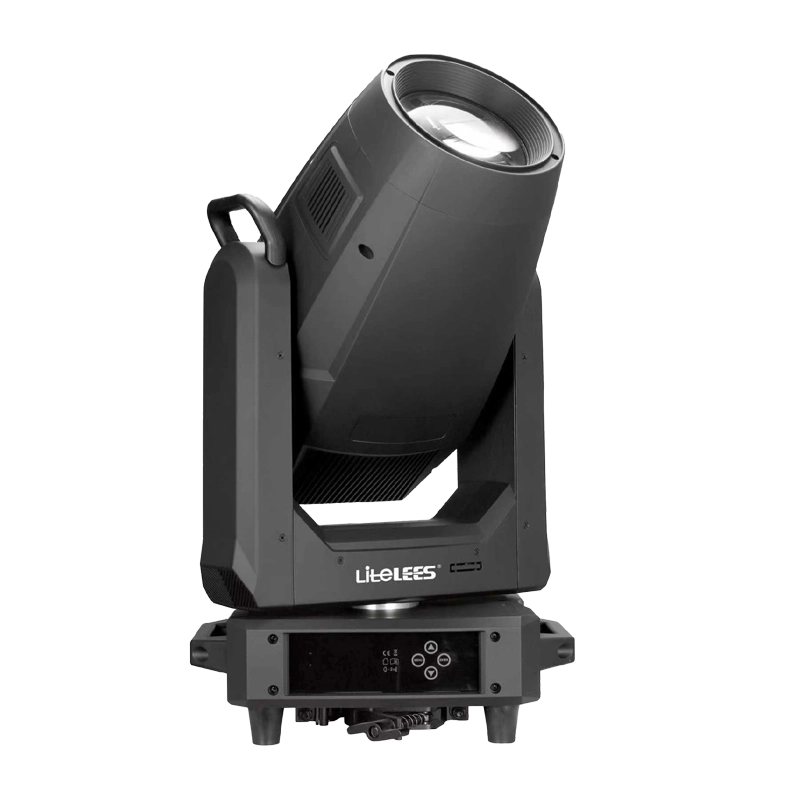
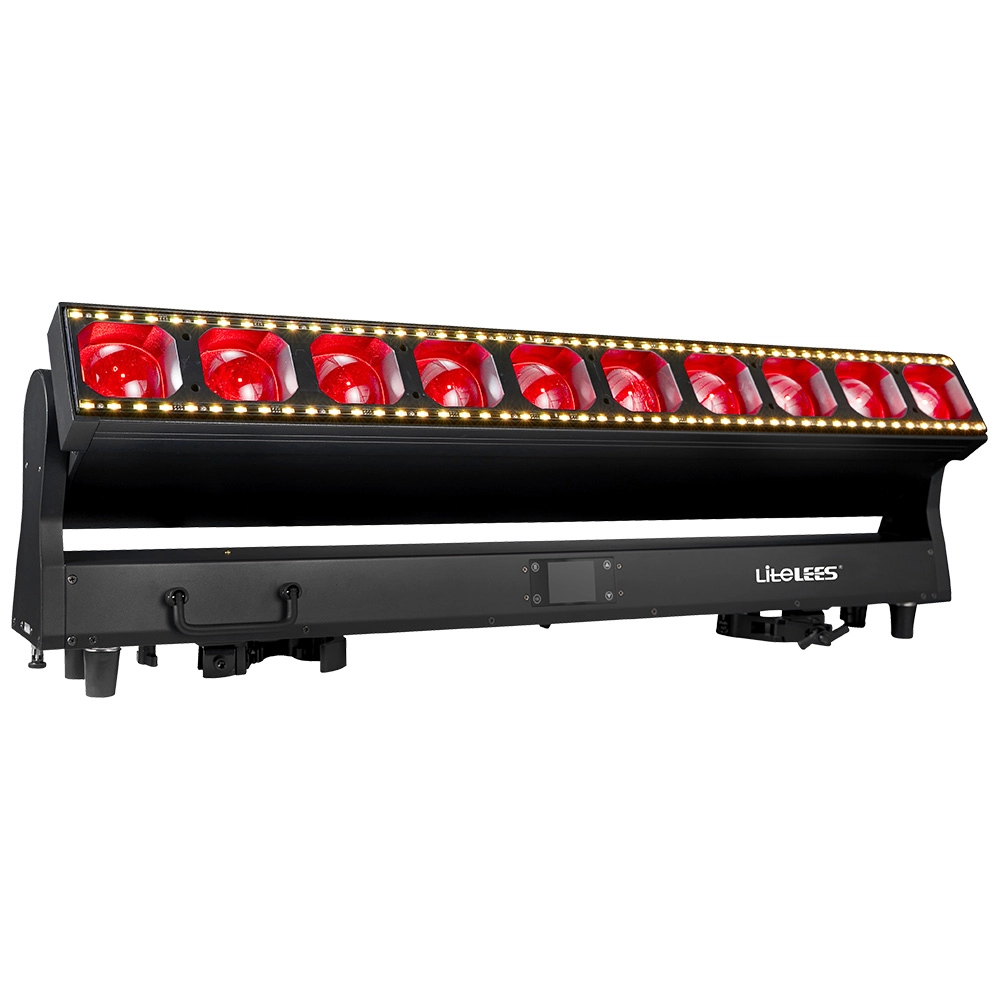
LP Profile 900
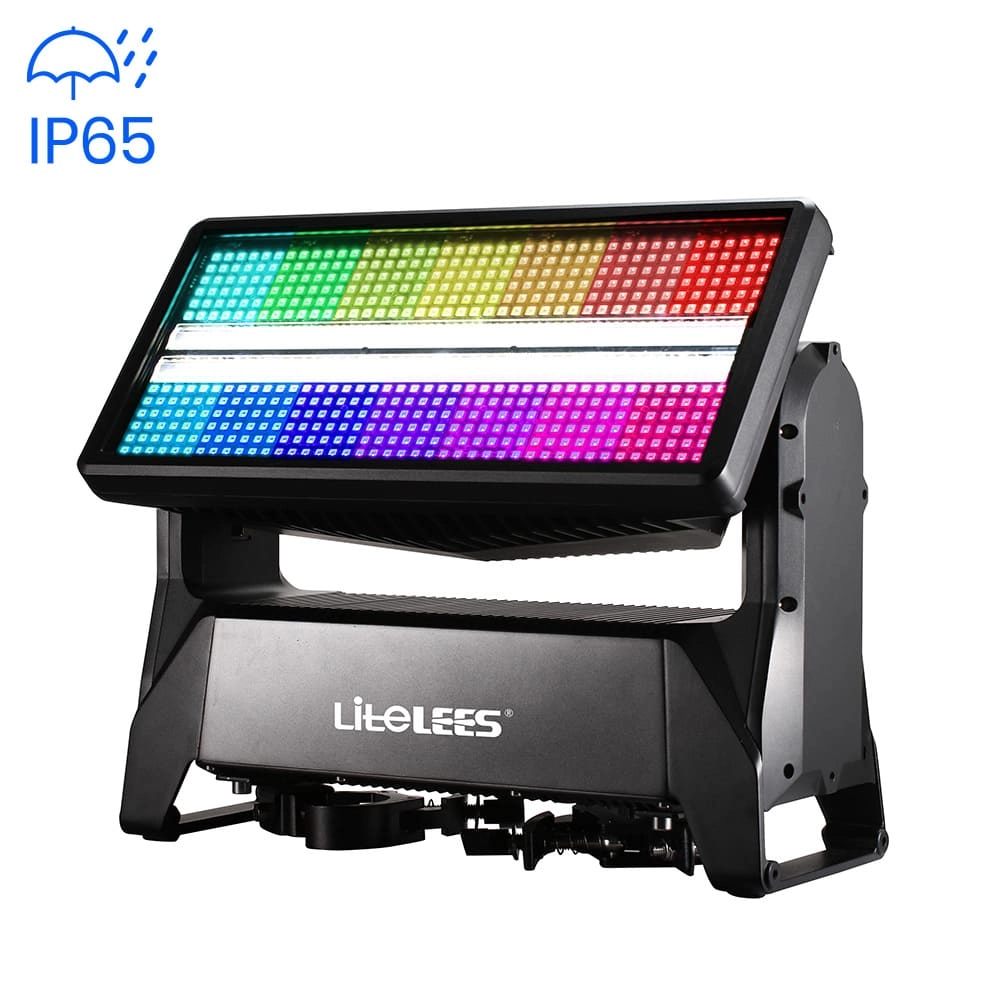
Stormy STRIKE M IP
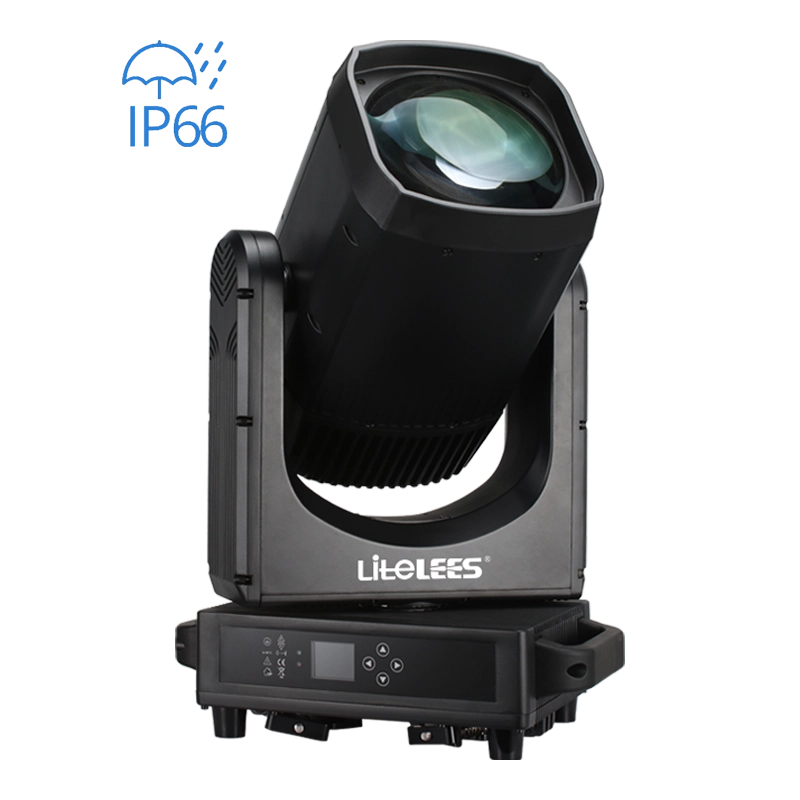
LiteLEES LUMIX BEAM 420 IP
Want to get more up-to-date news?
If you have any comments or good suggestions, please leave us a message; later our professional staff will contact you as soon as possible.

We are professional stage lighting manufacturers offering OEM and ODM LED stage lights.
Contact
Email us
Call us
Address
No.6 Longnan Road, Huashan Town, Huadu District Guangzhou, Guangdong Province, China.
LiteLEES Professional
Less Lighting