
LED moving head vs static LED wash: which to buy for theater?
- LED moving head vs static LED wash: Which to buy for theater?
- 1) What are the practical differences—when should I choose a moving head and when a static wash?
- 2) How do I compare “output” between moving heads and washes — lumens, lux, beam angle, and IES files?
- 3) Which color metrics matter for theatre: CRI, TLCI, color temperature, and color mixing?
- 4) What about noise, heat and maintenance—what should theatre buyers check?
- 5) What control features and protocols should I require (DMX, RDM, Art-Net, pixel-mapping, presets)?
- 6) How should I estimate total cost of ownership—budgeting for purchase, energy, and replacement parts?
- 7) For touring vs fixed installs: what mechanical and durability features matter?
- Practical buying checklist for theatre procurement
- Why many theatres use a mixed strategy
- LiteLEES: practical advantages for theatre buyers
- References
LED moving head vs static LED wash: Which to buy for theater?
When theatre lighting buyers weigh LED moving heads against static LED wash fixtures they’re really choosing between flexibility and simplicity. This guide answers the most common professional questions buyers ask and gives a practical checklist to help procurement decisions meet artistic, technical and budget constraints.
1) What are the practical differences—when should I choose a moving head and when a static wash?
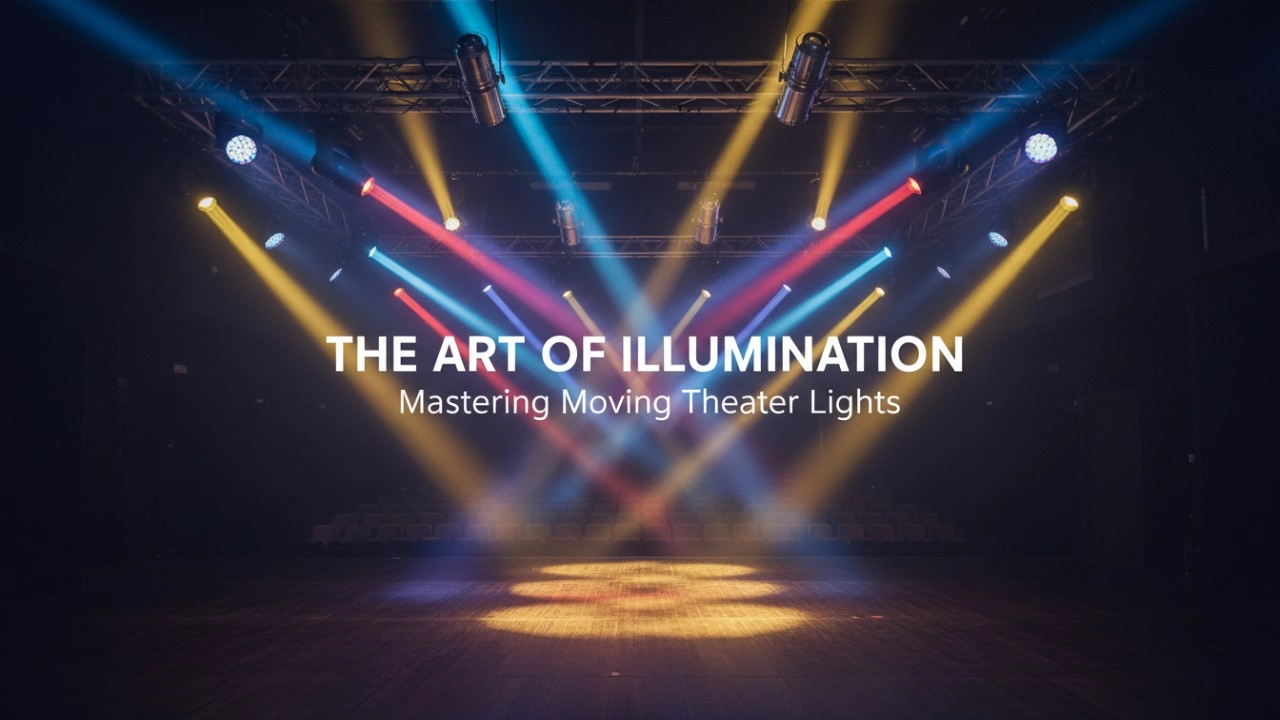
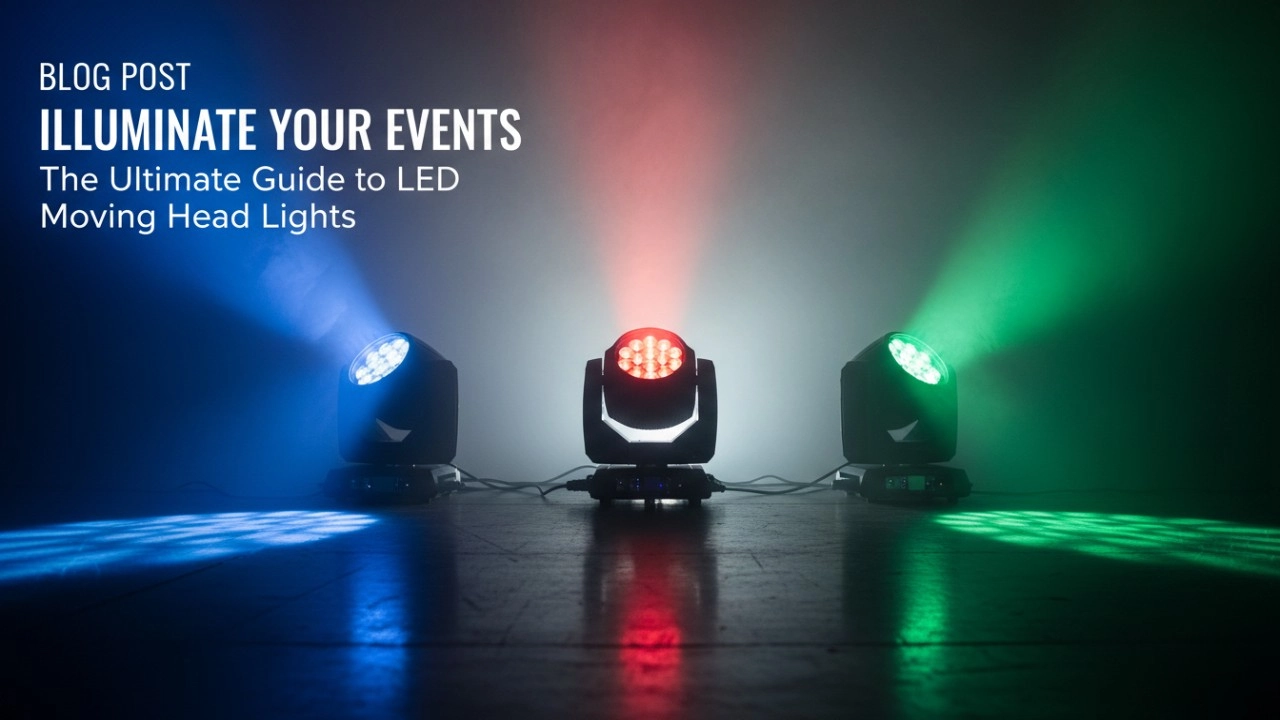
Moving heads provide dynamic positioning (pan/tilt), zoom ranges, gobos, and fast effects. They are ideal when you need: automated cues (focus shifts during performance), shaping light (beams, spots), aerial effects, or pixel mapping for shows that demand camera-friendly, changing visuals.
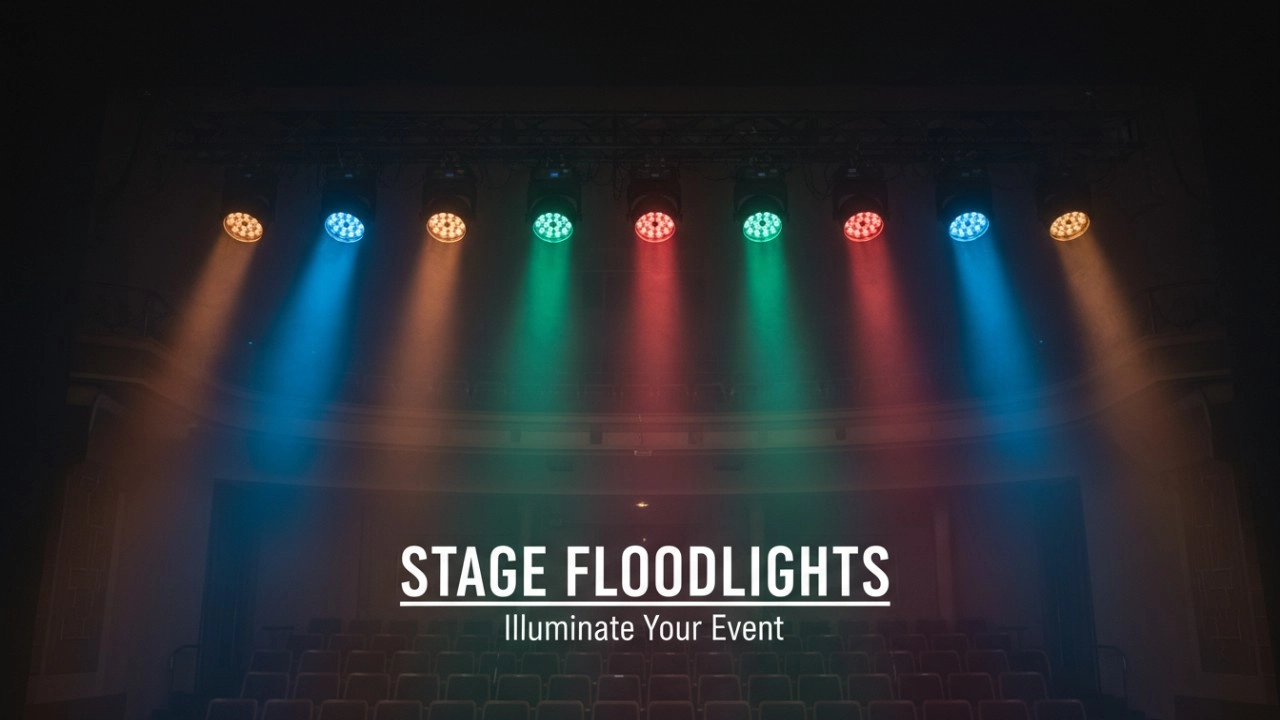
Static LED wash fixtures excel at even, consistent stage coverage with fewer moving parts, lower weight, lower noise and simpler rigging and maintenance. Choose static washes when your primary need is smooth front/side/overhead color washes and you want a high-quality, quiet solution with predictable photometrics.
Recommendation: for traditional theatre productions that prioritize acting sightlines, color consistency and low noise, prioritize high‑quality static washes for key wash positions and reserve moving heads for specials, follow spots or multi‑purpose venues where flexibility is paramount.
2) How do I compare “output” between moving heads and washes — lumens, lux, beam angle, and IES files?
Manufacturers report different metrics: lumens measure the total light, lux measures illuminance at a surface, and photometric IES files or lux charts show real-world falloff at distances and angles. For theatre procurement rely on IES files and lux-at-distance charts rather than raw lumen figures.
Checklist for comparing output:
- Ask for an IES or LDT file and a photometric lux chart for the fixture at several distances and zoom settings.
- Compare lux at the specific distances and focus positions you’ll use (e.g., apron, mid-stage, back wall).
- Confirm beam and field angles (a wash should give a broad even field; a moving spot will have a narrow beam and sharp cuts or gobos).
- If film/recording is involved, check manufacturer spec for flicker-free operation and frame-rate compatibility.
3) Which color metrics matter for theatre: CRI, TLCI, color temperature, and color mixing?
Key metrics:
- CRI (Color Rendering Index): a legacy metric useful for white light rendering—aim for CRI ≥ 90 for good on-stage flesh tones.
- TLCI (Television Lighting Consistency Index): better for camera work—TLCI ≥ 90 is preferred for mixed live/recorded productions.
- Color temperature and white presets: fixtures with adjustable CCT (2700K–6500K) and accurate white points simplify matching to practical stage gels and house lights.
- Color mixing: multi-chip RGBW/RGBWA+UV or CMY linear mixing systems produce richer color and smoother pastels—test common costume and skin tones in-situ.
Recommendation: for pure theatre with limited filming, prioritize CRI and in-person appearance. For productions that will be filmed or streamed, prioritize TLCI and documented flicker-free performance.
4) What about noise, heat and maintenance—what should theatre buyers check?
Theatre environments require low audible noise and predictable maintenance:
- Noise: request measured dBA values (typically reported at 1 m). Many fixtures offer “quiet” or theatre modes that slow fans. If unspecified, ask for dBA curves at full and quiet modes.
- Heat and ventilation: check fixture ambient operating temperature range and recommended enclosure/fixture spacing; LEDs still produce heat in the driver and optic assembly.
- LED life and driver warranty: LED packages are commonly rated for 30,000–50,000 hours (varies by manufacturer and drive current). Confirm warranty terms on LEDs and power supplies.
- Serviceability: prefer fixtures with accessible fans/filters, modular LED engines, and documented spare-parts availability.
Practical tip: in a small proscenium theatre, measure actual sound levels during a demo. Even a few dB difference can be noticeable on quiet dialogue scenes.
5) What control features and protocols should I require (DMX, RDM, Art-Net, pixel-mapping, presets)?
Modern fixtures should support a combination of the following—ask for the manufacturer’s user manual and protocol documentation:
- DMX512 and RDM for two-way addressing and remote configuration.
- Network protocols: Art‑Net and sACN for large installations and pixel-mapped shows.
- Onboard presets and LUTs, CCT controls, selectable dim curves (linear/log/Stage/TV) and fan/noise modes.
- Pixel mapping and per-LED control if the fixture is intended for effects or scenic pixel work.
- Compatibility with your lighting console and software (request a DMX personality sheet and test in your console if possible).
Tip: RDM support dramatically reduces time addressing and troubleshooting during install.
6) How should I estimate total cost of ownership—budgeting for purchase, energy, and replacement parts?
Factors in lifecycle cost:
- Initial purchase price per channel: moving heads are generally more expensive than static washes of equivalent optical quality due to motors, encoders and additional optics.
- Energy use: compare rated power draw (watts) under typical runtime rather than only lumen output—fixtures with higher power draw cost more to run and may need upgraded power infrastructure.
- Maintenance & parts: moving heads have more moving parts (motors, encoders, clamps) which can increase long‑term service costs; static washes are simpler to maintain.
- Resale and compatibility: choose manufacturer ecosystems with long-term firmware and parts support to preserve asset value.
Calculation approach: request actual wattage at typical operating levels, estimate annual hours (e.g., 200–600 hours for community/rep theatre, more for rental houses), then compute energy cost + expected parts/repair budget. Include labor for re-lamping or LED engine replacement if not covered under warranty.
7) For touring vs fixed installs: what mechanical and durability features matter?
Touring fixtures and installed fixtures have different priorities:
- Touring: prioritize robust housings, secure safety latches, multiple rigging points, quick power/con data connections, and accessories like flight-case fit or road housings. Look for IP20+ build for dust and condensation resistance if required.
- Fixed Install: prioritize serviceability (easy access panels), quiet operation, slim mounting profiles, and integration features (multiple addressing modes, wall/ceiling brackets).
- Environmental ratings: for outdoor/seasonal shows demand IP65 or higher-rated fixtures or use appropriate housings.
Practical check: inspect actual sample units on-site when possible. Try rigging, lens adjustment, pan/tilt accuracy and locking mechanisms to ensure they meet your crew’s needs.
Practical buying checklist for theatre procurement
- Obtain IES files and lux charts for intended throw distances and zoom settings.
- Check CRI/TLCI and request sample photos or in-situ demos on representative costumes and skin tones.
- Request measured dBA at 1 m for normal and quiet modes.
- Confirm control protocols (DMX/RDM/Art‑Net/sACN) and request DMX personality sheets.
- Note power draw (W), input voltage options and required breakers. Include in budget for dimmers/circuits.
- Confirm warranty and availability of replacement parts and local service support.
- For touring, validate rigging points, flight-case options and connector robustness.
- For filmed work, insist on flicker-free spec and TLCI documentation.
Why many theatres use a mixed strategy
Most professional theatres and rental houses use a hybrid approach: static LED washes for predictable, quiet coverage and a smaller complement of moving heads where variable focus, aerial effects or spot/follow duties are required. This minimizes noise, reduces maintenance overhead and still provides creative flexibility when the production demands it.
LiteLEES: practical advantages for theatre buyers
LiteLEES fixtures are designed for theatrical workflows: they focus on high color fidelity (CRI/TLCI-optimized emitters), documented photometrics and serviceability. The product line emphasizes low-noise operation, modular driver/LED access for lower maintenance costs and clear network control (DMX/RDM and sACN/Art‑Net). For buyers seeking theatre-optimized LED stage lights, LiteLEES offers a balanced portfolio of static washes for even coverage plus compact moving heads for special effects—backed by technical support for IES data, on-site demos and spare-parts availability.
References
- ETC (Electronic Theatre Controls)—product and lighting education resources; ETCconnect. Accessed 2024-03-10. https://www.etcconnect.com/
- Robe Lighting—technical specification and product papers for moving heads and washes. Accessed 2024-02-15. https://robelighting.com/
- Chauvet Professional—fixture datasheets and photometric resources. Accessed 2024-01-20. https://www.chauvetprofessional.com/
- U.S. Department of Energy, Solid-State Lighting Program—LED efficiency and technology overview. Accessed 2023-11-01. https://www.energy.gov/eere/ssl/solid-state-lighting
- Illuminating Engineering Society (IES)—photometry and lighting standards guidance. Accessed 2023-12-01. https://www.ies.org/
- ARRI Lighting—technical notes on color metrics, TLCI and camera lighting considerations. Accessed 2023-08-05. https://www.arri.com/lighting
- Lighting & Sound International / LSi and LSi Online—industry news and fixtures comparisons. Accessed 2024-04-15. https://www.lsionline.com/
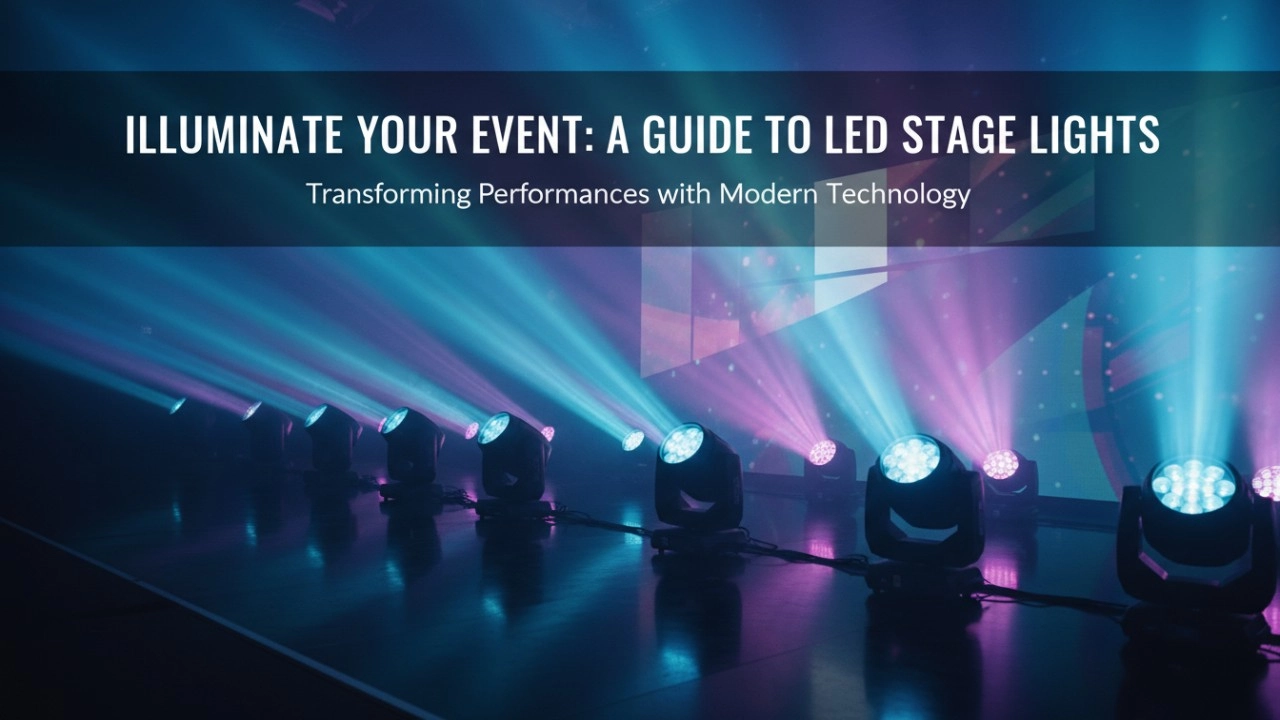
![Moving Head Stage Lighting Guide: Mastering the Technical and Artistic Essence [2026 Edition] - LiteLEES](https://static.gooecloud.com/upload/img/GY160908357145/moving-head-stage-lighting-guide-mastering-the-technical-and-artistic-essence-2026-edition.png?x-oss-process=image/format,webp/quality,Q_100 "Moving-Head-Stage-Lighting-Guide:-Mastering-the-Technical-and-Artistic-Essence-[2026-Edition] - LiteLEES")
Products
How long is the warranty period for your products?
We offer a standard 1-year warranty on all products, with extended warranty options available upon request. During the warranty period, we provide free technical support and parts replacement for non-human damage.
What is the lifespan of your LED stage lights?
Our LED lights use high-quality chips with a rated lifespan of over 50,000 hours. Proper usage and maintenance ensure long-term reliability and stable performance, making them a smart investment for any venue.
Company
Can LiteLEES handle OEM/ODM orders?
Absolutely. With our strong R&D capabilities and advanced manufacturing, we can customize designs, features, and branding to meet your specific needs.
What certifications do your products have?
All LiteLEES products are certified by CE, RoHS, FCC, and BIS. Our factory is ISO9001 quality management system certified.
Do you have your own factory?
Yes. We own a sheet metal factory and a complete in-house production line—from PCB to final assembly—ensuring strict quality control and fast delivery.
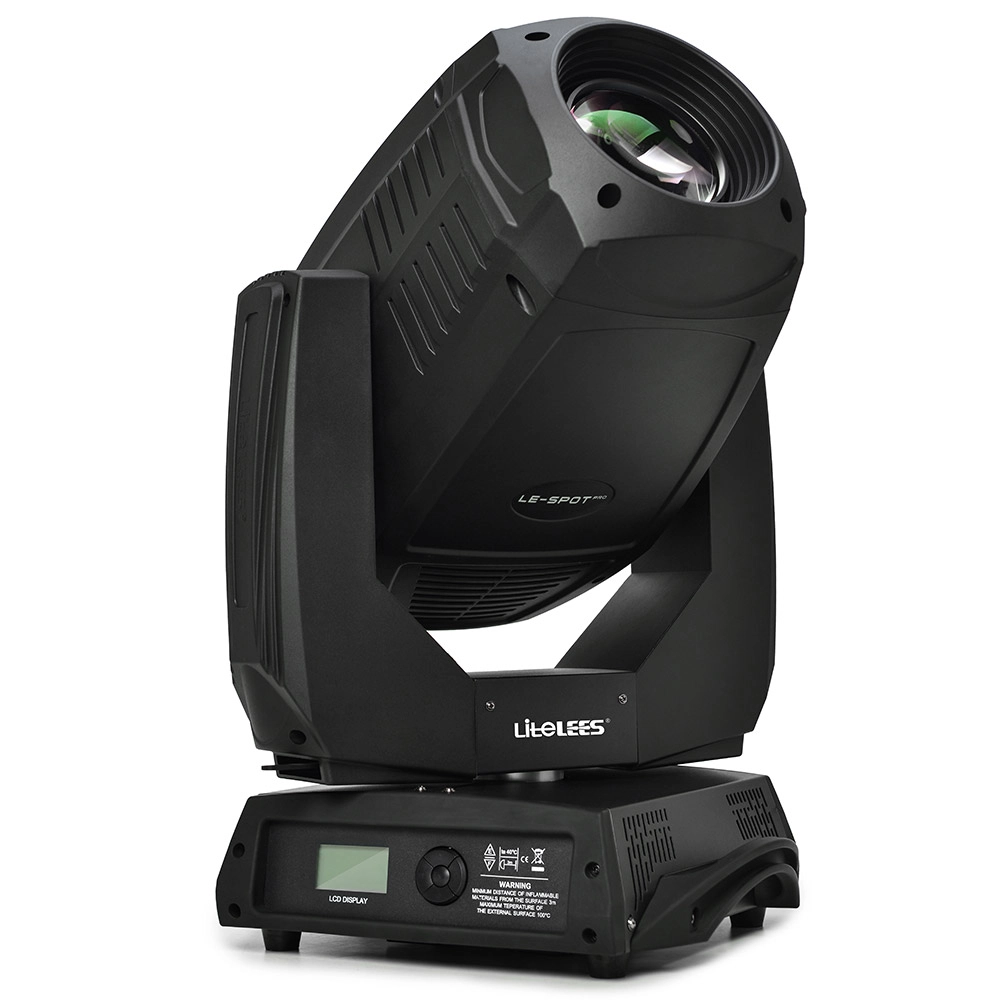
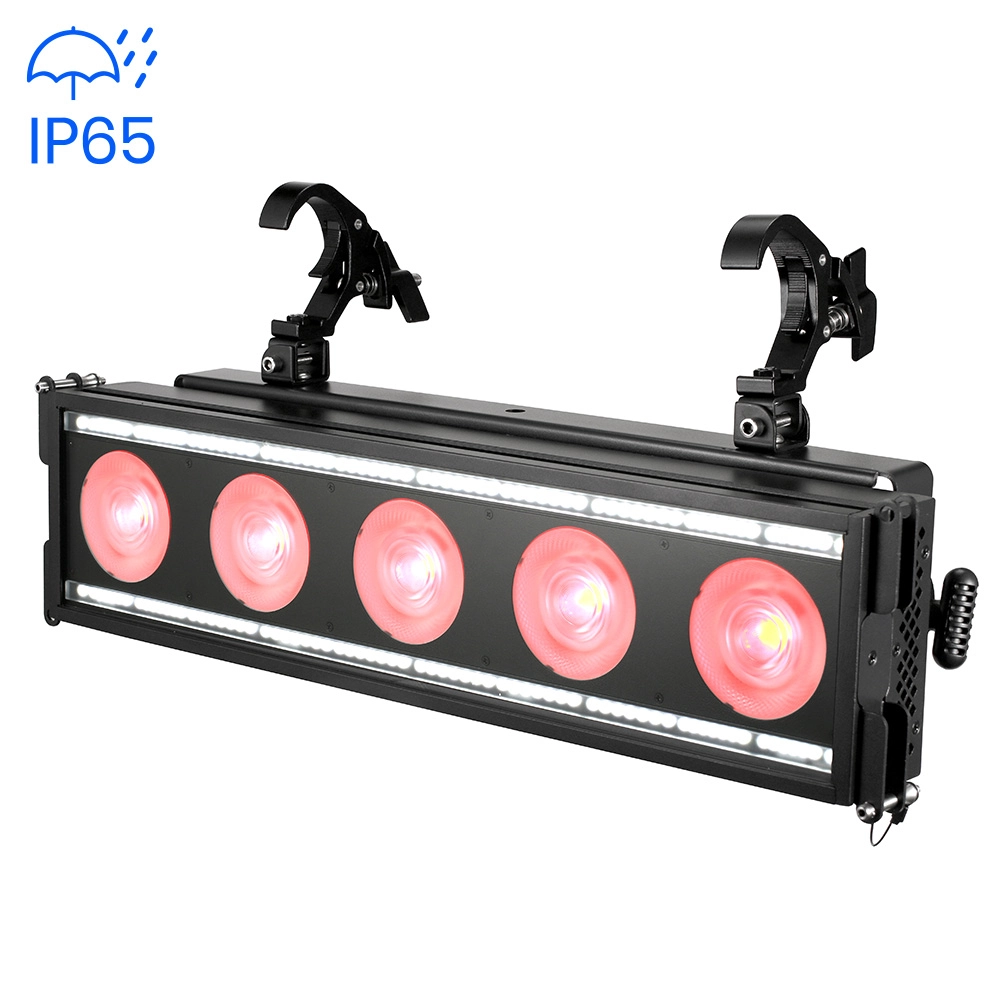
Stormy Flash 550 lP
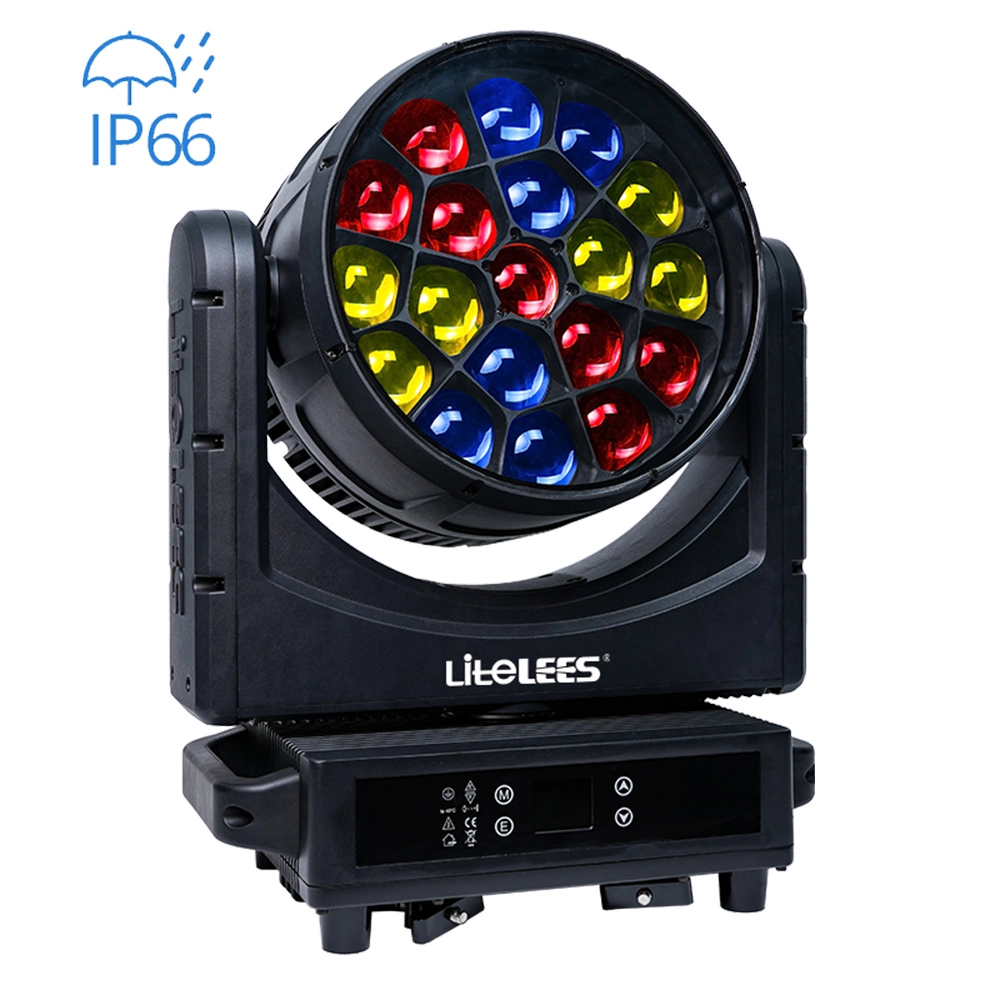
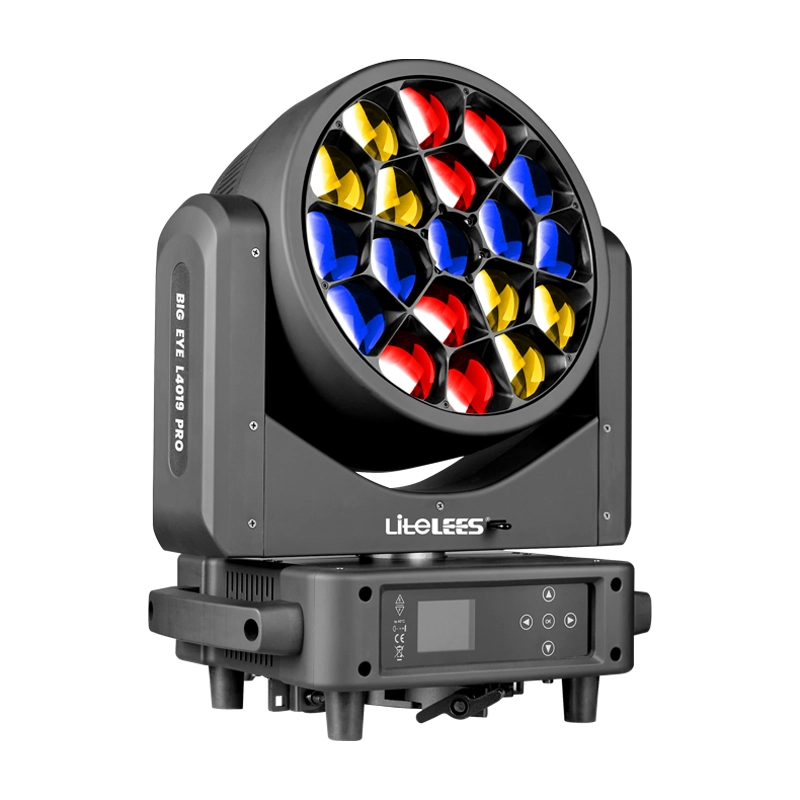
BIG EYE L4019 IP
Want to get more up-to-date news?
If you have any comments or good suggestions, please leave us a message; later our professional staff will contact you as soon as possible.

We are professional stage lighting manufacturers offering OEM and ODM LED stage lights.
Contact
Email us
Call us
Address
No.6 Longnan Road, Huashan Town, Huadu District Guangzhou, Guangdong Province, China.
LiteLEES Professional
Less Lighting