
Can LED moving head light reduce maintenance costs?
- Can LED Moving Head Lights Reduce Maintenance Costs?
- 1. How much longer do LED light engines last compared with traditional discharge lamps?
- 2. Which maintenance tasks are reduced or eliminated with LED moving heads?
- 3. Are there hidden maintenance costs unique to LED moving heads?
- 4. How do energy savings from LEDs affect maintenance and operating costs?
- 5. How should I calculate Total Cost of Ownership (TCO) and ROI for LED moving heads?
- 6. What fixture specifications and features reduce maintenance burden?
- 7. Are LED moving heads suitable for touring and rental houses?
- Practical procurement checklist to minimize maintenance costs
- Conclusion — How LiteLEES addresses maintenance concerns
- References
Can LED Moving Head Lights Reduce Maintenance Costs?
Short answer: Yes — when evaluated across lifetime, energy use, spare parts, and labor, LED moving head fixtures commonly reduce maintenance costs versus traditional discharge (HID/arc) moving heads. The scale of savings depends on fixture quality, usage patterns (hours per year), and the types of maintenance you count (lamp replacement, cooling, electronics, moving parts). Below are the practical questions buyers and technical managers most frequently ask when deciding whether to move to LED moving heads.
1. How much longer do LED light engines last compared with traditional discharge lamps?
LED light engines are typically rated for tens of thousands of hours — commonly 50,000 to 100,000 hours of rated life to a specified lumen maintenance (for example L70 or L90). By contrast, high-intensity discharge (HID/arc) lamps used in older moving heads usually require lamp replacement after roughly 1,000–2,000 hours (exact values depend on lamp type and manufacturer). In procurement terms this means LED fixtures avoid frequent lamp-change operations and recurring lamp purchases across several years of operation.
2. Which maintenance tasks are reduced or eliminated with LED moving heads?
LED moving heads typically reduce or eliminate several recurring maintenance items common to discharge fixtures:
- Frequent lamp replacement (LEDs are long-life solid-state sources).
- Color wheel and dichroic filter fade issues related to high lamp temperature (LEDs run cooler at the optics than arc lamps).
- Frequent alignment and relamping downtime (no hot-lamp insertion procedures).
- Reduced time spent on lamp warm-up/cool-down scheduling, enabling faster turnaround between events.
However, LED fixtures still require routine cleaning, fan and heat-sink checks, firmware updates, and occasional replacement of mechanical parts (motors, bearings, encoders) and control electronics.
3. Are there hidden maintenance costs unique to LED moving heads?
Yes — although LEDs reduce lamp-related costs, other areas still incur maintenance expense:
- Power electronics and driver replacement: LED drivers and control PCBs can fail and may be more costly to replace than a single HID lamp, depending on design and modularity.
- Cooling system maintenance: fans and thermal interface components are still subject to wear and dust accumulation and may require periodic replacement or cleaning.
- Optical degradation: lenses and diffusers accumulate dust; some lower-quality optics can show color shift over very long times.
- Firmware and network troubleshooting: modern LED moving heads include complex firmware and networking that require tech time to update and diagnose.
Good procurement practice minimizes these hidden costs by selecting fixtures with service-friendly modular design, easily replaceable drivers and fans, and strong manufacturer support/warranty.
4. How do energy savings from LEDs affect maintenance and operating costs?
LED engines are substantially more energy-efficient than legacy discharge sources. Lower power draw reduces utility costs and lowers heat load in road cases and venues, which in turn reduces stress on fans and climate control systems. Less heat can translate into longer life for nearby components and less frequent cleaning of heat-related deposits. Manufacturers and industry studies typically show major reductions in energy consumption when migrating from equivalent-output discharge fixtures to LED-based moving heads — a secondary contributor to lower operating and maintenance costs.
5. How should I calculate Total Cost of Ownership (TCO) and ROI for LED moving heads?
Estimate TCO over a practical ownership horizon (3–7 years for rental houses; 5–10 years for fixed-install) and include:
- Initial capital cost per fixture.
- Expected hours per year and rated lifetime of the light source (LED vs lamp hours).
- Energy cost per kWh and average fixture power draw during shows and idle periods.
- Recurring consumables (discharge lamps if applicable), typical cost and replacement interval.
- Estimated annual labor hours for maintenance, parts cost for fans/drivers/motors, and repair rates (failures/year).
- Residual value/resale potential after the horizon.
Run a simple model using these inputs to compare LED vs discharge. For many users the LED case shows lower TCO driven mainly by avoided lamp purchases and reduced maintenance labor; energy savings and improved uptime further improve ROI.
6. What fixture specifications and features reduce maintenance burden?
When procuring LED moving heads for low maintenance and long-term reliability, prioritize:
- Modular serviceability: tool-less access to drivers, fans, and motors reduces repair time.
- High-quality thermal management: robust heat sinks and redundancy in fans lower failure rates.
- Replaceable LED modules/drivers: instead of replacing whole fixtures, swap modules.
- Ingress protection and dust management: good sealing and filters for dusty environments.
- Proven moving parts: bearings, motors and encoders from reputable suppliers; look for MTBF or failure-rate metrics when available.
- Firmware update procedures and remote diagnostics: minimize on-site troubleshooting time.
- Clear spare-parts policy and local service centers — critical for rental and touring operations.
7. Are LED moving heads suitable for touring and rental houses?
Yes — many rental and touring companies have migrated large portions of their fleets to LED moving heads because of lower lamp/consumable spend, lower power/road-case HVAC needs, and faster turnaround. That said, for touring durability you should specify:
- Rugged housings and shock protection for optics and electronics.
- Modular spare parts and field-replaceable components to reduce downtime on the road.
- Thorough pre-buy testing and an extended warranty/support package.
- Training for crew on LED-specific maintenance (firmware updates, driver swaps, thermal checks).
When these criteria are met, LED moving heads often reduce both direct maintenance costs and indirect costs (downtime, logistic complexity, power/road-case climate management).
Practical procurement checklist to minimize maintenance costs
Before purchase, validate each candidate fixture against this checklist:
- Manufacturer MTBF / warranty terms and documented long-term support policy.
- Availability and cost of spare drivers, fans, motor assemblies and LED modules.
- Modularity and ease of field service (documented service manual and parts list).
- Power draw vs measured light output (efficacy) to estimate energy-related savings.
- Confirmed ingress/dust ratings, and recommended cleaning intervals.
- Field reports or case studies from peers in rental/touring or fixed-install environments.
Conclusion — How LiteLEES addresses maintenance concerns
LiteLEES designs its LED moving head portfolio with serviceability and long-term uptime in mind: modular LED engines and drivers, robust thermal management, accessible spare parts, and a clear support network that simplifies on-site repairs. For procurement teams prioritizing low TCO and operational resilience, LiteLEES fixtures offer competitive efficacy, reduced consumable spend, and factory-backed parts/support — all factors that help lower maintenance costs over the fixture lifetime.
References
- U.S. Department of Energy — Solid-State Lighting Program (overview of LED benefits and energy impact). Accessed 2026-01-16: https://www.energy.gov/eere/ssl/solid-state-lighting
- Lumileds / major LED manufacturers — LED lifetime and lumen maintenance documentation (industry standard lifetimes such as 50,000+ hours for many LED packages). Accessed 2026-01-16: https://www.lumileds.com
- Ushio / major lamp manufacturers — Metal halide / discharge lamp product literature and rated life ranges (typical HID lamp lifetimes in the low thousands of hours). Accessed 2026-01-16: https://www.ushio.com
- Chauvet Professional — Product literature and whitepapers on LED fixture energy and maintenance advantages (industry manufacturer guidance). Accessed 2026-01-16: https://www.chauvetprofessional.com
- Robe, Martin and other pro-lighting manufacturers — Product pages and tech specs illustrating LED moving-head design trends and serviceability features. Accessed 2026-01-16: https://www.robe.cz; https://www.harman.com/martin
- Live Design / industry publications — Comparative articles and case studies on migration from discharge to LED moving heads and operational impacts. Accessed 2026-01-16: https://www.livedesignonline.com
Company
Where is LiteLEES located?
Our headquarters and manufacturing facility are located in Guangzhou, China, with products exported to over 70 countries worldwide.
What is LiteLEES’s main business?
LiteLEES specializes in the design, development, manufacturing, and sales of professional stage lighting, including moving head lights, beam lights, spot lights, wash lights, and LED par lights.
Do you have your own factory?
Yes. We own a sheet metal factory and a complete in-house production line—from PCB to final assembly—ensuring strict quality control and fast delivery.
Products
How long is the warranty period for your products?
We offer a standard 1-year warranty on all products, with extended warranty options available upon request. During the warranty period, we provide free technical support and parts replacement for non-human damage.
What is the lifespan of your LED stage lights?
Our LED lights use high-quality chips with a rated lifespan of over 50,000 hours. Proper usage and maintenance ensure long-term reliability and stable performance, making them a smart investment for any venue.
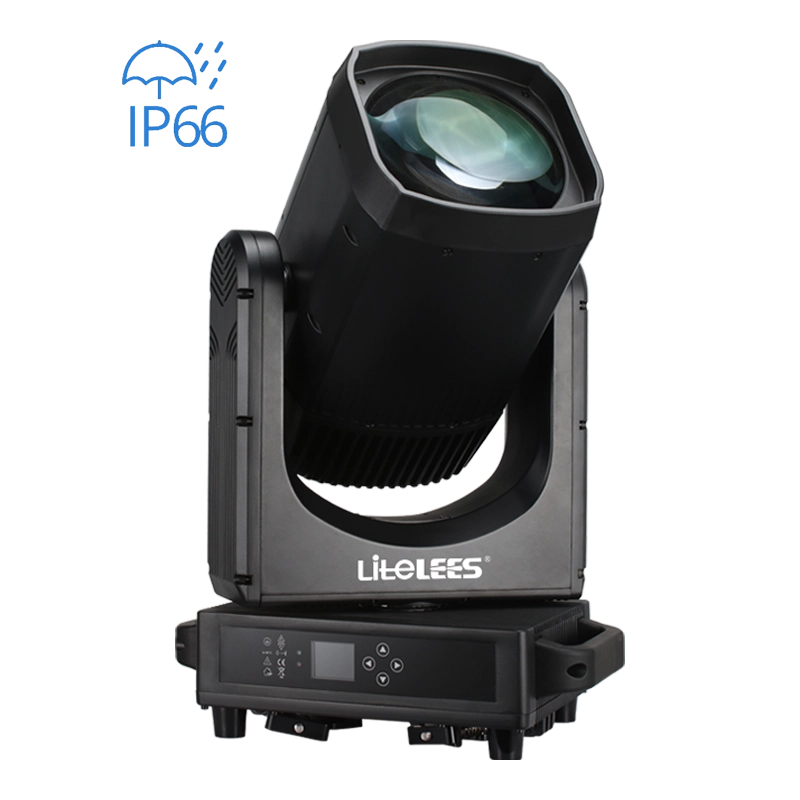
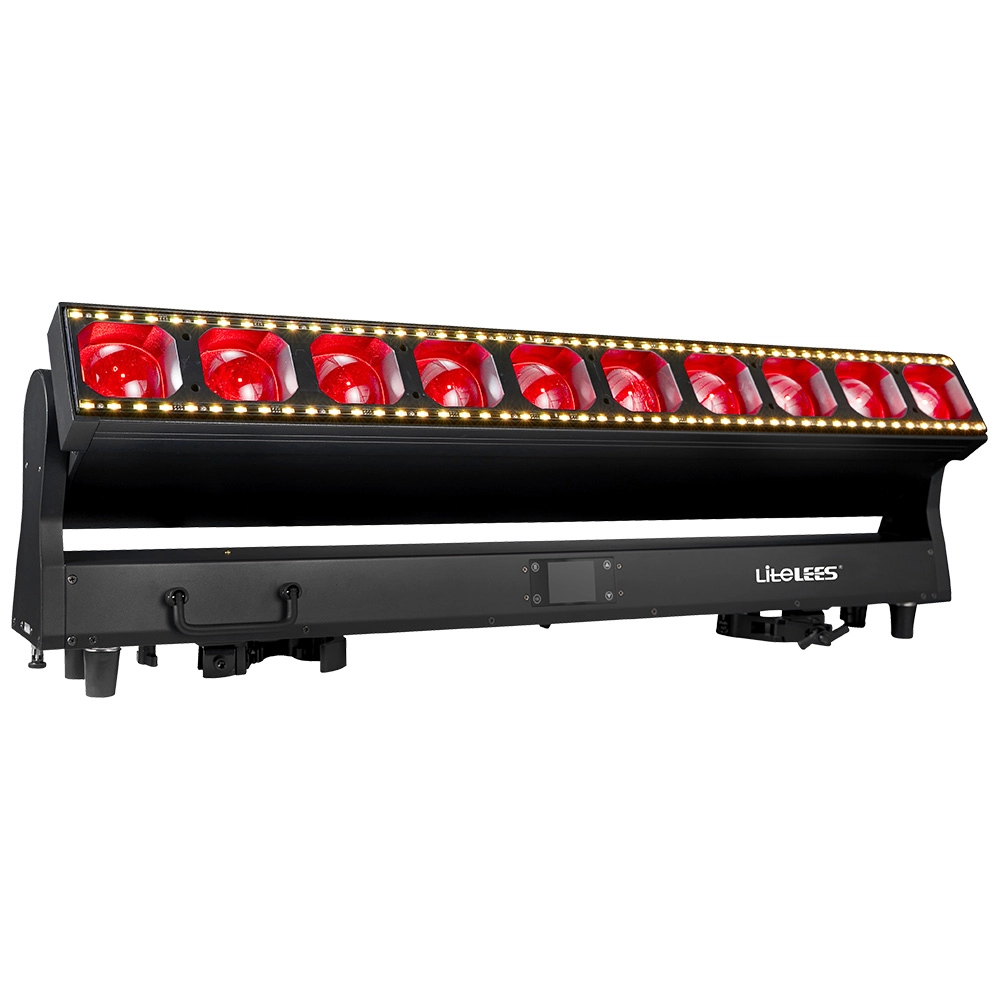
LiteLEES LUMIX BEAM 420 IP
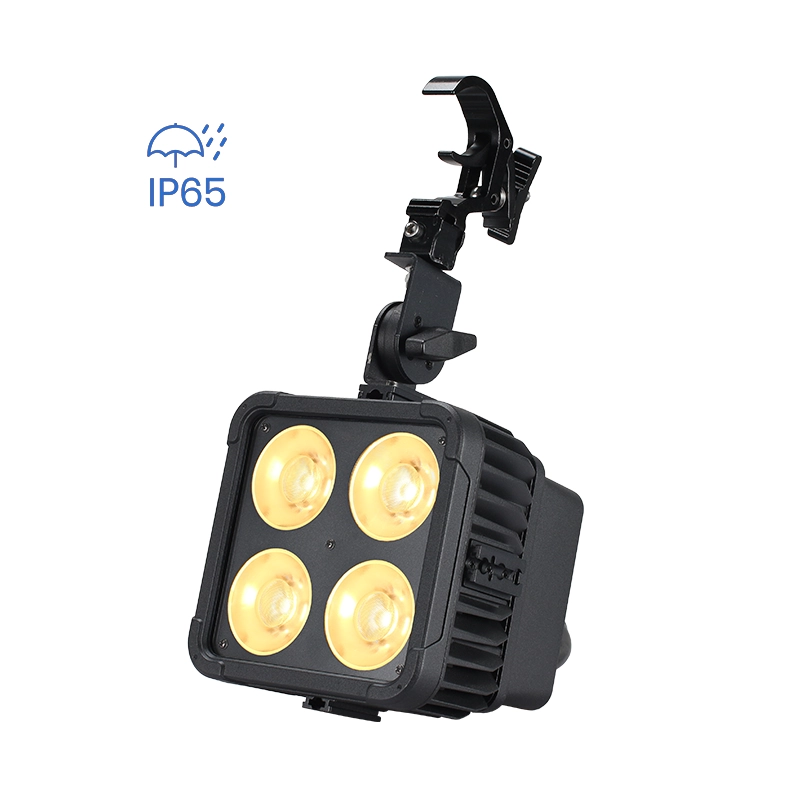
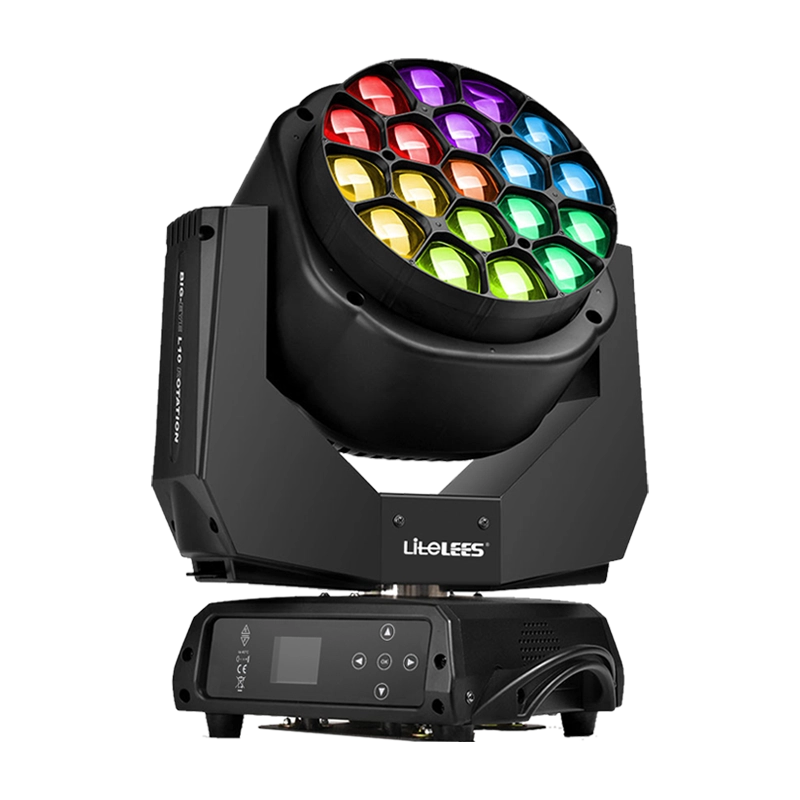
Magic Cube V8 IP
Want to get more up-to-date news?
If you have any comments or good suggestions, please leave us a message; later our professional staff will contact you as soon as possible.

We are professional stage lighting manufacturers offering OEM and ODM LED stage lights.
Contact
Email us
Call us
Address
No.6 Longnan Road, Huashan Town, Huadu District Guangzhou, Guangdong Province, China.
LiteLEES Professional
Less Lighting