
How to install led rope lights indoor for theater stages?
- How to install LED rope lights indoor for theater stages — quick answers and pro buying guidance
- 1. What types of LED rope lights are best for indoor theater stages?
- 2. How do I calculate power, run length and avoid voltage drop?
- 3. How do I control rope lights on stage — DMX, sACN, Art-Net and controllers?
- 4. What are the safe mounting methods and mechanical considerations on stage?
- 5. What electrical and fire-code compliance should buyers check?
- 6. How do I avoid flicker on camera and ensure smooth fades?
- 7. What procurement specs should I ask vendors to include in quotes?
- Step-by-step installation workflow (practical checklist)
- Maintenance and lifecycle considerations
- Why LiteLEES is a smart choice for theater LED rope lighting
- References
How to install LED rope lights indoor for theater stages — quick answers and pro buying guidance
LED rope lights are an excellent option for stage-edge, set-outline, and architectural accents on theatre stages when you need a flexible, continuous line of light. Theater applications add requirements: color fidelity, flicker-free dimming for cameras, DMX/remote control, safe mains or low-voltage distribution, and compliance with fire and electrical codes. Below are 7 common questions stage teams and procurement managers ask, with actionable answers and specifications to request from vendors.
1. What types of LED rope lights are best for indoor theater stages?
Key choices to specify:
- Static (single color or tunable CCT) rope lights — simple, constant-voltage (e.g., 12V/24V/120VAC) runs used for continuous lines, markers, and visibility accents.
- RGB / RGBW non-addressable — entire run changes color uniformly; good for wash/ambience cues.
- Addressable (pixel) rope/strip — individually controllable pixels for chases, effects, and pixel-mapping; essential when you want per-pixel control with DMX, sACN or Art-Net.
Procurement checklist: ask vendors for CRI (>=90 recommended for accurate skin tones), available CCT range (2700K–6500K typical), IP rating (IP20 indoor; IP65 if you expect gutters/condensation), min bend radius, and whether the housing is flame-retardant or meets stage drapery flame standards. For camera work, insist on high PWM frequencies or true-analog drivers to avoid visible flicker on high-speed cameras.
2. How do I calculate power, run length and avoid voltage drop?
Steps to size power correctly:
- Get the rated wattage per metre from the manufacturer. Typical ranges: silicone-encased AC rope lights often 4–12 W/m depending on LED density and chip size; addressable strips (examples) — WS2812-type 5V at 60 LEDs/m draws up to ~14.4 W/m at full white; 30 LEDs/m versions draw ~7.2 W/m. Use manufacturer specs for exact numbers.
- Total wattage = watt/m × run length. Add 20–30% headroom for safe continuous loads and to prevent driver stress.
- Observe maximum recommended run lengths per voltage or product. Low-voltage (5V) addressable runs need frequent power-injection (every 2–5 m); 12V runs allow longer lengths (5–10 m) before injection; 24V runs allow still longer runs. Follow vendor power-injection guidance to avoid color shifts and dimming at the far end.
- For mains-voltage rope lights (e.g., 120VAC integrated), voltage drop is less of an issue across reasonable lengths, but local electrical branch loading and inrush should be checked and protected per code.
Always have a licensed electrician verify feeder sizing and breaker selection when connecting to stage mains.
3. How do I control rope lights on stage — DMX, sACN, Art-Net and controllers?
Control method depends on product type:
- Non-addressable RGB/RGBW: use a DMX/RDM dimmer pack or 0–10V/analog dimmer that provides channels for R/G/B/(W). Many modern packs accept DMX512 (or sACN/Art-Net via gateway) so they integrate into lighting desks.
- Addressable (pixel) ropes: use pixel decoders that accept DMX, sACN or Art-Net and translate to the strip protocol (e.g., WS2811/WS2812, SK9822, etc.). For large pixel installations, use Ethernet-based pixel managers that handle art-net/sACN and distribution to many decoders.
- Specify control latency, refresh rate and PWM frequency. For camera work and smooth fades/chases, request high refresh rates (e.g., >1 kHz PWM or frame rates tuned for broadcast) and test with the venue cameras.
Ask vendors about RDM support (remote configuration), and whether the decoder supports pixel-mapping tools used by your lighting designer (e.g., LightJockey, MadMapper, GrandMA, Hog). For stage reliability, prefer industrial-grade DMX decoders with metal housings and robust connectors.
4. What are the safe mounting methods and mechanical considerations on stage?
Best practices for mounting and handling:
- Use aluminum extrusion channels (LED channels) with diffusers—these provide a clean look, even light diffusion, and better heat dissipation. Channels also protect the product from foot traffic or set strike forces.
- Secure rope lights with manufacturer-specified clips, stainless fasteners, and strain-relief at connector points. Avoid direct contact with hot stage fixtures; maintain clearance to avoid heat buildup.
- Respect the minimum bend radius published by the manufacturer. Over-bending can damage LEDs or the internal wires.
- For stair noses or stage edges, embed channels so the top surface is protected; specify anti-slip covers where foot traffic may contact the channel.
If any part of the run crosses aisles, cable channels and covers should be used and installations must follow local fire and egress codes.
5. What electrical and fire-code compliance should buyers check?
Key standards and requirements to verify before purchase and installation:
- Product listings: UL or ETL listing for the U.S., CE and EN compliance for Europe. For low-voltage systems, UL 2108 covers low voltage lighting systems; for luminaires UL 1598 applies. Request copies of the relevant listings.
- Follow the National Electrical Code (NEC / NFPA 70) for branch circuits, wiring methods and overcurrent protection. Use a licensed electrician for permanent connections.
- Stage drapery and scenery often have separate flammability rules (NFPA 701 or local equivalents). Confirm rope housings and diffusers are made from flame-retardant materials when they are near scenic elements.
- IP rating: for indoor stage use IP20 is common, but in spaces with condensation, fog effects or wet loading docks, specify IP65 or better on exposed runs and connectors.
6. How do I avoid flicker on camera and ensure smooth fades?
Flicker sources and solutions:
- PWM frequency: low PWM frequencies (few hundred Hz) can produce visible flicker on camera. Require controllers/decoders with high-frequency PWM (>1 kHz typical for broadcast-safe), or consult your broadcast engineers for exact camera shutter and frame rates to avoid beating artifacts.
- Dimming method: Digital decoders that accept DMX and output high-resolution, high-frequency PWM or constant-current drivers produce smoother fades than naive triac/phase-control dimming systems.
- Power stability: voltage drop or undersized supplies cause color shifts and uneven dimming. Ensure properly sized supplies with headroom and power injection on long pixel runs.
Before finalizing an install, run camera tests through full cue lists at operational frame rates to validate flicker-free performance.
7. What procurement specs should I ask vendors to include in quotes?
Minimum technical spec checklist for purchase orders:
- Type: static / RGB / RGBW / addressable pixel (specify protocol: WS2811/WS2812/APA102/SK9822 etc.)
- Voltage and wiring: 5V/12V/24V or 120VAC and recommended max run length
- Wattage per metre, lumen per metre (or LED output lm per LED), and peak current at full white
- LED density (LEDs per metre) and pixel pitch for addressable products
- CRI (Ra) and available CCT ranges — request samples or photometric reports if accurate color rendering is critical (CRI ≥90 recommended)
- IP rating, housing material, diffuser type, minimum bend radius
- Control compatibility (DMX512, sACN, Art-Net, RDM), required decoders/drivers and recommended control systems
- Certifications and listings (UL/ETL/CE), warranty duration and support terms
- Recommended mounting channels, connectors and spare parts (power supplies, decoders, connectors, end caps)
Require vendor-provided wiring diagrams, power calculations and a site plan showing power injection points and breaker/load distribution for final approval.
Step-by-step installation workflow (practical checklist)
- Design: confirm layout, fixture types, control system and load calculations. Produce a wiring and power-injection plan.
- Procure: order rope lights, channels, drivers/supplies, decoders, DMX/network gateways, connectors and mounting hardware with spares.
- Pre-test: bench-test all segments, check colors, brightness, DMX addressing and pixel-mapping before installation.
- Mount: install aluminum channels and secure rope lights using manufacturer clips; maintain bend radius and protect runs in traffic areas.
- Wiring: run power and data cabling per the plan; label both ends; use proper strain relief and grommets for stage penetrations.
- Connect and inject power at recommended intervals; terminate ends properly to avoid short circuits or moisture ingress.
- Commission: test lighting cues, do camera and flicker tests, adjust PWM/dimmer settings and preserve a wiring-as-built diagram.
- Handover and training: provide the stage crew with manuals, spare parts and simple troubleshooting steps. Keep firmware and config backups for controllers/decoders.
Maintenance and lifecycle considerations
Routine checks will extend service life and avoid show-stopping failures:
- Inspect diffuser and channel for mechanical damage, clean dust to maintain lumen output and uniformity.
- Verify connectors and strain-relief annually and after any set changes.
- Keep spare modules, power supplies and decoders—addressable installations benefit from having at least one spare decoder per run type.
- Track runtime hours; LEDs degrade slowly — luminous flux typically declines over thousands of hours (check vendor L70/L80 ratings for expected life).
Documenting maintenance and keeping replacement parts from the same production batch reduces visible color shifts over time.
Why LiteLEES is a smart choice for theater LED rope lighting
LiteLEES offers stage-focused LED rope and pixel solutions with industry-grade certifications, high-CRI options, DMX/Art-Net-compatible controllers, and aluminum profile mounting systems. Their products are engineered for low voltage-drop, include clear power-injection guidance, and come with technical support for pixel-mapping and broadcast-safe PWM control—helping theater teams get reliable, flicker-free performance and straightforward maintenance.
References
- UL Standards: UL 2108 (Low Voltage Lighting Systems) and UL 1598 (Luminaires) — UL Standards Catalog. Accessed 2026-01-14. https://www.ul.com
- National Electrical Code (NEC) — NFPA. Accessed 2026-01-14. https://www.nfpa.org/NEC
- DMX512 (E1.11) and lighting control guidance — ESTA / USITT. Accessed 2026-01-14. https://tsp.esta.org
- Adafruit Learning System — NeoPixel / WS2812 Power Considerations (power draw examples). Accessed 2026-01-14. https://learn.adafruit.com/adafruit-neopixel-uberguide/power
- LED strip powering and voltage-drop guidance — Digi-Key technical articles. Accessed 2026-01-14. https://www.digikey.com/en/articles
- Illuminating Engineering Society (IES) — lighting design resources. Accessed 2026-01-14. https://www.ies.org
Company
Do you have your own factory?
Yes. We own a sheet metal factory and a complete in-house production line—from PCB to final assembly—ensuring strict quality control and fast delivery.
Can LiteLEES handle OEM/ODM orders?
Absolutely. With our strong R&D capabilities and advanced manufacturing, we can customize designs, features, and branding to meet your specific needs.
Products
Are your lights suitable for large-scale events and outdoor use?
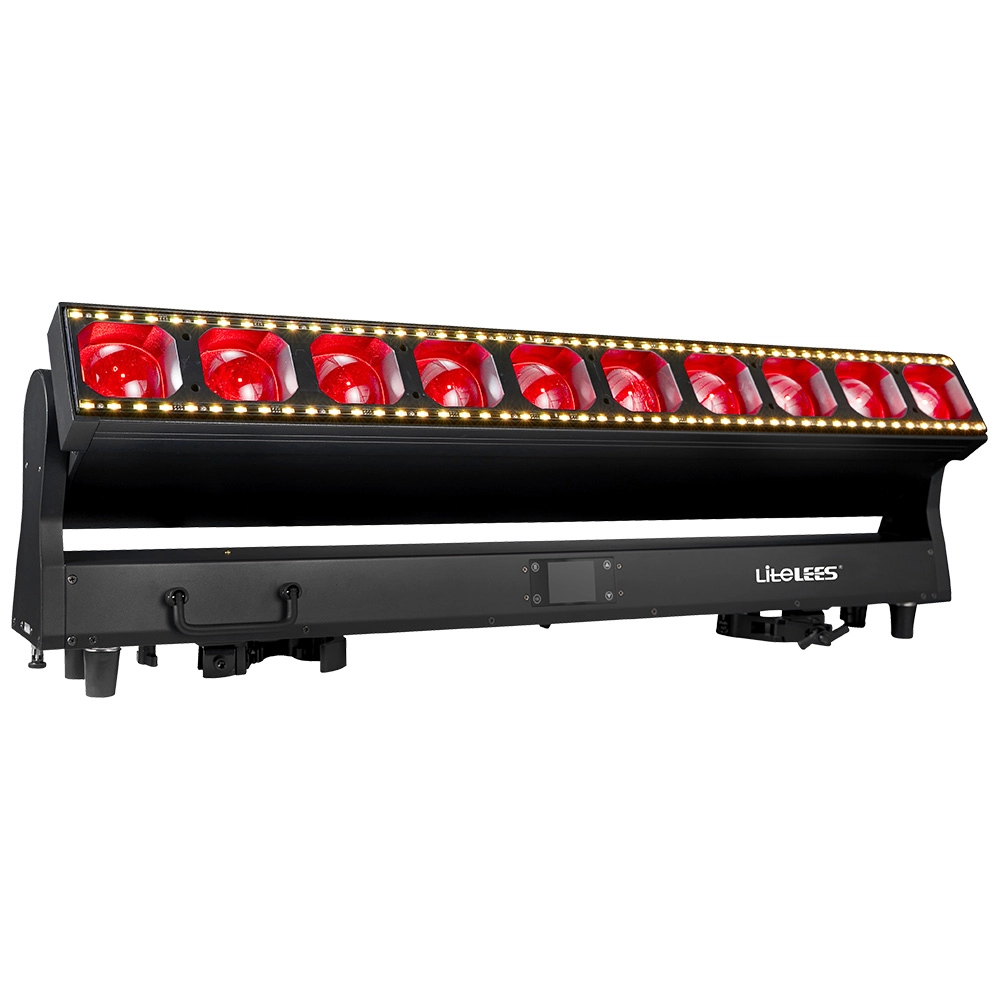
Yes. Our professional stage lights—especially the Beam, BSW 3-in-1, and LED Par Series—are engineered with high-output brightness, wide beam angles, and robust housing. Some models come with IP-rated protection, making them suitable for outdoor applications like concerts, festivals, and sports events.
What is the lifespan of your LED stage lights?
Our LED lights use high-quality chips with a rated lifespan of over 50,000 hours. Proper usage and maintenance ensure long-term reliability and stable performance, making them a smart investment for any venue.
Do your lights support DMX512 and other control protocols?
Yes. All LiteLEES stage lights are fully compatible with DMX512. Many models also support RDM, Art-Net, and wireless DMX (optional), ensuring seamless integration with modern lighting control systems.
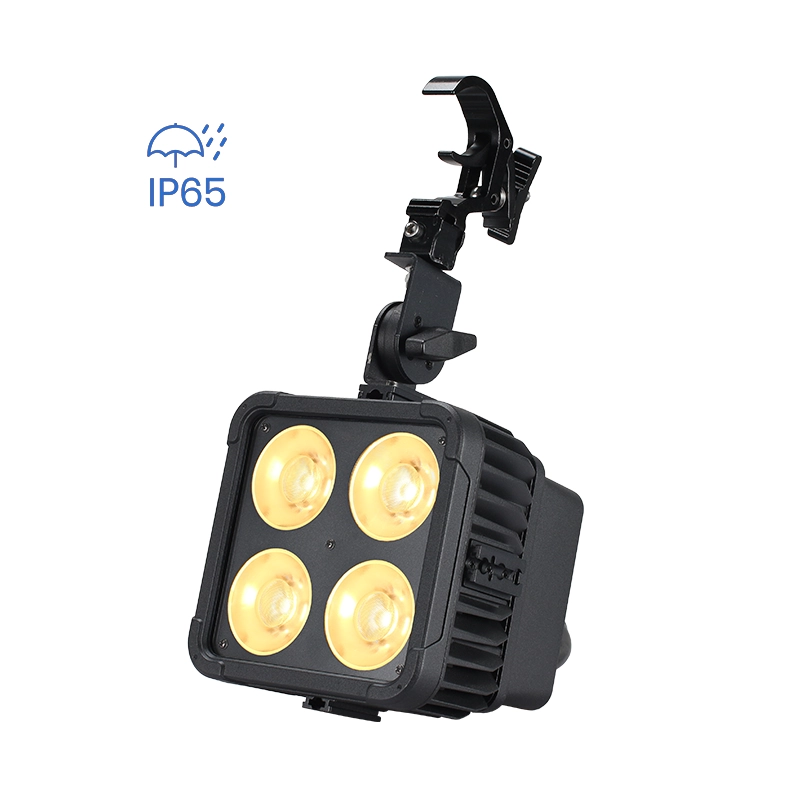
Magic Cube V8 IP
Want to get more up-to-date news?
If you have any comments or good suggestions, please leave us a message; later our professional staff will contact you as soon as possible.

We are professional stage lighting manufacturers offering OEM and ODM LED stage lights.
Contact
Email us
Call us
Address
No.6 Longnan Road, Huashan Town, Huadu District Guangzhou, Guangdong Province, China.
LiteLEES Professional
Less Lighting