
How to choose the right stage strobe light for concerts?
- How to Choose the Right Stage Strobe Light for Concerts?
- 1. What is a stage strobe light and how do LED and xenon strobes differ?
- 2. What specifications should I compare when buying a strobe?
- 3. How bright does a strobe need to be for concerts, and how do I compare output?
- 4. How to ensure strobes are camera-friendly (no banding or rolling shutter artifacts)?
- 5. What control and networking features should I require?
- 6. Are there safety and legal considerations (photosensitive epilepsy, photobiological safety)?
- 7. What about reliability, maintenance and total cost of ownership?
- Checklist: How to pick the right strobe for your show
- Additional buyer tips for rental houses and production managers
- Why test and audit before committing?
- References and sources
How to Choose the Right Stage Strobe Light for Concerts?
Strobe lighting is a fundamental effect in live concerts — it adds energy, rhythm and dramatic punctuation. Choosing the right stage strobe requires balancing brightness, flash characteristics, control flexibility, safety and reliability. Below are the most common buyer questions and clear, practical answers for production managers, rental houses and lighting designers.
1. What is a stage strobe light and how do LED and xenon strobes differ?
A stage strobe creates intense, short-duration flashes. Historically xenon flash tubes produced very bright, instantaneous white bursts. Modern LED strobes use arrays of high-power LEDs (often with color capability) and electronic drivers to simulate similar flash effects.
Key differences:
- Brightness profile: Xenon strobes can produce extremely high instantaneous peak brightness in a single white flash, while LED strobes deliver sustained high average output and color mixing but may have lower single-pulse peak than large xenon units.
- Color: LEDs offer full-color capability (RGB/RGBW) without gels; xenon is effectively white and requires diffusers or color filters for color effects.
- Power and maintenance: LEDs are far more energy-efficient, produce less heat and have longer lifetimes; xenon requires high-voltage ignitors and periodic maintenance.
- Control: LED strobes integrate easily with DMX/Art-Net and modern control workflows; xenon units often use simpler trigger interfaces or dedicated controllers.
2. What specifications should I compare when buying a strobe?
Focus on these core specs rather than only on model names:
- Peak and average output: Look for manufacturer data showing lux at a distance or lumen/candela figures and compare measured lux at working distances typical for your venues.
- Flash rate (Hz) and adjustment range: Confirm the strobe's adjustable flash rate (e.g., 0–20 Hz, sometimes higher). For rhythmic effects you want fine adjustment and memory presets.
- Pulse duration / duty cycle: Shorter pulses give crisper strobes; duty cycle limits continuous high-frequency operation to protect the fixture—check manufacturer duty-cycle guidance.
- Color capability: RGB/RGBW or white-only. If you need saturated color strobes, choose LED RGB units with good color mixing and calibrated output charts.
- Beam angle and optics: Narrow beams concentrate light for long-throw; wider beams cover larger stage areas. Some units include exchangeable lenses or diffusers.
- Control protocols: DMX512 compatibility, RDM for remote addressing, and network options like Art-Net/sACN for larger rigs.
- PWM (driver) frequency and flicker-free modes: Important for camera recording—higher driver refresh rates or dedicated video/flicker-free settings reduce camera banding.
- Physical and electrical: Power draw (W), connectors (powerCON, IEC), weight, mounting points, and cooling method (active fans vs. passive heatsinks).
- IP rating: For outdoor concerts choose IP65-rated fixtures; indoor-only units commonly are IP20.
3. How bright does a strobe need to be for concerts, and how do I compare output?
Brightness is context-dependent: small clubs need less output than large arenas. Useful approaches:
- Ask for lux-at-distance data from manufacturers or measure with a calibrated lux meter. Many manufacturers publish lux at 5m or 10m — use those to compare fixtures for your typical throw distances.
- Understand beam angle: a 10° beam concentrates output and yields higher lux at long distances than a 60° wide wash.
- Use a basic inverse-square intuition: if a fixture gives X lux at 5 m, at 10 m the on-axis lux will be roughly one-quarter (for a point-source approximation), though real lensing changes this.
Rather than a single lumen number, prefer fixtures with manufacturer photometrics (lux vs distance) and request test data when possible.
4. How to ensure strobes are camera-friendly (no banding or rolling shutter artifacts)?
Banding and flicker on video occur when the strobe driver’s PWM or refresh frequency conflicts with camera frame rates or sensor readout speed. To reduce camera artifacts:
- Choose fixtures that advertise flicker-free or video-safe modes. These modes generally increase LED driver refresh rates or modulate output to avoid visible banding at common camera frame rates.
- Check the driver PWM frequency and any documented camera test results. Fixtures targeted at broadcast/event production often list video compatibility.
- When possible, test the strobe with the actual cameras and frame rates you will use prior to the event.
5. What control and networking features should I require?
Concert rigs demand flexible, reliable control:
- DMX512 is the baseline. Prefer fixtures with standard DMX channel footprints, clear documentation and RDM support for remote configuration and addressing.
- For larger networks, Art-Net or sACN support (direct over Ethernet) simplifies distribution and reduces wiring complexity.
- Look for fixture presets, scene storage, internal macros and compatibility with popular lighting consoles. Some units support both local stand-alone operation and full console integration.
- Physical connectors: secure connectors like powerCON TRUE1 and etherCON (Neutrik) are preferred in pro touring environments.
6. Are there safety and legal considerations (photosensitive epilepsy, photobiological safety)?
Yes. Flashing light can trigger photosensitive epilepsy (PSE) in susceptible individuals. Key precautions:
- Be aware that certain flash frequencies are more provocative — flashes in ranges around a few hertz up to a few tens of hertz carry higher risk (design your sequences responsibly).
- Follow venue and local regulations and event organizer policies about warning signage and pre-show announcements regarding strobe use.
- Consult photobiological safety standards (e.g., IEC 62471) for exposure limits to optical radiation; many manufacturers provide safety compliance information in their manuals.
- Include clear strobe warnings in marketing and pre-event communications when strobes will be used extensively.
7. What about reliability, maintenance and total cost of ownership?
Consider long-term and operational factors:
- Cooling: LED strobes that use proper heatsinking and quality thermal design will have longer service life. Fan-cooled fixtures can be adequate but fans require maintenance.
- Warranty and service: Check warranty length, availability of spare parts (LED modules, drivers) and manufacturer/regional service networks.
- Power efficiency reduces generator or distro size and operational costs; LEDs typically dramatically reduce energy and lamp replacement costs compared with xenon.
- Rental houses should keep a mix: high-output xenon or hybrid strobes for peak white punch where needed, and LED strobes for flexible color and lower running costs.
Checklist: How to pick the right strobe for your show
- Define the effect: Do you need pure white punch, colored strobes, long-throw beams, or wide area coverage?
- List technical must-haves: required lux at X meters, beam angle, DMX/Art-Net, flicker-free for cameras, IP rating.
- Request photometric data and, if possible, a demo or rental test with your FOH camera and console.
- Check duty-cycle and cooling limits for continuous sequences and back-to-back show days.
- Confirm connectors, rigging points, weight limits and local service/warranty support.
Additional buyer tips for rental houses and production managers
- Standardize on a few strobe models to simplify spares and power/dim strategies; document fixture DMX channel maps and maintain a service log.
- Train lighting techs on safe strobe programming practices and how to rapidly swap units on quick-change tours.
- For outdoor festivals, insist on IP65-rated fixtures and sealed power/data connectors.
- Include event-specific strobe warnings in stage plots and rider documents so promoters and medical staff are informed.
Why test and audit before committing?
Advertised specs vary by testing method. Always audition strobes in-situ where possible, or request manufacturer photometrics run under the same settings you will use. Tests should include camera checks, continuous-run stress tests and DMX patching validation.
Conclusion — practical selection in one sentence: pick a strobe whose photometrics meet your venue distances, whose control and driver (flicker/PWM) features match your camera and console needs, and whose thermal/IP design and service network suit your touring or rental usage.
LiteLEES advantages
LiteLEES offers a range of LED strobe solutions designed for modern concert production: energy-efficient LED arrays for sustained color and white output, DMX/RDM and network control options for integration, robust thermal design for long duty cycles, and industry-standard connectors for touring. For rental houses and production teams looking for a balance of color flexibility, low running costs and professional control features, LiteLEES models present a practical choice with responsive technical support and warranty coverage.
References and sources
- Strobe light — Wikipedia. Accessed 2024-06-01. https://en.wikipedia.org/wiki/Strobe_light
- Photosensitive epilepsy — Wikipedia summary of Harding & Jeavons research (on flash frequencies). Accessed 2024-06-01. https://en.wikipedia.org/wiki/Photosensitive_epilepsy
- IEC 62471: Photobiological safety of lamps and lamp systems — International Electrotechnical Commission. Relevant for photobiological exposure guidance. Accessed 2024-06-01. https://www.iec.ch
- Product pages and manuals for LED strobes from leading manufacturers (examples: Chauvet, ADJ) — consult manufacturer photometric and user manuals for lux/distance data, DMX compatibility and flicker/video modes. Accessed 2024-06-01. https://www.chauvetdj.com and https://www.adj.com
- DMX512 protocol overview — Wikipedia / PLASA materials summarizing DMX and RDM control standards. Accessed 2024-06-01. https://en.wikipedia.org/wiki/DMX512
Company
Can LiteLEES handle OEM/ODM orders?
Absolutely. With our strong R&D capabilities and advanced manufacturing, we can customize designs, features, and branding to meet your specific needs.
What certifications do your products have?
All LiteLEES products are certified by CE, RoHS, FCC, and BIS. Our factory is ISO9001 quality management system certified.
What is LiteLEES’s main business?
LiteLEES specializes in the design, development, manufacturing, and sales of professional stage lighting, including moving head lights, beam lights, spot lights, wash lights, and LED par lights.
Where is LiteLEES located?
Our headquarters and manufacturing facility are located in Guangzhou, China, with products exported to over 70 countries worldwide.
Products
Can I customize the functions or software of the lights?
Absolutely. As a manufacturer with independent R&D capabilities, we offer customization for both hardware and software (such as DMX channel layout, built-in programs, or UI language). Contact us with your project needs, and our team will provide tailored solutions.
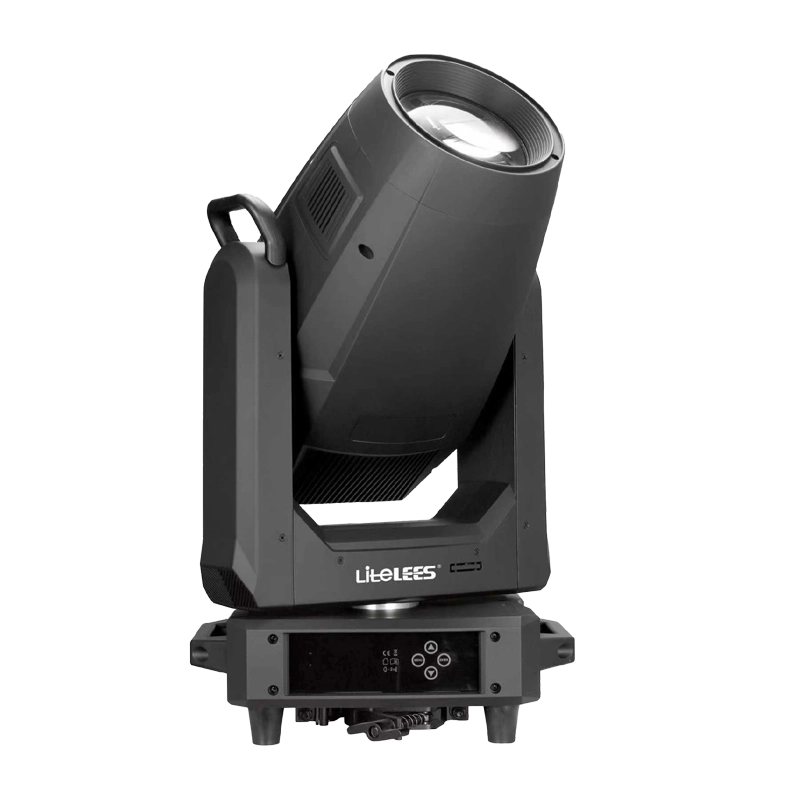
LP Profile 900
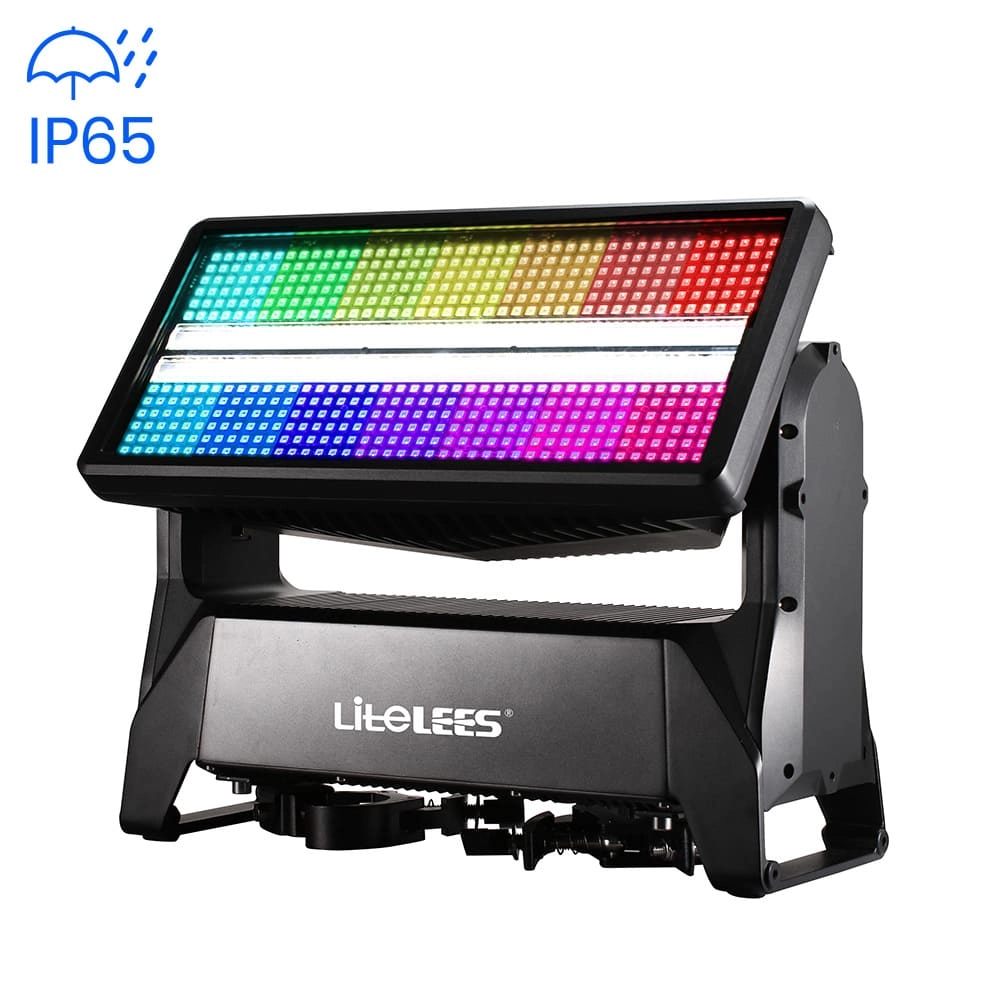
Stormy STRIKE M IP
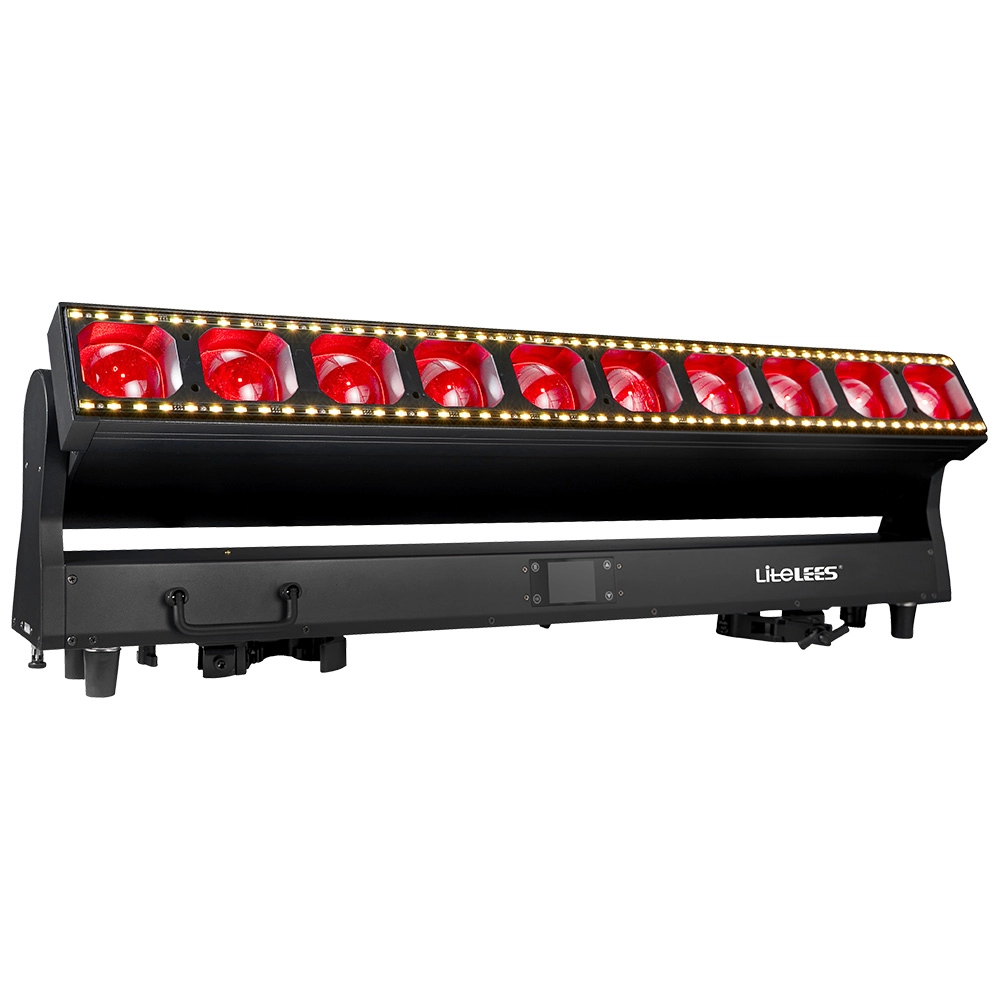
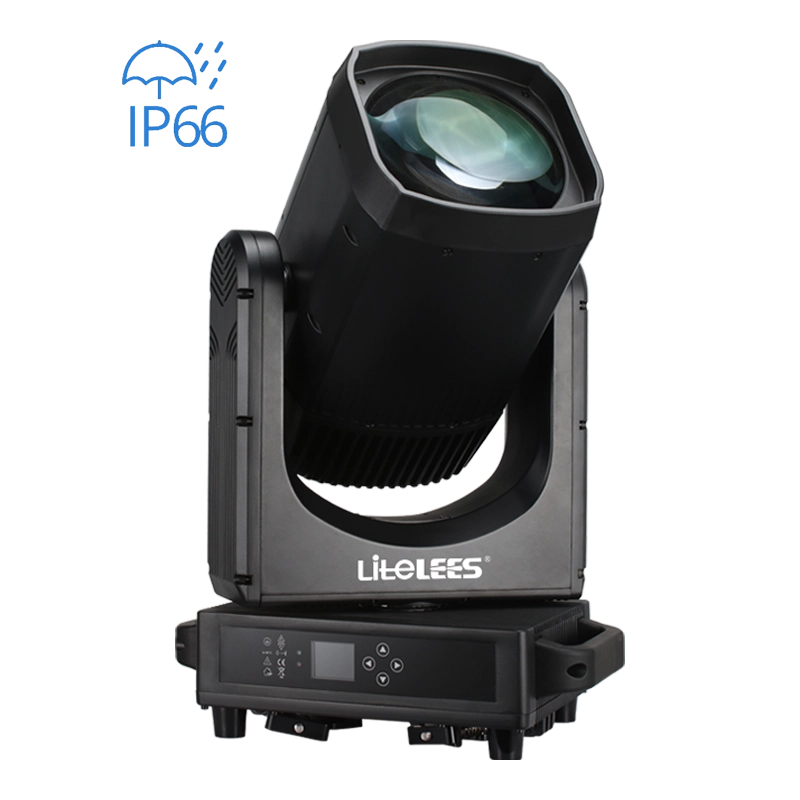
LiteLEES LUMIX BEAM 420 IP
Want to get more up-to-date news?
If you have any comments or good suggestions, please leave us a message; later our professional staff will contact you as soon as possible.

We are professional stage lighting manufacturers offering OEM and ODM LED stage lights.
Contact
Email us
Call us
Address
No.6 Longnan Road, Huashan Town, Huadu District Guangzhou, Guangdong Province, China.
LiteLEES Professional
Less Lighting