
How to choose the right stage hybrid light for touring acts?
- 1) How do I calculate lux, beam diameter and coverage for a stage hybrid light at specific throw distances (so I can know how many fixtures I need for a 10–15 m deep touring stage)?
- 2) What specific cooling, fan and noise specs should I demand in a hybrid moving-head for long tours—how to keep stage noise below broadcast and FOH limits?
- 3) Which power and data connectors, protocols and electrical features should I require to future‑proof hybrid fixtures for large touring rigs?
- 4) How do I evaluate serviceability and field repairability to minimize downtime on multi‑city tours (what spares to carry, what modularity matters)?
- 5) How can I objectively compare photometric and “punch” claims between manufacturers when they publish lumens, lux, or candela differently?
- 6) What fixture modes and DMX-channel strategies minimize DMX universes and simplify programming when touring with mixed hybrid fixtures?
- Conclusion — Advantages of Stage Hybrid Lights for Touring Acts
1) How do I calculate lux, beam diameter and coverage for a stage hybrid light at specific throw distances (so I can know how many fixtures I need for a 10–15 m deep touring stage)?
Answer:
When selecting an LED hybrid fixture for touring you must base decisions on photometrics, not marketing phrases like “super punchy.” Use the manufacturer’s photometric data (IES or CSV files) and these steps:
Use the right units:
- Peak luminous intensity is given in candela (cd).
- Total luminous flux is lumens (lm).
- Illuminance on a surface is lux (lm/m²).
Basic formulas to calculate center lux and beam diameter:
- Center illuminance (lux) ≈ candela / distance² (distance in meters). This gives the on-axis lux.
- Beam half-angle θ = beam angle / 2 (in radians). Beam radius at distance D = D × tan(θ). Beam diameter = 2 × radius.
- Average lux across beam ≈ lumens / beam area (beam area ≈ π × (radius)²), but manufacturers often report center lux and beam profile—use center lux for punch/spot and average lux for wash calculations.
Practical workflow:
- Obtain the fixture’s peak candela and nominal beam angle for the chosen zoom step (many hybrids have motorized zooms; pick the zoom you plan to run).
- Calculate center lux at your working distance for on-axis punch (use candela / D²).
- Calculate beam diameter to understand coverage and overlap for wash blending.
- In lighting design software (WYSIWYG, Capture, Vectorworks) import the IES/IESNA file to simulate distribution—this is the gold standard.
Example (method only; verify with your fixture data): if a fixture lists 300,000 cd at a 5° beam: at 10 m, center lux ≈ 300,000 / 100 = 3,000 lux; beam radius ≈ 10 × tan(2.5°) ≈ 0.44 m, diameter ≈ 0.88 m. That tells you the light is very tight—useful as a beam/spot, but you’ll need many for even washes.
Touring tip: for a 10–15 m deep stage, choose hybrids with wide zoom ranges (e.g., 3°–55° or similar) so you can switch between tight beam for arena punch and wider wash for theatres. Always confirm using actual IES photometric files rather than lumen marketing numbers.
Standards & evidence: Use manufacturer IES/IESNA photometrics and compare lux at a common distance. When available consult LM-79 photometric reports for reliable measured output.
2) What specific cooling, fan and noise specs should I demand in a hybrid moving-head for long tours—how to keep stage noise below broadcast and FOH limits?
Answer:
Noise and thermal management are often ignored in spec sheets but are critical for touring where FOH mixes and broadcasts matter.
Ask for measured sound pressure level (SPL) at 1 m and operating ambient temp ranges—do not rely on “quiet” marketing.
- Target: fixtures with <45 dBA at 1 m during maximum output are considered quiet for many live/broadcast situations.
- Reasonable touring range: 38–55 dBA depending on size/power—smaller fixtures often below 45 dBA; very powerful units may exceed 55 dBA.
Cooling architecture to prefer:
- Variable-speed fans controlled by internal thermal management (not simple on/off). Quiet operation at lower intensities reduces noise during standby or low-output cues.
- Separate cooling channels for LED modules and power electronics to improve longevity.
- Easily replaceable fans (field-replaceable) and accessible dust filters for touring environments.
Thermal specs:
- Operating ambient range should match your tour itinerary (e.g., -10 °C to +45 °C). Verify derating policies if above spec temps occur.
Flicker and driver behavior:
- For broadcast use, request flicker-free drivers and/or high PWM frequency (or constant current drivers) to avoid camera banding. Many broadcast setups require fixture drivers that are effectively flicker-free at camera frame rates—ask for explicit camera-tested performance.
Touring checklist:
- Get SPL test data (dBA at 1 m) from the vendor under maximum output and idle conditions.
- Confirm fan replacement parts are available and list recommended spare part counts.
- Ask for recommended operating temperature and whether the fixture will derate output above a certain ambient temperature.
References: Use manufacturer SPL charts and LM-80/TM-21 data when available to understand heat-related lumen maintenance.
3) Which power and data connectors, protocols and electrical features should I require to future‑proof hybrid fixtures for large touring rigs?
Answer:
Touring rigs demand robust, standardized power and network interfaces to avoid bottlenecks and failures.
Power hardware:
- Neutrik powerCON TRUE1 or equivalent locking power input and power-loop output (powerCON in/out) for safe hot tour hookups.
- Auto-ranging universal power supply (100–240 VAC) with power factor correction (PFC) to handle global touring voltages.
- Inrush current limiting or soft-start electronics—reduces nuisance breaker trips when powering many fixtures.
Data & network connectors:
- 5-pin XLR DMX in/out for DMX512 (use 5-pin as standard; 3-pin may still be tolerated but 5-pin is recommended for touring rigs).
- RDM (Remote Device Management, ANSI E1.20) support for remote addressing, diagnostics and firmware updates.
- Ethernet with etherCON connector supporting Art-Net and sACN (E1.31) for large-universe deployments; allow DMX-over-IP and bridging.
- Optional: Wireless DMX compatibility—LumenRadio CRMX is an industry-standard wireless DMX solution for touring.
Control protocols & features to demand:
- DMX512 (E1.11), RDM (E1.20), Art-Net and sACN support.
- Onboard web UI or RDM diagnostics for quick troubleshooting—very useful in the field.
Other electrical considerations:
- Dual power inputs or power stability features (redundancy is valuable in critical touring rigs).
- Clear labeling of power draw (in watts), inrush current, and nominal current at 230 VAC and 120 VAC.
Touring tip: require datasheet values for maximum continuous power consumption and inrush current; verify compatibility with your tour distro and dimmer racks (even if not using dimmers).
4) How do I evaluate serviceability and field repairability to minimize downtime on multi‑city tours (what spares to carry, what modularity matters)?
Answer:
Field serviceability is a top cost driver for tours. When comparing models, evaluate mechanical design, spare parts strategy and expected failure modes.
Modular design features to prefer:
- Field-replaceable LED engine or LED modules with simple electrical connectors.
- Accessible, labeled PCBs and quick-release top covers—allows techs to replace boards or fans in less than 30 minutes.
- Standardized screws (avoid proprietary Torx/one-off fasteners that require specialized tools).
Recommended spare parts and counts for touring:
- Spare control board(s): 1 per 20 fixtures.
- Spare driver/PSU: 1 per 20 fixtures.
- Spare LED module(s): 1 per 25 fixtures.
- Spare PCB/fuse/fan kits and mechanical parts (clamping hardware): 2–5% of inventory.
- Always carry a full spare fixture for heads-on tours if budget permits.
Diagnostics & firmware:
- RDM support and on-fixture diagnostics (error logs) shorten troubleshooting time.
- USB or network-based firmware updates—essential during a tour when you might need vendor updates.
Documentation & service network:
- Require exploded parts diagrams, a clear list of replaceable components, and service manuals.
- Check the vendor’s global service network and turnaround times (important for international tours).
Practical tests before buying:
- Ask for a teardown video or request a sample to practice a common failure repair (fan or LED module swap).
- Time how long it takes to swap critical modules; prefer designs that minimize field downtime.
Industry practice: many rental houses follow a “1 in 20” spare rule for moving heads; adjust based on fixture reliability and tour length.
5) How can I objectively compare photometric and “punch” claims between manufacturers when they publish lumens, lux, or candela differently?
Answer:
Marketing numbers differ; comparing apples-to-apples requires focusing on the same metrics and using published photometrics.
Ask for the same measurement type from each vendor:
- Prefer IES or LM-79 photometric files (measured output) over lumen marketing claims.
- If only peak candela is provided, convert to lux at your working distance with candela / distance².
Understand the difference between lumen, candela and lux:
- Lumens describe total light output (useful for wash and general brightness).
- Candela describes directional intensity (useful for beam and spot ‘punch’).
- Lux describes illuminance on a target surface—what the audience or camera sees.
Compare beam angles and beam profiles:
- A tighter beam angle with high candela gives perceived punch; a wider beam spreads lumens over more area.
- Look at beam profile plots and cross-sections in the IES file to understand hot-spot vs even wash.
Use software for objective comparisons:
- Import IES files into lighting design software (WYSIWYG, Capture) and run the same stage model and distances.
Watch out for: quoted lumens measured without optics vs lumens through the lens. Ask whether lumen claims are LED engine lumens or fixture-output lumens.
Use LM-79 and LM-80/TM-21 data where available to verify measured output and lumen maintenance over time.
Touring tip: require IES files for the zoom range(s) you will use, not just a single zoom spec, and verify peak candela at those zoom settings.
6) What fixture modes and DMX-channel strategies minimize DMX universes and simplify programming when touring with mixed hybrid fixtures?
Answer:
Good DMX strategy saves programming time and reduces on-show failures, especially when fixtures from different lines coexist.
Standardize modes across fixtures:
- Many fixtures offer Basic, Standard and Full modes—choose the lowest mode that still provides necessary features (e.g., use Basic/Standard for audience blinders and broad effects; Full only for fixtures used as key spots).
- Document and lock in modes before the show and ensure all fixtures are set to the same firmware family personality where possible.
Use RDM for quick addressing and status checks:
- RDM simplifies addressing, identifies rogue fixtures, and reports temperature/faults remotely—minimizing floor trips.
Opt for Art-Net/sACN for large universes:
- Route multiple DMX universes over Ethernet to avoid cable congestion; use a reliable node with etherCON and QoS-capable switches.
Channel mapping best practices:
- Reserve consistent channel ranges for pan/tilt, color, gobo, and intensity across fixture types in your patch to ease programmer muscle memory.
- Use feature-limited modes (e.g., only intensity/pan/tilt/color) for fixtures used primarily as beams to reduce channel count.
Use naming conventions and patch templates:
- Create patch templates per venue type (theatre, club, arena) and pre-map fixtures in your lighting console software.
Example approach for a five-city festival:
- Standardize all hybrids to a common “tour mode” with reduced channels for effects and keep one or two fixtures in full mode for FOH focus.
- Use Art-Net to distribute universes and RDM to verify addressing on arrival.
Operational tip: before load‑in, run a quick automated RDM sweep and a DMX continuity test to catch addressing errors early.
Conclusion — Advantages of Stage Hybrid Lights for Touring Acts
Stage hybrid lights (moving-head hybrid spot/beam/wash fixtures) combine multiple optical engines—tight beam, framing/spot optics and wide wash—into one touring-friendly package. Advantages include reduced rig weight and fewer fixture types to transport; greater programming flexibility with on-the-fly zoom and gobo/colour combinations; and cost savings in freight, labor, and setup time. When chosen with the right photometrics, quiet thermal design, robust power/network interfaces, and serviceable modular design (LM-79/LM-80 verified where possible), hybrids deliver both creative versatility and operational resilience on multi-city tours.
Contact us for a tailored quote and spec checklist for your touring needs: www.litelees.com, litelees@litelees.com.
Company
What is LiteLEES’s main business?
LiteLEES specializes in the design, development, manufacturing, and sales of professional stage lighting, including moving head lights, beam lights, spot lights, wash lights, and LED par lights.
Do you have your own factory?
Yes. We own a sheet metal factory and a complete in-house production line—from PCB to final assembly—ensuring strict quality control and fast delivery.
Can LiteLEES handle OEM/ODM orders?
Absolutely. With our strong R&D capabilities and advanced manufacturing, we can customize designs, features, and branding to meet your specific needs.
Where is LiteLEES located?
Our headquarters and manufacturing facility are located in Guangzhou, China, with products exported to over 70 countries worldwide.
Products
How long is the warranty period for your products?
We offer a standard 1-year warranty on all products, with extended warranty options available upon request. During the warranty period, we provide free technical support and parts replacement for non-human damage.
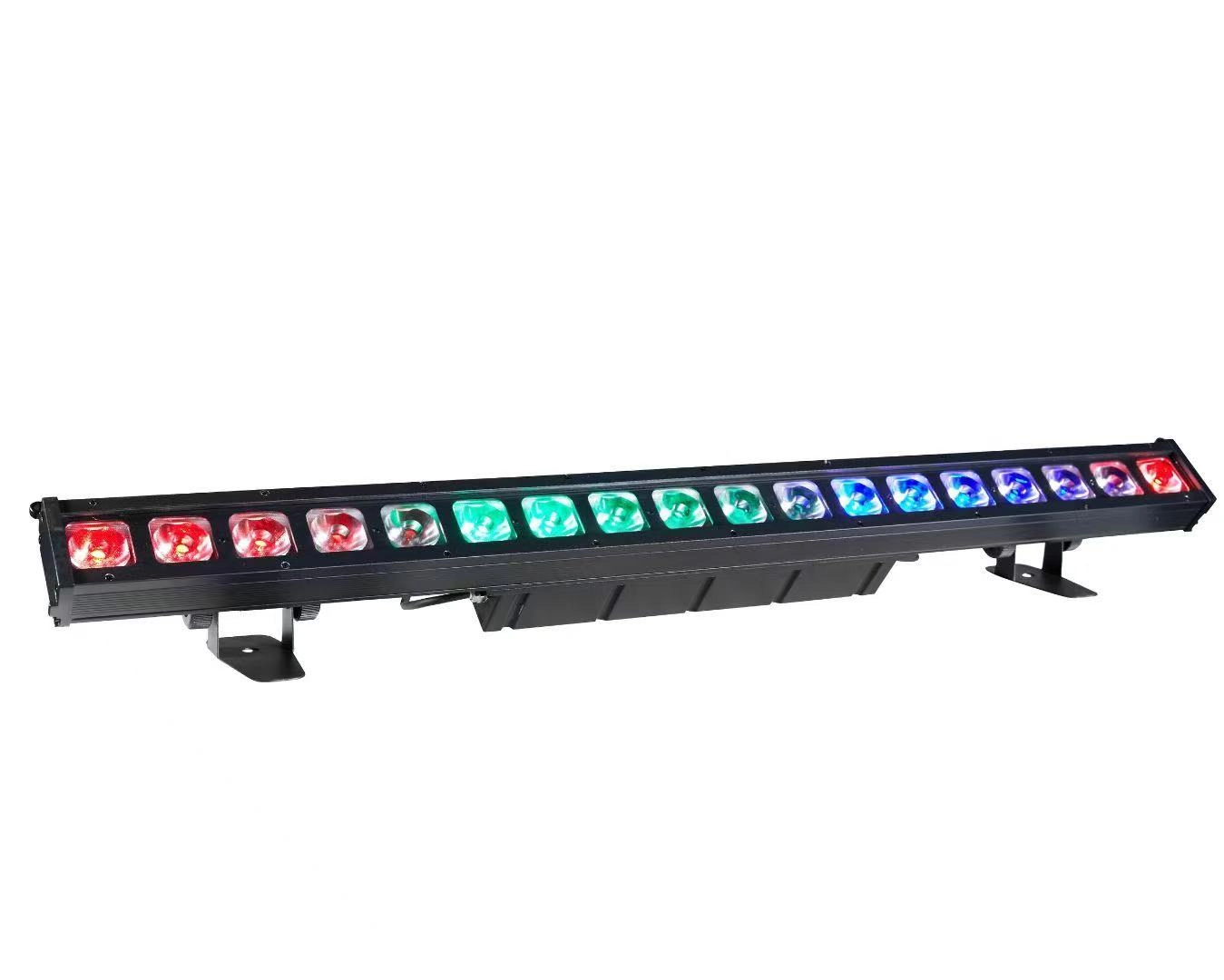
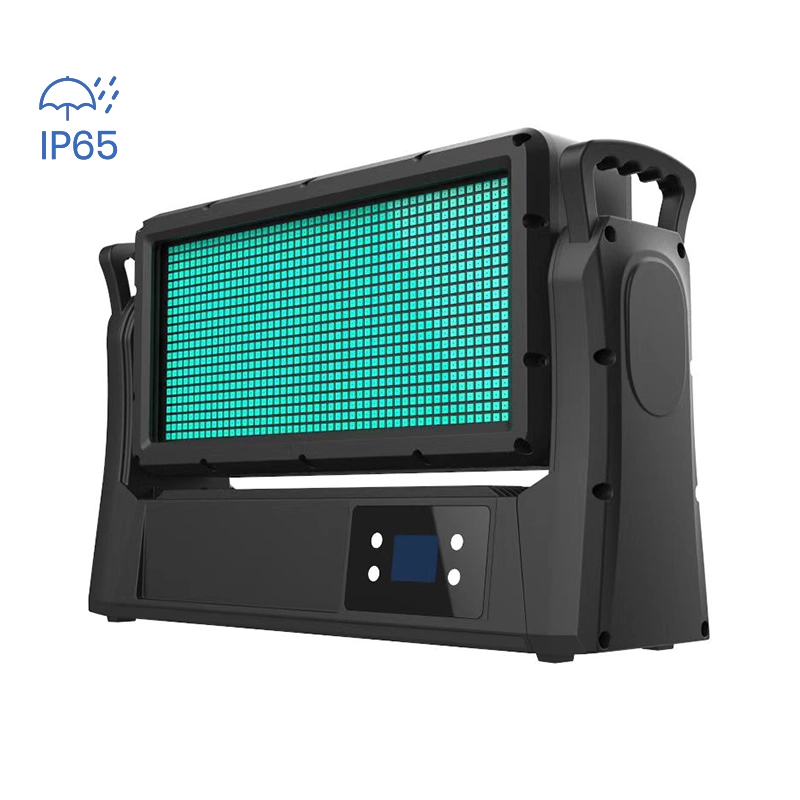
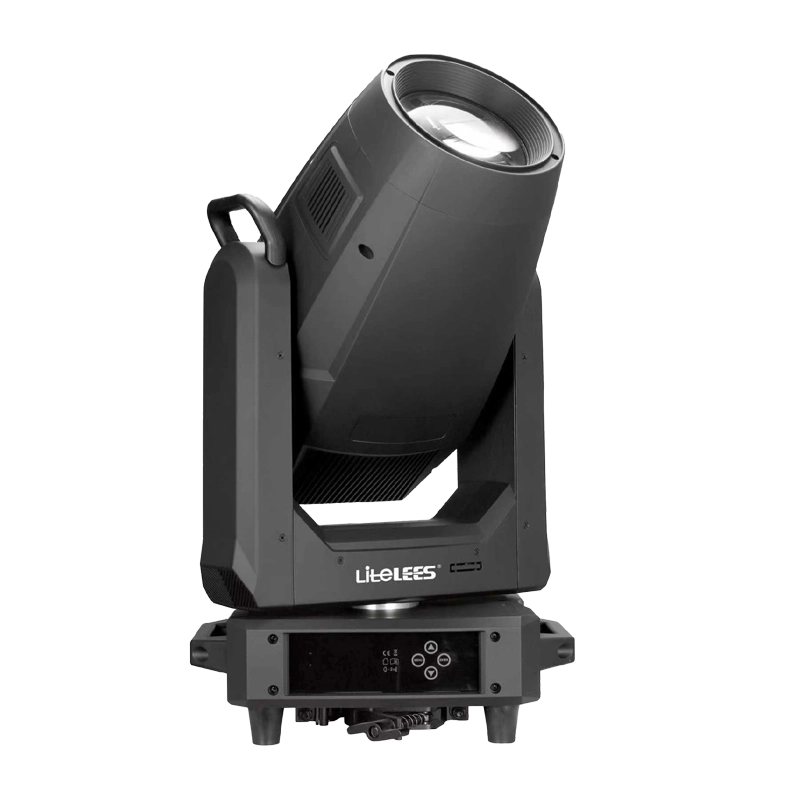
Stormy Supreme 600 IP
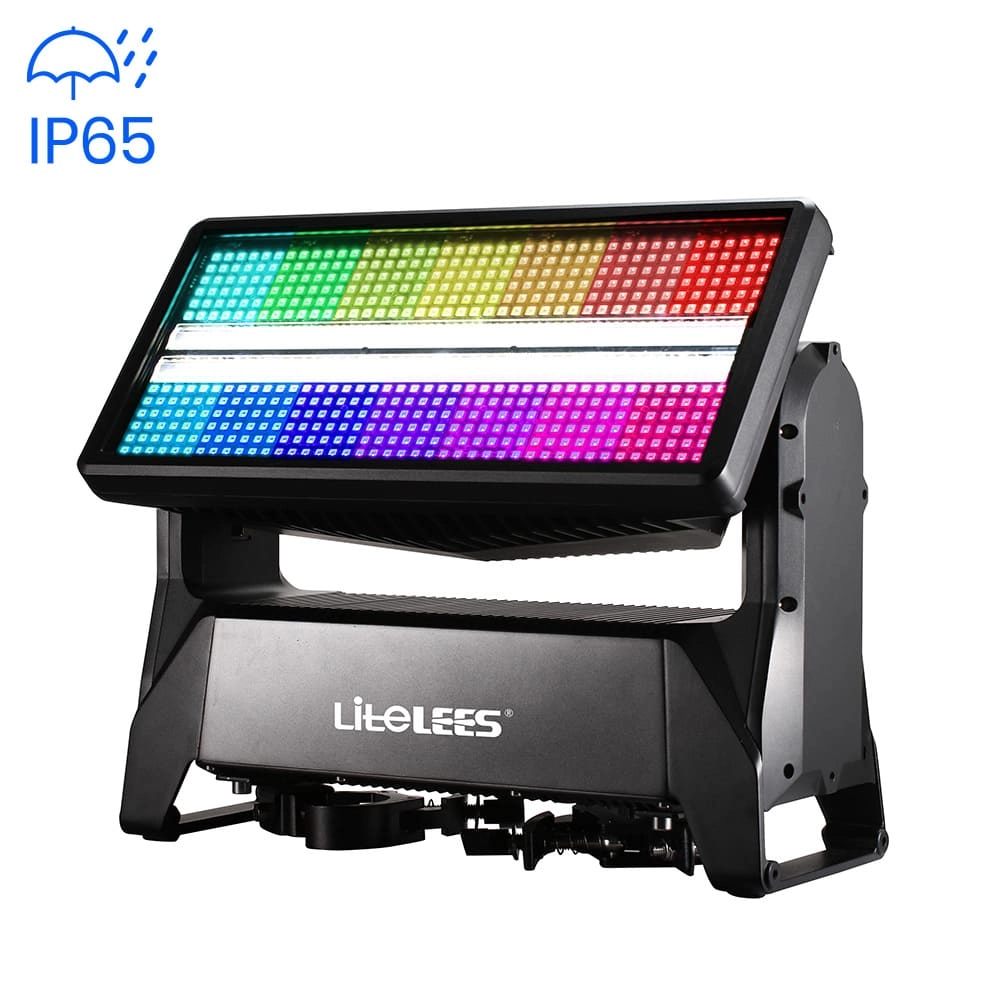
LP Profile 900
Stormy STRIKE M IP
Want to get more up-to-date news?
If you have any comments or good suggestions, please leave us a message; later our professional staff will contact you as soon as possible.

We are professional stage lighting manufacturers offering OEM and ODM LED stage lights.
Contact
Email us
Call us
Address
No.6 Longnan Road, Huashan Town, Huadu District Guangzhou, Guangdong Province, China.
LiteLEES Professional
Less Lighting