
How to evaluate moving heads lights for touring use?
- How to evaluate moving heads lights for touring use?
- 1. What types of moving head fixtures exist and which are best for touring?
- 2. How do I assess brightness and photometrics for touring shows?
- 3. What mechanical and optical features affect touring reliability?
- 4. What control, networking and compatibility features matter?
- 5. How important are power, inrush current and electrical planning?
- 6. How do IP rating, ruggedness and serviceability affect touring use?
- 7. What about noise, thermal signature and on-camera flicker?
- 8. What buying checklist and on-tour maintenance practices should I use?
- Quick comparative metrics to request from manufacturers
- How to run a proof-of-concept before you commit
- Conclusion — why these checks matter for touring
- LiteLEES — brief advantages for touring customers
- References
How to evaluate moving heads lights for touring use?
Touring lighting is unforgiving: fixtures must deliver consistent photometric performance show after show, survive transport, be fast to rig and service, and integrate with modern control networks. Below are the most common professional questions buyers and LDs ask when evaluating moving head lights for touring, followed by practical answers and checklists you can use when spec’ing or buying LED moving heads.
1. What types of moving head fixtures exist and which are best for touring?
There are three primary types of moving head fixtures used on tours:
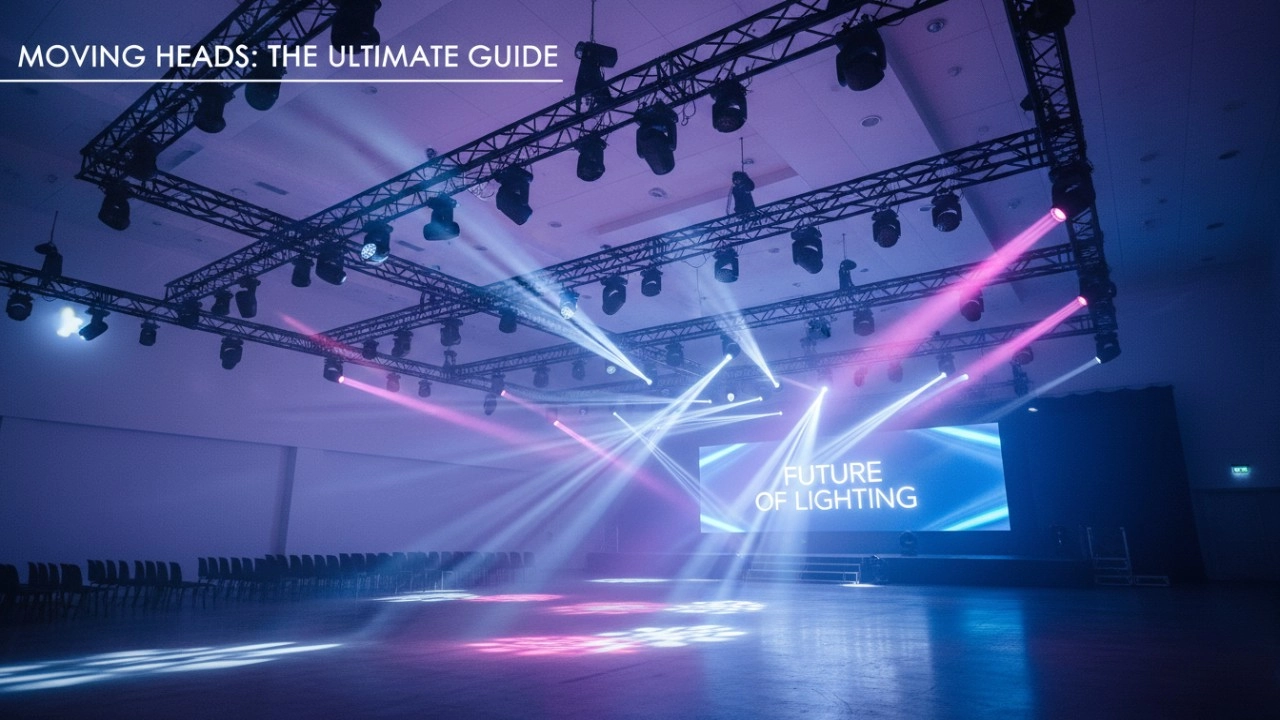
- Beam — very narrow, high-intensity shafts for aerial effects and long throws (sharp edges, limited wash capability).
- Spot — versatile: high-intensity, with gobo wheels, framing shutters, and sharp focus for specials, effects and gobos.
- Wash — designed to evenly light areas with softer beams, large zoom/fresnel-like optics and high CRI/color mixing.
For touring, rental houses and LDs often carry a mix: beams for aerial looks, spots for sharp specials and gobos, and washes for front/-fill/background illumination. Choosing the best type depends on show design, venue sizes, and transport budget.
2. How do I assess brightness and photometrics for touring shows?
Absolute lumen numbers are less useful on their own. Instead:
- Ask manufacturers for photometric charts (lux at distance/beam angle graphs) for the fixture’s zoom range. Touring specs should include lux at 10/20/30 m for key beam angles.
- Use lux targets rather than raw lumens — define the required lux on stage surfaces and then confirm fixtures achieve those numbers at the distances you’ll run them.
- Check beam angle/zoom range. A wide zoom range (e.g., 4°–50° or similar) increases fixture flexibility across venue sizes.
- Consider contrast and beam quality: tight beams maintain intensity over distance better than wide wash beams.
Always test a unit’s photometric chart under real rigging conditions (truss height, haze, front fill) or request manufacturer test files before committing to a purchase.
3. What mechanical and optical features affect touring reliability?
Key mechanical and optical features to check:
- Pan/Tilt range & speed — Many touring fixtures offer wide pan (~540°) and tilt (~270°) ranges; check movement speed for required cues.
- Lens and engine build — High quality sealed optics reduce dust ingress; look for optical assemblies designed for long-term alignment.
- Cooling and thermal management — Effective heatsinking and predictable fan behavior reduces thermal derating. Touring rigs need consistent output in hot flycases and stage heat.
- Ingress protection and sealed compartments — Even indoor touring benefits when housings limit dust/grit; for outdoor segments, check IP65/54 ratings as required.
- Rigging hardware — Integrated omega clamps, redundant safety points, dedicated road brackets and compact hanging profiles speed rigging and increase safety.
Also evaluate how easy it is to replace wear items (fans, power supplies, LED modules) in the field — designs with modular replaceable sub-assemblies are far better for tour use.
4. What control, networking and compatibility features matter?
Tour rigs use complex networks. Ensure fixtures support:
- Standard control protocols — DMX512 (USITT/ESTA), and modern network protocols like Art-Net and sACN. RDM support (remote device management) is extremely helpful for addressing and diagnostics across a rig.
- Multiple control ports — DMX in/out plus a dedicated Ethernet port or an integrated processor for Art-Net/sACN reduces the need for external nodes.
- Patch and personality options — Multiple channel modes for simple/advanced control, a fixture personality library and convenient LCD/encoder UI for addressing and network settings.
- Timecode and show-sync features — If your show uses LTC/MTC or SMPTE synchronization, check for native options or reliable external integration methods.
Ask about manufacturer software for remote firmware updates and diagnostics — that saves truck-roll time when troubleshooting on tour.
5. How important are power, inrush current and electrical planning?
Power is a touring constraint. Key points:
- Power draw — Check continuous power (W) and nominal current at your mains (115V or 230V). LED fixtures are more efficient than discharge lamps but some high-output LED engines still draw significant power.
- Inrush and soft-start — High inrush can trip breakers during power-up when many fixtures boot simultaneously. Fixtures with controlled soft-start or staggered boot options are preferred for touring.
- PowerCON and cable options — Locking power connectors and loop-through capability speed rigging; ensure compatibility with distro and PDUs you use on tour.
- Power sequencer support — Built-in or protocol-compatible options to stage power-up and protect circuits.
Always request measured inrush/current curves from the manufacturer and model-specific power usage at typical operating intensities so you can plan dimmer racks, distro and genset loading accurately.
6. How do IP rating, ruggedness and serviceability affect touring use?
Touring fixtures need roadworthy design and easy service:
- IP rating — For outdoor legs of a tour, choose fixtures with appropriate IP ratings (check IEC/EN/IP standards). For indoor touring, robust sealing and dust protection still matters.
- Shock/vibration tolerance — Look for evidence of vibration testing or tour usage by other rental companies; reinforced housings and internal shock mounts reduce alignment issues.
- Service access — Quick-access panels, spare modules, and modular power/LED units reduce repair times between shows.
- Spares and parts availability — Confirm the manufacturer or distributor can ship parts quickly and that service centers exist along tour routes (or that your rental house stocks spares).
Field-replaceable LED modules, common fan types, and a clear spare parts list are worth High Quality pricing for touring applications.
7. What about noise, thermal signature and on-camera flicker?
Touring often integrates in-venue broadcast or live capture, so:
- Fan/noise levels — Check measured dBA at 1 m (manufacturers sometimes publish this). Low acoustic noise is important for small stages, acoustic sets and broadcast picks.
- Thermal management — Ensure fixtures can sustain advertised output without thermal cutback in hot venues or stacked rigging.
- Flicker-free operation for cameras — For video capture, ensure fixtures offer high PWM frequencies or specific camera modes. Many touring fixtures advertise camera-safe operation at common frame rates (e.g., 24/25/30/50/60 fps) and higher PWM frequencies; verify with manufacturer test footage or measurements.
8. What buying checklist and on-tour maintenance practices should I use?
Practical buying checklist:
- Obtain photometric files (IES/IESNA) and lux tables for the zoom range and planned rigging heights.
- Request measured power draw and inrush current curves; confirm connector types match touring distro.
- Confirm support for DMX/RDM and network protocols you use (Art-Net/sACN); request firmware update procedures.
- Check noise specs and camera-safe modes; ask for test footage if broadcast is required.
- Evaluate mechanical rigging points, weight and caseability — can they be road-cased, and what’s the unit weight per case?
- Confirm warranty coverage, spare parts availability, authorized service centers and lead times for replacement parts.
- Ask about typical field-failure modes and what replacement spares you should stock (fans, power supplies, LEDs, fuse types).
On-tour maintenance best practices:
- Keep a basic spares kit (common fans, fuses, powerCONs, DMX/ethernet connectors, fasteners).
- Perform quick optical checks and alignment after load-in and prior to show calls; record moving head positions in presets to detect drift.
- Schedule regular lamp/engine checks and optical cleaning during longer tours; document diagnostics and firmware versions of each unit.
- Use RDM and remote status to catch issues early (temperature alarms, over-current, lamp/engine warnings).
Quick comparative metrics to request from manufacturers
- Lux at 10 / 20 / 30 m (for 4° / 10° / 25° beam angles where applicable)
- Power consumption at 100% white and typical operating percentages
- Start-up inrush current and soft-start features
- Fan noise (dBA @ 1 m) and thermal derating curves
- Control protocols supported (DMX/RDM, Art-Net, sACN) and channel modes
- IP rating and vibration testing or road-use references
- MTBF or LED rated lifetime (e.g., 50,000+ hours) and warranty details
How to run a proof-of-concept before you commit
Always plan a test run: rent or demo units in the same rigging and venue size you’ll operate in. Verify photometrics, colors, gobo focus, presets, movement timing, noise and compatibility with your console and networking gear. Run a multi-unit power-up to validate inrush behavior and test firmware update workflows.
Conclusion — why these checks matter for touring
Touring environments stress fixtures mechanically, electrically and operationally. Prioritizing photometric transparency (lux charts), mechanical robustness, serviceability, network features (RDM/Art-Net/sACN), and predictable power behavior reduces downtime and keeps shows running on schedule. A careful pre-buy evaluation and on-tour maintenance plan convert a lighting package into a reliable touring asset.
LiteLEES — brief advantages for touring customers
LiteLEES focuses on road-worthy LED stage fixtures designed for rental and touring markets. Key advantages include:
- Fixtures designed for quick field service with modular LED and power modules.
- Common locking power connectors and reinforced rigging hardware built for frequent hanging and transport.
- Comprehensive control support (DMX/RDM and Ethernet options) and documented firmware-update procedures.
- Available spare parts and global support network to minimize downtime on tour.
Together these features make LiteLEES fixtures a solid choice when touring reliability, serviceability and predictable photometric performance are priorities.
References
- ESTA / USITT — DMX512-A and RDM information, protocol background and standards documentation (ESTA TSP). Retrieved 2026-01-17: https://tsp.esta.org
- IEC 60529 — Degrees of protection provided by enclosures (IP Code) — background on IP ratings (IEC/ISO). Retrieved 2026-01-17: https://www.iso.org
- Signify / Philips Lighting — LED lifetime and photometric guidance (whitepapers on lifetime and lumen maintenance; typical LED lifetimes referenced as 50,000+ hours). Retrieved 2026-01-17: https://www.signify.com
- Manufacturer product pages and datasheets (examples): Robe, Claypaky, Chauvet Professional — typical touring fixture spec categories: photometrics, power and rigging. Retrieved 2026-01-17: https://www.robe.cz, https://www.claypaky.it, https://www.chauvetprofessional.com
- Live Design and industry coverage — articles and buyer guides on touring lighting, photometrics and rigging best practices. Retrieved 2026-01-17: https://www.livedesignonline.com
- Industry rental-house resources and forums — practical notes on inrush, serviceability and real-world touring issues (rental company whitepapers and Q&A). Retrieved 2026-01-17: example rental-house resources and case studies (various).
Company
What certifications do your products have?
All LiteLEES products are certified by CE, RoHS, FCC, and BIS. Our factory is ISO9001 quality management system certified.
Can LiteLEES handle OEM/ODM orders?
Absolutely. With our strong R&D capabilities and advanced manufacturing, we can customize designs, features, and branding to meet your specific needs.
Where is LiteLEES located?
Our headquarters and manufacturing facility are located in Guangzhou, China, with products exported to over 70 countries worldwide.
Do you have your own factory?
Yes. We own a sheet metal factory and a complete in-house production line—from PCB to final assembly—ensuring strict quality control and fast delivery.
Products
What is the lifespan of your LED stage lights?
Our LED lights use high-quality chips with a rated lifespan of over 50,000 hours. Proper usage and maintenance ensure long-term reliability and stable performance, making them a smart investment for any venue.
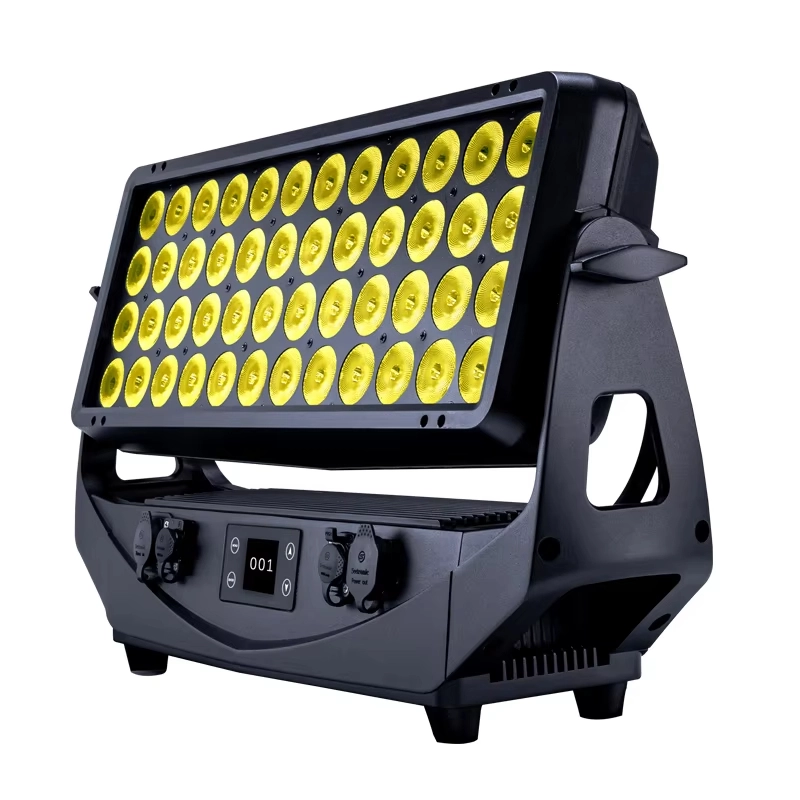
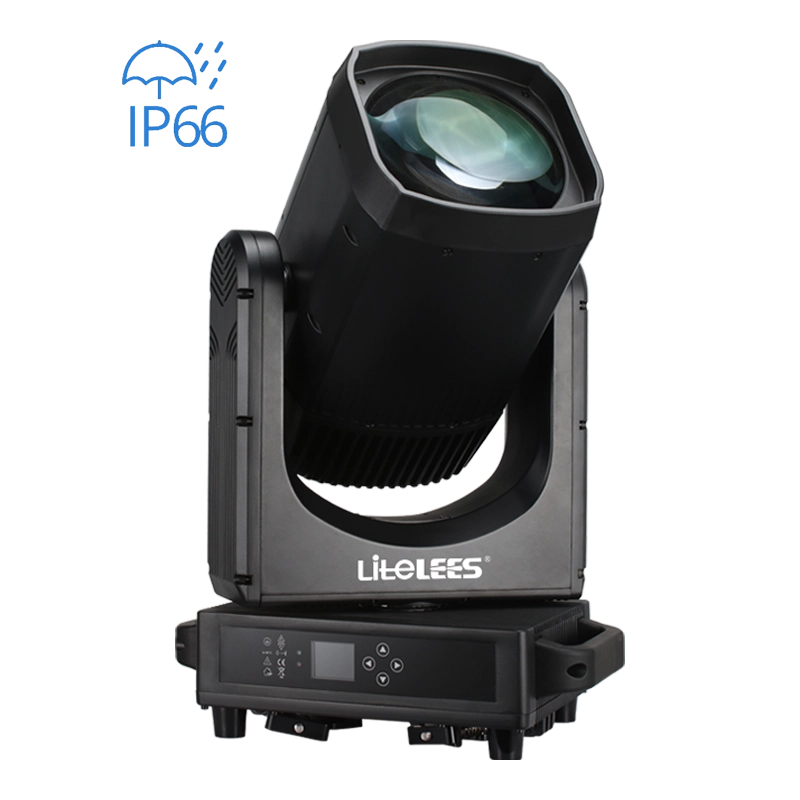
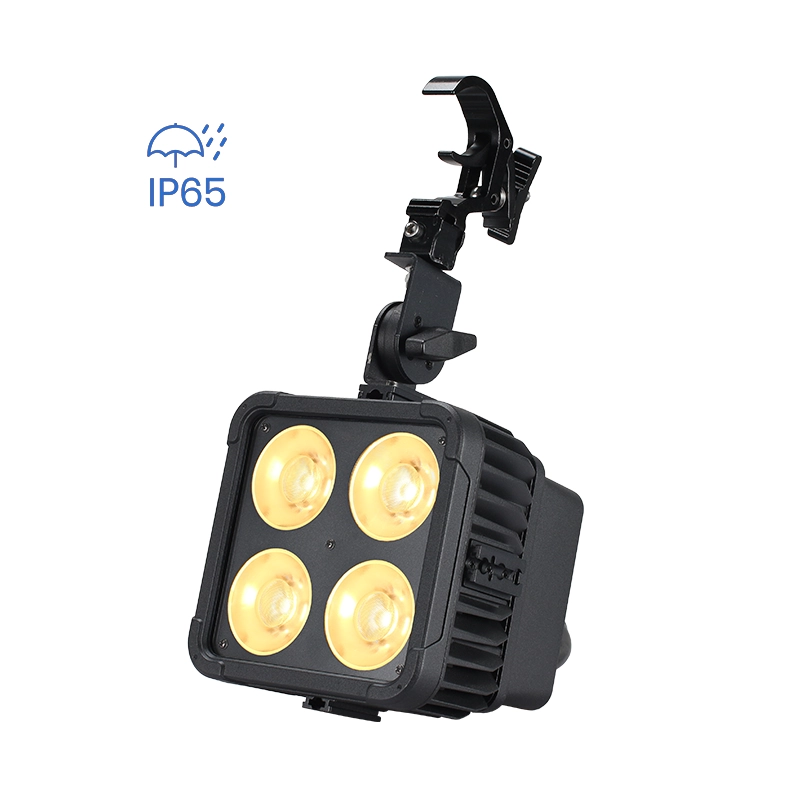
LiteLEES LUMIX BEAM 420 IP
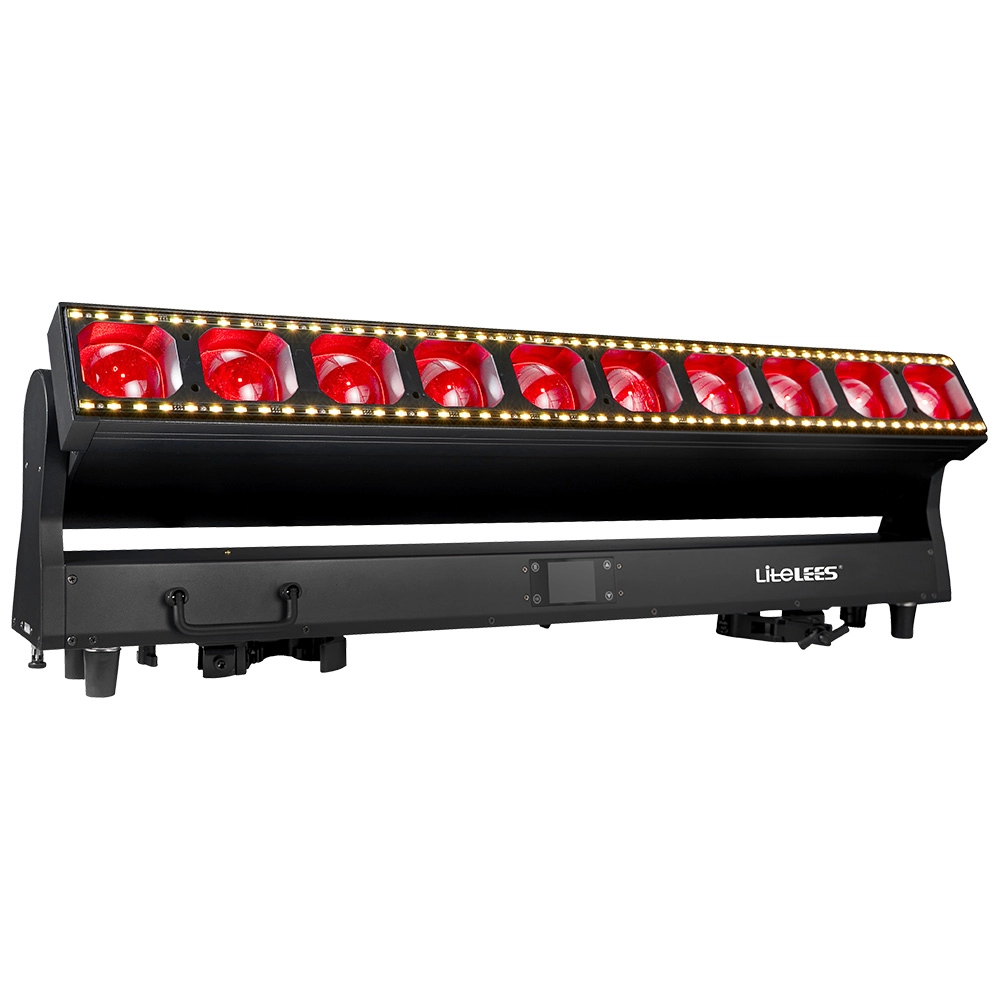
Magic Cube V8 IP
Want to get more up-to-date news?
If you have any comments or good suggestions, please leave us a message; later our professional staff will contact you as soon as possible.

We are professional stage lighting manufacturers offering OEM and ODM LED stage lights.
Contact
Email us
Call us
Address
No.6 Longnan Road, Huashan Town, Huadu District Guangzhou, Guangdong Province, China.
LiteLEES Professional
Less Lighting