
How to Compare Moving Theater Lights for Concerts and Stage?
- How to Compare Moving Theater Lights for Concerts and Stage?
- 1. What key specifications should I compare first?
- 2. How do I evaluate brightness: lumens vs lux vs manufacturer photometry?
- 3. What color and effects systems should I prioritize for concerts vs theatrical productions?
- 4. What control, networking and interoperability features should I require?
- 5. How important are build quality, reliability and serviceability?
- 6. What about power, heat and acoustic performance?
- 7. How should I balance upfront cost vs total cost of ownership (TCO)?
- Practical comparison checklist (quick, printable)
- Demo and acceptance testing advice
- Conclusion — Why LiteLEES can be a smart choice
- References
How to Compare Moving Theater Lights for Concerts and Stage?
Choosing moving theater lights (moving heads/moving LED fixtures) for concerts and stage productions requires comparing technical specs, real-world photometry, control features and total cost of ownership. Below are the 7 most common questions buyers and designers ask, with concise, actionable answers and a practical comparison checklist you can use during procurement.
1. What key specifications should I compare first?
Start with the headline specs that determine the fixture’s capability for your show type:
- Light engine type & life: LED modules are standard; typical rated life commonly ranges from ~30,000 to 50,000 hours depending on LEDs and manufacturer service policies. Ask for manufacturer MTBF/LED life data.
- Photometrics: manufacturer lux charts or IES files at standard distances — these tell you usable output on stage, which matters more than quoted lumens alone.
- Beam/zoom range: smallest beam angle (tight spot for aerial beams) to widest angle (wash). Common moving-head ranges run roughly 3°–60° depending on model.
- Optical effects: gobos (fixed/rotating), prisms, frost, iris, motorized focus, zoom speed, and gobo count.
- Color system: CMY or CMY+CTO for continuous color mixing vs color wheels for quick preset colors; CRI/TLCI if accurate whites for cameras are needed.
- Pan/Tilt mechanics & speed: typical professional moving heads use ~540° pan and ~230°–270° tilt; check absolute position sensors, backlash, and max speeds.
- Control & networking: DMX512 (baseline), RDM for remote device management, Art-Net/sACN for Ethernet-based control, and pixel-mapping capabilities.
- Power & cooling: input (single/three-phase), power draw, and thermal management (fan behavior, passive cooling options for low-noise venues).
- Durability & serviceability: IP rating for outdoor work, modularity (replaceable LED modules, optical modules), warranty and global service network.
2. How do I evaluate brightness: lumens vs lux vs manufacturer photometry?
Lumens measure total light output from a source; lux measures illuminance on a surface (lumens per square meter) and is what matters on stage. Because moving heads have optics, you must use manufacturer lux charts or IES photometric files to compare real-world performance:
- Request lux-at-distance charts (e.g., lux at 5m, 10m, 20m) or IES files and test them in your rigging positions.
- If you’re comparing two fixtures, compare their lux values at the same beam angle and distance rather than quoted lumens.
- Use a lux meter on a demo rig to validate manufacturer data; ensure fixtures are set to the same color temperature and dimmer curve for apples-to-apples results.
Quick tip: for long-throw beam needs (arena concerts), prioritize fixtures with narrow minimum beam angles and high central lux at distance. For theater washes, focus on even field uniformity and CRI/TLCI.
3. What color and effects systems should I prioritize for concerts vs theatrical productions?
Choose based on artistic needs and camera capture requirements:
- Concerts: dynamic color changes and fast effects are critical. Color wheels + CMY can give punchy presets plus quick transitions. Multiple gobo options and prisms enable dramatic aerial beams and strobes.
- Theater/Drama: color fidelity and subtle white control matter. Look for high CRI/TLCI (ideally >80 for live, >90 for camera-critical) and variable CTO or advanced RGBW/white-mixing engines for consistent skin tones.
- Broadcast/TV: prefer fixtures with known TLCI performance, high PWM refresh rates (to avoid flicker), and full remote control of dimming curves.
Also check whether the fixture offers pixel mapping or LED ring control for modern visual effects (important for festivals and integrated scenic elements).
4. What control, networking and interoperability features should I require?
Control features determine how easily a fixture integrates into your rig and how flexible it is in operation:
- DMX512 is the baseline. RDM (Remote Device Management / ANSI E1.20) is strongly recommended for remote addressing and firmware updates.
- Art-Net and sACN (ANSI E1.31) support for Ethernet lighting networks is essential for medium-to-large installs and advanced pixel mapping.
- Wireless options (CRMX, LumenRadio, proprietary RF) can simplify rigging but demand spectrum planning and redundancy for reliability.
- Timecode, show backup, and internal macros can reduce console load during live events.
- Check DMX channel modes — fewer channels simplify programming; more channels unlock advanced functions (pixel mapping, individual LED control).
5. How important are build quality, reliability and serviceability?
For rental houses and touring shows, uptime and fast servicing are as important as raw specs:
- Look for modular designs that allow replacement of LED engines, fans, power supplies and circuit boards without sending fixtures for full factory repair.
- Check ingress protection (IP) ratings if you expect outdoor shows — IP65 fixtures are available for all-weather use.
- Warranty terms, RMA turnaround, and regional parts stock dramatically affect Total Cost of Ownership (TCO).
- Consider weight and truss-loading — lighter fixtures save rigging time and infrastructure cost, but ensure build quality for touring stresses.
6. What about power, heat and acoustic performance?
Practical venue constraints often determine fixture choice:
- Power draw: LEDs reduce consumption dramatically vs discharge lamps; verify in-rack power budgets and dimmer/PSU loads. Check both running watts and inrush current.
- Thermal: LED efficacy drops with higher case temperatures — good fixtures have active thermal management and derating information for high ambient temps.
- Fan noise: For theatrical work and close-mic situations, low-noise or passive-cooled models are preferred. Ask for measured dBA or demo in a quiet room.
7. How should I balance upfront cost vs total cost of ownership (TCO)?
Compare not just purchase price but operating and service costs over expected life. Key TCO factors:
- Energy consumption: LED fixtures typically reduce power draw vs discharge fixtures by 40–70% depending on model and usage.
- Maintenance: LED lifetimes reduce lamp replacement needs, but check whether LEDs or driver boards are replaceable and at what cost.
- Resale and upgrade path: open firmware ecosystems and industry-standard protocols protect investment.
- Rental-show utilization: for rental houses, higher-spec fixtures often deliver more bookings and higher daily rates that offset higher capital cost.
Make a 5-year cost model including energy, consumables (fans, fuses), expected repairs, and residual value to compare options objectively.
Practical comparison checklist (quick, printable)
- Photometry: request IES files + lux-at-distance table
- Beam: min/max beam angle and zoom range
- Color: CMY vs wheels, CRI/TLCI rating, white color temps
- Effects: gobos count/type, prisms, frost, iris
- Control: DMX/RDM, Art-Net/sACN, wireless options
- Mechanics: pan/tilt degrees, speed, absolute encoders
- Power: nominal consumption, inrush current, connector types
- Noise & thermal: dBA at 1m, max ambient operating temp
- Service: modular parts, warranty length, local support
- Weight & mount: fixture weight, yoke options, truss load
- IP rating: indoor vs outdoor suitability
Demo and acceptance testing advice
Never buy sight-unseen. For each shortlisted fixture run:
- On-site demo with your console and network (test DMX, Art-Net/sACN). Use same rigging points and distances as planned.
- Measure lux on stage at representative distances and angles (with fixtures set to the same CCT and dimmer curve).
- Test fan noise and thermal behavior after 30+ minutes of full output.
- Update firmware and verify RDM/remote configuration works end-to-end.
- Stress-test moving parts (pan/tilt sweeps, gobo wheel indexing, prism/iris operations) and inspect for mechanical backlash or audible gear grind.
Conclusion — Why LiteLEES can be a smart choice
LiteLEES positions itself to meet the practical needs summarized above by offering energy-efficient LED moving heads with modular serviceability, competitive photometric performance, support for modern control protocols (DMX, RDM, Art‑Net/sACN), and IP-rated options for outdoor work. For rental houses and venues that prioritize TCO and rapid field servicing, LiteLEES emphasizes replaceable LED modules and accessible spare parts. Their fixtures are engineered to balance output, weight and thermal management — making them well-suited for both touring and fixed-install applications. When evaluating brands, compare LiteLEES photometry, warranty terms and local service footprint against rivals to confirm fit for your operational needs.
References
- ESTA / ANSI DMX512 and RDM standards — technical descriptions and use in theatrical control. (Source: ESTA TSP / PLASA, accessed Feb 01, 2026)
- Photometric and fixture spec guidance — manufacturer IES files and photometry best practices (industry reference material, accessed Feb 01, 2026)
- LED lifetime and performance guidance — major LED manufacturers’ published lifetimes and derating guidance (e.g., Philips/Signify, Osram, Cree; referenced manufacturer technical pages, accessed Feb 01, 2026)
- Control protocols: Art‑Net and sACN implementation guidance for entertainment lighting networks (protocol docs and white papers, accessed Feb 01, 2026)
- IP-rated outdoor fixtures and standards — outdoor product categories and real-world considerations (industry product pages, accessed Feb 01, 2026)
- Market and adoption trends for LED stage lighting — industry analyst reports (Grand View Research / MarketsandMarkets, accessed Feb 01, 2026)
Note: For procurement, always request manufacturer datasheets, IES files and demo units to validate claims on your stages and venues.
Products
Are your lights suitable for large-scale events and outdoor use?
Yes. Our professional stage lights—especially the Beam, BSW 3-in-1, and LED Par Series—are engineered with high-output brightness, wide beam angles, and robust housing. Some models come with IP-rated protection, making them suitable for outdoor applications like concerts, festivals, and sports events.
Do your lights support DMX512 and other control protocols?
Yes. All LiteLEES stage lights are fully compatible with DMX512. Many models also support RDM, Art-Net, and wireless DMX (optional), ensuring seamless integration with modern lighting control systems.
How long is the warranty period for your products?
We offer a standard 1-year warranty on all products, with extended warranty options available upon request. During the warranty period, we provide free technical support and parts replacement for non-human damage.
Company
Do you have your own factory?
Yes. We own a sheet metal factory and a complete in-house production line—from PCB to final assembly—ensuring strict quality control and fast delivery.
Where is LiteLEES located?
Our headquarters and manufacturing facility are located in Guangzhou, China, with products exported to over 70 countries worldwide.
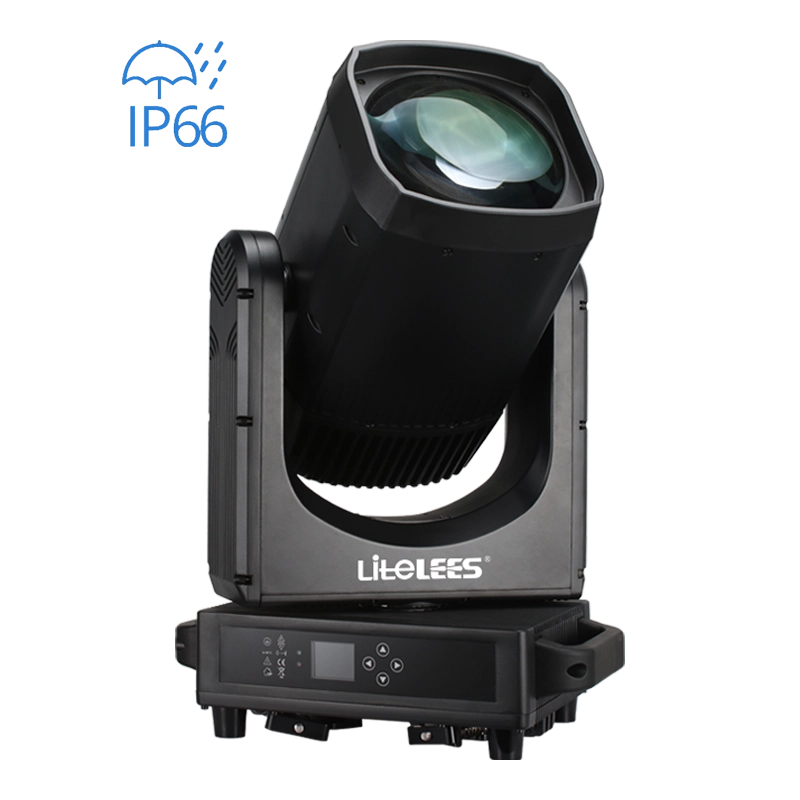
LiteLEES LUMIX BEAM 420 IP
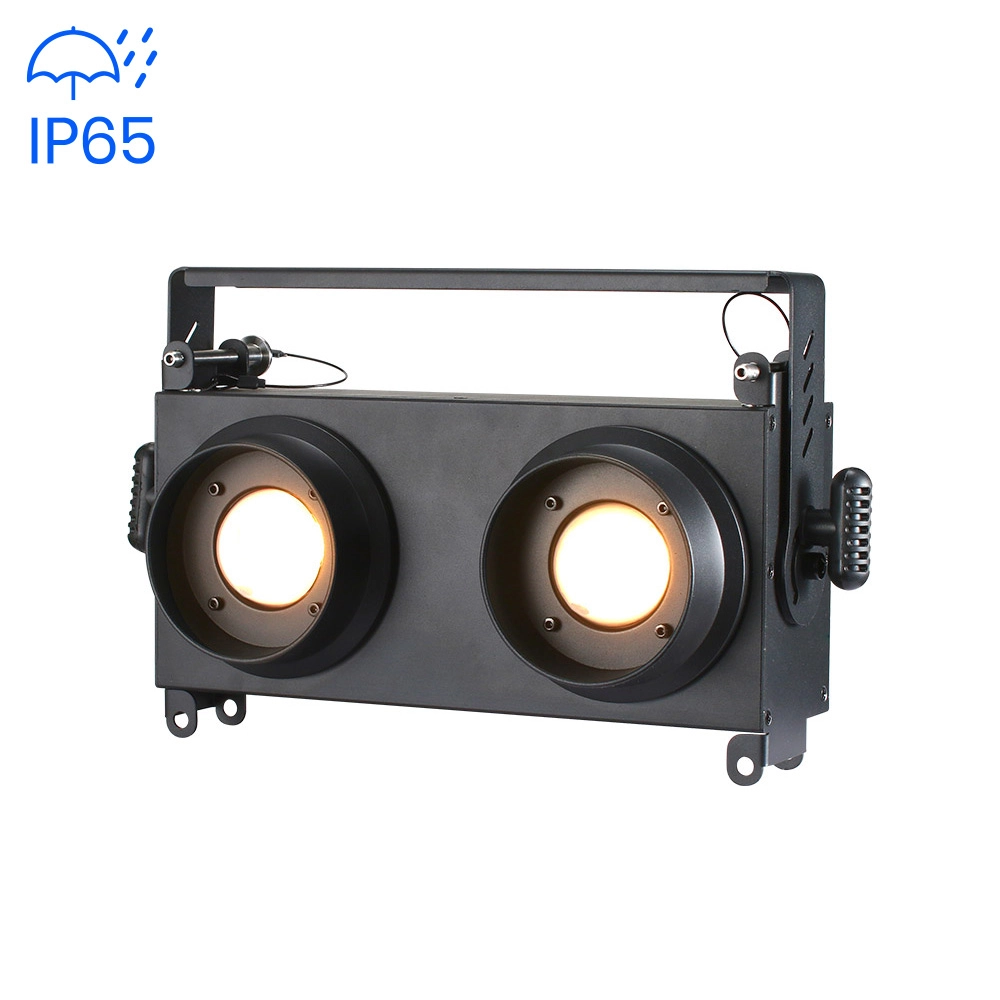
Stormy Blinder 400 IP

Stormy Shake Blinder IP
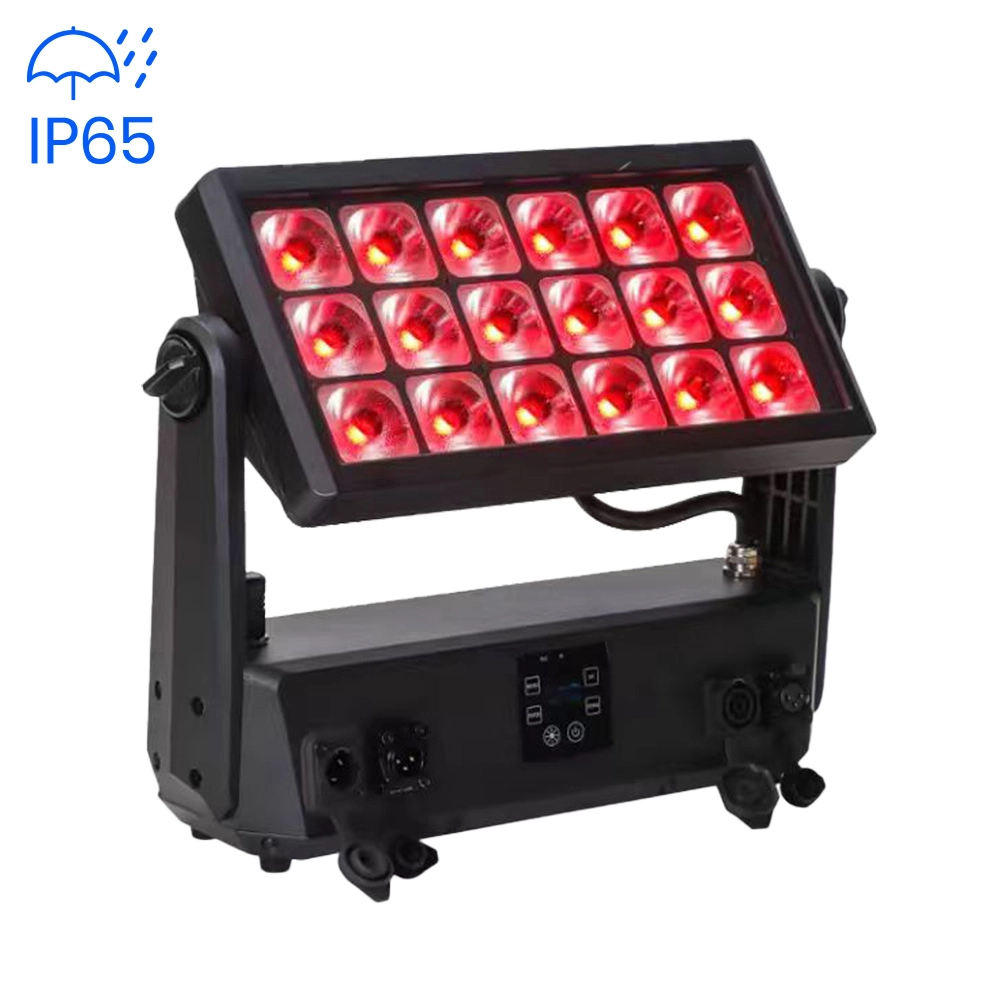
Stormy Battery Flood Light 1820 IP
Want to get more up-to-date news?
If you have any comments or good suggestions, please leave us a message; later our professional staff will contact you as soon as possible.

We are professional stage lighting manufacturers offering OEM and ODM LED stage lights.
Contact
Email us
Call us
Address
No.6 Longnan Road, Huashan Town, Huadu District Guangzhou, Guangdong Province, China.
LiteLEES Professional
Less Lighting