
How to Choose Moving Theater Lights for Small Theaters?
- How to Choose Moving Theater Lights for Small Theaters?
- 1. How do I determine the lighting level (lux) and lumens my stage needs?
- 2. Which types of moving fixtures are best for a small theater?
- 3. What technical specifications matter most when comparing moving heads?
- 4. How many moving lights do I need and where should I place them?
- 5. What control setup should I plan for small venues?
- 6. How important are noise, heat, and maintenance?
- 7. What’s a realistic budget range for moving theater lights for a small venue?
- 8. Practical purchasing checklist for small-theater buyers
- Why choose LED moving fixtures for small theaters?
- Final recommendations
- References
How to Choose Moving Theater Lights for Small Theaters?
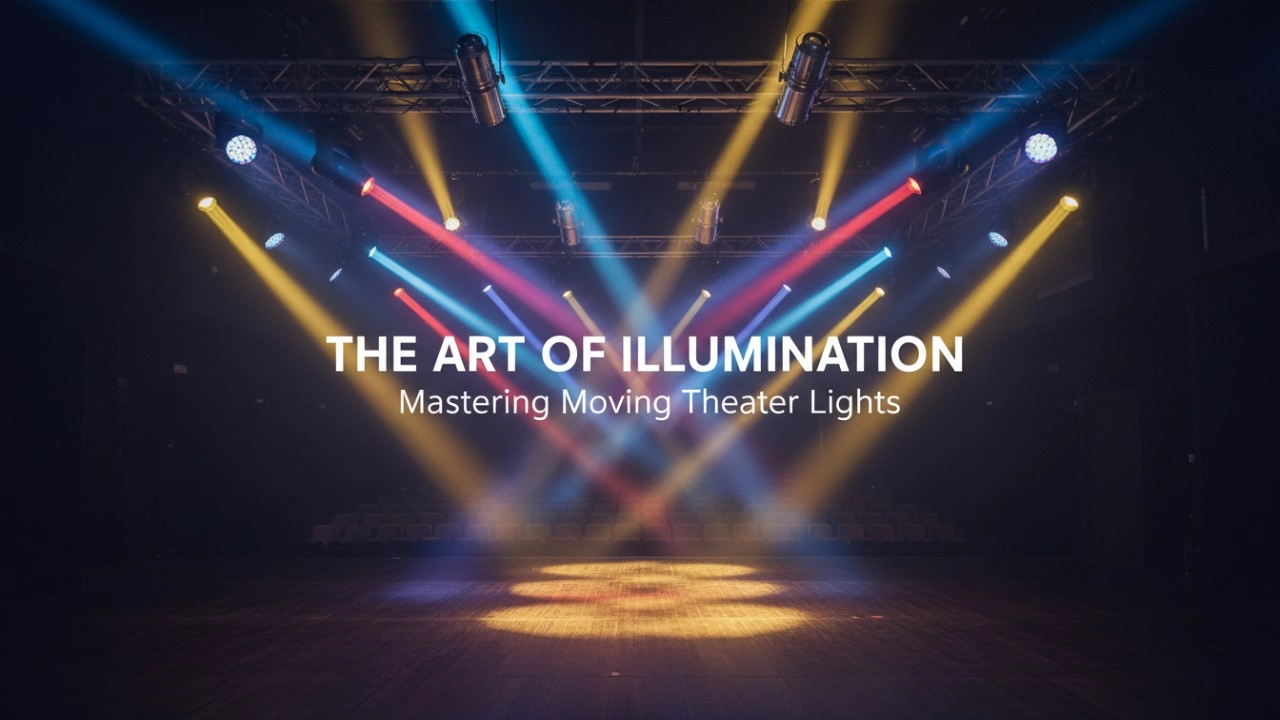
Small theaters face special constraints: limited rigging points, close audience sightlines, tighter budgets, and the need for flexible optics and silent operation. Automated (moving) LED fixtures give enormous creative value — but only if you select the right types and specs for your space. Below are the most common buyer questions and professional answers to help you evaluate, specify, and buy moving theater lights.
1. How do I determine the lighting level (lux) and lumens my stage needs?
Start with a target maintained illuminance (lux) for the type of performance. Typical guidance used by lighting designers and industry bodies:
- Basic drama / small productions: 200–500 lux (general fill)
- Musical theatre / dance / detailed color work: 500–1,000 lux
- Broadcast / video capture or high-detail work: 1,000–2,000+ lux (use TLCI guidance)
How to convert to lumens you need: lumens_required = desired_lux × stage_area (m²). Example: an 8 m × 6 m stage = 48 m². For 500 lux you need ~24,000 lumens total on the stage surface (distributed across fixtures).
Remember: fixture output is usually specified as total lumens or lux at a given distance/zoom. Because moving heads concentrate light with narrow beams, a smaller number of high-output fixtures can deliver high lux at the actor’s position. Always check manufacturer lux-at-distance charts for each zoom/beam angle.
2. Which types of moving fixtures are best for a small theater?
Main automated fixture types and when to use them:
- Moving spot / profile — tight beams, sharp gobo projection, framing shutters. Ideal for front-of-house specials and pattern work in drama.
- Moving wash — soft, wide field, nice color mixing. Use for area washes, backlight, and color backdrops.
- Beam — very narrow angles for aerial effects and rock-style visuals (often too aggressive for intimate theater sightlines).
- Hybrid (spot/wash) — offers both sharp gobos and wide wash capability; a very practical choice for small venues with limited fixture count and rigging points.
For most small theaters, a mix of profile/hybrid moving heads (for specials/gobos) plus a couple of moving washes (for color washes and cross-light) gives the most flexible result.
3. What technical specifications matter most when comparing moving heads?
Focus on these core specs and why they matter:
- Output (lumens) and lux at distance — determine coverage and how many fixtures you need for your lux target.
- Beam / spot angle and zoom range — narrower beams give intensity and crisp gobos; wider beams fill areas. A good zoom range (e.g., 4°–50°) increases flexibility.
- Color system — CMY or RGBW mixes; CMY typically gives smoother color blends for theatre; look for high-quality mixing and multiple color wheels as required.
- CRI / TLCI — Color Rendering Index (CRI) and Television Lighting Consistency Index (TLCI). For live theater with skin tones, aim for CRI ≥ 90; for any video capture, check TLCI values.
- Gobos & optics — number/type (glass for sharper images), rotating gobo units, animation wheel if you need texture and movement.
- Pan/tilt resolution & speed — 16‑bit fine control offers smoother moves; check max speed for quick cues.
- Control protocols — DMX512 (standard), RDM (remote config), Art‑Net/sACN for Ethernet control, and wireless CRMX (LumenRadio) for cable‑free setups.
- Power and cooling — fixture wattage (helps planning distro), fan noise in dBA (critical for quiet theater), and heat dissipation.
- Physical size & weight — ensure rigging points, truss load capacity and sightlines are OK.
- IP rating — usually IP20 for indoor fixtures; choose IP65 only for outdoor or semi‑exposed rigs.
- Maintenance & serviceability — modular LED engines, replaceable fans, firmware updates, and warranty terms.
4. How many moving lights do I need and where should I place them?
There’s no single answer — but practical guidelines:
- Run a quick coverage calculation: choose target lux → calculate total lumens → divide by fixture lumen output to estimate quantity.
- Consider roles: front-of-house (FOH) specials, front wash, backlight/side light, and effects. For a typical small stage, a common rig might include:
- 4–6 moving profiles/hybrids on FOH truss for specials and front wash
- 2–4 moving washes or hybrids on a rear truss or booms for backlight and color
- 1–2 beam fixtures for occasional aerial looks (optional)
- Placement tips: FOH truss at ~650–900 mm above the proscenium (or according to sightlines), side booms at mid‑height for cross‑light, and rear truss higher for backlight. Avoid pointing powerful narrow beams directly into audience sightlines. Use barn doors/framing features when available.
5. What control setup should I plan for small venues?
Essentials:
- Control console: choose a desk with enough universes for your DMX channels. Small theaters often use a single DMX universe (512 channels) for modest rigs; automated fixtures with many attributes may require additional universes — plan accordingly.
- Ethernet control: Art‑Net or sACN is recommended for future‑proofing; many modern desks support these protocols.
- RDM (Remote Device Management): enables remote addressing and status — very helpful for commissioning automated fixtures.
- Wireless DMX (CRMX): useful when running cable is difficult — but always test for RF reliability in your venue and have hard‑wired DMX backups for critical cues.
- Signal distribution: use DMX splitters or network nodes with redundancy if your show depends on automated fixtures.
6. How important are noise, heat, and maintenance?
Very important for small theaters where audience proximity is close:
- Noise — fan noise is commonly specified in dBA at 1 m. For intimate theater spaces you generally want <40 dBA from fixtures at their installed distance, or choose “quiet” models that use larger heatsinks or variable-speed fans. Fanless LED wash fixtures exist but can be heavier and costlier.
- Heat — although LEDs run cooler than discharge sources, they still produce heat concentrated in the head. Ensure adequate ventilation in the rig and check maximum ambient operating temperature on the spec sheet.
- Maintenance — prefer fixtures with modular LED engines, accessible fans, and clear maintenance procedures. Check MTBF or manufacturer stated LED lifetime (commonly 30,000–50,000 hours for many LED engines) and warranty terms.
7. What’s a realistic budget range for moving theater lights for a small venue?
Prices vary widely by brand, output, and feature set. Approximate ranges (indicative):
- Entry / economy moving heads (lower output, fewer features): USD 400–1,200 per unit
- Mid‑range fixtures (good for many small theaters): USD 1,200–4,000 per unit
- High‑end professional fixtures (highest output, best color/Gobo systems, long warranty): USD 4,000–15,000+ per unit
Allocate part of your budget for control (console and nodes), rigging hardware, power distro and possibly a dimming/monitoring system. Buying used fixtures can save money but verify service history and firmware support.
8. Practical purchasing checklist for small-theater buyers
- Calculate target lux and total lumens required for your stage area.
- Choose a mix: prioritize hybrid/profile + wash fixtures for flexibility.
- Check manufacturer lux-at-distance charts and real-world photometric graphs.
- Confirm CRI/TLCI values if accurate skin tones or video capture are important (CRI ≥ 90 recommended).
- Verify fan noise (dBA), power consumption, and weight for rigging limits.
- Ensure control compatibility: DMX, RDM, Art‑Net/sACN, and consider wireless DMX testing.
- Ask about warranty, local service network, firmware update support, and spare parts availability.
- Plan cabling, patching, and spare truss points; include labor costs for installation and training.
Why choose LED moving fixtures for small theaters?
LED moving fixtures deliver:
- Lower power draw and reduced heat compared with discharge fixtures.
- Instant on/off, wide color mixing without gels, and long LED lifetime (commonly tens of thousands of hours).
- Compact designs that reduce weight and improve rigging options.
Final recommendations
For most small theaters aiming for a flexible, future‑proof rig, pick a balanced package of 4–8 hybrid/profile moving heads plus 2–4 moving washes. Prioritize CRI/TLCI, noise level, and a decent zoom range. Buy from vendors who offer clear photometric data (lux charts) and local support. Prototype a small rig and test sightlines and noise at performance distances before a full purchase.
Brand note: LiteLEES offers a selection of compact, energy‑efficient LED moving fixtures targeted at small venues, with models that emphasize silent cooling, high CRI mixes, modular serviceability, and cost‑effective performance — making them a practical option for small theater procurement.
References
- Stage lighting basics and fixture types — Wikipedia: Stage lighting. Accessed 2026-01-31. https://en.wikipedia.org/wiki/Stage_lighting
- Automated lighting (moving head) overview — Wikipedia: Moving head. Accessed 2026-01-31. https://en.wikipedia.org/wiki/Moving_head_(lighting)
- Lighting design guidance and technical notes — Electronic Theatre Controls (ETC) lighting resources. Accessed 2026-01-31. https://www.etcconnect.com
- Illuminance planning and recommended light levels — Illuminating Engineering Society (IES) general guidance. Accessed 2026-01-31. https://www.ies.org
- Manufacturer photometric charts, noise and power specs — sample product specifications from leading fixture manufacturers (Robe, Martin, Chauvet, etc.) for comparative ranges. Accessed 2026-01-31. Example manufacturer pages: https://www.robe.cz, https://prolights.com, https://www.chauvetprofessional.com
Products
Can I customize the functions or software of the lights?
Absolutely. As a manufacturer with independent R&D capabilities, we offer customization for both hardware and software (such as DMX channel layout, built-in programs, or UI language). Contact us with your project needs, and our team will provide tailored solutions.
What is the lifespan of your LED stage lights?
Our LED lights use high-quality chips with a rated lifespan of over 50,000 hours. Proper usage and maintenance ensure long-term reliability and stable performance, making them a smart investment for any venue.
Company
Can LiteLEES handle OEM/ODM orders?
Absolutely. With our strong R&D capabilities and advanced manufacturing, we can customize designs, features, and branding to meet your specific needs.
Do you have your own factory?
Yes. We own a sheet metal factory and a complete in-house production line—from PCB to final assembly—ensuring strict quality control and fast delivery.
What is LiteLEES’s main business?
LiteLEES specializes in the design, development, manufacturing, and sales of professional stage lighting, including moving head lights, beam lights, spot lights, wash lights, and LED par lights.
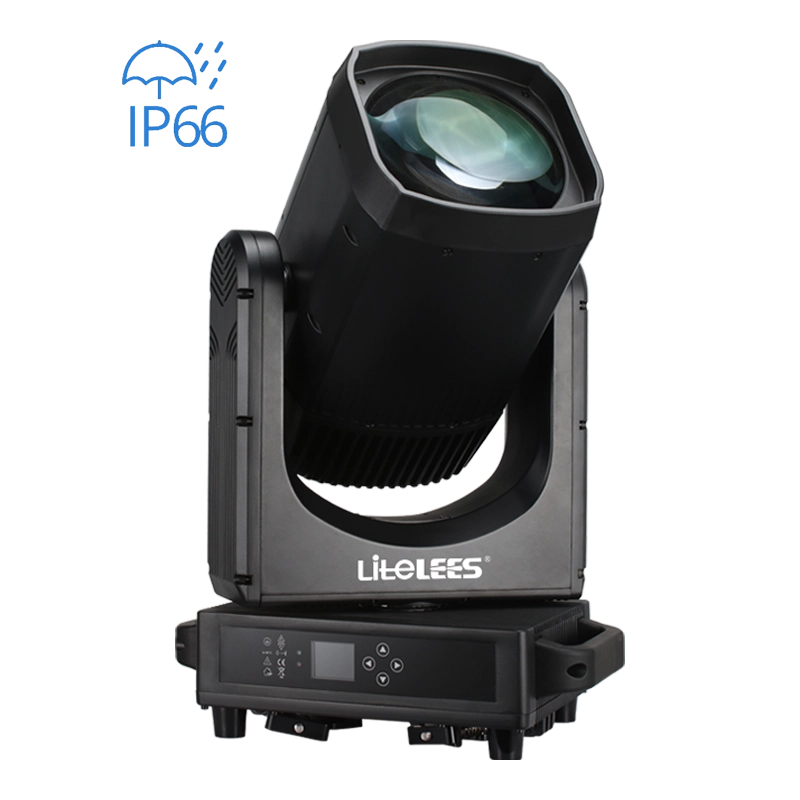
LiteLEES LUMIX BEAM 420 IP

Stormy Shake Blinder IP
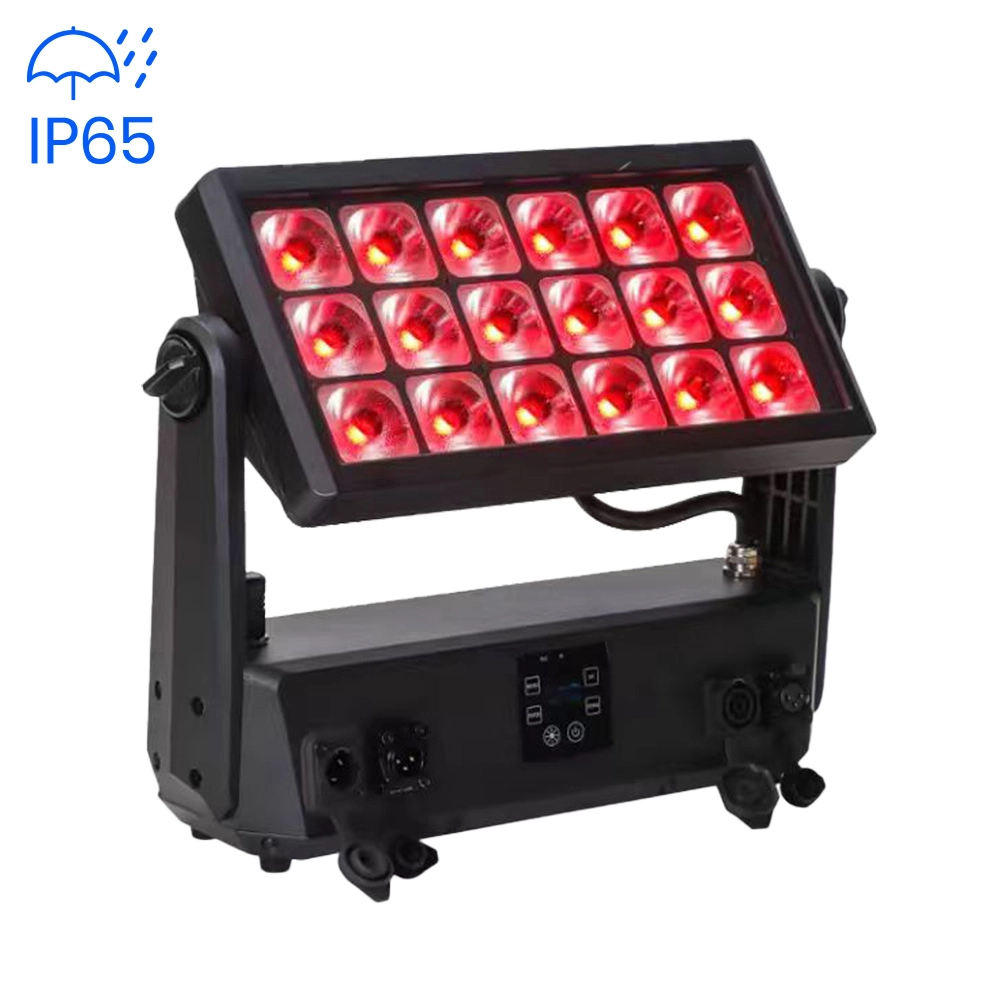
Stormy Battery Flood Light 1820 IP
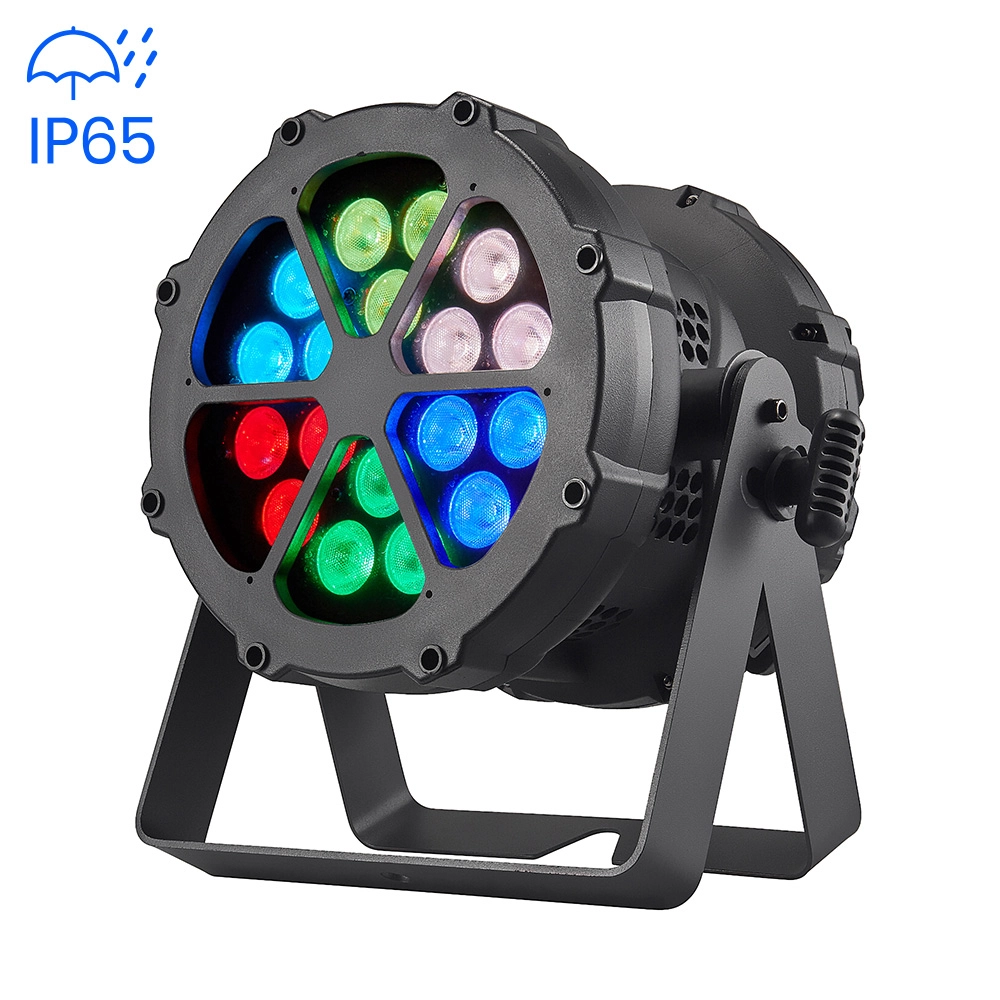
Stormy par 1812 IP
Want to get more up-to-date news?
If you have any comments or good suggestions, please leave us a message; later our professional staff will contact you as soon as possible.

We are professional stage lighting manufacturers offering OEM and ODM LED stage lights.
Contact
Email us
Call us
Address
No.6 Longnan Road, Huashan Town, Huadu District Guangzhou, Guangdong Province, China.
LiteLEES Professional
Less Lighting