
How to choose moving heads lights for your venue?
- How to choose moving heads lights for your venue?
- 1. What are the main types of moving head lights and when should I use each?
- 2. How do I pick the correct brightness and optics for my venue?
- 3. What control protocols and connectivity should I require?
- 4. What installation, rigging and power considerations are most important?
- 5. How important are color, CRI, and color-mixing systems?
- 6. Should I choose IP-rated fixtures for outdoor venues?
- 7. How do I balance budget, lifecycle costs, and ROI?
- Quick buyer checklist
- Maintenance, testing and commissioning tips
- Conclusion — how this helps you buy the right moving heads
- LiteLEES advantage
- References
How to choose moving heads lights for your venue?
Choosing the right moving head lights (LED moving heads) is critical for achieving reliable, creative and energy-efficient lighting in venues ranging from small clubs to large theatres and outdoor festivals. Below are the 7 most common buyer questions with concise, professional answers based on industry standards, manufacturer practice and energy guidance.
1. What are the main types of moving head lights and when should I use each?
Moving heads generally fall into three functional categories:
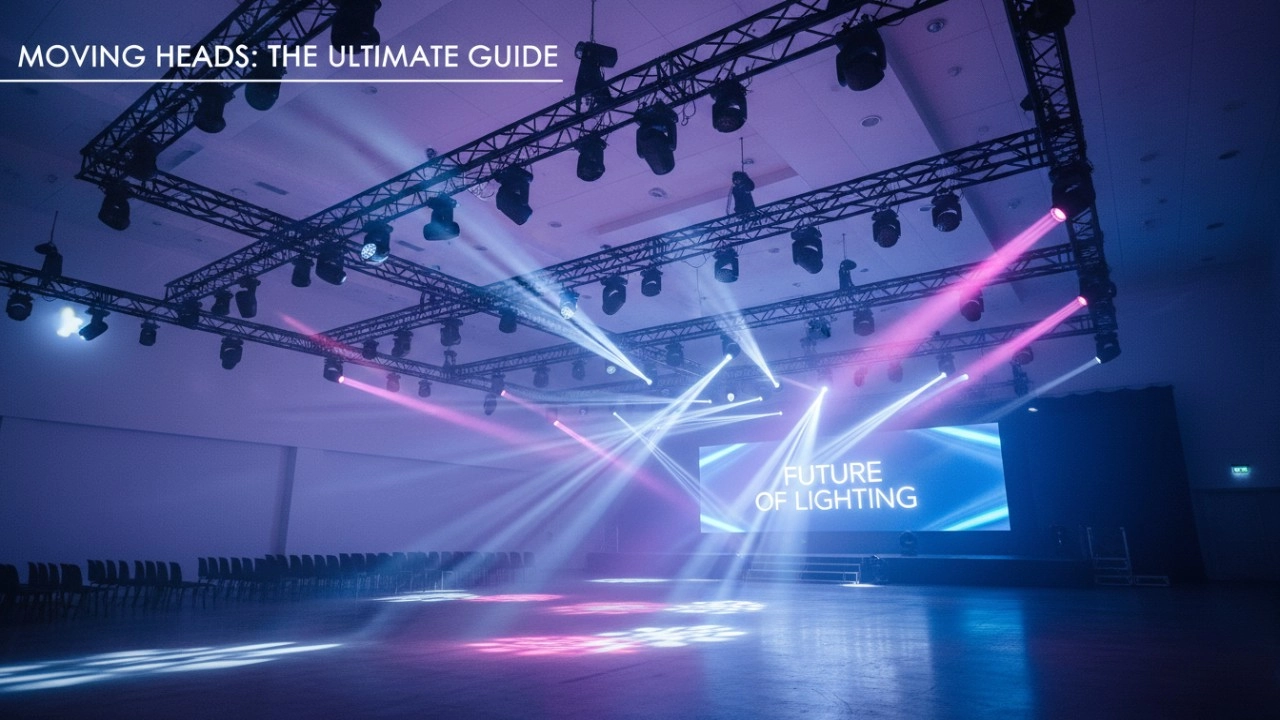
- Spot / Profile — tight beams, sharp gobo projection, framing shutters and often CMY or CTO color mixing. Use for crisp shaping, pattern projection and highlights in theatres, corporate shows and broadcast. Good when you need focusable beams and precise gobo/textures.
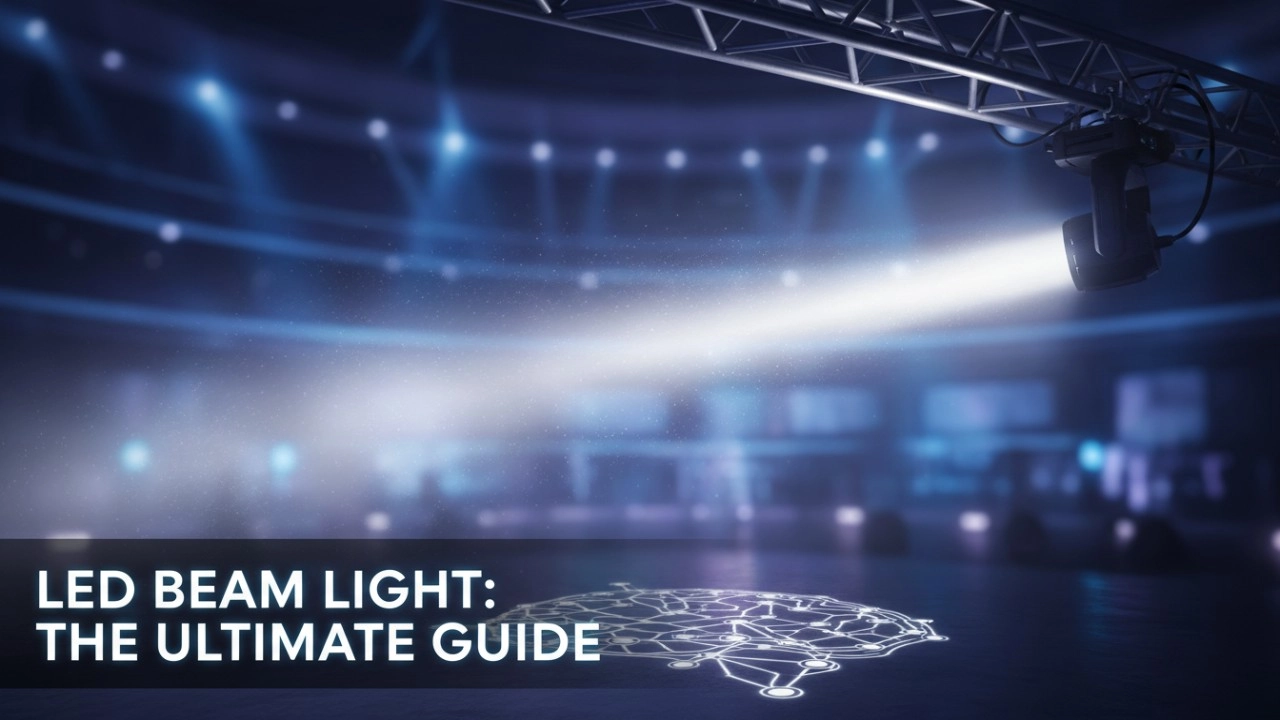
- Beam — ultra-narrow beam angles designed to create razor beams and volumetric shafts when haze is used. Ideal for concerts, festivals and large clubs for strong aerial effects.
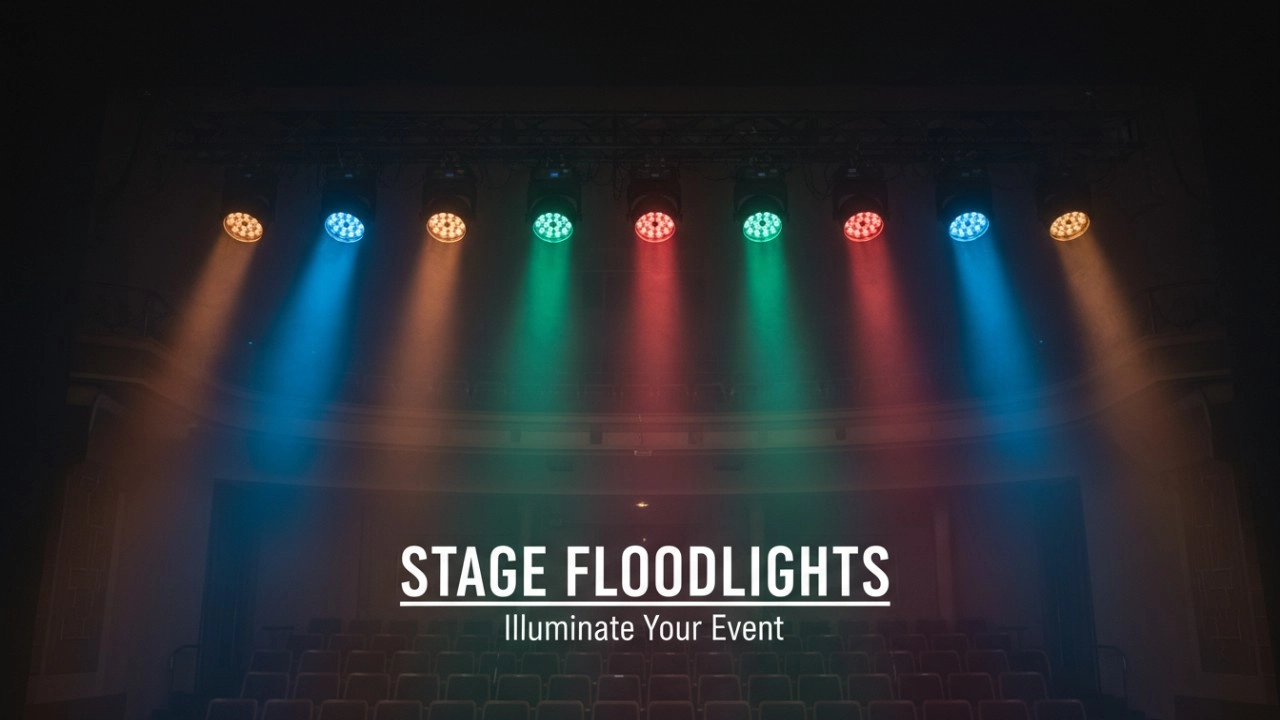
- Wash — wide uniform field, soft edges, often with zoom and diffuser options for evenly lighting stages or walls. Best for general stage illumination, color washes and audience lighting.
Many modern fixtures combine hybrid capabilities (spot/beam/wash modes). When selecting, prioritize the dominant role you need: texture/project (spot), aerial impact (beam), or even coverage (wash).
2. How do I pick the correct brightness and optics for my venue?
Brightness depends on venue size, throw distance and purpose (wash vs. beam). Consider these practical steps:
- Determine the maximum throw distance (fixture to target). Larger throws need narrower optics or higher output.
- For washes, aim for even lux across the stage; for specials and gobos, peak illuminance matters more than average lux.
- Compare manufacturer photometric data (lux at distance, lumen output, beam angle). Manufacturers publish IES/LDT or lux tables—use those rather than marketing lumens alone.
Note: LED moving-heads are specified differently across brands (lumens vs. lux), so always consult the official photometry for rig planning.
3. What control protocols and connectivity should I require?
Ensure fixtures support the protocols and remote management you need:
- DMX512 / DMX512-A (E1.11) — the standard control protocol for lighting consoles. Verify channel modes (16-bit channels for smooth pan/tilt, color wheels or CMY).
- RDM (Remote Device Management, E1.20) — allows remote addressing, status reporting and firmware updates over the DMX cable; strongly recommended for medium/large systems to reduce setup time and troubleshooting.
- Art-Net / sACN — Ethernet-based distribution for complex networks; useful in large venues or where many universes are required.
- Look for clear documentation of available channel modes and control maps; multi-mode fixtures simplify integration with different desks.
4. What installation, rigging and power considerations are most important?
Plan for safe, serviceable installations:
- Mounting & Weight — check fixture weight, truss loading and rigging hardware ratings. Ensure addition of safety bonds and proper clamps rated to the fixture’s weight.
- Power — confirm nominal power draw and inrush characteristics. Modern LED moving heads generally use much less power than equivalent discharge fixtures, but mid/high-output LED fixtures can still draw significant current; size circuits accordingly and avoid overloading dimmer racks or circuits.
- Cooling & Noise — LED moving heads have fans and heat sinks; ensure noise levels are acceptable for your venue (theatrical spaces are more sensitive than clubs). Manufacturers publish dBA figures—check them if noise is a concern.
- Cabling and DMX topology — use proper shielded cables for DMX and plan for termination and grounding. For Ethernet protocols, follow recommended network design (separate VLANs where appropriate).
5. How important are color, CRI, and color-mixing systems?
Color quality is key for skin tones and accurate reproduction of fabrics and sets:
- CRI vs. TLCI — CRI (general color rendering) and TLCI (television lighting consistency index) measure color fidelity. For broadcast or camera work, prioritize fixtures with higher TLCI; for live theatre, aim for higher CRI (80+ is common; 90+ is preferable where accurate color is critical).
- Color mixing — modern moving heads use CMY, RGBW, or proprietary systems. CMY often gives smooth pastel and CTO control; RGBW can produce vivid saturated colors and accurate whites depending on LED mixing and calibration.
- Evaluate color presets and the fixture’s ability to reproduce warm whites and flesh tones at the intensities you need.
6. Should I choose IP-rated fixtures for outdoor venues?
Yes—if fixtures are used outdoors or in exposed temporary rigs, select appropriate IP ratings:
- IP20 — indoor use only (most theatre/club fixtures).
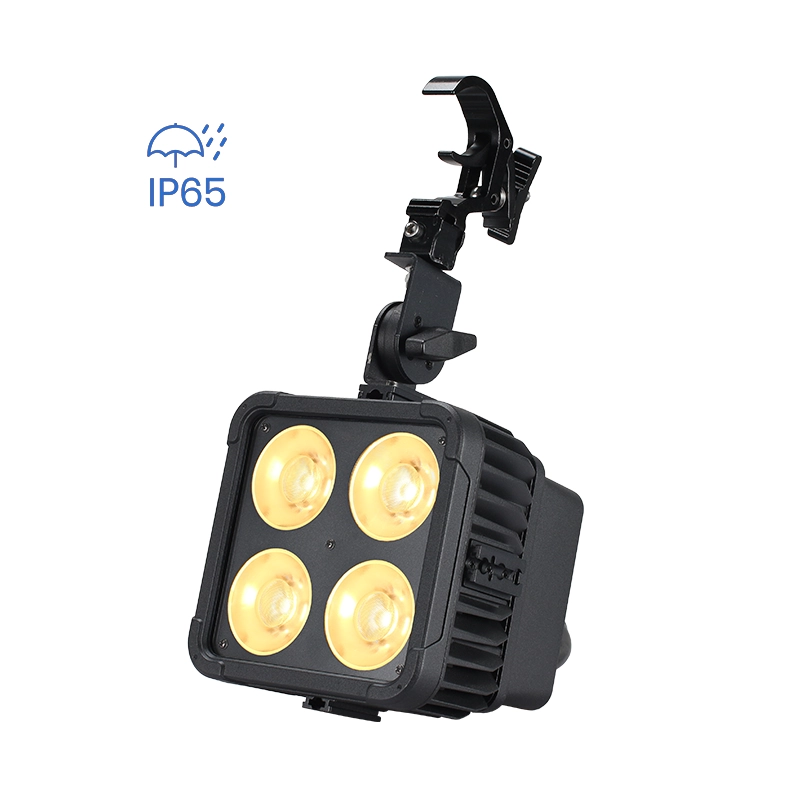
- IP65 / IP66 — suitable for exposed outdoor use (resistant to dust and water jets). Many manufacturers offer weatherized versions of popular moving heads.
- For outdoor rentals, consider fixtures designed with sealed electronics, waterproof connectors, and manageable maintenance procedures. Remember, weatherized fixtures are heavier and may cost more.
7. How do I balance budget, lifecycle costs, and ROI?
Look beyond upfront price and evaluate total cost of ownership:
- Energy Consumption — LEDs significantly reduce power and heat load compared with older discharge fixtures. Government sources note LEDs can use substantially less energy and have much longer lifetimes than incandescent/discharge technologies—this reduces operating cost and HVAC load.
- Maintenance — LEDs have longer life and fewer lamp replacements, but moving parts (motors, fans, gobos) still require periodic service. Check the manufacturer’s recommended service intervals and spare-parts availability.
- Warranty & Support — prefer vendors with clear warranty terms, accessible technical support, and regional service centers. Remote management (RDM) can reduce onsite labor costs.
- Rental vs Purchase — rental houses should favor rugged fixtures with easy servicing and broad market compatibility (standard control modes). Permanent venues can justify higher initial investment for fixtures that offer energy savings and long-term reliability.
Quick buyer checklist
- Define the primary application: spot, wash or beam.
- Measure throw distances and required coverage/lux.
- Confirm DMX/RDM/Art-Net/sACN compatibility with your console.
- Check power draw and circuit requirements; verify truss ratings and safety hardware.
- Assess IP rating if used outdoors; review noise levels for quiet venues.
- Review manufacturer photometric data, CRI/TLCI and warranty/service network.
Maintenance, testing and commissioning tips
- Run a full DMX/RDM address and status sweep before the first show; record firmware versions.
- Keep a small stock of common spare parts (fuses, clamp parts, gobos, fan assemblies) and a prioritized service plan.
- Log operating hours for moving components and schedule motor/fan checks according to manufacturer guidance.
Conclusion — how this helps you buy the right moving heads
Choosing moving heads comes down to matching fixture capability to your creative and operational needs: determine whether you primarily need precision (spot/profile), aerial impact (beam) or broad illumination (wash), then verify photometry, control compatibility, rigging/power, and serviceability. Prioritize energy efficiency, RDM support and manufacturer documentation to reduce setup times and lifecycle costs.
LiteLEES advantage
LiteLEES offers purpose-built LED moving head solutions designed around modern venue needs: energy-efficient LED engines, documented photometry and multiple control protocols (DMX/RDM/Art-Net), weatherized options for outdoor use, and a regional support network. Their fixtures emphasize serviceability (accessible parts and modular components), clear noise specifications for theatre use, and warranty packages that help venues reduce total cost of ownership while meeting creative goals.
References
- U.S. Department of Energy — LED Lighting Basics. Energy.gov. Accessed 2024-05-10. https://www.energy.gov/energysaver/led-lighting
- ESTA Technical Standards Program — DMX512 (E1.11) and RDM (E1.20) specifications. Accessed 2024-05-10. https://tsp.esta.org/tsp/documents/
- ETC (Electronic Theatre Controls) — Lighting fundamentals and moving light guidance. Accessed 2024-05-10. https://www.etcconnect.com/
- Robe Lighting — Product categories and technical data examples (spot/beam/wash). Accessed 2024-05-10. https://www.robe.cz/
- Chauvet Professional — Fixture selection and product specifications. Accessed 2024-05-10. https://www.chauvetprofessional.com/
- Live Design / Lighting trade articles — practical guidance on selecting moving lights. Accessed 2024-05-10. https://livedesignonline.com/
Products
Can I customize the functions or software of the lights?
Absolutely. As a manufacturer with independent R&D capabilities, we offer customization for both hardware and software (such as DMX channel layout, built-in programs, or UI language). Contact us with your project needs, and our team will provide tailored solutions.
What is the lifespan of your LED stage lights?
Our LED lights use high-quality chips with a rated lifespan of over 50,000 hours. Proper usage and maintenance ensure long-term reliability and stable performance, making them a smart investment for any venue.
How long is the warranty period for your products?
We offer a standard 1-year warranty on all products, with extended warranty options available upon request. During the warranty period, we provide free technical support and parts replacement for non-human damage.
Are your lights suitable for large-scale events and outdoor use?
Yes. Our professional stage lights—especially the Beam, BSW 3-in-1, and LED Par Series—are engineered with high-output brightness, wide beam angles, and robust housing. Some models come with IP-rated protection, making them suitable for outdoor applications like concerts, festivals, and sports events.
Company
What certifications do your products have?
All LiteLEES products are certified by CE, RoHS, FCC, and BIS. Our factory is ISO9001 quality management system certified.
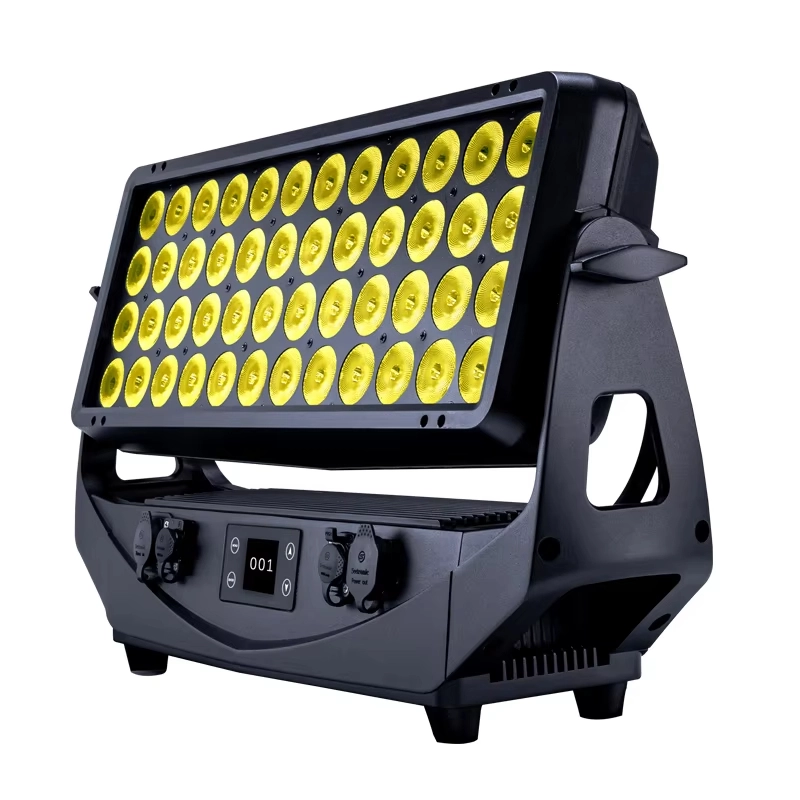
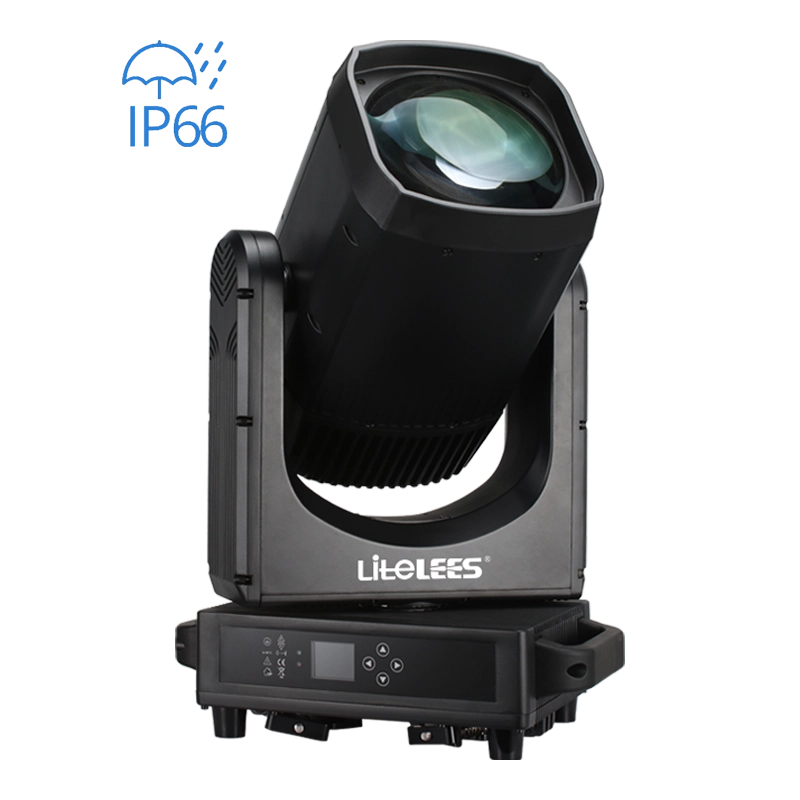
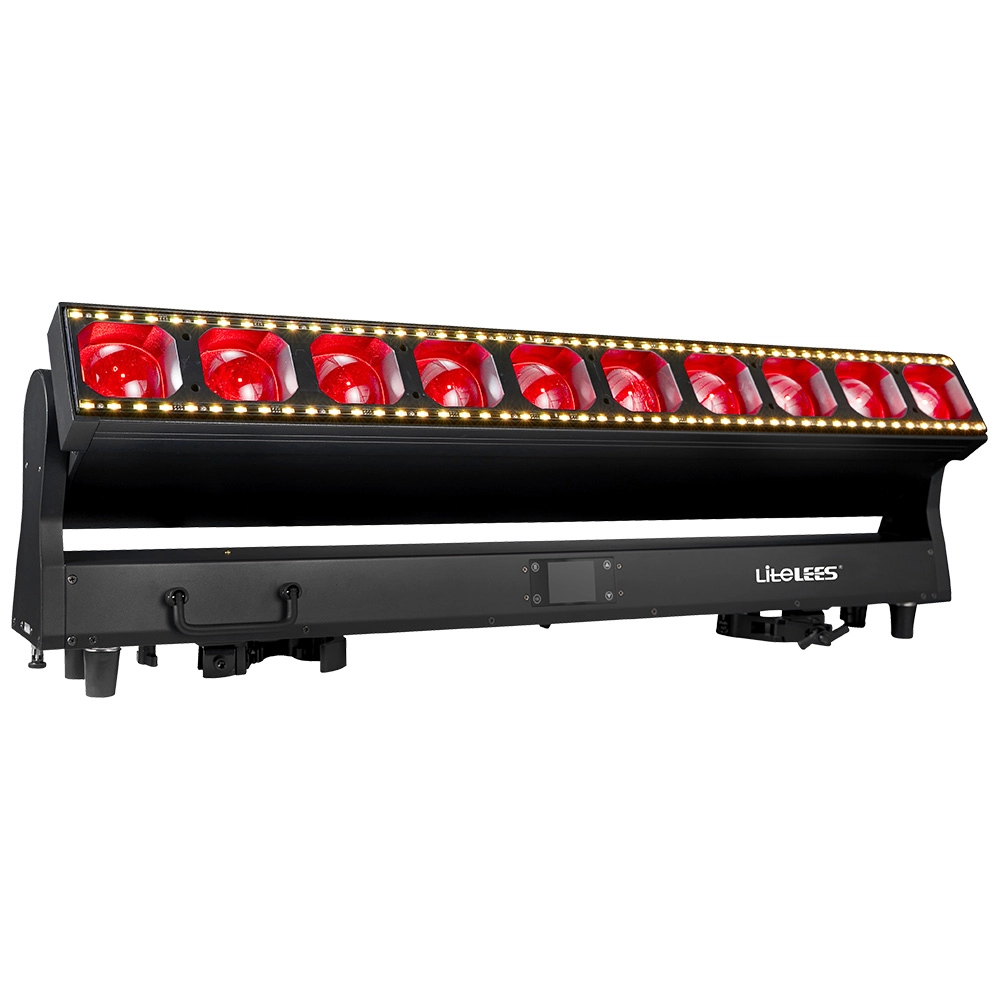
LiteLEES LUMIX BEAM 420 IP
Magic Cube V8 IP
Want to get more up-to-date news?
If you have any comments or good suggestions, please leave us a message; later our professional staff will contact you as soon as possible.

We are professional stage lighting manufacturers offering OEM and ODM LED stage lights.
Contact
Email us
Call us
Address
No.6 Longnan Road, Huashan Town, Huadu District Guangzhou, Guangdong Province, China.
LiteLEES Professional
Less Lighting