
How to choose the best moving head stage lights for venues?
- How to choose the best moving head stage lights for venues?
- 1. What types of moving head fixtures exist and when should I use each?
- 2. How do I match fixture output to venue size and throw distance?
- 3. Which control and connectivity features are essential?
- 4. What color, beam shaping and effects features matter?
- 5. What electrical, thermal and maintenance factors should I consider?
- 6. How do I evaluate color fidelity and broadcast/camera compatibility?
- 7. How should I assess total cost of ownership (TCO) and supplier support?
- Summary checklist when buying moving head fixtures
- Why LiteLEES can be a good choice for venues
- References
How to choose the best moving head stage lights for venues?
Choosing moving head stage lights for a venue requires matching technical photometrics and features to creative goals, operational constraints and budget. Below are the 7 most frequently asked buyer questions and concise, professional answers you can use when specifying fixtures for theatres, houses of worship, clubs, corporate events or touring rigs.
1. What types of moving head fixtures exist and when should I use each?
There are three primary moving head categories:
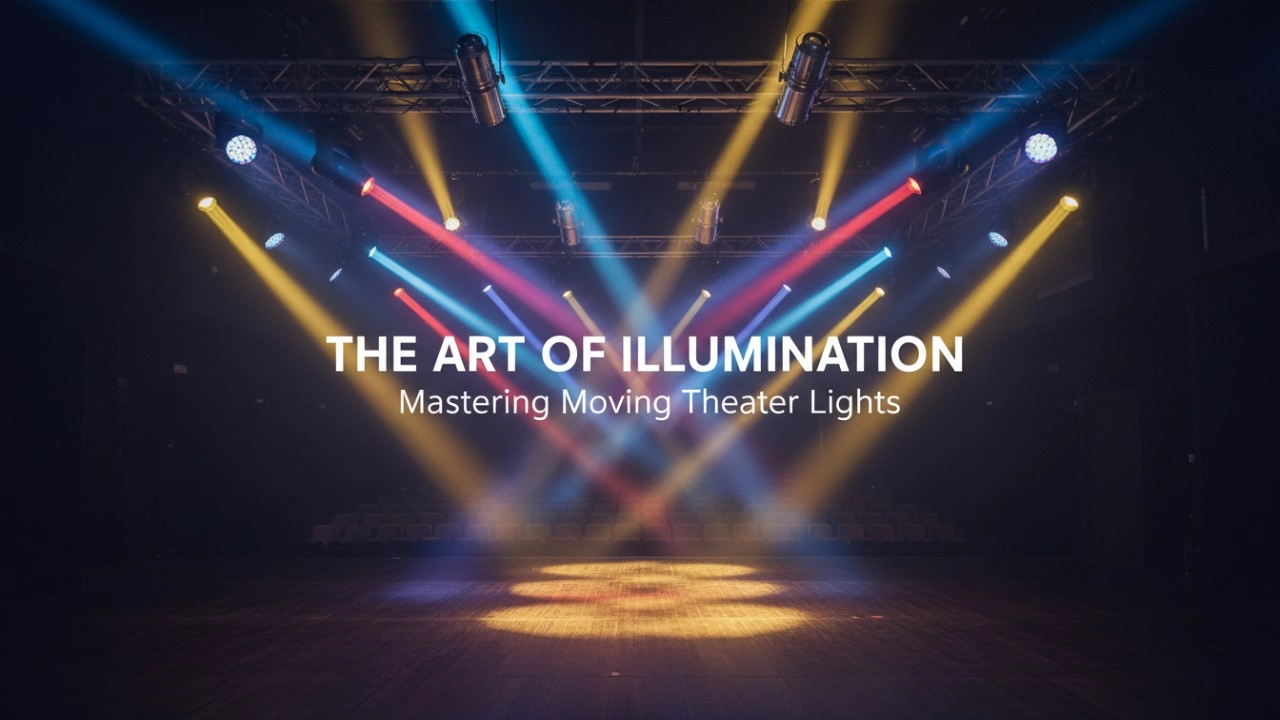
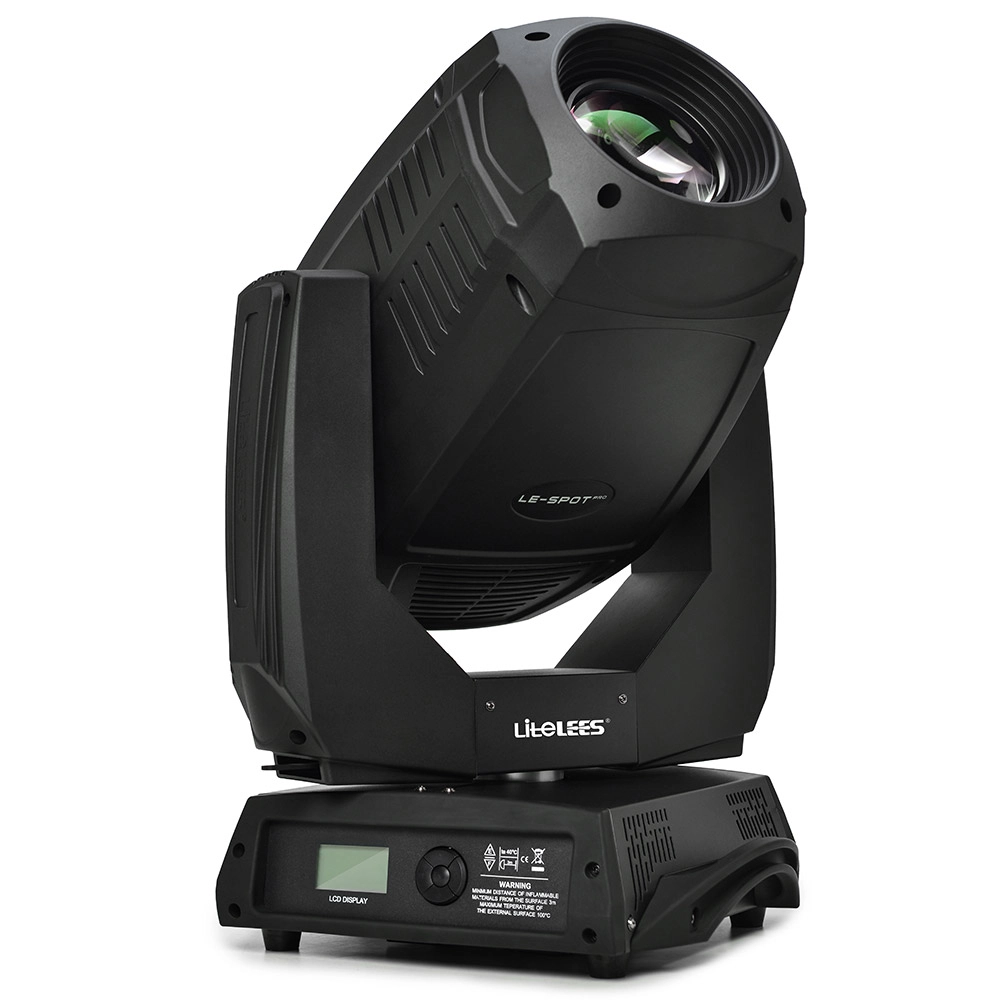
- Spot/Sharp (Spot/Profiles): Narrow, well‑defined beams with focusable optics and gobos. Use for front/side key light, patterned effects and tight aerial beams. Ideal where you need crisp gobos and framing (theatre, corporate shows).
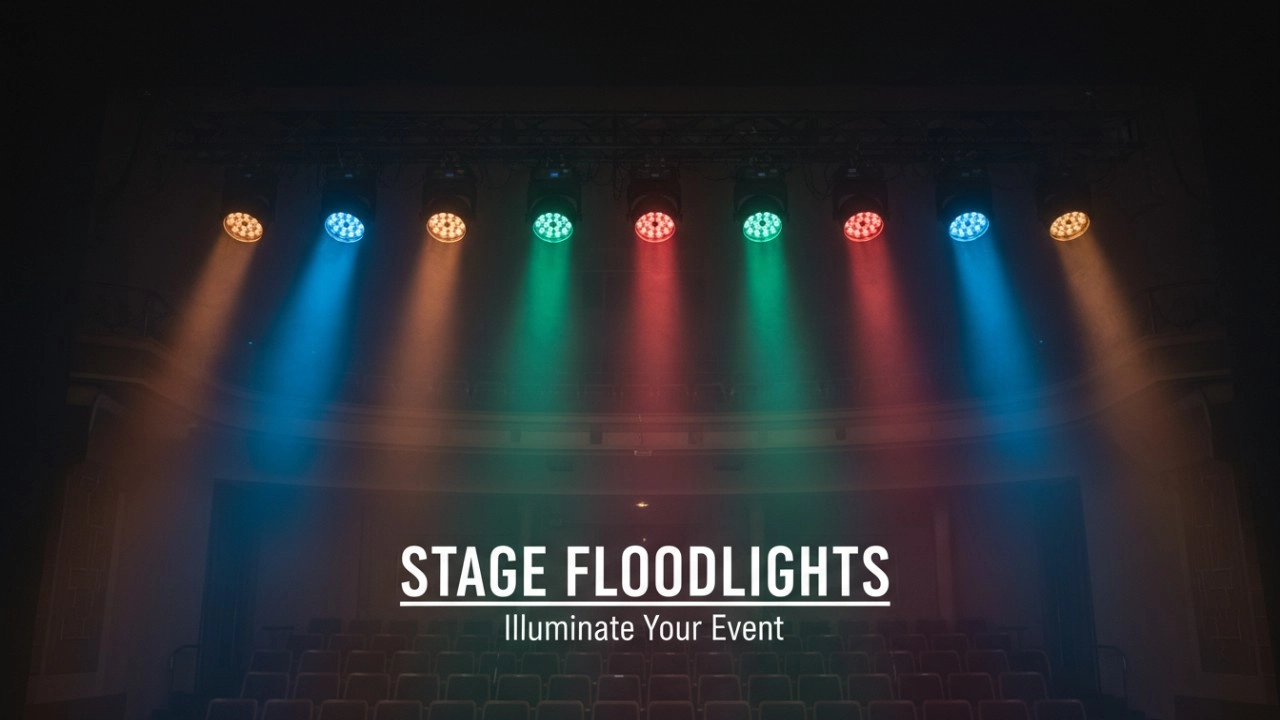
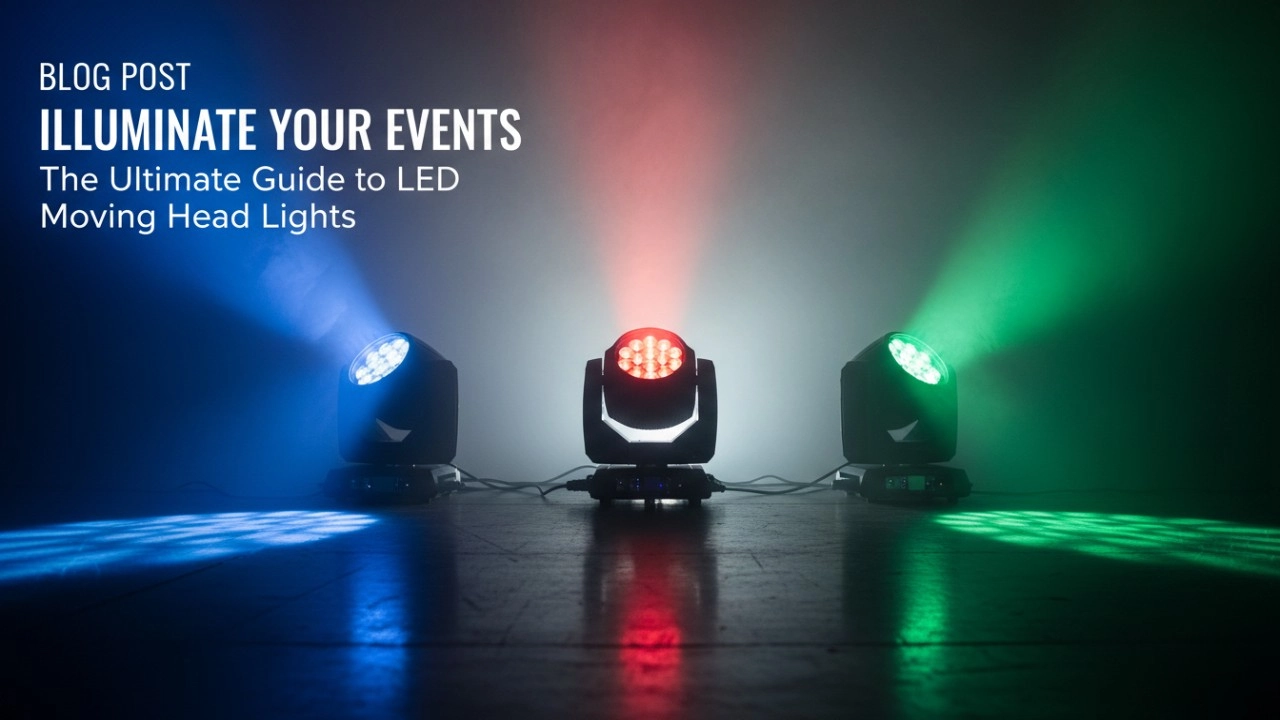
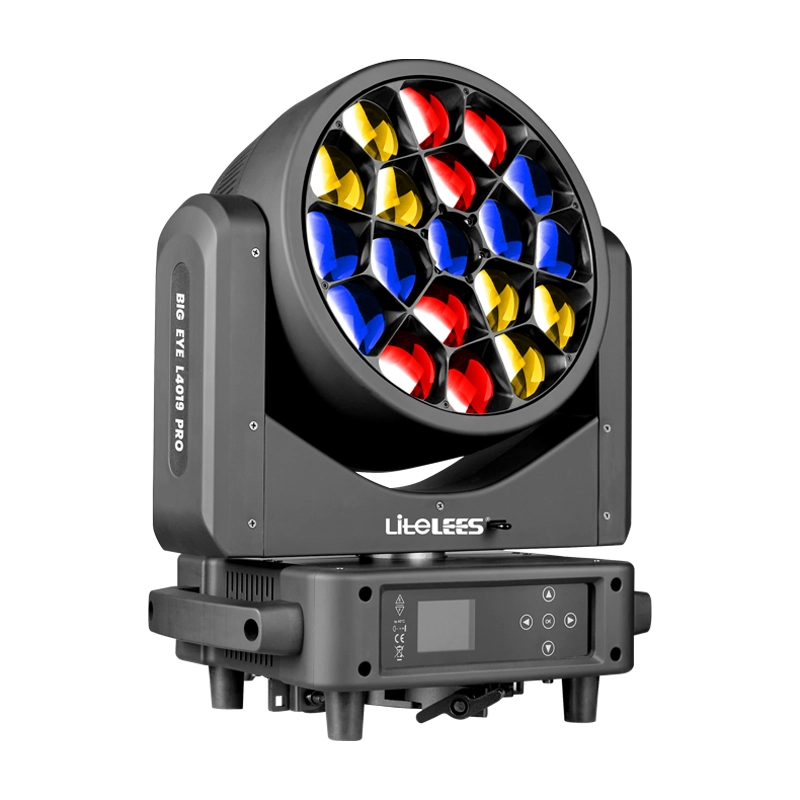
- Wash: Wide, even field for color washes and illumination of large areas. Use for stage washes, audience lighting and soft fills (theatre, houses of worship, smaller venues).
- Beam: Very narrow, high‑intensity beams (1.5°–5°) for aerial shafts and club/concert effects. Best for large spaces where long throw and intense aerial beams are needed.
Many modern fixtures combine functions (hybrids with zoom, variable beam/wash/spot). Choose by primary use: if designers need gobos and framing, favor spot-type; if general coverage is primary, pick wash; if high-impact aerial effects are required, pick beam or hybrid with narrow angles.
2. How do I match fixture output to venue size and throw distance?
Use manufacturer photometric charts first — they give lux (or candela) at distance for each zoom/beam angle. Practical steps:
- Determine target illuminance for the application (e.g., key/front lighting typically higher than audience wash). If you don’t have a lighting plot target, consult your lighting designer or use manufacturer recommended lux figures.
- Check the fixture’s photometric table: note lux at your required distance for the intended beam angle.
- If charts are not available, compare fixtures by LED engine wattage and optics, but rely on charts for final selection.
- For long throws (>20 m) prefer fixtures with narrower minimum beam angles and higher lumen/candela ratings; for short throws choose wider beam/wash optics.
Important: manufacturers test and publish lux/candela numbers — always use those photometrics rather than rough lumen numbers when sizing fixtures for a venue.
3. Which control and connectivity features are essential?
Modern venues should expect the following:
- DMX512 / DMX512‑A: Standard for device control. Ensure fixtures support DMX512 (DMX512‑A recommended).
- RDM (Remote Device Management): Useful for remote addressing and diagnostics during rigging and maintenance.
- Network protocols: Art‑Net and sACN are standard for sending large universes over Ethernet. Choose fixtures that support at least one.
- Wireless options: Wireless DMX (e.g., W‑DMX) can reduce cable needs for temporary rigs but consider latency and reliability in crowded RF environments.
- Pixel mapping / media modes: If you need LED‑pixel effects or complex color mapping, choose fixtures with pixel‑control modes and documented channel maps.
Also confirm connectors (powerCON, 5‑pin XLR) and whether fixtures support power linking for efficient cable management.
4. What color, beam shaping and effects features matter?
Key features that affect creative flexibility:
- Color systems: CMY (continuous mixing) or 8/15‑slot color wheels. CMY gives smooth color mixing; color wheels provide predefined colors.
- Color temperature options: Variable CTC/CTO and high CRI/TLCI values (for camera work) improve skin tones and camera reproduction.
- Gobos and wheels: Interchangeable gobos (glass or metal) expand patterning options. Consider rotators and easily serviceable gobo holders.
- Zoom and iris: Motorized zoom and variable iris allow real‑time control of beam angle and size.
- Prisms, frost, prisms and animation wheels: Provide additional splitting, softening and movement effects that designers rely on.
Confirm the fixture’s physical gobo sizes and whether manufacturers sell compatible accessory gobos.
5. What electrical, thermal and maintenance factors should I consider?
Operational reliability and serviceability drive long‑term costs:
- Power and inrush: Check steady‑state power (W) and inrush/current specs; ensure distro and breakers can handle peak demand and cold inrush currents.
- Cooling and fan noise: Fan noise ratings matter in theatres and broadcast venues. Look for low‑noise modes or passive cooling if silence is critical.
- LED life and replacement parts: LED engine life is typically specified around 50,000 hours (manufacturer datasheets vary). Confirm availability of spare optics, fans and PCB assemblies.
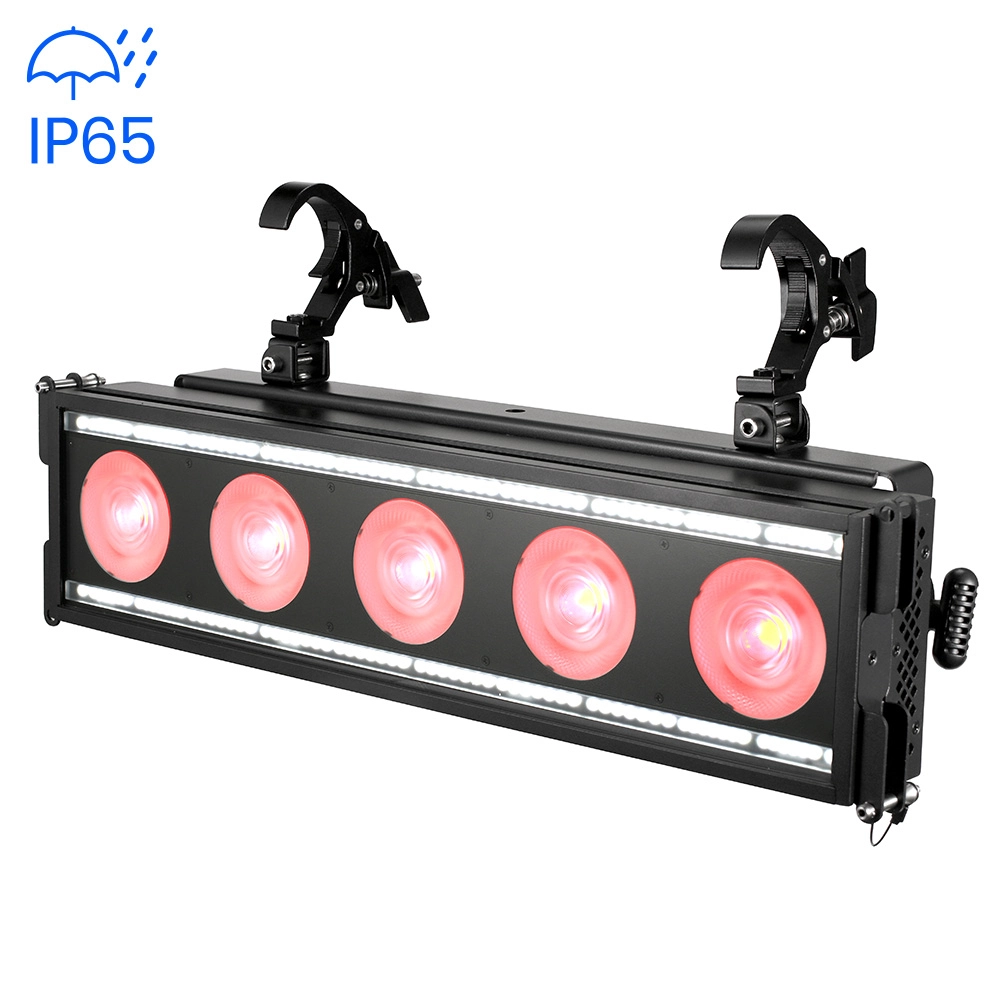
- Ingress protection (IP): For outdoor or partially exposed venues choose fixtures with an appropriate IP rating (IP65 for full outdoor use; IP20 is common for indoor fixtures).
- Serviceability and local support: Easy access to consumables (fans, power supplies) and local repair centers reduces downtime.
6. How do I evaluate color fidelity and broadcast/camera compatibility?
For televised events, corporate livestreams or any recorded work, color fidelity and flicker performance are critical:
- CRI / TLCI: For camera work, target TLCI > 90 or CRI > 90 where possible. Manufacturers increasingly publish TLCI values for LED fixtures.
- Flicker‑free modes: Look for explicit “flicker‑free” specs and camera‑rated dimming modes; many fixtures offer higher PWM frequencies or special camera modes to avoid rolling shutter artifacts.
- Color stability: LEDs should have tight binning and stable color over dimming ranges; examine manufacturer data for color shift and calibration features.
7. How should I assess total cost of ownership (TCO) and supplier support?
TCO includes purchase price plus operating and maintenance costs over the expected life of the fixture. Consider:
- Initial cost vs feature set: Buy the features you need rather than over‑specifying. Hybrids cost more than single‑purpose fixtures.
- Energy use: LED fixtures are more efficient than discharge fixtures. Compare steady‑state watts and expected electricity cost over years.
- Warranty, spare parts and local service: A longer warranty and nearby authorized service center reduce downtime and unexpected expenses.
- Resale and rental value: Industry‑standard brands and models retain value better for rental houses.
Ask suppliers for lifecycle cost examples (expected maintenance schedule, spare part pricing, average field failure rates) before buying large fleets.
Summary checklist when buying moving head fixtures
- Define primary use: wash vs spot vs beam.
- Use manufacturer photometrics to verify lux at your venue’s throw distances and beam angles.
- Confirm control compatibility (DMX/RDM, Art‑Net/sACN) and connector types.
- Check CRI/TLCI, flicker‑free modes, and color stability for camera use.
- Verify power/inrush specs, cooling/noise and IP rating for the installation environment.
- Evaluate warranty, local service, spare parts availability and total lifecycle costs.
Why LiteLEES can be a good choice for venues
LiteLEES combines practical feature sets (spot/wash/beam hybrids), documented photometrics, modern control support (DMX/RDM and Art‑Net/sACN on many models), and aftermarket support tailored to performance venues. Their fixtures typically offer serviceable designs, clear spec sheets for lux and beam angles, and regional support options—key advantages when planning a venue install or touring rig.
References
- Robe Lighting — product pages and technical specifications. Accessed June 2024. https://robe.cz/
- Chauvet Professional — fixture types, photometrics and control modes. Accessed June 2024. https://www.chauvetprofessional.com/
- Electronic Theatre Controls (ETC) — LED fixture design and photometrics guidance. Accessed June 2024. https://www.etcconnect.com/
- Signify / Lumileds — LED engine life and datasheets (typical 50,000 hours LED life reference). Accessed June 2024. https://www.lumileds.com/
- Artistic Licence / Art‑Net and network control information. Accessed June 2024. https://artisticlicence.com/
- Establishment for DMX512/DMX512‑A standards and protocol guidance (ESTA/TSP). Accessed June 2024. https://tsp.esta.org/
- Illuminating Engineering Society (IES) — guidance on photometrics and lighting practice. Accessed June 2024. https://www.ies.org/
- LiteLEES — company product and service information. Accessed June 2024. https://www.litelees.com/
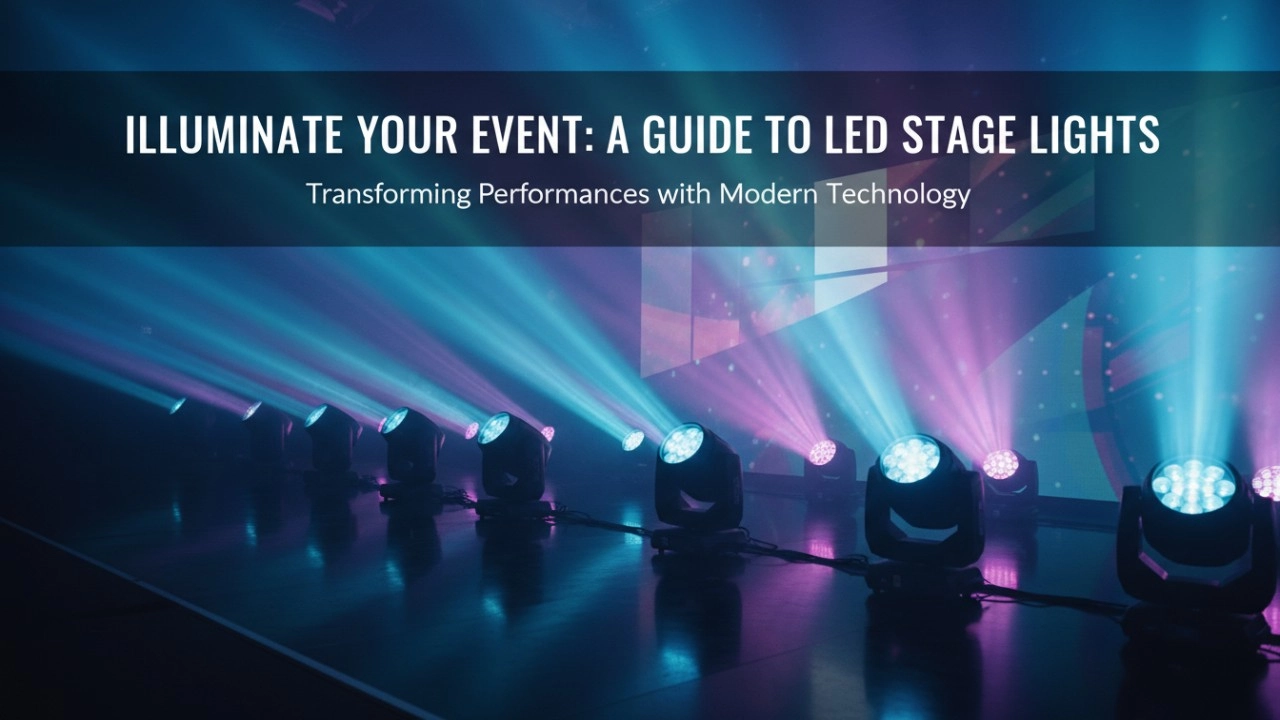
![Moving Head Stage Lighting Guide: Mastering the Technical and Artistic Essence [2026 Edition] - LiteLEES](https://static.gooecloud.com/upload/img/GY160908357145/moving-head-stage-lighting-guide-mastering-the-technical-and-artistic-essence-2026-edition.png?x-oss-process=image/format,webp/quality,Q_100 "Moving-Head-Stage-Lighting-Guide:-Mastering-the-Technical-and-Artistic-Essence-[2026-Edition] - LiteLEES")
Company
What is LiteLEES’s main business?
LiteLEES specializes in the design, development, manufacturing, and sales of professional stage lighting, including moving head lights, beam lights, spot lights, wash lights, and LED par lights.
Can LiteLEES handle OEM/ODM orders?
Absolutely. With our strong R&D capabilities and advanced manufacturing, we can customize designs, features, and branding to meet your specific needs.
Where is LiteLEES located?
Our headquarters and manufacturing facility are located in Guangzhou, China, with products exported to over 70 countries worldwide.
Products
Do your lights support DMX512 and other control protocols?
Yes. All LiteLEES stage lights are fully compatible with DMX512. Many models also support RDM, Art-Net, and wireless DMX (optional), ensuring seamless integration with modern lighting control systems.
Are your lights suitable for large-scale events and outdoor use?
Yes. Our professional stage lights—especially the Beam, BSW 3-in-1, and LED Par Series—are engineered with high-output brightness, wide beam angles, and robust housing. Some models come with IP-rated protection, making them suitable for outdoor applications like concerts, festivals, and sports events.
Stormy Flash 550 lP
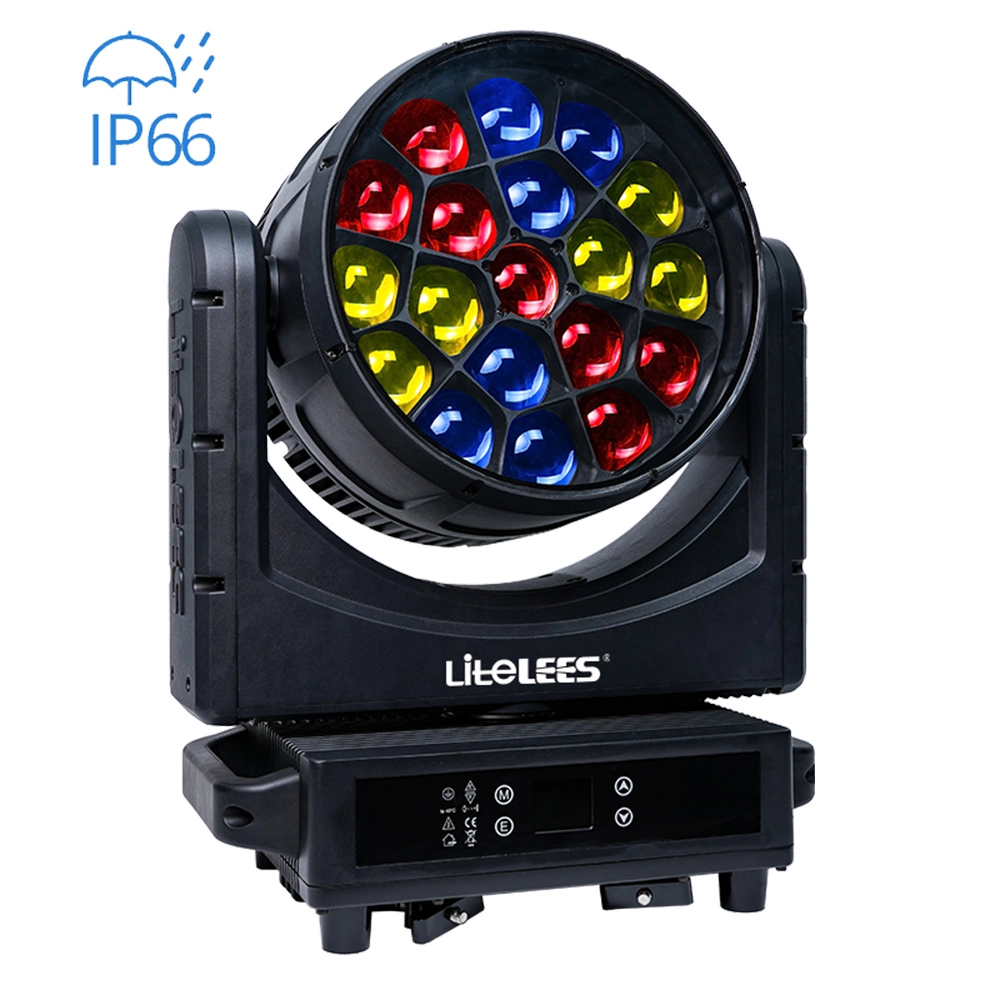
BIG EYE L4019 IP
Want to get more up-to-date news?
If you have any comments or good suggestions, please leave us a message; later our professional staff will contact you as soon as possible.

We are professional stage lighting manufacturers offering OEM and ODM LED stage lights.
Contact
Email us
Call us
Address
No.6 Longnan Road, Huashan Town, Huadu District Guangzhou, Guangdong Province, China.
LiteLEES Professional
Less Lighting