
How to choose a moving head light for small venues?
- How to choose a moving head light for small venues?
- 1. What types of moving head lights exist and which suit small venues?
- 2. How much output (lumens) and what beam angles do I need?
- 3. What pan/tilt range, mechanical specs and build features matter?
- 4. What control and connectivity should I require (DMX, Art‑Net, RDM, wireless)?
- 5. How important are color quality, CRI, and flicker (for video/broadcast)?
- 6. Power draw, cooling, and noise — what are practical expectations?
- 7. Maintenance, lifetime and warranty — what should I expect long-term?
- 8. Budget and brand selection: how much should I spend and which brands to consider?
- Practical checklist before purchase (quick decision guide)
- Final recommendation and LiteLEES advantages
- References
How to choose a moving head light for small venues?
Selecting the right moving head light for a small venue requires balancing light output, beam type, control flexibility, size/weight, noise, power consumption, and budget. Below are the frequently asked questions (5–8 core concerns) venue managers and buyers search for, with practical, industry-aligned answers to help you make an informed purchase.
1. What types of moving head lights exist and which suit small venues?
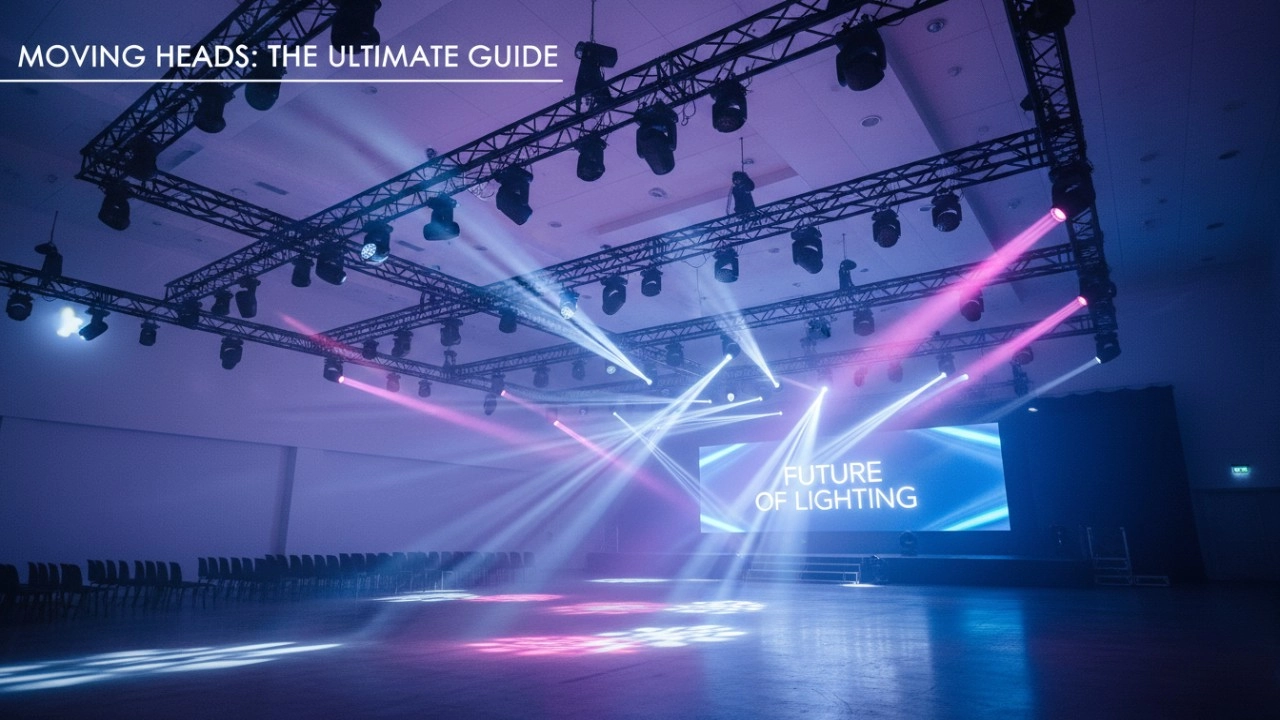
There are three common categories: beam, spot, and wash.
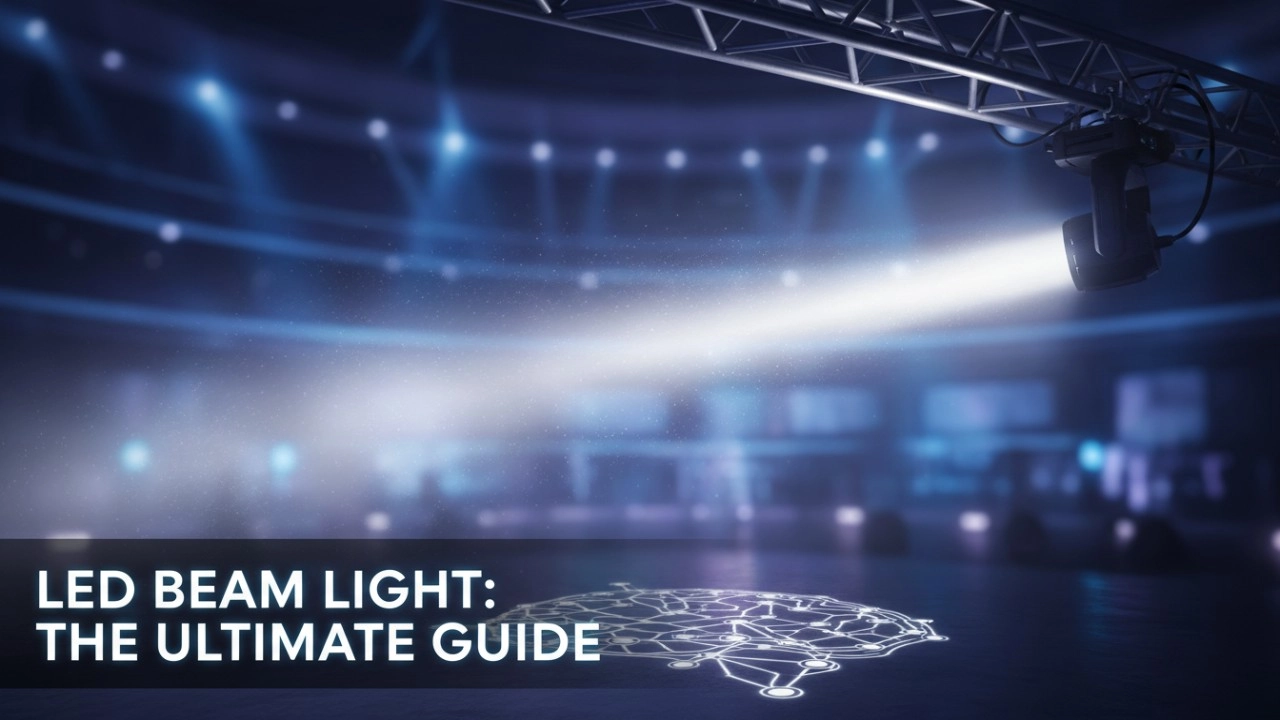
- Beam — Very narrow beams (typically 2°–8°). Great for strong aerial effects and club-style peaks. Often high intensity from relatively small LED engines.
- Spot — Medium beam angles (roughly 6°–25°) with sharp framing, gobos and crisp edges. Best for small theaters and event stages where shaping and texture are needed.
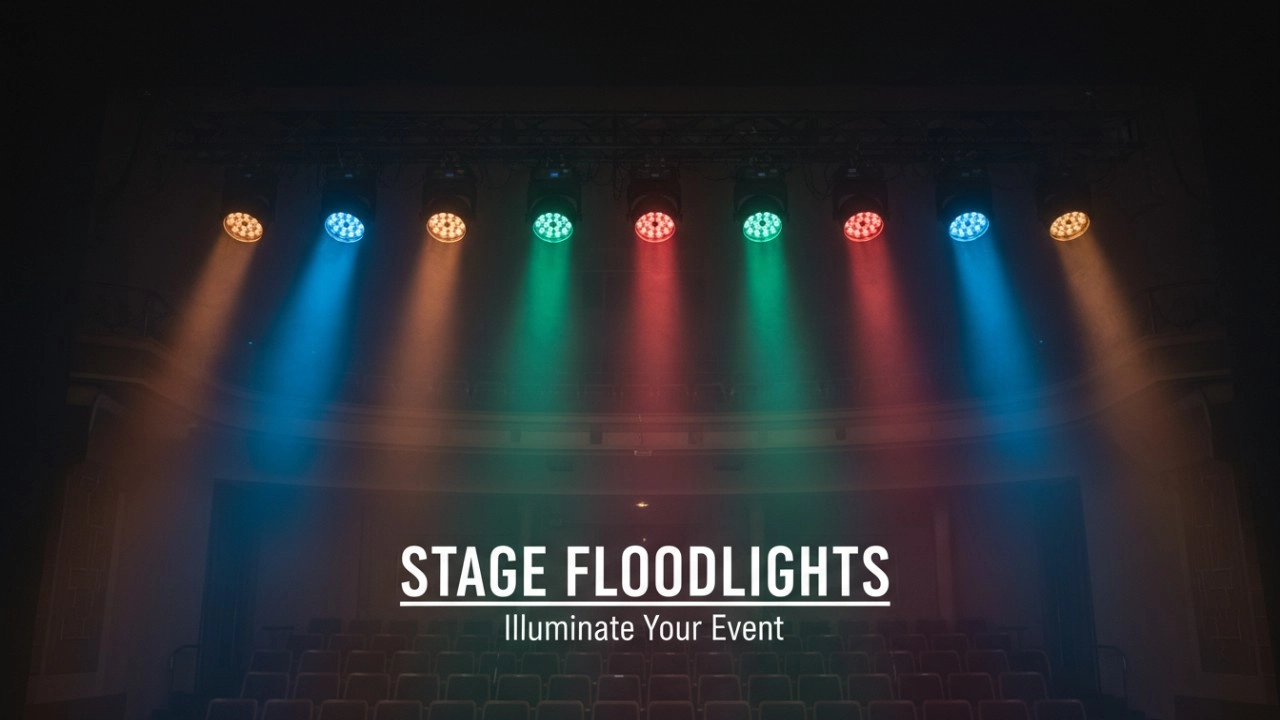
- Wash — Wide beams (typically 15°–60°+) optimized for even coverage and color mixing across a stage or audience area.
For most small venues a mix of spot and wash heads is the most versatile: wash fixtures for coverage and mood, and a small number of spot/beam fixtures for texturing and highlights.
2. How much output (lumens) and what beam angles do I need?
There’s no single number — it depends on audience size, ceiling height and use-case (concert, corporate, theater). Practical targets for small venues:
- Small bars/clubs (capacity <200): moving head LED engines in the 60–200W range per fixture commonly provide strong effects; look for higher center-beam lux rather than just raw lumens for beam fixtures.
- Small theaters / rental setups (50–300 seats): consider spot/wash heads with 150–300W LED engines or equivalent output. These balance intensity and color quality for stage work.
- Beam/club fixtures: narrow beam angles 2°–8° for aerial shafts.
- Spot fixtures: 6°–25° for gobos and framing.
- Wash fixtures: 15°–60° for even stage coverage.
Consult photometric data (lux at given distance) from manufacturer datasheets for your target throw distances — this gives real-world performance rather than only wattage.
3. What pan/tilt range, mechanical specs and build features matter?
Key mechanical and feature points to check:
- Pan/Tilt range — Many modern fixtures offer 540° pan and ~270° tilt, enabling full stage coverage and fast moves.
- Movement speed and positioning accuracy — Faster motors are better for dynamic shows; look for smoothness and low jitter.
- Effects: gobos, prisms, frost/zoom, framing shutters, and iris — choose based on the creative needs of your venue.
- IP rating — indoor-only fixtures are usually IP20; if you plan outdoor or open-air use, pick IP65-rated moving heads.
- Weight and rigging points — small venues often have limited rigging infrastructure. Confirm fixture weight, clamp mount, and safe working load (SWL) compatibility with your truss or grid.
4. What control and connectivity should I require (DMX, Art‑Net, RDM, wireless)?
Control flexibility is critical for integration and future-proofing:
- DMX512 remains the baseline control protocol for moving heads. Ensure fixtures list DMX channel modes and patch sizes.
- RDM (Remote Device Management) enables remote addressing and status readback — highly useful for multi-fixture installs and troubleshooting.
- Ethernet-based control (Art‑Net or sACN) is standard for larger networks; many moving heads accept Art‑Net via on-board ethernet interfaces or via a bridge.
- Wireless DMX (e.g., LumenRadio CRMX) is convenient when cable runs are difficult; choose proven wireless ecosystems that support robust frequency hopping and low-latency links.
- Firmware update paths (USB or network) are important for long-term compatibility.
5. How important are color quality, CRI, and flicker (for video/broadcast)?
Color and flicker are essential if you regularly record or stream events:
- Color mixing — Are fixtures using RGBW, RGBA, or more extended color engines? RGBW is common; additional amber or lime LEDs improve saturated pastels and skin tones.
- CRI and TLCI — CRI (Color Rendering Index) and TLCI (Television Lighting Consistency Index) indicate how faithfully colors render. For broadcast/filmed events, look for TLCI > 90 or CRI > 90 where possible. For purely entertainment lighting, CRI 70–80 is often acceptable.
- Flicker-free operation — If you film, ensure the fixture supports high PWM/frequency settings or explicit flicker-free modes for common camera frame rates (24/25/30/50/60 fps). Many professional fixtures and manufacturers document flicker specifications for camera use.
6. Power draw, cooling, and noise — what are practical expectations?
Practical notes:
- Power draw — LED moving heads for small venues commonly range from ~60W up to 300W per fixture. Always check the fixture's max wattage and inrush specs for your power distribution planning.
- Cooling and noise — Active cooling (fans) is common. Fan noise varies by model and mode; small fixtures can be quiet (30s dBA at distance) while high-output units may be louder. Look for manufacturer noise figures if your venue requires low ambient sound (theater, houses of worship).
- Power connectors — PowerCON and PowerCON TRUE1 are common for safe power linking. Verify cable gauges and daisy-chain limits in the manual.
7. Maintenance, lifetime and warranty — what should I expect long-term?
Key lifecycle considerations:
- LED lifetime — Many LED engines are rated at ~50,000 hours to L70 by major LED manufacturers; this is a realistic baseline for long-term use, though actual longevity depends on thermal design and usage patterns.
- Consumables and service — Fans, lenses and moving parts will need periodic cleaning and occasional replacement. Check access for cleaning and whether replaceable fans or parts are available.
- Warranty and support — Evaluate manufacturer warranty length, regional service centers, and spare parts availability. For rental businesses, robust local support and fast parts supply is essential.
8. Budget and brand selection: how much should I spend and which brands to consider?
Budgeting depends on quality and features:
- Entry-level LED moving heads (basic spot/beam models) can start in the low hundreds of USD; mid-range professional fixtures often range from approximately $700–$2,000 depending on LED engine, features and brand. High-end industry fixtures cost substantially more.
- Buy based on specifications and real photometric data, not just price. Cheaper units may lack service support, accurate color, quiet cooling, or consistent movement.
- Consider a mix: fewer higher-quality fixtures often outperform many low-cost units in reliability, color fidelity, and resale value.
Practical checklist before purchase (quick decision guide)
- Define primary use: concerts, theater, corporate events, houses of worship, or club nights.
- Measure throw distances and ceiling heights; request manufacturer lux charts for those distances.
- Decide fixture roles: wash for coverage, spot for texture, beam for aerial effects.
- Confirm control compatibility: DMX, RDM, Art‑Net, wireless options.
- Check weight, rigging points, and power requirements vs venue infrastructure.
- Verify noise levels if audience silence matters.
- Compare warranties, local service, and spare parts availability.
Final recommendation and LiteLEES advantages
For small venues, prioritize a balanced package: reliable mid-power LED engines (roughly 100–300W class for versatile spot/wash fixtures), clear photometric data, RDM or Art‑Net capability, manageable noise, and a manufacturer with local support.
LiteLEES advantages: LiteLEES fixtures combine compact mechanical design, proven LED engines with typical lifetimes around industry norms, clear photometric documentation for throw planning, RDM/Art‑Net support and practical mounting features suitable for small venues. They offer competitive mid-range pricing with an emphasis on build quality and regional after-sales support — making them a solid choice for houses of worship, clubs and small theater installations seeking long-term value and manageable maintenance.
References
- DMX512 and RDM standards information — ESTA / Technical Standards Program and USITT overviews (standard/control protocol background). Accessed 2026-01-15. https://tsp.esta.org/
- Moving head product families and beam angle/application guidance — Chauvet Professional product documentation and application notes. Accessed 2026-01-15. https://www.chauvetprofessional.com/
- Fixture mechanical ranges (pan/tilt typical values) and IP-rated outdoor fixtures — Robe Lighting product specifications. Accessed 2026-01-15. https://www.robe.cz/
- LED lifetime and L70 guidance — Signify (Philips) LED product technical information indicating typical LED lifetimes around ~50,000 hours. Accessed 2026-01-15. https://www.signify.com/
- Wireless DMX and CRMX overview — LumenRadio product and technology notes. Accessed 2026-01-15. https://lumenradio.com/
- Practical product examples, power and noise ranges — ADJ and Martin product pages and datasheets (typical wattage classes and noise comments). Accessed 2026-01-15. https://www.adj.com/ and https://www.martin.com/
- Flicker and camera considerations for LED fixtures — ARRI lighting technical resources on flicker and PWM frequency best practices. Accessed 2026-01-15. https://www.arri.com/
- LiteLEES company/product information — LiteLEES official site and product pages (regional support and product lines). Accessed 2026-01-15. https://www.litelees.com/
Note: When evaluating fixtures, always request the manufacturer datasheet with photometric charts, power/inrush specs, noise figures and firmware/DMX channel documentation. If possible, arrange a demo in a representative space or request test footage for filmed applications.
Company
Where is LiteLEES located?
Our headquarters and manufacturing facility are located in Guangzhou, China, with products exported to over 70 countries worldwide.
Can LiteLEES handle OEM/ODM orders?
Absolutely. With our strong R&D capabilities and advanced manufacturing, we can customize designs, features, and branding to meet your specific needs.
Products
How long is the warranty period for your products?
We offer a standard 1-year warranty on all products, with extended warranty options available upon request. During the warranty period, we provide free technical support and parts replacement for non-human damage.
Are your lights suitable for large-scale events and outdoor use?
Yes. Our professional stage lights—especially the Beam, BSW 3-in-1, and LED Par Series—are engineered with high-output brightness, wide beam angles, and robust housing. Some models come with IP-rated protection, making them suitable for outdoor applications like concerts, festivals, and sports events.
What is the lifespan of your LED stage lights?
Our LED lights use high-quality chips with a rated lifespan of over 50,000 hours. Proper usage and maintenance ensure long-term reliability and stable performance, making them a smart investment for any venue.
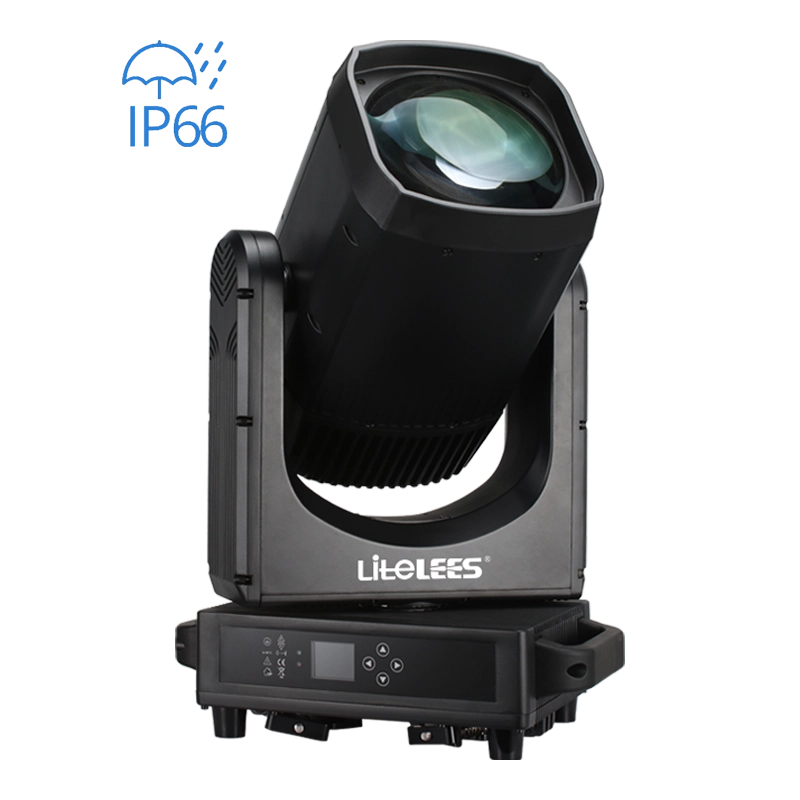
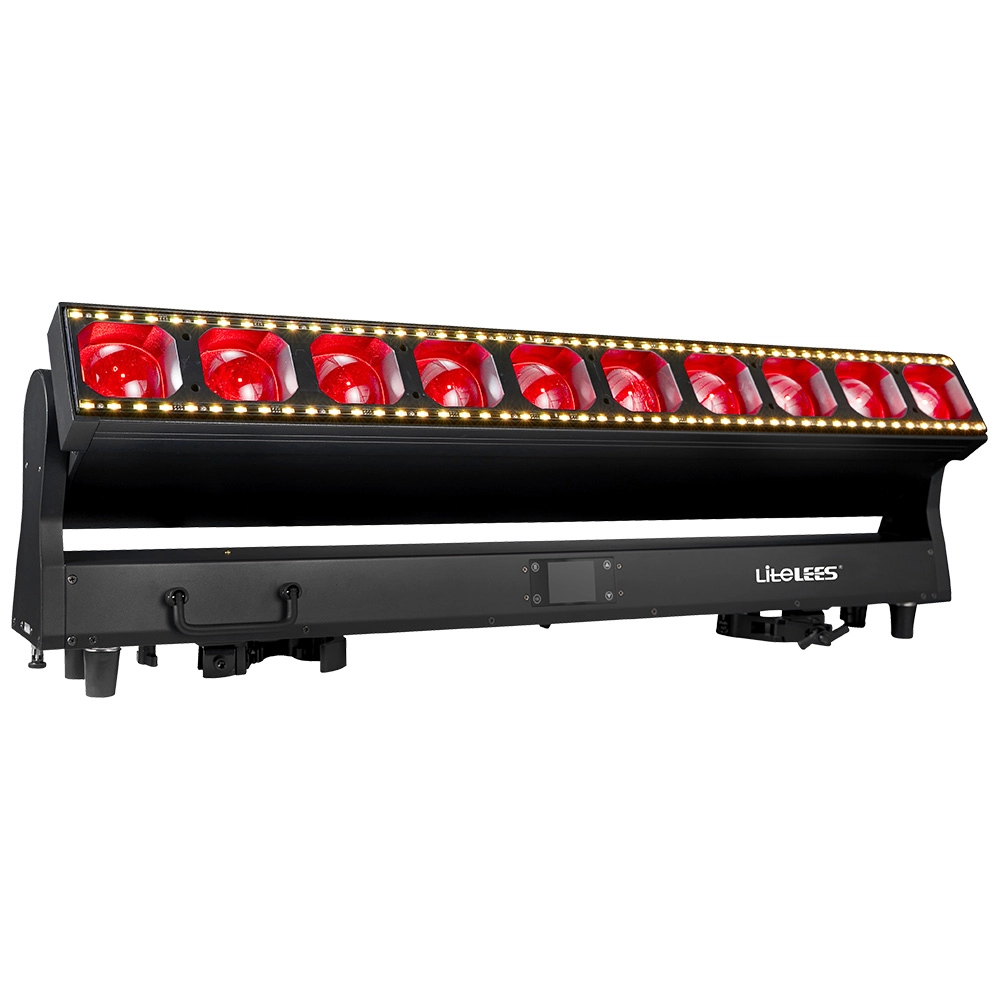
LiteLEES LUMIX BEAM 420 IP
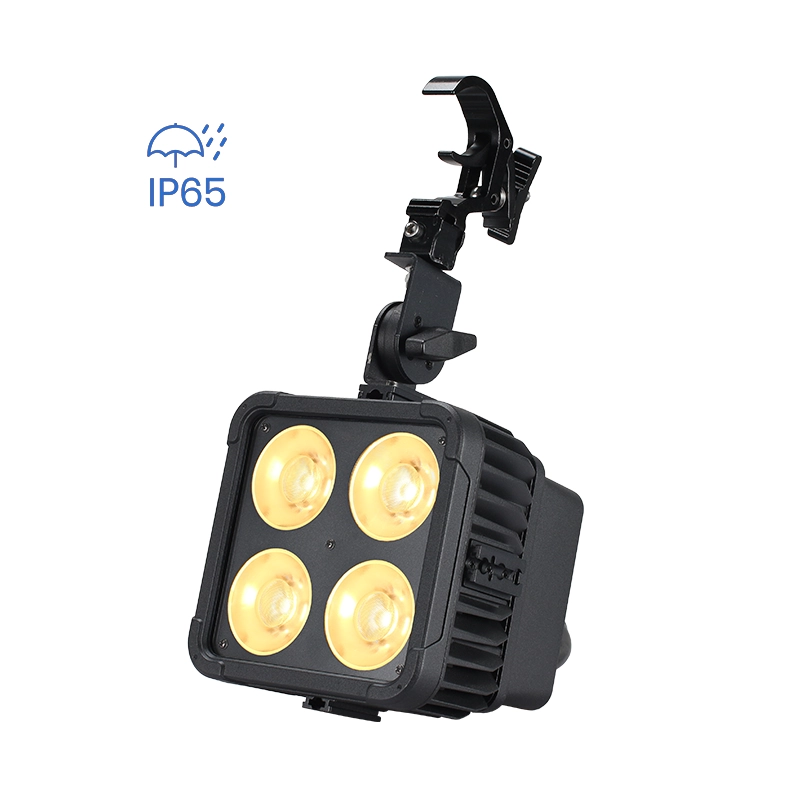
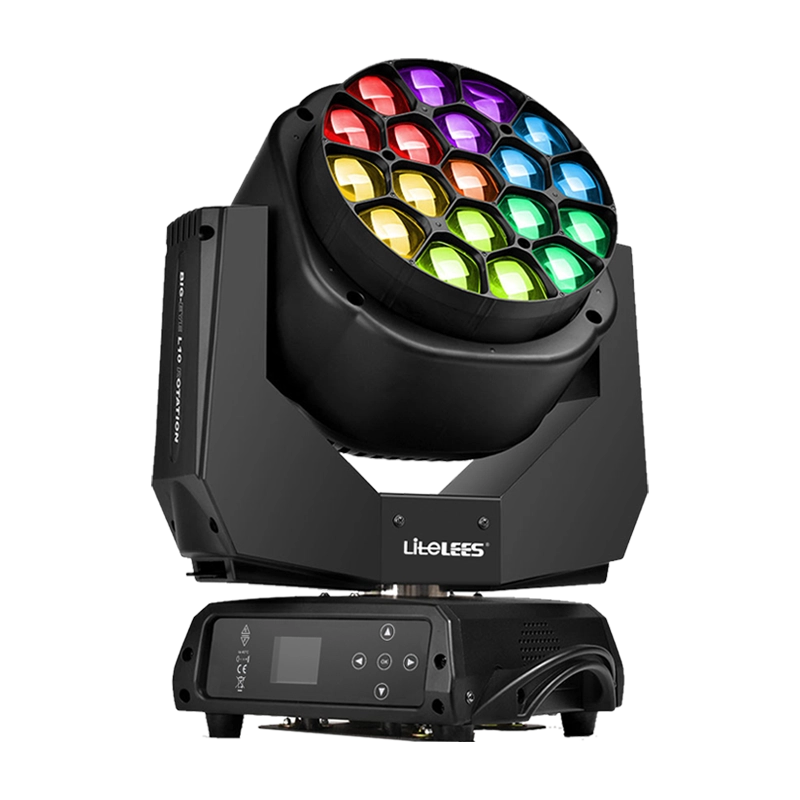
Magic Cube V8 IP
Want to get more up-to-date news?
If you have any comments or good suggestions, please leave us a message; later our professional staff will contact you as soon as possible.

We are professional stage lighting manufacturers offering OEM and ODM LED stage lights.
Contact
Email us
Call us
Address
No.6 Longnan Road, Huashan Town, Huadu District Guangzhou, Guangdong Province, China.
LiteLEES Professional
Less Lighting