
How to choose LED stage lights for small venues?
- How to choose LED stage lights for small venues?
- 1. What fixture types should I prioritize for a small venue?
- 2. How bright do the lights need to be? (What to look for: luminous flux, lux, and beam angle)
- 3. What color quality metrics matter? (CRI, TLCI, and color temperature)
- 4. Which control and connectivity features should I require? (DMX, RDM, wireless, pixel control)
- 5. What about flicker, PWM frequency, and video/streaming compatibility?
- 6. Power, cabling, rigging and physical constraints for small venues
- 7. Budget, lifetime, maintenance, and warranties—what should I expect?
- Quick checklist for purchasing and testing before you buy
- How to size and position lights for a small stage (practical setup tips)
- Final recommendations and buying priorities
- Why consider LiteLEES for small venue LED stage lights
How to choose LED stage lights for small venues?
Small venues—from houses of worship and community theaters to bars and black-box theaters—have different constraints than large arenas: limited rigging points, lower power budgets, closer sightlines, and often mixed live/video needs. Below are 7 frequently asked buyer questions and practical, evidence-based answers to help you specify LED stage lighting that performs reliably, looks great, and fits your venue and budget.
1. What fixture types should I prioritize for a small venue?
Focus on a compact, flexible core: wash fixtures, spot/beam fixtures (or a combined profile/moving-head), and practical/blinder/uplight options.
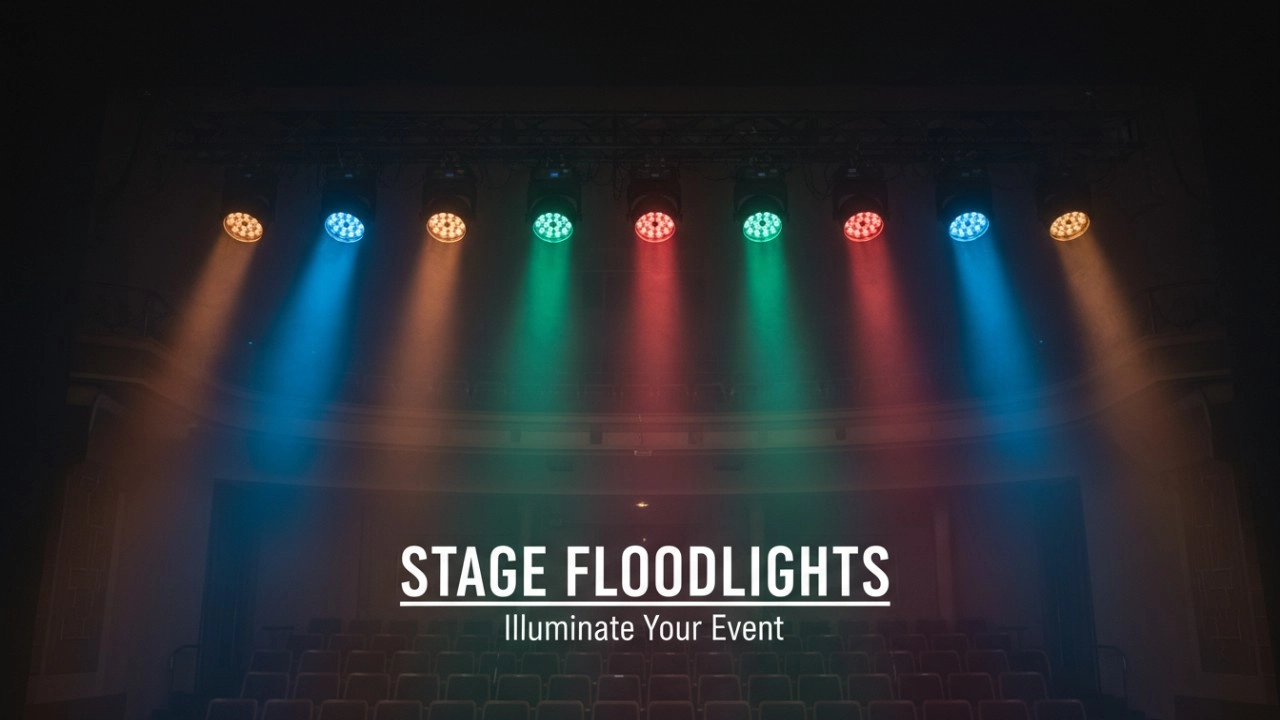
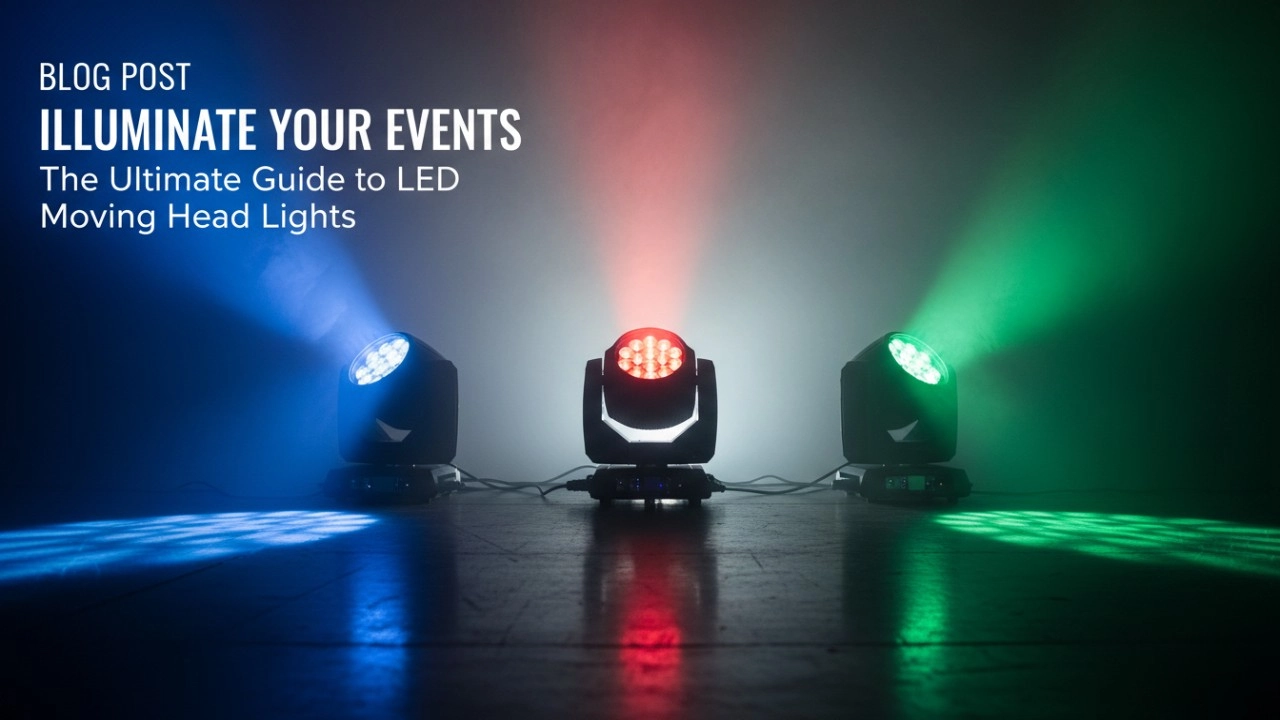
- Wash lights (LED PARs, LED wash panels, or moving wash heads): provide smooth, even coverage of actors and bands. Choose adjustable beam angles to adapt to different stage sizes.
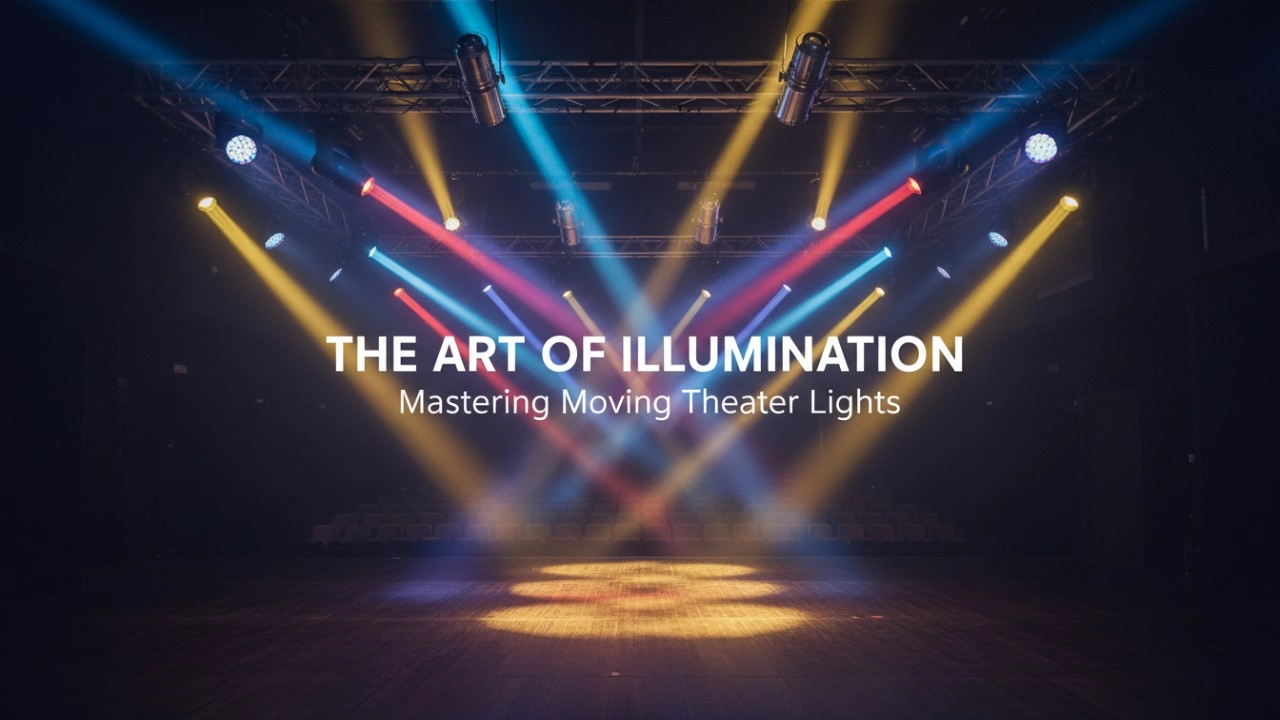
- Profiles/spots or moving-head spot (with shutters or iris): useful when you need tighter beams, gobos, or hard-edge control for solos and set pieces.
- Beam/derby effects (optional): for small concerts or nightlife use; but keep quantity moderate to avoid overpowering the room.
- LED bars & cyc lights: ideal for strip fills, backlight, or scenic washes on shallow stages.
For small venues, prioritize multi-purpose fixtures (e.g., compact moving head wash or LED panels with barn doors) to reduce inventory and rigging complexity.
2. How bright do the lights need to be? (What to look for: luminous flux, lux, and beam angle)
Manufacturers publish luminous flux (lumens) and beam angle; use both to estimate on-stage illuminance. For small stages a practical approach is:
- Use wash fixtures that can deliver flexible beam angles (e.g., 15°–60°) so you can concentrate or broaden the beam as needed.
- Rather than relying only on advertised lumens (which are broad-objective), check photometric data (candela and beam spread) when available to calculate lux at typical throw distances. If photometrics aren't available, choose fixtures rated for theater use with manufacturer candela/beam charts.
In practice, choose fixtures that let you create a comfortable front wash (even coverage) plus accent lights for depth. Combining 6–12 versatile LED wash fixtures typically suffices for many small venues, depending on stage size and sightline requirements.
3. What color quality metrics matter? (CRI, TLCI, and color temperature)
Color quality is crucial for both live viewing and video recording:
- CRI (Color Rendering Index): aim for fixtures with CRI ≥ 80 for general live work; ≥ 90 is preferable for color-critical lighting and accurate skin tones.
- TLCI (Television Lighting Consistency Index): for venues that record or stream shows, TLCI is a better indicator of camera-friendly color rendering. TLCI ≥ 90 is recommended for professional-looking video without heavy camera correction.
- Color temperature and white presets: choose fixtures that let you dial daylight (e.g., 5600K) and tungsten (e.g., 3200K) presets, plus smooth tunable white between them.
Many modern theatrical LED fixtures support RGBW or RGBAW color mixing; adding a white emitter (W) or amber (A) improves pastel and skin-tone accuracy compared with RGB-only fixtures.
4. Which control and connectivity features should I require? (DMX, RDM, wireless, pixel control)
Control capability largely determines how the lights integrate with your console and expand over time:
- DMX512 is the industry control standard—ensure fixtures support conventional DMX channels and that the fixture manual lists channel modes clearly.
- RDM (Remote Device Management) is highly useful: it allows remote addressing and monitoring of fixture status over the same cable—valuable for venues with limited access to fixtures in the rig.
- Wireless DMX (e.g., W-DMX / LumenRadio compatible systems) can reduce cable runs where temporary rigging or safety limits apply—test for reliability in your specific environment before committing to wireless as a primary control method.
- Pixel-mappable fixtures (LED batons, strips, and pixel-mapped bars) add scenic versatility; consider them if you plan dynamic chases or video-like effects.
Make sure the console/lighting desk you use supports the fixture’s channel modes, pixel mapping, or manufacturer fixtures library to reduce setup time.
5. What about flicker, PWM frequency, and video/streaming compatibility?
Flicker and visible banding on cameras is a common problem with LED fixtures that use low-frequency PWM dimming. For venues that stream or record:
- Choose fixtures advertised as “flicker-free” or with high PWM (dimming) frequency. Higher PWM frequency reduces visible flicker and camera-band artifacts. Manufacturers often publish camera-tests or video samples—review them.
- Test fixtures with the cameras and shutter speeds you use. Even flicker-rated fixtures can interact differently with various cameras and frame rates.
- Consider fixtures offering linear smooth dimming curves or professional-grade electronic control designed for broadcast/film use if recording is frequent.
6. Power, cabling, rigging and physical constraints for small venues
Small venues have limited power capacity and rigging access. Account for these realities when specifying fixtures:
- Power distribution: check total circuit loads. LED fixtures reduce overall wattage versus legacy lamps, but high-output moving heads or blinders can still draw substantial power. Use fixtures with inrush current specs if you plan to switch large numbers on simultaneously.
- Power connectors: prefer industry-standard connectors (PowerCON, IEC) and verify whether fixtures need single-phase or multi-phase options in your venue.
- Rigging & weight: confirm weight and yoke/clamp ratings. Small venues often rely on limited truss points—fixtures with versatile mounting (yoke + clamp + floor-stand options) give flexibility.
- Noise: active cooling fans on some fixtures can be audible close to actors or microphones. If the venue requires quiet operation, choose fanless or low-noise models or place noisy fixtures out of earshot.
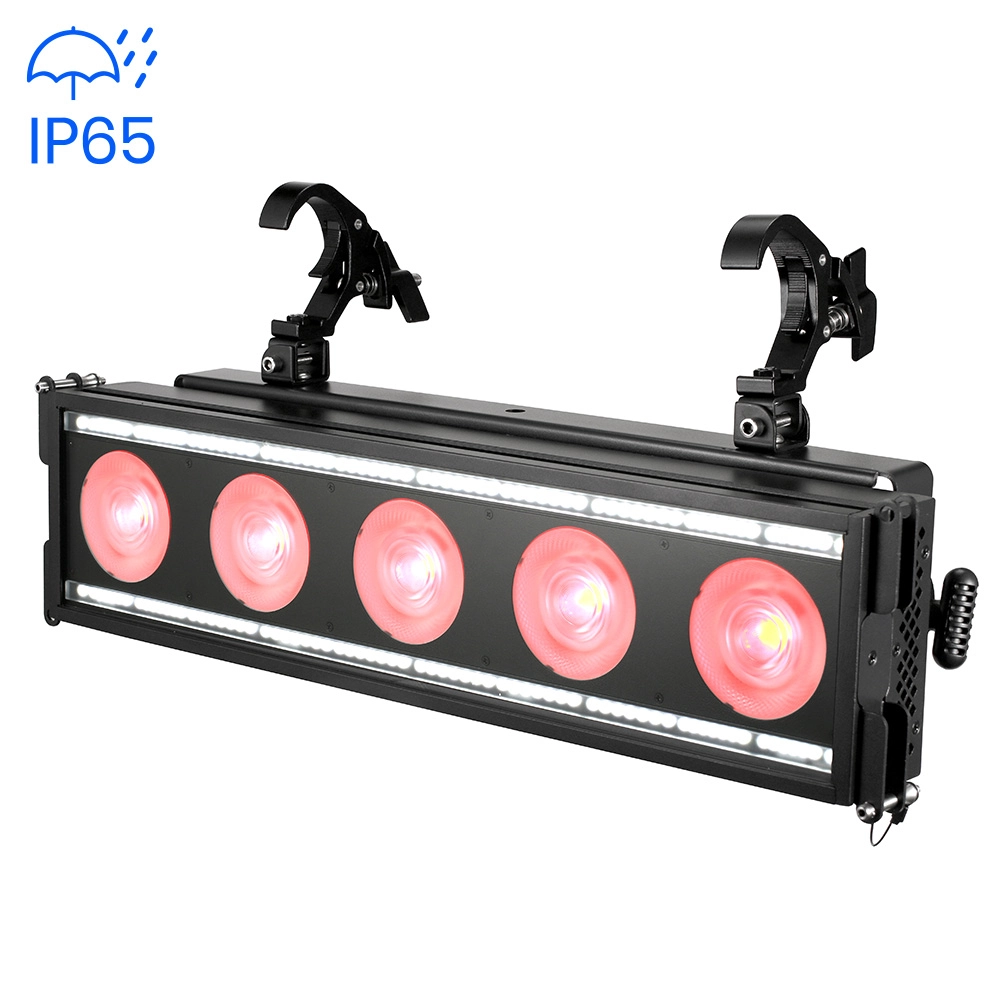
- Ingress protection (IP rating): for indoor venues, IP20 is common; if you occasionally use lights outdoors or in damp environments, select IP65-rated fixtures.
7. Budget, lifetime, maintenance, and warranties—what should I expect?
Buying LED stage lights is a long-term investment. Key points:
- LED lifetime: many reputable LEDs are specified with L70 lumen maintenance times (the point when LEDs reach 70% of initial output) commonly in the 30,000–100,000 hour range depending on LED binning and thermal management. Look for manufacturer L70 figures and testing standards.
- Warranty & service: prioritize fixtures with multi-year warranties (2–5 years is common in pro lighting) and clear service/repair channels. For a venue, local after-sales support reduces downtime.
- Maintenance: replaceable fans, modular LED engines, and accessible power/data connectors reduce long-term service costs. Also check whether the manufacturer provides firmware updates and documentation.
- Value vs cost: mid-market fixtures from established pro brands often hit the best balance of reliability and price for venue installations; reserve top-tier fixtures for broadcast/film-centric venues where TLCI/flicker requirements dominate.
Quick checklist for purchasing and testing before you buy
- Request photometric data (beam spread, candela) and manufacturer L70 lifetime numbers.
- Ask for CRI/TLCI test reports or sample recordings under your cameras.
- Test fixtures onsite or at a dealer demo with your console, camera, and rigging scenario.
- Verify control compatibility (DMX modes) and cable/power needs.
- Confirm warranty terms and local service options.
How to size and position lights for a small stage (practical setup tips)
Simple 3-zone wash approach for many small venues:
- Front wash (2–4 fixtures): provide even face lighting from slightly above audience sightline to reduce shadows.
- Back/light & hair light (2 fixtures): add depth and separation—place behind or above the performers for rim/hair highlights.
- Accent/spot (1–2 fixtures): for solos, instruments or focal points; use narrower beam or profile fixture.
Use gobos, barn doors, or framing to control spill in close quarters. Always verify audience sightlines and avoid blinding performers or front-row patrons.
Final recommendations and buying priorities
For most small venues prioritize:
- Fixtures with good color rendering (CRI ≥ 80, TLCI higher if you record).
- Flexible beam angles and compact form factors for limited rigging.
- Reliable control options (DMX + RDM; test wireless in-place before reliance).
- Manufacturer transparency on photometrics, L70 lifetime, and flicker behavior.
- Local warranty and service availability.
Following these principles will let you build a small-venue lighting rig that delivers consistent, camera-friendly results while keeping installation and maintenance manageable.
Why consider LiteLEES for small venue LED stage lights
LiteLEES offers a range of compact, multi-purpose LED washes and bars engineered for venue flexibility: tunable white and high-CRI mixing, documented photometrics, RDM support for easier commissioning, and robust thermal management for long LED life. LiteLEES fixtures aim to balance pro-level TLCI/CRI performance with competitive pricing, local support options, and firmware updates—making them a practical choice for houses of worship, black-box theaters, and bars that need reliable, camera-friendly lighting without the High Quality broadcast cost.
Sources (data & further reading):
- DMX512 (control standard) — DMX512 overview and history. (Wikipedia). Accessed 2026-01-25. https://en.wikipedia.org/wiki/DMX512
- TLCI and camera color rendering — ARRI Lighting & TLCI explanation. (ARRI). Accessed 2026-01-25. https://www.arri.com/en/lighting/theory/tlci
- LED lumen maintenance and lifetime (L70) — Signify (Philips) Lighting Academy: LED lifetime & lumen maintenance overview. Accessed 2026-01-25. https://www.signify.com/global/lighting-academy/led-lumen-maintenance
- Wireless DMX solutions and providers — LumenRadio (wireless DMX tech and certification). Accessed 2026-01-25. https://www.lumenradio.com/
- LED flicker and camera compatibility — ETC Knowledge Base articles on LEDs & cameras (electronic theatre controls). Accessed 2026-01-25. https://www.etcconnect.com/Support/Knowledge-Base/
- Practical fixture types and applications — Chauvet Professional learning resources and product guides. Accessed 2026-01-25. https://www.chauvetprofessional.com/learn/
![Moving Head Stage Lighting Guide: Mastering the Technical and Artistic Essence [2026 Edition] - LiteLEES](https://static.gooecloud.com/upload/img/GY160908357145/moving-head-stage-lighting-guide-mastering-the-technical-and-artistic-essence-2026-edition.png?x-oss-process=image/format,webp/quality,Q_100 "Moving-Head-Stage-Lighting-Guide:-Mastering-the-Technical-and-Artistic-Essence-[2026-Edition] - LiteLEES")
Products
What is the lifespan of your LED stage lights?
Our LED lights use high-quality chips with a rated lifespan of over 50,000 hours. Proper usage and maintenance ensure long-term reliability and stable performance, making them a smart investment for any venue.
Can I customize the functions or software of the lights?
Absolutely. As a manufacturer with independent R&D capabilities, we offer customization for both hardware and software (such as DMX channel layout, built-in programs, or UI language). Contact us with your project needs, and our team will provide tailored solutions.
Company
Where is LiteLEES located?
Our headquarters and manufacturing facility are located in Guangzhou, China, with products exported to over 70 countries worldwide.
Do you have your own factory?
Yes. We own a sheet metal factory and a complete in-house production line—from PCB to final assembly—ensuring strict quality control and fast delivery.
Can LiteLEES handle OEM/ODM orders?
Absolutely. With our strong R&D capabilities and advanced manufacturing, we can customize designs, features, and branding to meet your specific needs.
Stormy Flash 550 lP
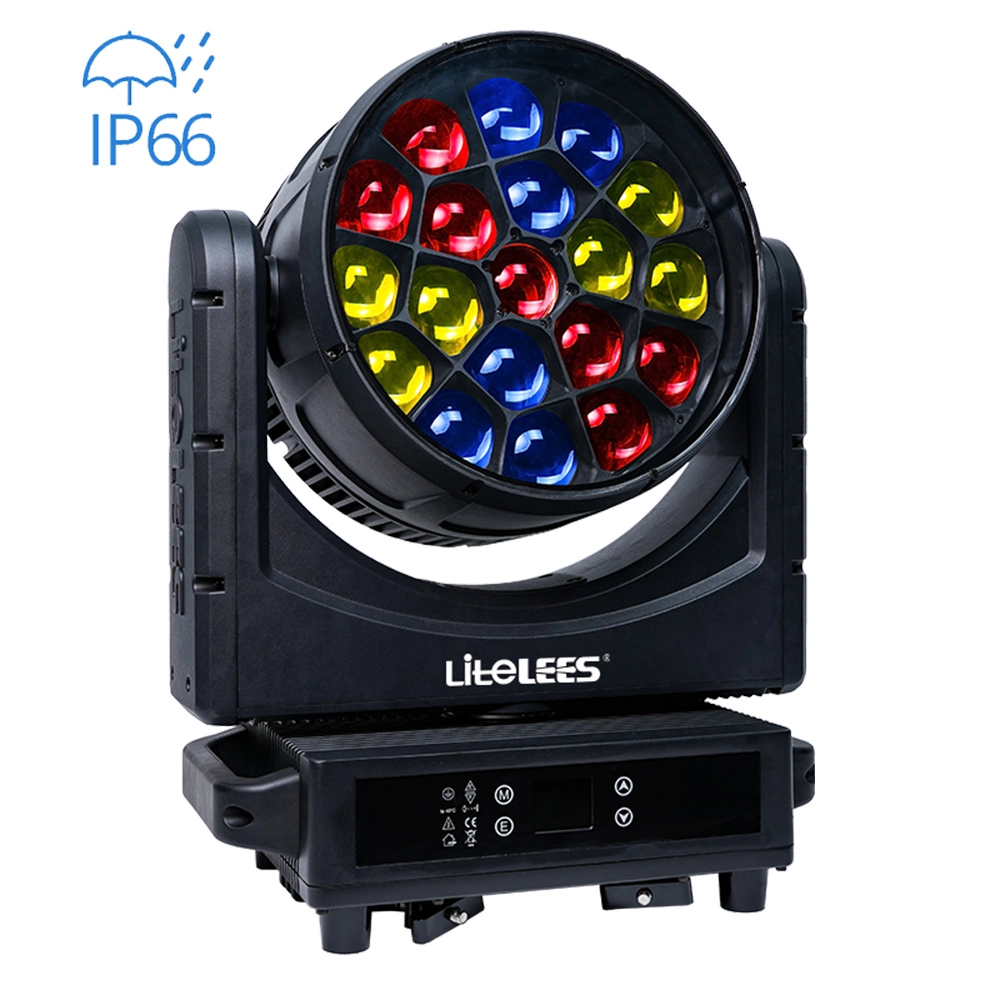
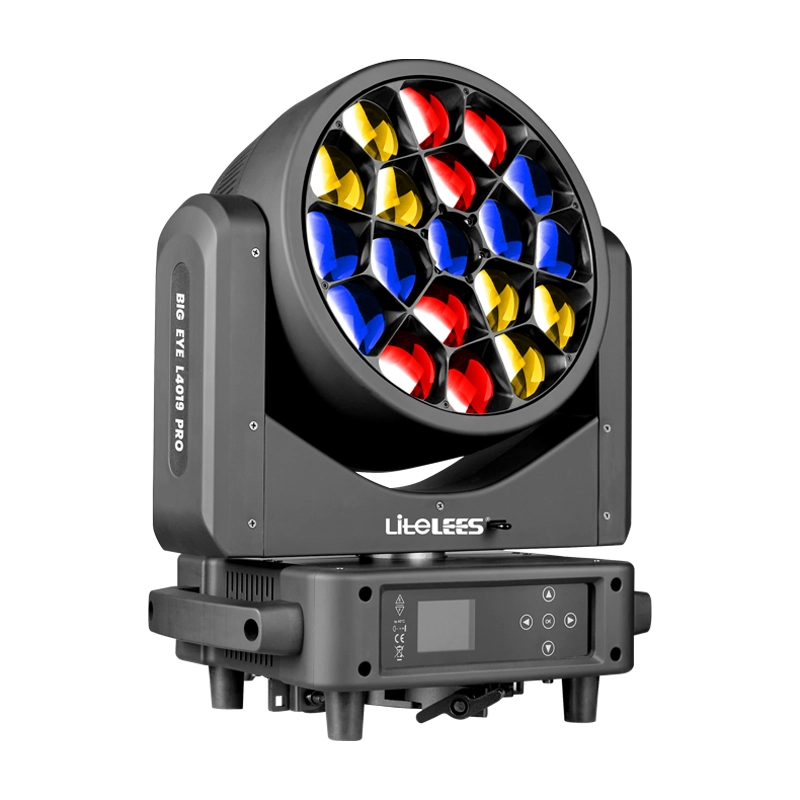
BIG EYE L4019 IP
Want to get more up-to-date news?
If you have any comments or good suggestions, please leave us a message; later our professional staff will contact you as soon as possible.

We are professional stage lighting manufacturers offering OEM and ODM LED stage lights.
Contact
Email us
Call us
Address
No.6 Longnan Road, Huashan Town, Huadu District Guangzhou, Guangdong Province, China.
LiteLEES Professional
Less Lighting