
How to choose the best LED stage wash light for live shows?
- How to Choose the Best LED Stage Wash Light for Live Shows?
- 1) What is a stage wash light and how does it differ from other LED fixtures?
- 2) How bright should the wash fixtures be — lumen output, lux targets, and how many fixtures will I need?
- 3) What color quality specs matter — CRI, TLCI, and color temperature?
- 4) Which control protocols and features should I prioritize?
- 5) How important is flicker-free performance and refresh rate for camera work?
- 6) What about power, cooling, and expected lifespan — what should buyers watch for?
- 7) How should I evaluate total cost — initial price vs TCO (maintenance, spares, energy)?
- 8) Practical checklist for specifying and testing fixtures before purchase
- LiteLEES brand summary: Why choose LiteLEES for stage wash lighting?
- Closing practical tips
- References & data sources
How to Choose the Best LED Stage Wash Light for Live Shows?
Choosing the optimal LED stage wash fixture for live performances means matching technical performance to the artistic and operational needs of the show. Below are the most important questions buyers ask, with practical, industry-grounded answers that explain what specs matter and why.
1) What is a stage wash light and how does it differ from other LED fixtures?
A stage wash light is a fixture designed to provide even, soft illumination across a wide area or performance surface. Unlike spot or beam fixtures that produce narrow, intense shafts of light for focused beams and aerial effects, wash lights prioritize uniformity and color consistency for actors, singers, set pieces, and audience washes. Typical characteristics of wash lights include wide beam angles (often 25°–90° or larger), diffusion optics or multiple small LEDs with blending lenses, and color-mixing systems (RGB, RGBW, RGBA, or dedicated warm-white/amber elements) to create smooth gradients and skin-tone friendly illumination.
2) How bright should the wash fixtures be — lumen output, lux targets, and how many fixtures will I need?
Brightness planning depends on venue size, sightlines, distance, and broadcast/camera requirements. Key guidelines:
- Lux targets: For theatrical and live-music front wash, designers commonly aim for 300–1,000 lux on performers depending on style; TV/broadcast requires higher, more even levels with accurate color rendering.
- Lumen output: Fixture lumen ratings vary; a compact LED wash can range from ~3,000–12,000 lumens, while larger high-output washes may exceed 30,000 lumens. Rather than lumens alone, use photometric data (lux at distance) provided by manufacturers to calculate spacing and number required.
- Spacing rule of thumb: With a 45° beam angle, a fixture at 6 m (20 ft) may yield usable coverage of 4–6 m width; exact spacing must be calculated from the lux curve. For even coverage, overlap beams by ~30%.
Always request manufacturer photometrics (lux charts at multiple distances) and do a simple lighting plot or mock-up to estimate fixture count and hang positions.
3) What color quality specs matter — CRI, TLCI, and color temperature?
Color accuracy is crucial for live performance and especially for televised or streamed events. Key metrics:
- CRI (Color Rendering Index): A general-purpose measure; for stage work aim for CRI 90+ when accurate skin tones are important.
- TLCI (Television Lighting Consistency Index): Designed for cameras and broadcast, TLCI is more relevant than CRI for filmed events. Aim for TLCI ≥ 90 for high-quality broadcast results and minimal camera correction.
- Color temperature and mixing: Fixtures offering variable CCT (2700K–6500K) or multi-chip designs (RGBW, RGBA, +White/Amber) provide flexibility. For natural skin tones, designers often use 3200K–4200K range; for daylight scenes, 5600K is common.
When cameras are involved, insist on manufacturer TLCI charts or third-party testing to avoid on-set color correction headaches.
4) Which control protocols and features should I prioritize?
Control flexibility reduces setup time and increases creative options. Important control features include:
- DMX512 compatibility: Standard for live lighting control. Ensure the fixture supports adequate DMX channel profiles or modes for your needs.
- Art-Net/sACN: Network-based control protocols are increasingly standard for large systems; fixtures with native Ethernet input reduce gateway complexity.
- RDM (Remote Device Management): Allows remote configuration, addressing, and firmware updates—valuable in touring and fixed install workflows.
- Wireless DMX / CRMX: Useful for temporary venues or when cabling is limited; verify range and reliability in noisy RF environments.
- Pixel-mapping and zoned control: For creative washes that require per-pixel or multi-zone control, look for fixtures with built-in mapping or low-level LED segmentation.
Match fixture control modes to your console and pipeline. Simpler shows may use single-channel dimming modes; complex shows need full-color, gobo (if applicable), and pixel mapping support.
5) How important is flicker-free performance and refresh rate for camera work?
Very important. LED fixtures must be engineered to avoid flicker and strobing on camera, which is a common complaint when filming under LED lighting. Key facts:
- Refresh rate and PWM frequency: Higher PWM (pulse width modulation) frequencies reduce visible flicker on high-frame-rate cameras. Many professional fixtures target PWM frequencies in the kilohertz range (several kHz) or use flicker-free constant-current drivers.
- Test under camera: Always test fixtures with the target camera and frame rates (24/25/30/50/60/120 fps). Some fixtures advertise flicker-free for specific ranges—verify in your setup.
- Broadcast specs: For broadcast, suppliers should provide camera tests and TLCI measurements demonstrating acceptable performance across common shutter angles and frame rates.
6) What about power, cooling, and expected lifespan — what should buyers watch for?
Operational reliability affects uptime and total cost of ownership. Consider:
- Power rating and consumption: Note input voltage range (100–240V vs regional-specific), standby draw, and connector types (PowerCON, IEC). Check inrush current specs for distribution design.
- Cooling: Passive cooling (heatsinks) reduces fan noise and maintenance, but higher-output fixtures often need active cooling (quiet fans). For quiet theatre work prefer low-noise cooling designs.
- Lifespan: High-quality LED fixtures commonly quote LED lifetimes around 50,000 hours (L70 rating — time until light output falls to 70% of initial). Drivers and fans are typical failure points—look for replaceable modules.
- Ingress protection and build: For outdoor or co-located use, check IP ratings (e.g., IP65 for outdoor fixtures) and ruggedness of housings.
Confirm warranty terms (parts, labor, and international support), and availability of spare parts like driver modules, fans, and lens kits.
7) How should I evaluate total cost — initial price vs TCO (maintenance, spares, energy)?
Compare fixtures not only on upfront cost but on operational savings and downtime risk:
- Energy savings: LEDs consume much less power than equivalent tungsten sources. Use manufacturer power draw and typical run-hour assumptions to estimate energy savings.
- Maintenance: Factor expected component replacements (drivers, fans) and labor. Fixtures designed with modular, field-replaceable parts reduce TCO.
- Resale and depreciation: Well-known brands and fixtures with documented photometrics retain value better in rental markets.
- Warranty & support: Longer warranties and strong global service networks reduce risk for touring and international installations.
Ask vendors for lifecycle cost estimates and rental-house references when possible.
8) Practical checklist for specifying and testing fixtures before purchase
Before committing to a model or a large order, run the following checks:
- Get photometric files (IES files) and lux charts for the rig heights and distances you will use.
- Request TLCI/CRI test data and camera footage at typical shutter speeds and frame rates.
- Confirm DMX/Art-Net/RDM modes and request firmware change logs and upgrade procedures.
- Inspect power specs, inrush currents, and connector standards to ensure compatibility with your distro.
- Test a demo unit in-situ with your console and camera to validate colour mixing, dimming curves, and noise characteristics.
- Verify warranty, spare-part pricing, and service lead times for your operating regions.
LiteLEES brand summary: Why choose LiteLEES for stage wash lighting?
LiteLEES offers a range of LED stage wash fixtures engineered for live events, touring, and installations. Advantages to look for in LiteLEES products include:
- Production-oriented photometrics and TLCI data to support broadcast and streaming workflows.
- Modular designs with field-replaceable drivers and fans to lower maintenance downtime.
- Multiple control options (DMX, Art-Net/sACN, RDM, wireless DMX) and pixel-mapping modes for creative flexibility.
- Robust warranty and global after-sales support to reduce TCO for rental houses and touring clients.
- Energy-efficient LED engines and thoughtful cooling to balance output and noise for theater and concert use.
When evaluating LiteLEES or any brand, use the checklist above: ask for photometrics, camera tests, and demo units to verify performance in your environment.
Closing practical tips
- Always base quantity and rigging on manufacturer photometrics rather than headline lumen numbers.
- Prioritize TLCI and flicker-free claims if the show will be broadcast or livestreamed.
- Test fixtures with the actual control console and cameras you will use before large purchases.
- Consider total cost of ownership, not just purchase price—energy, spares, and service matter.
Well-specified LED wash fixtures make shows look better, reduce operational headaches, and can save significant energy and maintenance costs over time. Use the technical checks above to ensure the fixtures you select meet both your artistic goals and operational requirements.
References & data sources
- ETC (Electronic Theatre Controls) — technical articles on LED fixtures, photometrics, and control systems. (Accessed 2026-01-19) https://www.etcconnect.com/
- BBC Research & Development — documents and guidance on TLCI and camera lighting. (Accessed 2026-01-19) https://www.bbc.co.uk/rd
- ARRI — guidelines on flicker-free LED lighting for camera and broadcast applications. (Accessed 2026-01-19) https://www.arri.com/
- ESTA / TSP — DMX512 standards and working group resources. (Accessed 2026-01-19) https://tsp.esta.org/
- IES (Illuminating Engineering Society) — TM-30 and other metrics for color rendition and photometry. (Accessed 2026-01-19) https://www.ies.org/
- Signify / Philips Lighting — white papers on LED lifetime (L70) and energy savings. (Accessed 2026-01-19) https://www.signify.com/
Company
What certifications do your products have?
All LiteLEES products are certified by CE, RoHS, FCC, and BIS. Our factory is ISO9001 quality management system certified.
Where is LiteLEES located?
Our headquarters and manufacturing facility are located in Guangzhou, China, with products exported to over 70 countries worldwide.
Can LiteLEES handle OEM/ODM orders?
Absolutely. With our strong R&D capabilities and advanced manufacturing, we can customize designs, features, and branding to meet your specific needs.
Products
Are your lights suitable for large-scale events and outdoor use?
Yes. Our professional stage lights—especially the Beam, BSW 3-in-1, and LED Par Series—are engineered with high-output brightness, wide beam angles, and robust housing. Some models come with IP-rated protection, making them suitable for outdoor applications like concerts, festivals, and sports events.
What is the lifespan of your LED stage lights?
Our LED lights use high-quality chips with a rated lifespan of over 50,000 hours. Proper usage and maintenance ensure long-term reliability and stable performance, making them a smart investment for any venue.
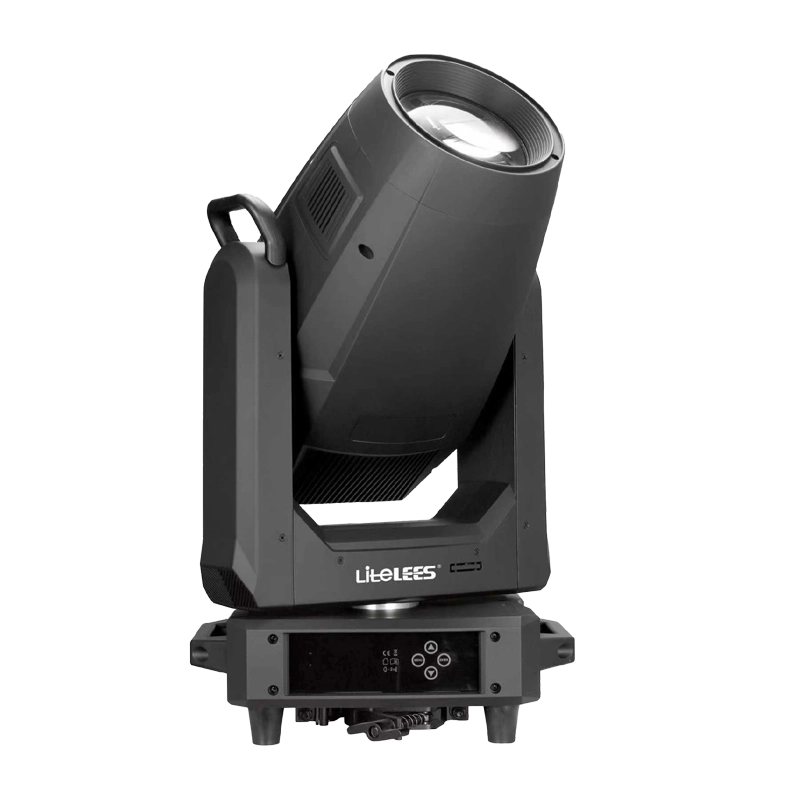
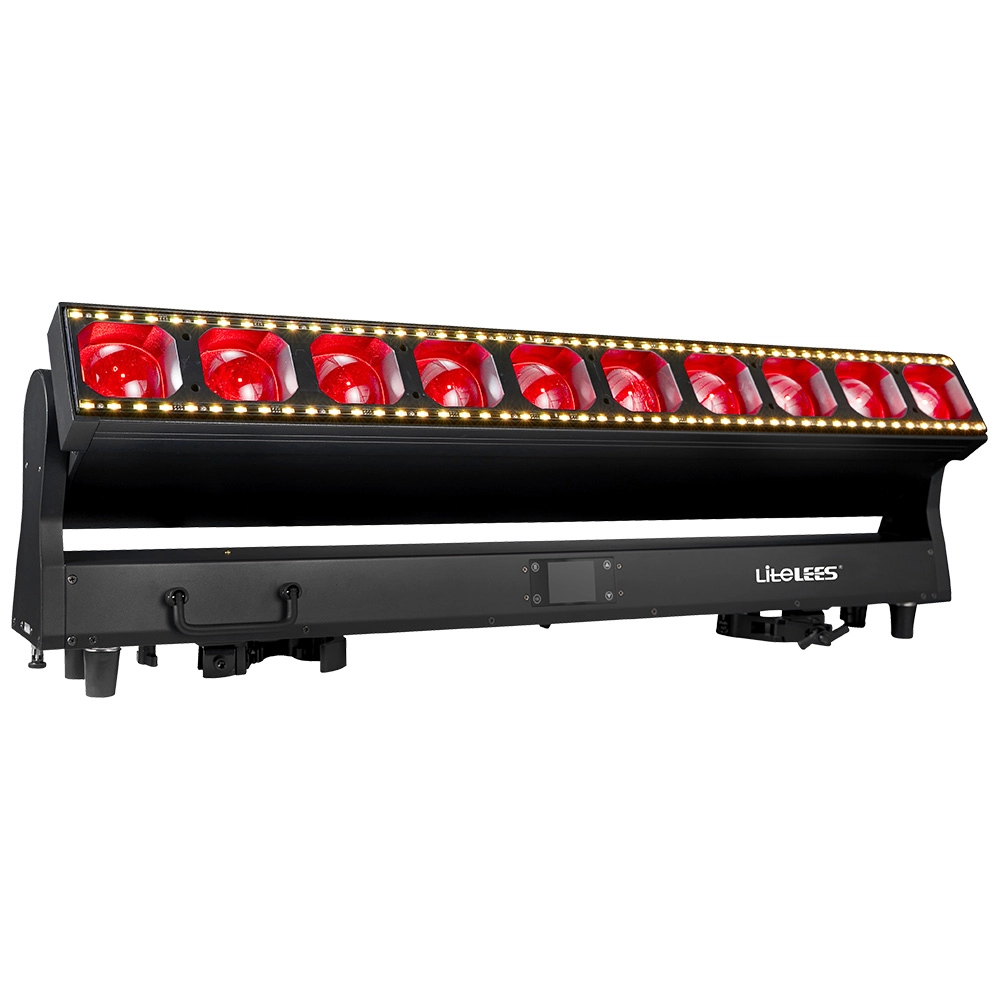
LP Profile 900
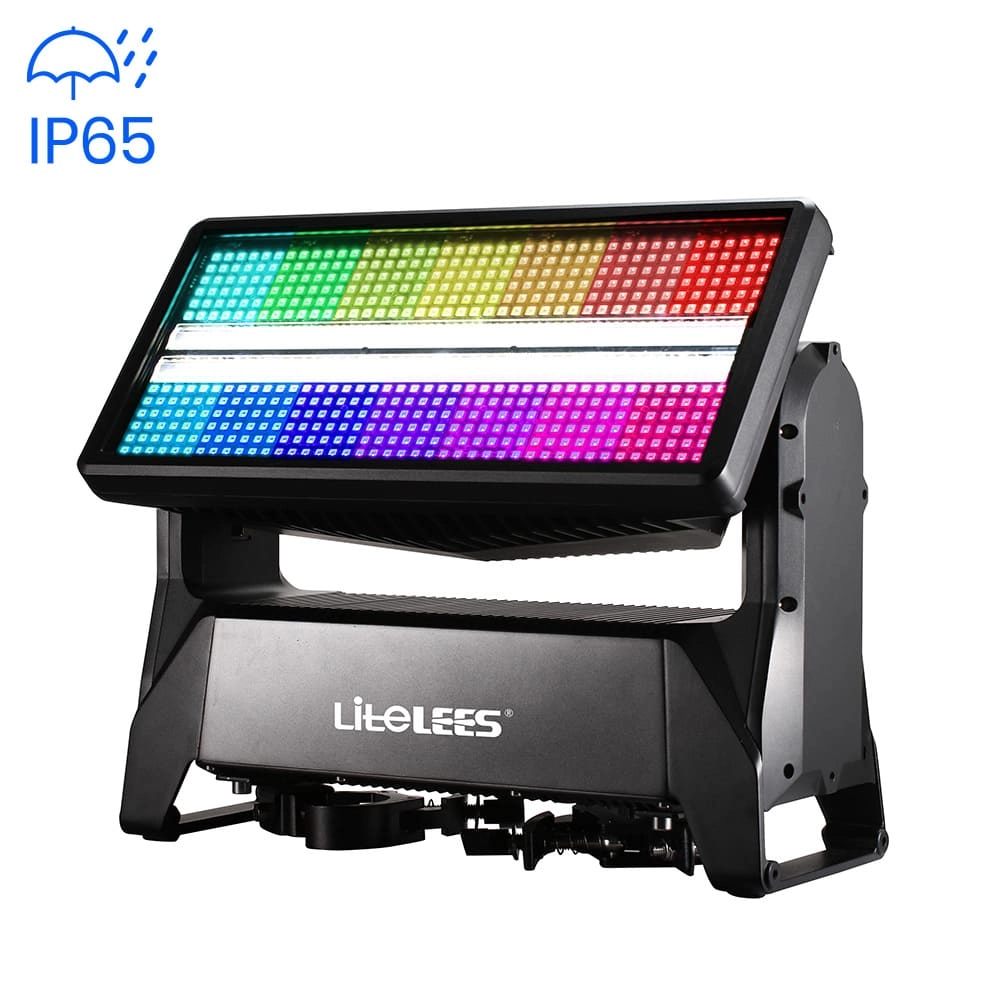
Stormy STRIKE M IP
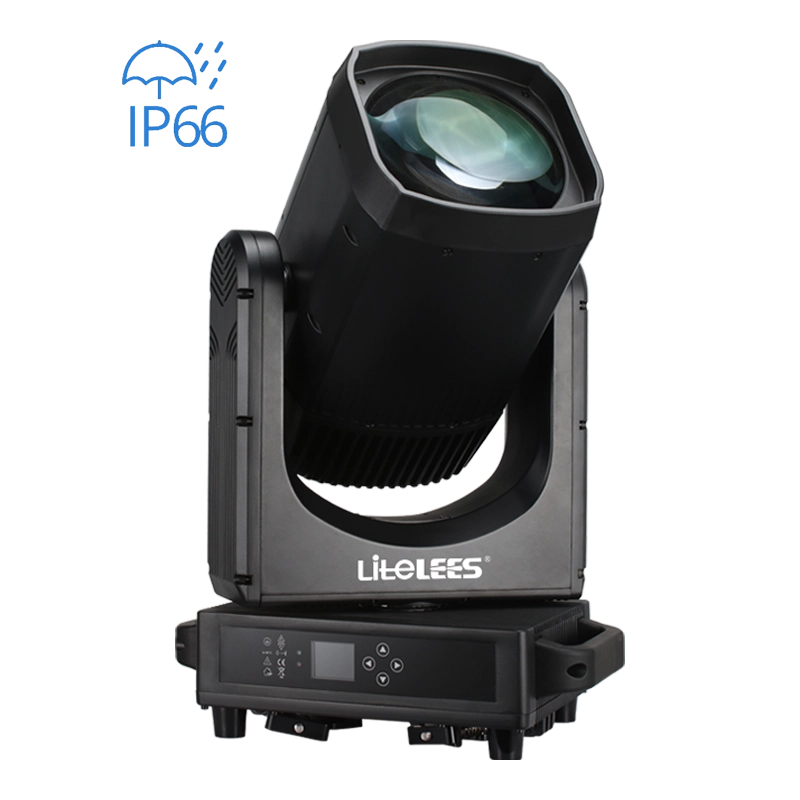
LiteLEES LUMIX BEAM 420 IP
Want to get more up-to-date news?
If you have any comments or good suggestions, please leave us a message; later our professional staff will contact you as soon as possible.

We are professional stage lighting manufacturers offering OEM and ODM LED stage lights.
Contact
Email us
Call us
Address
No.6 Longnan Road, Huashan Town, Huadu District Guangzhou, Guangdong Province, China.
LiteLEES Professional
Less Lighting