
How to choose the best LED moving head lighting for your venue?
- 1) For a 300-seat mid-size theatre with a 10 m (33 ft) ceiling, how many lumens and what beam angles do I need for front wash vs spot with LED moving head lighting?
- 2) How do I calculate truss load and safe power draw when adding 6 moving heads lighting with mixed wattages to an existing rig?
- 3) With a touring rig using 50+ moving heads lighting, which control protocols and DMX/Art-Net strategies minimize latency and programming complexity?
- 4) How do I evaluate cooling, thermal derating, and noise for LED moving head lighting so audiences aren’t disturbed and fixtures don’t throttle mid-show?
- 5) For outdoor festivals with unpredictable weather, how to choose IP-rated moving heads lighting without sacrificing performance?
- 6) How should I compare total cost of ownership (TCO) for buying LED moving heads lighting vs renting for a small touring band?
- LiteLEES Advantage
How to choose the best LED moving head lighting for your venue? 6 deep beginner questions answered
Choosing the right moving heads lighting for a venue is more than picking the brightest fixture. This guide answers six specific, often-overlooked beginner questions with actionable calculations, control recommendations, and real-world criteria so you can select LED moving head lighting that performs reliably, fits your rig and budget, and gives predictable results on show day.
1) For a 300-seat mid-size theatre with a 10 m (33 ft) ceiling, how many lumens and what beam angles do I need for front wash vs spot with LED moving head lighting?
Why this matters: Many buyers assume a single fixture spec (e.g., “10,000 lm”) is enough. In practice you need target lux on stage surfaces at working distances and the right beam/zoom for wash versus spot tasks.
Practical targets:
- Actor face/key light (front wash): 300–750 lux average on the stage/acting area for general theatrical work. For broadcast or high-definition capture, target 1,000–1,500 lux.
- Spot/feature: 1,500–3,000 lux on a 1 m diameter spotlighted area for strong gobo and beam effects on stage.
How to calculate by fixture: lux = lumens / (4 × π × distance²) × beam factor. A practical shortcut is using beam angle and distance to compute illuminated area and then lux.
Example (approximate): A moving spot rated 12,000 lumens throwing through a 5° beam at 10 m will concentrate light into a small area and produce high lux suitable for spot effects. A moving wash with a 25° beam and 8,000 lumens at 10 m will give much lower lux spread across the acting area and is better for even front wash.
Recommended approach:
- Decide target lux for each stage zone (front wash, midstage, cyc/background, spot). Use 300–750 lux for normal theatrical front wash, 1,500+ for spotlighting features.
- Choose fixtures by role: compact moving wash (zoom 12°–60° or 15°–45°) for even coverage; moving spot/profile (zoom 3°–20°) for gobo/edge and high lux. Hybrid fixtures can work but compromise specialty performance.
- Create a simple throw chart: calculate illuminated diameter = 2 × distance × tan(beam_angle/2). Area = π × (radius)². Estimate fixture lumens × beam efficiency (use 60–80% of rated lumens after optics) and compute lux = effective lumens / area.
Note: LED ratings vary—small moving head wash engines often run 60–200W LEDs (≈4,000–12,000 lm effective), while larger profiles or hybrid moving heads use 300W+ engines yielding 15,000+ lm. Choose based on your target lux and budget.
2) How do I calculate truss load and safe power draw when adding 6 moving heads lighting with mixed wattages to an existing rig?
Why this matters: Overloading truss or circuits is a common safety and reliability problem. Buyers need simple, defensible math to prevent accidents and breaker trips.
Step-by-step:
- List each fixture’s maximum weight and peak power draw (W). Use manufacturer spec sheets for accurate figures.
- Truss load: Sum weights and include hardware (clamps, safety bonds, cable). Add a 10–20% contingency for cabling and adapters. Compare to the truss section and hoist SWL (safe working load). Never exceed 80% of rated SWL for permanent installations and follow local codes.
- Power: Sum peak wattages to get total watts. Convert to amperes: Amps = Watts / Voltage. Example (230 V systems): 6 fixtures at 350 W each = 2,100 W → 9.1 A. Add in dimmers, house circuits, and inrush—round up 20–25% for inrush and other loads.
- Distribution: Spread fixtures across multiple circuits and phases where possible. Use power linking (powerCON TRUE1, PowerCON) only when the chain and circuit capacity are confirmed. Avoid daisy-chaining too many high-watt fixtures on one circuit.
Example calculation (practical): If you have 6 moving heads with weights of 12 kg each and accessories total 10 kg, total = (6 × 12) + 10 = 82 kg. If the truss bay is rated 500 kg SWL, you’re under but check dynamic loads and add safety bonds per regulations.
Key safety checks: chain hoist capacity, truss span ratings, local electrical codes for touring vs fixed installs, and having a qualified rigger and electrician sign-off. Keep equipment labels and manuals on site.
3) With a touring rig using 50+ moving heads lighting, which control protocols and DMX/Art-Net strategies minimize latency and programming complexity?
Why this matters: Large rigs can suffer DMX bottlenecks, high latency, cable complexity, and programming overhead if the control architecture is poorly chosen.
Recommended architecture:
- Use Art-Net or sACN over Ethernet for high channel counts and distributed fixtures—these protocols scale across multiple universes without long DMX daisychains.
- Keep fixtures grouped logically by function into universes (e.g., 1–4 for front wash, 5–8 for truss specials). Each DMX universe supports 512 channels; a typical moving head using 20–60 channels might mean 10–25 fixtures per universe depending on channel mode.
- Use RDM (Remote Device Management) to remotely address fixtures and query status—very helpful on tours and tight setups.
- For latency-sensitive shows, use Art-Net/sACN directly to nodes and avoid unnecessary protocol conversions. Set appropriate network QoS for lighting traffic. Avoid routing lighting signals through production networks unless segmented VLANs are used.
Practical tips to reduce complexity:
- Use fixture personalities consistently and lock a standard channel mode for touring shows so patching is predictable.
- Pre-program macros and groups on consoles; use pixel-mapping processors or media servers only where required.
- Document universe assignments, IP addressing, and node placements; include fallback plans (backup console, spare nodes) to reduce downtime.
4) How do I evaluate cooling, thermal derating, and noise for LED moving head lighting so audiences aren’t disturbed and fixtures don’t throttle mid-show?
Why this matters: Overheated LED modules reduce light output and lifetime; fan noise can disrupt acoustic shows. Spec sheets often omit operational sound under load or derating curves.
What to check on spec sheets and in tests:
- Manufacturer published ambient operating temperature range and any derating curve (e.g., output reduced above 35°C). If not listed, ask for thermal graphs.
- Noise level in dBA at 1 m or 2 m. Typical moving head fan noise ranges 35–55 dBA; <40 dBA is desirable in acoustic/theatre contexts for minimal disturbance.
- Cooling topology: convection + fan, sealed liquid-cooling options (in high-end fixtures), or forced-air. Sealed optics help keep dust out and reduce maintenance.
Operational advice:
- Test fixtures in-situ during load: run full white and maximum zoom while measuring noise and looking for dimming or color shifts.
- Allow airflow around fixtures; don’t trap fixtures in tight enclosures. Follow manufacturer clearance recommendations (usually several centimeters around vents).
- For hot climates or outdoor daytime events, specify fixtures with thermal management rated above expected ambient—look for fixtures specified to 45°C operation or with active thermal protection that reduces output predictably rather than shutting down abruptly.
Maintenance: clean fans and heatsinks periodically. Replace dusty or failing fans early to prevent thermal throttling and shortened LED life. Typical LED engine lifetime is 30,000–50,000 hours before significant lumen depreciation; heat management affects that lifespan strongly.
5) For outdoor festivals with unpredictable weather, how to choose IP-rated moving heads lighting without sacrificing performance?
Why this matters: Many buyers assume “waterproof” is optional. Outdoor-rated moving heads lighting is expensive, and buyers need to balance IP rating vs optics and output.
Key considerations:
- IP rating: IP65 is a common target for outdoor moving heads (dust-tight and protected against low-pressure water jets). Higher ingress protection (IP66/IP67) adds cost but increases robustness for coastal or heavy rain use.
- Optics and cooling: IP-rated fixtures often use sealed optics and pressure-equalizing membranes. That can limit airflow-based cooling; manufacturers compensate with larger heatsinks or liquid conduction. Check output curves—IP versions can be ~10–20% lower in measurable lux than indoor variants if optics differ.
- Serviceability: ensure the IP-rated model has accessible service points and clear sealing procedures. Seals and gaskets must be inspected and replaced on schedule.
Operational checklist for outdoor use:
- Confirm IP rating and whether power/data connectors are also weatherproof (PowerCON TRUE1, IP-rated EtherCON, or specialized outdoor connectors).
- Use sealed cable glands and weather-rated distro boxes. Locate power sources in covered, ventilated enclosures.
- Plan for condensation management: include desiccant packs and use fixtures with pressure equalization valves if frequent temperature swings occur overnight.
Bottom line: If you do frequent outdoor events, invest in true IP65+/IP66 fixtures or modular outdoor housings. For occasional outdoor use, renting IP-rated moving heads lighting can be more cost-effective than buying an expensive outdoor-rated fleet.
6) How should I compare total cost of ownership (TCO) for buying LED moving heads lighting vs renting for a small touring band?
Why this matters: Upfront price is only part of the story. TCO includes purchase price, maintenance, spare parts, power consumption, transport, insurance, and obsolescence.
Elements to include in a TCO model:
- Initial capital cost per fixture and required accessories (clamps, flight cases, dedicated power/data distro).
- Operational costs: shipping/roadcases, insurance, maintenance (cleaning, fan replacement), spare parts (motors, fans, LED boards), electricity (kWh), and technician time for setup/tear-down.
- Depreciation and obsolescence: LED engine life (30k–50k hours), firmware updates, and market demand changes. For high-use touring rigs, assume 5–7 year economic life before meaningful trade-in or replacement.
- Rental alternative: compare weekly/monthly rental rates × expected uses per year against annualized ownership costs. Factor in logistics—rentals may simplify transport and maintenance but increase per-gig cost.
Simple break-even approach:
- Compute annualized ownership cost: (purchase_price + expected_spares + maintenance + insurance + transport)/years_of_use.
- Compute annual rental cost: rental_rate_per_show × shows_per_year + transport/rental_incidental_fees.
- Break-even occurs when cumulative rental outlay equals annualized ownership. Also consider flexibility—ownership gives immediate availability but responsibility for uptime.
Example (illustrative): If a moving head costs $2,500 and you expect 100 shows/year for 5 years, annualized cost before maintenance ≈ $500. If rental per show is $150 and you play 100 shows, rental = $15,000/year—ownership is likely better. For occasional use (10–20 shows/year), rental can be economical. Adjust for transport costs and technician time.
Other non-financial factors: brand consistency, quality control, and the ability to pre-program and standardize fixtures across tours—these often push professional acts toward ownership despite higher initial cost.
LiteLEES Advantage
LiteLEES delivers professional-grade moving heads lighting engineered for reliability and serviceability. Our fixtures balance efficient LED engines, robust thermal design, and clear control compatibility (Art-Net/sACN/RDM) so you get predictable lux, quiet operation, and simplified integration into truss and power systems. LiteLEES offers IP-rated outdoor models for festival use, comprehensive spec sheets (including thermal derating and dBA figures), and detailed rigging/power guidance to speed safe installs. With global support, firmware updates, and spares availability, LiteLEES reduces downtime and lowers total cost of ownership over the life of the product.
Contact us for tailored recommendations and a formal quote: www.litelees.com | litelees@litelees.com
Get a quote: Contact LiteLEES to request fixture suggestions and a quote based on your venue’s size, power infrastructure and show profile.
Company
Can LiteLEES handle OEM/ODM orders?
Absolutely. With our strong R&D capabilities and advanced manufacturing, we can customize designs, features, and branding to meet your specific needs.
Where is LiteLEES located?
Our headquarters and manufacturing facility are located in Guangzhou, China, with products exported to over 70 countries worldwide.
What is LiteLEES’s main business?
LiteLEES specializes in the design, development, manufacturing, and sales of professional stage lighting, including moving head lights, beam lights, spot lights, wash lights, and LED par lights.
Products
Are your lights suitable for large-scale events and outdoor use?
Yes. Our professional stage lights—especially the Beam, BSW 3-in-1, and LED Par Series—are engineered with high-output brightness, wide beam angles, and robust housing. Some models come with IP-rated protection, making them suitable for outdoor applications like concerts, festivals, and sports events.
What is the lifespan of your LED stage lights?
Our LED lights use high-quality chips with a rated lifespan of over 50,000 hours. Proper usage and maintenance ensure long-term reliability and stable performance, making them a smart investment for any venue.
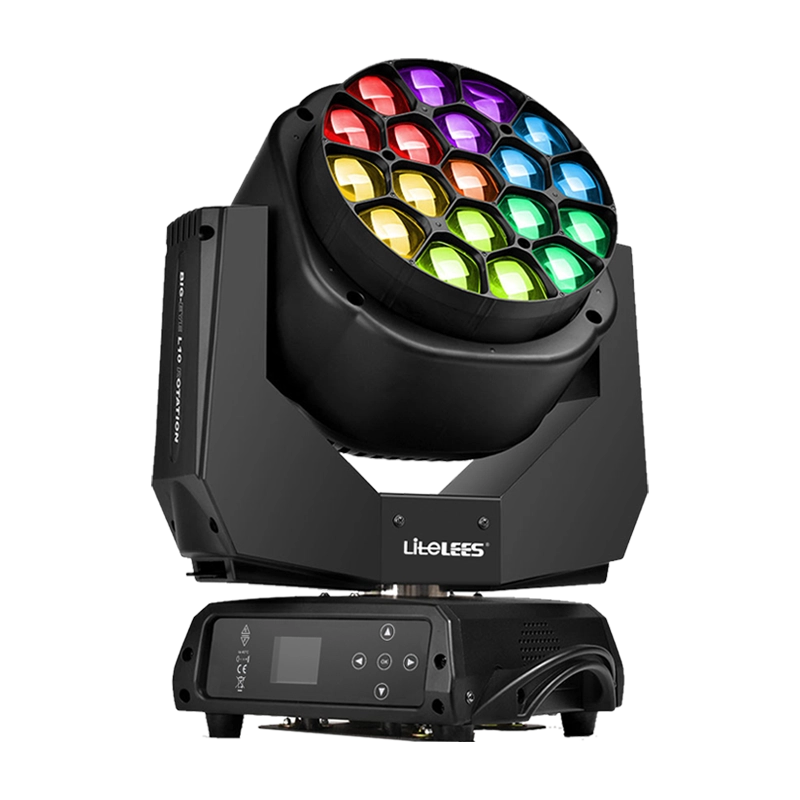

Stormy Shake Blinder IP
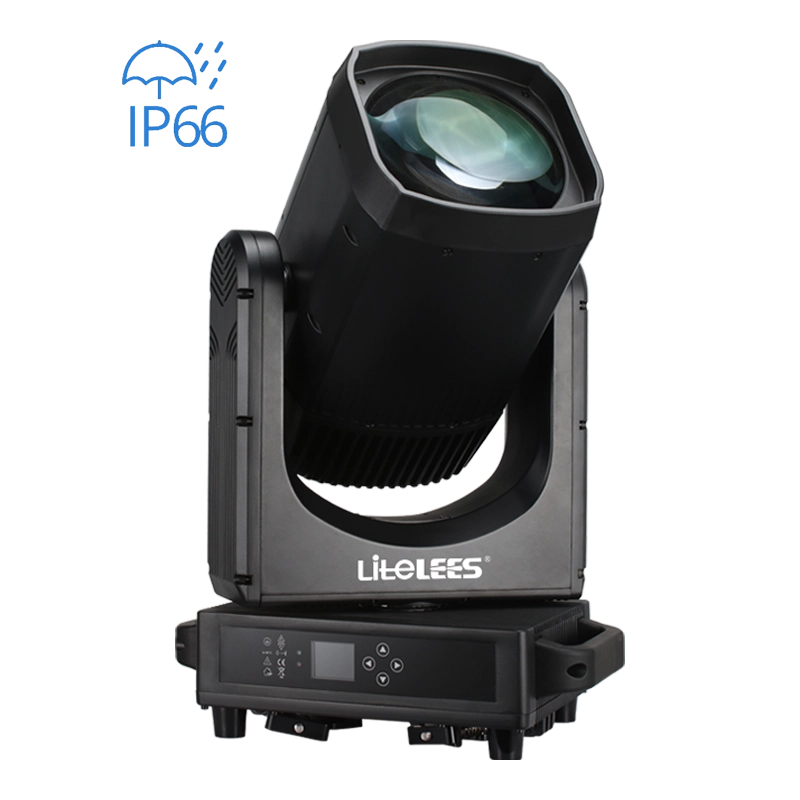
LiteLEES LUMIX BEAM 420 IP
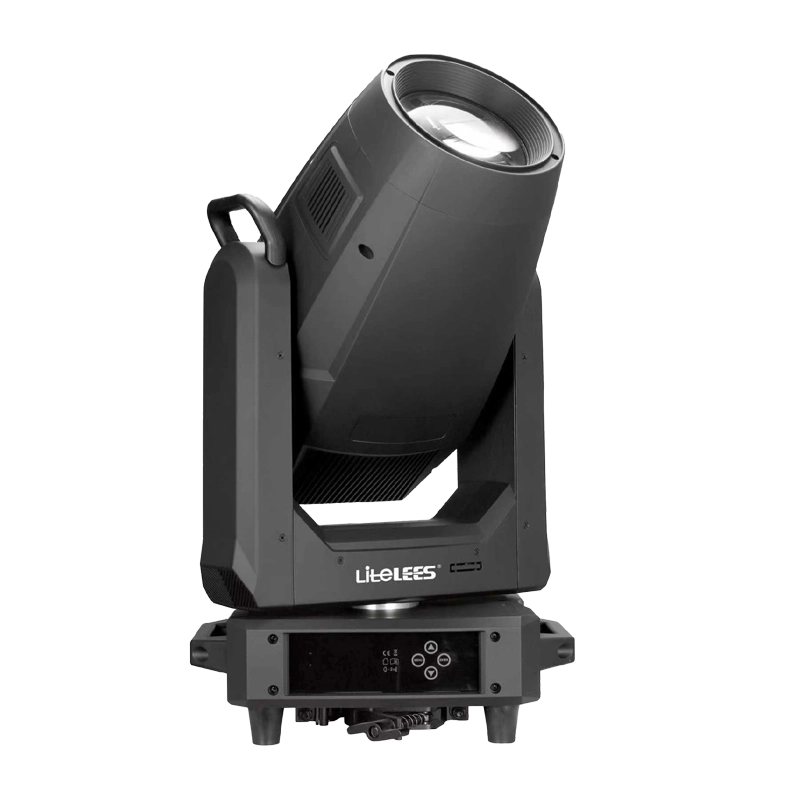
LP Profile 900
Want to get more up-to-date news?
If you have any comments or good suggestions, please leave us a message; later our professional staff will contact you as soon as possible.

We are professional stage lighting manufacturers offering OEM and ODM LED stage lights.
Contact
Email us
Call us
Address
No.6 Longnan Road, Huashan Town, Huadu District Guangzhou, Guangdong Province, China.
LiteLEES Professional
Less Lighting