
How to choose the best strobe light for concerts?
- How to Choose the Best Strobe Light for Concerts?
- 1. What is a strobe light and what types are used at concerts?
- 2. Which technical specifications matter most when selecting a concert strobe?
- 3. How bright should a strobe be? How do I calculate required brightness for a venue?
- 4. What strobe rates and patterns are safe? What about photosensitive epilepsy (PSE)?
- 5. LED strobes vs Xenon: which should I pick for concerts?
- 6. How do I avoid flicker on video and high‑speed cameras?
- 7. Control & synchronization: what protocols and features should I require?
- 8. Lifespan, maintenance and total cost of ownership
- Quick buyer checklist (practical)
- Brand & product considerations: why vendors matter
- Summary: LiteLEES advantages
- References
How to Choose the Best Strobe Light for Concerts?
Strobe lights are essential visual tools for modern concerts — they add rhythmic impact, emphasize musical peaks and create dramatic motion effects. Choosing the right strobe requires more than picking the brightest unit: you must balance brightness, flash characteristics, control, safety and reliability. Below are the most common buyer questions and concise professional answers to help lighting designers, production managers and rental houses select the correct fixtures.
1. What is a strobe light and what types are used at concerts?
Strobes produce short, periodic bursts of intense light. Two main types used in concerts:
- LED strobe — uses banks of high‑power LEDs. Advantages: lower power draw, color control (RGB/RGBW), DMX-friendly control, long rated life (typ. 50,000+ hours), modular designs (blinders, bars, panels). Modern LED strobes can reach very high peak output when many LEDs are combined.
- Xenon/flash strobe — uses a gas discharge lamp and capacitor to produce extremely bright, very short flashes. Advantages: very high instantaneous luminance and very short pulse durations (crisp white flashes). Disadvantages: heavy, high-voltage, slower recycling, no color mixing, higher maintenance and heat.
- Peak output & measurement: luminous intensity (candela) or illuminance at distance (lux @ X m). Ask manufacturers for lux or candela at specified distances rather than only lumens.
- Beam angle / optics: determines how concentrated the flash is. Narrow beams yield higher candela at distance; wide beams cover larger area but reduce peak brightness.
- Strobe (flash) rate: range in Hz (e.g., 1–20+ Hz) and whether rate is continuously variable or stepped.
- Pulse width / duration and duty cycle: shorter pulse widths yield crisper peaks; duty cycle affects perceived brightness and thermal load.
- PWM / driver frequency: higher driver frequency reduces visible flicker and camera banding (see camera section).
- Control protocols: DMX512, RDM, Art‑Net, sACN, wireless (W‑DMX/LumenRadio) and built‑in master/slave options.
- Power & connectors: mains type, inrush current (important when ganging many fixtures), powerCON linking, fuse type.
- Cooling & duty cycle: active fans vs passive; rated continuous duty and recommended max runtime for high‑rate strobe operation.
- IP rating: required for outdoor shows (IP65/66 recommended for exposed fixtures).
- Certifications & safety: photobiological safety (IEC 62471), CE/UL as required by region.
- Warranty & serviceability: LM‑80 data, TM‑21 projections for LEDs, typical warranty (2–5 years) and availability of replacement parts/drivers.
- Small clubs / DJ rigs: strobes providing a few hundred to a few thousand lux at performance distance may be sufficient.
- Mid‑sized venues: target several thousand lux peak on stage for impactful strobes.
- Arenas / festivals (distance & daylight considerations): target much higher candela or use multiple fixtures and narrow optics to deliver peak lux to the audience area.
- Photosensitive seizure risk is higher for repetitive flashes in a mid frequency band (commonly reported ~5–30 Hz). Avoid prolonged, repetitive flashing in this band on publicly attended events unless a warning is given and risks are mitigated.
- Best practices: limit continuous regular flashes in the 5–30 Hz range, use varied/randomized patterns, pre‑show warnings (program notes/announcements), and provide a low‑strobe area if possible.
- Regulatory/standard references include health organizations and lighting safety standards addressing photobiological hazard (e.g., IEC 62471) and guidance documents from epilepsy charities.
- LED strobe:
- Pros: color mixing, lower power, networked/dmx control, longer life, modular/blinder panels, safer (low voltage), often better for synchronization and cueing.
- Cons: some low‑end units use low PWM frequencies and can produce visible flicker or camera banding if not specified as flicker‑free.
- Xenon strobe:
- Pros: extremely crisp single white bursts, unique look for certain production aesthetics.
- Cons: high voltage capacitors, heavier, higher maintenance, limited color options, less flexible control, often not ideal for long tours or frequent gaffing.
- Specify fixtures marketed as “flicker‑free” or with broadcast support. Manufacturers will state acceptable frame rates (e.g., 24/25/30/50/60/120 fps) and driver characteristics.
- Prefer high PWM/driver frequencies. For camera‑sensitive work (slow motion/high frame rates), choose drivers with PWM frequencies well above audible and camera sensitivity ranges — many high‑end fixtures use PWM frequencies in the kHz to tens of kHz range to reduce banding. For demanding cinematography, seek manufacturer test data.
- Test on camera early in tech rehearsal. Always run camera tests with the exact strobe fixture, settings, and frame rates you’ll use live.
- Basic: DMX512 control with adjustable channels for intensity, strobe rate, pulse width and built‑in programs.
- Advanced: support for Art‑Net or sACN for large networks, RDM for remote addressing/configuration, and wired/wireless solutions (e.g., W‑DMX/LumenRadio) where cable runs are impractical.
- Synchronization: look for master/slave, timecode or LTC/MSC trigger support for frame-accurate sync with audio or video playback if required.
- Power management: check inrush current and linking capacity so you don’t trip breakers when multiple strobes fire simultaneously.
- LED lifetime: many professional LED fixtures are specified at 50,000 hours or more (LM‑80 tested with TM‑21 projections). Verify that the manufacturer supplies LM‑80 test data or LED driver lifecycle information.
- Driver & fan replacement: choose fixtures with accessible service panels and available spare parts. Fans and drivers are typical failure points.
- Warranty & support: prefer vendors with at least 2 years warranty and rapid RMA or local service options if touring internationally.
- Depreciation & rental ROI: compute expected life, repair costs and rental income to determine ROI; LED strobes normally have lower operating costs than xenon due to efficiency and lower consumables.
- Ask for measured lux or cd at specified distances (don’t rely solely on lumen claims).
- Confirm beam angle and secondary optics to match venue distances.
- Verify PWM/driver frequency and broadcast/flicker‑free claims if cameras will record.
- Request manufacturer data on strobe rate range, pulse width and duty cycle limitations.
- Confirm control protocols (DMX/Art‑Net/RDM/W‑DMX) and sync options (timecode/LTC triggers) needed for the rig.
- Check power linking, inrush current and cabling needs for ganging fixtures.
- Confirm IP rating for outdoor events and check mounting/rigging hardware suitability.
- Review warranty, spare parts availability and service support in your operating regions.
- Epilepsy Action — Flickering lights and photosensitive epilepsy. Accessed Jan 2026. https://www.epilepsy.org.uk/info/seizures/trigger/flickering-lights
- IEEE 1789‑2015 — Recommended practices for modulated electric light sources (flicker and health guidance). Accessed Jan 2026. https://ieeexplore.ieee.org/document/7102552
- IEC 62471 — International standard: Photobiological safety of lamps and lamp systems. (Standard overview). Accessed Jan 2026. https://www.iec.ch/standard/62471
- ARRI — Technical guidance on LED flicker and camera compatibility. Accessed Jan 2026. https://www.arri.com/en/lighting
- ENERGY STAR / LED testing guidance — LM‑80 and TM‑21 for LED performance reporting. Accessed Jan 2026. https://www.energystar.gov/products/lighting_fans/light_bulbs/led_requirements
- HyperPhysics / Illuminance — Inverse square law and illuminance basics. Accessed Jan 2026. https://en.wikipedia.org/wiki/Illuminance
- LumenRadio — W‑DMX wireless solutions (example wireless standard used in concert lighting). Accessed Jan 2026. https://lumenradio.com/products/w-dmx/
For most contemporary concerts, LED strobes are preferred for flexibility, safety and ease of integration; xenon remains used where an ultra‑sharp, very high peak white flash is required.
2. Which technical specifications matter most when selecting a concert strobe?
Key specs to evaluate and request from vendors:
3. How bright should a strobe be? How do I calculate required brightness for a venue?
Brightness for strobes is best specified as illuminance (lux) at a key distance (e.g., FOH to stage or audience zone). Use the inverse square relationship between luminous intensity (candela) and illuminance:
Illuminance (lux) = Luminous intensity (cd) / distance² (meters²)
If you only have lumen and beam angle, estimate candela as:
cd ≈ lumens /
Example: a focused fixture giving 10,000 lumens into a 10° beam (θ = 10°). Calculate cos(5°) ≈ 0.9962 → denominator ≈ 2π × 0.0038 ≈ 0.0239 → cd ≈ 10,000 / 0.0239 ≈ 418,000 cd. At 10 m, lux ≈ 418,000 / 100 = 4,180 lux peak.
Practical guidance:
4. What strobe rates and patterns are safe? What about photosensitive epilepsy (PSE)?
Safety is crucial. Repeated flashing lights can trigger seizures in people with photosensitive epilepsy. Industry guidance and epilepsy organizations note the greatest risk is flashes in certain frequency ranges.
For production teams: include a PSE risk check in pre‑show planning, coordinate with promoters and venue medical staff, and add the standard warning in promotional material and the event script when strobes are used.
5. LED strobes vs Xenon: which should I pick for concerts?
Choose based on artistic needs, logistics and budget:
For most modern touring and festival productions, LED strobes are the practical choice. Reserve xenon where a specific ultra‑short white pulse quality is artistically required.
6. How do I avoid flicker on video and high‑speed cameras?
Camera flicker comes from interaction between the camera’s shutter/rolling sensor and the fixture’s drive/PWM frequency. To minimize problems:
7. Control & synchronization: what protocols and features should I require?
Concert strobes often need tight synchronization across multiple arrays and with other lighting cues.
8. Lifespan, maintenance and total cost of ownership
Practical purchasing decisions consider lifetime operating cost, serviceability and reliability:
Quick buyer checklist (practical)
Brand & product considerations: why vendors matter
Buy from reputable manufacturers who publish test data (lux/cd measurements, LM‑80/TM‑21, flicker tests) and comply with regional safety standards. For rental houses and touring productions, prioritize durability, serviceability and global support network. Also demand clear photobiological safety information (IEC 62471) and PSE guidance from the vendor.
Summary: LiteLEES advantages
LiteLEES offers a focused portfolio for concert and live production needs: LED strobe units and blinder panels with high peak output, modular optics for narrow-to-wide beam control, and broadcast‑grade driver designs to minimize flicker. Their fixtures typically support DMX, Art‑Net and wireless options for tight synchronization, and they publish practical performance data to help buyers model coverage. For production teams, LiteLEES emphasizes serviceability and warranty support, making their products suitable for touring and rental applications.
References
Products
Do your lights support DMX512 and other control protocols?
Yes. All LiteLEES stage lights are fully compatible with DMX512. Many models also support RDM, Art-Net, and wireless DMX (optional), ensuring seamless integration with modern lighting control systems.
What is the lifespan of your LED stage lights?
Our LED lights use high-quality chips with a rated lifespan of over 50,000 hours. Proper usage and maintenance ensure long-term reliability and stable performance, making them a smart investment for any venue.
Are your lights suitable for large-scale events and outdoor use?
Yes. Our professional stage lights—especially the Beam, BSW 3-in-1, and LED Par Series—are engineered with high-output brightness, wide beam angles, and robust housing. Some models come with IP-rated protection, making them suitable for outdoor applications like concerts, festivals, and sports events.
How long is the warranty period for your products?
We offer a standard 1-year warranty on all products, with extended warranty options available upon request. During the warranty period, we provide free technical support and parts replacement for non-human damage.
Company
What certifications do your products have?
All LiteLEES products are certified by CE, RoHS, FCC, and BIS. Our factory is ISO9001 quality management system certified.
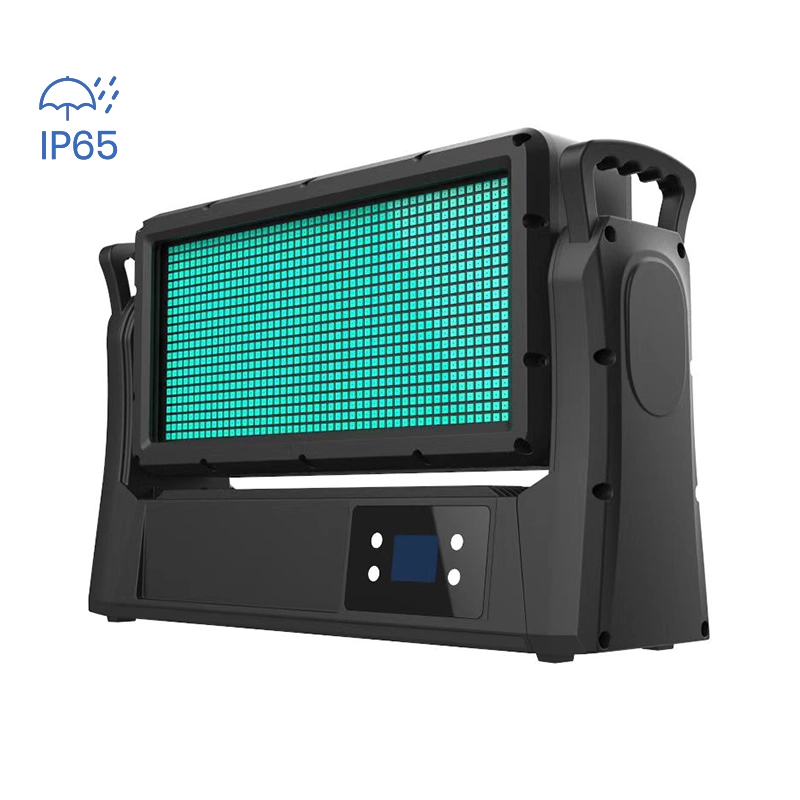
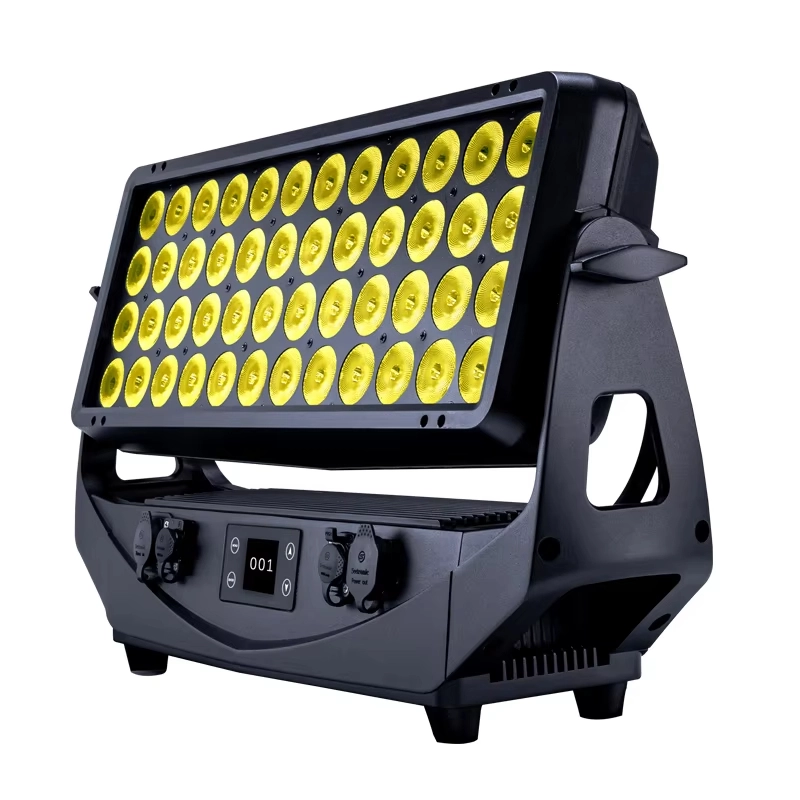
Stormy Supreme 600 IP
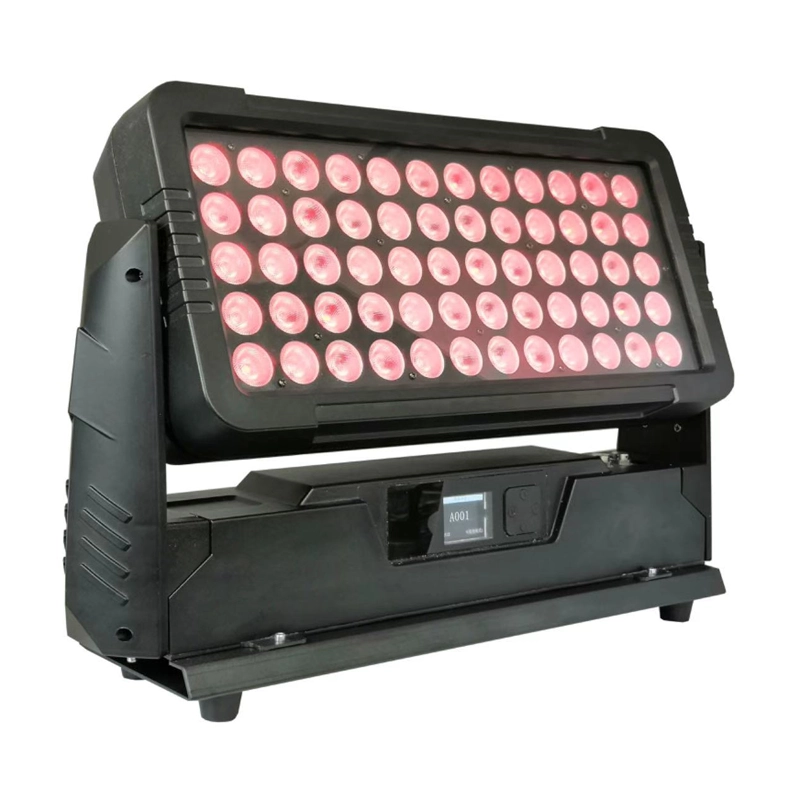
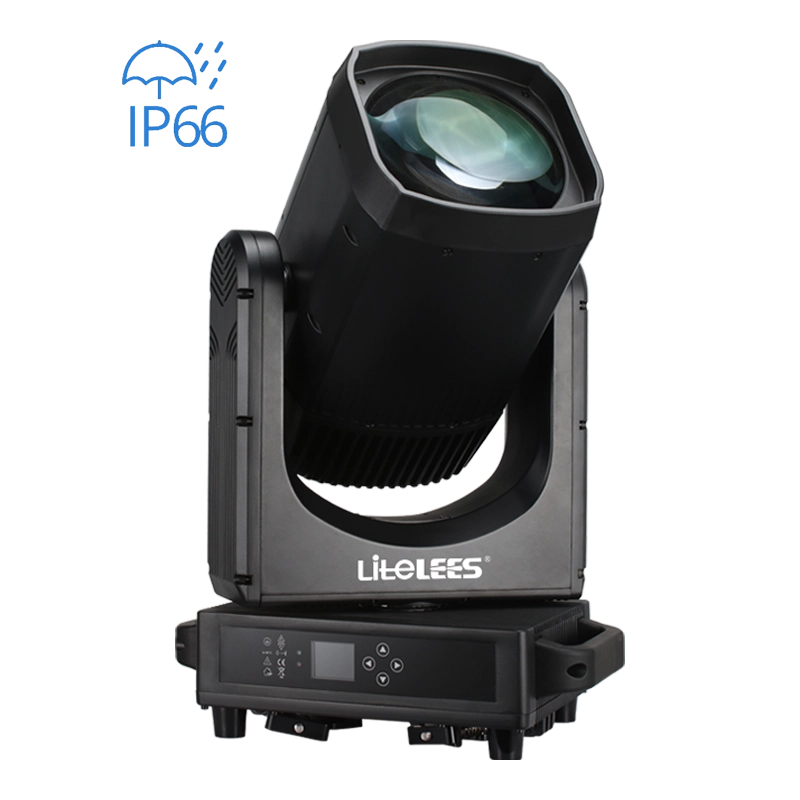
LiteLEES LUMIX BEAM 420 IP
Want to get more up-to-date news?
If you have any comments or good suggestions, please leave us a message; later our professional staff will contact you as soon as possible.

We are professional stage lighting manufacturers offering OEM and ODM LED stage lights.
Contact
Email us
Call us
Address
No.6 Longnan Road, Huashan Town, Huadu District Guangzhou, Guangdong Province, China.
LiteLEES Professional
Less Lighting