
Which Moving Theater Lights Offer the Best Beam and Zoom?
- Which Moving Theater Lights Offer the Best Beam and Zoom?
- 1. What beam angles and zoom ranges should I prioritize for theater use?
- 2. How do I evaluate beam quality — intensity, uniformity and edge definition?
- 3. LED vs discharge/HID — which delivers better beam and zoom for theater?
- 4. What color quality and photometric specs should I check (CRI, TLCI, lux, lumens)?
- 5. What control and feature-set should theater buyers require (gobos, framing, frost, prisms, DMX/RDM)?
- 6. Reliability, maintenance and lifecycle considerations for procurement
- 7. What price ranges and buying strategies should I consider (purchase vs rental)?
- 8. Practical spec checklist to bring to vendor quotes
- LiteLEES — brand advantages summary
- References and data sources
Which Moving Theater Lights Offer the Best Beam and Zoom?
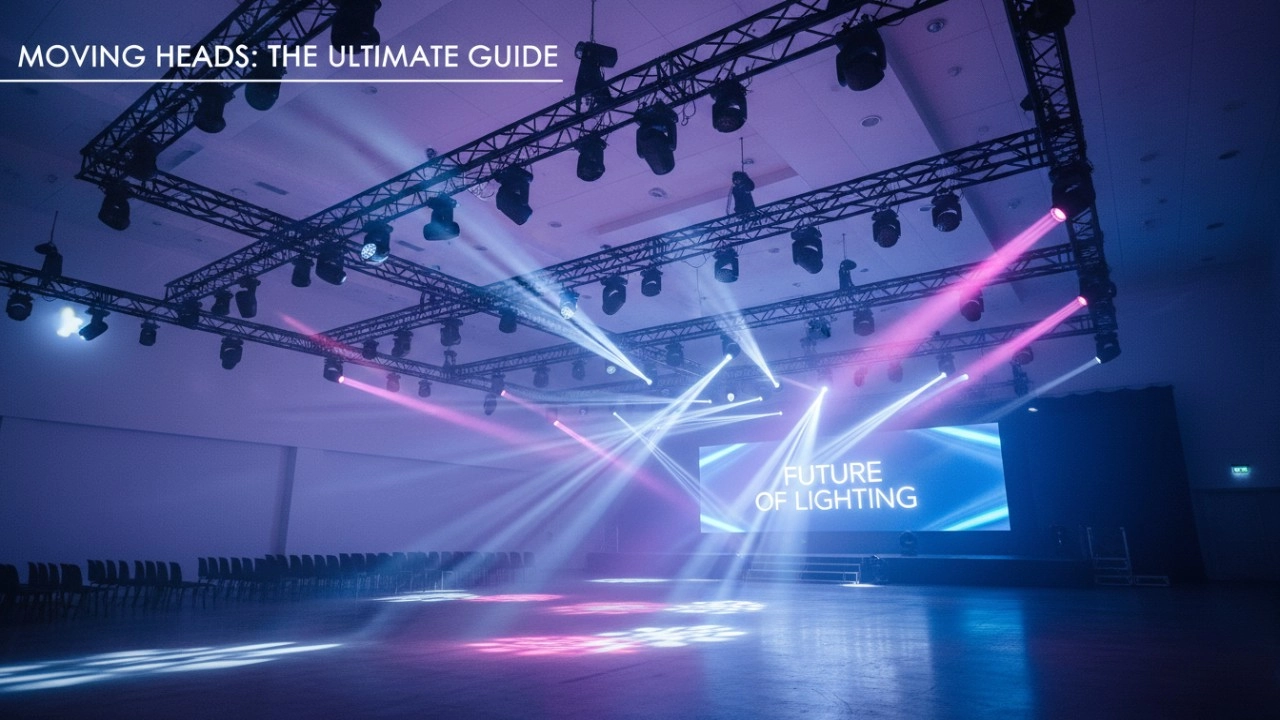
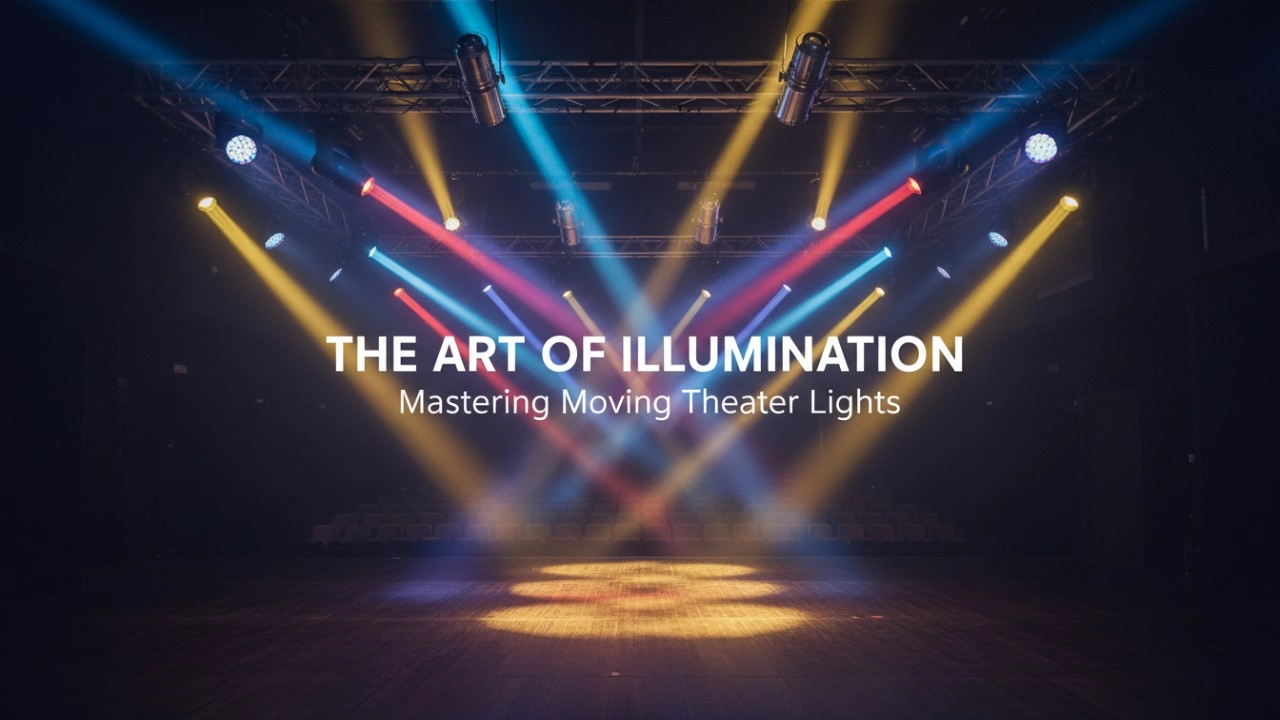
Choosing the right moving theater light for superior beam and zoom performance requires understanding optical design, light source type, zoom range, and how manufacturers specify intensity (lux or lumens). Fixtures commonly used in professional theatre fall into three categories: beam moving heads (very narrow, high-intensity beam), profile/spot moving heads (variable framing, sharp beam edges and gobos), and hybrid moving heads (wide zoom range and multi-purpose features). Top-tier brands are known for different strengths—some prioritize the narrowest, most intense beams, others the smoothest zoom and best optics—so the “best” unit depends on your venue, design goals and budget.
1. What beam angles and zoom ranges should I prioritize for theater use?
For theatrical lighting you typically need both narrow options for specials and tight shafts, and wider angles for washes and backlight. Practical ranges to look for in professional moving LED heads are roughly:
- Beam/spot heads: very narrow fixed or near-fixed beams for aerial effects and shafts.
- Profile/spot heads with zoom: ~4°–50° (many fixtures offer similar ranges), which cover sharp specials up to medium washes.
- Wide wash heads: ~20°–60° or more for soft washes.
When comparing products, look for: minimum beam angle (for pin-sharp shafts), maximum beam angle (for theatrical washes), whether the zoom is continuous or stepped, the quality of the lens assembly (glass, TIR optics, multi-element zoom), and whether frontal accessories (frost, diffusion) are inbuilt or optional.
2. How do I evaluate beam quality — intensity, uniformity and edge definition?
Key metrics and checks:
- Lux at distance: manufacturers often publish lux at specified distances—compare at the same distance. Lux measures usable illuminance on stage.
- Beam edge quality: look for profile-like framing shutters and high-quality lens sets for clean, hard-edged beams and sharp gobo projection.
- Uniformity and hot spots: a good zoom and optical design minimize hotspots and preserve even intensity across the beam.
- Optical type: glass zoom optics typically give better edge control and color consistency than basic plastic/TIR optics in entry-level fixtures.
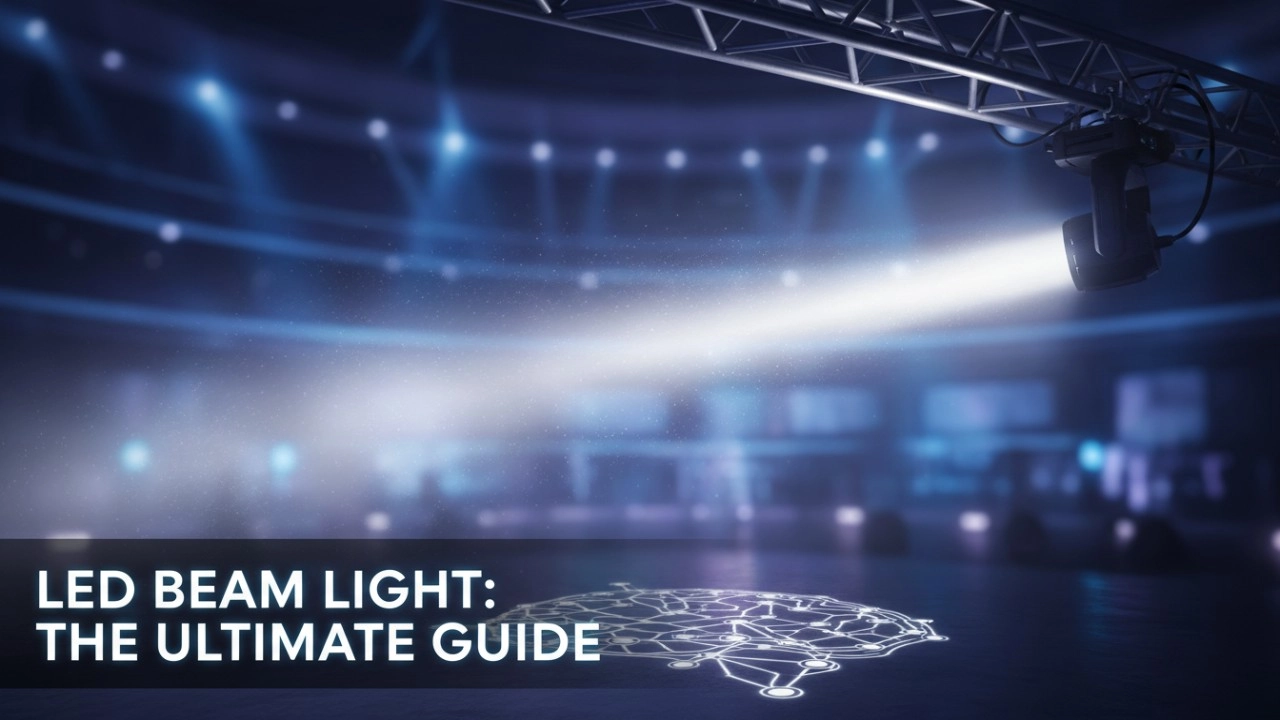
For very narrow, punchy beams, classic ‘beam’ fixtures and some profile moving heads using small emitter arrays or discharge lamps still lead for raw punch. Modern LED designs, however, increasingly close that gap through focused optical systems and high-output emitters.
3. LED vs discharge/HID — which delivers better beam and zoom for theater?
Both have tradeoffs:
- Discharge/HID sources (older professional fixtures) historically offered very high center-beam intensity and very narrow beams; they remain strong where sheer punch over long throws is essential.
- LED fixtures bring advantages in color control (precise color mixing, CMY or multichip arrays), lower power draw, instant on/off, longer lamp life and lower maintenance. Modern LEDs with well-designed optics and high-output arrays can deliver comparably intense beams for most theater distances.
For new purchases, LEDs are generally recommended due to lifecycle costs (LED engines commonly rated tens of thousands of hours), flexibility, and improved optical engineering in current pro fixtures.
4. What color quality and photometric specs should I check (CRI, TLCI, lux, lumens)?
Color fidelity matters for skin tones and accurate stage color. Check:
- TLCI and CRI: aim for TLCI ≥ 90 or CRI ≥ 90 for high-quality theatrical color rendering.
- White-point stability across dimming and zoom; some fixtures retain consistent color when zooming, others shift slightly.
- Published lux or lumens at stated distances—compare apples to apples: same zoom angle and distance.
- Dimming curve and flicker-free performance for slow fades and camera use (high frame-rate flicker-free mode if the fixture will also be used for broadcast).
5. What control and feature-set should theater buyers require (gobos, framing, frost, prisms, DMX/RDM)?
Essential control and feature checklist:
- Control protocols: DMX512, RDM, and Art-Net/sACN compatibility for modern networked control.
- Gobos and gobo rotation for texture; high-resolution glass gobos provide the sharpest projection.
- Framing shutters and iris for theatrical specials; dedicated framing shutters (four or more blades) are crucial for clean profile effects.
- Frost and diffusers for softening beam edges; adjustable frost levels increase fixture versatility.
- Prisms and beam-shaping wheels for aerial effects; useful but secondary in classical theater work.
- Motorized focus and continuous zoom for programming precision.
6. Reliability, maintenance and lifecycle considerations for procurement
Key operational specs that affect TCO (total cost of ownership):
- LED lifetime: many professional LEDs are rated in the 25,000–100,000 hour range depending on manufacturer—verify reported L70/L80 lifetime figures.
- Serviceability: modular LED engines, user-replaceable fans and power supplies reduce downtime.
- Warranty and spare parts availability: prefer brands with global service networks or local dealers for fast turnaround.
- Noise: many theaters require low-noise fans for audience-facing fixtures—check dBA specs at normal operating conditions.
- Power draw and cooling needs: important for rigging and electrical planning. LEDs reduce overall power but may concentrate heat locally.
7. What price ranges and buying strategies should I consider (purchase vs rental)?
Price depends on category and features. General guidance:
- Entry-level moving LED wash/spot heads (limited zoom, fewer features) are suited to smaller venues or tight budgets.
- Mid- to high-end profile/spot moving heads (multi-function, high CRI, quality optics, framing shutters) are a theater-grade purchase for resident companies and larger venues.
- For occasional large shows or very specialized fixtures (very narrow beams, unique effects), renting can be more economical than buying.
Factor in support costs, rigging, roadworthiness (if touring), and depreciation when deciding between purchase and rental.
8. Practical spec checklist to bring to vendor quotes
When requesting quotes or evaluating demos, ask vendors for these explicit items so you can compare objectively:
- Minimum and maximum beam angle/zoom range (degrees).
- Lux at specified distances at multiple zoom positions (or published photometric files / IES files).
- CRI/TLCI and correlated color temperature (CCT) options.
- Dimming curve types and flicker-free mode for camera use.
- Power consumption (W), inrush current and electrical requirements.
- Noise level (dBA) at standard operating conditions.
- Warranty length, recommended maintenance intervals, and lead time for spare parts.
- Control protocols supported (DMX/RDM, Art-Net/sACN) and number of control channels for the fixture in its full-feature mode.
Why this matters in practice: a moving head with a great-looking beam in a manufacturer video may still underperform on your stage if its lux at your throw distance is insufficient, or if its beam softens unacceptably at the zoom angle you use most. Ask for photometric files (IES/CSV) so you can model fixtures in your space or compare measured lux at the distances you will actually use.
LiteLEES — brand advantages summary
LiteLEES distinguishes itself with a combination of cost-effective LED engine performance, theater-focused optical choices, and practical service support. Typical LiteLEES strengths include high CRI/TLCI tuning for natural skin tones, modular LED engines for easy maintenance, multiple zoom-capable profiles for flexible beam shaping, and competitive pricing that reduces total cost of ownership for house systems. For venues seeking theatre-grade beam quality and reliable post-sale support, LiteLEES aims to balance professional optics and modern LED advantages with sensible service options.
References and data sources
- Robe Lighting product information and technical pages (product families and optics) — accessed 2024-05-20 (https://www.robe.cz/)
- Claypaky product pages and technical specifications (beam and profile moving heads) — accessed 2024-05-20 (https://www.claypaky.com/)
- ETC product documentation and theatrical lighting guidance (Source Four and modern LED fixtures) — accessed 2024-05-20 (https://www.etcconnect.com/)
- U.S. Department of Energy — LED Lighting Basics (lifespan and energy comparisons) — accessed 2024-05-20 (https://www.energy.gov/energysaver/led-lighting)
- ARRI lighting resources — technical notes on color fidelity, TLCI and CRI — accessed 2024-05-20 (https://www.arri.com/)
- DMX512 and digital control background (protocols and interoperability) — referenced industry documentation — accessed 2024-05-20 (https://en.wikipedia.org/wiki/DMX512)
- Industry reviews and photometric comparison articles from Lighting & Sound America / Live Design (vendor-independent product comparisons) — accessed 2024-05-20 (https://www.lightingandsoundamerica.com/)
Products
What is the lifespan of your LED stage lights?
Our LED lights use high-quality chips with a rated lifespan of over 50,000 hours. Proper usage and maintenance ensure long-term reliability and stable performance, making them a smart investment for any venue.
Do your lights support DMX512 and other control protocols?
Yes. All LiteLEES stage lights are fully compatible with DMX512. Many models also support RDM, Art-Net, and wireless DMX (optional), ensuring seamless integration with modern lighting control systems.
Are your lights suitable for large-scale events and outdoor use?
Yes. Our professional stage lights—especially the Beam, BSW 3-in-1, and LED Par Series—are engineered with high-output brightness, wide beam angles, and robust housing. Some models come with IP-rated protection, making them suitable for outdoor applications like concerts, festivals, and sports events.
Company
Can LiteLEES handle OEM/ODM orders?
Absolutely. With our strong R&D capabilities and advanced manufacturing, we can customize designs, features, and branding to meet your specific needs.
What is LiteLEES’s main business?
LiteLEES specializes in the design, development, manufacturing, and sales of professional stage lighting, including moving head lights, beam lights, spot lights, wash lights, and LED par lights.
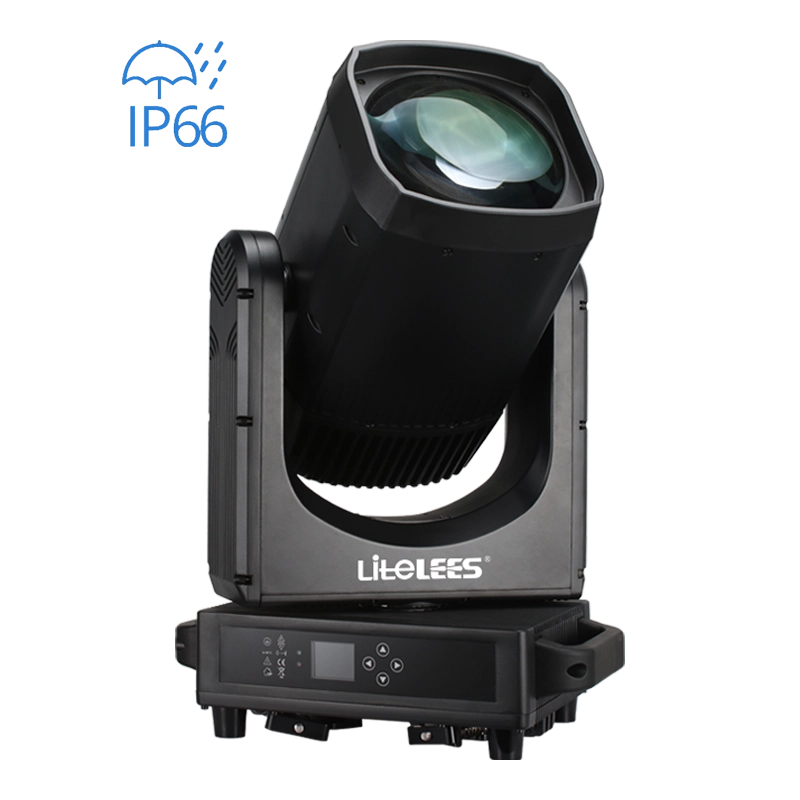
LiteLEES LUMIX BEAM 420 IP
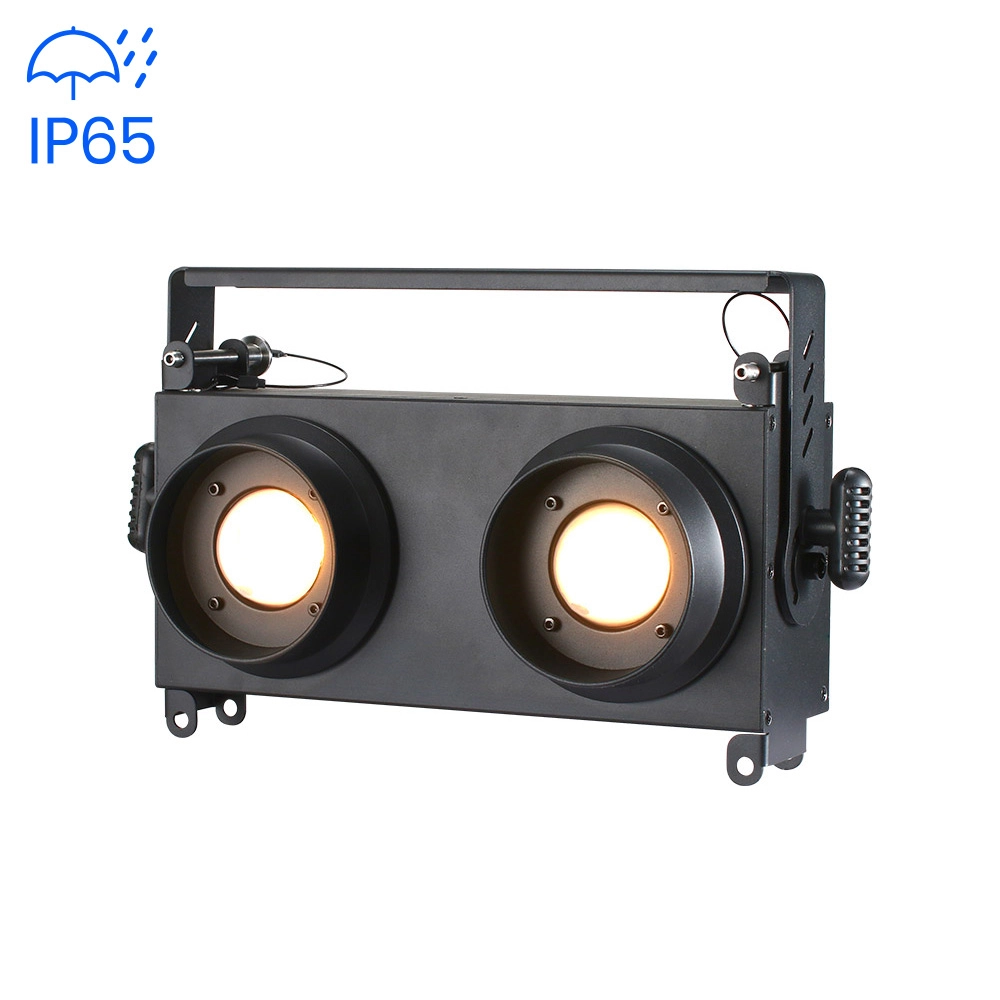
Stormy Blinder 400 IP

Stormy Shake Blinder IP
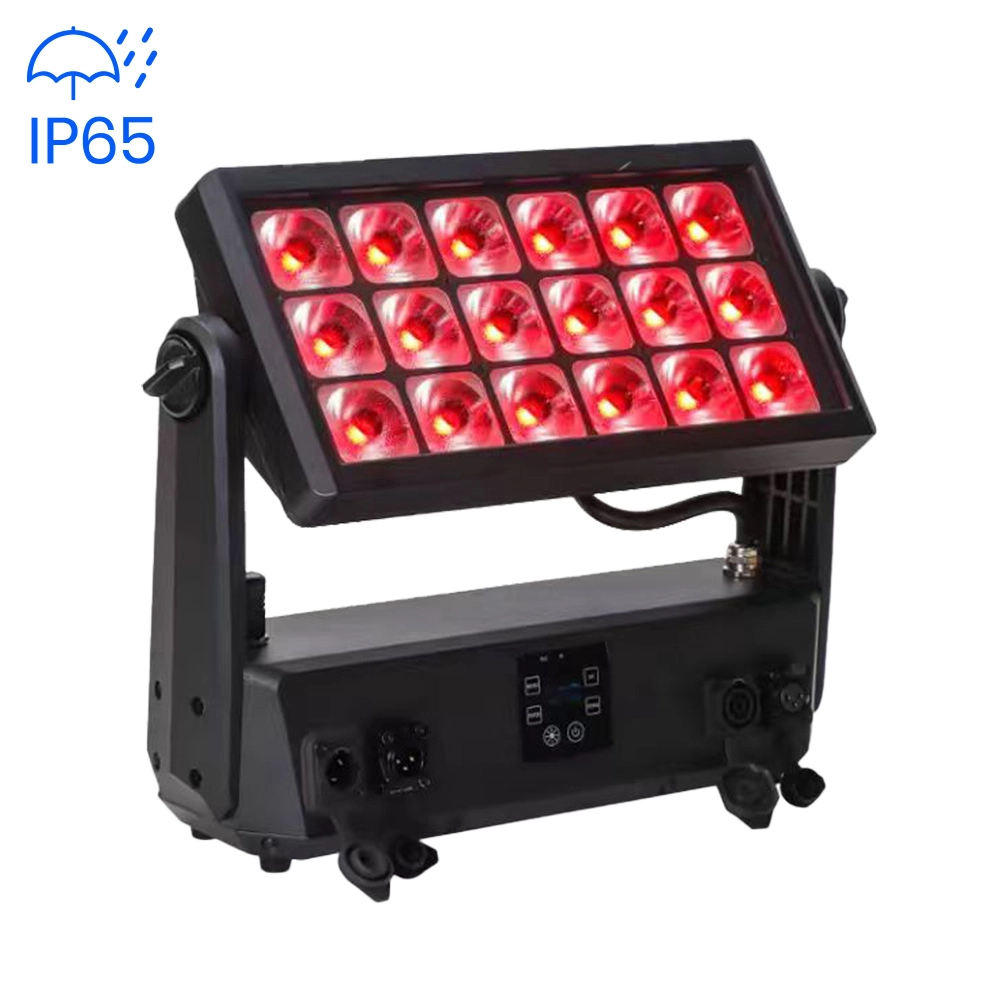
Stormy Battery Flood Light 1820 IP
Want to get more up-to-date news?
If you have any comments or good suggestions, please leave us a message; later our professional staff will contact you as soon as possible.

We are professional stage lighting manufacturers offering OEM and ODM LED stage lights.
Contact
Email us
Call us
Address
No.6 Longnan Road, Huashan Town, Huadu District Guangzhou, Guangdong Province, China.
LiteLEES Professional
Less Lighting