
Which moving head light suits large concert stages?
- Which moving head light suits large concert stages?
- 1. What are the moving head types and when to use each on a large concert stage?
- 2. What key specifications should I evaluate when buying for arenas and stadiums?
- 3. How bright do moving heads need to be for large concert venues?
- 4. What networking, synchronisation and camera/broadcast features matter?
- 5. What mechanical and touring features reduce risk and downtime?
- 6. Buy or rent: what is typical for large tours and festivals?
- 7. What are realistic budget ranges and procurement tips?
- Final practical checklist for procurement teams
- References and sources
Which moving head light suits large concert stages?
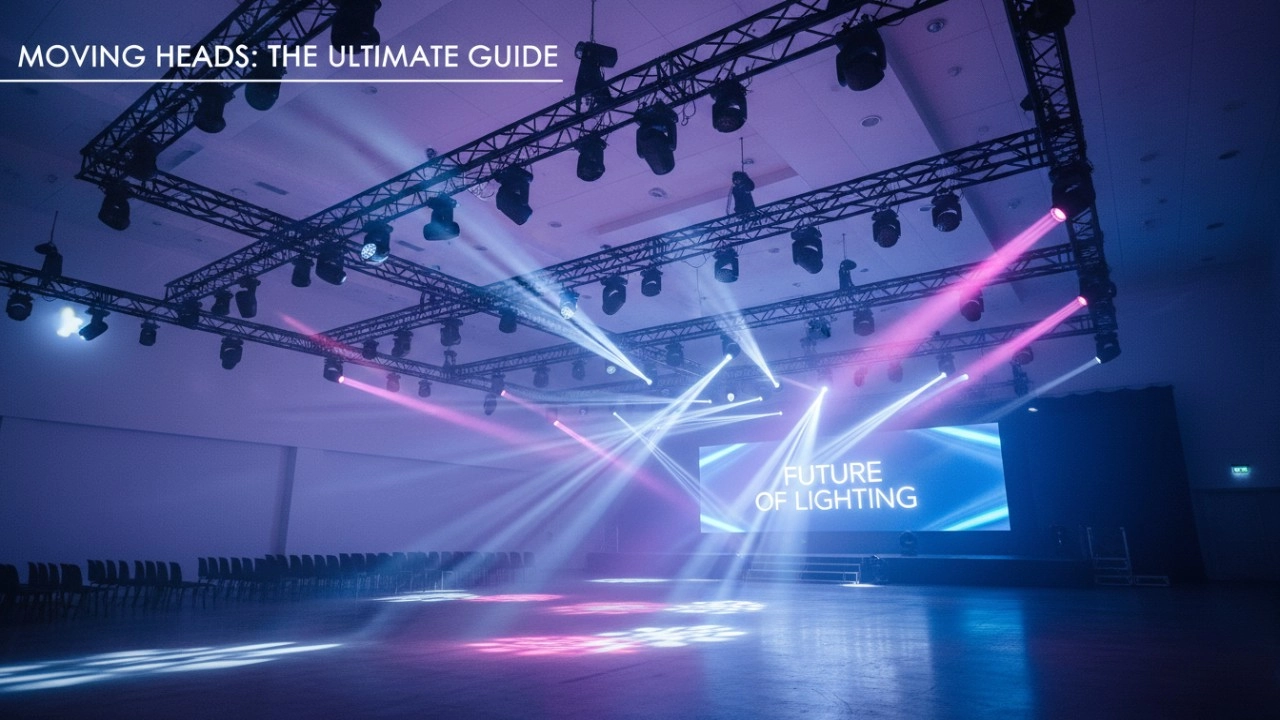
For large concert stages you should use a layered rig combining high-output beam/spot fixtures for aerial effects, versatile hybrid fixtures (spot + wash) for profile and texturing, and wide wash heads for front-of-house and stage floods. Prioritize fixtures with very narrow minimum beam angles (around 1–3°) for long-throw aerial beams, wide zoom ranges for framing and adaptability, high-quality color-mixing systems (CMY + CTO or additive RGBW with good color rendering), robust cooling, touring-grade mechanical design, and network control (Art-Net / sACN) with RDM support. Below we answer the most common procurement questions lighting professionals ask when equipping large concert stages.
1. What are the moving head types and when to use each on a large concert stage?
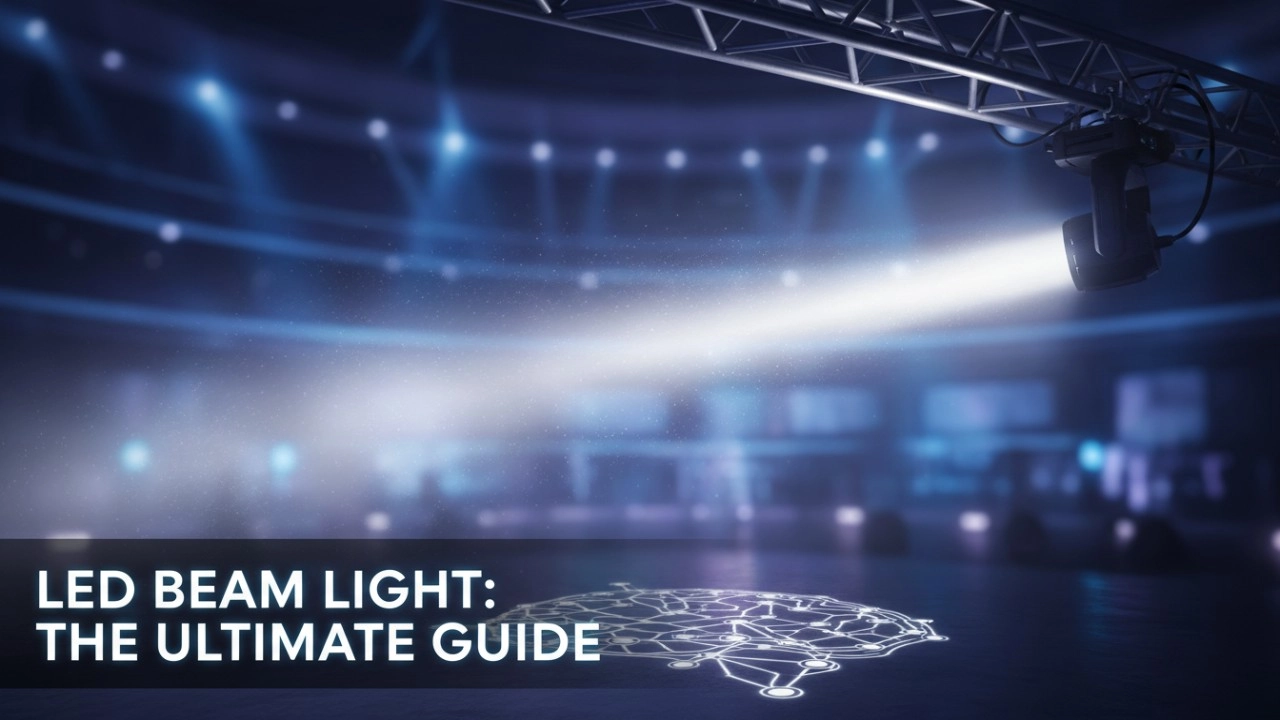
- Beam fixtures: Very narrow beams (≈1–3°) with high center-beam intensity — ideal for aerial shafts, sky-piercing looks and long-throw effects across arenas.
- Spot/profile fixtures: Adjustable focus, gobo wheels, framing shutters — used for highlighting performers, sharp projections, and mid/long-throw profile work.
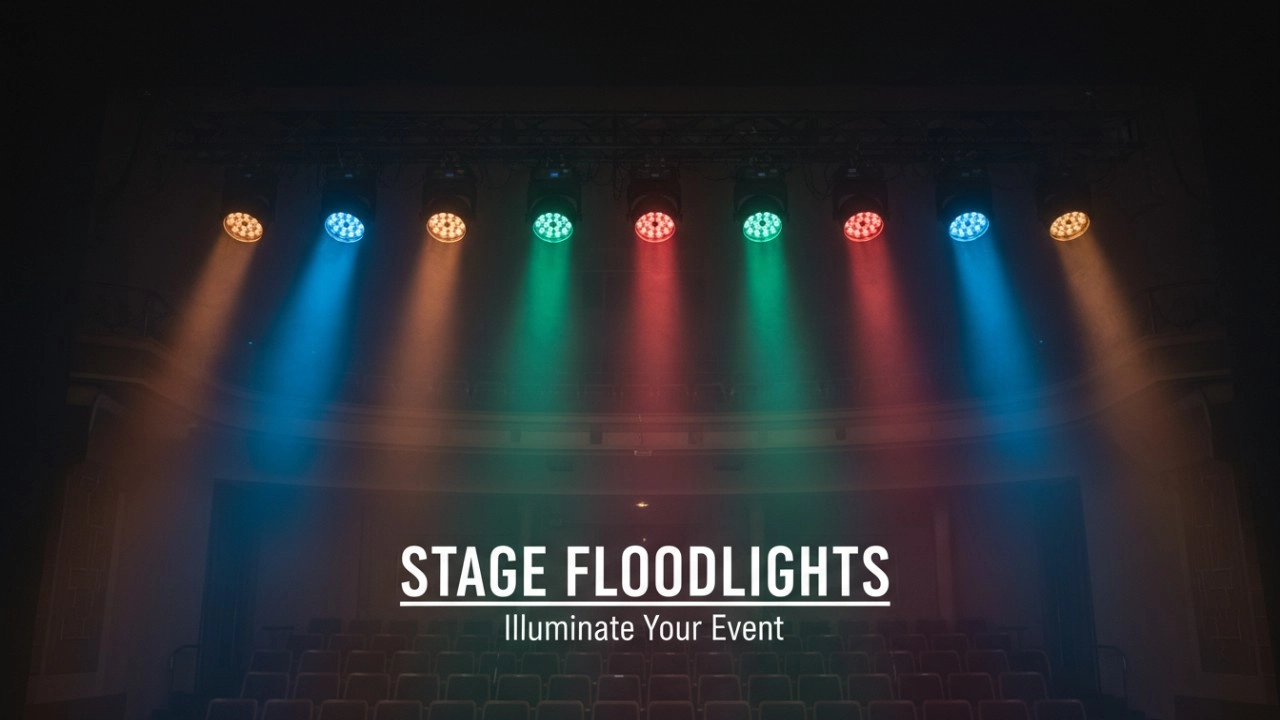
- Wash fixtures: Wide beam angles (often 20°–60°) with soft edges and even field — used for stage floods, cyc/ backdrop washes and front-of-house coverage.
- Hybrids (spot + wash): Offer both sharp gobos and wide wash capability — reduce fixture count and add flexibility for tours where truck space is limited.
2. What key specifications should I evaluate when buying for arenas and stadiums?
Focus on these procurement-critical specs:
- Light output and beam intensity — not only lumens but candela/center-beam intensity and narrow-angle performance for long throws.
- Zoom/beam range — wide zoom ratios (e.g., 1:8 or higher) give flexibility from tight beams to broad washes.
- Minimum beam angle — 1–3° for beam fixtures on large stages for visible shafts.
- Color system & CRI / TLCI — CMY + adjustable CTO or high-quality RGBW/LED engines; TLCI >90 and CRI higher values improve camera friendliness.
- Optical quality — sharp gobos, good iris, framing shutters for profile work and projection fidelity.
- Cooling & runtime — efficient thermal design for long shows; consider duty cycle and derating at high ambient temps.
- Power consumption & connectors — know per-fixture wattage, inrush current, and use touring-standard powerCON or PowerLock where needed.
- Control & networking — DMX512, RDM, and support for Art-Net / sACN; fixture personalities and channel counts impact console programming.
- Weight & rigging points — flying capability, safety factor, and quick-rigging features matter for fast load-ins/outs.
- Serviceability & spare parts — modular LED engines, quick-swap fans and common spare part availability reduce downtime.
3. How bright do moving heads need to be for large concert venues?
Brightness needs depend on throw distance and effect type. For aerial beam effects in large arenas or stadia, you need fixtures with high center-beam intensity (able to form a visible shaft at 40–100+ meters). For face and front-of-house lighting, combine high-output fixtures with dedicated front lights. Rather than only using lumen numbers, compare manufacturer photometrics (lux at distance / beam angle) and real-world rig plots. When procurement teams evaluate options, ask suppliers for photometric files (IES, LDT) and simulate FOH and stage lux with your planned rig and distances.
4. What networking, synchronisation and camera/broadcast features matter?
Large concerts often involve broadcast and complex networked control. Key items:
- Protocol support: Art-Net and sACN for robust Ethernet control; DMX/RDM for legacy systems.
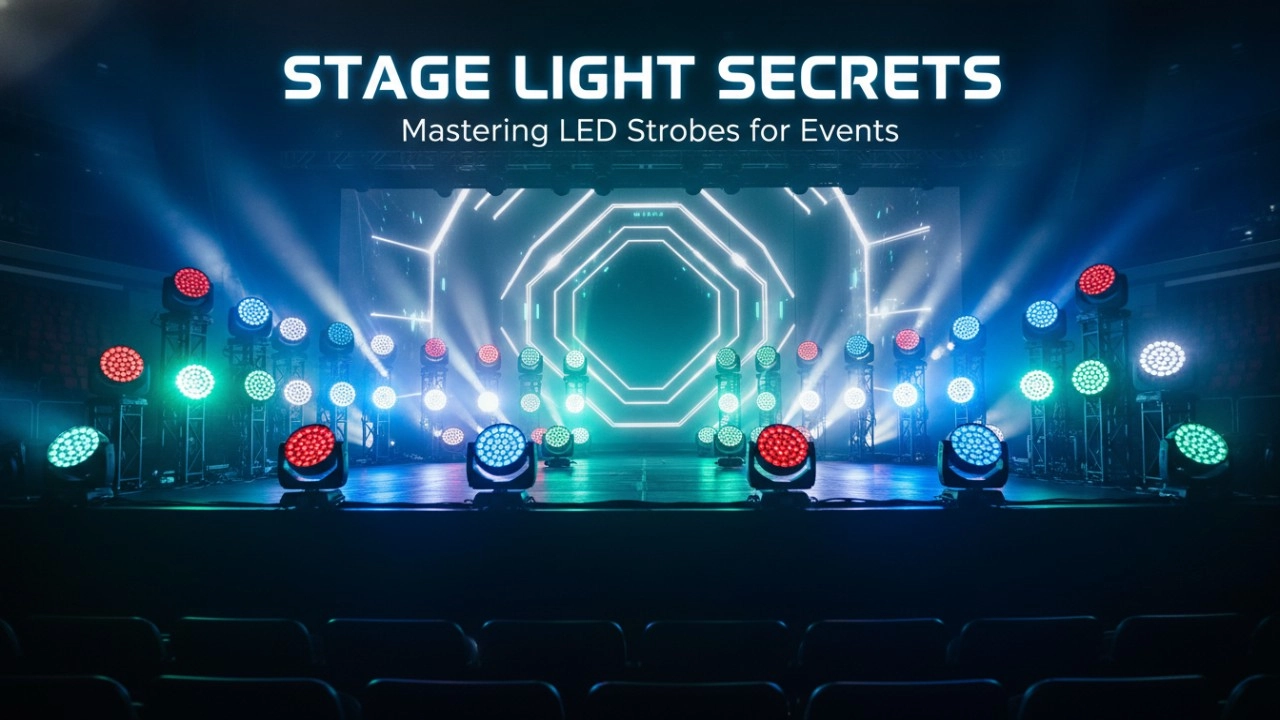
- Flicker-free operation and selectable PWM frequencies for high-frame-rate broadcast cameras.
- Timecode and show-sync capability for cue synchronization with audio and video systems.
- Profile/fixture personalities and built-in pixel-mapping options for media server integration.
5. What mechanical and touring features reduce risk and downtime?
For touring use, prioritize:
- Rugged metal housings and sealed bearings in yoke pivots.
- Standardized rigging points and quick-mount clamps; clear load ratings and safety factors.
- Modular designs: quick-replace lamps/LED engines, fan assemblies, and power modules.
- Efficient cooling with dust filtration or easy-to-clean intakes for dusty venues.
- Service manuals, local repair-part availability and a global service network to shorten repair turnaround.
6. Buy or rent: what is typical for large tours and festivals?
Large-scale tours and major festivals commonly rent for flexibility and to match specific show designs; rental houses invest in large fleets and test equipment for reliability. Buying is common for production companies, venues and long-term resident shows. Consider these points:
- Up-front cost vs lifecycle cost: high-end fixtures can cost tens of thousands per unit — factor maintenance, spare parts and depreciation.
- Obsolescence and future compatibility: LED engines and control protocols evolve — choose manufacturers with a roadmap and firmware update policy.
- Inventory needs: determine minimum spare rate (commonly 5–10% of rig) to manage failures without show impact.
7. What are realistic budget ranges and procurement tips?
Budget ranges vary widely depending on brand and capability. As a guideline (general, market-level approximations):
- High-performance beam heads and hybrid fixtures: typically in the high thousands to low tens of thousands USD per unit.
- Reliable mid/high-output wash heads: several thousand USD per unit.
- Accessories and infrastructure (rigging, cabling, power distro, consoles) add significantly to project cost.
- Request photometric files and in-person demos where possible.
- Compare real show plots and ask for references from similar-sized productions.
- Negotiate spares, training, and post-sale support into contracts.
- Factor in freight, crate sizes and truck-pack efficiency for touring.
Final practical checklist for procurement teams
Before purchase or lease, confirm:
- Photometric data and IES files match your throw distances.
- Flicker-free performance for broadcast specs you require.
- Cooling and ambient temperature derating data for venue climates.
- Network and protocol compatibility with your lighting console and timecode systems.
- Weight, rigging specs, and certified load points for flown installations.
- Availability and lead time for spare parts; local service network.
LiteLEES advantages
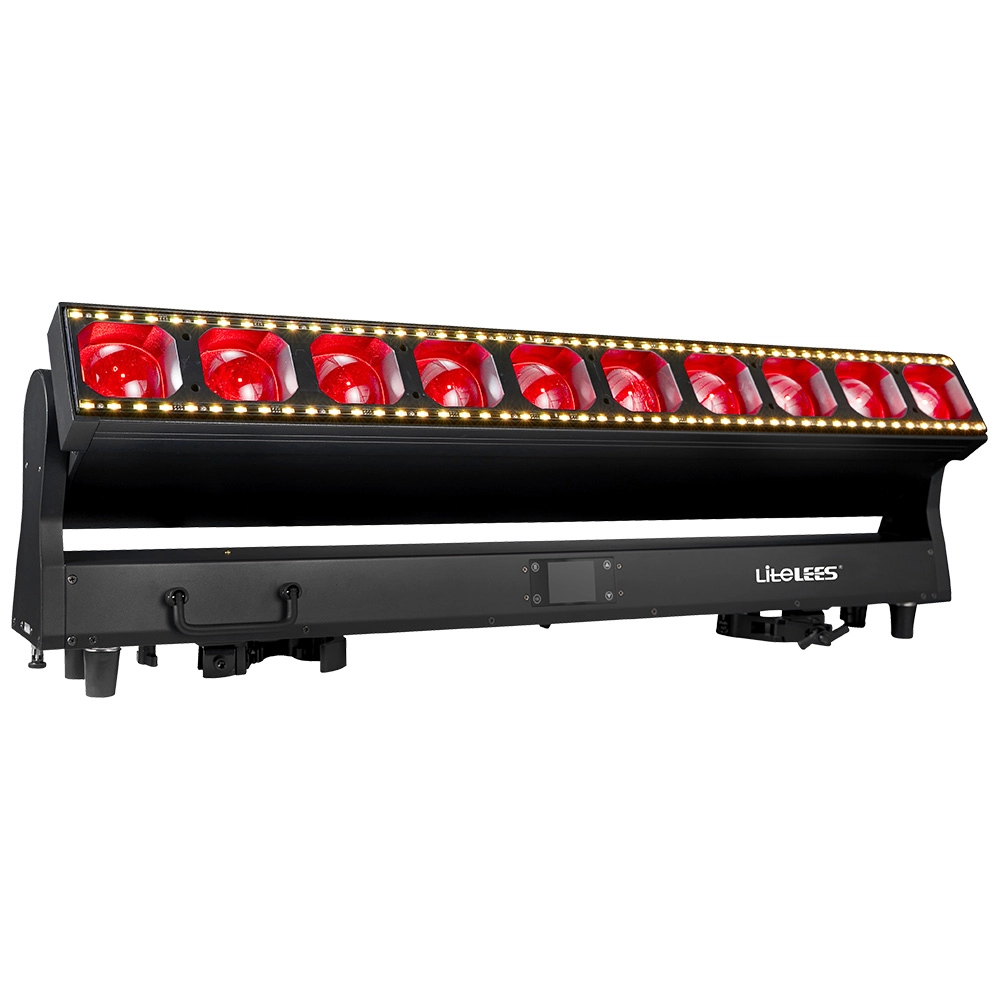
LiteLEES offers product lines designed for touring and fixed installations with a focus on efficient LED engines, modular serviceability, and network-ready control (DMX/Art-Net/sACN). Their fixtures typically emphasize compact thermal designs, competitive lumen-to-power efficiency, and straightforward rigging features. LiteLEES also provides documentation for photometrics and broadcast-friendly operation, plus responsive aftermarket support and spare-parts programs that suit rental houses and production companies.
References and sources
- Robe lighting product pages (e.g., BMFL, MegaPointe) — Robe.cz — product specifications and photometrics. Accessed 2024-06-01. https://www.robe.cz
- Claypaky product information (Sharpy and other beam/profile fixtures) — Claypaky official site — product specs and photometry. Accessed 2024-06-01. https://www.claypaky.com
- Martin by Harman product pages (MAC series) — Harman Professional — fixture specifications and features. Accessed 2024-06-01. https://www.martin.com
- ETC (Electronic Theatre Controls) resources on LED and color rendering considerations — ETC Connect / technical whitepapers. Accessed 2024-06-01. https://www.etcconnect.com
- PRG (Production Resource Group) technical articles and rental-industry insights — PRG Insights. Accessed 2024-06-01. https://www.prg.com
- Industry standards and networking protocols documentation (sACN / Art-Net) — ESTA / ACN resources. Accessed 2024-06-01. https://tsp.esta.org/tsp/standards
Company
What certifications do your products have?
All LiteLEES products are certified by CE, RoHS, FCC, and BIS. Our factory is ISO9001 quality management system certified.
Do you have your own factory?
Yes. We own a sheet metal factory and a complete in-house production line—from PCB to final assembly—ensuring strict quality control and fast delivery.
Products
What is the lifespan of your LED stage lights?
Our LED lights use high-quality chips with a rated lifespan of over 50,000 hours. Proper usage and maintenance ensure long-term reliability and stable performance, making them a smart investment for any venue.
Can I customize the functions or software of the lights?
Absolutely. As a manufacturer with independent R&D capabilities, we offer customization for both hardware and software (such as DMX channel layout, built-in programs, or UI language). Contact us with your project needs, and our team will provide tailored solutions.
How long is the warranty period for your products?
We offer a standard 1-year warranty on all products, with extended warranty options available upon request. During the warranty period, we provide free technical support and parts replacement for non-human damage.
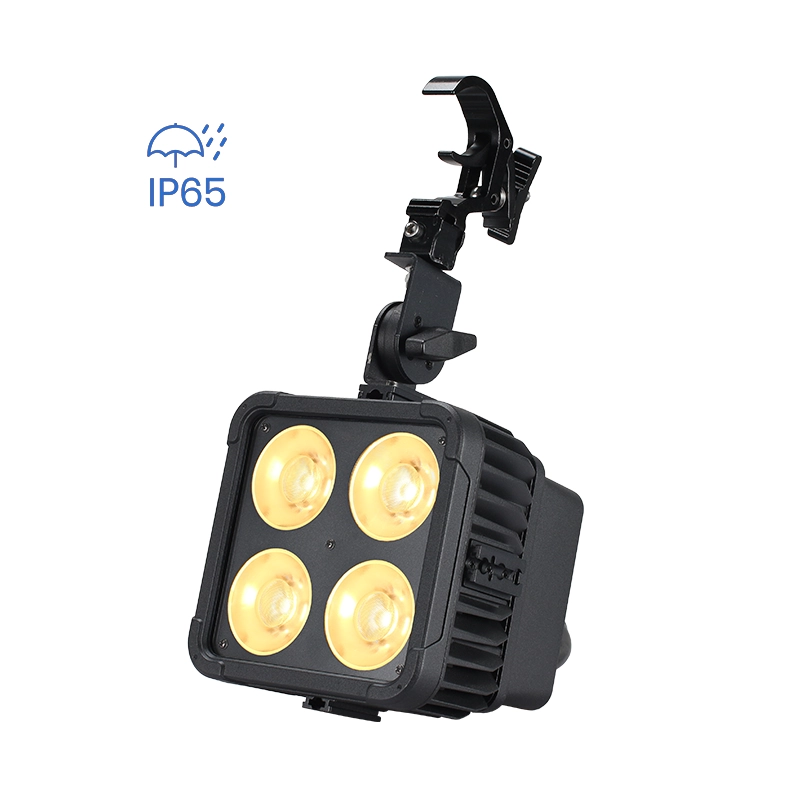
Magic Cube V8 IP
Want to get more up-to-date news?
If you have any comments or good suggestions, please leave us a message; later our professional staff will contact you as soon as possible.

We are professional stage lighting manufacturers offering OEM and ODM LED stage lights.
Contact
Email us
Call us
Address
No.6 Longnan Road, Huashan Town, Huadu District Guangzhou, Guangdong Province, China.
LiteLEES Professional
Less Lighting