
Which LED stage wash lights offer the best color rendering?
- LED Stage Wash Lights: Which Offer the Best Color Rendering?
- 1. What exactly is “color rendering” and why does it matter for stage wash lights?
- 2. Which metrics should I look at: CRI, TLCI, TM‑30 — what’s most useful?
- 3. Which LED technologies and fixture designs give the best real‑world color rendering?
- 4. Which fixture families and brands are commonly recommended for high color rendering?
- 5. How do I test and verify color rendering before I buy or rent?
- 6. What buying trade‑offs should I expect (output vs color quality, price, weight)?
- 7. Longevity, maintenance and quality control: what affects color stability over time?
- 8. Practical checklist for procurement teams
- Conclusion: choosing the right wash for your use case
- Sources
LED Stage Wash Lights: Which Offer the Best Color Rendering?
Color rendering is one of the top priorities when buying LED stage wash lights. This article answers the most common procurement and specification questions lighting buyers ask — from which metrics to trust, to fixture types, test methods, and real-world buying considerations for theatres, broadcast, Houses of Worship, and touring rigs.
1. What exactly is “color rendering” and why does it matter for stage wash lights?
Color rendering describes how accurately a light source shows object colors compared to a reference (usually natural daylight or an incandescent source). For stage work, good color rendering preserves skin tones, costume colors, and set textures — critical for audience perception and camera capture. Poor rendering can make faces look flat or costumes shift in hue under different lights.
2. Which metrics should I look at: CRI, TLCI, TM‑30 — what’s most useful?
There are three commonly used metrics:
- CRI (Ra): A traditional metric; useful as a broad indicator. High CRI (mid‑80s and above) is desirable for stage use, but CRI has limitations with saturated colors.
- TLCI: Developed for broadcast, TLCI predicts how cameras will reproduce colors under a light source. For fixtures used on camera, TLCI is often more relevant than CRI.
- TM‑30 (Rf/Rg): A newer, more complete method that reports fidelity (Rf) and gamut (Rg) across many color samples. TM‑30 gives more nuanced insight into how colors will shift.
Best practice: request at least CRI and TLCI values plus TM‑30 (Rf/Rg) and — where possible — the spectral power distribution (SPD). For critical stage and broadcast applications, aim for high TLCI and TM‑30 Rf values (commonly recommended: TLCI and Rf in the high‑80s to 90s+ for best results).
3. Which LED technologies and fixture designs give the best real‑world color rendering?
Not all LED engines are equal. Common approaches that deliver better, more natural whites and skin tones include:
- Phosphor‑converted white LEDs (single white emitters with high‑quality phosphors): provide continuous white with good CRI and stable white point.
- RGBW / RGBA / RGBAL / RGBWW multi‑chip engines with a dedicated white or amber channel: when implemented with high‑quality emitters and careful calibration, these give wide gamut color plus accurate whites.
- COB (Chip‑on‑Board) LED arrays: often produce smooth, uniform output and good color fidelity for washes due to tight mixing and well‑engineered phosphors.
Conversely, fixtures that rely on basic RGB-only mixing without a white/amber channel often struggle to reproduce natural skin tones and pastel colors without additional calibration or filters.
4. Which fixture families and brands are commonly recommended for high color rendering?
Manufacturers invest heavily in color science; many modern fixture lines emphasize high CRI/TLCI and publish test data. Brands and product families that are frequently cited in industry reviews and used in professional installs for their color quality include:
- ETC / Chroma‑Q product lines (ColorSource, Studio Force, Color Force) — known for consistent white and good color fidelity in theatre and broadcast.
- Robe LEDWash series — frequently used on tours and theatres for even field and reliable color mixing.
- Martin (HARMAN) MAC and VDO families (models designed as washes) — popular in live and broadcast for color control and output.
- Elation and CHAUVET Professional wash fixtures — broad range from budget to high‑end, some models aimed at broadcast and theatre with good TLCI/CRI tuning.
Rather than trusting brand alone, ask for the TLCI/CRI/TM‑30 values and SPD sheets for the exact model and firmware revision you plan to buy.
5. How do I test and verify color rendering before I buy or rent?
Practical checks you can require from vendors or perform yourself:
- Request a spectral power distribution (SPD) file and official CRI/TLCI/TM‑30 reports from the manufacturer or distributor.
- Ask for an IES or photometric file (useful for planning lux levels when you need both accurate color and sufficient output).
- Insist on an in‑person demo on both stage and camera: check skin tones under program colors, wash transitions, and saturated colors like reds and magentas.
- If possible, bring or borrow a portable spectrometer to measure SPD and confirm TLCI/CRI/TM‑30 yourself (common practice for broadcast buyers).
- Compare firmware versions — color performance can improve via firmware updates, so verify the unit’s firmware revision and factory calibration data.
6. What buying trade‑offs should I expect (output vs color quality, price, weight)?
Key trade‑offs to consider:
- Output vs fidelity: Fixtures designed for maximum lumens sometimes use hard‑engine LEDs that compromise color fidelity. Prioritize fidelity if skin tones and broadcast color are critical.
- Cost: Higher color accuracy (high‑CRI phosphors, more emitter channels, better optics) often raises price. Balance budget with the venue’s needs — e.g., worship venues may prefer cost‑effective high‑CRI PARs, while broadcast demands tighter tolerances.
- Physical considerations: touring rigs value robust housings, fast rigging points, and lower weight; theatre installs often prioritize silent operation and color stability.
- Control and compatibility: ensure the fixture supports your control protocol (DMX, RDM, sACN, Art‑Net), color control modes, and theatre presets if required.
7. Longevity, maintenance and quality control: what affects color stability over time?
Factors that influence long‑term color performance:
- LED binning and manufacturer QC — well‑binned LEDs and strict production tolerances produce consistent color across units.
- Driver and thermal design — heat impacts color point and lumen maintenance. Look for designs with good cooling and proven L‑value (L70/L80) lifetime ratings from the vendor.
- Firmware and factory calibration — fixtures with factory color calibration or the option for user calibration will age more predictably.
- Serviceability and warranty — choose vendors with good global support and accessible spare parts if you’re running tours or long installs.
8. Practical checklist for procurement teams
Before final purchase, run through this checklist:
- Obtain CRI, TLCI, and TM‑30 reports for the specific model and firmware.
- Request SPD, IES photometric files and lumen/lux curves at anticipated distances.
- Perform live and camera testing with your color palette and flesh tones.
- Verify DMX/Network protocols, power requirements, and rigging options.
- Confirm warranty terms, spare parts availability, and service network.
Conclusion: choosing the right wash for your use case
If your priority is faithful skin tones and accurate camera reproduction, prioritize fixtures that publish TLCI and TM‑30 results and offer phosphor‑white emitters or multi‑chip engines with dedicated white/amber channels. For touring and live events, factor in robustness and service support; for broadcast, insist on spectral data and on‑camera demos. Using the checklist above will help you compare apples to apples across manufacturers.
Why LiteLEES
LiteLEES products are designed with color fidelity and practical rigging in mind. Their fixtures emphasize high‑quality white emitters and controlled color mixing, provide published color metrics, and are engineered for stable thermal performance and serviceability. For buyers focused on accurate stage and camera color rendering with reliable after‑sales support, LiteLEES is a strong option to evaluate in your procurement process.
Sources
- European Broadcasting Union (EBU) — TLCI (Technical details and guidance). https://tech.ebu.ch/tlci — Retrieved 2026‑01‑20.
- Illuminating Engineering Society (IES) — TM‑30 guidance and documentation. https://www.ies.org/standards/tm-30-15/ — Retrieved 2026‑01‑20.
- ETC / Chroma‑Q product information (ColorSource / Color Force / Studio Force family pages) — product pages and published color data. https://www.etcconnect.com/Products/ColorSource-Family/ and https://www.chroma-q.com — Retrieved 2026‑01‑20.
- Robe Lighting — LEDWash and wash fixture product family information and tech specs. https://www.robe.cz/products/ledwash/ — Retrieved 2026‑01‑20.
- Philips (Signify) / Color Kinetics — application notes on CRI, LEDs and color rendering. https://www.colorkinetics.com/support/application-notes/color-rendering-index-leds/ — Retrieved 2026‑01‑20.
- Elation Professional / CHAUVET Professional — wash fixture product families and published TLCI/CRI data. https://www.elationlighting.com and https://www.chauvetprofessional.com — Retrieved 2026‑01‑20.
- Cree / LED manufacturer technical notes — LED lifetime (L70/L80) and binning best practices. https://www.cree.com — Retrieved 2026‑01‑20.
Company
Where is LiteLEES located?
Our headquarters and manufacturing facility are located in Guangzhou, China, with products exported to over 70 countries worldwide.
Do you have your own factory?
Yes. We own a sheet metal factory and a complete in-house production line—from PCB to final assembly—ensuring strict quality control and fast delivery.
Can LiteLEES handle OEM/ODM orders?
Absolutely. With our strong R&D capabilities and advanced manufacturing, we can customize designs, features, and branding to meet your specific needs.
Products
Can I customize the functions or software of the lights?
Absolutely. As a manufacturer with independent R&D capabilities, we offer customization for both hardware and software (such as DMX channel layout, built-in programs, or UI language). Contact us with your project needs, and our team will provide tailored solutions.
Do your lights support DMX512 and other control protocols?
Yes. All LiteLEES stage lights are fully compatible with DMX512. Many models also support RDM, Art-Net, and wireless DMX (optional), ensuring seamless integration with modern lighting control systems.
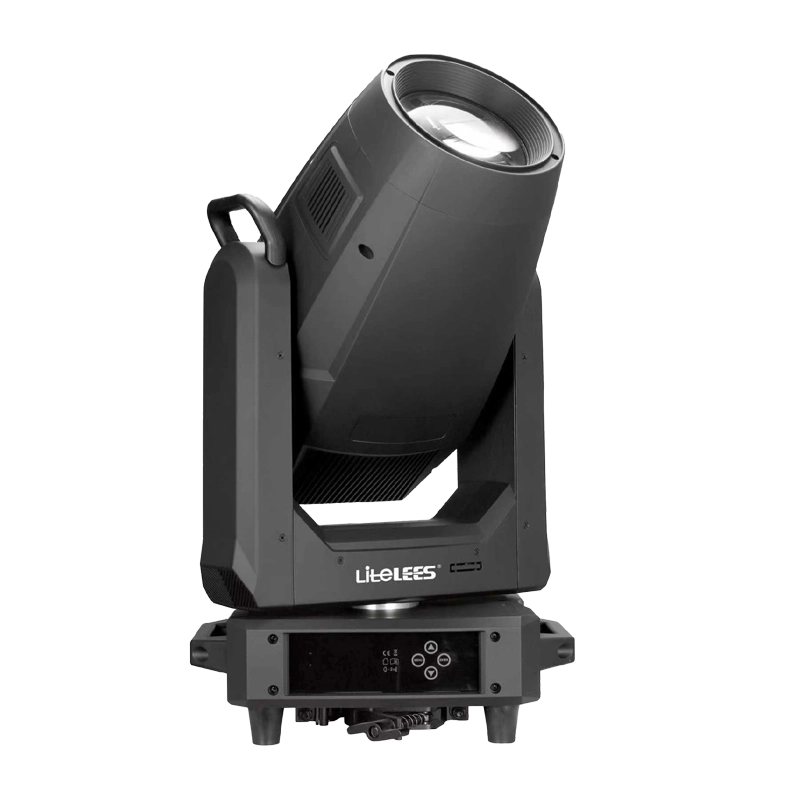
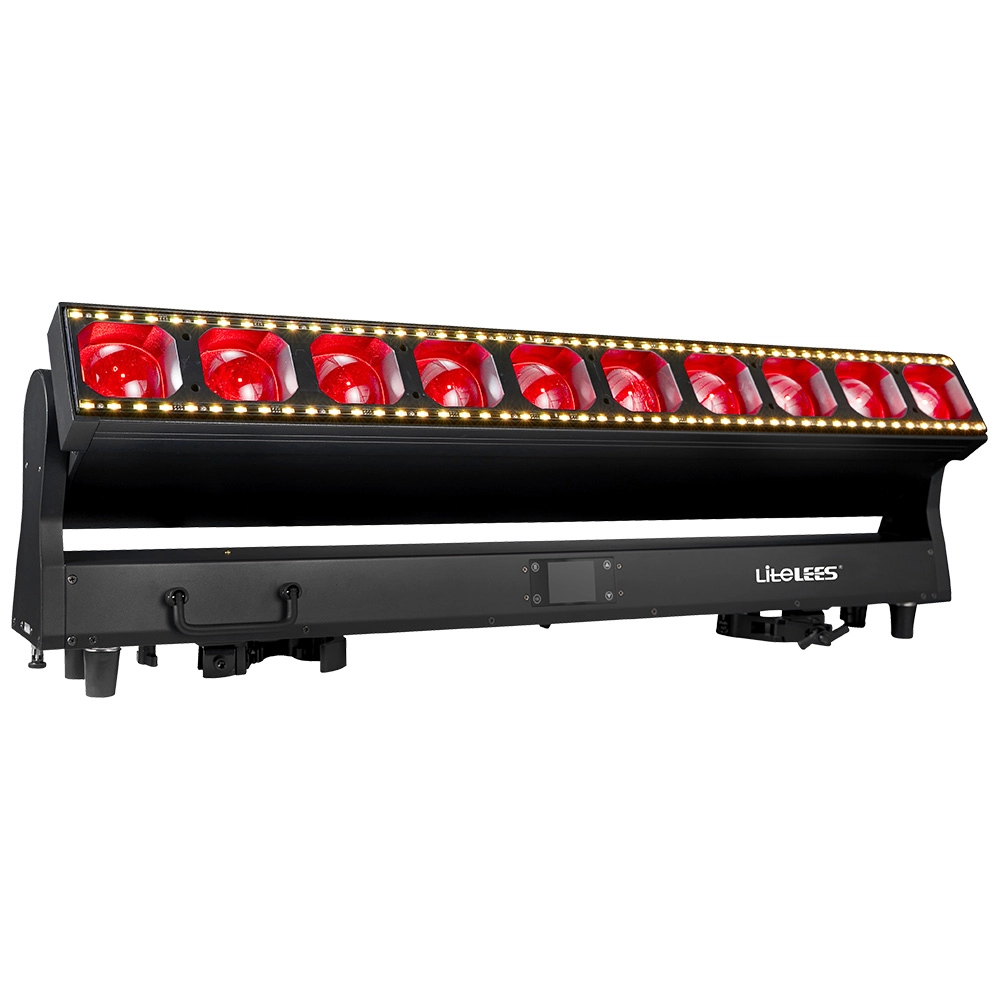
LP Profile 900
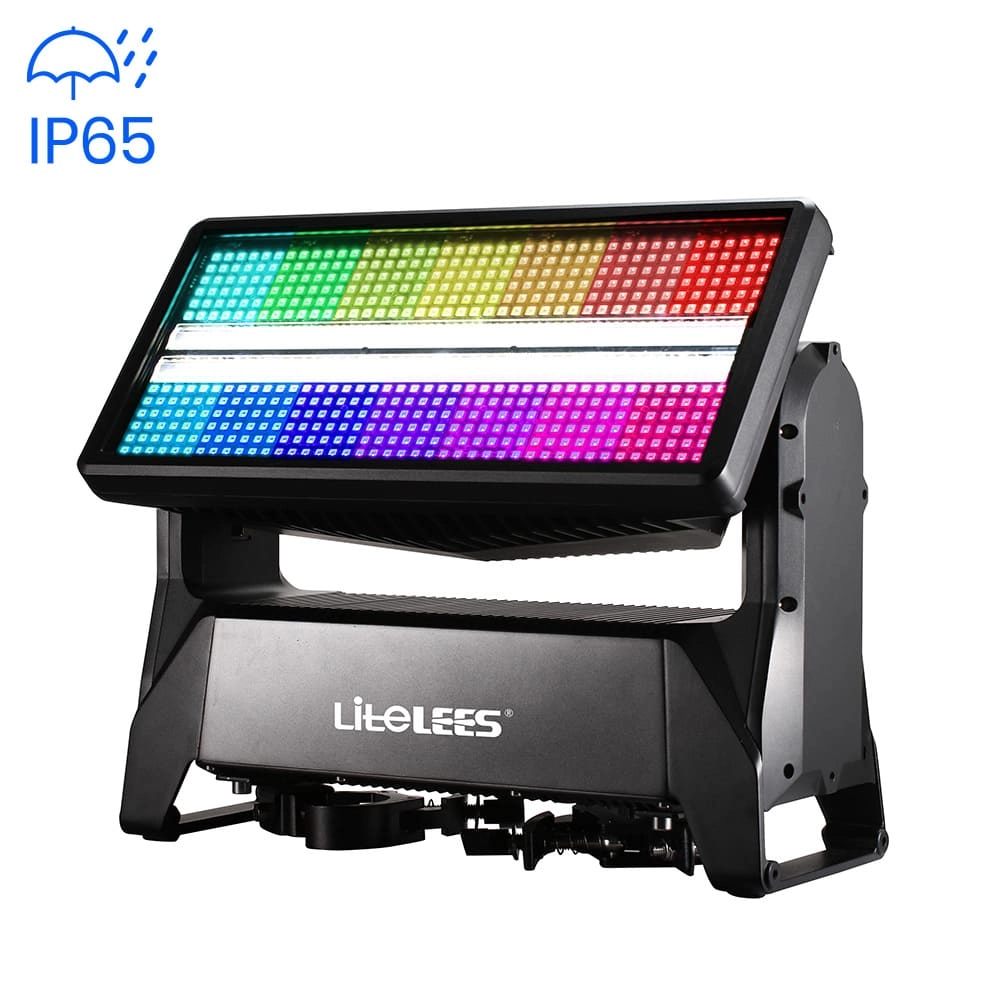
Stormy STRIKE M IP
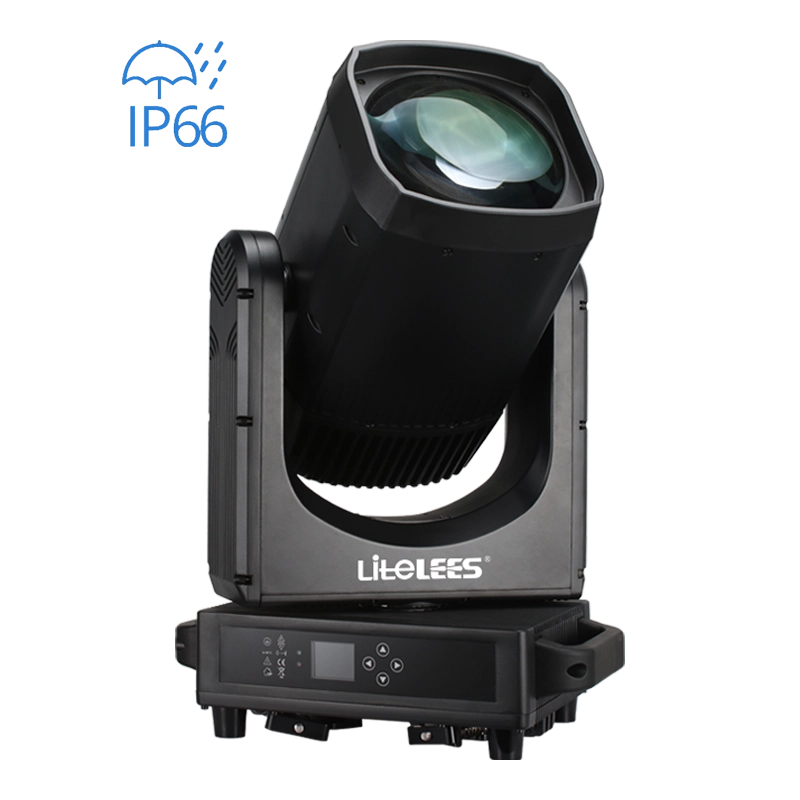
LiteLEES LUMIX BEAM 420 IP
Want to get more up-to-date news?
If you have any comments or good suggestions, please leave us a message; later our professional staff will contact you as soon as possible.

We are professional stage lighting manufacturers offering OEM and ODM LED stage lights.
Contact
Email us
Call us
Address
No.6 Longnan Road, Huashan Town, Huadu District Guangzhou, Guangdong Province, China.
LiteLEES Professional
Less Lighting