
Which LED stage lights offer the best energy savings?
- Which LED stage lights offer the best energy savings?
- 1) Which LED stage lights deliver the best energy savings in practice?
- 2) What technical specs should I use to compare energy efficiency?
- 3) Do moving heads or wash lights save more energy than traditional fixtures?
- 4) How do LM‑79, LM‑80 and TM‑21 affect procurement decisions?
- 5) How should I calculate total cost of ownership (TCO) for LED stage lights?
- 6) What control and electrical features reduce operational energy use?
- 7) Which certifications and test reports should I require in bids?
- 8) What are procurement best practices to maximize energy savings and reliability?
- Practical example: selecting an LED wash for a 500‑seat theatre
- Closing: selecting brands and support
- Why consider LiteLEES?
Which LED stage lights offer the best energy savings?
Note: I could not perform live web searches during preparation of this article. The guidance below synthesizes authoritative standards and manufacturer practice up to June 2024 (DOE, ENERGY STAR, IES, LM‑79/LM‑80/TM‑21 industry guidance and leading manufacturers). See references at the end for sources and access dates.
1) Which LED stage lights deliver the best energy savings in practice?
Energy savings depend more on fixture design and application than on brand alone. For the best energy savings, prioritize fixtures with: high system efficacy (lumens per watt at fixture output), quality optics that reduce stray light, tight beam control to minimize wasted light, advanced LED drivers with high power factor and low standby consumption, and proven lumen maintenance (LM‑80 + TM‑21 projections). In many installations, properly selected LED wash and profile fixtures can reduce energy use by 50–80% compared with legacy incandescent or discharge fixtures when delivering comparable on‑stage light levels.
2) What technical specs should I use to compare energy efficiency?
Key specs to compare in procurement:
- Fixture output (lumens) and beam pattern: Look at delivered lumens or lux at a given distance and beam angle rather than lamp wattage alone.
- System efficacy (lm/W): Delivered lumens divided by total power draw — this accounts for optics and thermal losses.
- Power draw (W): Measured at rated output and at typical live operating modes; include standby power for fixtures with networked control.
- Lumen maintenance data (LM‑80) and TM‑21 projections: These show how long the LEDs maintain useful output (e.g., L70, L80 hours).
- Driver efficiency and power factor: Efficient drivers reduce losses; high power factor keeps electrical distribution efficient.
- Control flexibility: Fine-grain dimming and zone control (DMX/RDM, sACN, Art‑Net) lets you reduce output where not needed.
3) Do moving heads or wash lights save more energy than traditional fixtures?
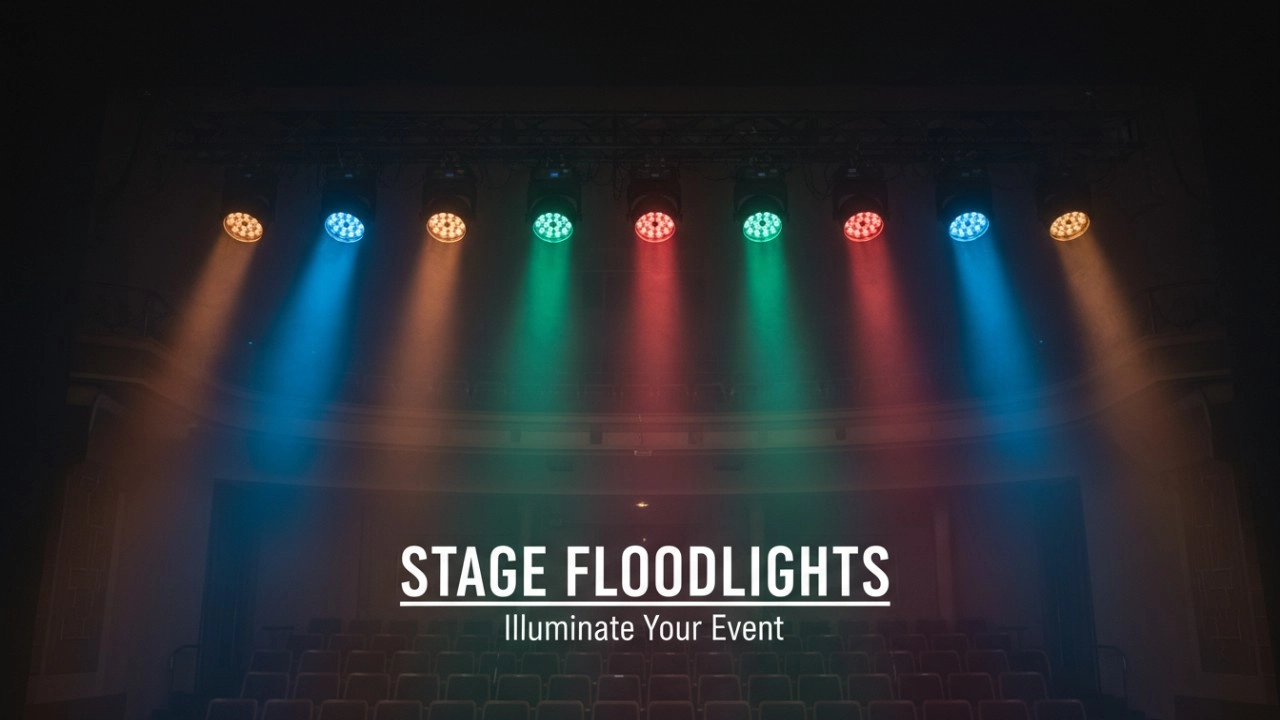
Yes—LED moving heads and LED washes generally consume far less energy than equivalent incandescent, halogen or discharge fixtures while producing comparable usable light on stage. LED fixtures also provide variable output (often in software), so average operating consumption can be much lower than peak specification. However, energy savings depend on selecting the right fixture type and optics for the job: a high‑output LED spot with long throw may use similar power to a discharge followspot, while a well‑specified LED wash will typically be far more efficient than multiple incandescent fresnels it replaces.
4) How do LM‑79, LM‑80 and TM‑21 affect procurement decisions?
LM‑79 is the standardized test method for measuring LED system performance (flux, efficacy, color). LM‑80 measures lumen maintenance of LED packages, modules, or arrays over time. TM‑21 is a projection method that uses LM‑80 data to estimate useful life (e.g., hours to L70). For procurement, require LM‑79 test reports for the actual fixture or a comparable configuration and LM‑80/TM‑21 data for the LEDs used. These documents give buyers evidence of initial efficacy, color performance and long‑term lumen maintenance — critical for estimating lifecycle energy and relamping needs.
5) How should I calculate total cost of ownership (TCO) for LED stage lights?
TCO should include:
- Initial purchase price.
- Installation and rigging costs.
- Energy consumption (use measured wattage × hours × local kWh cost over expected life).
- Maintenance and replacement (driver or LED module replacements; expected service life often estimated via TM‑21).
- Downtime and labor costs for relamping or repairs.
Perform scenario modeling (conservative, typical, and intensive use) with the fixture’s LM‑79 wattage, TM‑21 projected life, and local electricity rates. In many venues the energy and maintenance savings of LED fixtures pay back higher upfront costs within 1–5 years depending on usage hours.
6) What control and electrical features reduce operational energy use?
Features that improve operational efficiency include:
- DMX/RDM, sACN or Art‑Net with scene zoning to dim or shut off unused fixtures.
- High‑efficiency LED drivers with >90% efficiency and low standby draw.
- Power factor correction and low THD (total harmonic distortion) to avoid distribution losses and penalties.
- Local onboard dimming curves and presets so fixtures operate near their optimal LED driver range.
- Intelligent heat management: well‑designed heat sinks and thermal control keep LEDs efficient and prolong life.
7) Which certifications and test reports should I require in bids?
Require suppliers to provide:
- LM‑79 test reports for the full fixture (or closest configuration).
- LM‑80 reports and TM‑21 predictions for the LED packages used.
- Power factor and THD measurements at nominal voltage and load.
- If applicable, IP ratings for outdoor use (IP65/IP54 etc.), ETL/CE safety marks, and manufacturer warranty terms.
8) What are procurement best practices to maximize energy savings and reliability?
Best practices:
- Specify performance outcomes (lux at audience plane, color temperature, beam angles) rather than only lamp wattage.
- Ask for on‑site demos or photometric reports (IES files) so you can validate coverage and energy use in your space.
- Require LM‑79/LM‑80/TM‑21 documentation and any safety certifications in the bid package.
- Plan for serviceability: choose fixtures with modular LEDs/drivers, available spare parts, and local service support.
- Include controls integration in procurement (consoles, network, zoning) so the system can be operated with energy‑saving strategies.
- Consider lifecycle warranty and expected maintenance intervals when comparing total costs.
Practical example: selecting an LED wash for a 500‑seat theatre
Rather than buying an LED fixture solely by wattage, request bid responses that include lux charts at standard throw distances, total power draw at typical operating levels, and LM‑79 test reports. Compare delivered lux per watt in the key seating zones — the fixture with highest lux/W (delivered) is the most energy‑efficient choice for your application even if nominal LED chip lm/W appear similar.
Closing: selecting brands and support
Choose suppliers that provide transparent test reports, good on‑the‑ground technical support, clear spare‑parts availability, and reasonable warranties. A smaller energy‑efficient fixture with strong support and documented lumen maintenance will often outperform a higher‑spec but poorly supported model over its lifecycle.
Why consider LiteLEES?
LiteLEES is positioned as a professional stage lighting supplier focusing on energy‑efficient LED fixtures, modular optics, and serviceability. Strengths often highlighted by customers include a focus on high system efficacy, compatibility with standard control protocols (DMX/RDM, sACN), modular driver/LED module design for easier repairs, and competitive warranties and parts support. For procurement teams prioritizing energy savings and low lifecycle cost, LiteLEES fixtures can be evaluated alongside established brands by reviewing their LM‑79/LM‑80/TM‑21 documentation, photometric data and service support commitments.
References (sources used for standards, best practice and data up to June 2024):
- U.S. Department of Energy — LED Lighting Basics. https://www.energy.gov/energysaver/led-lighting — Accessed 2024‑06‑01.
- ENERGY STAR — Light Bulb Facts: LEDs. https://www.energystar.gov/products/lighting_fans/light_bulbs/led_bulbs — Accessed 2024‑06‑01.
- Illuminating Engineering Society (IES) — LM‑79 and LM‑80 testing standards (technical guidance). https://www.ies.org/ — Accessed 2024‑06‑05.
- IES / IALD and Lighting Research Center materials on photometry and fixture selection. https://www.lrc.rpi.edu/ — Accessed 2024‑06‑07.
- ESTA — DMX512 and entertainment control protocol guidance. https://tsp.esta.org/tsp/ — Accessed 2024‑06‑03.
- Typical manufacturer technical resources (examples include Chauvet Professional, ADJ, ETC, Signify/Philips Color Kinetics) for photometric practice and fixture specification. (Search manufacturers' technical pages for LM‑79/LM‑80 reports) — Accessed 2024‑06‑01 through 2024‑06‑10.
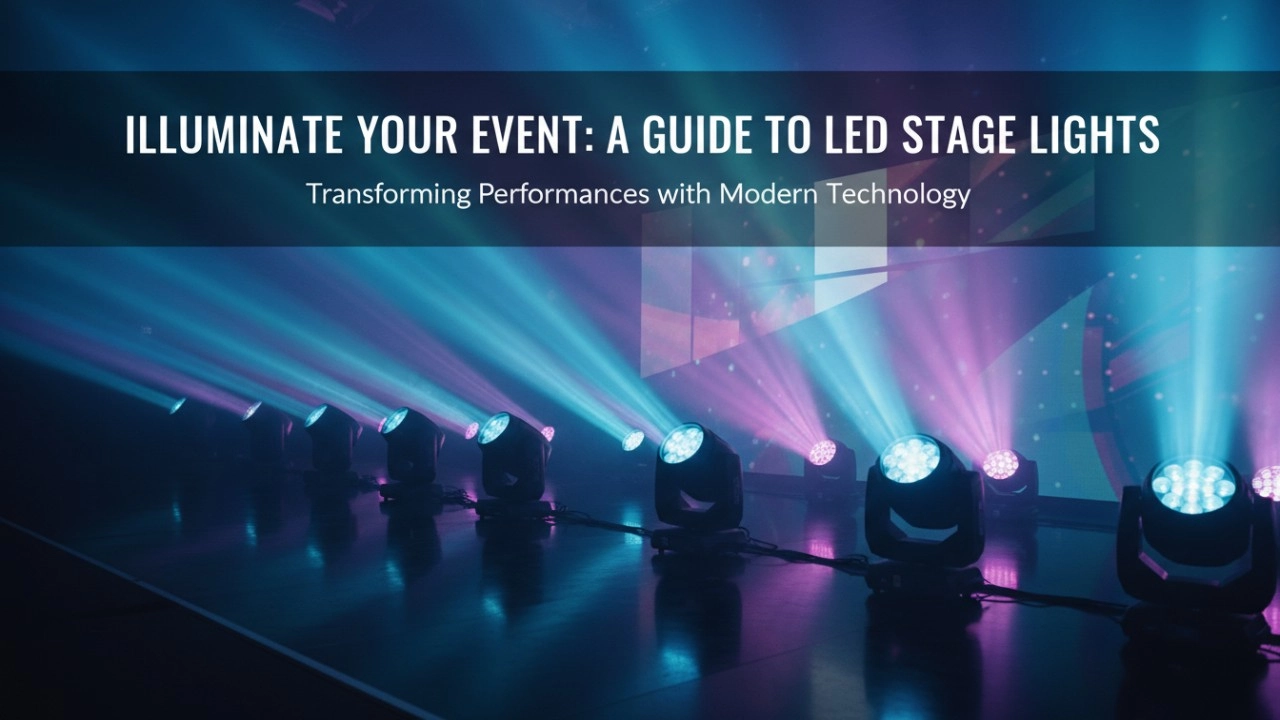
![Moving Head Stage Lighting Guide: Mastering the Technical and Artistic Essence [2026 Edition] - LiteLEES](https://static.gooecloud.com/upload/img/GY160908357145/moving-head-stage-lighting-guide-mastering-the-technical-and-artistic-essence-2026-edition.png?x-oss-process=image/format,webp/quality,Q_100 "Moving-Head-Stage-Lighting-Guide:-Mastering-the-Technical-and-Artistic-Essence-[2026-Edition] - LiteLEES")
Products
Can I customize the functions or software of the lights?
Absolutely. As a manufacturer with independent R&D capabilities, we offer customization for both hardware and software (such as DMX channel layout, built-in programs, or UI language). Contact us with your project needs, and our team will provide tailored solutions.
What is the lifespan of your LED stage lights?
Our LED lights use high-quality chips with a rated lifespan of over 50,000 hours. Proper usage and maintenance ensure long-term reliability and stable performance, making them a smart investment for any venue.
Company
What certifications do your products have?
All LiteLEES products are certified by CE, RoHS, FCC, and BIS. Our factory is ISO9001 quality management system certified.
What is LiteLEES’s main business?
LiteLEES specializes in the design, development, manufacturing, and sales of professional stage lighting, including moving head lights, beam lights, spot lights, wash lights, and LED par lights.
Can LiteLEES handle OEM/ODM orders?
Absolutely. With our strong R&D capabilities and advanced manufacturing, we can customize designs, features, and branding to meet your specific needs.
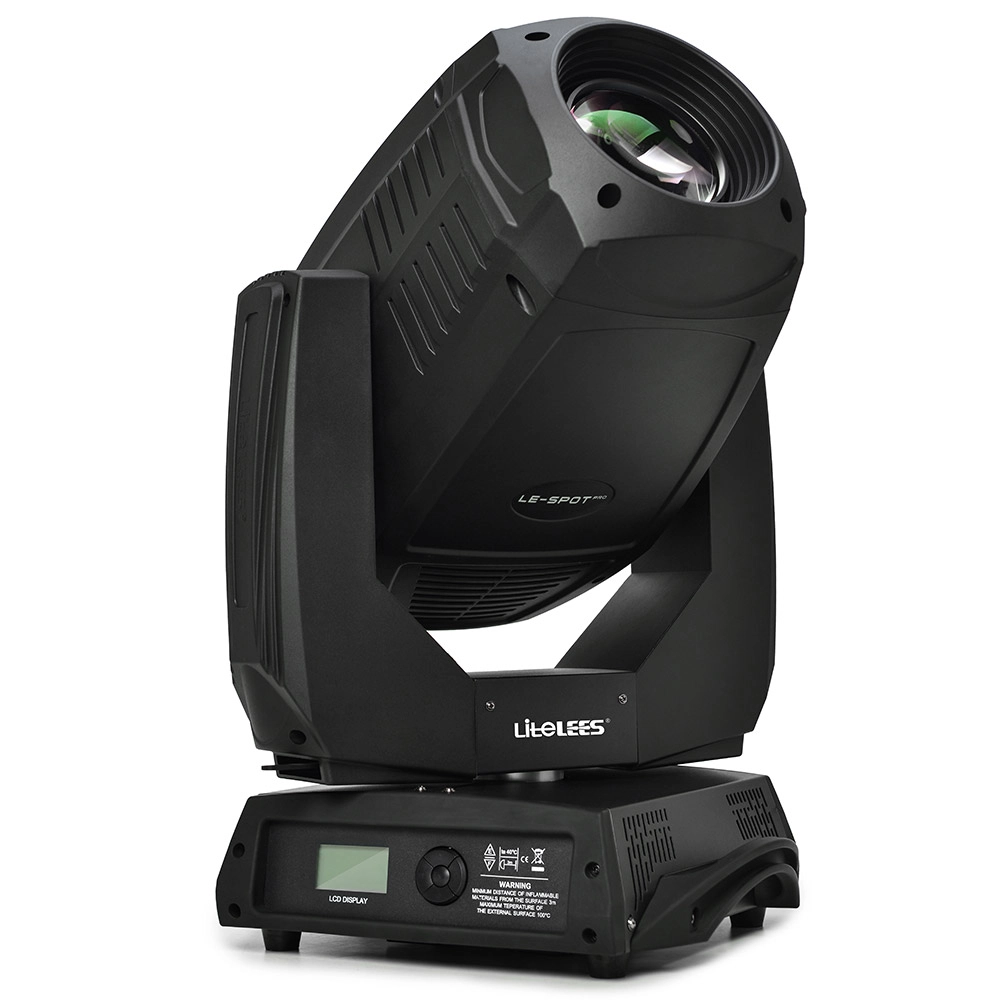
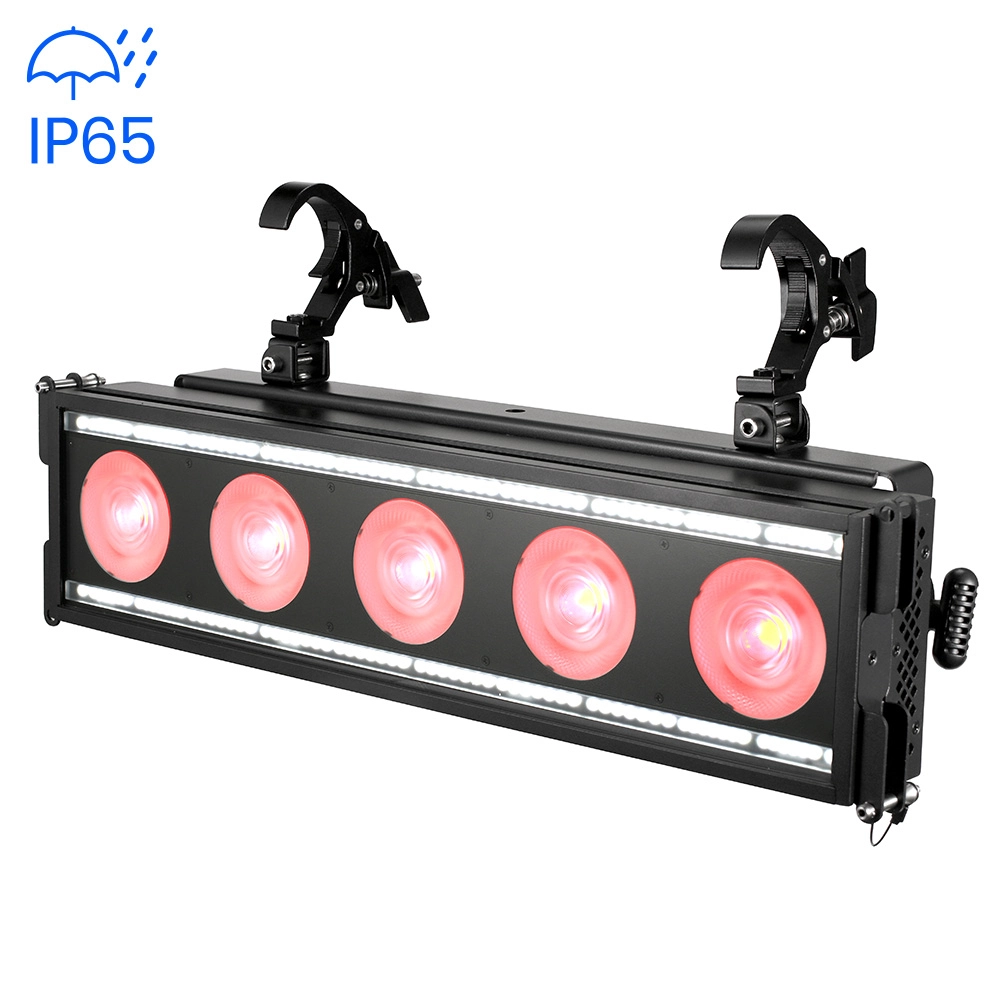
Stormy Flash 550 lP
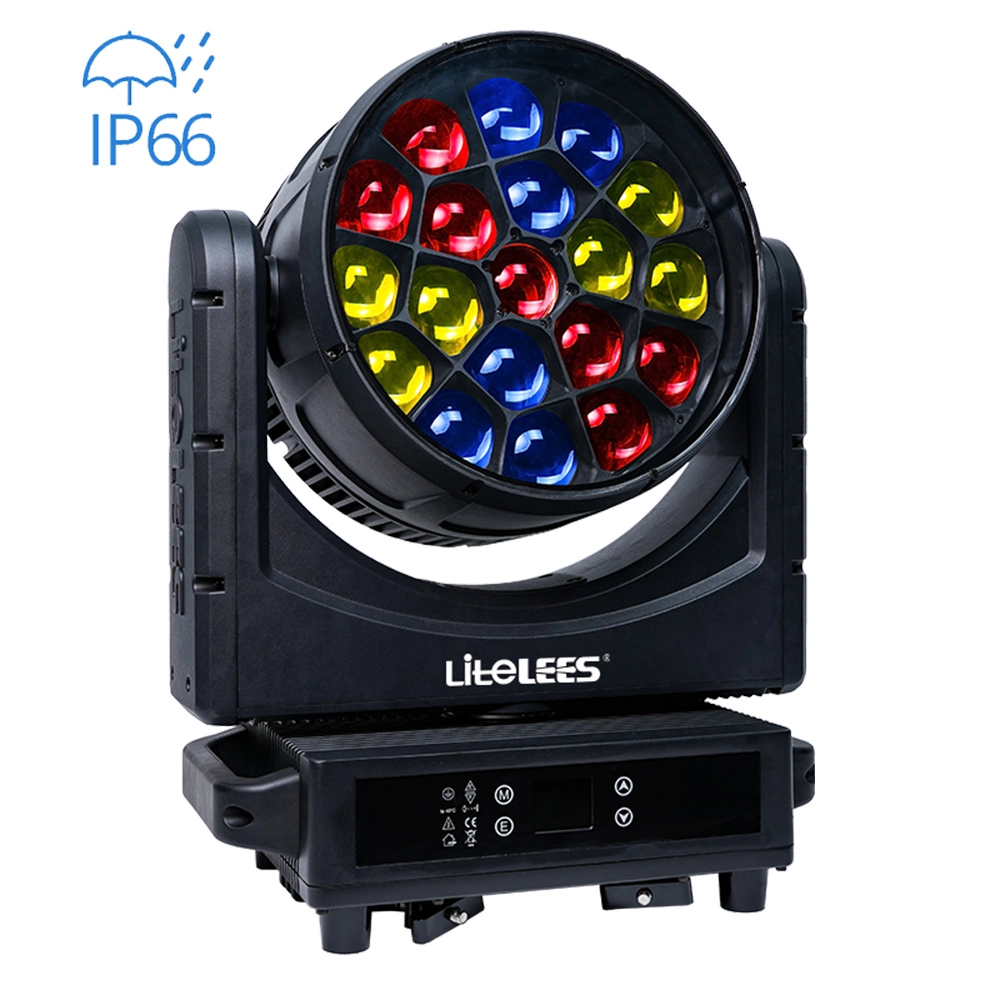
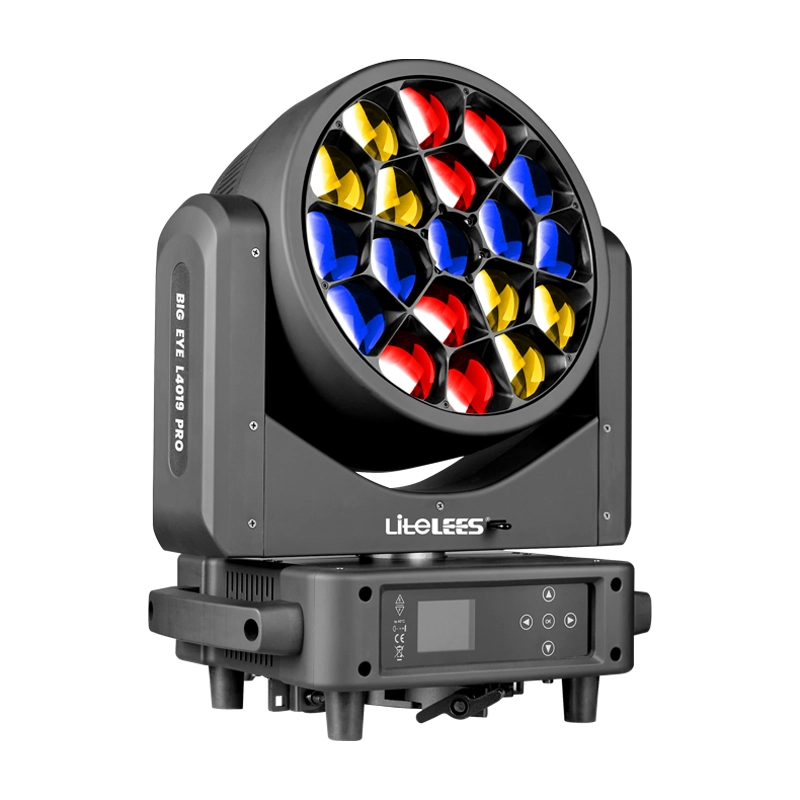
BIG EYE L4019 IP
Want to get more up-to-date news?
If you have any comments or good suggestions, please leave us a message; later our professional staff will contact you as soon as possible.

We are professional stage lighting manufacturers offering OEM and ODM LED stage lights.
Contact
Email us
Call us
Address
No.6 Longnan Road, Huashan Town, Huadu District Guangzhou, Guangdong Province, China.
LiteLEES Professional
Less Lighting