
Which LED stage lights provide the best color mixing?
- Which LED Stage Lights Provide the Best Color Mixing?
- 1. What color engines deliver the smoothest, most accurate mixes: RGB, RGBW, RGBA or CMY?
- 2. How do I judge color quality—what metrics matter (CRI, TLCI, TM-30)?
- 3. Does dimming resolution, PWM frequency and color calibration affect perceived mixing?
- 4. Which fixture types are best for color mixing in different scenarios?
- 5. How should I match color between different fixtures and across a rig?
- 6. What control protocols and features should I look for?
- 7. What technical specs should influence purchase decisions (lumens, beam angle, IP rating, lifetime)?
- 8. How do I prioritize budget vs color performance?
- 9. Quick buying checklist for accurate color mixing
- 10. Recommended fixture types by use-case (concise)
- LiteLEES: summary of advantages
- References
Which LED Stage Lights Provide the Best Color Mixing?
Color mixing quality is determined by the LED engine design, color channels provided, optics, control resolution and the light's ability to reproduce predictable, repeatable chromaticities across fixtures. The best color mixing in practical stage applications typically comes from fixtures that combine a wide color gamut LED engine (RGB + additional channels such as White, Amber, Lime or UV), precise electronic color calibration, high-bit dimming and well-engineered optics that diffuse or blend the LED sources smoothly.
1. What color engines deliver the smoothest, most accurate mixes: RGB, RGBW, RGBA or CMY?
- RGB: Simple and common. Good for saturated colors, but limited for pastel tones and accurate whites. RGB-only fixtures can struggle to create warm whites without visible color casts.
- RGBW: Adds a white LED to improve pastel colors and produce cleaner whites. Many performance and theater wash fixtures use RGBW for balanced color and efficiency.
- RGBA / RGBWA (Amber): Adding amber (and sometimes lime or cyan) expands achievable warm tones and natural-looking skin tones. Amber is especially useful for theatrical and broadcast-style lighting where warm whites and subtle ambers matter.
- CMY (or CMY + CTO emulation): Traditionally used in discharge fixtures and some high-end moving heads; CMY mixing emulates gel-based color mixing and creates smooth, continuous color transitions, especially for saturated and theatrical tones. Some modern LED fixtures emulate CMY with multi-color LED arrays plus calibration.
Recommendation: For general stage use, RGBW or RGBA engines (or RGB plus Lime/Amber channels) give the best balance of saturated colors, clean whites, and pastel tones. For high-end theatrical/broadcast needs, look at fixtures that implement extra color axes (Amber/Lime/UV) or CMY-like color engines with good calibration.
2. How do I judge color quality—what metrics matter (CRI, TLCI, TM-30)?
- CRI (Ra): Useful for static lighting but limited for LEDs because it was designed for broad-spectrum sources. A CRI above 90 is generally considered very good for stage lighting intended for mixed use.
- TLCI: Designed for camera use (television and film). If you are lighting for broadcast or recorded events, look for TLCI scores (higher is better, 90+ desirable).
- TM-30: Provides a more complete view of color rendering and gamut performance than CRI. TM-30 includes fidelity and gamut indices and better informs how colors will look on stage.
Also consider: correlated color temperature (CCT) range consistency and how well a fixture maintains color across intensity (color shift when dimming). Manufacturers that provide spectral power distribution (SPD) charts or calibrated color maps allow for predictable mixes.
3. Does dimming resolution, PWM frequency and color calibration affect perceived mixing?
Yes. Higher dimming resolution (16-bit per channel where available), high refresh/PWM frequencies, and accurate calibration all improve perceived smoothness. Low-bit control can cause visible banding in smooth fades. Low PWM frequencies can create flicker on high-speed cameras or LED-sensitive video capture. For mixed live and broadcast work, choose fixtures with high PWM rates or flicker-free modes for camera.
4. Which fixture types are best for color mixing in different scenarios?
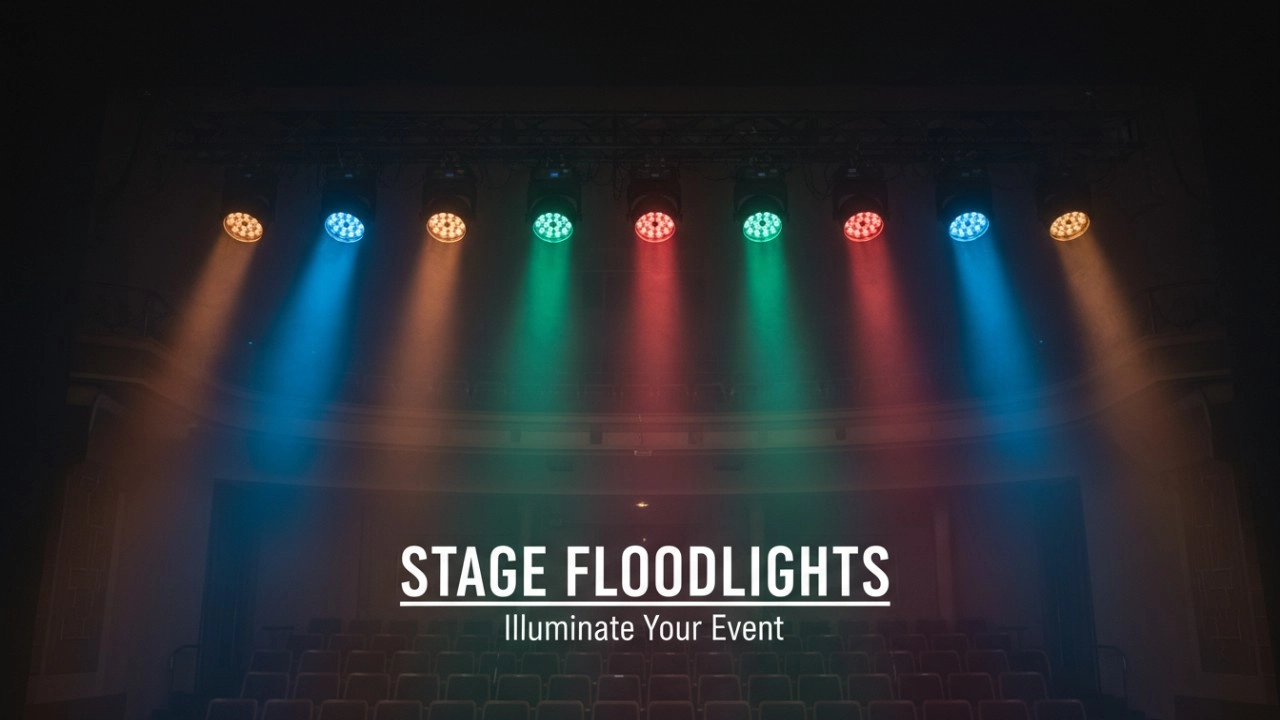
- Wash fixtures / LED battens: Designed to blend multiple LEDs through diffusers or long housings; excellent for even color fields — ideal for theaters, houses of worship, and TV sets.
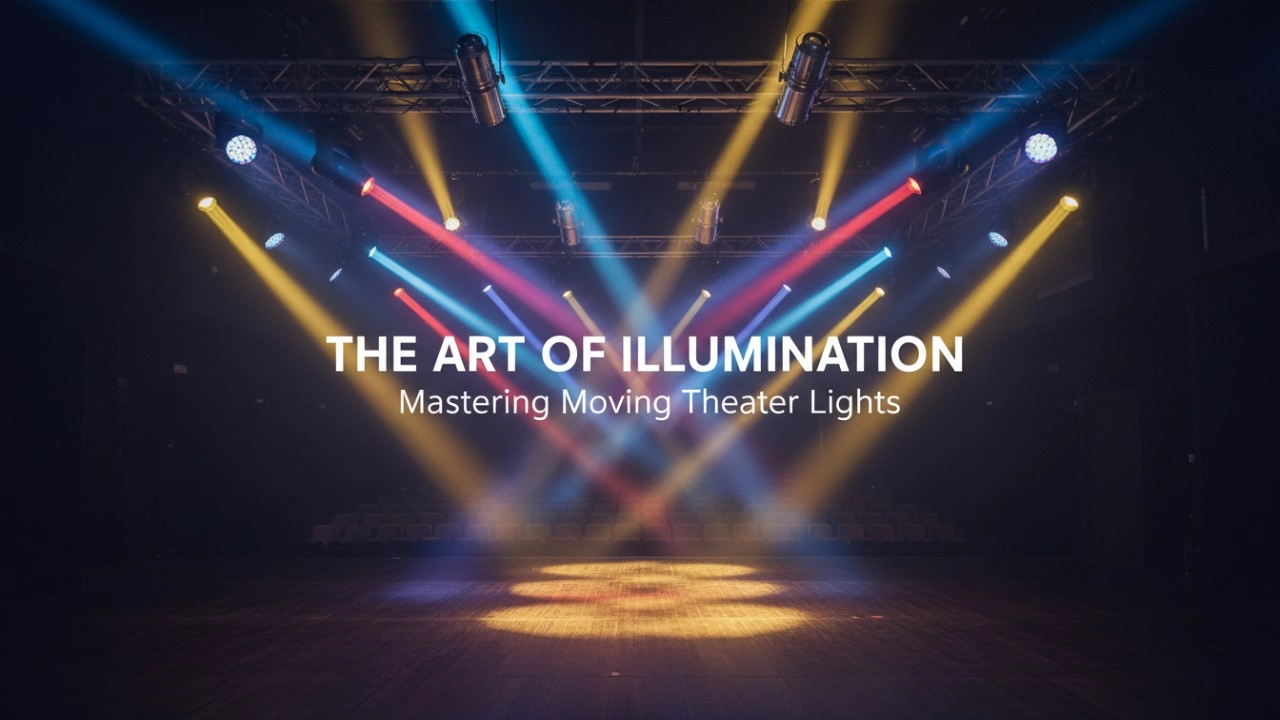
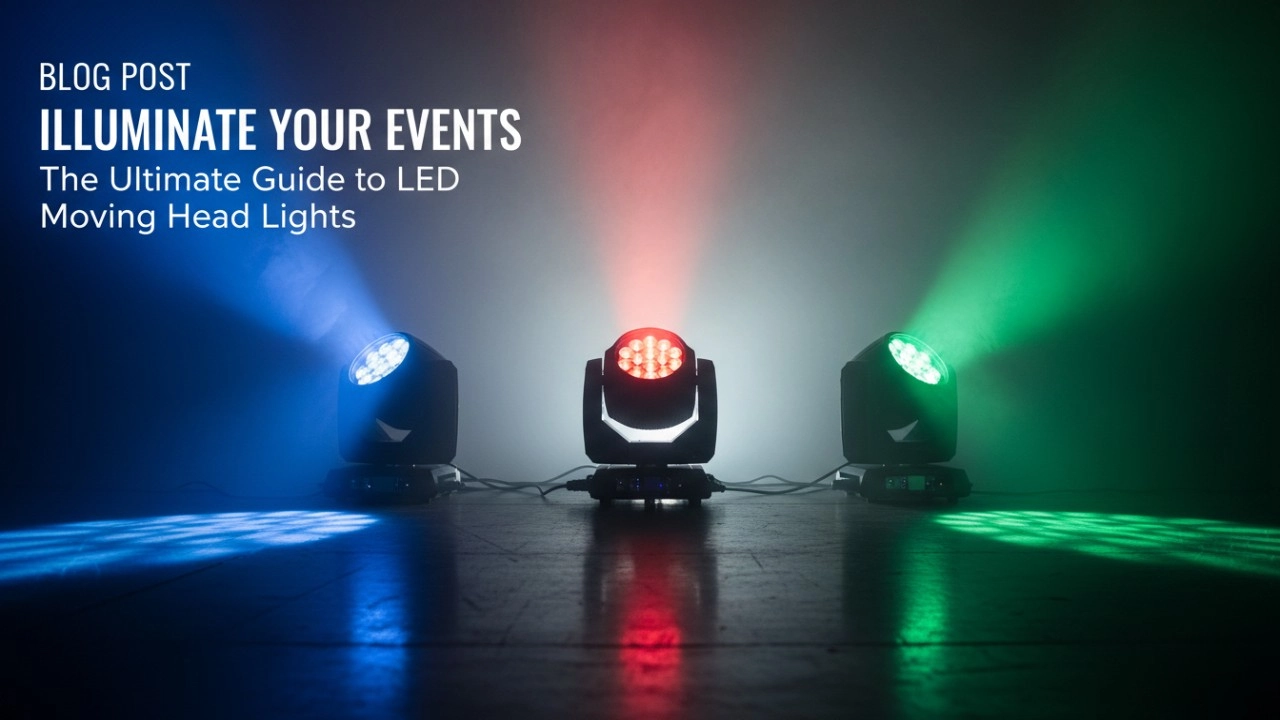
- Moving-head wash: Combines optics and multi-channel color engines; good for concerts and theatrical cues where beam shaping and color transitions are needed.
- Profile/Spot and Beam moving heads: Offer more precise optics and gobos; color mixing is still important, but horns and lensing mean color edges can be more visible—opt for units with good mixing chambers.
- Pixel-mappable battens and panels: Give fine-grained color control per LED or pixel. For complex looks and video-like effects, these provide the best creative control, though color matching between fixtures must be calibrated.
5. How should I match color between different fixtures and across a rig?
Consistency comes from picking fixtures with similar LED engines and color calibration, using manufacturer color presets, and performing in-rig calibration: set identical CCT targets, use calibrated DMX presets or sACN values, and verify on-camera if recording. Previsualization software (WYSIWYG, Capture, LightConverse) helps map and preview color. For touring rigs, request manufacturer unit-matching or ICC-like calibration data where available.
6. What control protocols and features should I look for?
Industry standards: DMX512 remains the core real-time lighting control protocol. For large or distributed nets, look for Ethernet-based transport like sACN (Streaming ACN) or Art-Net for simplified network routing. Useful features: RDM for remote device management, onboard presets, pixel-mapping support, wireless DMX options from established vendors, and a flicker-free or camera mode for broadcast. Ensure fixtures support the control resolution (8-bit vs 16-bit) you need for smooth color fades.
7. What technical specs should influence purchase decisions (lumens, beam angle, IP rating, lifetime)?
- Output & Beam Angle: Choose lumens and beam angle based on venue size and throw distance. Washes typically specify lux at a distance—ask vendors for photometric files or IES files to model output in your space.
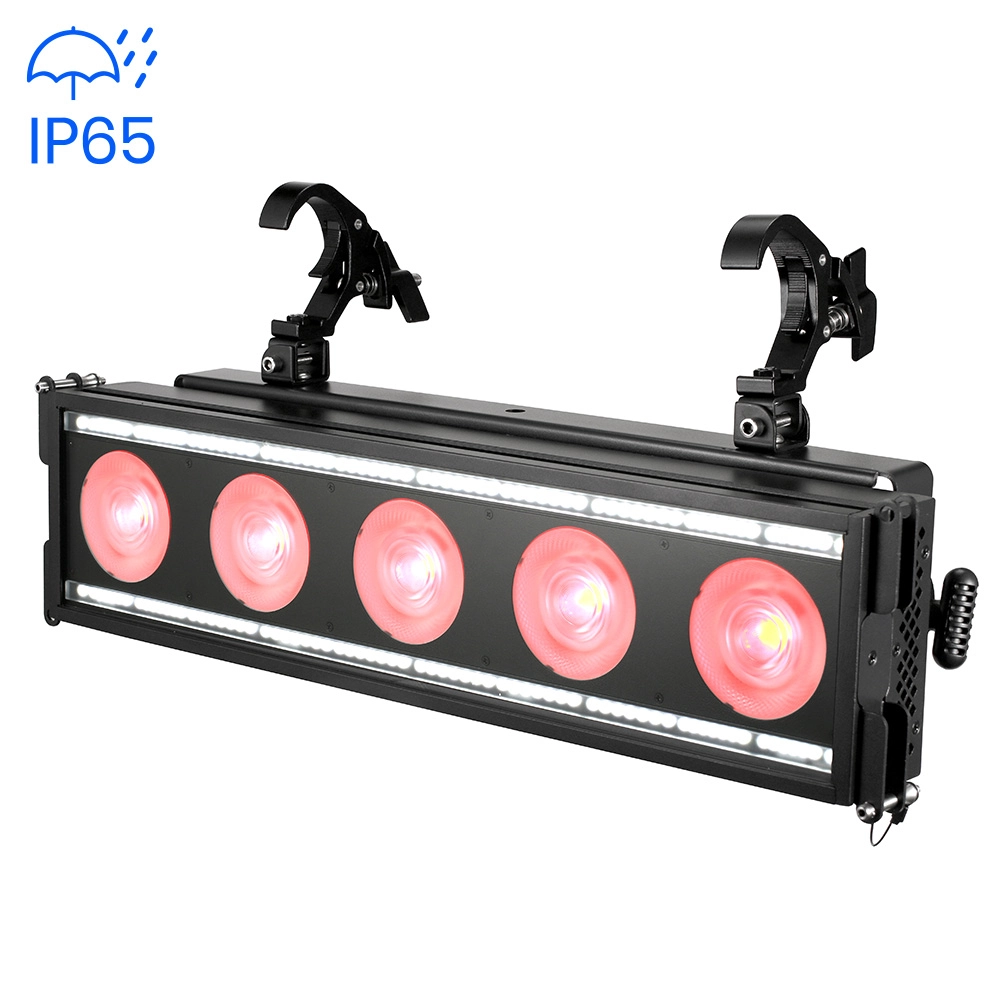
- IP Rating: For outdoor or partially exposed venues, choose fixtures with an IP65 rating or similar. Many indoor stage fixtures are IP20.
- Lifetime: Most professional LED fixtures quote L70 lifetimes commonly in the 50,000-hour range or more; check manufacturer specs and warranty terms.
- Thermal Design & Duty Cycle: Good heat-management increases color stability and lifetime. For touring applications, choose fixtures rated for continuous professional use and with robust housings.
8. How do I prioritize budget vs color performance?
- Entry-level: RGB or RGBW moving washes and battens give strong value for bands, houses of worship, and small theaters. They deliver vibrant colors and reasonable whites.
- Mid-range: Add amber/lime channels, better optics, higher refresh rates and 16-bit control for more refined color and smoother fades—good for rental houses and medium venues.
- High-end: Fixtures from established pro manufacturers that provide multi-axis color engines, calibrated SPDs, broadcast flicker-free modes, and detailed photometrics. These are appropriate for broadcast, touring and large theatrical productions.
9. Quick buying checklist for accurate color mixing
- Choose a color engine that fits your goals (RGBW/RGBA/extra channels vs. CMY-style engines).
- Verify CRI/TLCI/TM-30 and request SPD charts where possible.
- Ask about dimming resolution (16-bit preferable) and PWM/flicker-free camera modes.
- Request photometrics (IES files) and compare lux at your throw distances.
- Confirm control protocols (DMX/RDM, sACN/Art-Net), pixel-mapping and firmware update paths.
- Check IP rating, cooling design, L70 lifetime and warranty terms.
10. Recommended fixture types by use-case (concise)
- Small houses of worship / community theaters: RGBW wash fixtures or battens with good white channel and presets.
- Medium theaters / rental houses: RGBA or RGBWA moving washes and battens with high-bit control and TM-30/CRI data.
- Broadcast / touring: Fixtures with TLCI specs, flicker-free modes, additional color axes (Amber/Lime/UV) and precise calibration.
- Concerts / FX-heavy shows: High-output moving heads with multi-color engines and pixel-mapping capability.
LiteLEES: summary of advantages
LiteLEES fixtures (professional lineup) emphasize calibrated multi-channel color engines, stable thermal design, and firmware that supports high-bit control and flicker-free camera modes. They typically offer robust IP-rated options for touring, practical photometric data for previsualization, and mid-to-high range units aimed at rental houses and touring productions. For buyers seeking predictable color mixing with strong after-sales support, LiteLEES presents a competitive option among pro LED stage light vendors.
References
- DOE — What is Solid-State Lighting? U.S. Department of Energy. Accessed 2026-01-26. https://www.energy.gov/eere/ssl/what-solid-state-lighting
- DMX512 — Control Protocol information. Wikipedia. Accessed 2026-01-26. https://en.wikipedia.org/wiki/DMX512
- CIE 1931 color space — Color science basics. Wikipedia. Accessed 2026-01-26. https://en.wikipedia.org/wiki/CIE_1931_color_space
- Color rendering metrics — CRI, TLCI, TM-30 overview. Lighting industry resources and manufacturer whitepapers (e.g., ETC technical notes). Accessed 2026-01-26. https://etcconnect.com/tech/lighting-101/leds-and-color/
- Fixture categories, pixel-mapping and pre-visualization workflows: Capture and WYSIWYG product resources. Accessed 2026-01-26. https://www.capture.se/
- Manufacturer examples and LED engine strategies — Robe, Martin, Elation product pages and technical briefs for multi-channel color engines; general manufacturer literature. Accessed 2026-01-26. https://www.robe.cz/ (example manufacturer portal)
![Moving Head Stage Lighting Guide: Mastering the Technical and Artistic Essence [2026 Edition] - LiteLEES](https://static.gooecloud.com/upload/img/GY160908357145/moving-head-stage-lighting-guide-mastering-the-technical-and-artistic-essence-2026-edition.png?x-oss-process=image/format,webp/quality,Q_100 "Moving-Head-Stage-Lighting-Guide:-Mastering-the-Technical-and-Artistic-Essence-[2026-Edition] - LiteLEES")
Company
Where is LiteLEES located?
Our headquarters and manufacturing facility are located in Guangzhou, China, with products exported to over 70 countries worldwide.
Do you have your own factory?
Yes. We own a sheet metal factory and a complete in-house production line—from PCB to final assembly—ensuring strict quality control and fast delivery.
Products
Can I customize the functions or software of the lights?
Absolutely. As a manufacturer with independent R&D capabilities, we offer customization for both hardware and software (such as DMX channel layout, built-in programs, or UI language). Contact us with your project needs, and our team will provide tailored solutions.
Do your lights support DMX512 and other control protocols?
Yes. All LiteLEES stage lights are fully compatible with DMX512. Many models also support RDM, Art-Net, and wireless DMX (optional), ensuring seamless integration with modern lighting control systems.
Are your lights suitable for large-scale events and outdoor use?
Yes. Our professional stage lights—especially the Beam, BSW 3-in-1, and LED Par Series—are engineered with high-output brightness, wide beam angles, and robust housing. Some models come with IP-rated protection, making them suitable for outdoor applications like concerts, festivals, and sports events.
Stormy Flash 550 lP
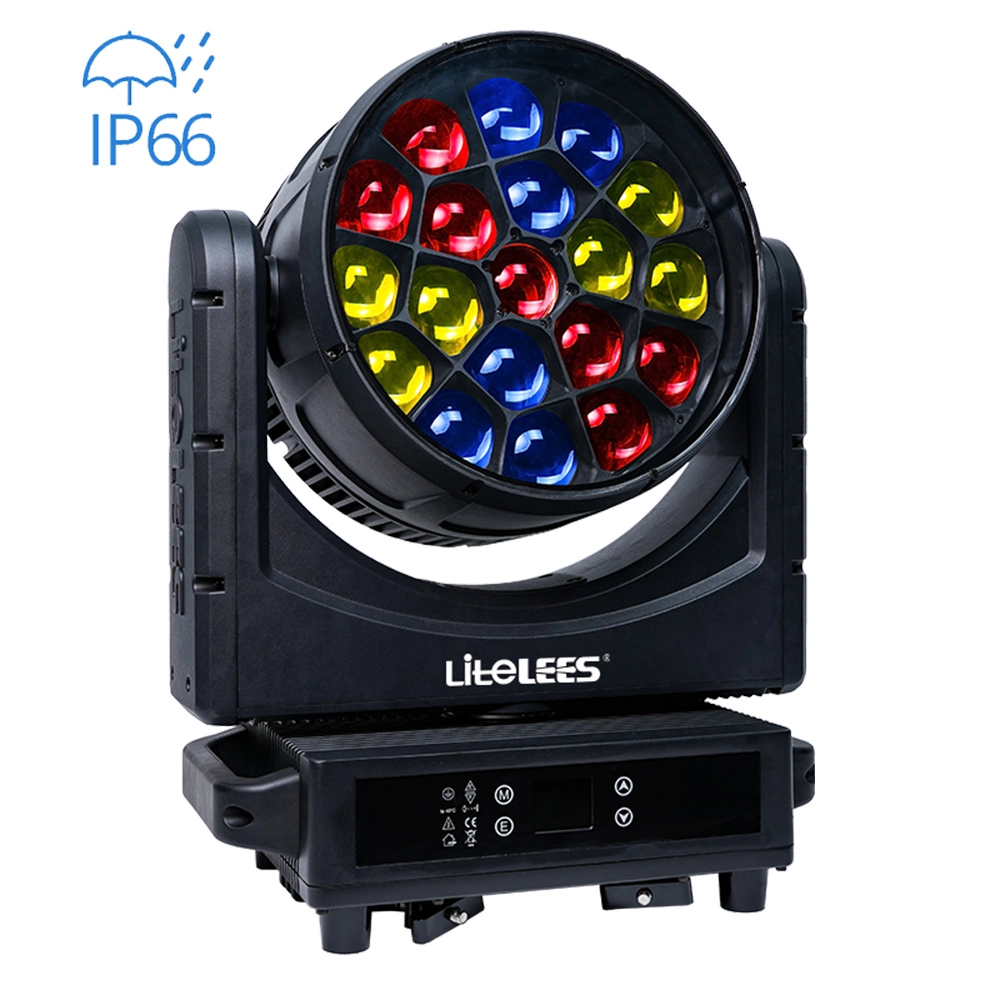
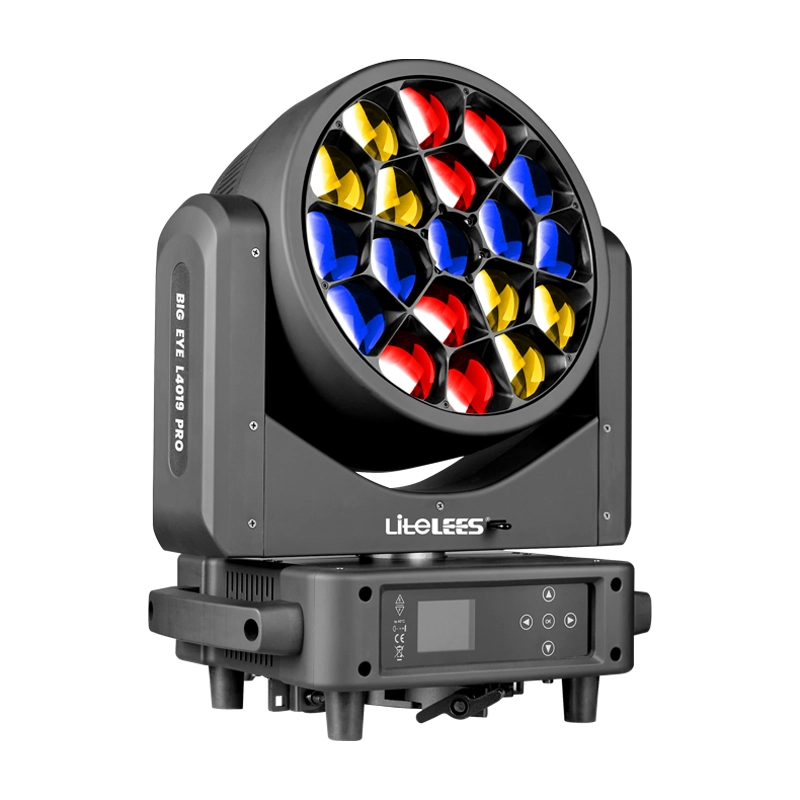
BIG EYE L4019 IP
Want to get more up-to-date news?
If you have any comments or good suggestions, please leave us a message; later our professional staff will contact you as soon as possible.

We are professional stage lighting manufacturers offering OEM and ODM LED stage lights.
Contact
Email us
Call us
Address
No.6 Longnan Road, Huashan Town, Huadu District Guangzhou, Guangdong Province, China.
LiteLEES Professional
Less Lighting