
Guía de equipos de iluminación para conciertos de 2026: Diseño y equipamiento de escenario profesional
Una guía completa de 2026 sobre equipos de iluminación para conciertos profesionales, que cubre accesorios esenciales, sistemas de control DMX, seguridad de aparejos y tendencias emergentes de inteligencia artificial para el diseño de escenarios.
- ¿Cuál es el equipo de iluminación esencial para un concierto?
- Luminarias de iluminación básicas: los componentes básicos de un espectáculo
- Control y distribución de señales
- Tendencias 2026: IA y sostenibilidad en la iluminación de conciertos
- Lista de verificación de configuración experta y errores comunes
- Preguntas frecuentes
- ¿Cuál es la iluminación más importante para un concierto pequeño?
- ¿Cuánto cuesta un equipo de iluminación profesional para conciertos?
- ¿Necesito un controlador DMX para las luces de concierto?
- ¿Cuál es la diferencia entre un foco y una luz de lavado?
- ¿Cómo colgar luces de concierto de forma segura?
- ¿Qué es un Gobo en la iluminación de conciertos?
- ¿Es confiable el DMX inalámbrico para grandes conciertos?
- ¿Cómo elijo la iluminación adecuada para el tamaño de mi lugar?
- Referencias
En el exigente mundo de las presentaciones en vivo, la diferencia entre un concierto de una banda de garaje y una producción profesional de gira a menudo se reduce a un elemento: la iluminación. A medida que nos acercamos a 2026, la industria está experimentando un cambio masivo hacia...luminarias de iluminación de escenario inteligentesy sistemas automatizados que permiten incluso a equipos pequeños crear espectáculos a nivel de estadio. Esta guía detalla el equipo esencial, los protocolos de control y las normas de seguridad requeridas para el diseño de conciertos modernos.
¿Cuál es el equipo de iluminación esencial para un concierto?
El equipo de iluminación para conciertos consta de accesorios especializados, consolas de control y hardware de aparejo que se utilizan para iluminar presentaciones en vivo y lograr visibilidad y efecto artístico.En 2026, un equipo profesional estándar integra cabezas móviles inteligentes, luces LED wash y efectos atmosféricos, todos sincronizados a través de un protocolo digital central.
Para construir un sistema de iluminación escénico funcional, se deben equilibrar tres categorías principales: iluminación (ver al artista), atmósfera (sentir el ambiente) e infraestructura (mantener la seguridad). Las instalaciones modernas dependen en gran medida de LED de bajo consumo, cuyos datos...Equipo de iluminación de escenarioIndica que puede reducir el consumo de energía hasta en un 80 % en comparación con las bombillas halógenas tradicionales. Esta eficiencia permite a los recintos utilizar más luces en menos circuitos, una ventaja crucial para las producciones en gira.
Los componentes esenciales incluyen:
- Partidos principales: Luces LED de lavado y hazDiseñado para lograr saturación de color y efectos aéreos nítidos.
- Sistemas de control: Sistemas de control DMX512o interfaces de software que actúan como el "cerebro" del espectáculo.
- Hardware de soporte: Herrajes para aparejos de conciertos, incluyendo estructuras, abrazaderas y cables de seguridad para montaje en altura.
- Conectividad:Cables de datos (XLR) y unidades de distribución de energía (PDU) para vincular el sistema.
- Interferencias:Máquinas de niebla para crear las partículas necesarias para que los rayos de luz sean visibles.
Luminarias de iluminación básicas: los componentes básicos de un espectáculo
Las luminarias principales son las unidades específicas que generan luz, clasificadas por su capacidad de movimiento y ángulo de haz.El estándar de la industria ha cambiado casi por completo hacia dispositivos "inteligentes" o "automatizados" que pueden cambiar de color, posición y enfoque de forma remota.
Si bien las luces estáticas tradicionales (lámparas PAR) todavía se utilizan para el lavado general, el mercado está dominado por cabezas móviles versátiles. Según un análisis de mercado reciente dePerspectivas sobre el crecimiento globalSe proyecta que el mercado de la iluminación para el entretenimiento supere los 3300 millones de dólares para 2026, impulsado principalmente por la demanda de estas versátiles luminarias automatizadas. Comprender las distintas funciones de estas luces es crucial para diseñar una experiencia visual cohesiva.
Los tipos de accesorios clave incluyen:
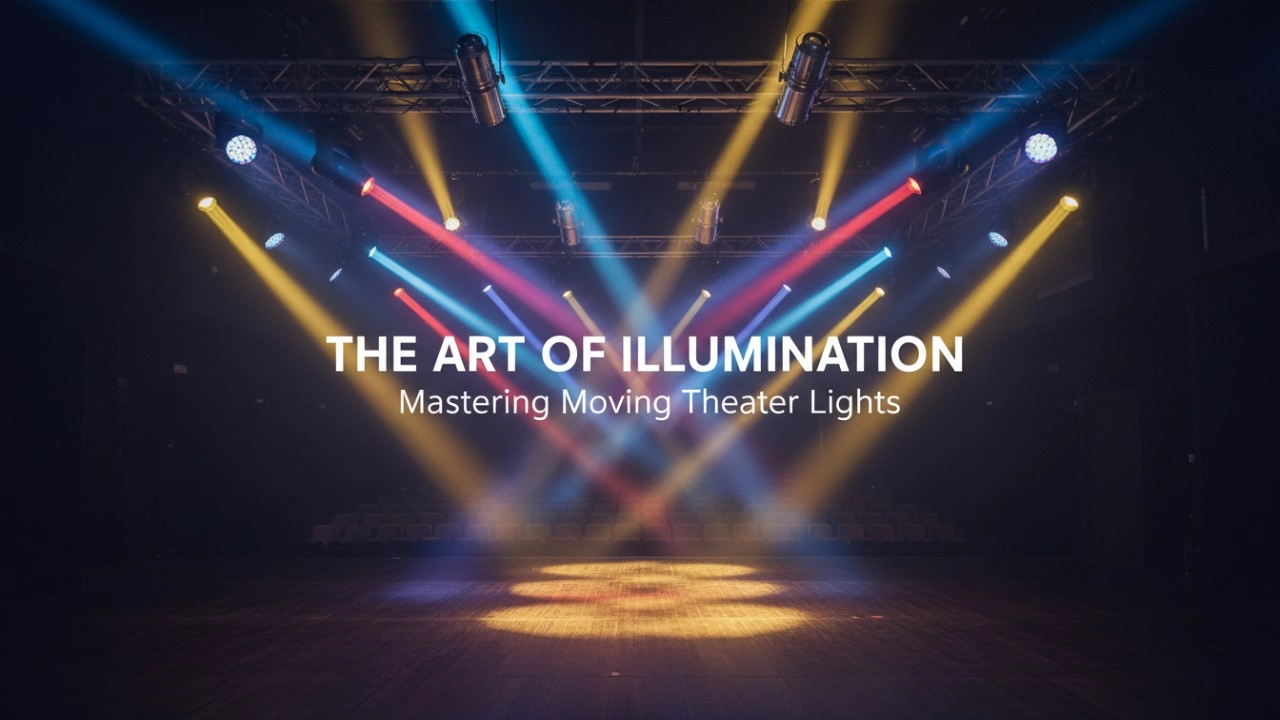
- Focos de cabeza móvil:Luminarias de bordes afilados utilizadas para proyección de gobos (patrones), iluminación de artistas y creación de texturas aéreas.
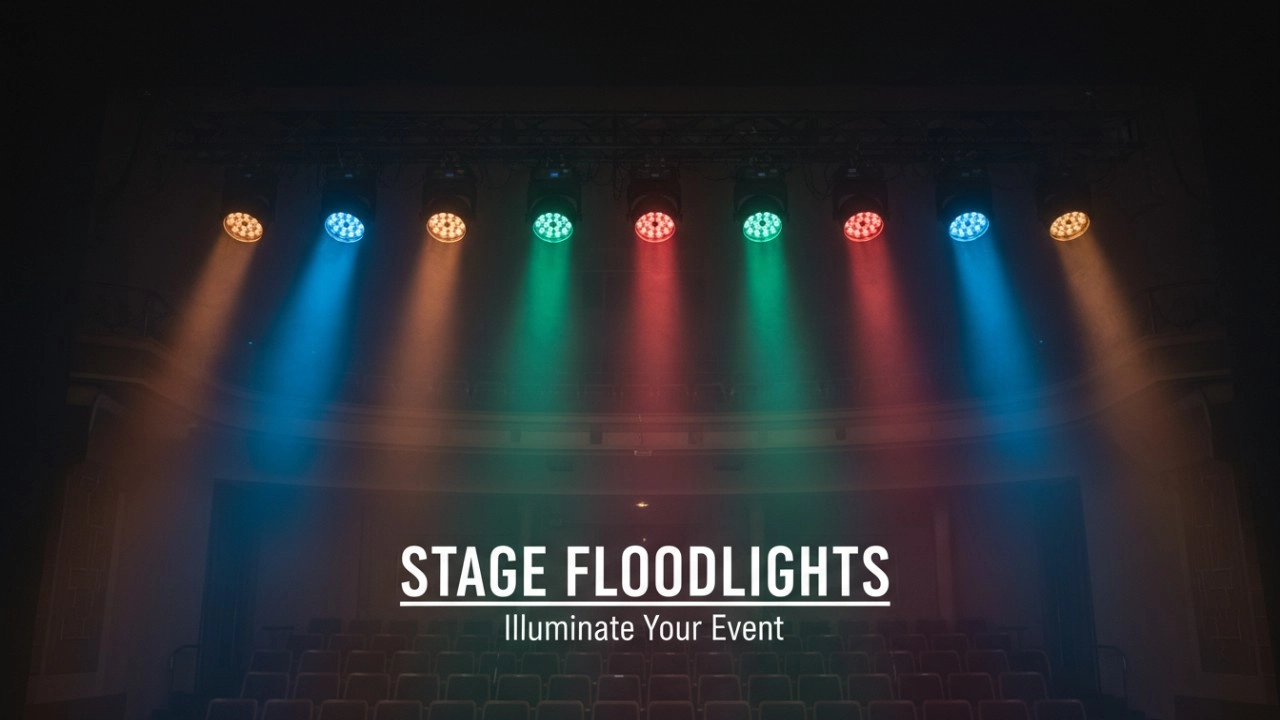
- Cabezales móviles wash:Luces de bordes suaves que inundan el escenario de color, mezclándose perfectamente para cubrir grandes áreas sin sombras duras.
- Luminarias de vigas:Luces especializadas con ángulos extremadamente estrechos (a menudo inferiores a 5 grados) diseñadas para atravesar entornos de escenarios brillantes y lograr efectos de alto impacto.
- Accesorios híbridos:Unidades avanzadas que combinan funciones de foco, lavado y haz en un solo chasis, ofreciendo máxima versatilidad para equipos más pequeños.
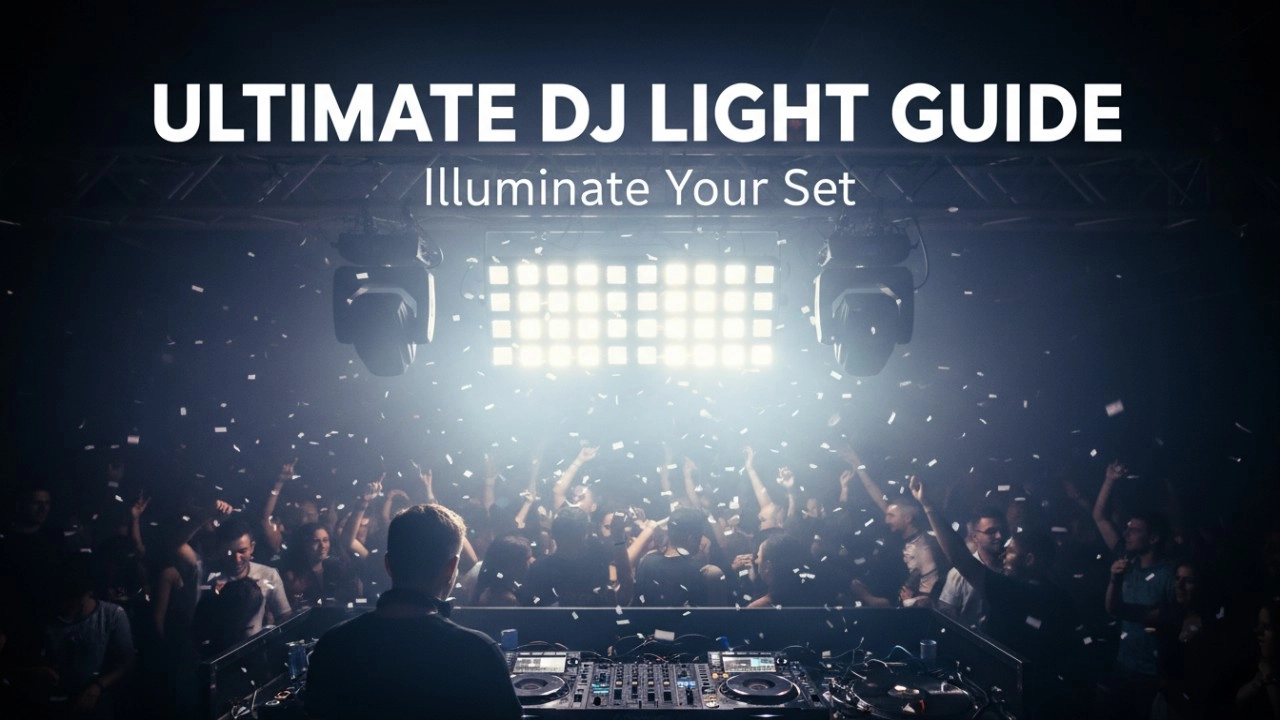
- Anteojeras y luces estroboscópicas:Alta intensidadluminarias de iluminación de escenario inteligentesSe utiliza para la iluminación de la audiencia y para los acentos rítmicos durante los picos musicales.
Control y distribución de señales
El control y la distribución de señales se refieren al hardware y los protocolos utilizados para enviar instrucciones desde el diseñador de iluminación a las luminarias.El lenguaje universal para esta comunicación es DMX512 (Multiplex Digital), que permite que una consola controle parámetros específicos como atenuación, color y movimiento horizontal y vertical para cada luz del escenario.
En un entorno profesional, la fiabilidad es primordial. Una caída de señal significa un apagón. Si bien las conexiones por cable siguen siendo la norma,controladores DMX inalámbricoshan visto mejoras masivas en la confiabilidad. Informes deLumenRadioyTeatro MussonDestacar que los sistemas inalámbricos modernos que utilizan los espectros de 2,4 GHz y 900 MHz son ahora lo suficientemente confiables para grandes espectáculos en gira, eliminando kilómetros de cableado de cobre.
Las configuraciones de control estándar implican:
- Consolas de hardware:Mesas dedicadas (por ejemplo, MA Lighting, Avolites) que ofrecen faders y botones táctiles para tocar en la calle rápidamente y en tiempo real.
- Interfaces basadas en PC:Soluciones de software que convierten la salida USB de una computadora portátil en señales DMX, ideales para espectáculos preprogramados con código de tiempo.
- Universos DMX:Un único universo DMX controla 512 canales. Los espectáculos de gran tamaño suelen requerir múltiples universos para gestionar la cantidad de canales de las luminarias LED con mapeo de píxeles.
- RDM (Administración remota de dispositivos):Un protocolo que permite que la consola "responda" a las luces, verificando las horas de la lámpara y los códigos de error de forma remota.
Tendencias 2026: IA y sostenibilidad en la iluminación de conciertos
Las tendencias dominantes para 2026 son la integración de Inteligencia Artificial (IA) para la sincronización en tiempo real y la adopción en toda la industria de equipos sustentables con clasificación IP.La iluminación ya no es un elemento estático sino que se convierte en un socio reactivo del espectáculo.
Las herramientas de IA están revolucionando la programación de espectáculos. Un nuevo software puede analizar secuencias de audio en tiempo real, detectando transitorios de batería y aumentos de voz para activar automáticamente las señales de iluminación. Esta "iluminación generativa" reduce la carga de trabajo de los operadores y garantiza una sincronización perfecta. Simultáneamente, la sostenibilidad impulsa los cambios en el hardware. Los fabricantes priorizan la certificación IP65 (resistencia a la intemperie) para todo el equipo, lo que reduce la necesidad de fundas de plástico desechables para la lluvia en festivales al aire libre.
Innovaciones clave a tener en cuenta:
- Sincronización impulsada por IA:Sistemas que "escuchan" la música para generar complejos espectáculos de luces sobre la marcha sin programación manual.
- Ecoeficiencia:Matrices LED de alto rendimiento que rivalizan con las lámparas de descarga de 1200 W y consumen una fracción de la energía.
- Integración virtual:Protocolos de Realidad Extendida (XR) que sincronizan las luces físicas del escenario con fondos digitales para las audiencias de transmisión en vivo.
- Ecosistemas inalámbricos de batería:Configuraciones completamente sin cables que utilizan bateríasLuces LED de lavado y hazemparejado concontroladores DMX inalámbricos.
Lista de verificación de configuración experta y errores comunes
Una lista de verificación de instalación profesional garantiza la seguridad de la tripulación, la integridad del equipo y la estabilidad de la infraestructura eléctrica.Saltarse estos pasos es la causa principal de fallos técnicos e incidentes de seguridad durante eventos en vivo.
La seguridad es la prioridad absoluta.Herrajes para aparejos de conciertosdeben inspeccionarse periódicamente. Según las normas publicadas porESTA(Asociación de Servicios y Tecnología de Entretenimiento), los puntos de anclaje y los motores deben someterse a inspecciones anuales para evitar fallos catastróficos. Además, una gestión adecuada de la energía es fundamental; la sobrecarga de un circuito puede silenciar todo el escenario al instante.
Siga esta lista de verificación previa al espectáculo:
- Cálculo de potencia:Sume la potencia total de todos los accesorios y asegúrese de que no exceda el 80 % de la capacidad del circuito (el espacio libre es seguridad).
- Cableado de seguridad:Cada artefacto colgado en el aire debe tener un cable de seguridad de acero secundario unido a la armadura, no solo a la abrazadera principal.
- Parcheo de direcciones:Etiquete cada dispositivo con su dirección DMX y su ID de universo antes de colgarlo para evitar problemas en altura.
- Comprobación del flujo de señal:Pruebe la cadena DMX desde la consola hasta el último dispositivoanteslevantando la armadura.
- Gestión de la neblina:Asegúrese de tener un control de ventilación adecuado; la neblina excesiva puede activar las alarmas de incendio en lugares antiguos.
Preguntas frecuentes
¿Cuál es la iluminación más importante para un concierto pequeño?
El LED PAR es el punto de partida más versátil para proporcionar visibilidad y baño de color esenciales.A diferencia de los focos, que requieren precisión, los reflectores parabólicos aluminizados (PAR) cubren un área amplia, lo que garantiza que la banda sea visible incluso si se mueven. Un kit sencillo de 4 a 8 LED PAR puede iluminar un escenario pequeño completo.
¿Cuánto cuesta un equipo de iluminación profesional para conciertos?
Los kits de inicio comienzan en aproximadamente $500, mientras que los equipos para giras profesionales pueden superar los $100,000 dependiendo de la cantidad de dispositivos.Una cabeza móvil de alta calidad suele costar entre $1,500 y $5,000. Sin embargo, las casas de alquiler permiten que producciones más pequeñas accedan a equipos de alta gama por una fracción del precio de compra.
¿Necesito un controlador DMX para las luces de concierto?
Sí, aunque algunas luces tienen modos "Automáticos", se requiere un controlador DMX para espectáculos profesionales sincronizados. Sistemas de control DMX512le permite atenuar las luces entre canciones, cambiar colores al ritmo y centrar la atención en miembros específicos de la banda, funciones que son imposibles con los modos automáticos "activos por sonido".
¿Cuál es la diferencia entre un foco y una luz de lavado?
Las manchas tienen bordes afilados para los patrones; los lavados tienen bordes suaves para cubrir áreas grandes con color.Una luminaria spot utiliza lentes para enfocar el haz, lo que permite proyecciones de gobos y efectos aéreos definidos. Una luminaria wash utiliza una lente o difusor esmerilado para crear un haz de luz suave que se integra fácilmente con otras fuentes.
¿Cómo colgar luces de concierto de forma segura?
Las luces deben montarse en estructuras clasificadas utilizando abrazaderas en O y cables de acero de seguridad secundarios.Nunca fije una luz a un tubo o soporte que no sea adecuado para su peso. Siempre apriete bien la abrazadera principal y pase el cable de seguridad por el chasis de la luminaria y la estructura del truss.
¿Qué es un Gobo en la iluminación de conciertos?
Un gobo es una plantilla o esténcil que se coloca dentro de un dispositivo para proyectar formas, logotipos o texturas específicas."Gobo" significa "Go Between Optics" (Óptica de paso). Pueden ser de acero (para formas estáticas) o de vidrio (para imágenes complejas y coloreadas) y son esenciales para añadir textura a una escenografía.
¿Es confiable el DMX inalámbrico para grandes conciertos?
Los modernos sistemas DMX inalámbricos de 2,4 GHz y 5 GHz son muy confiables y ahora son estándar para muchos tours profesionales.Tecnologías como CRMX (Multiplexor de Radio Cognitivo) detectan interferencias y saltan frecuencias nanosegundos más rápido que el Wi-Fi, lo que las hace estables incluso en entornos concurridos.
¿Cómo elijo la iluminación adecuada para el tamaño de mi lugar?
Evalúe la distancia de proyección (distancia desde la luz hasta el escenario) y los circuitos de energía disponibles en la sala.Para distancias de proyección largas (más de 9 metros), se necesitan luminarias de haz o foco de alta potencia. Para clubes pequeños con techos bajos, las luces wash de gran angular son más efectivas y menos deslumbrantes para el público.
Referencias
Productos
¿Cuánto dura el período de garantía de sus productos?
Ofrecemos una garantía estándar de 1 año para todos nuestros productos, con opciones de garantía extendida disponibles a solicitud. Durante el período de garantía, ofrecemos soporte técnico gratuito y reemplazo de piezas en caso de daños no humanos.
¿Sus luces admiten DMX512 y otros protocolos de control?
Sí. Todas las luces de escenario LiteLEES son totalmente compatibles con DMX512. Muchos modelos también admiten RDM, Art-Net y DMX inalámbrico (opcional), lo que garantiza una integración perfecta con los sistemas de control de iluminación modernos.
¿Sus luces son adecuadas para eventos a gran escala y uso al aire libre?
Sí. Nuestras luces de escenario profesionales, especialmente las series Beam, BSW 3 en 1 y LED Par, están diseñadas con alta luminosidad, amplios ángulos de haz y una carcasa robusta. Algunos modelos cuentan con protección IP, lo que las hace ideales para exteriores como conciertos, festivales y eventos deportivos.
Compañía
¿Dónde se encuentra LiteLEES?
Nuestra sede y planta de fabricación se encuentran en Guangzhou, China, y exportamos productos a más de 70 países en todo el mundo.
¿Puede LiteLEES gestionar pedidos OEM/ODM?
Por supuesto. Gracias a nuestra sólida capacidad de I+D y a nuestra fabricación avanzada, podemos personalizar diseños, características y marca para satisfacer sus necesidades específicas.

IP de Stormy Shake Blinder
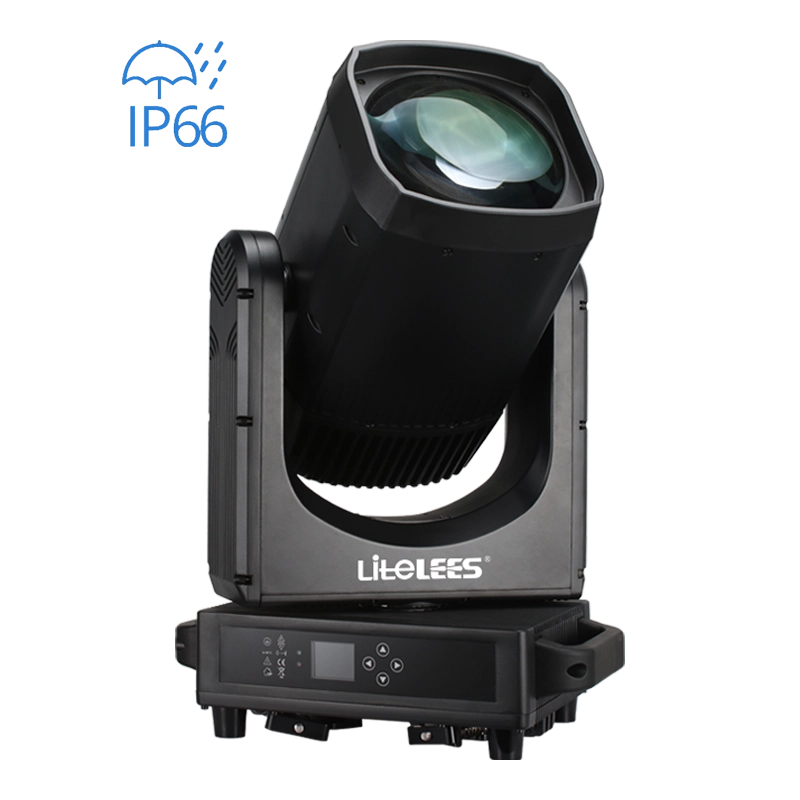
LiteLEES LUMIX BEAM 420 IP
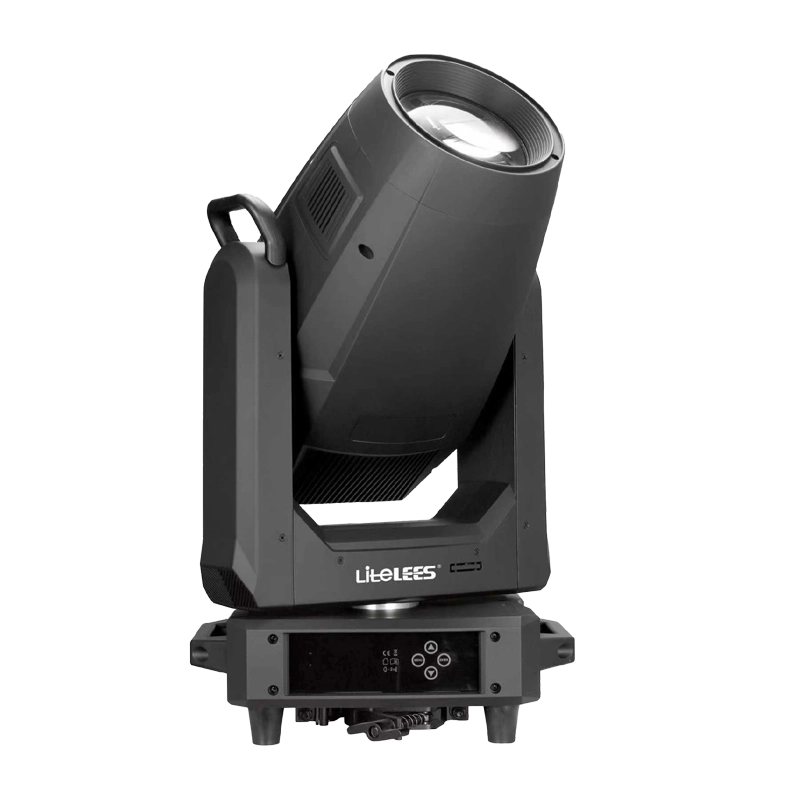
Perfil LP 900
¿Quieres recibir noticias más actualizadas?
Si tiene algún comentario o buena sugerencia, déjenos un mensaje; nuestro personal profesional se comunicará con usted lo antes posible.

Somos fabricantes profesionales de iluminación de escenario que ofrecemos luces de escenario LED OEM y ODM.
Contacto
Envíenos un correo electrónico
Llámanos
DIRECCIÓN
No.6 Longnan Road, ciudad de Huashan, distrito de Huadu, Guangzhou, provincia de Guangdong, China.
Copyright © 2026 LiteLEES . Todos los derechos reservados.
LiteLEES Profesional
Menos iluminación