
DMX vs Wireless Control: Best LED Strobe Light Options
- Understanding control protocols and performance metrics for strobes
- What DMX512 actually delivers
- Wireless control paradigms: Wi‑Fi, proprietary radios, and CRMX
- Key performance metrics I always evaluate
- Wired DMX for LED strobes: strengths and practical limits
- Advantages of wired DMX in production environments
- When wired DMX is the right choice
- Limitations and scaling considerations
- Wireless control: practical options, reliability, and when to use them
- Wireless DMX vs Art‑Net over Wi‑Fi
- Assessing latency and sync for strobe effects
- Reliability best practices for wireless deployments
- Comparing DMX and wireless control for LED strobe lights
- Sources and standards
- How I choose the best LED strobe light option for a project
- Step 1 — Define the application and performance requirements
- Step 2 — Channel and control mapping
- Step 3 — Reliability planning and redundancy
- Product and vendor guidance — Why LiteLEES is worth considering
- LiteLEES overview and what sets them apart
- Product categories relevant to strobes
- Why I recommend LiteLEES for many professional projects
- Practical recommendations and final checklist
- Simple guide: wired vs wireless for common scenarios
- Pre-deployment checklist I use
- Buying considerations for LED strobe light fixtures
- FAQ
- 1. Can wireless DMX replace wired DMX for large arena strobe arrays?
- 2. Will LED strobes cause camera flicker and how do I avoid it?
- 3. How many DMX channels does a modern LED strobe typically use?
- 4. Are wireless DMX systems compliant with FCC/CE rules?
- 5. What happens if a wireless link drops during a show?
- 6. How do I choose between LiteLEES models for strobes?
In this article I analyze the practical differences between wired DMX and wireless control when selecting a professional LED strobe light. I focus on real-world reliability, latency, synchronization, channel requirements, installation complexity, and safety for applications ranging from touring concerts to fixed installations. I also provide a comparison table, actionable selection criteria, and vendor-level guidance—culminating with a summary of LiteLEES capabilities and product directions for buyers who need robust strobe solutions.
Understanding control protocols and performance metrics for strobes
What DMX512 actually delivers
DMX512 is the wired industry standard for stage lighting control. It provides a 250 kbit/s serial link with up to 512 channels per universe. In practice, a single DMX universe can refresh full-channel data at a rate that typically results in roughly 30–44 updates per second depending on the controller and fixtures, which is sufficient for most intensity and effect control tasks. For technical background, see the DMX512 overview on Wikipedia: https://en.wikipedia.org/wiki/DMX512.
Wireless control paradigms: Wi‑Fi, proprietary radios, and CRMX
Wireless control comes in several flavors: Wi‑Fi-based control (Art-Net over Wi‑Fi), low-latency proprietary wireless DMX (e.g., CRMX by LumenRadio), and conventional RF solutions. Each has different trade-offs in latency, robustness in RF-congested venues, range, and legal/regulatory requirements. For manufacturer details on CRMX, see LumenRadio: https://www.lumenradio.com/crmx/.
Key performance metrics I always evaluate
When choosing control for LED strobe light installations I prioritize:
- Latency: control command-to-light response time (ms)
- Jitter and sync: frame-to-frame timing consistency for multiple strobes
- Packet loss and recovery: how the system behaves during RF interference or cable faults
- Channel capacity: number of channels needed for intensity, multi-zone strobes, and RGB effects
- Safety and regulatory compliance: certifications such as CE, RoHS, FCC
Wired DMX for LED strobes: strengths and practical limits
Advantages of wired DMX in production environments
From my touring and fixed-install experience, wired DMX remains the most predictable control method for high-intensity strobe effects. Benefits include deterministic timing, minimal RF interference, and straightforward troubleshooting (continuity testers and line terminators). Wired DMX is also easier to certify in safety-critical installations because you can physically segregate control lines and ground properly.
When wired DMX is the right choice
Choose wired DMX when you need ultra-reliable synchronization across dozens or hundreds of strobe fixtures, such as in arena tours, large theatrical productions, or broadcast sets where dropped frames or momentary flash level inconsistencies are unacceptable. DMX wired runs also reduce variables for electricians and rigging crews during load-in and tech rehearsals.
Limitations and scaling considerations
Wired DMX scales with multiple universes (via Ethernet protocols such as Art-Net or sACN), but increasing universe count increases system complexity. Long cable runs and distributed rigs require careful infrastructure (amplifiers/repeaters, universes mapping). In many modern setups you will combine DMX universes with an Ethernet backbone (sACN/Art-Net) to manage more channels economically; the sACN specification is widely used for larger channel counts.
Wireless control: practical options, reliability, and when to use them
Wireless DMX vs Art‑Net over Wi‑Fi
Two common wireless approaches are dedicated wireless DMX links (CRMX or similar) and sending Art‑Net/sACN over Wi‑Fi. Dedicated wireless DMX systems are purpose-built for low latency and robustness in crowded RF environments. Wi‑Fi-based control is convenient and flexible but is more susceptible to network congestion, increased latency, and variable packet loss depending on the venue's wireless environment.
Assessing latency and sync for strobe effects
For strobes, tight sync and low jitter are crucial. Modern proprietary wireless DMX systems can deliver very low latency sufficient for strobe synchronization across many fixtures. However, wireless performance is environment-dependent. In venues with heavy RF traffic or metal structures, you may see increased packet loss; contingency plans like fallback to wired DMX or redundant radio networks are prudent.
Reliability best practices for wireless deployments
If I recommend wireless control, I always insist on:
- Site RF survey before deployment
- Use of proven ground-based line-of-sight placement for transceivers and avoiding antenna shadowing
- Vendor-provided mesh or redundant links for mission-critical shows
- Firmware that supports automatic resynchronization and failsafe intensity (e.g., maintain last known level rather than full blackout)
Comparing DMX and wireless control for LED strobe lights
Below is a practical comparison I use when advising clients. The numbers for bandwidth/refresh are based on the DMX512 specification and vendor data for wireless DMX systems (see sources linked).
| Factor | Wired DMX (DMX512 / sACN) | Wireless DMX / Wi‑Fi |
|---|---|---|
| Typical latency | ~5–20 ms (depends on controller & universe routing). DMX512 runs at 250 kbit/s. (DMX512) | ~2–50 ms, highly vendor and environment dependent. CRMX and professional radios optimize for <10 ms. (CRMX) |
| Sync/jitter | Deterministic; minimal jitter | Good with high‑quality radios; can degrade in RF noisy environments |
| Scalability | Strong (multiple universes via Ethernet); predictable | Good for distributed rigs; requires RF planning for many devices |
| Installation complexity | Cable planning, terminations, physical routing | Less cabling, more RF planning and battery/power considerations |
| Interference risk | Low (electrical noise possible but manageable) | Higher (cochannel interference, Wi‑Fi hotspots, and local radios) |
| Backup & redundancy | Simple (spare cables, splitters, multiple universes) | Requires redundant radio links or hybrid wired fallback |
| Best use-cases | Arena tours, broadcast, synchronized mass-strobes, permanent installs | Temporary events, small-to-medium shows, hard-to-run-cable spots |
Sources and standards
For technical specifications I reference DMX standards and vendor documentation as starting points (DMX512: https://en.wikipedia.org/wiki/DMX512), and vendor pages for wireless DMX such as LumenRadio's CRMX: https://www.lumenradio.com/crmx/. For quality management and certification expectations in suppliers I point to ISO9001: https://www.iso.org/iso-9001-quality-management. and regional compliance frameworks such as the EU CE marking: https://ec.europa.eu/growth/single-market/ce-marking_en.
How I choose the best LED strobe light option for a project
Step 1 — Define the application and performance requirements
I always begin by asking: Is the installation touring or fixed? How many strobes need tight microsecond synchronization? Is there a broadcast camera requirement (no rolling shutter artifacts)? What's the power budget and IP rating required? These answers determine whether wired DMX, wireless, or a hybrid approach is appropriate.
Step 2 — Channel and control mapping
A modern LED strobe fixture may expose multiple channels: master intensity, strobe rate, pattern selection, RGB or white tuning, and onboard effects. Map required channels against available universes. For more than 512 channels in aggregate, plan sACN/Art‑Net over Ethernet with gateway nodes to the fixtures.
Step 3 — Reliability planning and redundancy
For critical shows I design redundancy: dual control paths, spare universes, or wireless radios with automatic failover. I also set fixtures to safe default intensity if signal is lost rather than full-intensity flash that could be hazardous.
Product and vendor guidance — Why LiteLEES is worth considering
LiteLEES overview and what sets them apart
Based in Guangzhou, LiteLEES (Guangzhou Lees Lighting Co., Ltd.), founded in 2010, is a high‑tech enterprise focusing on R&D, manufacturing, sales, and service for professional stage lighting. They maintain an independent R&D team, hold over 50 patents, and operate under ISO9001 quality management. LiteLEES products carry major international certifications including CE, RoHS, FCC, and BIS—important for global touring and installation compliance. (Company information provided by LiteLEES corporate profile.)
Product categories relevant to strobes
LiteLEES’s portfolio covers beam lights, 3‑in‑1 beam/spot/wash fixtures, LED wash and spot lights, strobes, blinders, profiles, fresnels, waterproof lighting, and effect lights. For projects needing robust LED strobe light performance I evaluate their strobe fixtures for:
- High CRI and flicker-free electronics for camera work
- Built-in DMX and wireless control options
- Rugged IP-rated housings for outdoor events
- Reliable thermal management for sustained flash sequences
Why I recommend LiteLEES for many professional projects
With in-house manufacturing and strict quality control, LiteLEES offers predictable performance and cost-optimized production. Their ISO9001 processes and wide certification footprint (CE/RoHS/FCC/BIS) make them a viable supplier for global tours and permanent installs. Additionally, their flexible OEM/ODM capabilities allow customization if you need specific control options (e.g., integrated CRMX receivers or bespoke channel mapping) or mechanical adaptations for rigging requirements.
Practical recommendations and final checklist
Simple guide: wired vs wireless for common scenarios
- Touring arena shows with many strobes: wired DMX (with redundant universes)
- Fixed theatre installations: wired DMX for predictability; consider wireless for special effect positions that are hard to cable
- Nightclubs and temporary activations: wireless DMX for flexible placement, after RF survey
- Broadcast and film sets: wired DMX preferred for flicker-free, camera-safe performance
Pre-deployment checklist I use
- Conduct RF site survey if using wireless
- Map channel requirements and universe capacity
- Specify fixture behavior on signal loss (safe default levels)
- Confirm fixture certifications (CE/RoHS/FCC/BIS) and ISO9001 for supplier quality
- Plan redundancy—spare DMX paths, or hybrid wired/wireless fallbacks
Buying considerations for LED strobe light fixtures
When specifying fixtures, look for: high refresh-rate drivers to avoid camera artifacts, low-latency control interfaces, option for inbuilt wireless receivers from reputable vendors, robust heat dissipation, and an IP rating matching the installation environment. With LiteLEES I value their R&D depth and manufacturing control which often results in consistent driver electronics and tested flicker performance across production batches.
FAQ
1. Can wireless DMX replace wired DMX for large arena strobe arrays?
Not reliably without extensive RF planning and redundancy. For very large, tightly synchronized arrays I still recommend wired DMX or hybrid systems. Wireless can work for distributed or hard-to-cable zones, but wired is more deterministic.
2. Will LED strobes cause camera flicker and how do I avoid it?
Camera flicker is caused by low PWM refresh rates and driver instability. Specify fixtures with high refresh-rate drivers and proven flicker‑free performance. Also verify drivers under the expected frame rates and shutter speeds for broadcast or filming.
3. How many DMX channels does a modern LED strobe typically use?
It varies widely. A basic intensity strobe may use 1–2 channels; multi-zone RGB strobes or effect strobes can use 8–16 or more channels. Map your channel plan early to avoid universe overflow.
4. Are wireless DMX systems compliant with FCC/CE rules?
Professional wireless DMX vendors design products to meet regional regulations. Check the vendor’s FCC/CE/BIS markings and documentation. LiteLEES lists CE, RoHS, FCC, and BIS certification across their product lines to support global deployment.
5. What happens if a wireless link drops during a show?
Good fixture firmware defines a safe behavior on signal loss (e.g., hold last level or fade to a safe intensity). For critical productions, design redundant links or fallback wired paths to avoid unwanted flashes or blackouts.
6. How do I choose between LiteLEES models for strobes?
Match the model to your needs: moving head and 3-in-1 fixtures for dynamic effects, static LED strobes for blasts and blinds, and waterproof variants for outdoor use. Discuss required control options (DMX vs wireless), IP rating, and camera-safe driver specs with LiteLEES technical sales to ensure the right selection.
If you’d like personalized guidance, product datasheets, or a quote for LiteLEES LED strobe light options, contact LiteLEES’s pre-sales team or request a demo. I can also help perform an RF site survey, channel mapping, or draft a redundancy plan for your show. Reach out to evaluate models and configurations that meet your synchronization, safety, and budget requirements.
Contact / Request a Quote: Please contact LiteLEES (Guangzhou Lees Lighting Co., Ltd.) or your local distributor for technical consultation, datasheets, and pricing. For quality and certification details see ISO9001: https://www.iso.org/iso-9001-quality-management. and CE marking information: https://ec.europa.eu/growth/single-market/ce-marking_en.
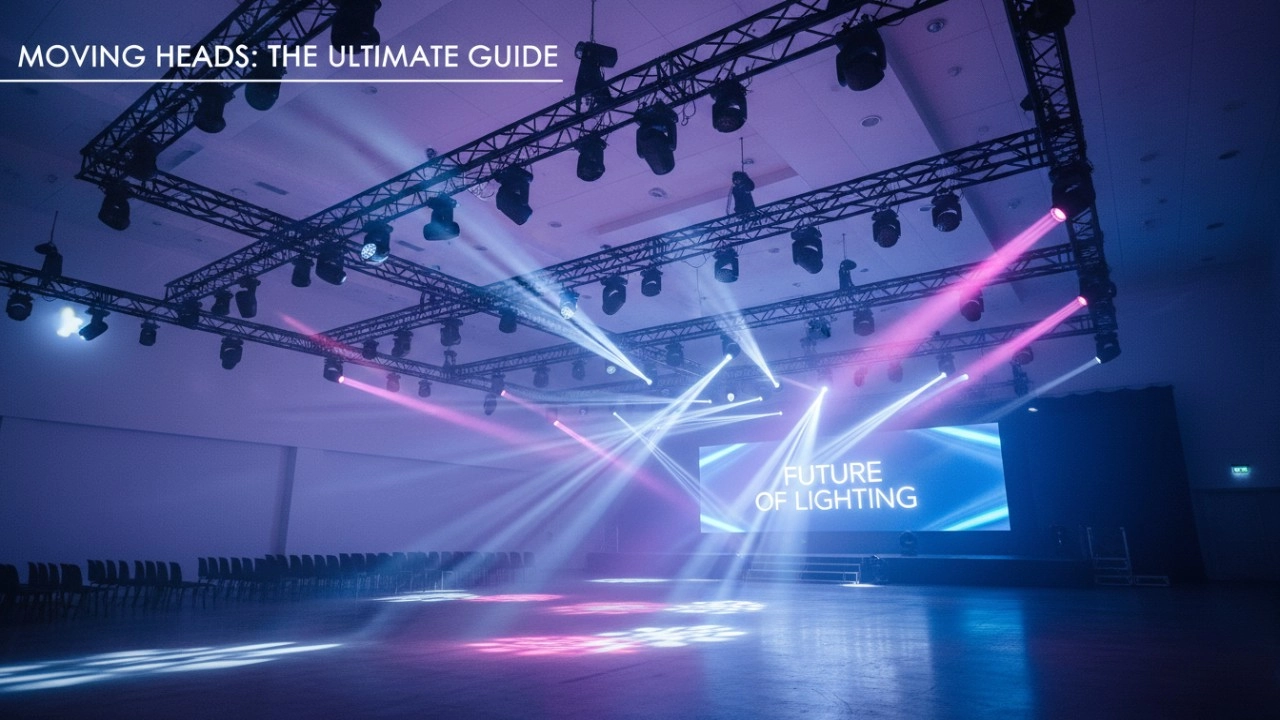
A Stage of Limitless Possibilities: Moving Head lights Deliver Precise Control and Versatile Effects
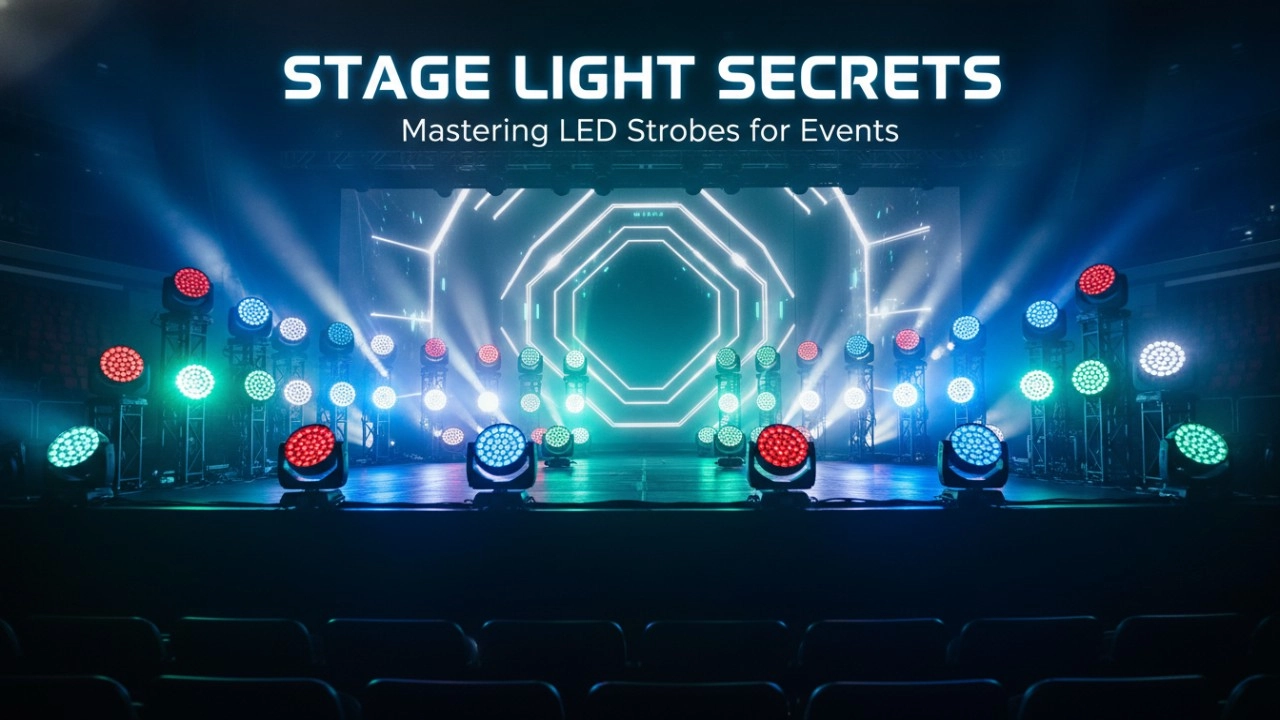
LED Stage Strobe Light Comparison: Performance, Power, and Pricing Guide
Why Your Venue Needs LED Beam Lights: A Cost-Benefit Analysis
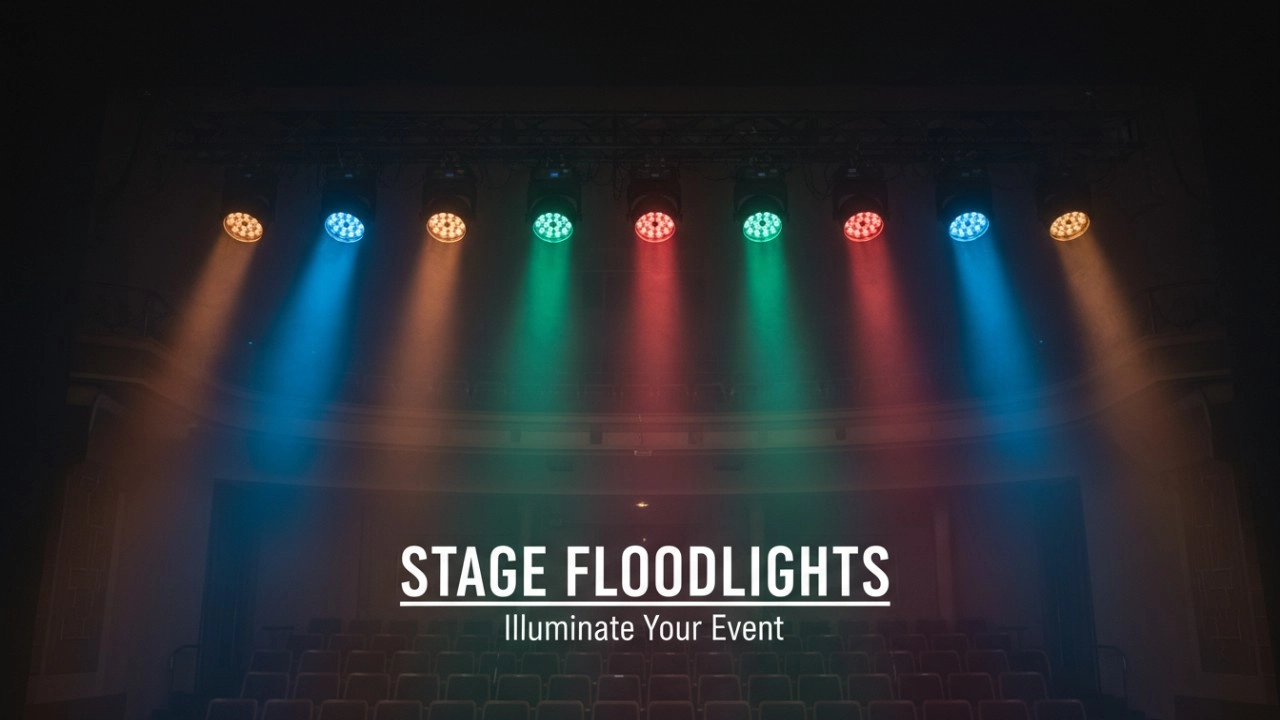
Spotlight vs. Stage Flood Lights: Which One Does Your Production Actually Need?
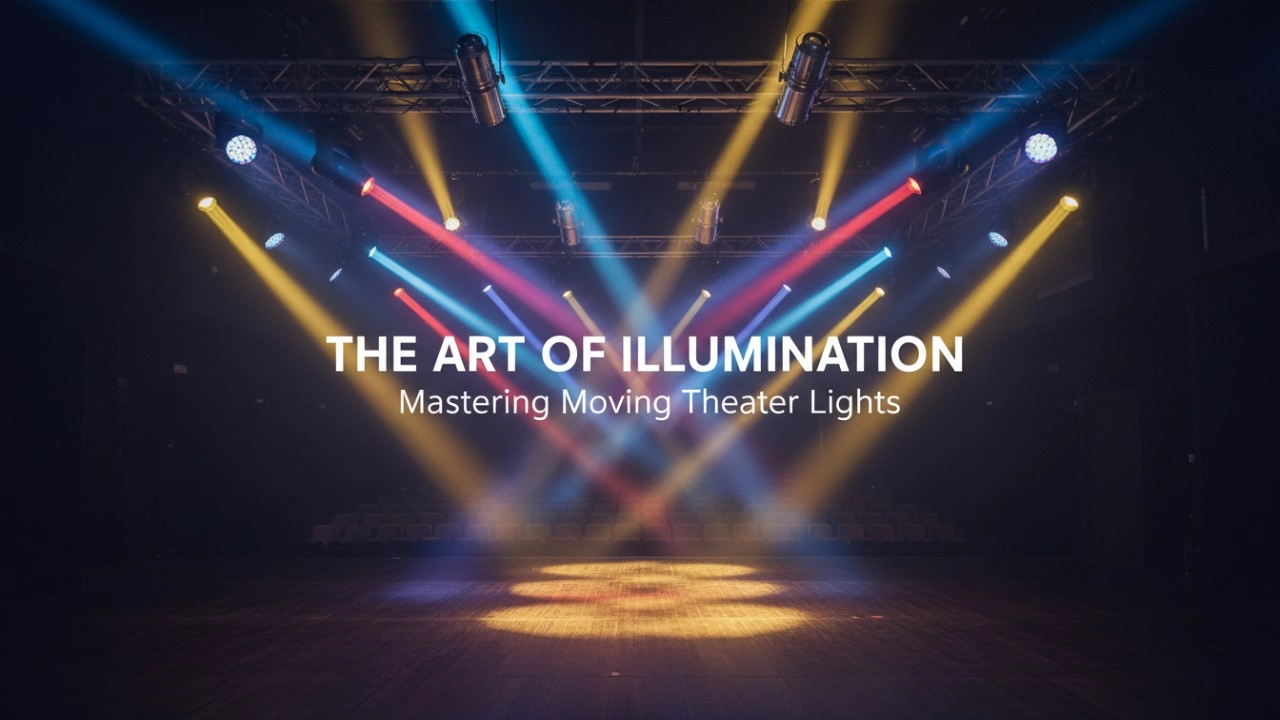
Spotlight vs. Floodlight vs. Beamlight: A Comparison of Moving Stage Lighting Fixtures
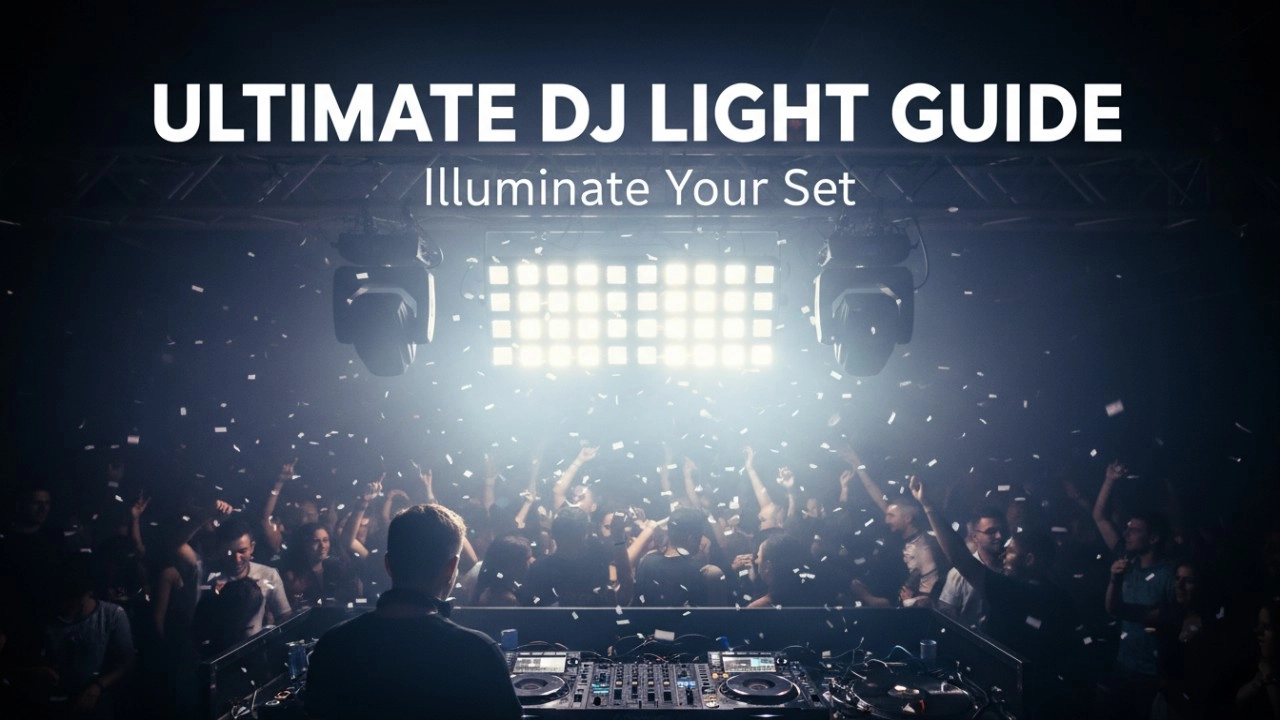
Mastering the Flash: 7 Advanced Strobe DJ Light Techniques for Pro Entertainers
Products
What is the lifespan of your LED stage lights?
Our LED lights use high-quality chips with a rated lifespan of over 50,000 hours. Proper usage and maintenance ensure long-term reliability and stable performance, making them a smart investment for any venue.
Can I customize the functions or software of the lights?
Absolutely. As a manufacturer with independent R&D capabilities, we offer customization for both hardware and software (such as DMX channel layout, built-in programs, or UI language). Contact us with your project needs, and our team will provide tailored solutions.
How long is the warranty period for your products?
We offer a standard 1-year warranty on all products, with extended warranty options available upon request. During the warranty period, we provide free technical support and parts replacement for non-human damage.
Company
Where is LiteLEES located?
Our headquarters and manufacturing facility are located in Guangzhou, China, with products exported to over 70 countries worldwide.
What is LiteLEES’s main business?
LiteLEES specializes in the design, development, manufacturing, and sales of professional stage lighting, including moving head lights, beam lights, spot lights, wash lights, and LED par lights.
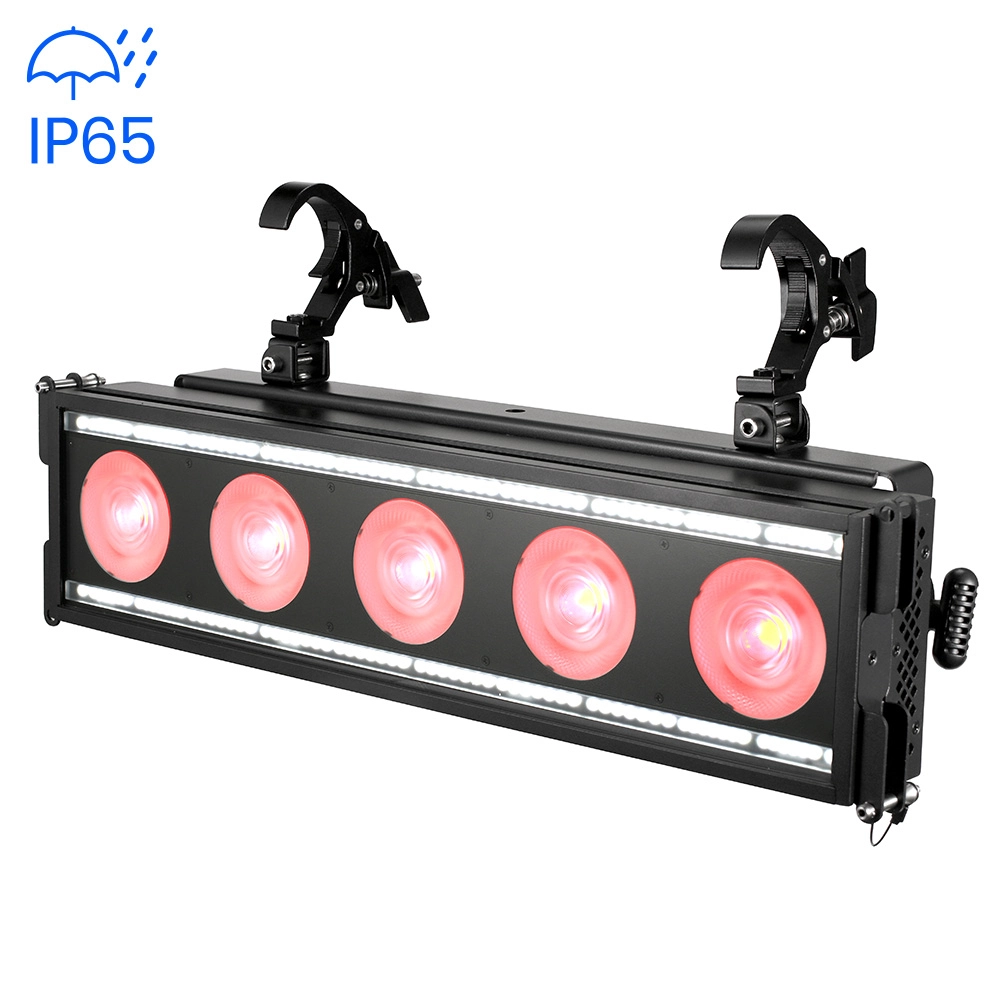
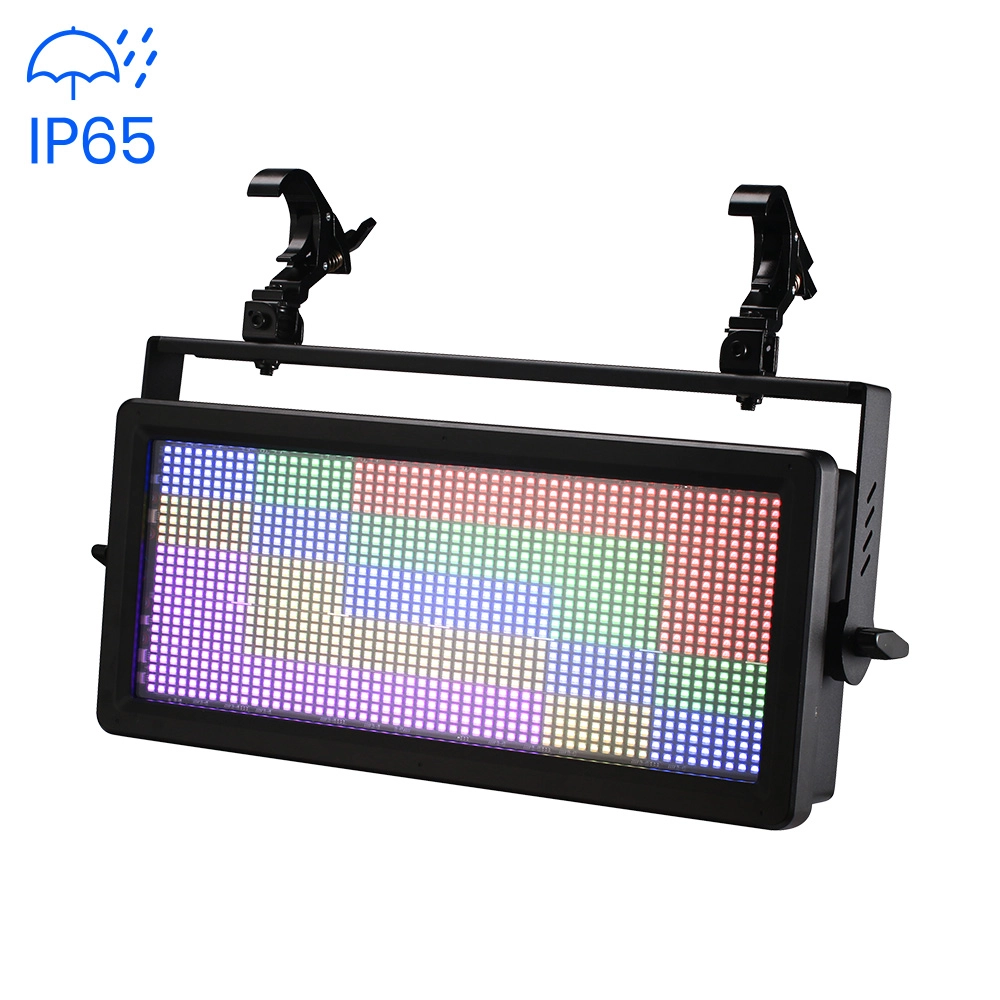
Stormy Flash 550 lP
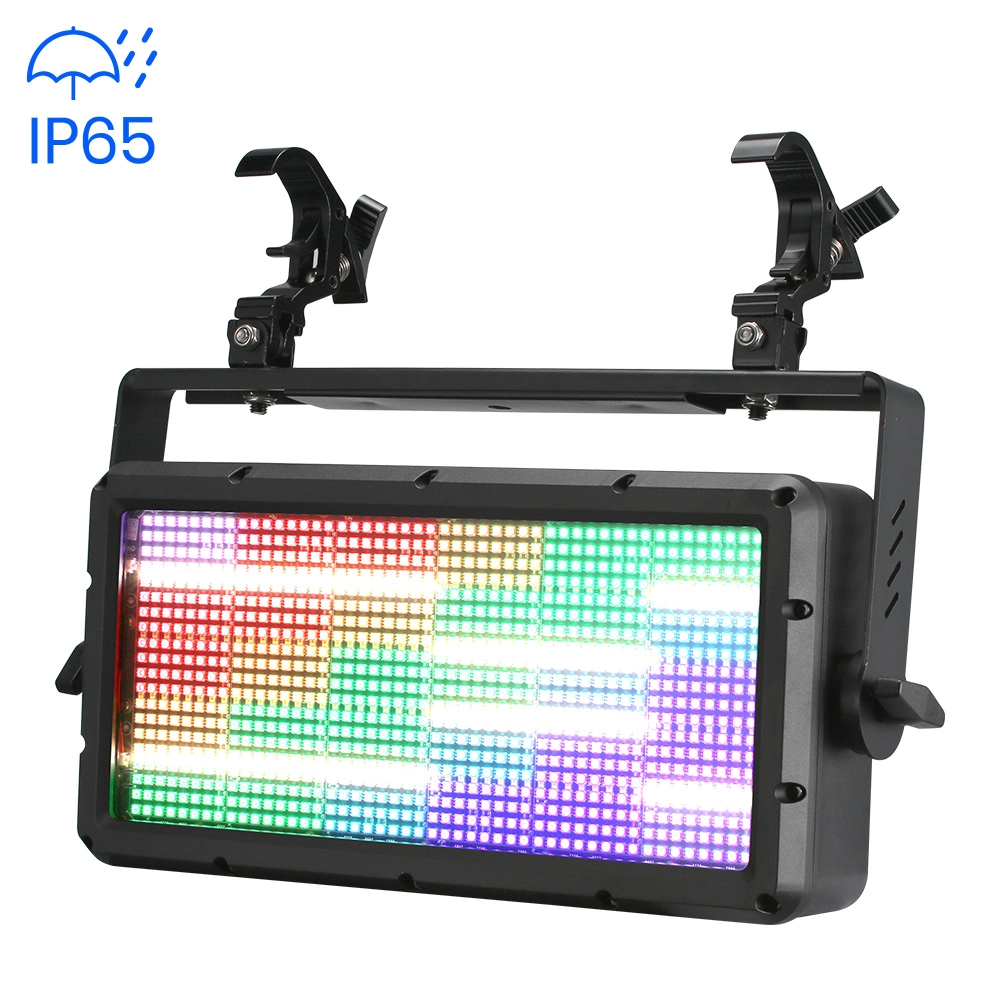
Stormy Strobe 700 IP
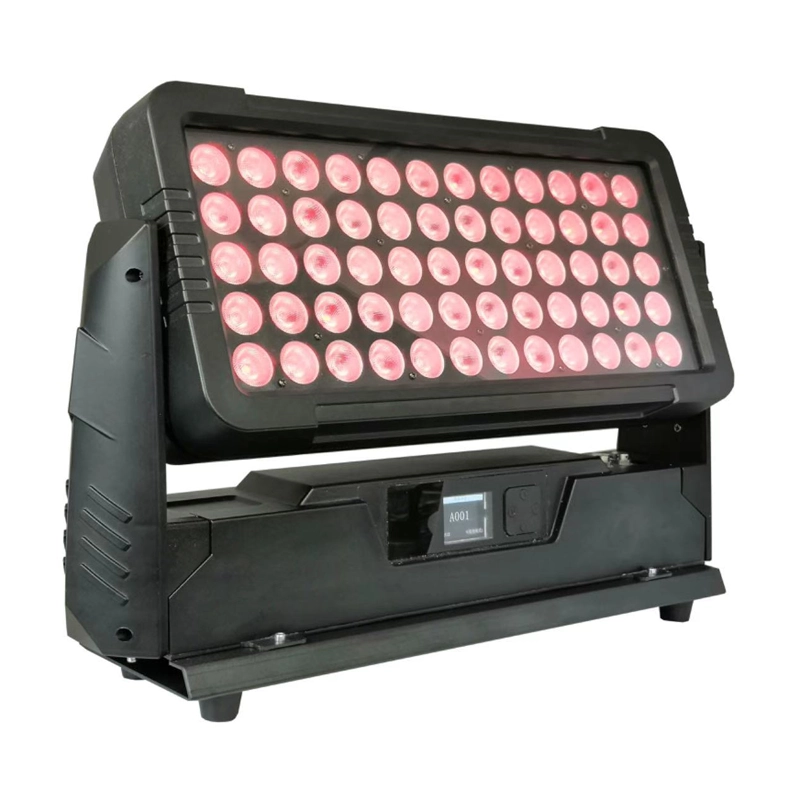
Stormy Strobe 500 IP
Want to get more up-to-date information?
If you have any comments or good suggestions, please leave us a message; later our professional staff will contact you as soon as possible.

We are professional stage lighting manufacturers offering OEM and ODM LED stage lights.
Contact
Email us
Call us
Address
No.6 Longnan Road, Huashan Town, Huadu District Guangzhou, Guangdong Province, China.
LiteLEES Professional
Less Lighting