
What Are Stage Strobe Lights? 2026 Guide: Effects and Safety Guidelines
- Quick Summary: Key Takeaways for Stage Professionals
- What is Stage Strobe Lighting?
- The Mechanism Behind the Effect
- Core Components
- The 2026 Tech Shift: AI Integration and Virtual Pre-vis
- Pre-Visualizing in Unreal Engine
- Technical Specifications: LED vs. Xenon
- Performance Benchmarks
- Pulse Duration and Frequency
- Creative Application: Experience from the Field
- Hybrid Fixture Advantages
- Best Practices for Impact
- Expert Safety Protocols and Legal Compliance
- The 3Hz-30Hz Rule
- Mandatory Signage
- Frequently Asked Questions (FAQ)
- Can stage strobe lights cause seizures?
- What is the difference between a strobe and a blinder?
- How do I synchronize strobes with music?
- Why are LED strobes better than Xenon?
- How many strobes do I need for a small venue?
- References
Quick Summary: Key Takeaways for Stage Professionals
Stage strobe lights are high-intensity visual effect fixtures that produce rapid, regular flashes to create stop-motion illusions and energetic atmospheres. In 2026, the industry standard has shifted almost entirely to AI-integrated LED systems that prioritize energy efficiency and precise DMX synchronization.

- Technology: High-intensity discharge vs LED strobes is no longer a debate; LEDs dominate with 60% higher energy efficiency and 50,000+ hour lifespans.
- Safety: Strict adherence to the 3Hz to 30Hz flash rate limit is critical to prevent photosensitive epilepsy triggers.
- Control: Modern stage effect lighting design 2026 relies on AI algorithms to predict musical transients for automated, perfectly timed pulses.
- Pre-Visualization: Tools like Unreal Engine 5 are now mandatory for testing DMX strobe light synchronization before a physical rig is assembled.
What is Stage Strobe Lighting?
A stage strobe light is a specialized lighting fixture designed to emit brief, high-power flashes of light at adjustable frequencies to freeze the motion of performers or objects. Unlike standard wash lights that illuminate a scene, strobes are used as punctuation—creating a "persistence of vision" effect where the brain bridges the gap between flashes, making moving objects appear to jerk or float.
The Mechanism Behind the Effect
Modern strobes work by rapidly discharging energy through an LED array or a Xenon gas tube. The resulting flash typically lasts only milliseconds. This short LED strobe pulse duration is what creates the crisp "freeze frame" look. If the pulse is too long, the motion blurs, destroying the effect.
Core Components
- Emitter: The light source (now predominantly LED arrays).
- Reflector: Shapes the beam for either a wide wash or a narrow punch.
- Driver/Controller: Regulates the flash rate (frequency) and intensity (dimming) via DMX512 protocols.
The 2026 Tech Shift: AI Integration and Virtual Pre-vis
The biggest trend in 2026 is the integration of Artificial Intelligence into lighting consoles to automate complex strobe patterns based on real-time audio analysis. Instead of manually tapping a tempo, AI controllers now analyze audio waveforms milliseconds ahead of the output to sync flashes with drum transients perfectly.
Pre-Visualizing in Unreal Engine
With the complexity of modern rigs, designers now use virtual production tools like Unreal Engine 5.4+ to pre-visualize strobe effects. This allows production teams to:
- Test DMX strobe light synchronization across hundreds of fixtures without hanging a single light.
- Simulate "pixel-mapped" strobe effects where individual LEDs within a single fixture flash independently.
- Verify safety compliance by running virtual "flash rate monitors" on the pre-vis output.
Technical Specifications: LED vs. Xenon
The industry comparison of high-intensity discharge vs LED strobes definitively favors LED technology in 2026 due to superior thermal management and color versatility. While Xenon bulbs were once the king of brightness, modern LEDs now match their output while consuming significantly less power.
Performance Benchmarks
According to recent industry data (2024-2025), the shift to LED offers distinct advantages:
- Energy Efficiency: LED strobes consume approximately 60% to 75% less power than equivalent Xenon fixtures.
- Lifespan: An LED fixture typically lasts 50,000 hours, whereas Xenon tubes often require replacement after just 2,000 to 10,000 hours.
- Recovery Time: LEDs have zero recharge time, allowing for sustained "blinder" effects without the thermal throttling common in discharge lamps.
Pulse Duration and Frequency
- Pulse Duration: Modern drivers allow for adjustable pulse widths. Shorter pulses (1-5ms) create sharper images; longer pulses act more like "blinders."
- PWM Frequencies: High-end fixtures now operate at PWM frequencies above 3,000Hz to ensure flicker-free operation on 4K cameras and IMAG screens.
Creative Application: Experience from the Field
Effective use of strobes requires balancing chaos with cohesion, often achieved by using hybrid fixtures that combine strobe, beam, and wash functions. Companies like Guangzhou Lees Lighting Co., Ltd. (LiteLEES) have been at the forefront of this evolution since 2010, developing fixtures that serve multiple roles to save rigging space and budget.
Hybrid Fixture Advantages
Using a "3-in-1" fixture (Beam/Spot/Wash) allows designers to switch from a calm wash to a chaotic strobe effect instantly. Drawing from LiteLEES' experience serving over 6,000 customers worldwide, we see a trend toward "Eye Candy" fixtures—where the strobe element is not just a white flash, but a ring of RGBW LEDs that can create mesmerizing pixel patterns.
Best Practices for Impact
- The Drop: Save the maximum intensity strobing for the musical climax (the drop) to maximize emotional impact.
- Color Strobing: While white is traditional, using Red or Blue strobes creates a disorienting, psychological tension.
- Zone Control: Don't flash every light at once. Create "chases" where the strobe effect travels across the stage from left to right.
Expert Safety Protocols and Legal Compliance
Safety compliance regarding photosensitive epilepsy is the single most critical aspect of operating stage strobe lights. Research indicates that flash rates between 3Hz and 30Hz (3 to 30 flashes per second) are the most likely to trigger seizures in photosensitive individuals.
The 3Hz-30Hz Rule
To maintain audience safety, professional lighting boards often have "safety inhibitors" programmed to prevent sustained strobing within this dangerous frequency range.
- Safe Zone: Flashes below 3Hz (slow pulses) or extremely high-frequency "shimmer" effects (above 30Hz, though caution is still advised) are generally safer.
- Duration Limits: UK Health and Safety guidelines suggest limiting continuous strobe sequences to 30 seconds or less.
Mandatory Signage
If your stage effect lighting design 2026 includes strobes, you must post clear warning signs at all venue entrances. Standard wording includes:
"WARNING: Strobe lighting and atmospheric effects will be used during this performance."
Frequently Asked Questions (FAQ)
Can stage strobe lights cause seizures?
Yes, strobes pulsing between 3Hz and 30Hz can trigger photosensitive epilepsy. It is estimated that 1 in 4,000 people have this condition. Always use warning signage and avoid the 15-20Hz "critical danger" range.
What is the difference between a strobe and a blinder?
A strobe creates short, rapid flashes to freeze motion, while a blinder creates a sustained, high-intensity wash to illuminate the audience. Modern LED strobes can often perform both functions by adjusting the LED strobe pulse duration.
How do I synchronize strobes with music?
Use a DMX512 controller or Art-Net protocol. You can program the "shutter" channel to match the BPM of the track, or use new AI-assisted consoles that listen to the audio feed and trigger flashes on drum hits automatically.
Why are LED strobes better than Xenon?
LED strobes are more durable, energy-efficient, and capable of mixing colors. Xenon strobes are fragile (glass tubes), consume massive amounts of power, and are generally limited to white light only.
How many strobes do I need for a small venue?
For a 500-person venue, 2 to 4 high-output LED strobes are usually sufficient. Place them behind the band facing the audience for the classic "silhouette" effect, or mount them overhead for dance floor coverage.
References
Company
What certifications do your products have?
All LiteLEES products are certified by CE, RoHS, FCC, and BIS. Our factory is ISO9001 quality management system certified.
What is LiteLEES’s main business?
LiteLEES specializes in the design, development, manufacturing, and sales of professional stage lighting, including moving head lights, beam lights, spot lights, wash lights, and LED par lights.
Where is LiteLEES located?
Our headquarters and manufacturing facility are located in Guangzhou, China, with products exported to over 70 countries worldwide.
Products
Can I customize the functions or software of the lights?
Absolutely. As a manufacturer with independent R&D capabilities, we offer customization for both hardware and software (such as DMX channel layout, built-in programs, or UI language). Contact us with your project needs, and our team will provide tailored solutions.
How long is the warranty period for your products?
We offer a standard 1-year warranty on all products, with extended warranty options available upon request. During the warranty period, we provide free technical support and parts replacement for non-human damage.
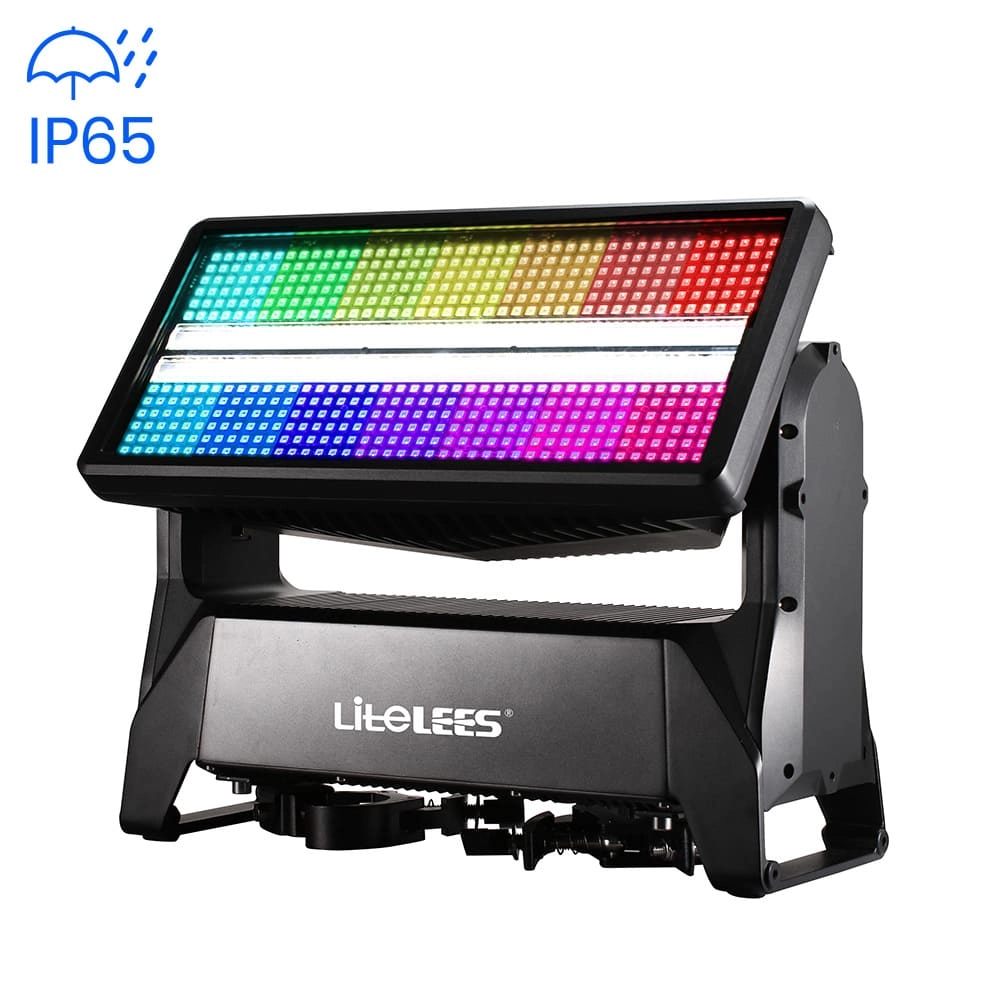
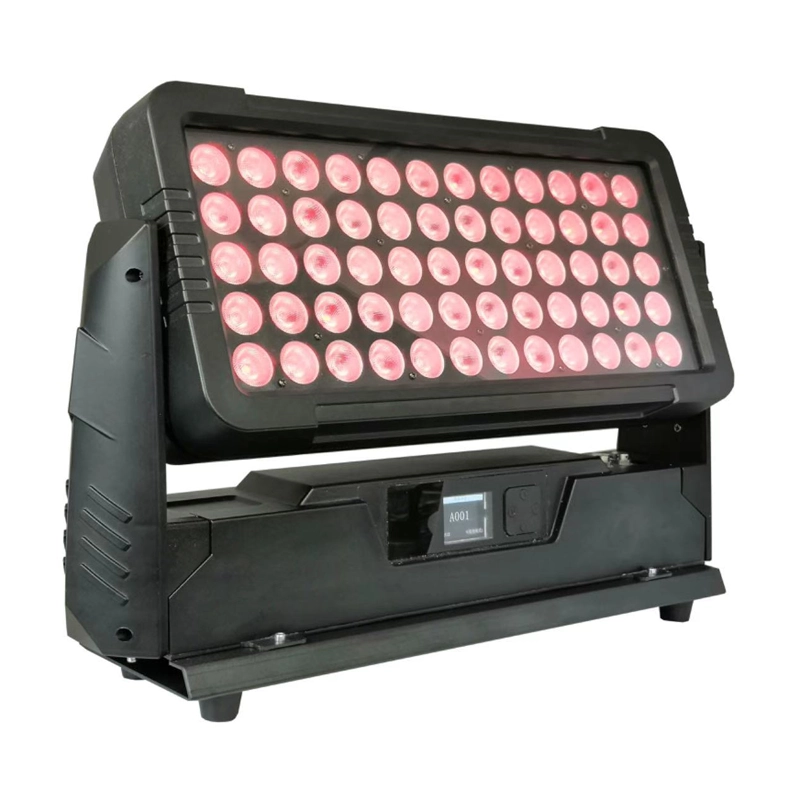
Stormy STRIKE M IP
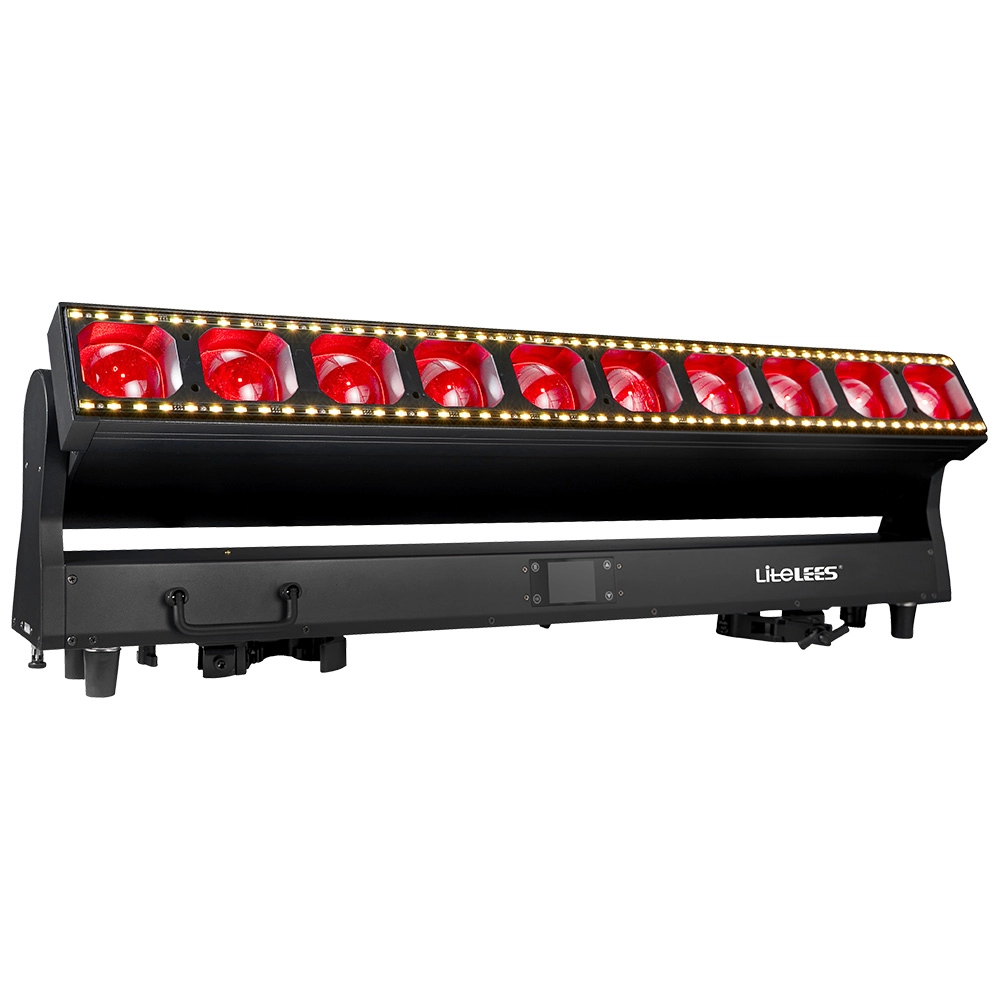
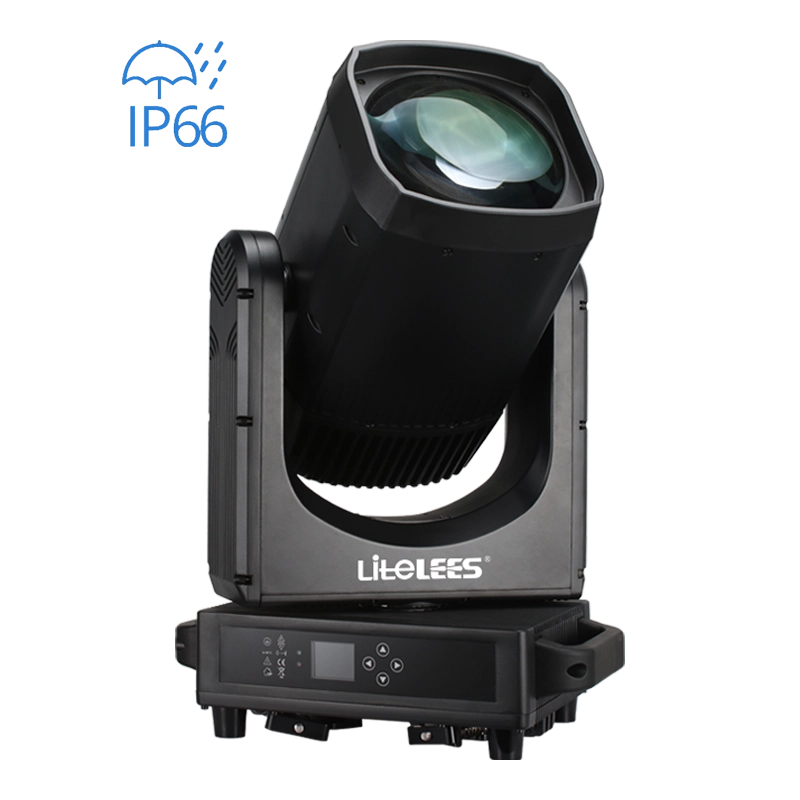
LiteLEES LUMIX BEAM 420 IP
Want to get more up-to-date news?
If you have any comments or good suggestions, please leave us a message; later our professional staff will contact you as soon as possible.

We are professional stage lighting manufacturers offering OEM and ODM LED stage lights.
Contact
Email us
Call us
Address
No.6 Longnan Road, Huashan Town, Huadu District Guangzhou, Guangdong Province, China.
LiteLEES Professional
Less Lighting