
Stage Lighting Spotlight Guide (2026 Edition): Mastering Precision Control and Exceptional Performance
- What are Stage Lighting Spotlights?
- Core Taxonomy: Types of Modern Spotlights
- 1. Ellipsoidal Reflector Spotlight (ERS)
- 2. Intelligent Moving Head Spotlights
- 3. Fresnel Spotlights
- 4. Followspots
- The 2026 Selection Matrix: How to Choose Your Fixtures
- LED vs Laser Stage Lighting
- Color Rendering and Broadcast Standards
- AI and the DMX Lighting Control Protocol
- Expert Tips for Professional Results
- FAQ: Common Stage Lighting Questions
- What is the best stage lighting spotlight for small theaters?
- How do I calculate the throw distance for a spotlight?
- What is the difference between a spotlight and a wash light?
- How many lumens do I need for a stage spotlight?
- What are gobos in stage lighting?
- How do LED spotlights compare to traditional halogen lamps?
- Can I control stage spotlights with my laptop?
- What is the most versatile type of spotlight fixture?
- References
Stage lighting spotlights are the precision instruments of the theatrical world, acting as the primary method for directing audience attention and sculpting the visual hierarchy of a performance. In 2026, the landscape of illumination is being redefined by the convergence of laser-phosphor technology and AI-driven control systems, shifting the focus from simple illumination to intelligent, adaptive visual storytelling.
According to market data, the global stage lighting sector is projected to grow at a CAGR of approximately 7% through 2033, driven largely by the demand for energy-efficient, automated solutions. For manufacturers like Guangzhou Lees Lighting Co., Ltd. (LiteLEES), this evolution validates a decade-long commitment to R&D in high-performance moving head and waterproof fixtures.
What are Stage Lighting Spotlights?
Stage lighting spotlights are high-intensity luminaires designed to project a concentrated, controllable beam of light onto a specific area or performer.
Unlike floodlights or wash fixtures that bathe wide areas in soft illumination, spotlights provide the "hard-edged" or defined focus necessary for isolating subjects. They are the essential tools for creating depth, emphasizing key actors, and establishing the mood of a scene. In modern applications, these fixtures are rarely static; they are dynamic tools capable of changing color, texture, and position in milliseconds.
- Isolation: Separates the subject from the background.
- Focus: Guides the audience's eyes to the critical action.
- Modeling: Creates three-dimensional highlights and shadows on actors' faces.
Core Taxonomy: Types of Modern Spotlights
The modern stage relies on four distinct spotlight categories: Ellipsoidal Reflector Spotlights (ERS), Fresnels, Followspots, and Intelligent Moving Heads.
Each type serves a specific geometric and artistic function within a lighting rig. Understanding these distinctions is critical for designing a versatile plot that can handle everything from subtle theatrical drama to high-energy concert touring.
1. Ellipsoidal Reflector Spotlight (ERS)
Often called a "Leko," the Ellipsoidal Reflector Spotlight (ERS) is the industry standard for projecting crisp, sharp-edged beams that can be shaped with internal shutters. It is the only fixture capable of holding a "gobo" (pattern template) in focus, allowing designers to project textures like foliage or windows. ERS fixtures are indispensable for front-lighting actors without spilling light into the orchestra pit.
2. Intelligent Moving Head Spotlights
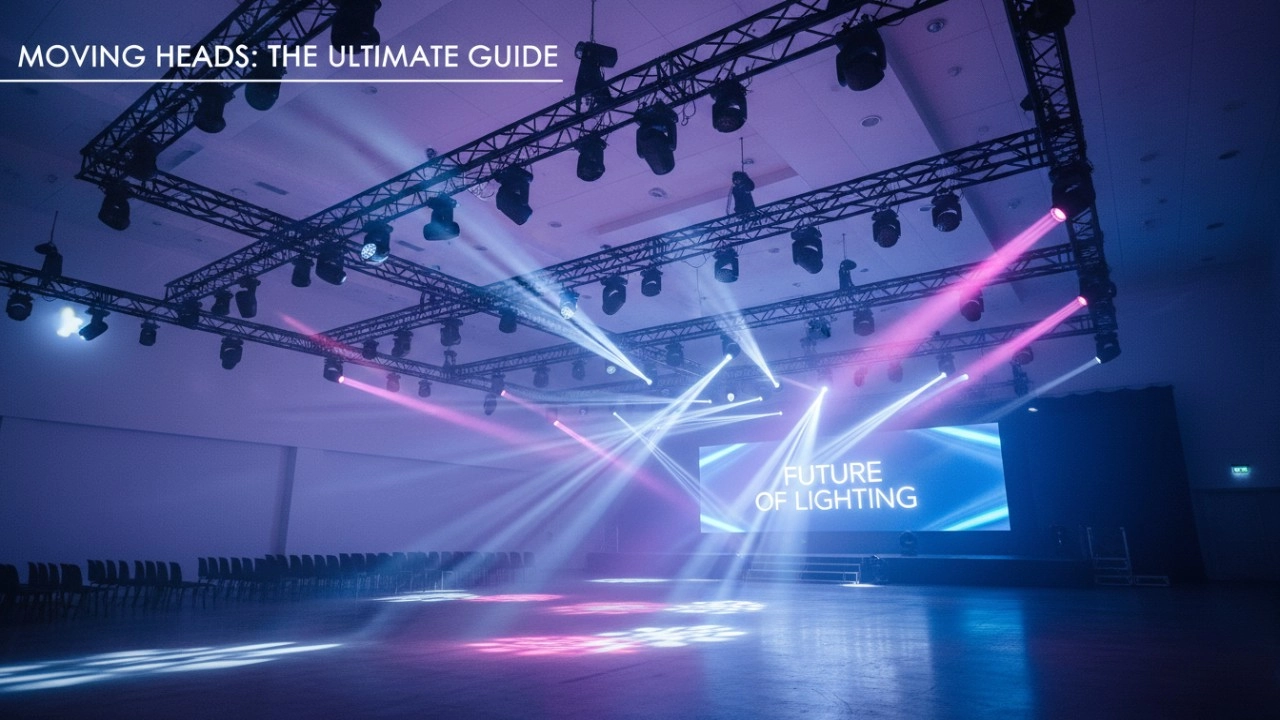
Intelligent moving head spotlights are programmable fixtures that utilize motorized yokes to pan and tilt 360 degrees, offering dynamic movement and automated focus changes. In 2026, these are the workhorses of the industry. Companies like LiteLEES have revolutionized this space with "3-in-1" fixtures that can shift between Beam, Spot, and Wash modes instantly. For instance, a LiteLEES moving head can project a tight laser-like beam for an aerial effect and then widen to a soft spotlight for a soloist, all within the same cue stack.

3. Fresnel Spotlights
Fresnels utilize a stepped lens to create a soft-edged beam that blends easily with adjacent lights, making them ideal for shorter throw distances. They lack the precision of an ERS but excel at creating a smooth, even wash of light across the mid-stage area.
4. Followspots
These are high-output fixtures, traditionally operated manually, used to track a performer moving across the stage. However, the trend is shifting toward automated tracking systems where a performer wears a tag, and moving heads automatically follow them.
The 2026 Selection Matrix: How to Choose Your Fixtures
Selecting the right spotlight requires balancing three critical variables: Throw Distance, Spectral Quality (CRI/TLCI), and Source Efficiency.
With the rapid obsolescence of halogen lamps, the choice in 2026 is primarily between advanced LED engines and emerging laser-phosphor sources.
LED vs Laser Stage Lighting
The debate of LED vs Laser stage lighting centers on intensity versus energy efficiency.
- LED Sources: Ideal for short to medium throws (up to 50 meters). They offer superior color mixing and energy efficiency (saving 80% power vs halogen).
- Laser-Phosphor Sources: The emerging standard for stadium-sized venues. They provide extreme beam intensity that maintains brightness over massive distances, a necessity for outdoor festivals.
Color Rendering and Broadcast Standards
For events being filmed in 4K or 8K, raw brightness is not enough. You must prioritize the Color Rendering Index (CRI) and Television Lighting Consistency Index (TLCI).
- CRI 95+: Required for accurate skin tone reproduction to the human eye.
- TLCI 90+: Critical for broadcast cameras to avoid color shifts in post-production.
LiteLEES fixtures, certified under CE and RoHS standards, are engineered to meet these high spectral requirements, ensuring that the visual output remains consistent whether viewed live or through a camera lens.
AI and the DMX Lighting Control Protocol
The DMX lighting control protocol (Digital Multiplex) is the universal language that allows lighting consoles to communicate with intelligent fixtures.
In 2026, DMX is evolving from a static command protocol to a dynamic, AI-assisted ecosystem. Modern consoles can now utilize Artificial Intelligence to generate complex lighting cues based on audio analysis or video content.
- Real-Time Tracking: AI algorithms analyze camera feeds to send DMX position data to intelligent moving head spotlights, keeping performers lit without manual operators.
- Predictive Maintenance: Smart fixtures send RDM (Remote Device Management) data back to the console, alerting technicians if a fan is failing or if the LED engine temperature is rising before the unit fails mid-show.
- Beam Angle Optimization: AI software can automatically calculate the ideal beam angle optimization for every cue, adjusting the zoom lenses of all fixtures to ensure consistent coverage as actors move upstage or downstage.
Expert Tips for Professional Results
Achieving a professional look requires layering light from multiple angles to sculpt the subject and separate them from the background.
Drawing on the experience of LiteLEES's R&D team—who have supported over 6,000 clients globally—here are the best practices for spotlight deployment:
- The 45-Degree Rule: Position front spotlights at 45 degrees horizontal and vertical relative to the actor. This models the face naturally, mimicking sunlight, and prevents the "flat" look of straight-on flash photography.
- Backlighting is Mandatory: Always assign a high-intensity spotlight as a backlight (hair light). This creates a halo effect that separates the actor's head and shoulders from the dark background, adding instant 3D depth.
- Gobo Strategy: Use "breakup" gobos (soft, organic patterns) in your ERS fixtures. A subtle texture on the floor or set walls makes the space feel larger and more realistic than a plain wash of light.
- Weatherproofing: For outdoor events, never rely on standard fixtures protected by makeshift covers. Utilize dedicated IP65 waterproof stage lighting. LiteLEES specializes in waterproof solutions that withstand rain and dust, ensuring the show goes on without electrical failure.
FAQ: Common Stage Lighting Questions
What is the best stage lighting spotlight for small theaters?
LED-based Ellipsoidal (ERS) fixtures are the ideal choice for small spaces due to their low heat emission and adjustable beam angles. They allow you to frame light precisely off the proscenium arch, preventing glare in the audience's eyes.
How do I calculate the throw distance for a spotlight?
Use the inverse square law or the beam calculation formula: Beam Diameter = 2 x Distance x tan(0.5 x Beam Angle). This ensures your spotlight covers the required area (e.g., a 2-meter wide acting zone) from your hanging position.
What is the difference between a spotlight and a wash light?
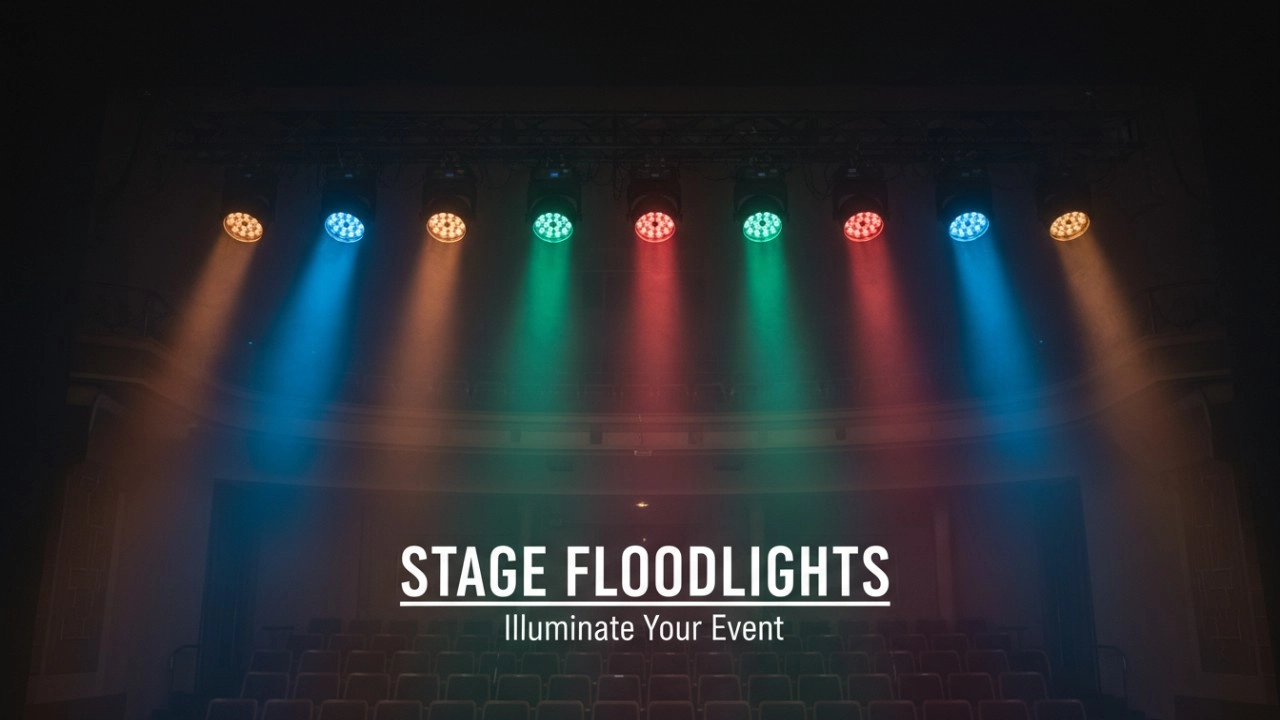
Spotlights have a narrow, focused beam designed for detail and isolation, while wash lights emit a wide, soft-edged beam to cover large areas. Spotlights define the subject; wash lights set the background color and mood.
How many lumens do I need for a stage spotlight?
For professional stages, look for fixtures delivering 10,000 to 30,000 lumens, depending on ambient light levels. A dark theater may need less, while a daytime outdoor stage requires maximum output to compete with the sun.
What are gobos in stage lighting?
Gobos are physical templates (steel or glass) placed inside a spotlight's optical path to project patterns, textures, or logos. They are exclusively used in ERS or specific moving head spots, not in Fresnels or PARs.
How do LED spotlights compare to traditional halogen lamps?
LEDs offer 80% lower power consumption, minimal heat, and infinite color mixing, whereas halogens provide a natural "amber drift" dimming curve. While purists love halogen warmth, modern LEDs with "dim-to-warm" technology have largely bridged this gap.
Can I control stage spotlights with my laptop?
Yes, by using a USB-to-DMX interface and software like QLC+, Onyx, or Madrix. This setup allows a laptop to act as a lighting console, sending DMX lighting control protocol signals to your rig.
What is the most versatile type of spotlight fixture?
The Hybrid Moving Head (Beam/Spot/Wash) is considered the most versatile fixture. Units like the LiteLEES hybrid models can function as a tight beam, a texture-projecting spot, and a soft wash light, replacing three separate fixtures.
References
Products
Do your lights support DMX512 and other control protocols?
Yes. All LiteLEES stage lights are fully compatible with DMX512. Many models also support RDM, Art-Net, and wireless DMX (optional), ensuring seamless integration with modern lighting control systems.
Are your lights suitable for large-scale events and outdoor use?
Yes. Our professional stage lights—especially the Beam, BSW 3-in-1, and LED Par Series—are engineered with high-output brightness, wide beam angles, and robust housing. Some models come with IP-rated protection, making them suitable for outdoor applications like concerts, festivals, and sports events.
What is the lifespan of your LED stage lights?
Our LED lights use high-quality chips with a rated lifespan of over 50,000 hours. Proper usage and maintenance ensure long-term reliability and stable performance, making them a smart investment for any venue.
How long is the warranty period for your products?
We offer a standard 1-year warranty on all products, with extended warranty options available upon request. During the warranty period, we provide free technical support and parts replacement for non-human damage.
Company
Can LiteLEES handle OEM/ODM orders?
Absolutely. With our strong R&D capabilities and advanced manufacturing, we can customize designs, features, and branding to meet your specific needs.
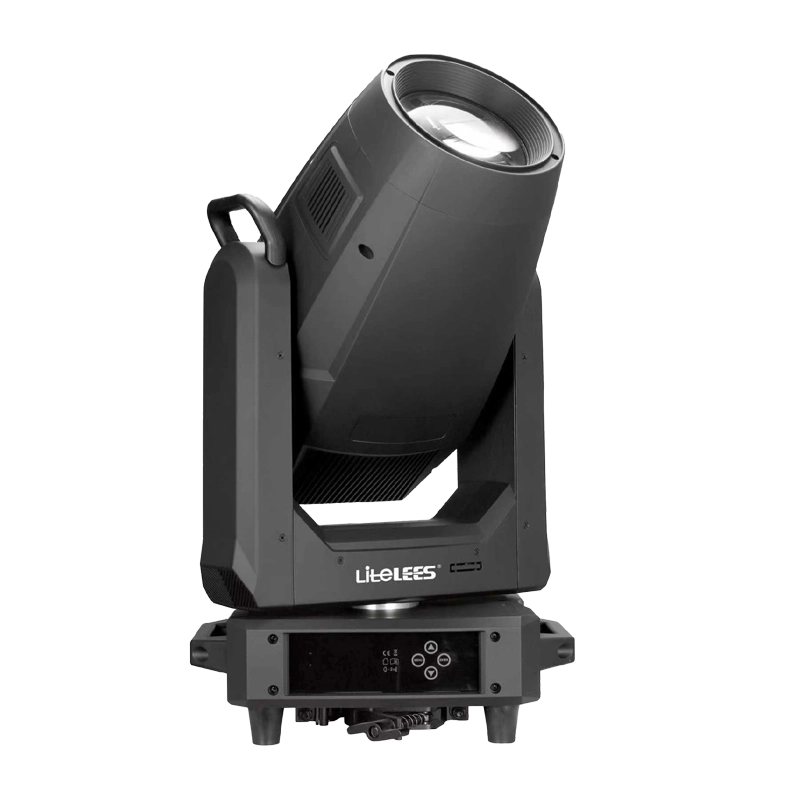
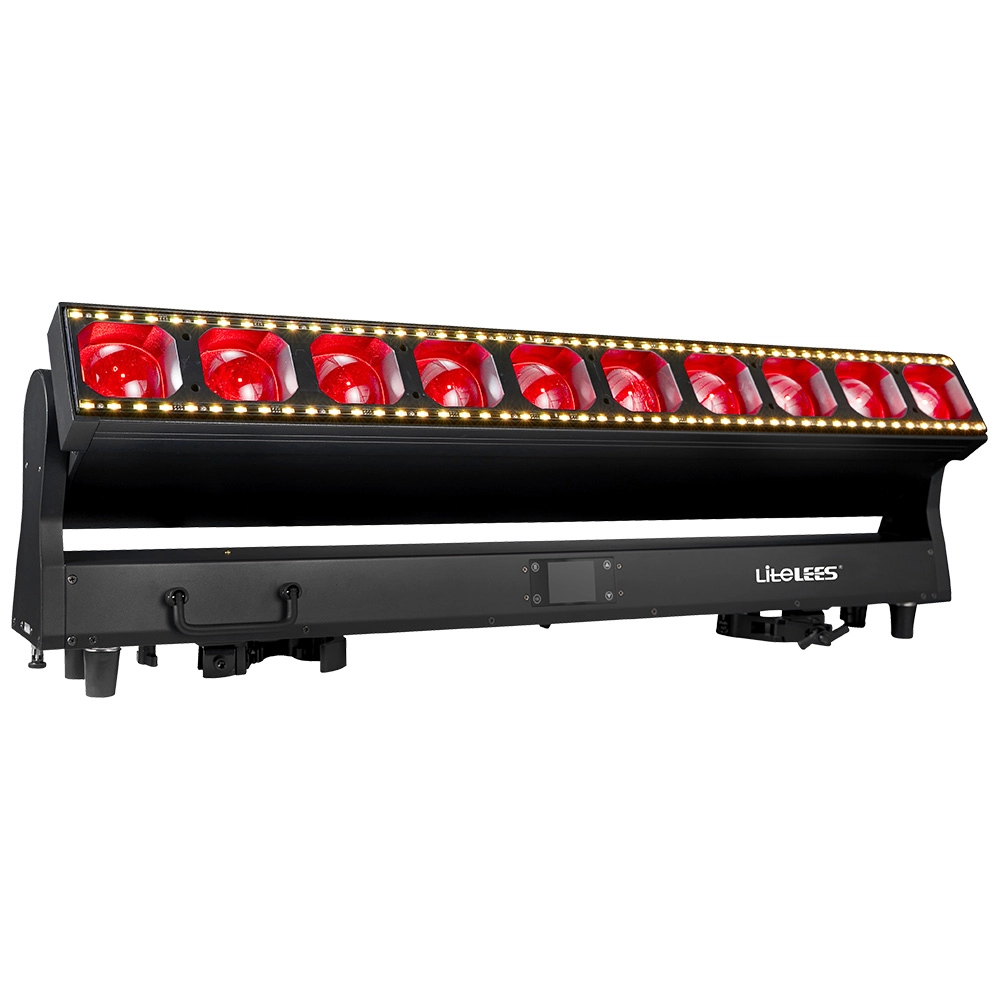
LP Profile 900
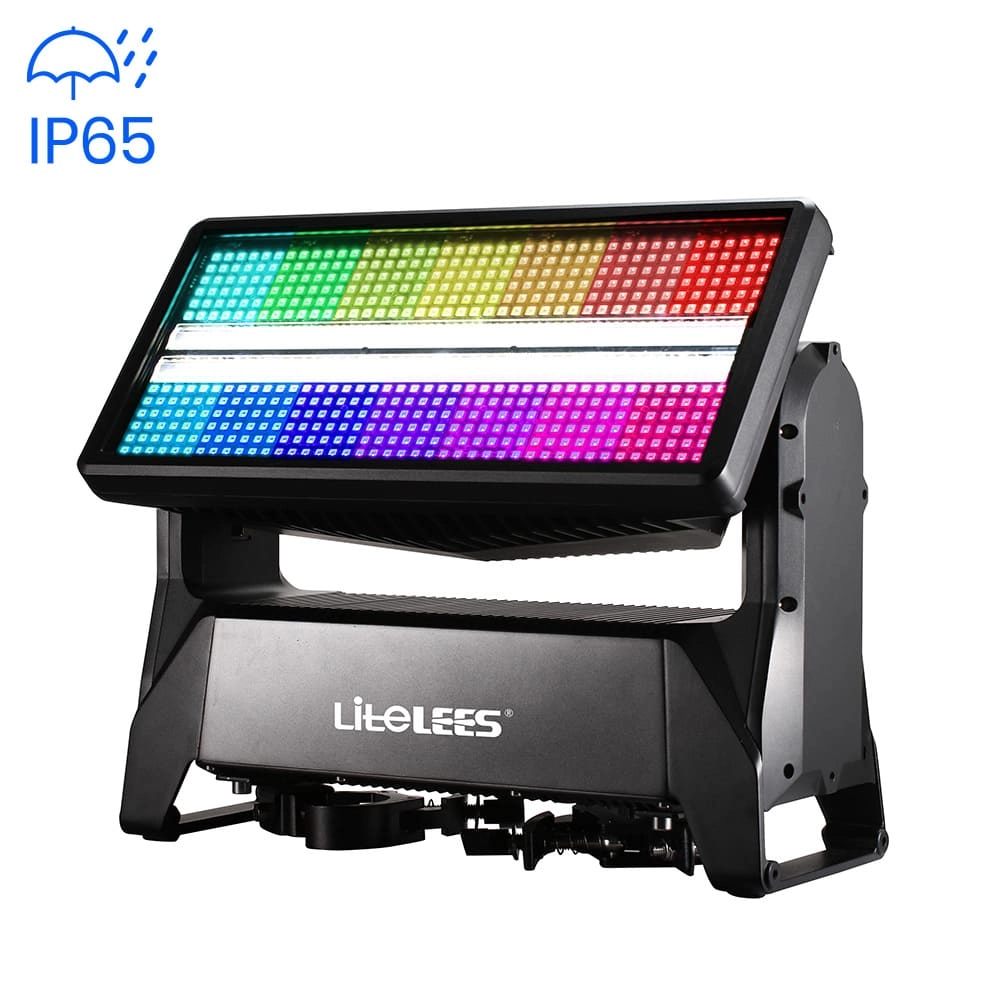
Stormy STRIKE M IP
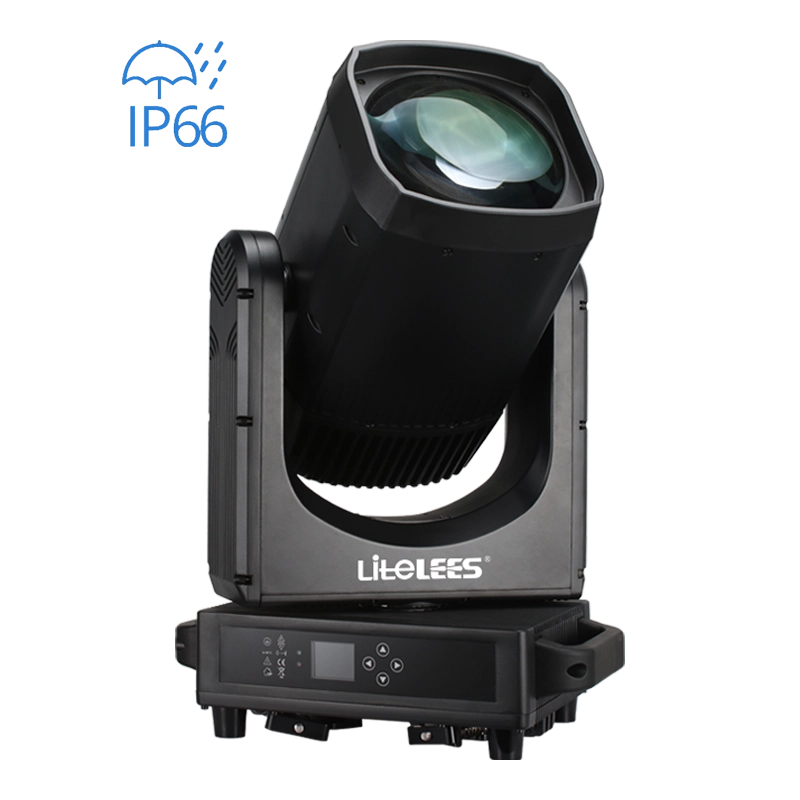
LiteLEES LUMIX BEAM 420 IP
Want to get more up-to-date news?
If you have any comments or good suggestions, please leave us a message; later our professional staff will contact you as soon as possible.

We are professional stage lighting manufacturers offering OEM and ODM LED stage lights.
Contact
Email us
Call us
Address
No.6 Longnan Road, Huashan Town, Huadu District Guangzhou, Guangdong Province, China.
LiteLEES Professional
Less Lighting