
The Professional Guide to Stage Flood Lights: 2026 Advanced Staging & LED Trends
- What is a Stage Flood Light?
- The Evolution of Flood Lighting
- Strategic Comparison: Floodlights vs. Spotlights vs. Fresnels
- Functional Utility and Shadow Management
- Advanced 2026 Technology: The Shift to AI-Managed Lighting
- AI and DMX Integration
- Spectrum Precision and High-CRI
- Expert Tips for Placement and Rigging
- Asymmetrical Mounting for Cycloramas
- Common Mistakes in Stage Flood Application
- Avoiding Technical Pitfalls
- Global Manufacturing Insight: The Role of Experience
- FAQ
- What is the best beam angle for a stage flood light?
- Can you dim LED stage flood lights?
- How many floodlights do I need for a 30-foot stage?
- What is an asymmetrical floodlight?
- Are LED floods better than halogen for theaters?
- What does CRI mean in stage lighting?
- Do stage flood lights require a cooling fan?
- Can I use outdoor floodlights for a stage?
- References
What is a Stage Flood Light?
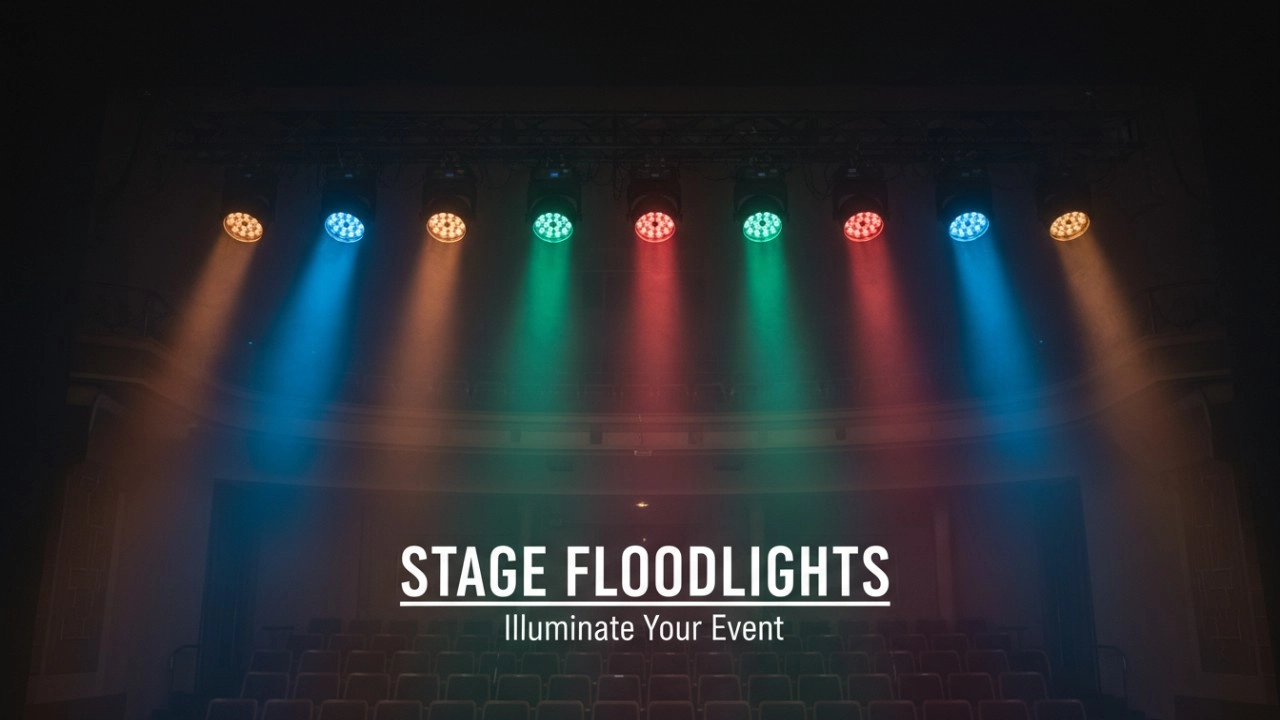
A stage flood light is a high-intensity, wide-angle lighting fixture designed to provide uniform illumination over a large area without a lens-focused beam. Unlike spotlights that highlight specific actors, floodlights create the fundamental visual environment, ensuring consistent visibility across the entire performance space.
The Evolution of Flood Lighting
Floodlights serve as the backbone of stage illumination, primarily tasked with cyc and wash lighting. Historically, these were simple tungsten halogen units housed in boxy reflectors. However, the industry has undergone a massive shift toward LED technology. Modern fixtures, such as those developed by Guangzhou Lees Lighting Co., Ltd. (LiteLEES), have evolved from basic "bulb-in-a-box" designs to sophisticated multi-color LED arrays.
Key characteristics of professional floodlights include:
- Wide Beam Angle: Fixed angles typically exceeding 50 degrees to maximize coverage.
- Reflector Technology: Large, often asymmetrical reflectors designed to spread light evenly without hot spots.
- Pixel Control: Advanced LED units now allow for individual pixel mapping, enabling dynamic color flows rather than just static washes.
Strategic Comparison: Floodlights vs. Spotlights vs. Fresnels
Floodlights provide a soft-edged, wide wash for backgrounds, whereas spotlights deliver hard-edged, focused beams for isolating subjects, and Fresnels offer a blend of both. Understanding this distinction is critical for building a balanced lighting rig that creates depth and focus simultaneously.
Functional Utility and Shadow Management
While a spotlight commands attention, a floodlight manages the environment. Using stage lighting beam distribution techniques, lighting designers use floods to eliminate harsh shadows on large-scale painted cloths and cycloramas. This "fill light" capability ensures that when an actor steps out of a spotlight, they don't disappear into darkness.
Comparison of Fixture Types:
- Floodlights: Best for lighting backdrops, cycloramas, and general stage washes. Soft edge, no focus adjustment.
- Spotlights (Profiles/Ellipsoidals): Best for highlighting specific actors or props. Hard edge, shutters for shaping, highly focusable.
- Fresnels: Best for shorter-throw washes and blending areas. Soft edge, variable beam angle (zoom).
- PAR Cans: Best for high-intensity washes with a more defined oval beam than a flood.
Advanced 2026 Technology: The Shift to AI-Managed Lighting
By 2026, stage lighting is transitioning to AI-managed systems that utilize real-time data to optimize energy efficiency and color accuracy automatically. This shift is driven by new regulatory standards and the demand for broadcast-quality lighting in live venues.
AI and DMX Integration
The era of static programming is fading. DMX LED floodlight control is now integrating with AI algorithms that can adjust intensity based on stage occupancy sensors. For example, if a specific zone of the stage is empty, the system can subtly dim the floodlights in that area to save power without the audience noticing.

According to Global Growth Insights (2025), the global stage lighting market is projected to reach over $0.9 billion by 2033, driven largely by the adoption of automated control systems and LED-based units. This automation extends to wireless connectivity, where physical DMX cables are being replaced by stable Wi-Fi 7 and Bluetooth Mesh networks, reducing setup time for touring productions.
Spectrum Precision and High-CRI
With 8K video recording becoming standard for live events, High-CRI theater lighting is non-negotiable. Modern sensors require a Color Rendering Index (CRI) of 95+ to capture accurate skin tones and costume fabrics.
- Energy Efficiency: New mandates, such as California's 2026 Energy Standards (Title 24), are pushing for higher lumen-per-watt efficiency. Lighting Power Densities (LPDs) are being reduced, making traditional tungsten units obsolete.
- Spectral Control: 2026 fixtures utilize multi-spectral emitters (Red, Green, Blue, Amber, Cyan, Lime) to fill gaps in the color spectrum that early RGB LEDs missed.
Expert Tips for Placement and Rigging
To achieve a seamless wash, floodlights should be rigged using the "Three-Point" wash rule or asymmetrical spacing to ensure uniform coverage without blinding performers. Proper placement is the difference between a flat, boring stage and a dynamic, three-dimensional environment.
Asymmetrical Mounting for Cycloramas
When lighting a cyclorama (a large background curtain), the angle of incidence is critical. Asymmetrical floodlights feature a reflector shape that pushes light further up (or down) the wall from a short distance. This allows you to place the fixture on the floor close to the cloth while still lighting the very top of a 30-foot drop.
Rigging Best Practices:
- The Three-Point Rule: Position lights at 45-degree angles to the subject (front left, front right, and back) to create depth.
- Heat Dissipation: Even LEDs generate heat. Ensure LiteLEES fixtures or similar high-output units have at least 6 inches of clearance for airflow to prevent thermal throttling.
- Color Mixing: Use RGBA or RGBACL engines. As a manufacturer with over 15 years of experience, LiteLEES emphasizes using Amber and Lime emitters to create warm, natural whites that standard RGB fixtures cannot achieve.
Common Mistakes in Stage Flood Application
The most frequent error in using stage flood lights is over-illumination, which washes out the primary actors and flattens the visual texture of the set. A floodlight should support the scene, not dominate it.
Avoiding Technical Pitfalls
Many venues struggle with light spillage, where floodlights illuminate the proscenium arch or the first few rows of the audience. This breaks the "fourth wall" and distracts viewers. Using barn doors (flaps on the front of the light) is essential to cut the beam.
Mistake Checklist:
- Ignoring Flicker: Cheap LED drivers use low-frequency Pulse Width Modulation (PWM). This looks fine to the eye but causes strobing on camera. Always test for "flicker-free" operation.
- Inconsistent Color Temps: Mixing old tungsten floods (3200K) with uncalibrated LED floods (often 6000K+) creates a jarring, unprofessional look.
- Poor Cable Management: In the move to DMX LED floodlight control, failing to terminate the DMX chain can causes signal reflection, leading to lights flashing randomly.
Global Manufacturing Insight: The Role of Experience
Reliable stage lighting relies heavily on manufacturing precision, as evidenced by companies like LiteLEES which hold over 50 patents in lighting technology. Founded in 2010, Guangzhou Lees Lighting Co., Ltd. has navigated the transition from discharge lamps to high-tech LED sources.
With a portfolio that includes IP65 waterproof moving heads and wash lights, reliable manufacturers test fixtures under rigorous ISO9001 standards. This experience is vital when selecting gear for touring; a fixture that works in a showroom must also survive the vibrations of a transport truck and the humidity of an outdoor festival. As the industry moves toward 2026, the integration of R&D directly with manufacturing ensures that new energy standards are met without sacrificing the artistic quality of the light.
FAQ
What is the best beam angle for a stage flood light?
A beam angle between 50 and 120 degrees is standard for flood applications. A wider angle (100°+) is best for washing large backdrops from a short distance, while a narrower angle (50-60°) is better for stage washes from a higher grid to maintain intensity.
Can you dim LED stage flood lights?
Yes, almost all professional LED stage flood lights are dimmable via DMX512 or internal menus. However, it is critical to verify the dimming curve; high-quality fixtures offer "16-bit dimming" for ultra-smooth fades at low levels, preventing the light from snapping off.
How many floodlights do I need for a 30-foot stage?
Typically, 3 to 5 fixtures spaced 6-8 feet apart are required to provide a seamless wash for a 30-foot width. This depends on the beam angle; wider beam fixtures allow for fewer units but may reduce overall brightness.
What is an asymmetrical floodlight?
An asymmetrical floodlight is a fixture with an offset reflector designed to distribute light unevenly. It projects light further in one direction than the other, making it ideal for lighting flat vertical surfaces (like a cyclorama) evenly from the floor or ceiling.
Are LED floods better than halogen for theaters?
LEDs are superior for modern theaters due to significantly lower power consumption, minimal heat output, and the ability to change colors instantly without gels. While halogen has a perfect CRI of 100, modern High-CRI theater lighting LEDs (CRI 95+) have effectively closed the quality gap.
What does CRI mean in stage lighting?
Color Rendering Index (CRI) measures a light source's ability to reveal the true colors of an object compared to natural sunlight. In theater, a low CRI makes skin tones look grey or sickly, while a high CRI ensures costumes and faces look vibrant and natural.
Do stage flood lights require a cooling fan?
High-wattage units usually require active cooling fans to manage heat. However, for quiet environments like opera houses, convection-cooled (fanless) units are available. These use large heat sinks to dissipate heat silently.
Can I use outdoor floodlights for a stage?
It is not recommended. Generic outdoor security floods lack DMX control, have poor color rendering (low CRI), and cannot dim smoothly. They often flicker on video and lack the mounting hardware required for safe overhead rigging.
References
Products
Are your lights suitable for large-scale events and outdoor use?
Yes. Our professional stage lights—especially the Beam, BSW 3-in-1, and LED Par Series—are engineered with high-output brightness, wide beam angles, and robust housing. Some models come with IP-rated protection, making them suitable for outdoor applications like concerts, festivals, and sports events.
Do your lights support DMX512 and other control protocols?
Yes. All LiteLEES stage lights are fully compatible with DMX512. Many models also support RDM, Art-Net, and wireless DMX (optional), ensuring seamless integration with modern lighting control systems.
What is the lifespan of your LED stage lights?
Our LED lights use high-quality chips with a rated lifespan of over 50,000 hours. Proper usage and maintenance ensure long-term reliability and stable performance, making them a smart investment for any venue.
Company
Do you have your own factory?
Yes. We own a sheet metal factory and a complete in-house production line—from PCB to final assembly—ensuring strict quality control and fast delivery.
Can LiteLEES handle OEM/ODM orders?
Absolutely. With our strong R&D capabilities and advanced manufacturing, we can customize designs, features, and branding to meet your specific needs.
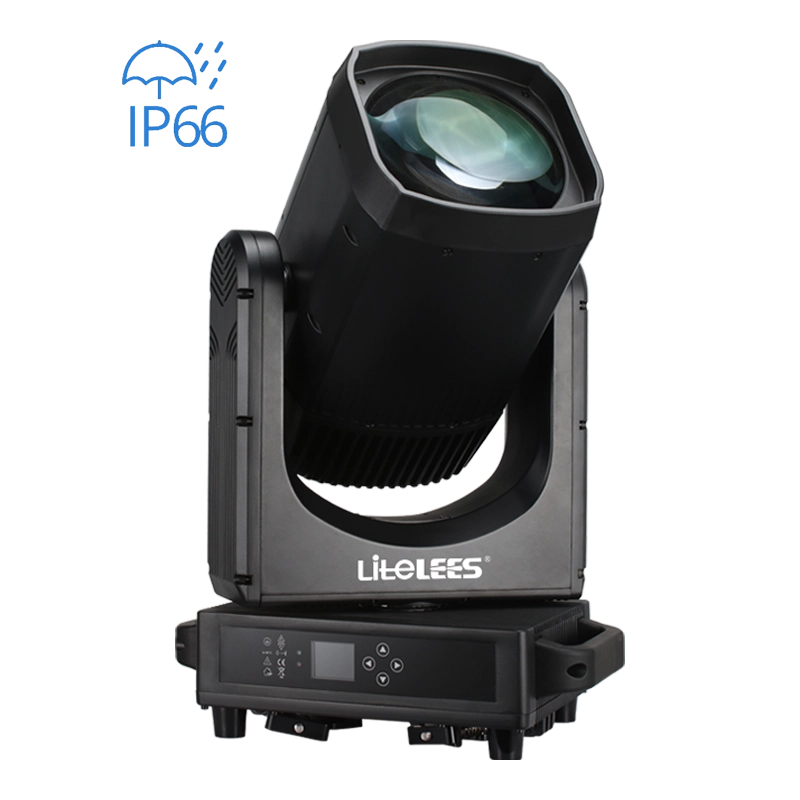
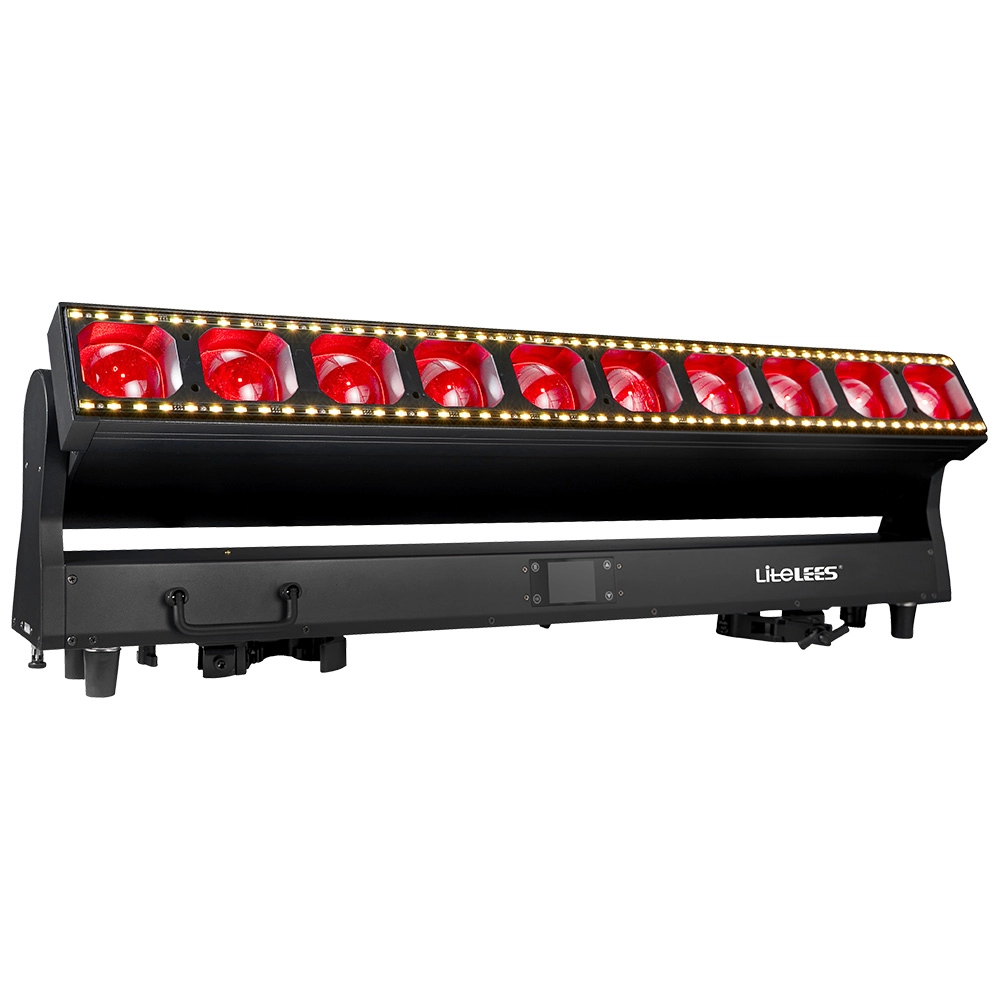
LiteLEES LUMIX BEAM 420 IP
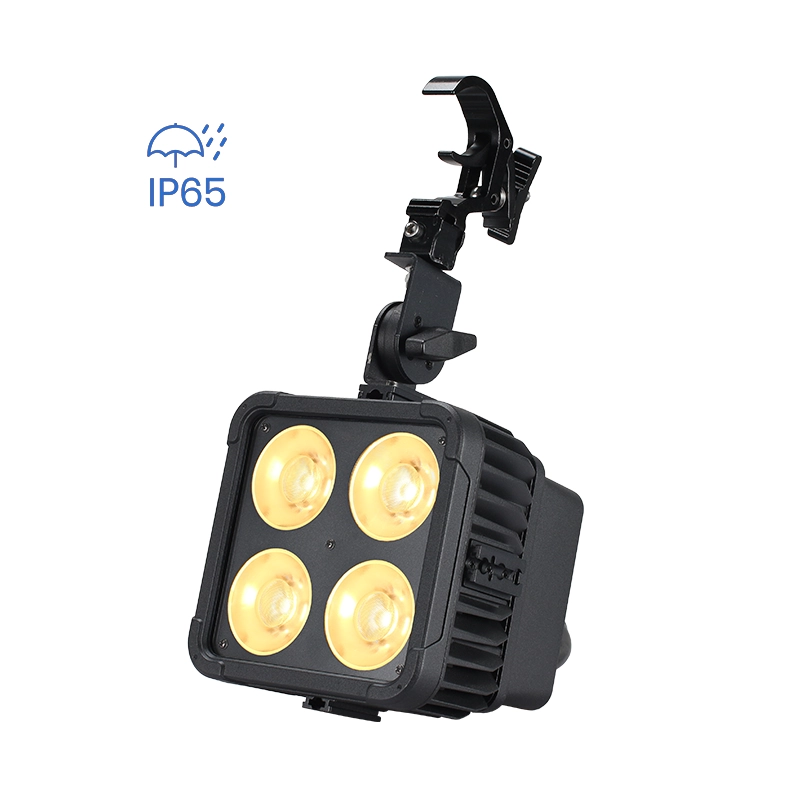
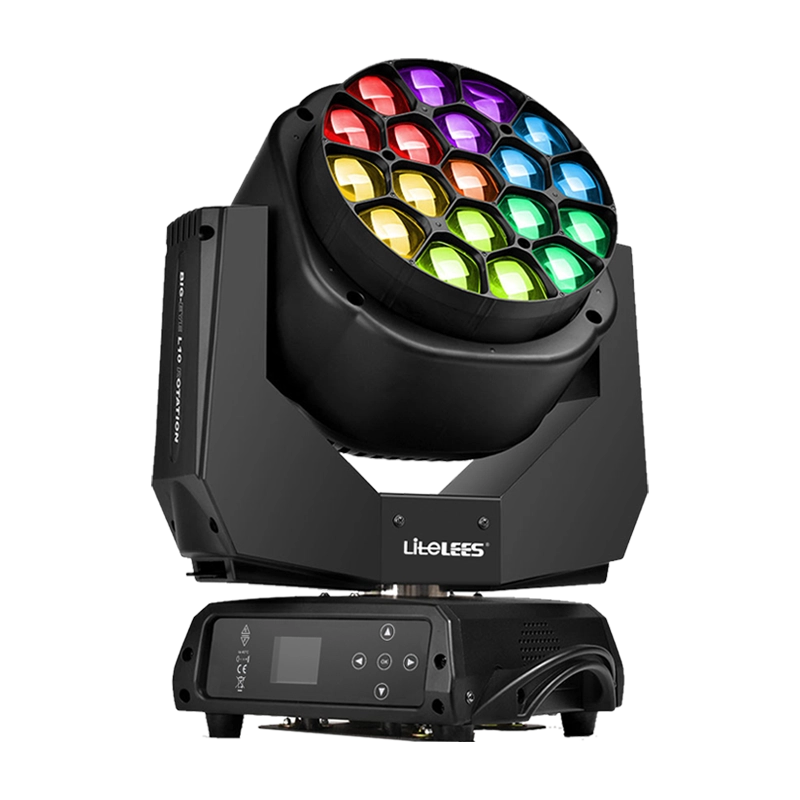
Magic Cube V8 IP
Want to get more up-to-date news?
If you have any comments or good suggestions, please leave us a message; later our professional staff will contact you as soon as possible.

We are professional stage lighting manufacturers offering OEM and ODM LED stage lights.
Contact
Email us
Call us
Address
No.6 Longnan Road, Huashan Town, Huadu District Guangzhou, Guangdong Province, China.
LiteLEES Professional
Less Lighting