
Moving Head Stage Lighting Guide: Mastering the Technical and Artistic Essence
- Quick Summary: Key Takeaways for Lighting Pros
- What Are Moving Head Stage Lights?
- The Evolution of Intelligent Lighting
- The Core Anatomy: Understanding the Mechanics
- Light Sources: LED vs Discharge Moving Heads
- Optical Modifiers
- Types of Moving Heads: Choosing the Right Tool
- The Primary Categories
- IP Ratings and Outdoor Use
- Mastering the Tech: Control and Programming
- Advanced Connectivity
- Programming Workflow
- Mastering the Art: Design Theory and Application
- Creating Depth and Atmosphere
- Expert Tips: Maintenance and Troubleshooting
- The Maintenance Checklist
- Future Trends 2026: The Next Generation of Lighting
- What to Watch For
- Conclusion & Call to Action
Quick Summary: Key Takeaways for Lighting Pros
- Versatility: Moving heads are the backbone of modern rig design, offering 360-degree motion and dynamic beam shaping.
- Fixture Types: Selection between beam, spot, wash, or hybrid depends strictly on throw distance and desired texture.
- 2026 Standards: The industry is pivoting toward high-CRI LED engines, IP65 weatherproofing, and AI-assisted tracking.
- Skill Set: Success requires balancing hard technical skills (DMX addressing, maintenance) with soft artistic skills (color theory, composition).
What Are Moving Head Stage Lights?

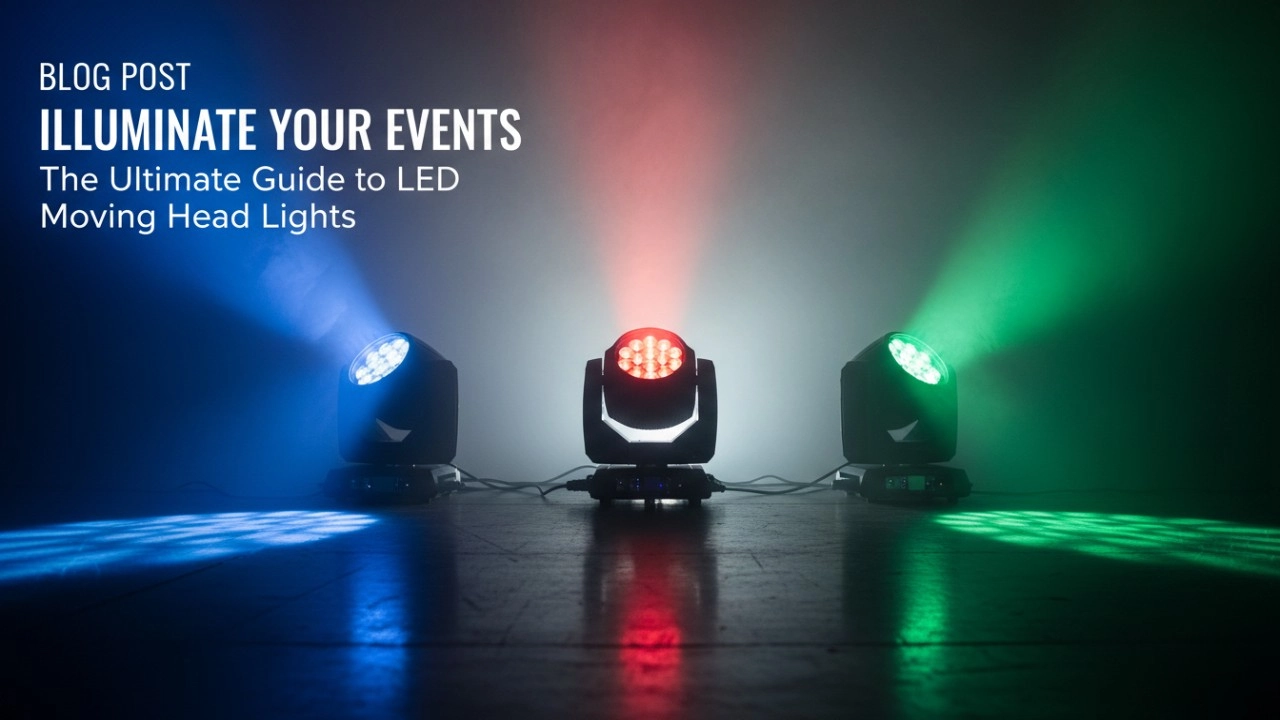
Moving head stage lights are automated intelligent lighting fixtures that utilize precision stepper motors to physically rotate the lamp's housing across dual axes (pan and tilt). Unlike static PARs or ellipsoidals, these units allow designers to remotely manipulate beam direction, color, shape, and texture in real time via a lighting console.
The Evolution of Intelligent Lighting
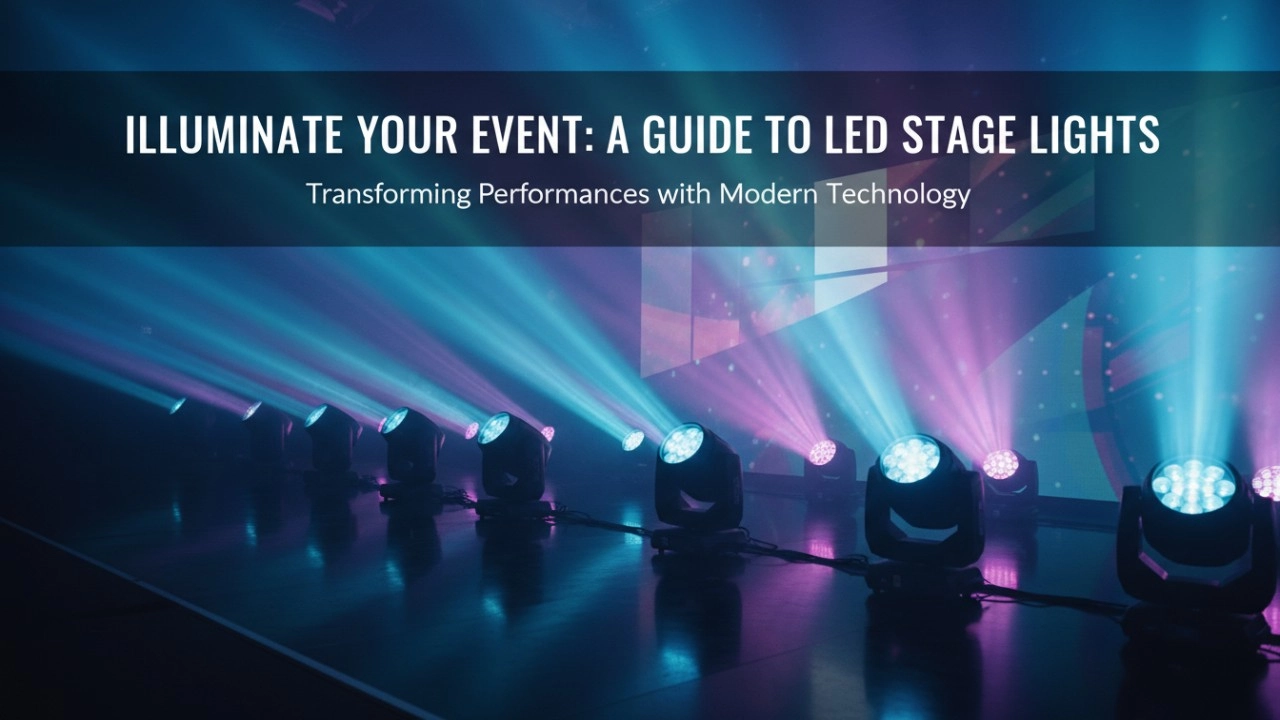
In the early days of stage production, changing the angle of a light meant physically climbing a truss ladder. Today, moving heads serve as the kinetic energy of a performance. They do not just illuminate a subject; they create structural architecture in midair. The ability to transition from a narrow, piercing beam to a wide, soft wash in a fraction of a second makes them indispensable for concerts, theaters, and broadcast events.
Established in 2010, Guangzhou Lees Lighting Co., Ltd. (LiteLEES) has witnessed this evolution firsthand. From early discharge lamp fixtures to modern, energy-efficient units, the shift has been toward greater reliability and speed. With over 50 patents, LiteLEES has helped define the modern standard for these fixtures, ensuring they meet the rigorous demands of touring productions in over 100 countries.
The Core Anatomy: Understanding the Mechanics
The anatomy of a moving head consists of three primary subsystems: the optical engine (lamp and lenses), the mechanical chassis (stepper motors and cooling), and the electronic control brain. High-quality fixtures use 3-phase motors for 16-bit resolution, allowing for smooth, fluid movements without the "jitter" seen in budget models.
Light Sources: LED vs Discharge Moving Heads
The most significant debate in 2026 remains LED vs. discharge moving heads. While traditional discharge lamps (arc sources) were historically preferred for their raw brightness and long throw capabilities in stadiums, LED technology has largely closed the gap.
- Discharge Lamps: Still used in massive beam fixtures for that "sharp" peak intensity, but they generate high heat and require bulb replacements every 1,500–2,000 hours.
- LED Engines: The modern standard. They offer consistent color temperature, lower power draw, and lifespans exceeding 20,000 hours.
- Laser Phosphor: An emerging technology for ultra-long-throw beams with minimal power consumption.
Optical Modifiers
Inside the head, a series of wheels and flags shape the light:
- Gobo Wheels: Metal or glass discs that project patterns (breakups, logos, aerial textures).
- Color Mixing: Professional units use CMY (cyan, magenta, and yellow) flags to subtractively mix any color, whereas entry-level units use a fixed color wheel.
- Prisms: Rotating glass facets that split the single beam into 3, 8, or even 16 distinct rays for volumetric effects.
Types of Moving Heads: Choosing the Right Tool
Selecting the correct fixture type is the first decision in automated stage lighting design. Manufacturers categorize these lights based on their optical properties and intended beam angle, with the lines blurring significantly in the 2026 market due to advanced zoom optics.
The Primary Categories
- Beam Fixtures: Characterized by a near-parallel light ray (0–4 degrees). They are designed for aerial impact and "punching" through stage fog. They often have lower-resolution gobos because the focus is on the shaft of light, not the projection.
- Spot Fixtures: The workhorses of texture. They feature a wider zoom range (approx. 5–50 degrees) and high-definition optics to ensure gobos remain in sharp focus. This is the choice for projecting logos or creating crisp floor textures.
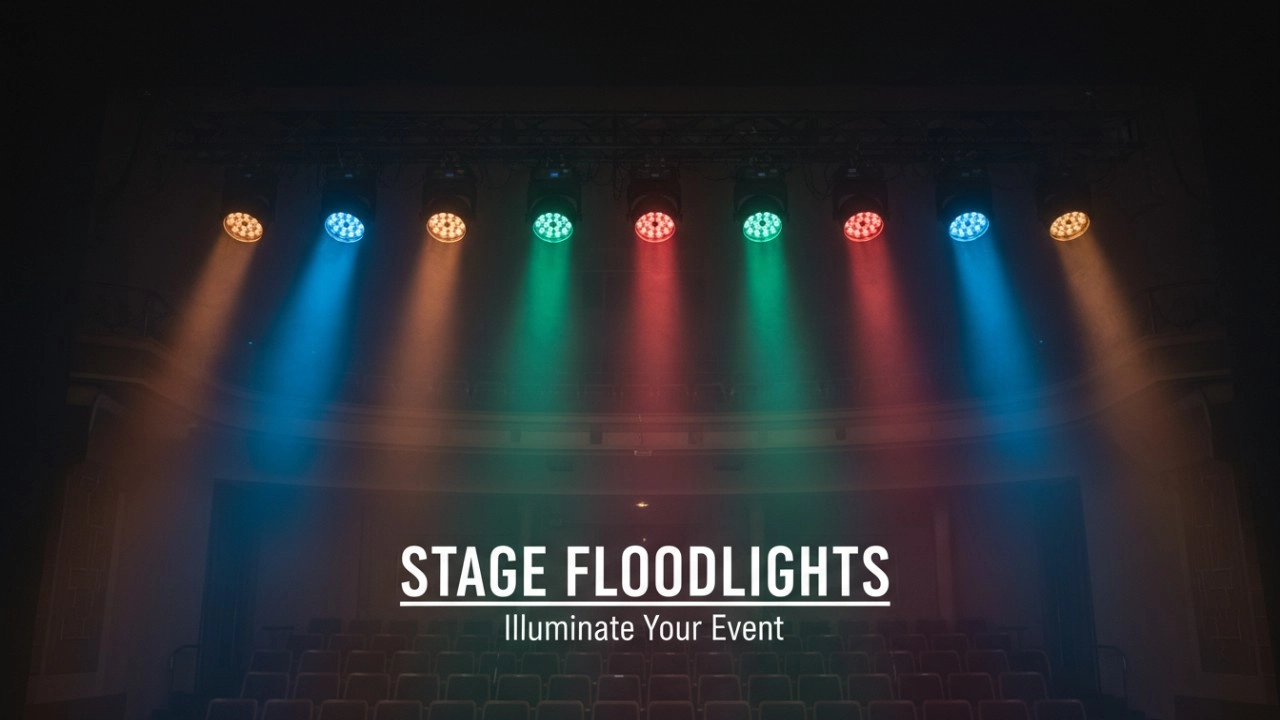
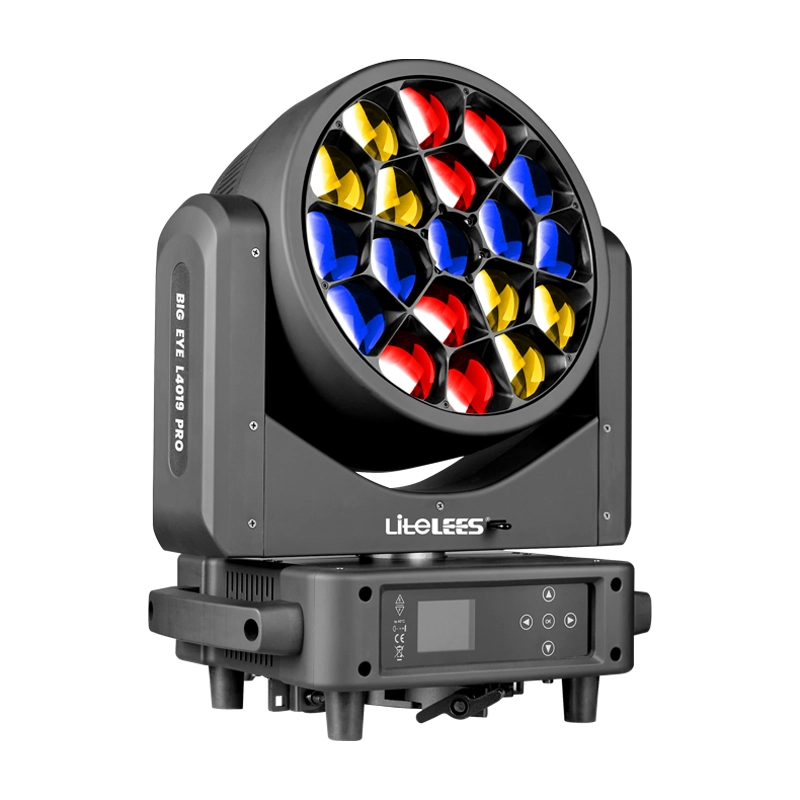
- Wash Fixtures: These use Fresnel or pebbled lenses to create soft-edged pools of light. Their primary job is coloring the stage and lighting talent without harsh shadows.
- Hybrid Moving Head Beam Spot Wash: The 2026 standard for versatility. A hybrid moving head beam spot wash combines all three optical modes into a single chassis. LiteLEES specializes in these 3-in-1 fixtures, allowing rental houses to stock fewer unit types while covering a wider range of design needs.
IP Ratings and Outdoor Use
For outdoor festivals, ingress protection is critical. According to the International Electrotechnical Commission (IEC), an IP65 rating ensures the enclosure is dust-tight and protected against water jets. Modern fixtures like the LiteLEES waterproof series are built to these rigorous IEC 60529 standards, eliminating the need for clumsy protective domes.
Mastering the Tech: Control and Programming
Moving head control relies almost exclusively on DMX512 control protocols, a digital communication standard that allows a central console to command individual parameters of the light. Each fixture is assigned a "Start Address," and subsequent channels control functions like Pan, Tilt, Dimmer, and Strobe.
Advanced Connectivity
While standard DMX cables (XLR 5-pin) are common, large-scale shows in 2026 utilize network-based protocols.
- DMX512: The base standard maintained by ESTA. It carries 512 channels of data per "Universe."
- Art-Net / sACN: Ethernet-based protocols that carry thousands of universes over a single CAT6 cable. This is essential when running pixel-mapped LED fixtures, which consume high channel counts.
- RDM (Remote Device Management): Allows the console to "talk back" to the fixture, checking sensor errors or changing DMX addresses remotely without climbing the rig.
Programming Workflow
- Patching: Telling the console which fixture library matches your hardware.
- Groups: Organizing lights by type or location (e.g., "All Spots," "Upstage Trusses").
- Palettes: Saving preset positions, colors, and beam looks. This is crucial because if you move venues, you only update the palettes, not the entire show file.
- Effects: Using the console's shape generator to create sine waves or step chases for movement.
Mastering the Art: Design Theory and Application
Artistic stage lighting is about emotion, not just visibility. Once you understand the technical DMX values, you must apply design theory to manipulate the audience's focus and mood.
Creating Depth and Atmosphere
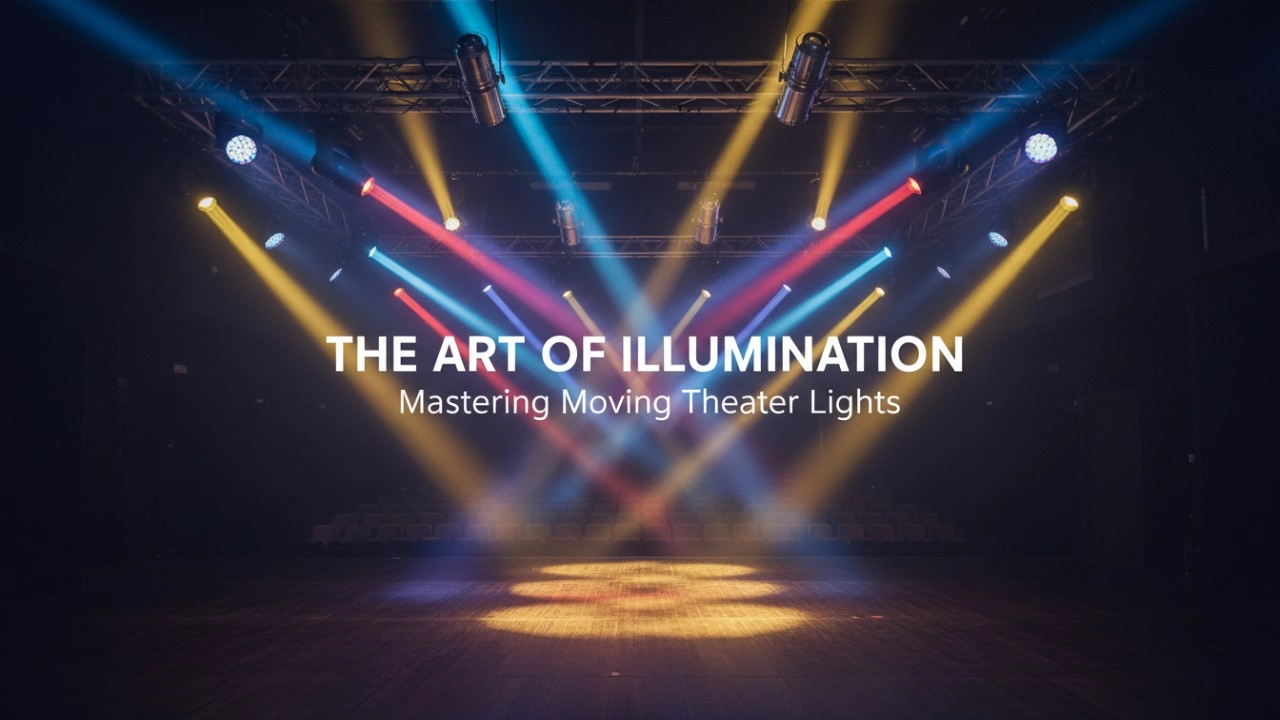
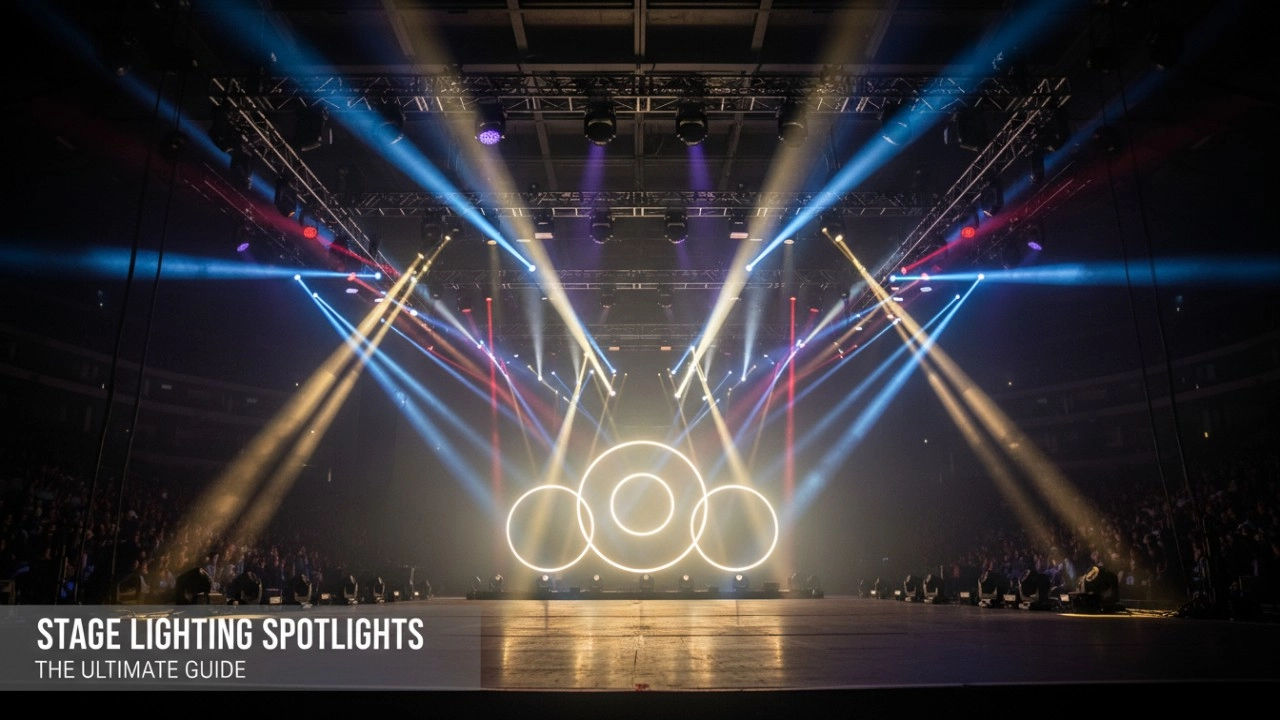
- Aerial Texture: Use haze (fog) to reveal the beams. Without haze, a beam fixture is invisible until it hits a surface. Crossing beams in an "X" pattern creates a virtual ceiling above the band.
- Color Theory: Warm colors (amber, red) evoke intimacy or aggression, while cool colors (blue, UV, white) create isolation or technological feelings. Use high-CRI fixtures from LiteLEES to ensure skin tones look natural during front-light wash segments.
- Contrast: Darkness is as important as light. You do not need to turn every light on at 100%. Create contrast by leaving negative space on stage.
Expert Tips: Maintenance and Troubleshooting
Routine maintenance is the only way to protect your investment. Moving heads are mechanical devices that ingest dust and smoke fluid residue, which can gum up optical fans and overheat LED engines.
The Maintenance Checklist
- Optical Path Cleaning: Clean lenses and glass gobos with isopropyl alcohol and a lint-free cloth monthly. Dirty optics can reduce output by 30%.
- Fan Inspection: Check that cooling fans are spinning freely. If a fan fails, the fixture's thermal protection will trip, shutting off the lamp mid-show.
- Lubrication: Apply high-temp grease to the pan/tilt gears annually, but avoid over-greasing, which attracts grit.
- Firmware Updates: Manufacturers like LiteLEES frequently release software patches to improve movement smoothness or add new strobe patterns.
Future Trends 2026: The Next Generation of Lighting
The future of stage lighting is intelligent, sustainable, and wireless. As we move through 2026, we are seeing a departure from power-hungry sources toward eco-friendly designs that do not compromise on artistic output.
What to Watch For
- AI-Assisted Followspots: Cameras integrated into the truss that automatically track performers and adjust the moving heads to follow them, removing the need for manual operators.
- Sustainable Materials: Housings made from recycled composites and LED engines with higher efficacy (lumens per watt).
- Wireless DMX: While currently used for small events, robust wireless protocols are becoming reliable enough for arena-sized touring, reducing cabling time by 50%.
Conclusion & Call to Action
Moving head stage lights represent the perfect fusion of complex engineering and creative expression. Whether you are deploying deep aerial beams for a rock concert or subtle theatrical framing for a play, the key lies in selecting the right tool—be it a Beam, Spot, Wash, or Hybrid—and mastering the control protocols that drive them. As technology evolves, reliability and optical precision remain paramount.
At LiteLEES, our R&D team is dedicated to pushing the boundaries of what these fixtures can achieve, backed by ISO9001 quality control and a global service network.
Contact Guangzhou Lees Lighting Co., Ltd. today to discuss your specific needs and elevate your stage production.
Products
Can I customize the functions or software of the lights?
Absolutely. As a manufacturer with independent R&D capabilities, we offer customization for both hardware and software (such as DMX channel layout, built-in programs, or UI language). Contact us with your project needs, and our team will provide tailored solutions.
How long is the warranty period for your products?
We offer a standard 1-year warranty on all products, with extended warranty options available upon request. During the warranty period, we provide free technical support and parts replacement for non-human damage.
Company
Can LiteLEES handle OEM/ODM orders?
Absolutely. With our strong R&D capabilities and advanced manufacturing, we can customize designs, features, and branding to meet your specific needs.
Where is LiteLEES located?
Our headquarters and manufacturing facility are located in Guangzhou, China, with products exported to over 70 countries worldwide.
What certifications do your products have?
All LiteLEES products are certified by CE, RoHS, FCC, and BIS. Our factory is ISO9001 quality management system certified.
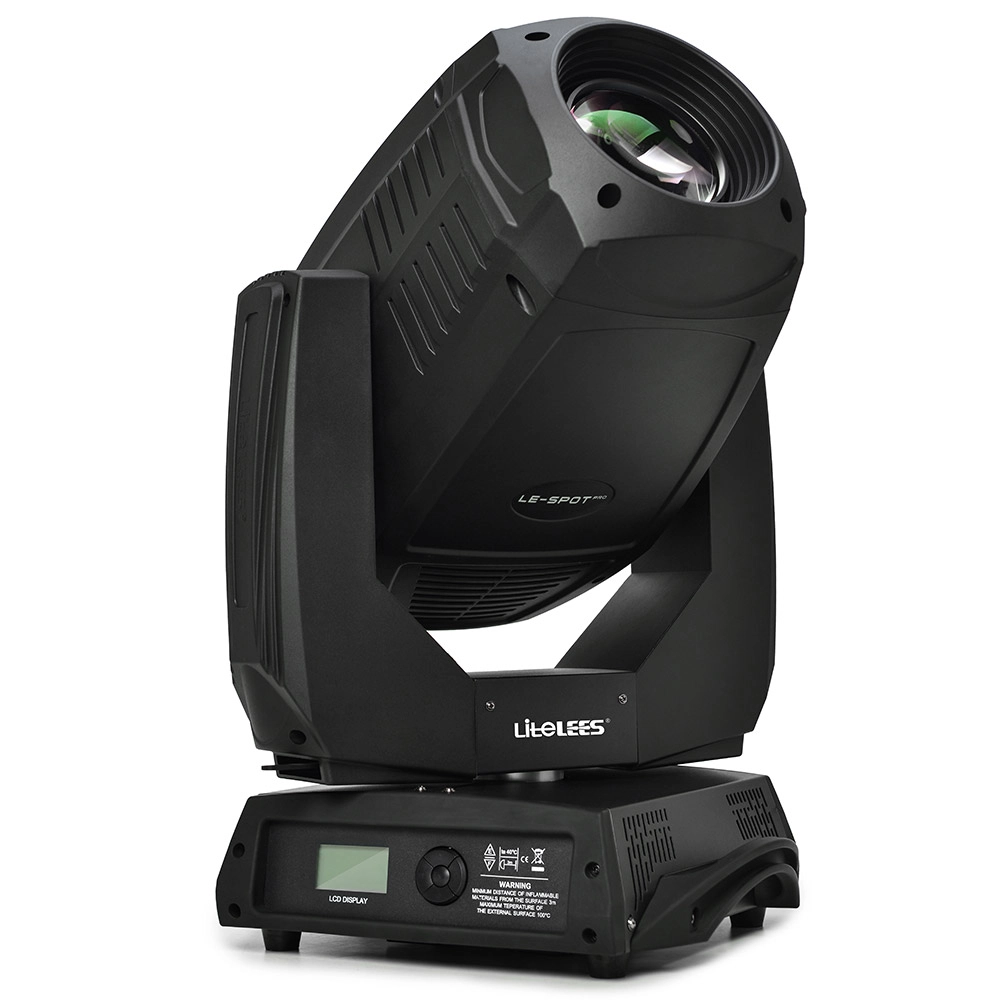
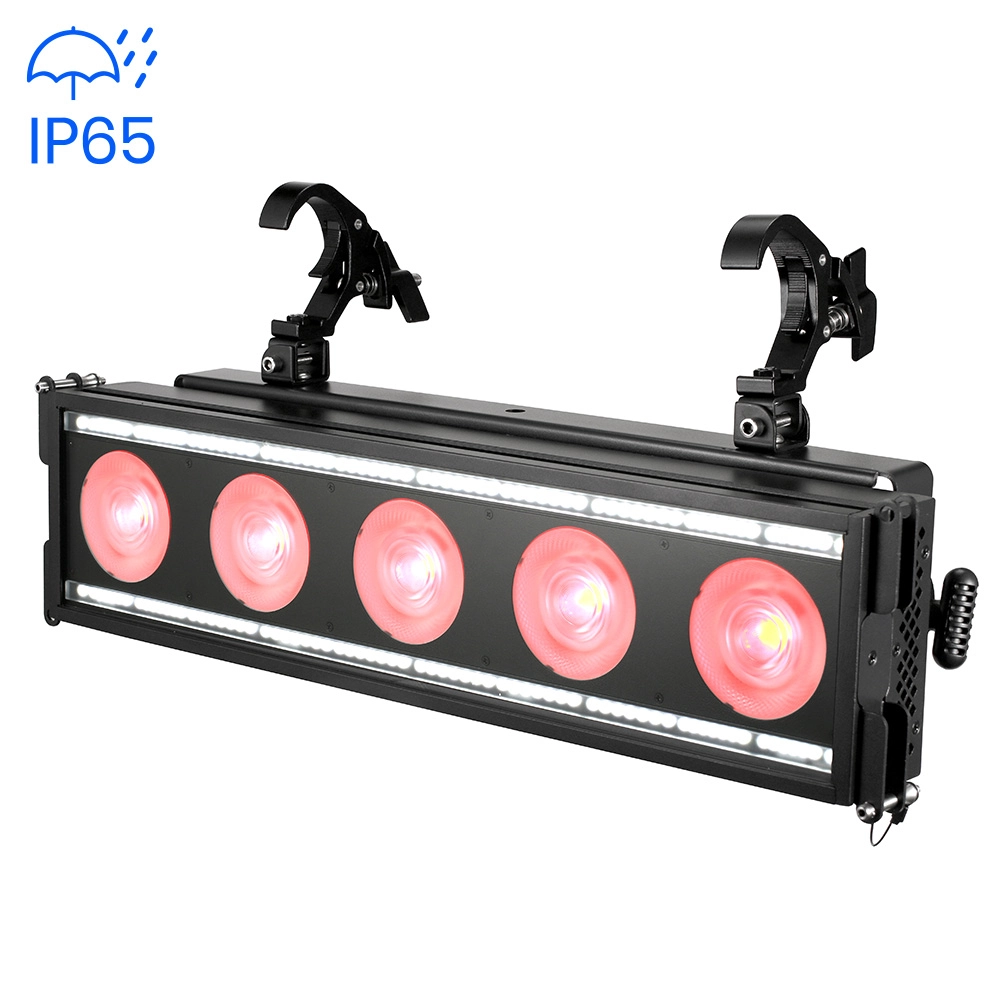
Stormy Flash 550 lP
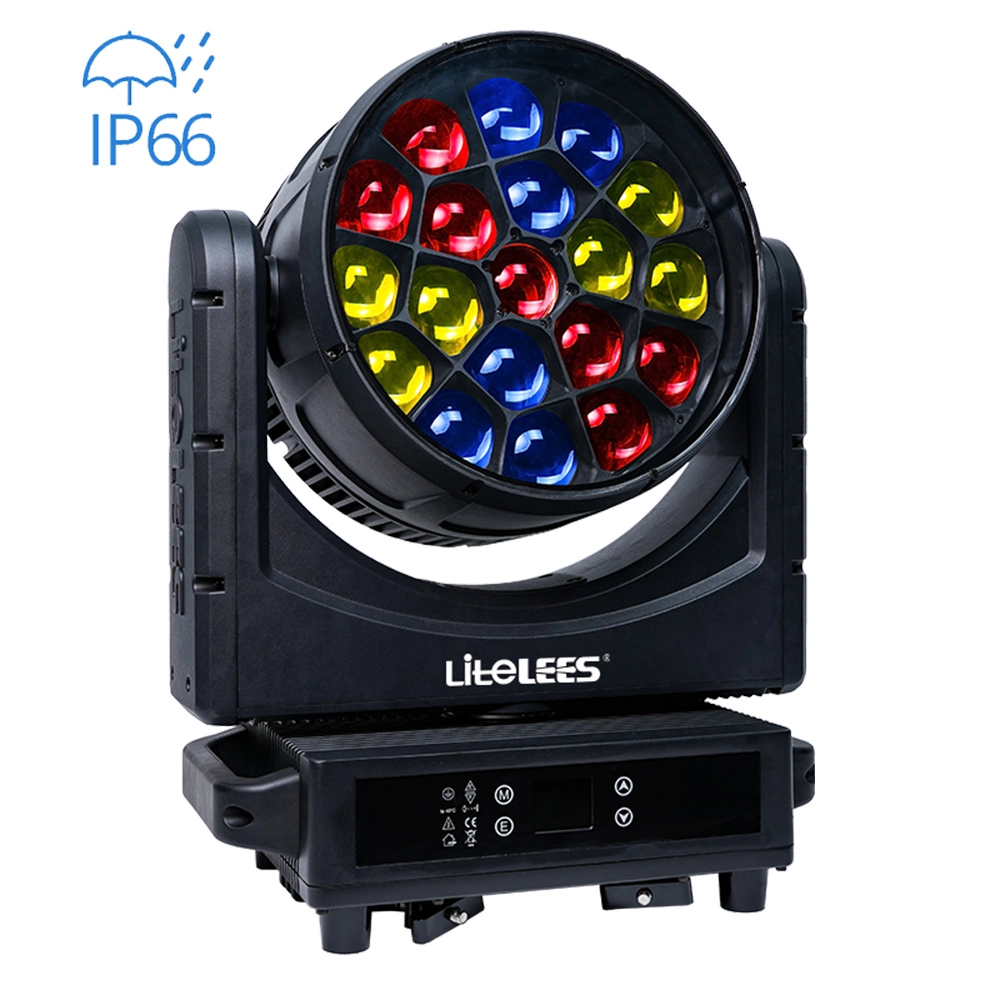
BIG EYE L4019 IP
Want to get more up-to-date news?
If you have any comments or good suggestions, please leave us a message; later our professional staff will contact you as soon as possible.

We are professional stage lighting manufacturers offering OEM and ODM LED stage lights.
Contact
Email us
Call us
Address
No.6 Longnan Road, Huashan Town, Huadu District Guangzhou, Guangdong Province, China.
LiteLEES Professional
Less Lighting