
How LED Wash Lights Are Revolutionizing Stage Lighting Design: 2026 Global Trends Guide
- Key Takeaways for Production Managers
- The Science of Color: Beyond RGB to Full-Spectrum Depth
- Design Versatility: Static vs. Moving Head Wash Systems
- Technological Gaps and 2026 Innovations
- Expert Design Tips & Common Pitfalls
- Frequently Asked Questions
- What is the primary difference between a wash light and a spot light?
- Why are LED wash lights better than traditional tungsten lamps?
- Can LED wash lights be used for outdoor events?
- What does RGBW mean in LED wash lighting?
- How do I control LED wash lights?
- Do LED wash lights flicker on camera?
- What is a "moving head" wash light?
- Are LED wash lights energy efficient?
- References
LED wash lights are revolutionizing stage design by replacing restrictive gel-based systems with high-speed additive color mixing and digital precision. They offer unparalleled versatility, allowing designers to shift entire atmospheric moods instantly while reducing power consumption by up to 80% compared to halogen fixtures.

Modern fixtures provide edge-to-edge uniformity, eliminating hotspots and creating immersive depth for both live audiences and high-definition camera sensors. This shift is not just aesthetic; it represents a fundamental change in Stage Ambiance Architecture, enabling production teams to build complex visual environments that were previously impossible with tungsten technology.
Key Takeaways for Production Managers
LED wash systems provide immediate operational ROI through instant color transformation and significant thermal reduction. Unlike traditional rigs that require physical gel changes and cool-down periods, modern LED fixtures allow for rapid adaptability during live performances without compromising safety or workflow speed.
For production managers, the transition to LED is often driven by efficiency. Data from Stage Electrics indicates that switching to LED can reduce energy consumption by up to 80%, a critical factor as venues face stricter sustainability mandates. Furthermore, the reduction in radiant heat—often by 90%—means air conditioning systems work less, lowering the overall carbon footprint of the event.
- Instant Color Transformation: No more physical gels or ladder-climbing mid-show; change moods in milliseconds.
- Thermal Management: Significant reduction in stage heat improves performer endurance and safety.
- Hybrid Flexibility: Transition seamlessly between wide flood washes and narrow beam effects in one fixture.
- Sustainability ROI: Lower operational costs through long-life LED modules (up to 50,000 hours) and reduced HVAC needs.
The Science of Color: Beyond RGB to Full-Spectrum Depth
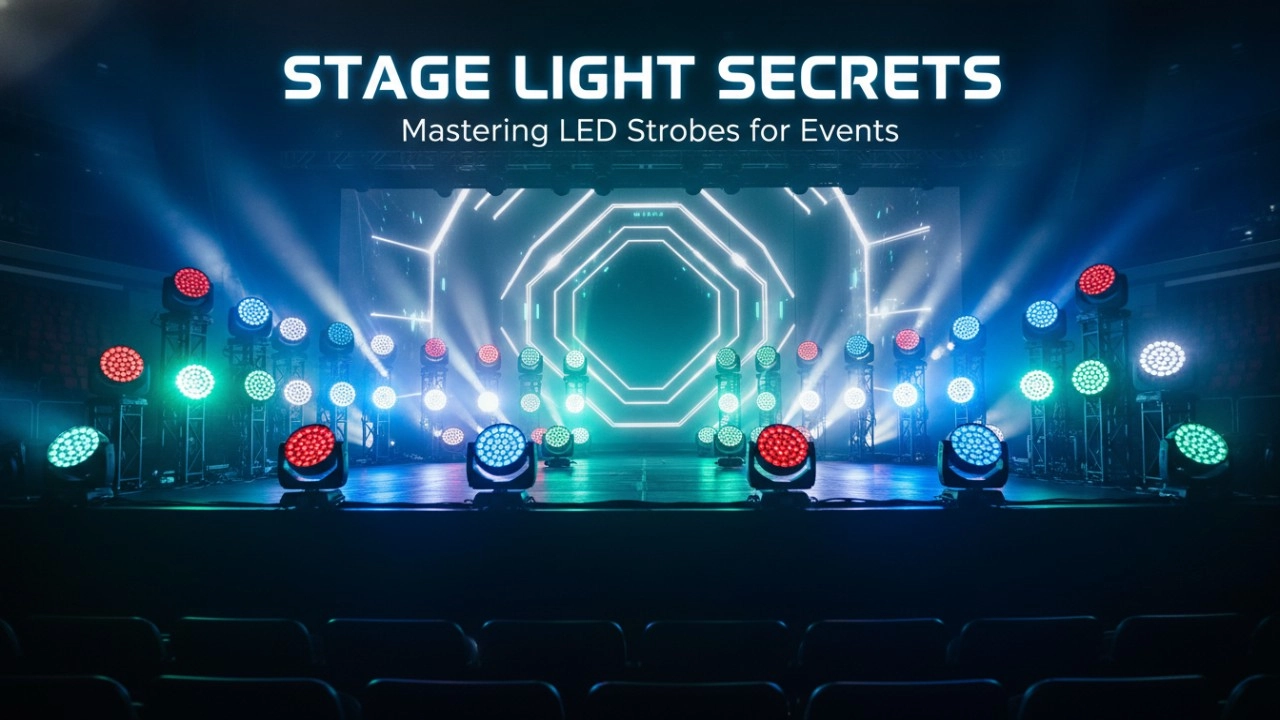
Modern LED engines utilize Additive Color Mixing Systems to achieve high-fidelity saturation that rivals traditional tungsten sources. By combining Red, Green, and Blue with White, Amber, or Lime emitters, these fixtures eliminate the "spiky" spectral output of early LEDs, ensuring natural skin tones and vibrant set pieces.
The evolution from basic RGB to Full-Spectrum Color Consistency is essential for 2026 designs. Early LED models often struggled with pastels and warm whites, creating "skittles" or multi-colored shadows. Today, advanced optics and COB LED Technology (Chip-on-Board) pack multiple diodes into a single module, creating a homogenized light source that mimics the single-point clarity of a conventional lamp.
- Evolution of the Spectrum: Transitioning from RGB to RGBW, RGBA, and Lime-enhanced engines for higher CRI/TLCI values.
- Skin Tone Naturalism: Why 2026 designs prioritize color rendering over raw lumen output for broadcast quality.
- Optical Precision: The role of advanced lenses in preventing multi-colored shadowing in wash applications.
Design Versatility: Static vs. Moving Head Wash Systems
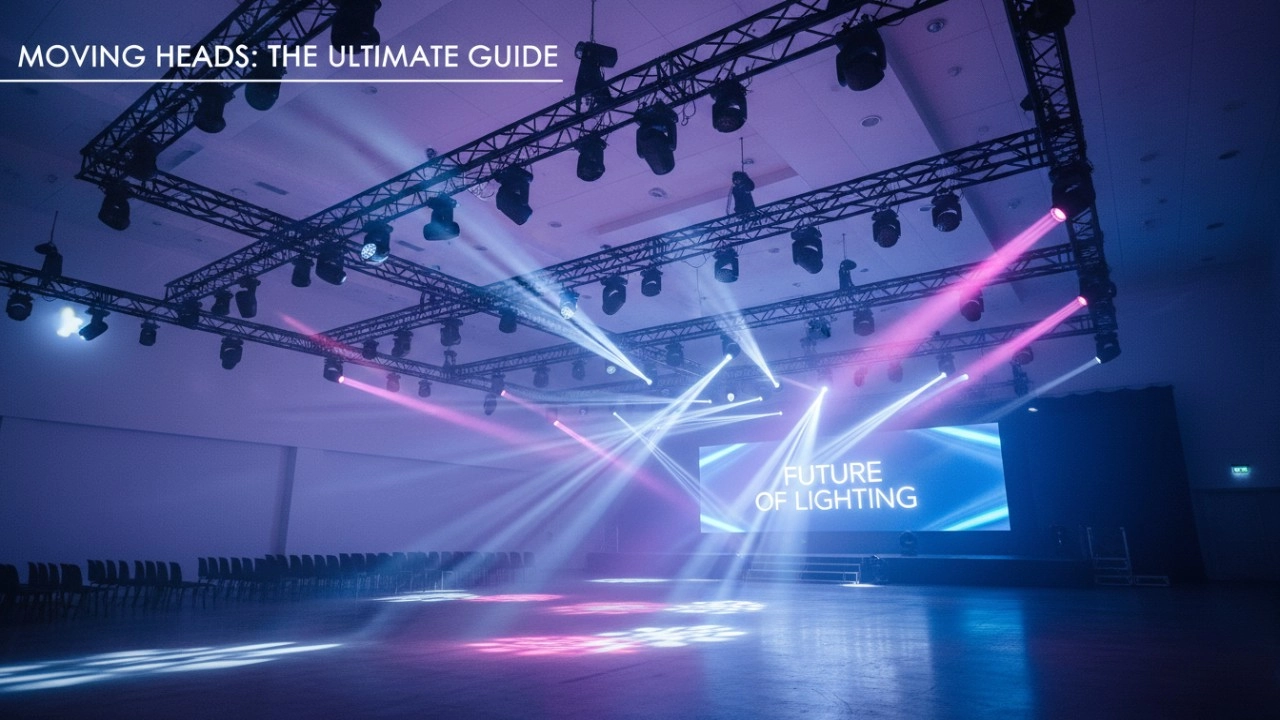
Static wash lights serve as the foundational canvas for architectural highlighting, while moving heads add dynamic, rhythmic layers to the visual performance. Choosing the right balance between these two form factors is critical for creating a rig that is both functional and artistically flexible.
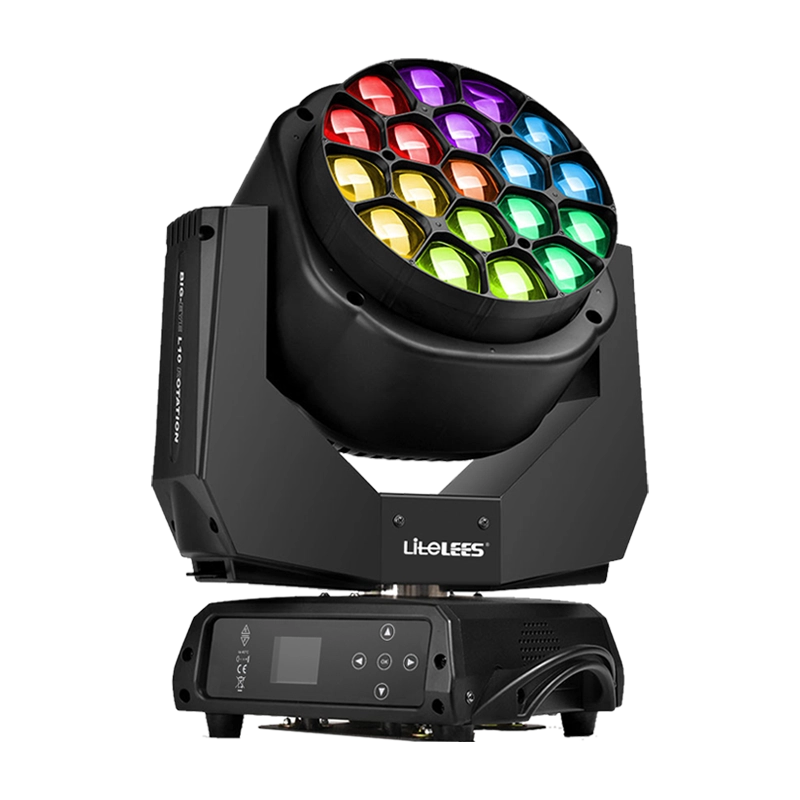
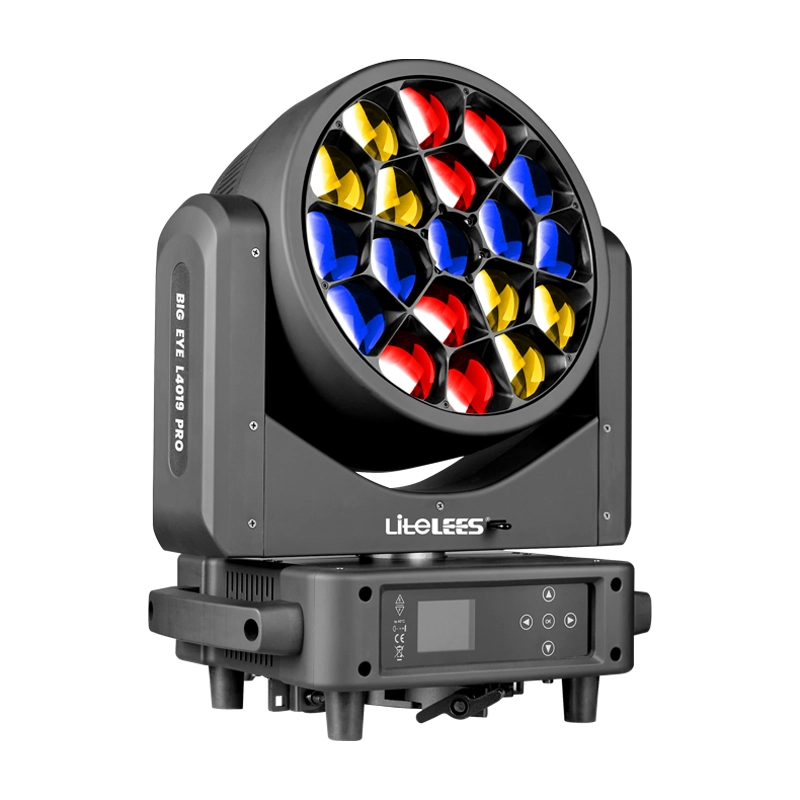
At Guangzhou Lees Lighting Co., Ltd. (LiteLEES), we have observed a shift in how designers deploy these tools. Established in 2010, our R&D team has developed hybrid fixtures that bridge this gap. For instance, our beam/spot/wash 3-in-1 fixtures allow venues to consolidate their inventory. Instead of hanging separate static cans and moving spots, a single LiteLEES fixture can handle architectural wash duties during a corporate keynote and then switch to dynamic beam effects for the evening entertainment.
- Static Wash: The foundation of architectural highlighting and base-level venue coverage.
- Moving Heads: Dynamic tracking and automated zoom ranges (3° to 60°) for rhythmic visual layers.
- Integration Strategy: How to balance static and kinetic fixtures in a hybrid rig for maximum coverage.
Technological Gaps and 2026 Innovations
The next frontier in stage lighting combines AI-driven automation with robust DMX Wireless Control Ecosystems to remove physical cabling barriers. As we move into 2026, the industry is seeing a surge in demand for IP-rated fixtures that can operate reliably in any environment without bulky weather protection.
Recent market analysis suggests a growing reliance on wireless protocols like LumenRadio's CRMX and Ethernet-based sACN. This allows for "cable-free" data distribution, which is vital for complex festival stages or historic venues where cable runs are restricted. Furthermore, Guangzhou Lees Lighting Co., Ltd. has responded to this trend by expanding our portfolio of waterproof stage lighting, ensuring that high-performance wash lights can withstand the elements during outdoor concerts and large-scale touring productions.
- The Rise of IP65/66: Weatherproofing everything for outdoor stadium use without bulky covers.
- AI-Driven Automation: Systems that automatically adjust wash intensity based on real-time ambient light sensors.
- RDM (Remote Device Management): Bidirectional communication for faster troubleshooting during soundchecks.
Expert Design Tips & Common Pitfalls
To achieve professional depth, designers should layer wash lights at varying angles rather than flooding the stage from a single frontal position. This technique creates three-dimensional sculpting of the performers, separating them from the background and adding visual interest to the camera shot.
A common error is relying too heavily on saturation. While Full-Spectrum Color Consistency allows for deep blues and reds, over-saturating the stage can flatten the visual perspective, making it difficult for cameras to resolve detail. Experienced designers use "side fill" and "backlight" washes in contrasting colors to carve out the subject.
- Expert Tip: Layer your washes at different angles to create three-dimensional depth rather than flat "wall" lighting.
- Mistake to Avoid: Over-saturating the stage with 100% blue or red, which can flatten the visual perspective for cameras.
- Implementation: Use high-frequency PWM fixtures to ensure flicker-free dimming for 4K and 8K broadcast environments.
Frequently Asked Questions
What is the primary difference between a wash light and a spot light?
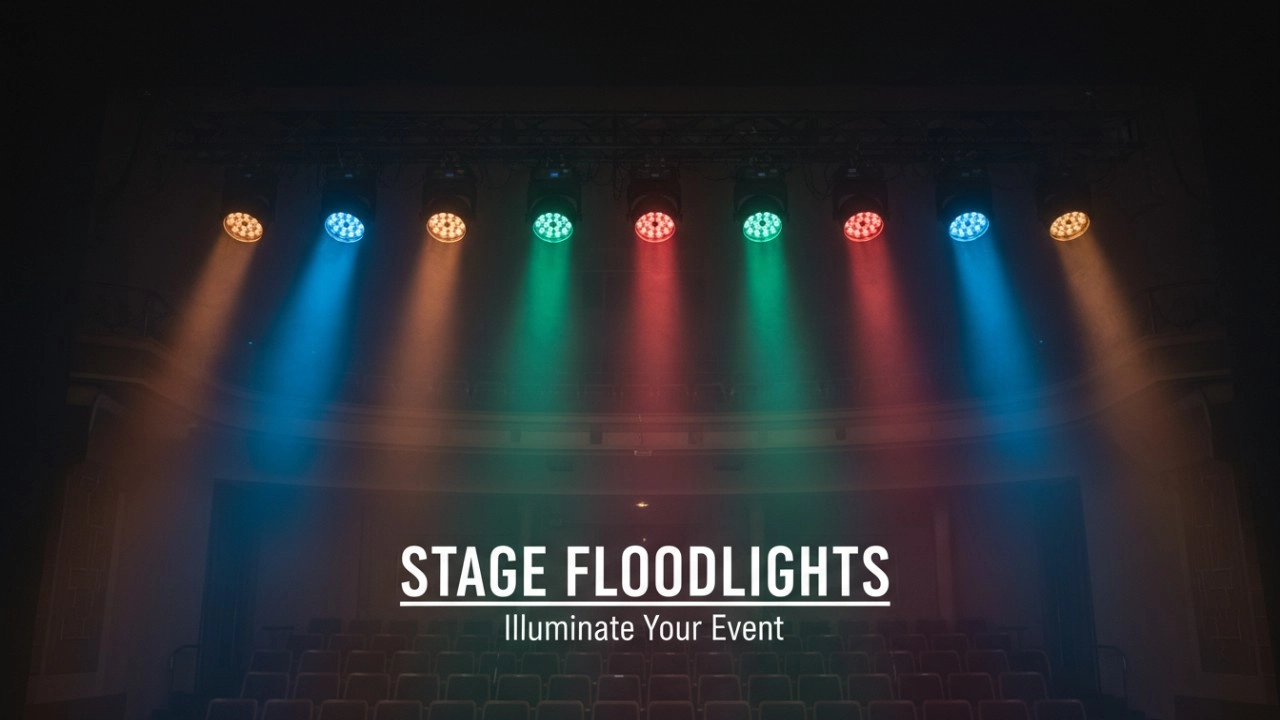
Wash lights provide soft-edged, wide coverage to fill large areas with uniform color. In contrast, spot lights offer sharp-edged, focused beams designed for specific highlights, patterns, or gobo projection.
Why are LED wash lights better than traditional tungsten lamps?
LEDs offer millions of colors without physical gels, consume significantly less power, and generate almost no heat. According to recent efficiency reports, LED modules can last up to 50,000 hours, whereas tungsten lamps often fail after 500-2,000 hours.
Can LED wash lights be used for outdoor events?
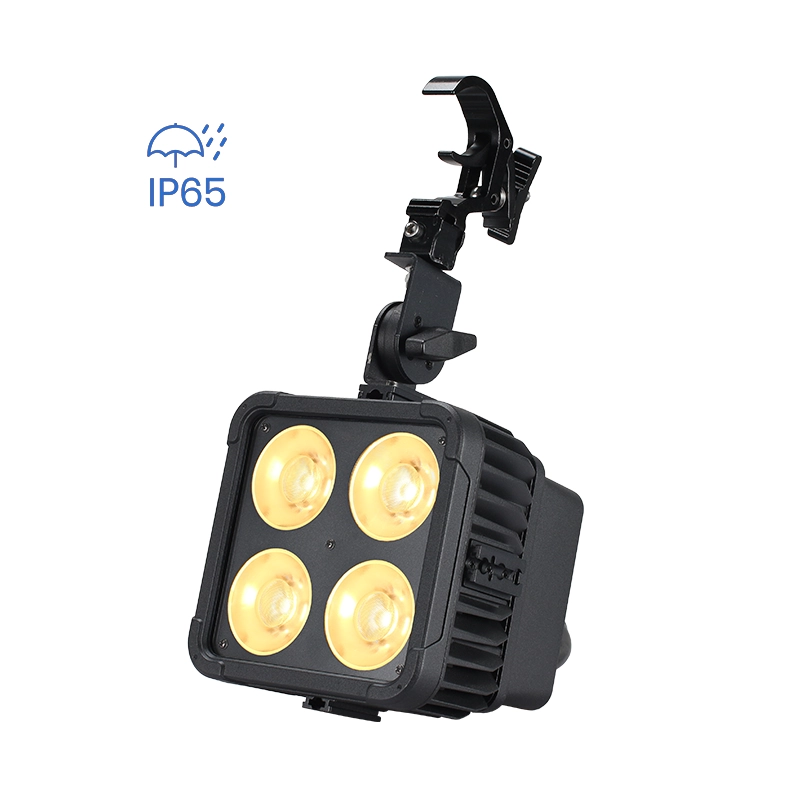
Yes, provided they have an IP65 or higher ingress protection rating. Manufacturers like LiteLEES specialize in waterproof stage lighting that creates reliable performance for outdoor stadiums and architectural illumination.
What does RGBW mean in LED wash lighting?
RGBW stands for Red, Green, Blue, and White. The addition of a White LED chip allows for better pastel colors and a cleaner, more neutral white light compared to mixing RGB alone.
How do I control LED wash lights?
Most professional fixtures use DMX512 protocols via 3-pin or 5-pin XLR cables. However, modern trends in 2026 are shifting toward DMX Wireless Control Ecosystems and Ethernet-based Art-Net/sACN for more flexible setup.
Do LED wash lights flicker on camera?
High-quality LED wash lights use high-frequency Pulse Width Modulation (PWM). This technology ensures they remain "flicker-free" for TV, film, and live streaming services, which is critical for modern broadcast standards.
What is a "moving head" wash light?
A moving head wash is a motorized fixture that can pan and tilt 360 degrees. It allows designers to dynamically reposition the beam during a performance, adding movement and energy to the light show.
Are LED wash lights energy efficient?
Yes, they typically use 70-90% less energy than conventional incandescent equivalents. This efficiency allows production managers to run more fixtures on a single electrical circuit, reducing generator costs for outdoor events.
References
Company
Can LiteLEES handle OEM/ODM orders?
Absolutely. With our strong R&D capabilities and advanced manufacturing, we can customize designs, features, and branding to meet your specific needs.
Do you have your own factory?
Yes. We own a sheet metal factory and a complete in-house production line—from PCB to final assembly—ensuring strict quality control and fast delivery.
What is LiteLEES’s main business?
LiteLEES specializes in the design, development, manufacturing, and sales of professional stage lighting, including moving head lights, beam lights, spot lights, wash lights, and LED par lights.
Products
Do your lights support DMX512 and other control protocols?
Yes. All LiteLEES stage lights are fully compatible with DMX512. Many models also support RDM, Art-Net, and wireless DMX (optional), ensuring seamless integration with modern lighting control systems.
How long is the warranty period for your products?
We offer a standard 1-year warranty on all products, with extended warranty options available upon request. During the warranty period, we provide free technical support and parts replacement for non-human damage.
Magic Cube V8 IP
Want to get more up-to-date news?
If you have any comments or good suggestions, please leave us a message; later our professional staff will contact you as soon as possible.

We are professional stage lighting manufacturers offering OEM and ODM LED stage lights.
Contact
Email us
Call us
Address
No.6 Longnan Road, Huashan Town, Huadu District Guangzhou, Guangdong Province, China.
LiteLEES Professional
Less Lighting