
LED Stage Strobe Light Comparison: Performance, Power, and Pricing Guide
A comprehensive guide for lighting designers comparing LED stage strobes to xenon. Covers power efficiency, DMX control, safety protocols, and ROI analysis.
- Quick Summary: Key Takeaways for Lighting Designers
- What Are LED Stage Strobe Lights, and Why Are They Superior?
- Performance Analysis: Brightness, Color, and Speed
- Power Efficiency and Infrastructure Impact
- Pricing Guide: Understanding Cost vs. Value (ROI)
- Advanced Features: Pixel Mapping and Hybrid Modes
- Expert Tips: Common Mistakes to Avoid in Strobe Programming
- Conclusion
- Frequently Asked Questions
- What is the difference between LED and xenon strobe lights?
- How many DMX channels do LED strobe lights need?
- Are LED strobes safe for all audiences?
- Can LED strobes be used as wash lights?
- What is the lifespan of an LED stage strobe?
Quick Summary: Key Takeaways for Lighting Designers
LED stage strobe lights represent a massive leap in technology, offering up to 90% energy savings and hybrid functionality compared to legacy xenon fixtures. For lighting professionals, the switch means reduced power infrastructure needs and greater creative control.
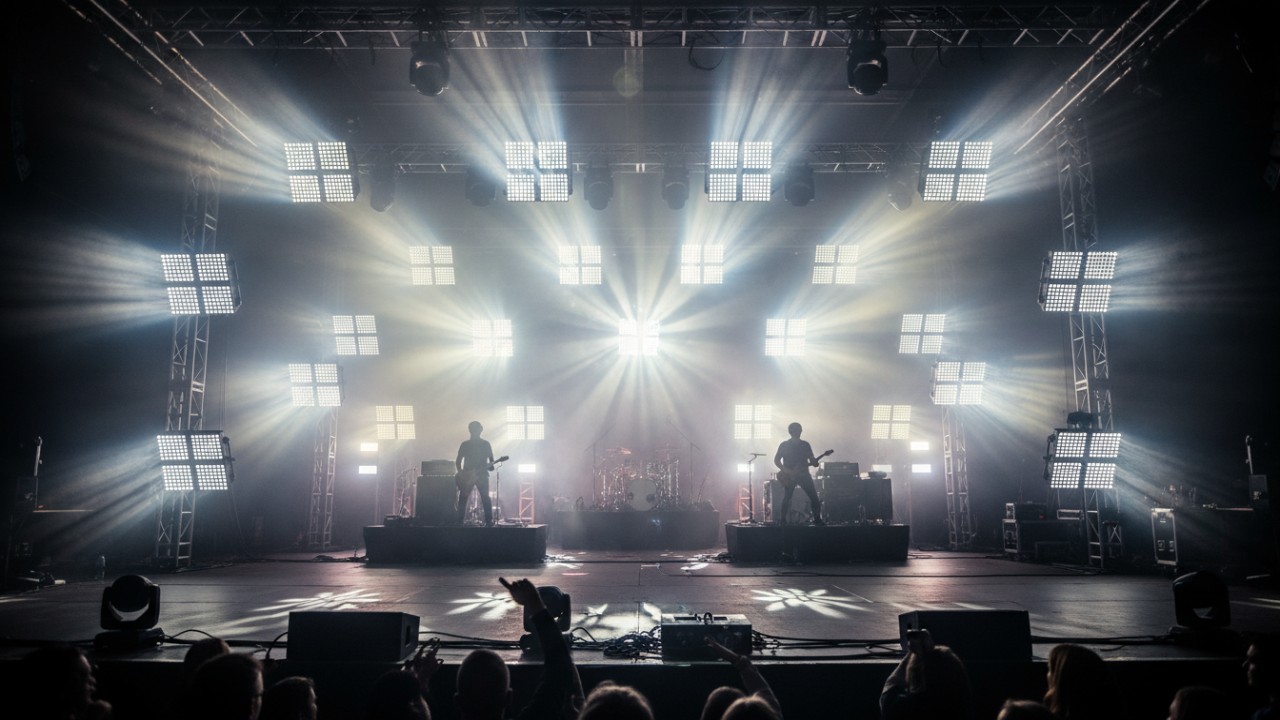
- Efficiency: LEDs eliminate the thermal throttling issues of Xenon, allowing for continuous blinder effects.
- Versatility: Modern fixtures function as hybrids, serving as wash lights, blinders, and strobes simultaneously.
- Cost: While upfront costs vary, the long-term ROI is driven by the elimination of bulb replacements and lower HVAC loads.
- Safety: Strict adherence to Hz frequency limits is required to prevent photosensitive reactions.
What Are LED Stage Strobe Lights, and Why Are They Superior?
LED stage strobe lights are solid-state lighting fixtures that utilize high-intensity light-emitting diodes to create rapid bursts of light for visual effects, replacing gas-discharge tubes. Unlike traditional xenon strobes, which require high-voltage capacitors to fire, LEDs offer instant response times and far greater reliability.
- Instant On/Off: No ramp-up time or recharge cycles required between flashes.
- Thermal Management: Solid-state technology runs significantly cooler, reducing the risk of overheating during extended use.
- Color Mixing: Capabilities for RGBW color mixing allow designers to strobe in any saturated color, a feature impossible with standard Xenon tubes without external gels.
Performance Analysis: Brightness, Color, and Speed
Luminous flux efficiency in modern LED strobes has advanced to the point where a single 1000W LED fixture can match or exceed the perceived brightness of a 3000W xenon atomic strobe. This raw power is now coupled with the finesse of digital control.
- Intensity: High-end LEDs deliver consistent output without the degradation seen in aging xenon tubes.
- Color Versatility: Native color mixing removes the need for scrollers or gels, allowing for instant color bumps synchronized with the music.
- Flash Duration: Designers can achieve hyper-fast strobing up to 30 Hz or sustain the light indefinitely for "blinder" moments.
- Optics: Variable beam angles and barn doors help control light spill, which is critical for theatrical applications.
Power Efficiency and Infrastructure Impact
Stage lighting power consumption is a critical factor for venue operators, and LED strobes drastically reduce the electrical load required for high-impact shows. According to the Department of Energy, LED technology uses at least 75% less energy and lasts 25 times longer than incandescent lighting, a statistic that directly translates to stage environments.
- Wattage Comparison: A typical LED strobe draws 100W-1000W, whereas a xenon equivalent pulls 3000W peaks.
- Infrastructure Savings: Reduced amperage means you can daisy-chain more units on a single 20A circuit.
- Cable Management: Utilization of standard power links reduces the heavy cabling required for dimmers.
- HVAC Reductions: Less heat generated on stage means lower air conditioning costs for the venue.
Pricing Guide: Understanding Cost vs. Value (ROI)
Investing in IP65-rated fixtures and high-quality LEDs may have a higher initial sticker price, but the Total Cost of Ownership (TCO) is significantly lower over a 3-5 year period. When evaluating pricing, consider the durability and the elimination of consumables.
- Entry-Level ($150 - $500): Suitable for mobile DJs; often plastic housing with limited DMX channels.
- Mid-Range ($500 - $1,500): Professional build quality, often aluminum housing, and good brightness.
- Touring Grade ($1,500+): IP65-rated fixtures with high pixel density, Art-Net control, and road-ready cases.
- Zero Consumables: Xenon flash tubes cost $50-$100 and break frequently; LEDs last 20,000+ hours.
At Guangzhou Lees Lighting Co., Ltd. (LiteLEES), we bridge this gap by offering touring-grade reliability at competitive manufacturing prices. Our ISO9001-certified production ensures that every fixture meets international CE and RoHS standards while maintaining a price point that maximizes your ROI.
Advanced Features: Pixel Mapping and Hybrid Modes
DMX512 Strobe Control has evolved to include complex pixel mapping, where the face of the strobe is divided into individually controllable zones. This allows the fixture to double as a low-resolution video surface.
- Pixel Mapping: Create motion effects, shapes, and chases across the face of a single light.
- Hybrid Utility: Use the fixture as a vibrant color wash when high-energy strobing isn't required.
- Zone Control: Break a linear strobe into 12 or more segments for "eye-candy" effects.
- Protocol Support: Advanced units support Art-Net or sACN for mapping large arrays of fixtures easily.
LiteLEES incorporates these advanced pixel-mapping capabilities into our R&D designs, ensuring that even our standard models offer the creative flexibility demanded by top-tier lighting designers.
Expert Tips: Common Mistakes to Avoid in Strobe Programming
Safety is paramount when programming high-intensity discharge effects, as improper use can trigger health incidents. The Epilepsy Foundation warns that flashing lights between frequencies of 5 to 30 flashes per second (Hz) are most likely to trigger seizures in photosensitive individuals.
- Frequency Management: Avoid sustained strobing in the 15-20 Hz "danger zone" for more than a few seconds.
- Contrast Control: Ensure you have "blackout" moments to maximize the impact of the flashes.
- Channel Mode: Always check your DMX profile; using the wrong mode can disable fine-dimming or color mixing.
- Audience Warning: Always post signage at venue entrances if strobes will be used.
Conclusion
Upgrading to LED stage strobes offers superior versatility, significantly lower power consumption, and better long-term ROI than traditional xenon options. By balancing performance features like pixel mapping with budget realities, you can build a rig that is both spectacular and safe.
Contact the specialists at LiteLEES today to discuss how our IP65-rated fixtures and custom solutions can elevate your next production.
Frequently Asked Questions
What is the difference between LED and xenon strobe lights?
LEDs use solid-state diodes for instant color mixing and low power draw, whereas xenon lights use a gas-discharge tube that consumes high wattage and generates significant heat.
How many DMX channels do LED strobe lights need?
Basic operation usually requires 1-4 channels for dimmer, rate, and duration, but advanced DMX512 Strobe Control modes with pixel mapping can require 50+ channels per fixture.
Are LED strobes safe for all audiences?
No strobe light is 100% safe for photosensitive individuals; operators must adhere to safety guidelines regarding flash rate (Hz) and duration and always post warning signs.
Can LED strobes be used as wash lights?
Yes, most modern LED strobes are "hybrid" fixtures that can sustain continuous output to light a stage (wash) and then snap instantly to high-intensity strobing effects.
What is the lifespan of an LED stage strobe?
LED strobes are typically rated for 20,000 to 50,000 hours of operation, which far exceeds xenon tubes that may last only a few hundred to a thousand hours.
![Moving Head Stage Lighting Guide: Mastering the Technical and Artistic Essence [2026 Edition] - LiteLEES](https://static.gooecloud.com/upload/img/GY160908357145/moving-head-stage-lighting-guide-mastering-the-technical-and-artistic-essence-2026-edition.png?x-oss-process=image/format,webp/quality,Q_100 "Moving-Head-Stage-Lighting-Guide:-Mastering-the-Technical-and-Artistic-Essence-[2026-Edition] - LiteLEES")
Company
What certifications do your products have?
All LiteLEES products are certified by CE, RoHS, FCC, and BIS. Our factory is ISO9001 quality management system certified.
Do you have your own factory?
Yes. We own a sheet metal factory and a complete in-house production line—from PCB to final assembly—ensuring strict quality control and fast delivery.
Products
How long is the warranty period for your products?
We offer a standard 1-year warranty on all products, with extended warranty options available upon request. During the warranty period, we provide free technical support and parts replacement for non-human damage.
Do your lights support DMX512 and other control protocols?
Yes. All LiteLEES stage lights are fully compatible with DMX512. Many models also support RDM, Art-Net, and wireless DMX (optional), ensuring seamless integration with modern lighting control systems.
Are your lights suitable for large-scale events and outdoor use?
Yes. Our professional stage lights—especially the Beam, BSW 3-in-1, and LED Par Series—are engineered with high-output brightness, wide beam angles, and robust housing. Some models come with IP-rated protection, making them suitable for outdoor applications like concerts, festivals, and sports events.
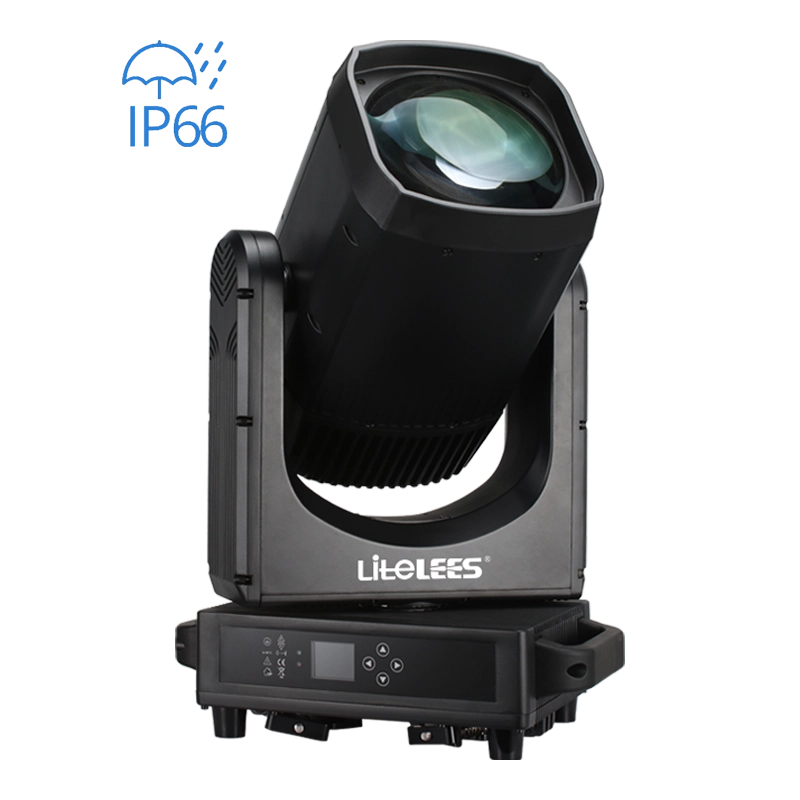
LiteLEES LUMIX BEAM 420 IP

Stormy Shake Blinder IP
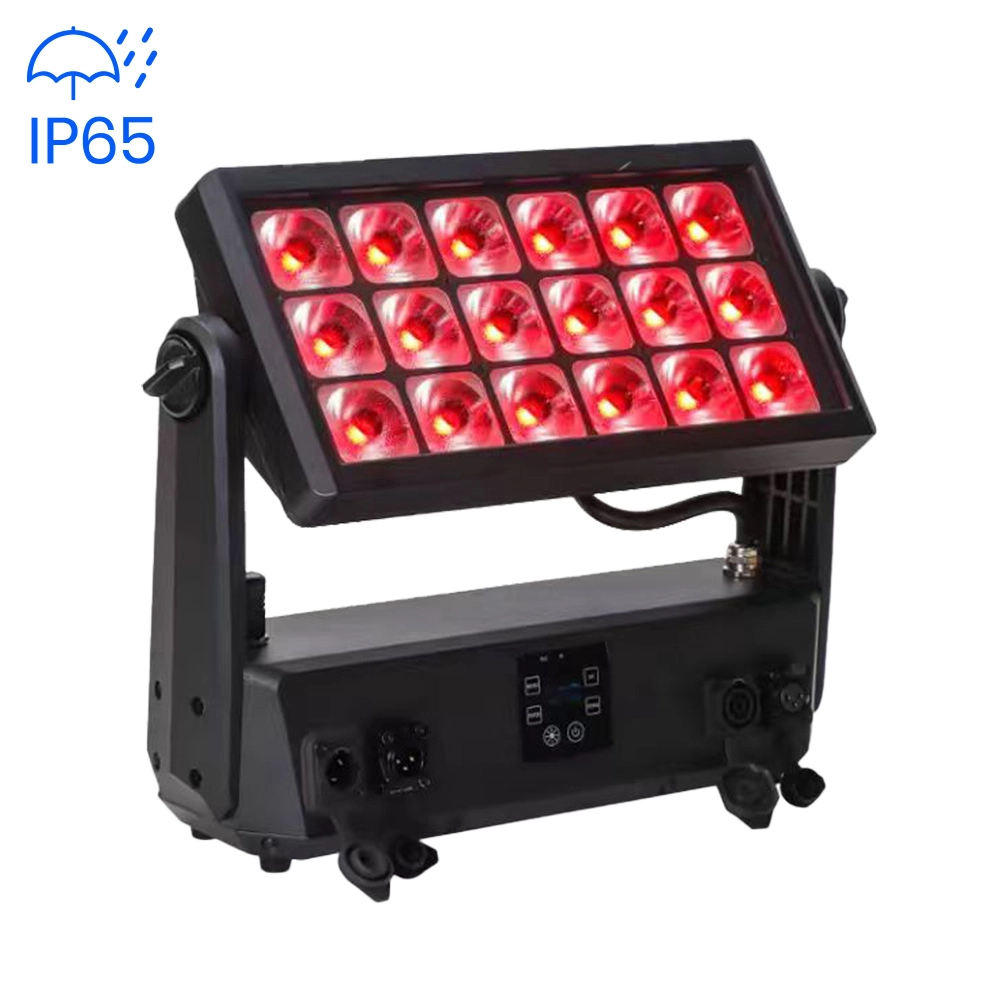
Stormy Battery Flood Light 1820 IP
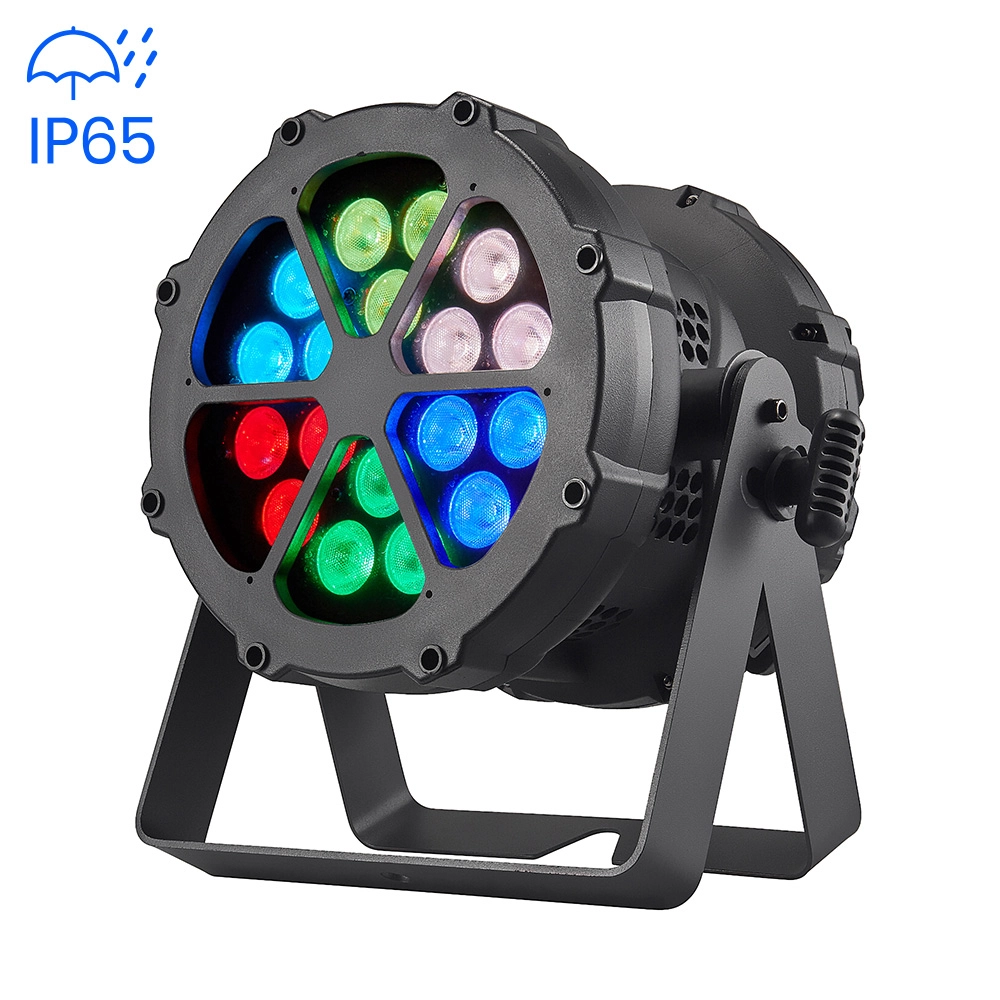
Stormy par 1812 IP
Want to get more up-to-date news?
If you have any comments or good suggestions, please leave us a message; later our professional staff will contact you as soon as possible.

We are professional stage lighting manufacturers offering OEM and ODM LED stage lights.
Contact
Email us
Call us
Address
No.6 Longnan Road, Huashan Town, Huadu District Guangzhou, Guangdong Province, China.
LiteLEES Professional
Less Lighting