
2026 Ultimate Guide to LED Beam Moving Head Lights: High-Performance Lighting Trends
A comprehensive 2026 technical guide for lighting professionals covering LED beam moving heads, AI-driven DMX automation, photometric calculations, and maintenance best practices.
- What is an LED Beam Moving Head Light?
- Quick Summary: Key Takeaways for Lighting Designers
- Technical Anatomy: Optics, Mechanics, and 2026 Modules
- The 2026 Technology Gap: AI Automation and RDM 2.0
- Expert Tips: Avoiding Common Setup and Maintenance Mistakes
- Photometric Deep Dive: Lux, Throw Distance, and Beam Angle
- Frequently Asked Questions
- What is the difference between an LED beam and an LED spot moving head?
- How long do LED beam moving head lights last?
- Are LED beam lights bright enough for outdoor festivals?
- What DMX channel mode should I use for moving heads?
- Can I mix different brands of LED moving heads in one show?
- Why is my moving head light flickering?
- What is "Fine Pan and Tilt" on a moving head?
- Do I need a special controller for LED beam lights?
- References
The landscape of professional stage lighting is shifting rapidly as we approach 2026, moving beyond simple illumination to fully immersive, intelligent ecosystems. LED Beam Moving Head Lights have evolved from static tools into dynamic, AI-integrated instruments capable of complex spatial effects. For lighting designers and venue operators, mastering the nuances of DMX512 and RDM control is now as critical as understanding the optics themselves. This guide breaks down the mechanical physics, emerging software trends, and maintenance protocols defining the next generation of live event production.
What is an LED Beam Moving Head Light?
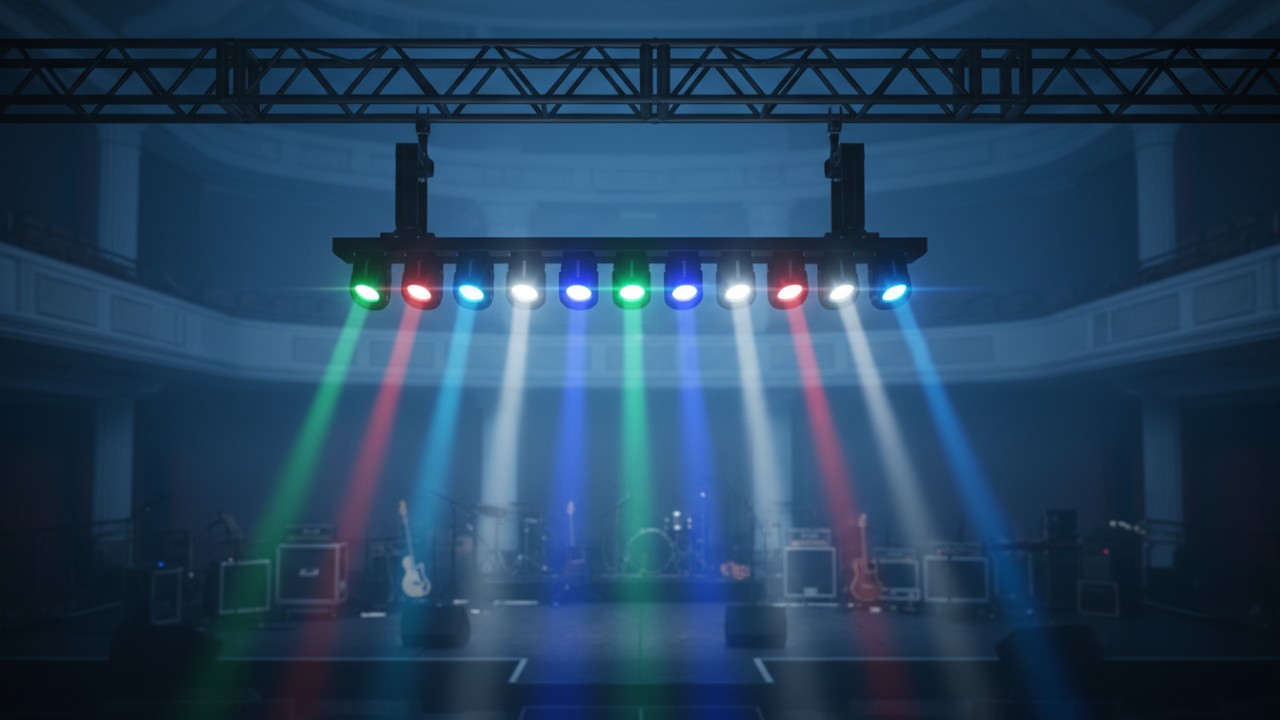
An LED Beam Moving Head Light is an intelligent, automated lighting fixture that utilizes high-output LED modules and specialized optics to project an ultra-narrow, high-intensity column of light.
Unlike traditional wash fixtures that disperse light, these units are engineered for aerial dominance and long-throw visibility.
- Core Function: Specifically designed to cut through fog and haze to create mid-air architectural shapes and high-speed theatrical choreography.
- Key Distinction: The beam angle is extremely tight, typically between 0 to 4 degrees, distinguishing it from "Spot" (sharp projection) or "Wash" (soft edge) fixtures.
- Modern Evolution: The industry has transitioned from inefficient 150W discharge sources to high-efficiency 400W+ LED engines, offering superior brightness with a fraction of the power draw.
- Optical Precision: Uses multi-coated glass lenses to collimate light waves, maximizing the throw distance for arenas and festivals.
-
-
Quick Summary: Key Takeaways for Lighting Designers
Professional lighting designers in 2026 must prioritize peak candela over raw lumens and insist on 16-bit motion control to ensure fluid, stutter-free beam positioning during slow sequences.
To maximize budget and impact, focus on these critical performance metrics:
- Beam Intensity: For beam fixtures, total luminous flux (lumens) matters less than luminous intensity (candela). You need light that travels far, not just light that glows bright.
- Motion Precision: Ensure fixtures support 16-bit fine pan/tilt. This provides 65,536 steps of resolution compared to the 256 steps of standard 8-bit control, eliminating visible "stepping."
- 2026 Trends: Expect a massive shift toward silent cooling systems using advanced copper heat pipes and AI-integrated DMX mapping that predicts musical cues.
- ROI Factor: Data from recent industry reports indicates that LED modules rated for 50,000+ hours can reduce long-term maintenance costs by up to 70% compared to traditional arc lamps, which require replacement every 1,500 hours.
Technical Anatomy: Optics, Mechanics, and 2026 Modules
The internal architecture of a modern moving head combines precision robotics with advanced RGBW color mixing technology to deliver millions of saturated color variations without thermal fade.
Understanding the physical components helps in selecting the right fixture for touring vs. permanent installation:
- Advanced Optical Trains: 2026-grade fixtures employ anti-reflective, multi-layer coated glass lenses to ensure greater than 96% light transmission efficiency.
- High-Wattage LED Engines: The market is seeing a rise in COB (Chip on Board) technology, which packs higher LED density into a smaller footprint for a punchier beam.
- Mechanical Speed: Look for three-phase stepper motors. These allow for lightning-fast 540-degree pan and 270-degree tilt movements, essential for high-energy EDM festivals.
- Thermal Management: Innovations have moved from noisy fans to active copper-pipe liquid cooling systems, maintaining optimal diode temperature even during continuous high-output use.
The 2026 Technology Gap: AI Automation and RDM 2.0
The most significant leap in stage lighting automation is the integration of Artificial Intelligence and RDM 2.0 workflows, allowing fixtures to communicate real-time health data back to the console.
Standard DMX is uni-directional, but the new standard relies on bi-directional feedback loops:
- AI-Driven Patterns: Emerging software can now analyze audio waveforms in real-time, triggering beam movements that adapt dynamically to the music's tempo and mood without manual keyframing.
- RDM 2.0 Workflows: Utilization of Remote Device Management (RDM) allows technicians to monitor diode temperature, fan speed, and voltage remotely. This predictive maintenance prevents mid-show failures.
- Sustainable Tech: Manufacturers are increasingly adopting bio-plastic chassis components and modular designs to reduce e-waste, aligning with global sustainability goals.
- Hybrid Flexibility: Software-defined convergence is blurring lines, allowing a single high-end fixture to switch modes between a razor-sharp beam and a soft wash instantly.
Expert Tips: Avoiding Common Setup and Maintenance Mistakes
Successful deployment requires rigorous attention to power distribution and signal integrity, as even the most expensive led light strips or moving heads will fail without a stable infrastructure.
Follow these field-tested protocols to ensure system reliability:
- The Power Factor Myth: Do not just add up wattages. LED drivers have a "power factor" (often <1.0). Always calculate your circuit load with a 20% safety margin to handle inrush current.
- DMX Termination: Essential for long cable runs. Place a 120-ohm terminator at the output of the last fixture to prevent signal reflection (shadowing), which causes lights to flicker or behave erratically.
- Rigging Safety: Always perform "point-load" calculations. A 40lb fixture creates significantly higher dynamic forces when moving rapidly. Secondary safety cables are mandatory, not optional.
- Lens Maintenance: Clean optical elements regularly with isopropyl alcohol. Dust accumulation on the lens can create "hot spots" that absorb heat and may crack the glass or damage the internal anti-reflective coating.
Photometric Deep Dive: Lux, Throw Distance, and Beam Angle
Accurate luminous intensity calculation is the physics behind professional lighting design, utilizing the Inverse Square Law to predict exactly how much light will hit a performer at a specific distance.
Stop guessing brightness and start calculating using these principles:
- The Inverse Square Law: Light intensity drops dramatically over distance. If you double the distance from the source, you only get one-quarter of the intensity.
- Calculating Lux: Use the formula $Lux = Candela / (Distance)^2$. For example, a fixture with 1,000,000 candela output will deliver 10,000 lux at 10 meters, but only 2,500 lux at 20 meters.
- Beam vs. Field Angle: The Beam Angle is where intensity drops to 50%, while the Field Angle is where it drops to 10%. Understanding this "spill" is crucial for avoiding unwanted light on set pieces.
- Placement Strategy: Use triangulation logic. Crossing beams from multiple angles increases perceived brightness and creates 3D aerial texture that a single frontal source cannot achieve.
Frequently Asked Questions
What is the difference between an LED beam and an LED spot moving head?
Beam fixtures produce a sharp, parallel column of light ideal for aerial effects and long-throw visibility. Spot fixtures feature a wider beam angle (typically 10-25 degrees) and include motorized focus and gobo wheels for projecting crisp images and textures onto surfaces.
How long do LED beam moving head lights last?
Professional LED modules are rated for 30,000 to 50,000 hours of operation. However, the actual lifespan is heavily dependent on the quality of the thermal management system; overheating is the primary cause of premature diode failure.
Are LED beam lights bright enough for outdoor festivals?
Yes, modern 300W-500W LED engines now rival or exceed the output of traditional 7R and 10R discharge lamps. For outdoor applications, prioritize fixtures with an IP65 rating to protect against dust, rain, and humidity.
What DMX channel mode should I use for moving heads?
Use Standard Mode for basic control of pan, tilt, and color if channel counts are limited. However, Extended or "Pro" Mode (often 20+ channels) is recommended for professional shows to unlock 16-bit movement, fine prism indexing, and advanced strobe effects.
Can I mix different brands of LED moving heads in one show?
Yes, provided you have the correct DMX fixture profiles (personality files) loaded into your lighting console. Be aware that color temperature (white balance) and dimming curves often vary between brands, so you may need to color-correct them in programming.
Why is my moving head light flickering?
Flickering is most commonly caused by signal reflection due to a lack of DMX termination at the end of the chain. It can also result from bad cabling or low-quality LED drivers with poor Pulse Width Modulation (PWM) frequencies.
What is "Fine Pan and Tilt" on a moving head?
Fine control utilizes a second DMX channel for movement, splitting the motion into 65,536 steps (16-bit) rather than just 256 steps (8-bit). This allows for incredibly smooth, slow movements without the jerky "stepping" motion visible in cheaper fixtures.
Do I need a special controller for LED beam lights?
Any controller compliant with the DMX512 standard will work. However, to fully utilize complex features like pixel mapping and synchronized effects, professional software-based consoles (e.g., MA Lighting, Avolites, Onyx) are highly recommended over simple hardware fader boards.
References
Products
Do your lights support DMX512 and other control protocols?
Yes. All LiteLEES stage lights are fully compatible with DMX512. Many models also support RDM, Art-Net, and wireless DMX (optional), ensuring seamless integration with modern lighting control systems.
What is the lifespan of your LED stage lights?
Our LED lights use high-quality chips with a rated lifespan of over 50,000 hours. Proper usage and maintenance ensure long-term reliability and stable performance, making them a smart investment for any venue.
Company
Do you have your own factory?
Yes. We own a sheet metal factory and a complete in-house production line—from PCB to final assembly—ensuring strict quality control and fast delivery.
Can LiteLEES handle OEM/ODM orders?
Absolutely. With our strong R&D capabilities and advanced manufacturing, we can customize designs, features, and branding to meet your specific needs.
Where is LiteLEES located?
Our headquarters and manufacturing facility are located in Guangzhou, China, with products exported to over 70 countries worldwide.

Stormy Shake Blinder IP
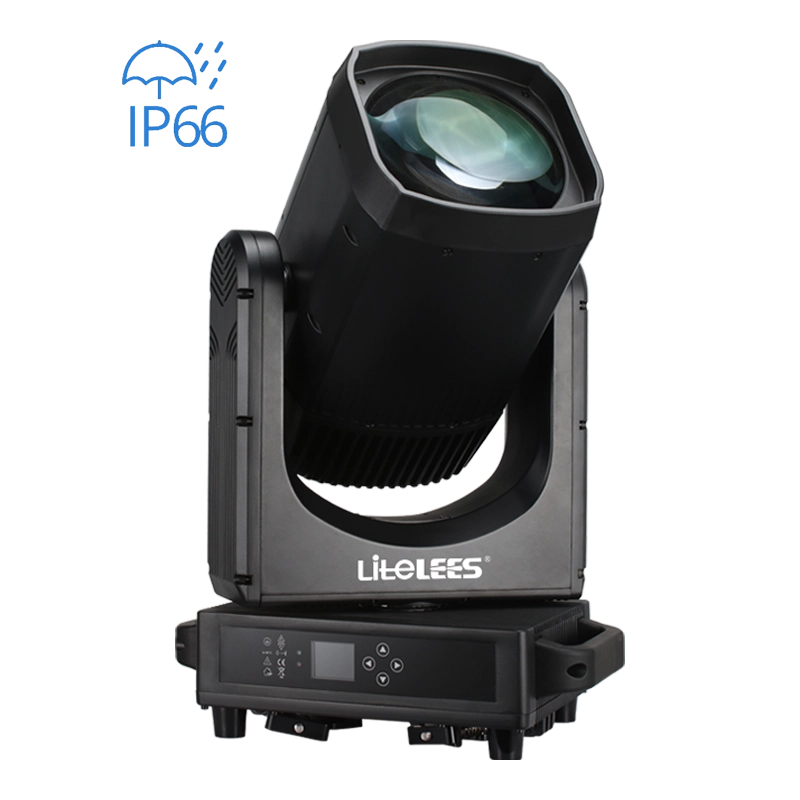
LiteLEES LUMIX BEAM 420 IP
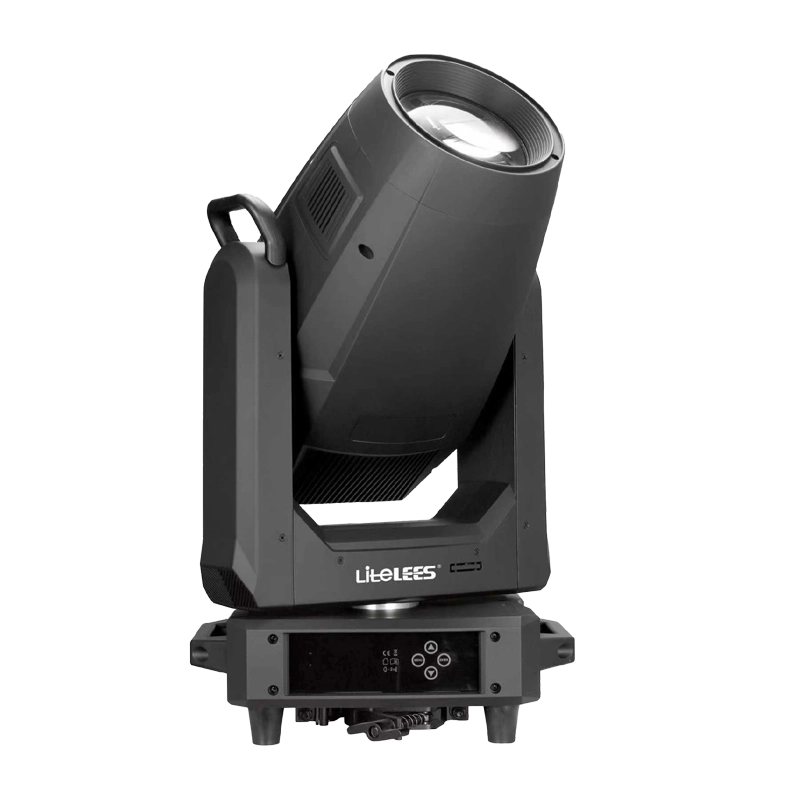
LP Profile 900
Want to get more up-to-date news?
If you have any comments or good suggestions, please leave us a message; later our professional staff will contact you as soon as possible.

We are professional stage lighting manufacturers offering OEM and ODM LED stage lights.
Contact
Email us
Call us
Address
No.6 Longnan Road, Huashan Town, Huadu District Guangzhou, Guangdong Province, China.
LiteLEES Professional
Less Lighting