
From Stage to Audience: The 2026 Guide to How Lighting Enhances the Immersive Experience of Concerts
- How Does Concert Lighting Create an Immersive Audience Experience?
- Quick Summary: The Core Pillars of Immersive Illumination
- The Science of Neuroaesthetics: Why Your Brain Craves Light Interaction
- Technological Evolution 2026: Beyond the Spotlight
- Sustainable Brilliance: The Shift to Eco-Conscious Stage Design
- Expert Tips for Designing Immersive Concert Landscapes
- Frequently Asked Questions (FAQ)
- How does concert lighting affect the emotional state of the audience?
- What is the role of color psychology in stage lighting design?
- How do strobe lights contribute to concert energy levels?
- What are the major lighting trends for concerts in 2026?
- How does lighting assist in concert storytelling?
- References
In the rapidly evolving landscape of live entertainment, the barrier between the artist and the audience is dissolving. By 2026, concert lighting will no longer be just about visibility; it will be about Neuroaesthetic lighting design—a scientific approach to orchestrating human emotion through visual stimuli. As we transition from passive viewing to active participation, industry leaders like LiteLEES (Guangzhou Lees Lighting Co., Ltd.) are equipping designers with the precision tools needed to bridge this gap.
How Does Concert Lighting Create an Immersive Audience Experience?
Concert lighting creates immersion by synchronizing multisensory stimuli—specifically visual rhythms and auditory frequencies—to regulate the audience's neurobiological state in real-time.
Beyond simply illuminating the stage, modern lighting acts as a psychological trigger. When a lighting designer synchronizes a 120bpm strobe with a bass drum, they are not just matching a beat; they are aligning external sensory inputs with the audience’s internal biological rhythms. This alignment creates a state of "entrainment," where the crowd's collective heart rate and adrenaline levels synchronize with the performance.
To achieve this level of immersion, designers in 2026 are focusing on:
- Cross-Modal Perception: Using light to alter how the brain processes sound, making bass feel "heavier" with red strobes or vocals feel "clearer" with cool white beams.
- Breaking the Fourth Wall: extending lighting fixtures out over the crowd to wrap the audience in the visual narrative.
- Temporal Distortion: Using rapid lighting changes to alter the audience's perception of time passing during a set.
- Spatial Definition: Transforming a static venue into a dynamic, shifting environment that mirrors the song's emotional arc.
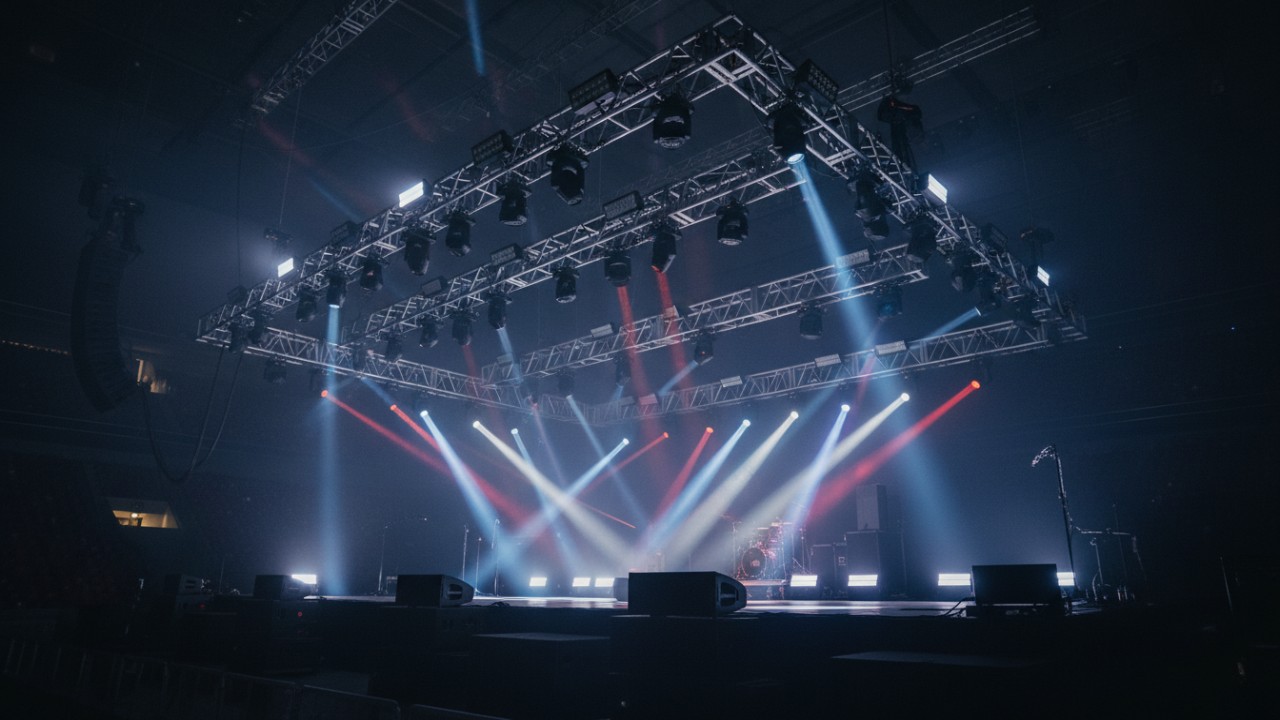
Quick Summary: The Core Pillars of Immersive Illumination
- Visual Narrative: Lighting tells the emotional story that lyrics and melody cannot convey alone.
- Emotional Resonance: High-contrast palettes drive adrenaline (fight/flight), while soft washes foster intimacy (safety).
- Directing Focus: Spotlights and shadows control the "Visual Hierarchy," guiding the eye to the most critical narrative elements.
- Audience Agency: New interactive tech allows crowd movement and noise levels to directly influence lighting intensity and color.
The Science of Neuroaesthetics: Why Your Brain Craves Light Interaction
Neuroaesthetics in lighting creates specific biological responses by leveraging the brain’s innate reaction to color temperature, intensity, and pattern recognition to prime emotional states.
According to 2025 research on Neuroaesthetic lighting design, the human brain processes light on a subconscious level before conscious recognition occurs. For instance, the "Priming Effect" suggests that exposure to a specific lighting condition (like a deep blue wash) prepares the amygdala to respond more intensely to a subsequent stimulus (like a sudden white burst).
Reliable hardware is critical for executing these subtle psychological shifts. LiteLEES, with over a decade of R&D experience and 50+ patents, engineers fixtures that maintain precise color consistency essential for these neurobiological triggers. Their moving head lights allow designers to utilize:
- Circadian Regulation: Manipulating blue-light content to keep audiences alert and energized late into the night.
- Pattern Recognition: The brain prefers fractal patterns found in nature. Advanced beam lights can mimic these organic structures, reducing cognitive load and increasing pleasure.
- Pulse Stimulation: Strobe effects that match the frequency of neural firing rates to induce high-energy states (typically 10-20Hz).
Technological Evolution 2026: Beyond the Spotlight
The next generation of concert lighting utilizes AI-driven tracking and augmented reality to create a seamless, 360-degree visual environment that reacts to performers and audiences instantly.
We are moving away from pre-programmed timelines toward generative, reactive systems. In 2026, Spatial light orchestration allows sound systems and lighting rigs to communicate, placing a visual cue exactly where a sound "originates" in 3D space. This creates a hyper-realistic sensory environment where light and sound are physically co-located.
Key technological advancements include:
-
Augmented Reality Lighting Integration: As smart glasses become common at concerts, physical lights will trigger digital overlays. A real spotlight from a LiteLEES fixture might trigger a virtual dragon flying over the crowd, visible only through AR lenses, blending the physical and digital worlds.
-
Interactive Pixel Mapping: Using LiDAR and infrared cameras, lighting rigs can now map the crowd as a canvas. This allows for effects like "light ripples" that move through the audience as people dance, turning the crowd into a living, breathing pixel map.
-
Automated Tracking & AI: Systems like VisionCue Pro now allow lights to autonomously follow performers without human operation, freeing up designers to focus on creative "looks" rather than manual spotlighting.
-
Holographic Projection: Merging high-intensity beams with mist and scrims to create 3D volumetric images that float mid-air, offering a spectacle without the need for physical screens.
Sustainable Brilliance: The Shift to Eco-Conscious Stage Design
Sustainable stage lighting has shifted from a niche preference to a non-negotiable industry standard, driven by regulatory mandates and the demand for carbon-neutral touring.
Data from 2025 indicates that the global entertainment lighting market is pivoting aggressively toward Sustainable stage effects. With the market projected to reach over $3.3 billion by 2026, the growth is fueled largely by the replacement of inefficient discharge lamps with high-output LED systems.
This shift requires manufacturing excellence. LiteLEES operates under the ISO9001 quality management system to produce energy-efficient LED wash and spot lights that reduce power consumption by up to 60% compared to traditional fixtures. Their commitment to international standards (CE, RoHS) ensures that tours can travel globally without compliance issues.
- Circular Economy: Using modular fixtures that can be repaired rather than replaced, reducing electronic waste.
- Solar-Powered Control: Outdoor festivals are increasingly running lighting control networks on off-grid solar generators.
- IP65 Durability: Using waterproof equipment (like the LiteLEES IP65 series) reduces the need for plastic protective covers and lowers the replacement rate of gear damaged by weather.
Expert Tips for Designing Immersive Concert Landscapes
To maximize immersion, designers must balance technological capability with biological limitations, ensuring that visual spectacles do not induce sensory overload.
Here are expert strategies for 2026:
- Establish a Visual Anchor: Before programming complex Spatial light orchestration, define a central visual point (usually the lead artist) to ground the audience's attention.
- Utilize Negative Space: Darkness is as powerful as light. Use moments of total blackouts to "reset" the audience’s rods and cones, making the next light cue appear twice as bright.
- Layering Textures: Don't just use beams. Combine fog, haze, and lasers to give light a tactile, physical presence that the audience feels they can touch.
- Monitor Visual Fatigue: Avoid prolonged exposure to high-frequency strobes (over 30 seconds) to prevent desensitization and physical discomfort.
Frequently Asked Questions (FAQ)
How does concert lighting affect the emotional state of the audience?
Concert lighting influences emotion through color psychology and intensity, directly stimulating the autonomic nervous system.
- Warm Tones: Red and orange frequencies increase heart rate and simulate excitement.
- Cool Tones: Blue and purple wavelengths promote introspection and calm.
- Intensity: Sudden changes in brightness trigger the "startle response," heightening alertness.
What is the role of color psychology in stage lighting design?
Color psychology sets the subconscious "tonal framework" for the performance, telling the audience how to feel before the music even starts.
- Context Clues: Deep greens might signal "unease" or "nature," depending on the accompanying sound.
- Narrative Arcs: Changing palettes (e.g., from blue to red) creates a visual journey that parallels the musical climax.
How do strobe lights contribute to concert energy levels?
Strobes create a "temporal aliasing" effect that fragments visual motion, mimicking the high-speed processing of a fight-or-flight response.
- Urgency: High-speed flashing creates a sense of danger and excitement.
- Bass Sync: synchronizing flashes with low frequencies physically amplifies the impact of the beat.
What are the major lighting trends for concerts in 2026?
The major trends focus on AI integration, sustainability, and mixed-reality experiences.
- AI Real-Time Rendering: Generative visuals that react to improvisation.
- Green Touring: Mandatory use of energy-efficient LED and solar-compatible rigs.
- AR Integration: Augmented Reality lighting integration for audiences wearing smart glasses.
How does lighting assist in concert storytelling?
Lighting acts as a "Silent Director," using brightness and shadow to guide the audience's eye to the most important part of the story.
- Transitions: distinct lighting changes mark the end of one "chapter" and the start of another.
- World Building: Haze and color wash create the "atmosphere" or world the artist inhabits.
References
Products
Are your lights suitable for large-scale events and outdoor use?
Yes. Our professional stage lights—especially the Beam, BSW 3-in-1, and LED Par Series—are engineered with high-output brightness, wide beam angles, and robust housing. Some models come with IP-rated protection, making them suitable for outdoor applications like concerts, festivals, and sports events.
Can I customize the functions or software of the lights?
Absolutely. As a manufacturer with independent R&D capabilities, we offer customization for both hardware and software (such as DMX channel layout, built-in programs, or UI language). Contact us with your project needs, and our team will provide tailored solutions.
Do your lights support DMX512 and other control protocols?
Yes. All LiteLEES stage lights are fully compatible with DMX512. Many models also support RDM, Art-Net, and wireless DMX (optional), ensuring seamless integration with modern lighting control systems.
Company
Can LiteLEES handle OEM/ODM orders?
Absolutely. With our strong R&D capabilities and advanced manufacturing, we can customize designs, features, and branding to meet your specific needs.
Where is LiteLEES located?
Our headquarters and manufacturing facility are located in Guangzhou, China, with products exported to over 70 countries worldwide.
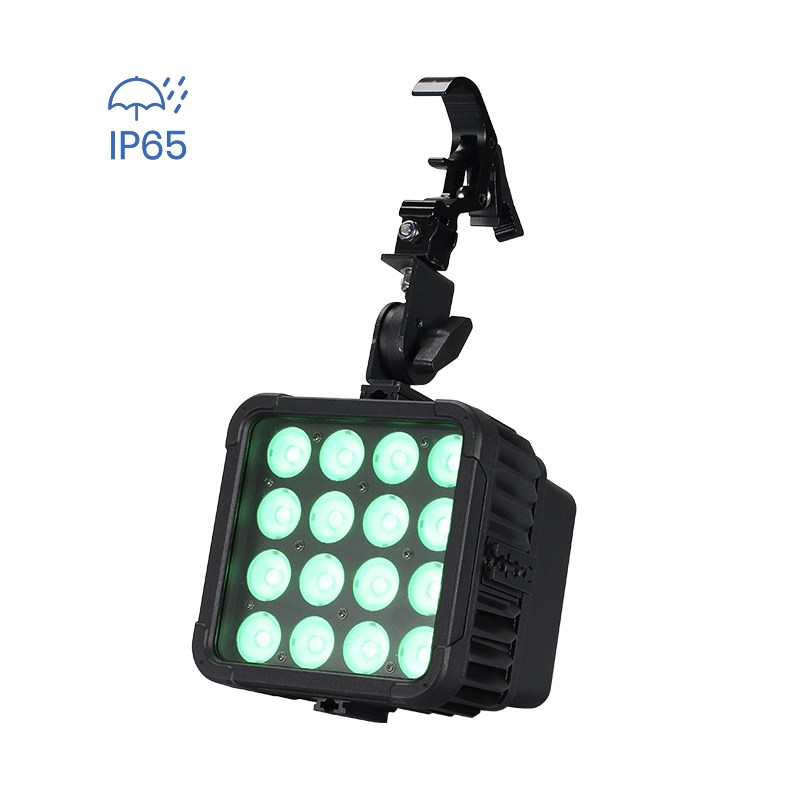
Magic Cube V6 IP
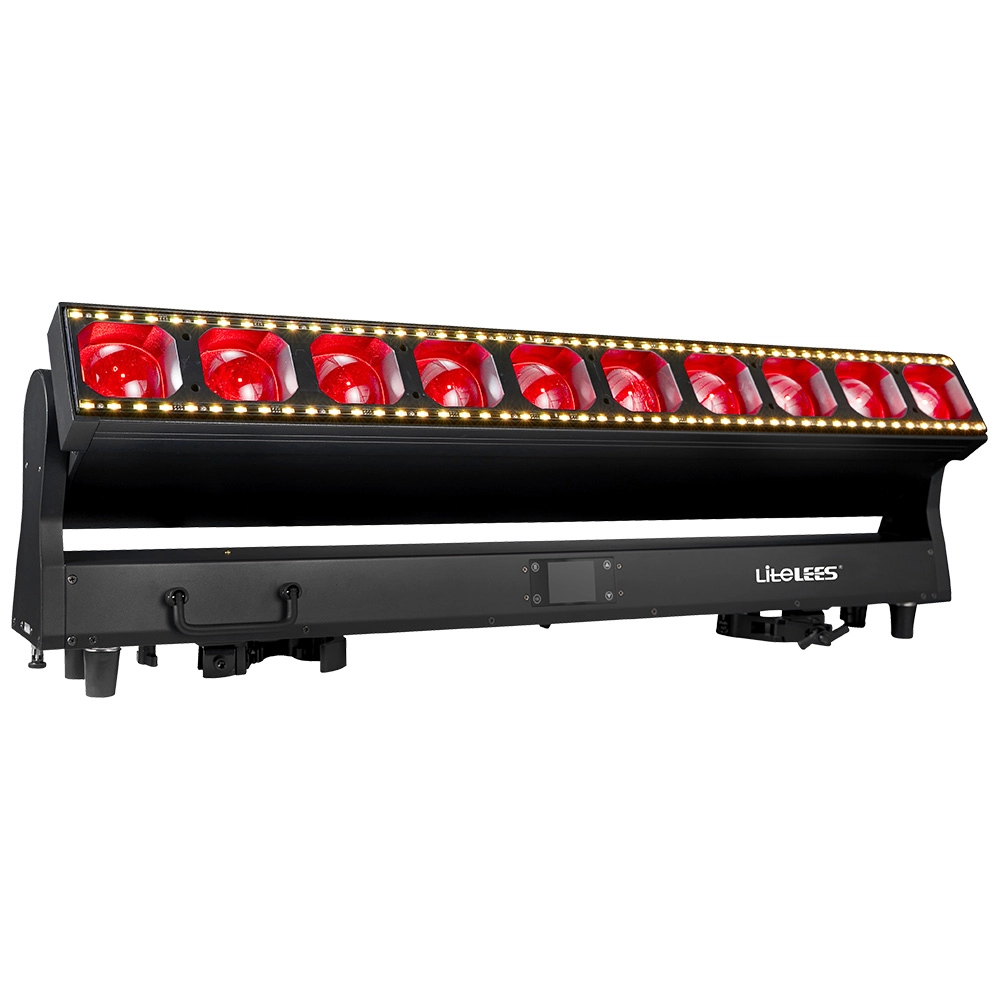

Stormy Shake Blinder IP
Want to get more up-to-date news?
If you have any comments or good suggestions, please leave us a message; later our professional staff will contact you as soon as possible.

We are professional stage lighting manufacturers offering OEM and ODM LED stage lights.
Contact
Email us
Call us
Address
No.6 Longnan Road, Huashan Town, Huadu District Guangzhou, Guangdong Province, China.
LiteLEES Professional
Less Lighting