
The Ultimate Guide to Beam Moving Head Lights: 2026 Professional Trends & Performance Comparison
- What is a Beam Moving Head Light?
- 2026 Key Takeaways: Selecting the Right Fixture
- Beam vs. Spot vs. Wash: The 2026 Technical Hierarchy
- The Anatomy of a High-Performance Beam: Lenses & Prisms
- Common Setup and Maintenance Mistakes to Avoid
- Expert Tips for Professional Stage Design
- Frequently Asked Questions (FAQ)
- What is the best beam angle for a Beam moving head?
- Are LED beam moving heads better than discharge bulb versions?
- How do I control beam moving head lights?
- Can I use indoor beam lights outside with a rain cover?
- What is a "Hybrid" moving head light?
- How often should I clean the lenses on a moving head?
- Why is my beam light losing focus or brightness?
- Are laser-based beam lights safe for the audience?
- References
DMX512 intelligent lighting fixtures have revolutionized the stage production industry, evolving from simple scanners to complex, automated robotic systems. Whether you are designing for a massive outdoor festival or an intimate club set, understanding the optical physics and maintenance requirements of these fixtures is critical for a flawless show.
What is a Beam Moving Head Light?
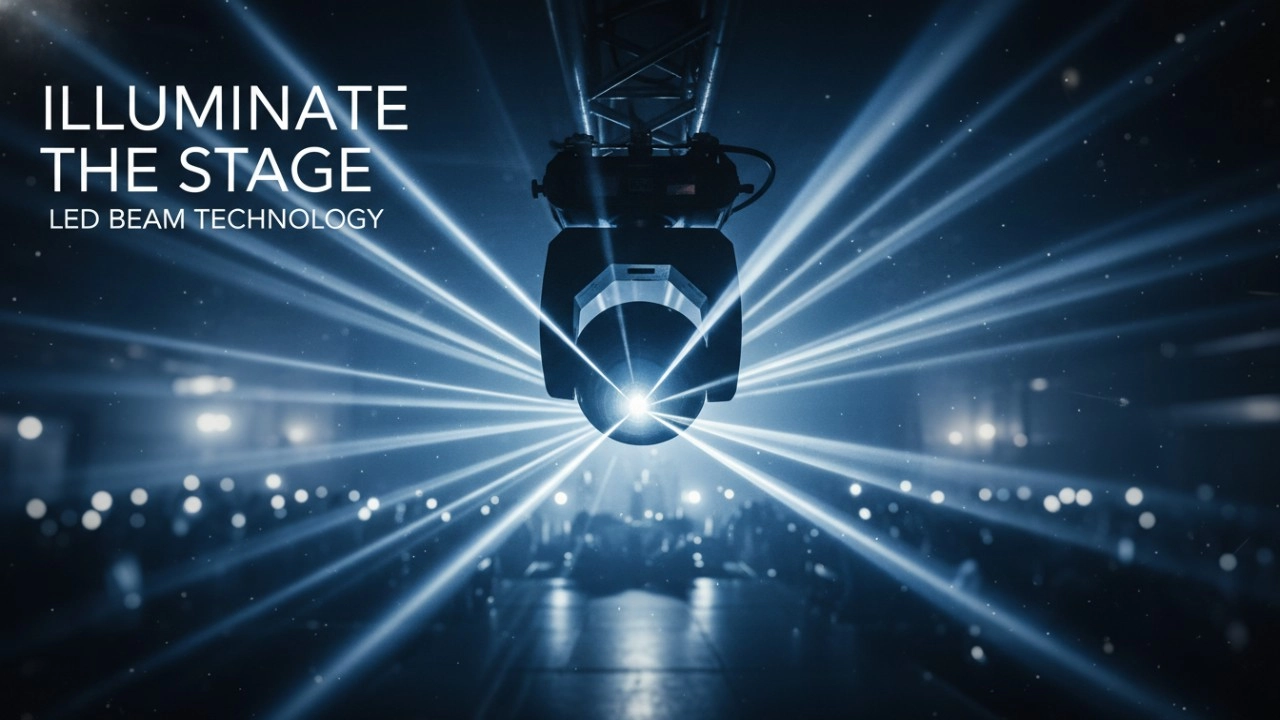
A Beam moving head is a high-intensity stage lighting fixture designed to produce an extremely narrow, parallel light beam (typically 0° to 4°) that remains tight over long distances. Unlike Spot or Wash lights, Beams focus their entire lumen output into a concentrated "pencil" of light to create high-impact aerial geometry and visual excitement.
To achieve this razor-sharp effect, manufacturers like LiteLEES utilize specialized micro-aperture lenses and high-speed stepper motors. This optical precision allows the fixture to cut through atmospheric effects with minimal light spill.
- Optical Collimation: Focuses energy into a coherent path, allowing the beam to travel visually further than other fixture types.
- Aerial Dominance: Designed specifically for mid-air effects rather than illuminating a surface or performer.
- Speed: Beam fixtures often feature lighter lenses, enabling faster pan and tilt movements compared to heavier Spot fixtures.

2026 Key Takeaways: Selecting the Right Fixture
In 2026, the industry standard is shifting toward laser source vs LED beam technology, with hybrid fixtures offering the best ROI for rental houses. Professionals are now prioritizing IP ratings and intelligent feedback protocols over raw wattage.
Data from recent 2025 industry reports indicates that while discharge lamps still hold a brightness edge in stadium settings, laser-phosphor sources are rapidly closing the gap. When selecting your fleet, consider these evolving standards:
- Laser-Source Engines: Prioritize these for throws exceeding 100 meters. They maintain narrow beam angle optics (<1°) better than any LED counterpart.
- RDM 2.0 Compatibility: Essential for remote monitoring. New protocols allow you to check fan speeds and thermal warnings from the console, drastically reducing troubleshooting time.
- Hybrid Functionality: Look for "3-in-1" fixtures (Beam/Spot/Wash). LiteLEES has pioneered reliable hybrid units that allow venues to switch modes instantly without intensity loss.
- Weatherproofing: IP65 outdoor moving head lights are no longer just for rain; they are the standard for dust protection in festivals, significantly extending internal component life.
Beam vs. Spot vs. Wash: The 2026 Technical Hierarchy
The fundamental difference lies in the beam angle and optical edge: Beams are for aerial texture, Spots are for gobo projection, and Washes are for color coverage. Misunderstanding this hierarchy is the most common mistake in lighting plot design.
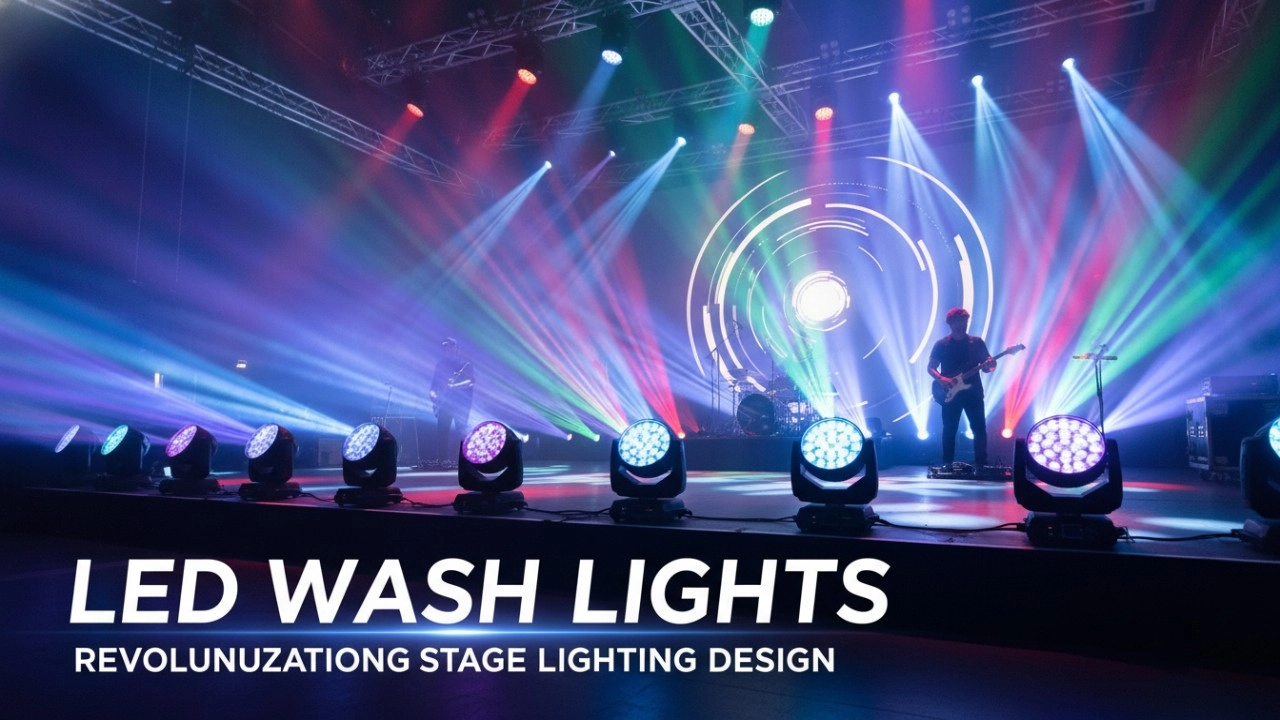
While a Wash light uses a fresnel or pebbled lens to diffuse light, a Beam fixture uses a clear, large front lens to collimate it. Below is a comparison of technical specifications expected in professional 2026 setups:
| Feature | Beam Moving Head | Spot Moving Head | Wash Moving Head |
|---|---|---|---|
| Primary Function | Aerial Effects & "Fans" | Gobos, Logos, Focus | Color Coverage, Blending |
| Beam Angle | 0° – 4° (Fixed or Zoom) | 5° – 45° (Zoom) | 10° – 60° (Zoom) |
| Edge Quality | Hard, defined edge | Sharp focus capable | Soft, feathered edge |
| Power Draw | Low (High Efficiency) | Medium to High | Medium |
| Ideal Throw | Long (>50m) | Medium (10-30m) | Short to Medium (<20m) |
The Anatomy of a High-Performance Beam: Lenses & Prisms
High-performance beams rely on multi-layer coated glass lenses to prevent chromatic aberration, ensuring the beam remains white and crisp even at 100 feet. The internal optical train is the heart of the fixture, determining both output quality and thermal management.
Experience from manufacturers like LiteLEES shows that the cooling system is just as vital as the lens. Next-generation copper pipe cooling systems can extend the life of an LED engine by up to 40% compared to traditional fans.
- Dual-Prism Stacking: A hallmark of professional beams. Combining an 8-facet and 16-facet prism creates massive, complex "mandala" patterns in the air.
- CMY vs. Color Wheel: For fast-paced EDM, fixed color wheels are often preferred for their instant snapping speed, whereas CMY mixing is better for theater transitions.
- Frost Filters: High-end beams include a frost filter to temporarily act as a Wash light, adding versatility.
Common Setup and Maintenance Mistakes to Avoid
A rigorous stage lighting maintenance protocol is the only way to prevent mid-show failures, particularly for fixtures exposed to haze fluid and dust. Neglect is the number one cause of thermal shutdown and stepper motor drift.
Based on field data from touring technicians, adhering to a strict cleaning schedule extends fixture lifespan by years. LiteLEES emphasizes that preventative care is cheaper than emergency repairs.
- Cable Shielding: Failure to use proper 110-ohm shielded DMX cables causes signal reflection and "jittery" movement.
- Fan Maintenance: Neglecting internal fan cleaning leads to thermal throttling. Clean fans monthly with compressed air.
- Rigging Orientation: Always ensure the clamp is rated for the fixture's weight. Gravity stress on pan gears from improper hanging causes grinding noises.
- Haze Residue: Oil-based haze leaves a sticky residue on lenses. Clean optics with isopropyl alcohol every 50 hours of operation.
Expert Tips for Professional Stage Design
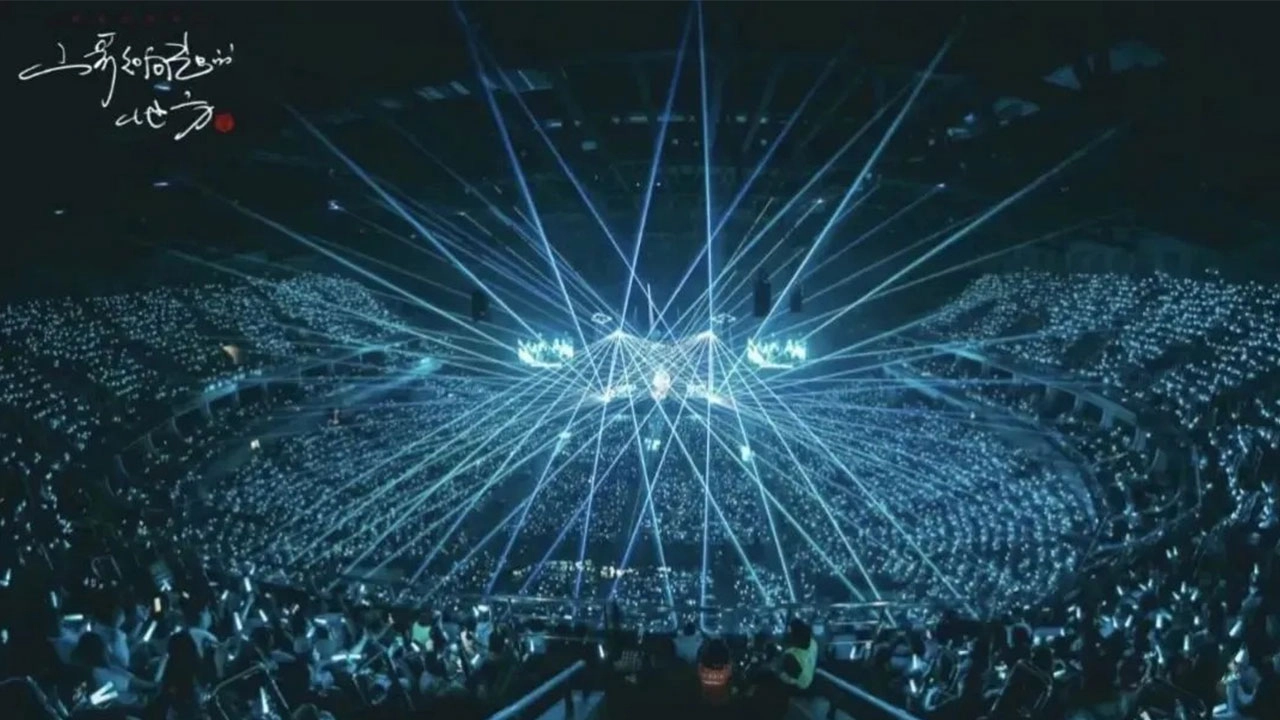
To maximize the impact of beam fixtures, you must visualize the air volume, not just the stage floor. Beams are 3D architectural tools that require atmospheric contrast to be seen.
- Atmospheric Haze: Use a density of 0.5 to 1.5. Without haze, a Beam light is invisible until it hits a surface.
- Layering Depth: Position Beams on the back-truss for depth and Wash lights on the front-truss for visibility. This separation creates a massive sense of scale.
- Organic Programming: Avoid static positions. Use staggered pan/tilt offsets to create organic "wave" movements that look fluid rather than mechanical.
Frequently Asked Questions (FAQ)
What is the best beam angle for a Beam moving head?
For true "pencil" effects, look for an angle between 0.8° and 2°. Wider angles (above 5°) begin to transition into the Spot category and lose that signature long-throw intensity.
Are LED beam moving heads better than discharge bulb versions?
LEDs offer significantly lower power consumption and 20,000+ hour lifespans, making them ideal for touring and venues. However, discharge bulbs (like the 7R or 10R) still offer higher peak luminance (brightness density) for massive stadiums.
How do I control beam moving head lights?
Most professional fixtures use the DMX512-A protocol via 3-pin or 5-pin XLR cables. For mobile setups, Wireless DMX (WDMX) is becoming standard, though wired connections remain the most reliable for large rigs.
Can I use indoor beam lights outside with a rain cover?
Yes, but it is not recommended for long-term use due to humidity and heat buildup inside the cover. True IP65-rated fixtures are the only safe option for permanent outdoor installations as they are sealed against moisture and dust ingress.
What is a "Hybrid" moving head light?
A hybrid fixture combines Beam, Spot, and Wash optics into a single unit. It uses a motorized zoom and interchangeable focus lenses to modify the beam angle dynamically, offering a "Swiss Army Knife" solution for designers.
How often should I clean the lenses on a moving head?
Clean them every 30-50 hours of use in high-haze environments. Use isopropyl alcohol and a lint-free cloth to avoid scratching the specialized anti-reflective coatings.
Why is my beam light losing focus or brightness?
This is usually due to dust accumulation on the internal reflector or primary lens. Alternatively, if using a discharge fixture, the light source (bulb) may be reaching its "end of life" hours and needs replacement.
Are laser-based beam lights safe for the audience?
Only if they are FDA/CDR certified and used with appropriate safety distances (often 3 meters above the audience). Professional "Laser-Source" beams are generally designed to be audience-safe when kept in motion and not scanning statically.
References

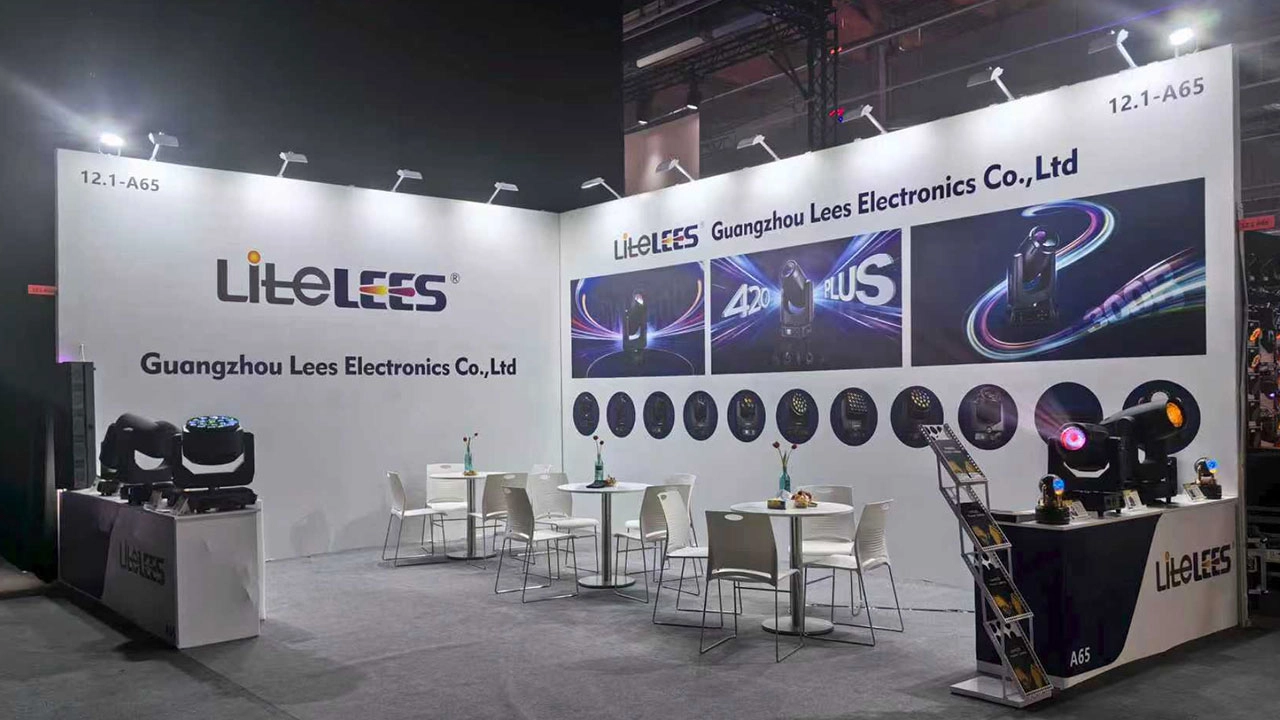
Products
Are your lights suitable for large-scale events and outdoor use?
Yes. Our professional stage lights—especially the Beam, BSW 3-in-1, and LED Par Series—are engineered with high-output brightness, wide beam angles, and robust housing. Some models come with IP-rated protection, making them suitable for outdoor applications like concerts, festivals, and sports events.
Do your lights support DMX512 and other control protocols?
Yes. All LiteLEES stage lights are fully compatible with DMX512. Many models also support RDM, Art-Net, and wireless DMX (optional), ensuring seamless integration with modern lighting control systems.
Company
What certifications do your products have?
All LiteLEES products are certified by CE, RoHS, FCC, and BIS. Our factory is ISO9001 quality management system certified.
Do you have your own factory?
Yes. We own a sheet metal factory and a complete in-house production line—from PCB to final assembly—ensuring strict quality control and fast delivery.
Where is LiteLEES located?
Our headquarters and manufacturing facility are located in Guangzhou, China, with products exported to over 70 countries worldwide.
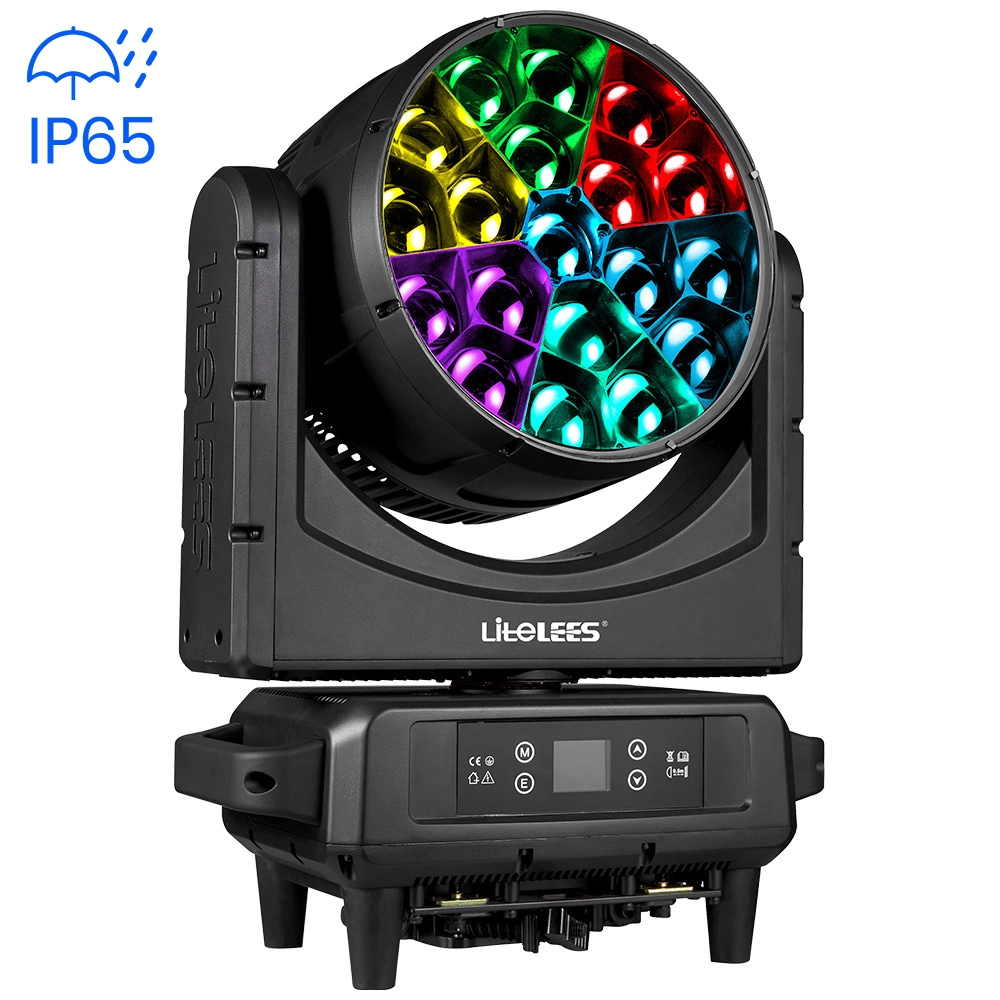
BIG EYE L4019 IP

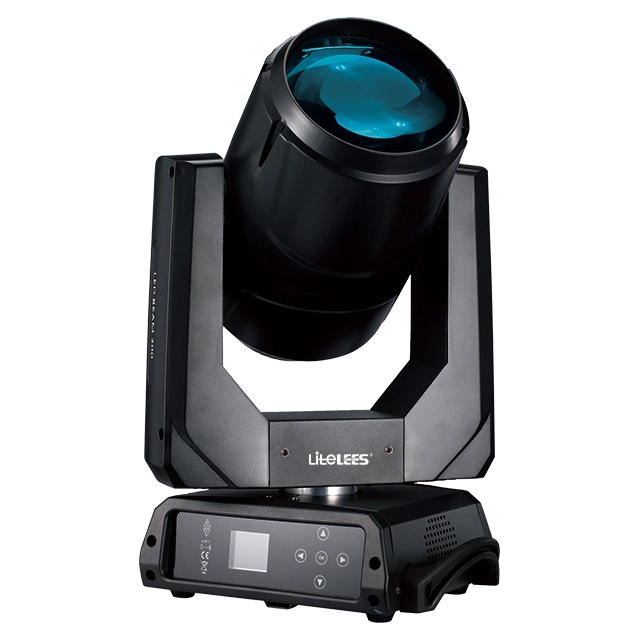
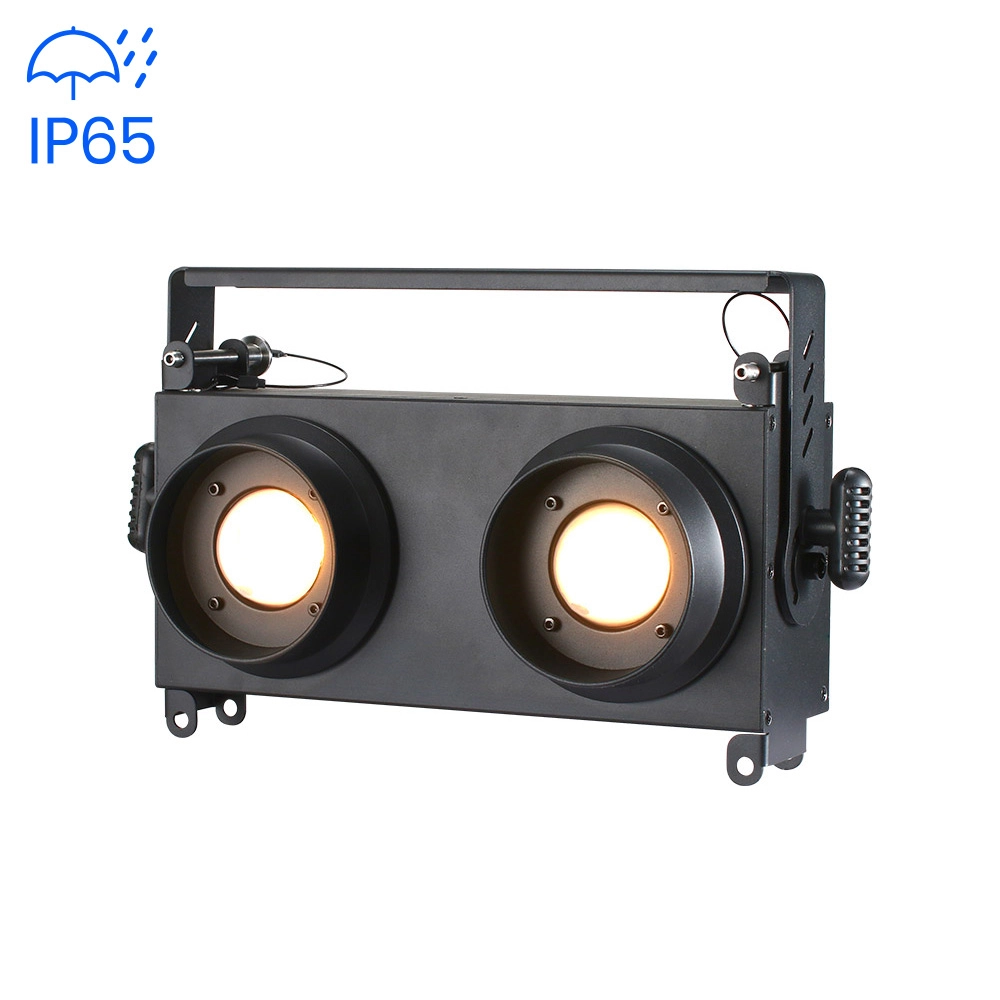
Stormy Blinder 400 IP
Want to get more up-to-date news?
If you have any comments or good suggestions, please leave us a message; later our professional staff will contact you as soon as possible.

We are professional stage lighting manufacturers offering OEM and ODM LED stage lights.
Contact
Email us
Call us
Address
No.6 Longnan Road, Huashan Town, Huadu District Guangzhou, Guangdong Province, China.
LiteLEES Professional
Less Lighting